Cape Coral pools work hard. Between year-round swimming, summer storms, and fine grit in the water, your filter gets little time to rest. For most homeowners, the choice comes down to this: cartridge filters usually save water and catch finer debris, while sand filters cost less up front and feel simpler on day one.
If you are replacing old equipment, building new, or planning a renovation, the better option depends on how you use the pool and how much upkeep you want. A family that swims daily needs something different than a seasonal owner or a rental property. The breakdown below keeps it practical.
How cartridge and sand filters handle Cape Coral water
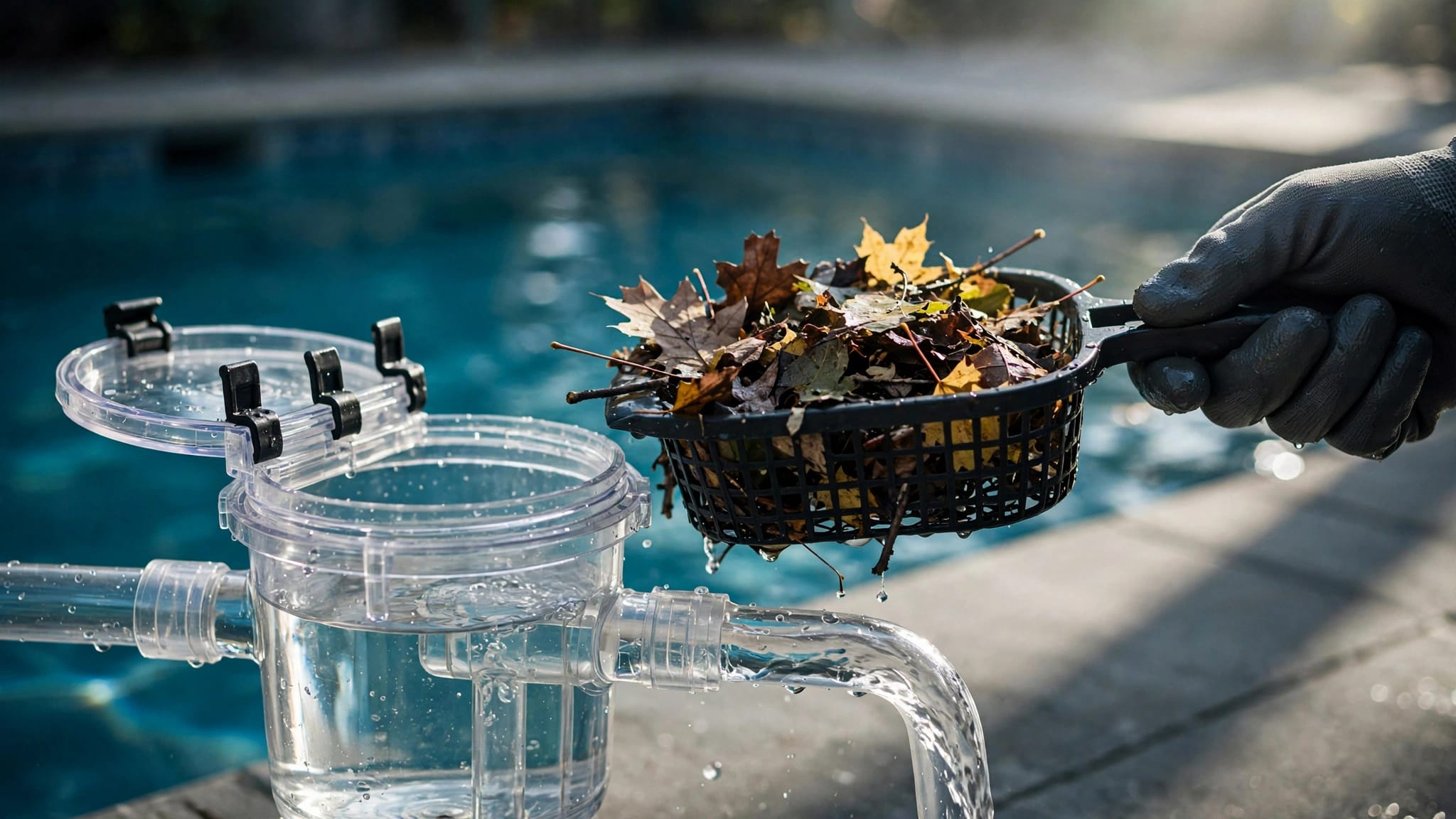
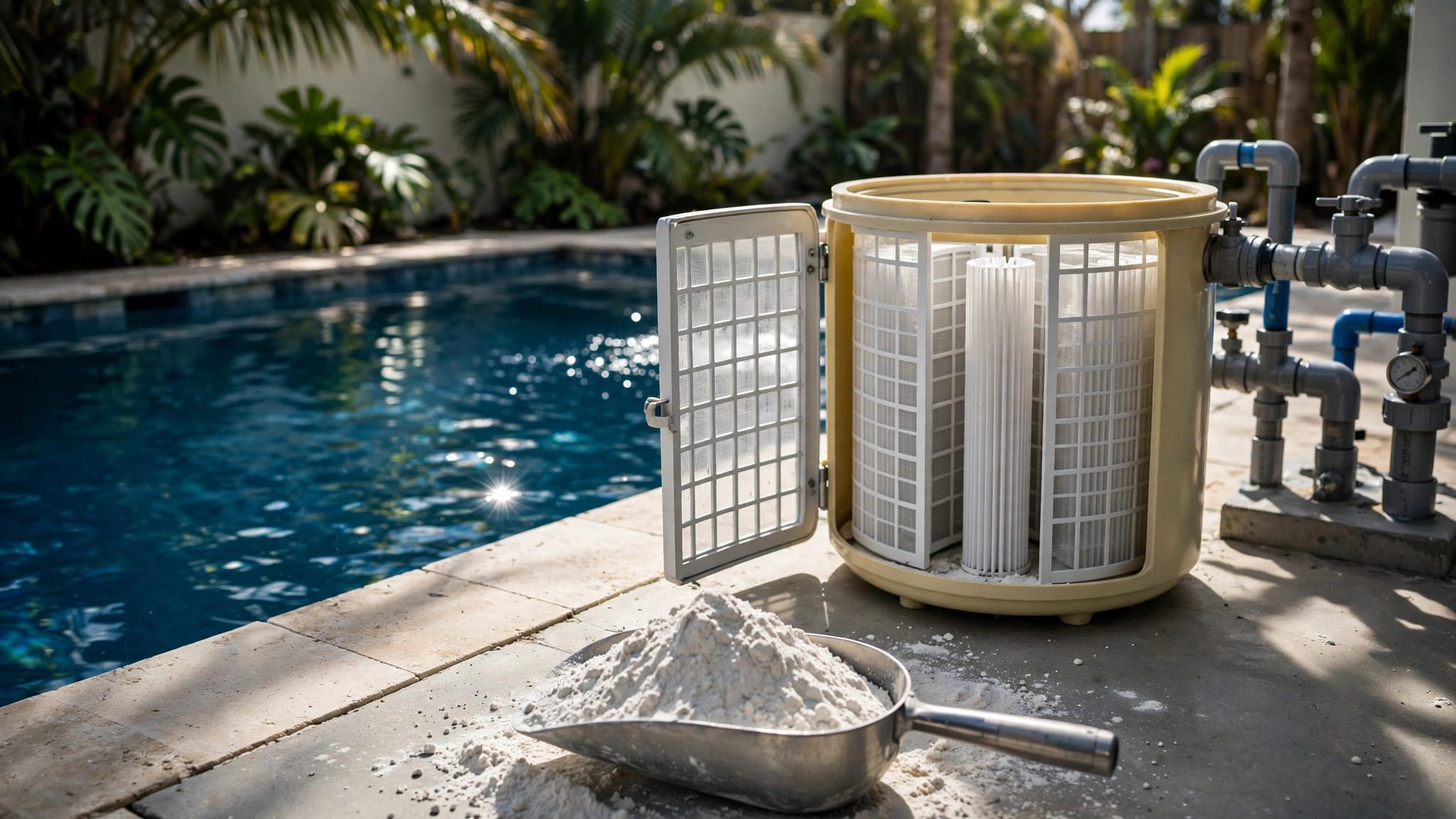
Cartridge filters use a pleated element that traps dirt as water passes through it. They catch smaller particles, so water often looks clearer, especially after rain or a windy afternoon.
Sand filters work by pushing water through a tank filled with sand. The sand traps larger debris, and when it gets dirty, you backwash the filter to flush waste out. That step is quick, but it sends pool water to the drain.
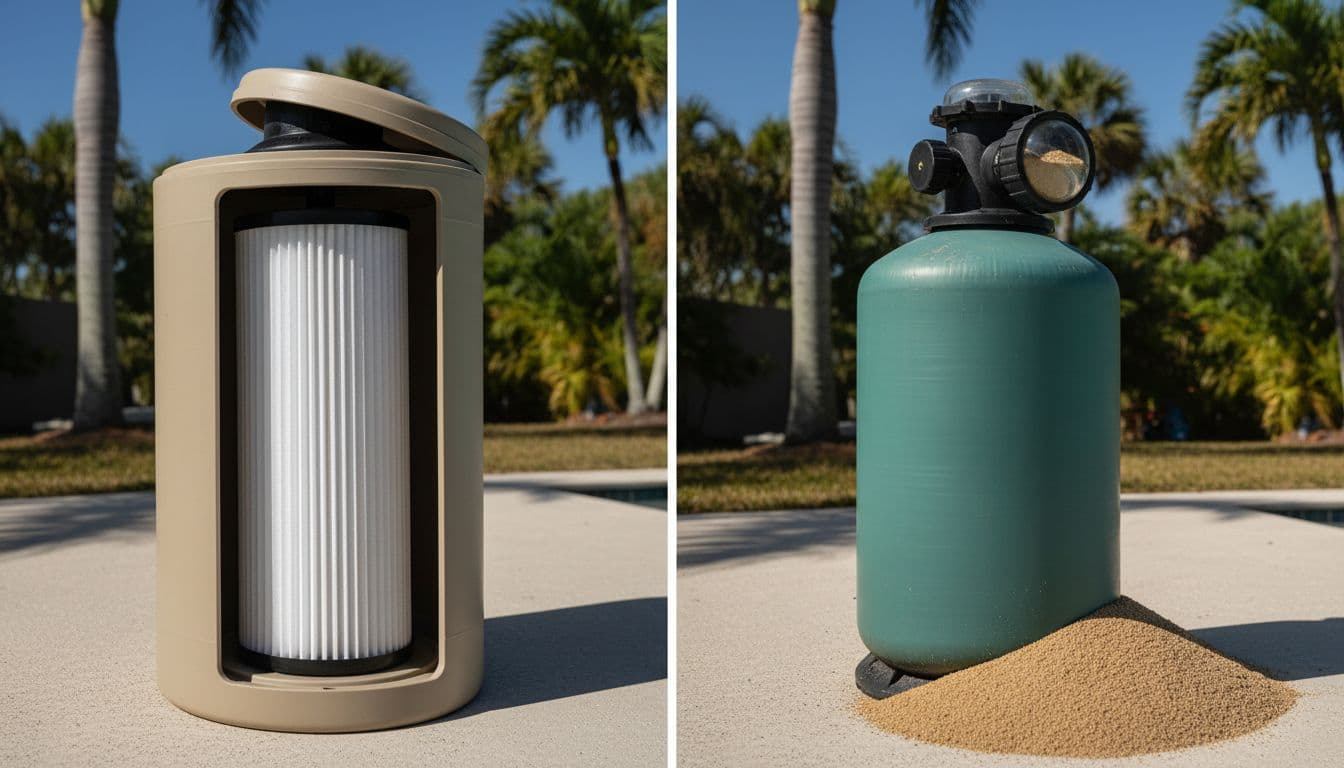
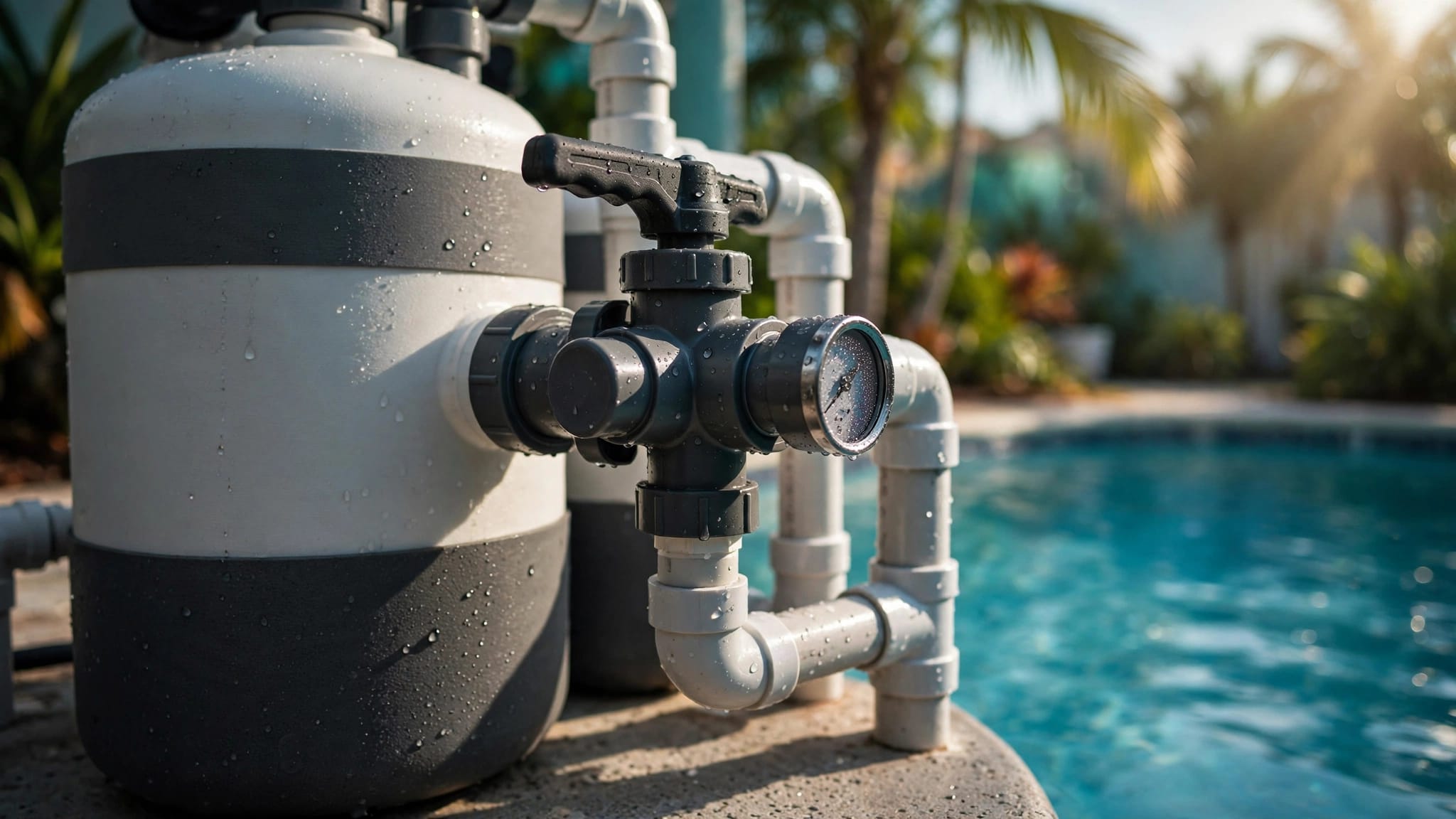
A cartridge system is often easier on the pump because it usually runs with less resistance, especially when kept clean. Sand can handle a lot of flow, but it needs backwashing when the pressure climbs. That pressure spike is the clue many owners miss.
Cartridge filters usually need a hose rinse and, every so often, a deeper cleaning. Sand filters need less hands-on cleaning, yet they trade that convenience for water loss. In Cape Coral, where pools run all year and storms can dump a lot of fine debris into the water, that difference shows up fast.
If water use matters, cartridge usually has the edge. If first cost matters most, sand still has a place.
The real question is not which filter works. Both do. The question is which one fits how you live.
Side-by-side comparison for Cape Coral pools
A simple table makes the tradeoffs easier to see.
| What matters | Cartridge filter | Sand filter | Cape Coral takeaway |
|---|---|---|---|
| Upfront price | Higher | Lower | Sand wins if budget is tight |
| Water use | No backwashing | Backwashing sends water away | Cartridge is better for conservation |
| Water clarity | Catches finer debris | Catches larger particles | Cartridge usually leaves water clearer |
| Routine care | Hose off the element, clean it more often | Backwash when pressure rises | Sand feels simpler, cartridge wastes less water |
| Long-term cost | Replace elements every few years | Sand lasts longer, but backwashing adds water use | The cheaper filter up front is not always cheaper over time |
| Storm debris | Handles fine silt well | Handles heavier debris well | Cartridge is often better after Cape Coral storms |
The table shows why many local owners lean toward cartridge. The price tag is higher at the start, but the filter usually saves water and keeps the pool clearer. Sand can still be the right answer, especially if your main goal is a lower purchase price or a system that handles larger debris without much fuss.
If you are replacing the pump at the same time, choosing the right filtration setup helps keep the whole system balanced. A filter that matches the pump is easier to live with and usually runs more efficiently.
Florida weather changes the answer
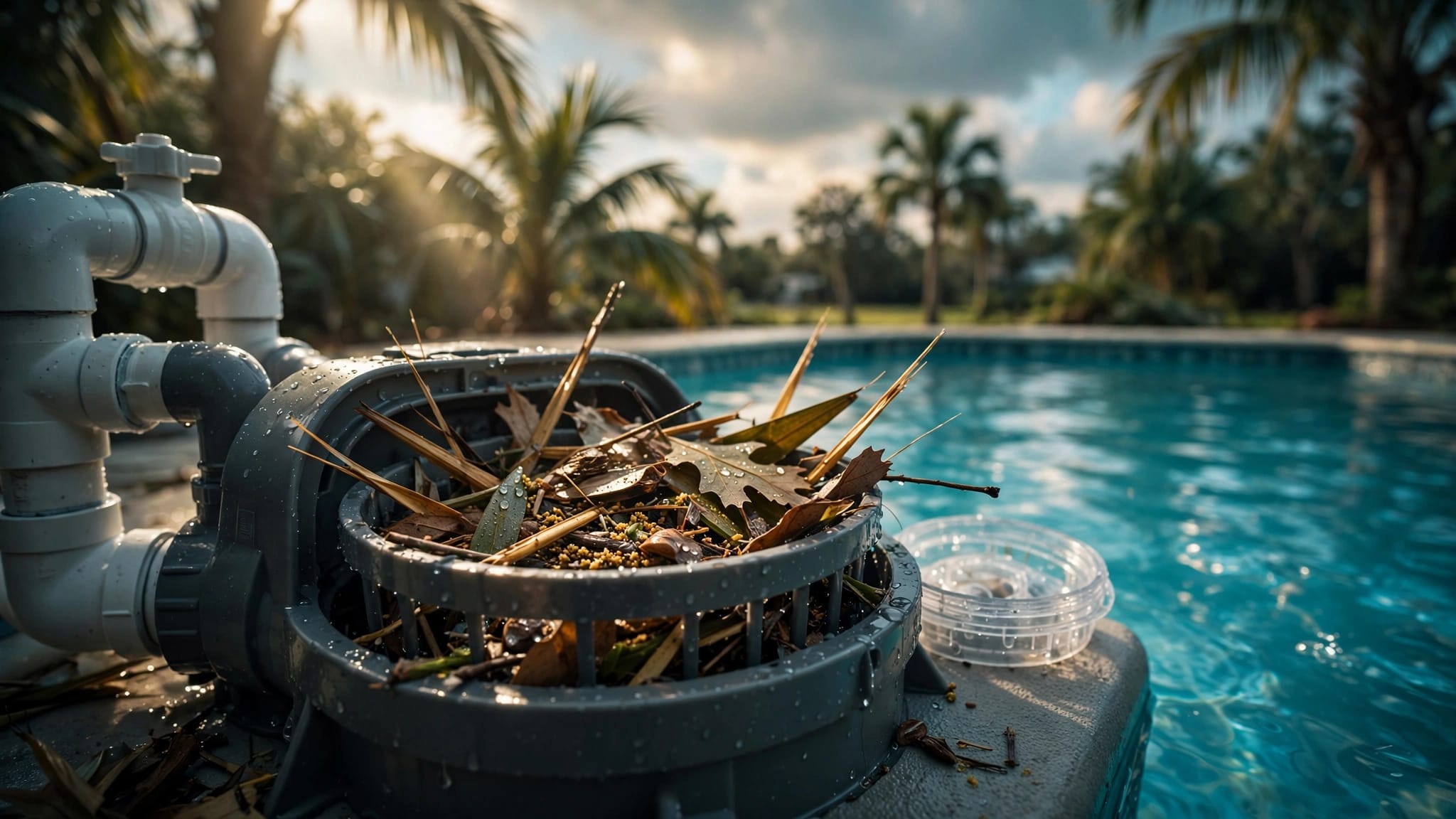
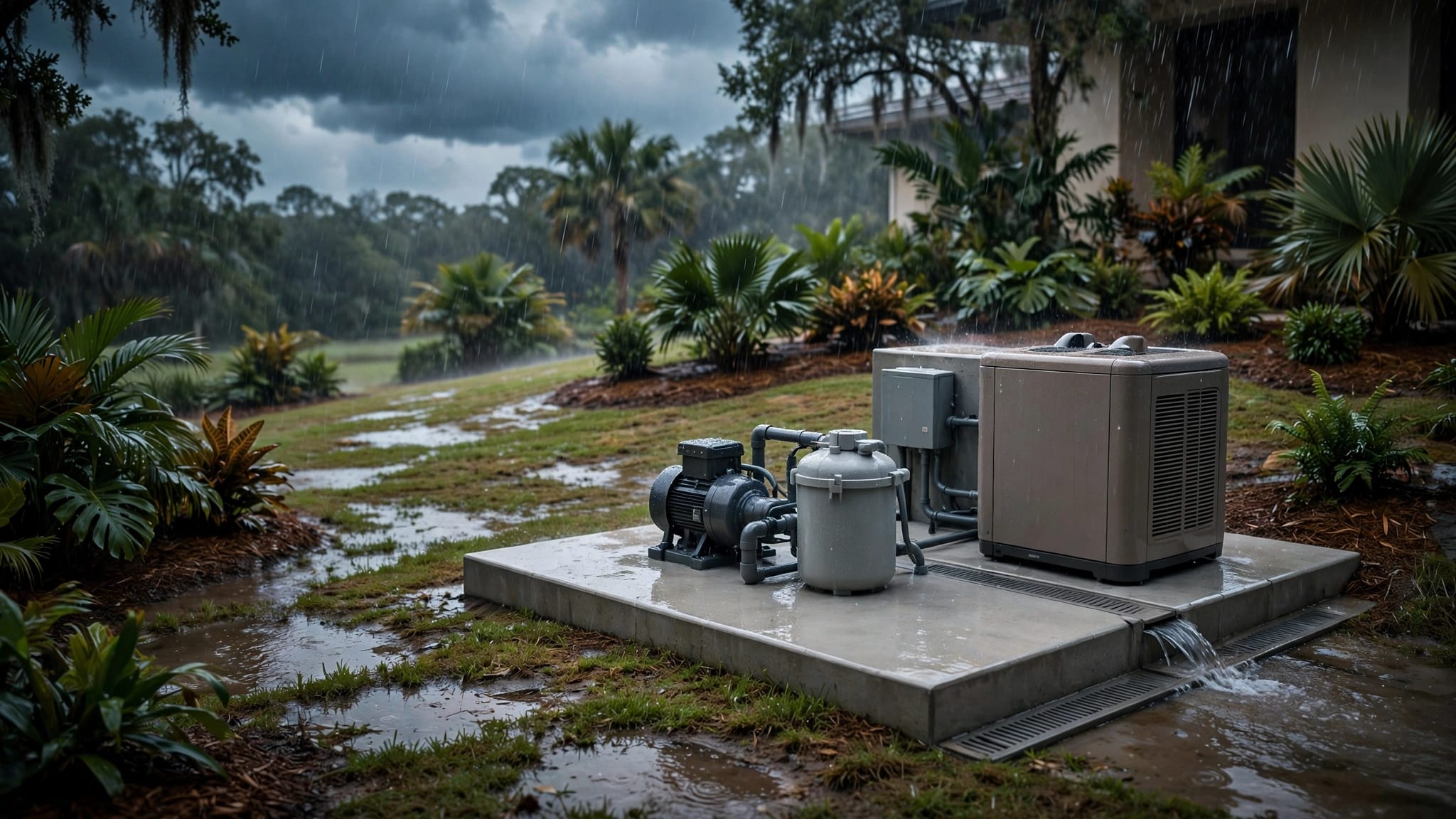
Cape Coral weather puts a different strain on pool gear than many inland markets. Heavy rain, wind, and storm debris can load a pool fast. Pollen, palm bits, and fine sand also hang around longer in open backyards.
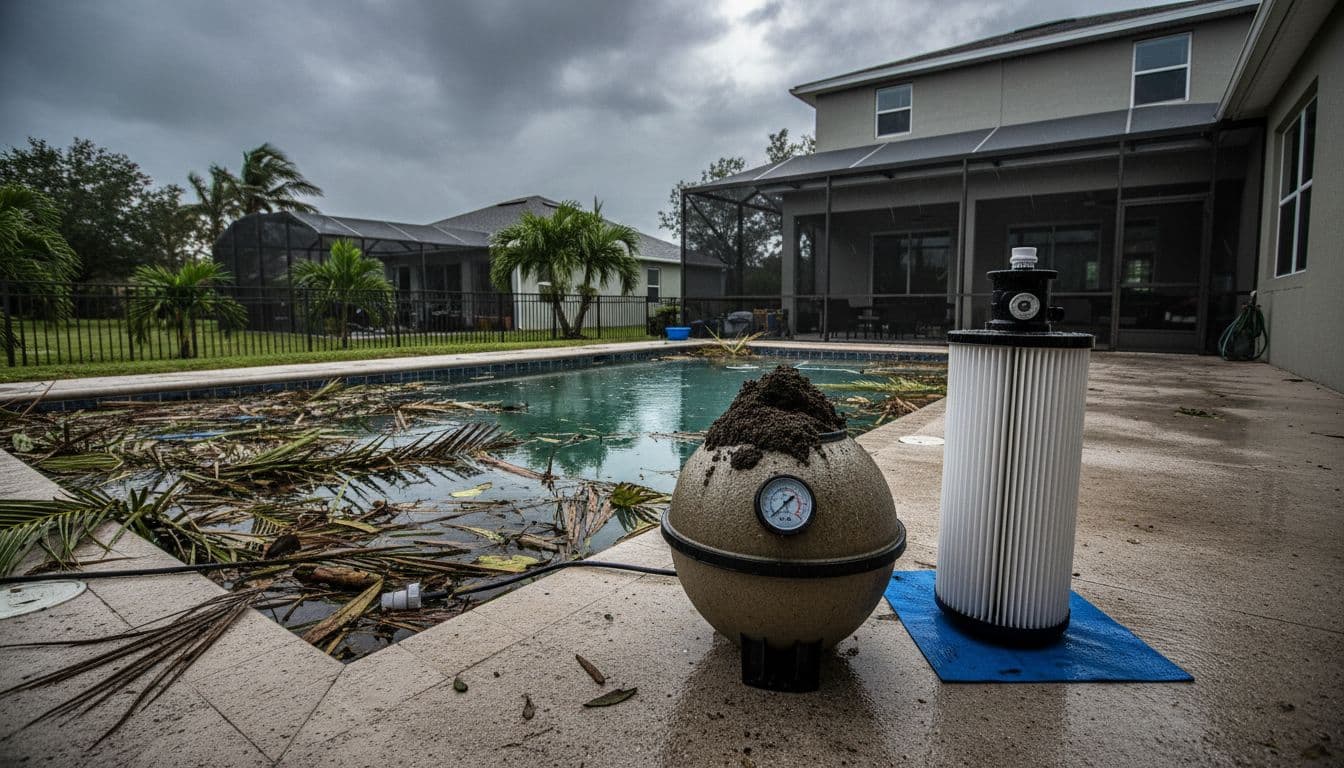
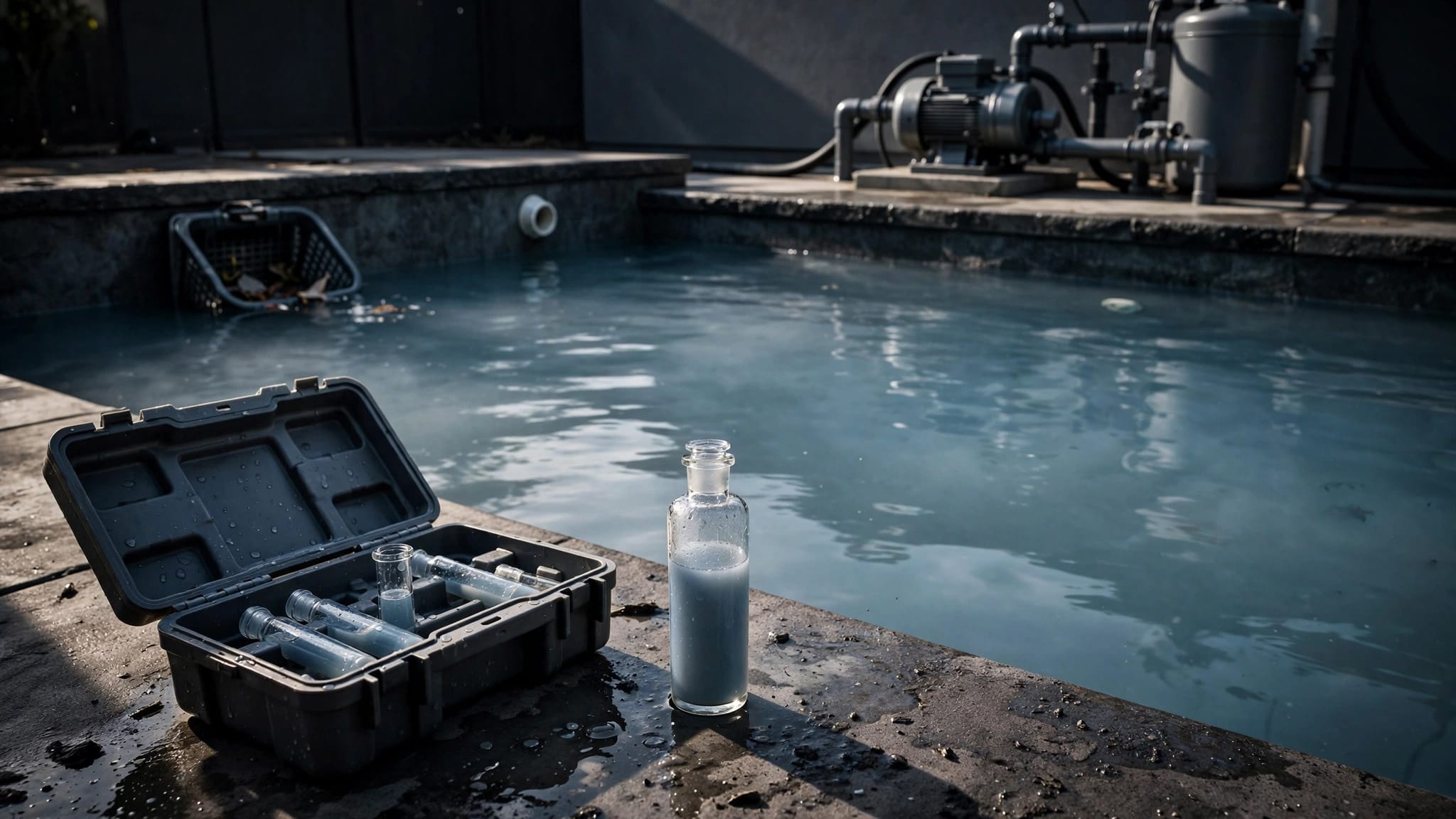
After a storm, a sand filter can clear larger debris, but it may need more backwashing to get rid of the fine haze. Each backwash sends treated water away, and that means more water use and a little more work to rebalance the pool.
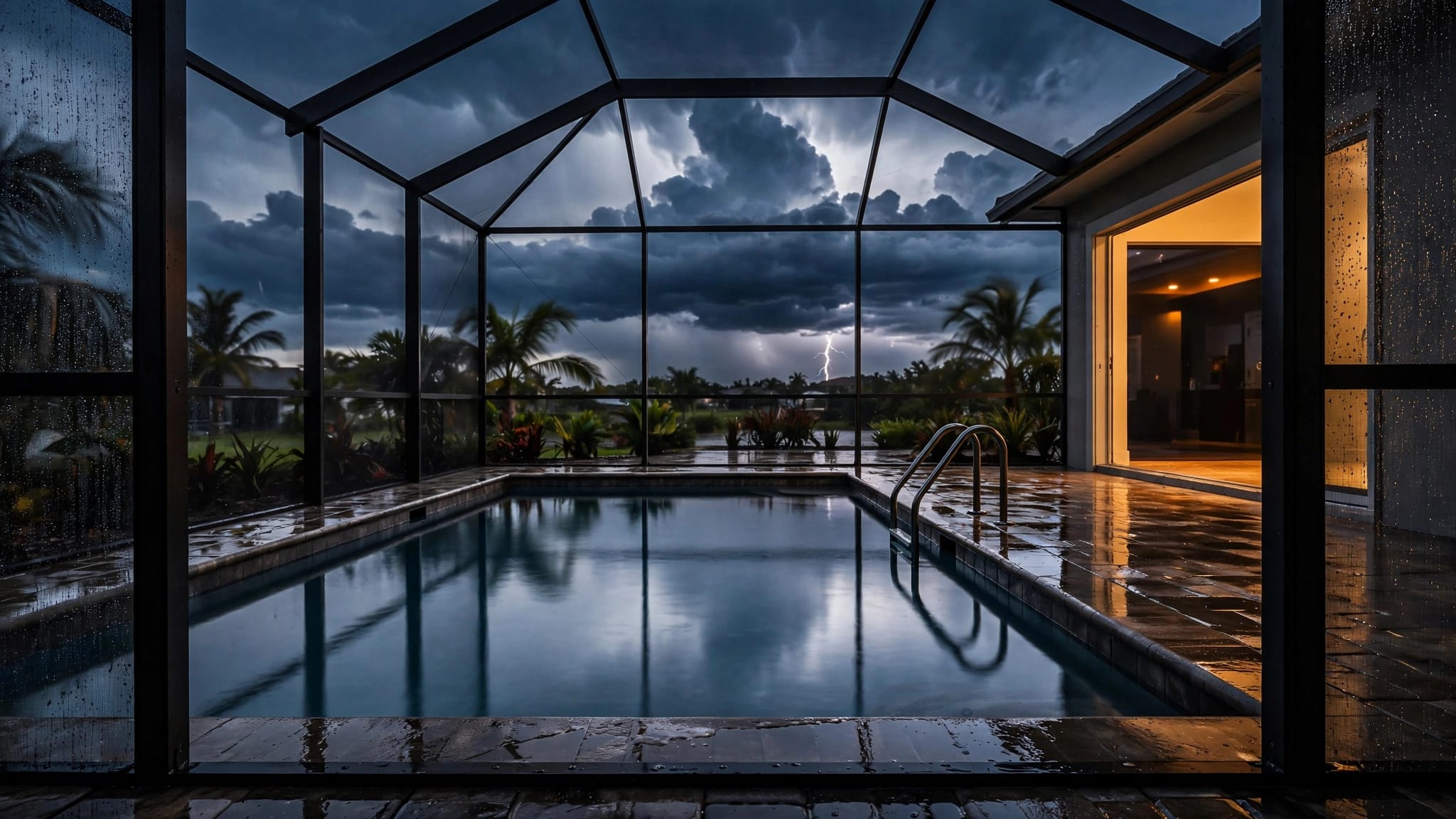
A screen enclosure helps here. Pool screens reduce maintenance by keeping a lot of leaves and bugs out before they reach the water. That can lower the load on either filter, which matters if you already clean the pool often.
Year-round use also matters. When a pool runs all the time, filter efficiency is not a small detail. Cartridge filters tend to shine in that setting because they clean fine debris without wasting water. Sand filters still work, but the backwashing adds up, especially if your pool gets dirty after every storm.
Cape Coral has a strong water-saving mindset, so a filter that avoids waste fits local habits well. If your backyard sees plenty of wind and rain, that becomes even more important.
What to weigh before you choose
If you are still torn, start with the way you use the pool. A filter choice gets easier when you line it up with your habits, not just the price sheet.
- If lower maintenance matters most, sand is the simpler day-to-day choice because backwashing is quick.
- If lower water waste matters most, cartridge wins because it does not send water to waste.
- If easier cleaning matters most, cartridge is better as long as you do not mind pulling the element and rinsing it.
- If lower upfront cost matters most, sand has the edge on purchase price and install cost.
- If your pool gets hit with fine debris after storms, cartridge usually keeps up better with the water itself.
For many Cape Coral homeowners, the sweet spot is a high-capacity cartridge filter. It fits daily use, it handles fine grit well, and it matches the way Florida pools are actually maintained.
If you want a second opinion on size, pump match, or cleaning needs, Back Bay Pools covers modern pool filter options in a way that helps homeowners compare the basics without guesswork.
When a filter change makes sense during renovation
If your pool already needs work, the filter decision gets easier. Old plaster, rough surfaces, and tired plumbing can all affect how hard the system has to work. When the finish is worn, dirt can cling more easily, and that can make any filter seem worse than it is. Signs your pool needs resurfacing often show up at the same time as equipment issues.
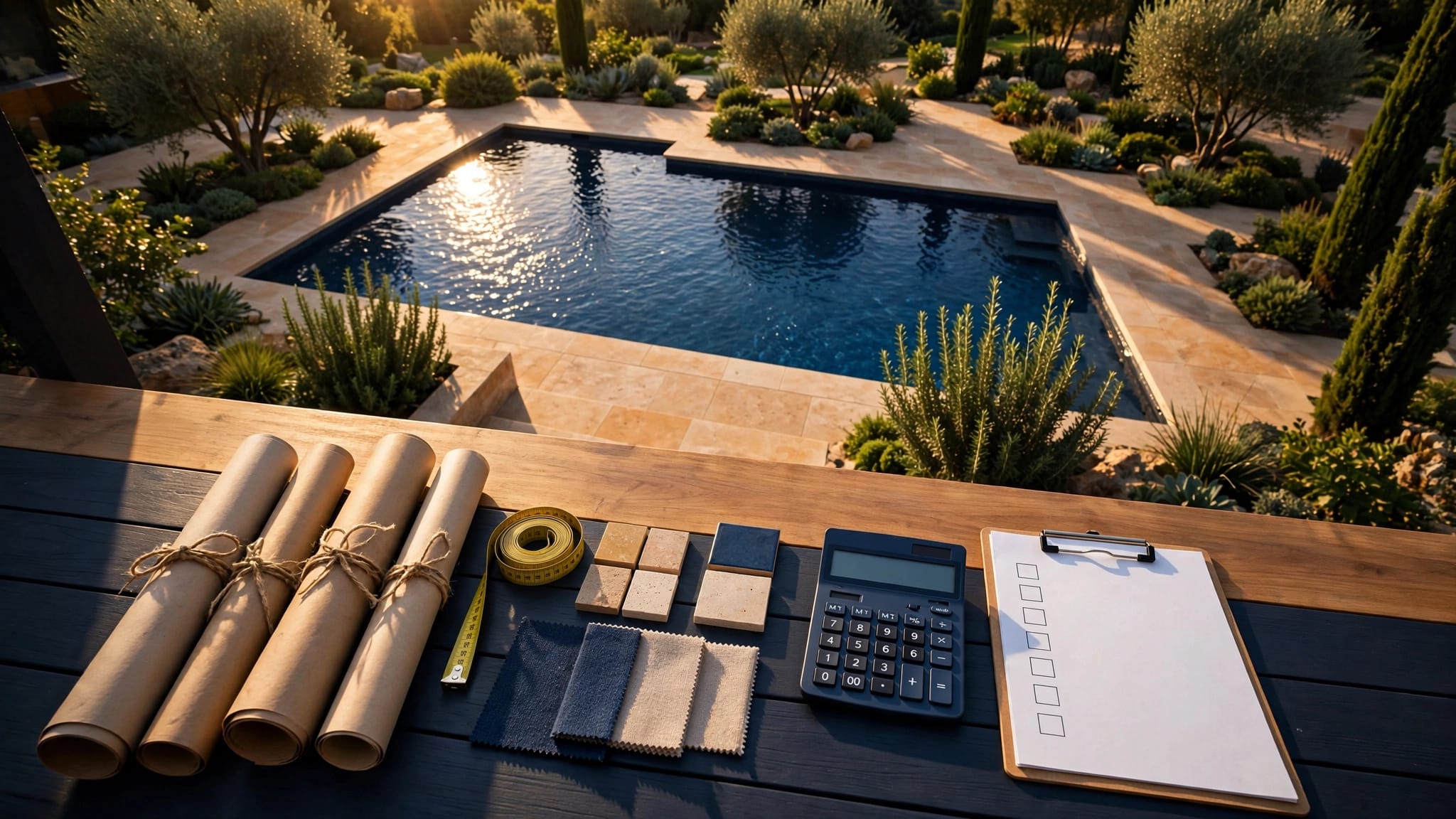
That is why many owners handle the filter at the same time as bigger repairs. Pool renovation filter upgrades are simpler to plan when the pool is already open, drained, or being refinished. You can resize the system, update the plumbing, and choose a filter that fits the pool you have now, not the one you had ten years ago.
If you own a rental or a second home, that matters even more. Less frequent hands-on care makes cartridge a strong fit. If you are home often and do not mind a rinse hose, cartridge still works well. If you want the lowest entry price for a basic setup, sand can still make sense.
If you are comparing a filter swap during a renovation, or you want a second opinion on what makes sense for your pool, Get a Free Estimate.
Conclusion
For most Cape Coral pools, cartridge filters are the better long-term fit. They save water, catch finer debris, and work well with the kind of year-round use Florida owners deal with.
Sand filters still make sense when the first cost matters most or when you want a simple, rugged system. The right choice comes down to how often you swim, how much debris your yard collects, and how much water you want to waste over time.
If the goal is clear water with less waste, cartridge is usually the stronger answer. If the goal is a lower entry price, sand still has a place in local pool builds and renovations.