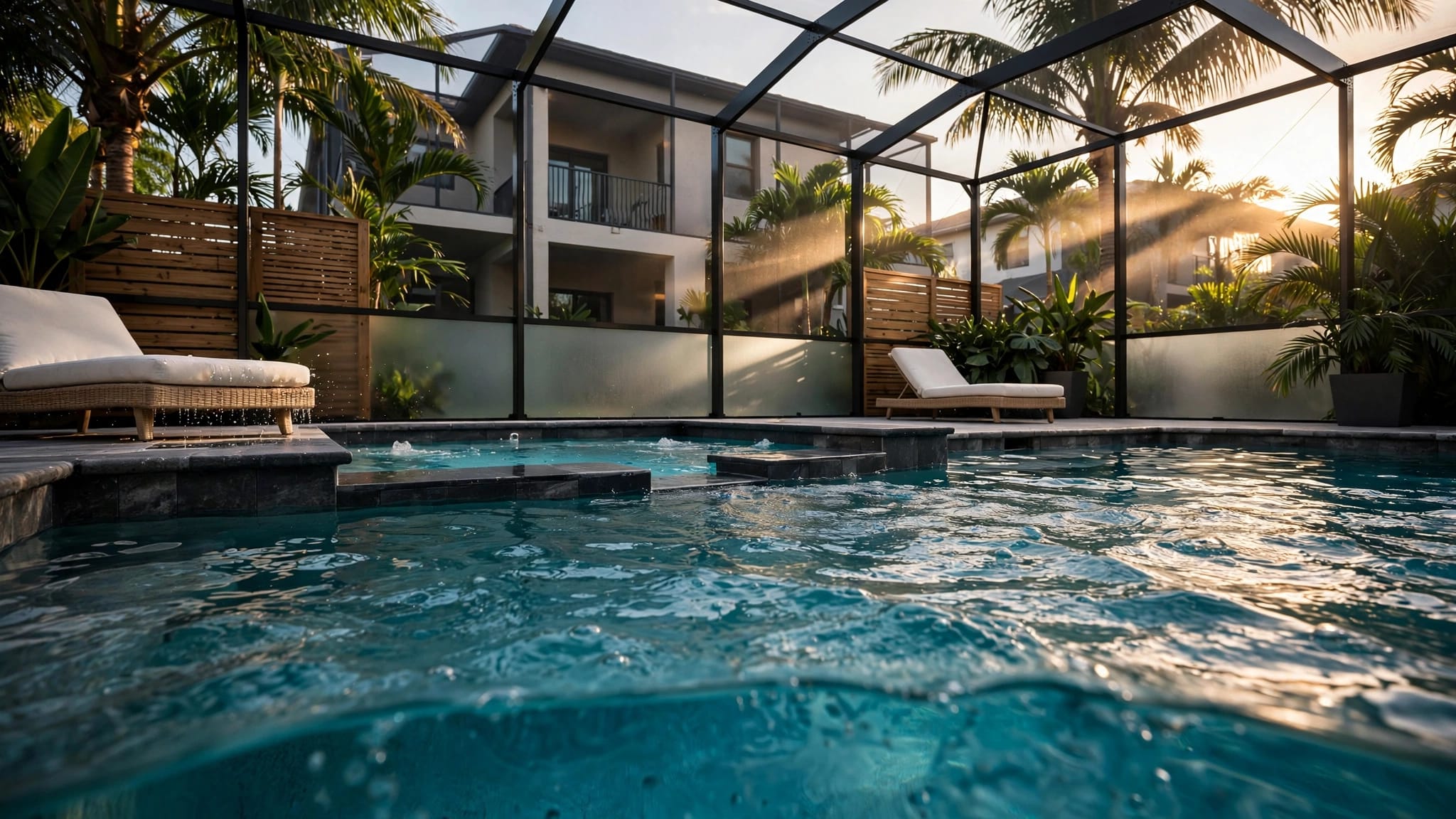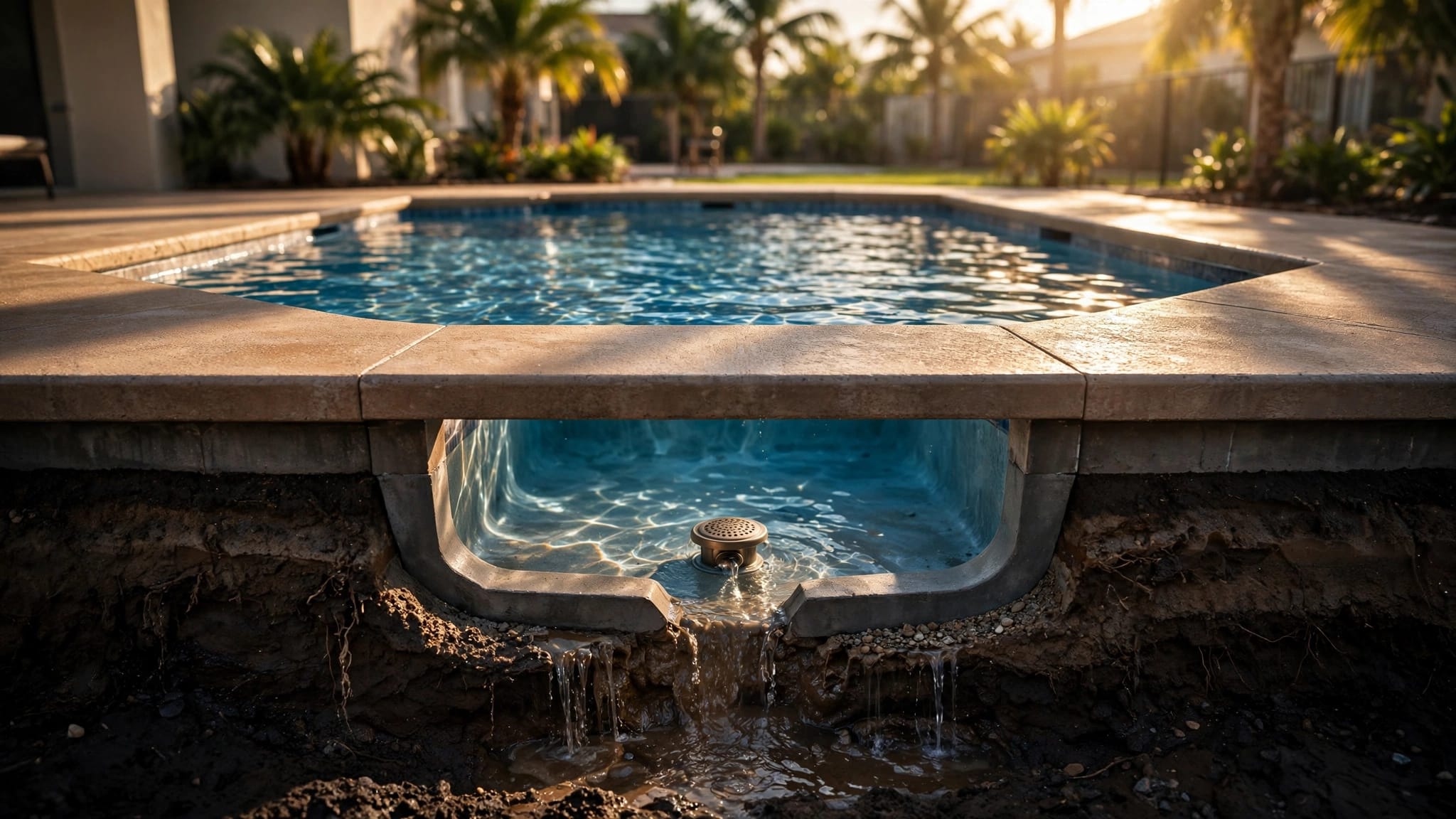
Cape Coral pools get used hard. The sun heats the water, schedules change fast, and many homeowners split time between Florida and another home. That makes pool automation in Cape Coral less of a luxury and more of a practical upgrade.
With the right setup, you can manage pumps, heaters, lights, and spa settings without walking out to the equipment pad every time. That matters when you want fewer chores, steadier water quality, and less guesswork.
Why automation fits the Cape Coral pool routine
In this climate, a pool isn't a weekend feature. It's part of daily life. Many owners want the water ready for an afternoon swim, then warm enough for a night dip, then easy to check while they're away.
Automation helps because it puts routine tasks on schedule. The pump can run when it should. The heater can warm the spa before guests arrive. The lights can switch on without a trip outside after dark.
It also helps if you travel or stay up north part of the year. A phone app or smart control panel gives you a quick look at the system. You can check settings, change timing, and keep things moving without asking a neighbor to guess.
In a hot, high-use market like Cape Coral, convenience matters most when it cuts down on repeat maintenance trips.
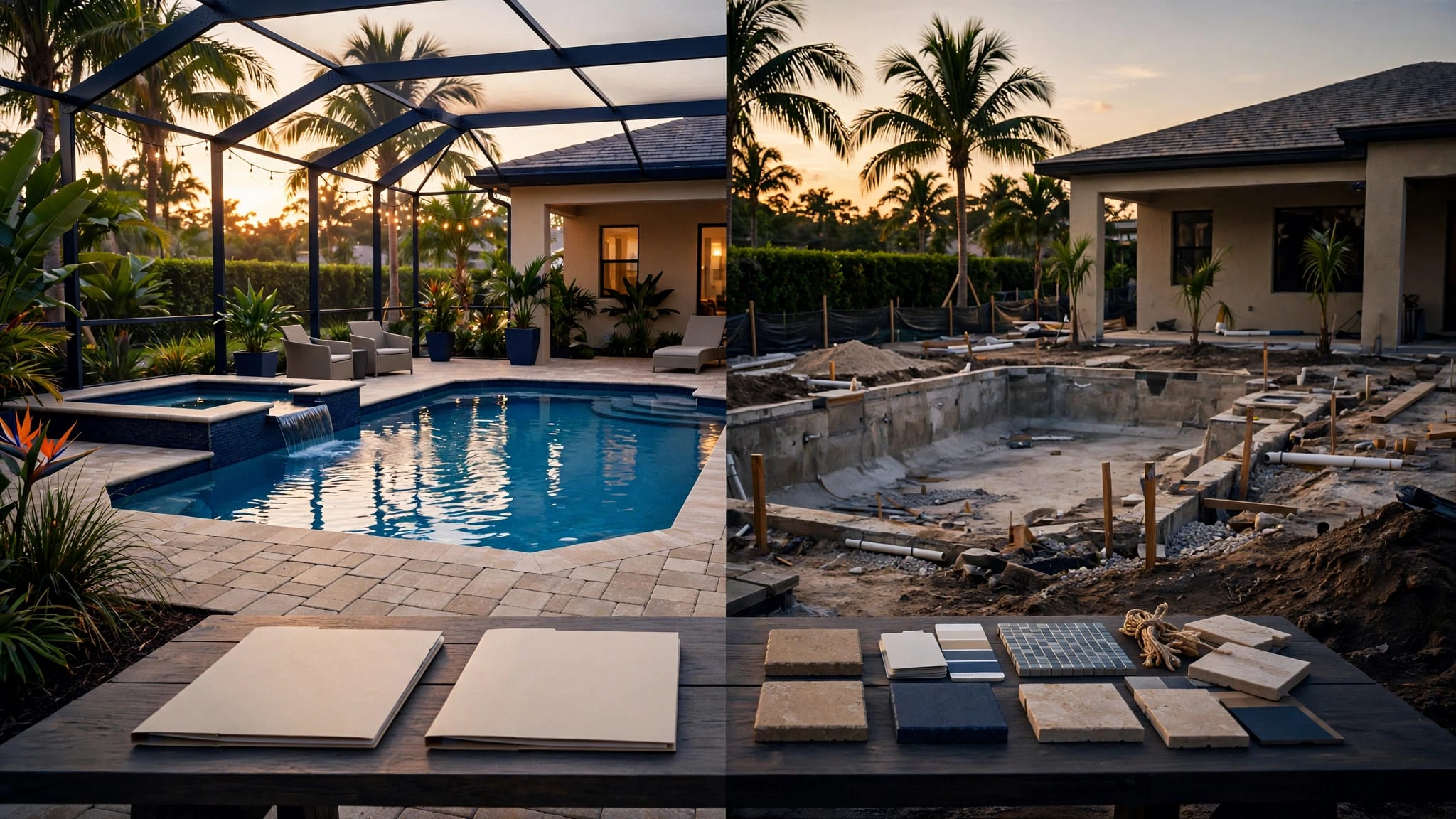
If your pool already needs other work, this is a smart time to bundle upgrades. A remodel often opens the door to better wiring, new controls, and cleaner equipment layout. That is where pool renovations and resurfacing can line up with automation planning.
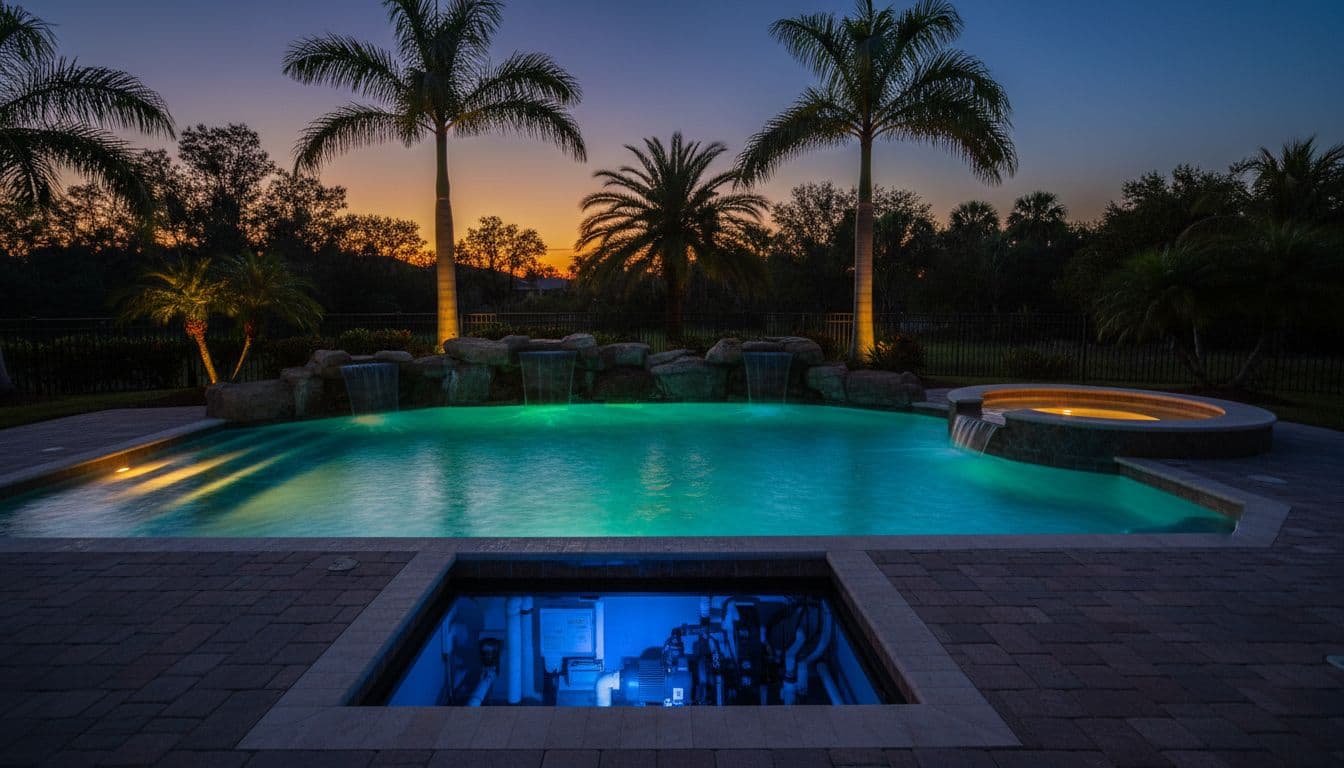
What pool automation can actually control
A good system does more than turn things on and off. It ties together the parts you use most, so the pool feels easier to manage.
Common components include:
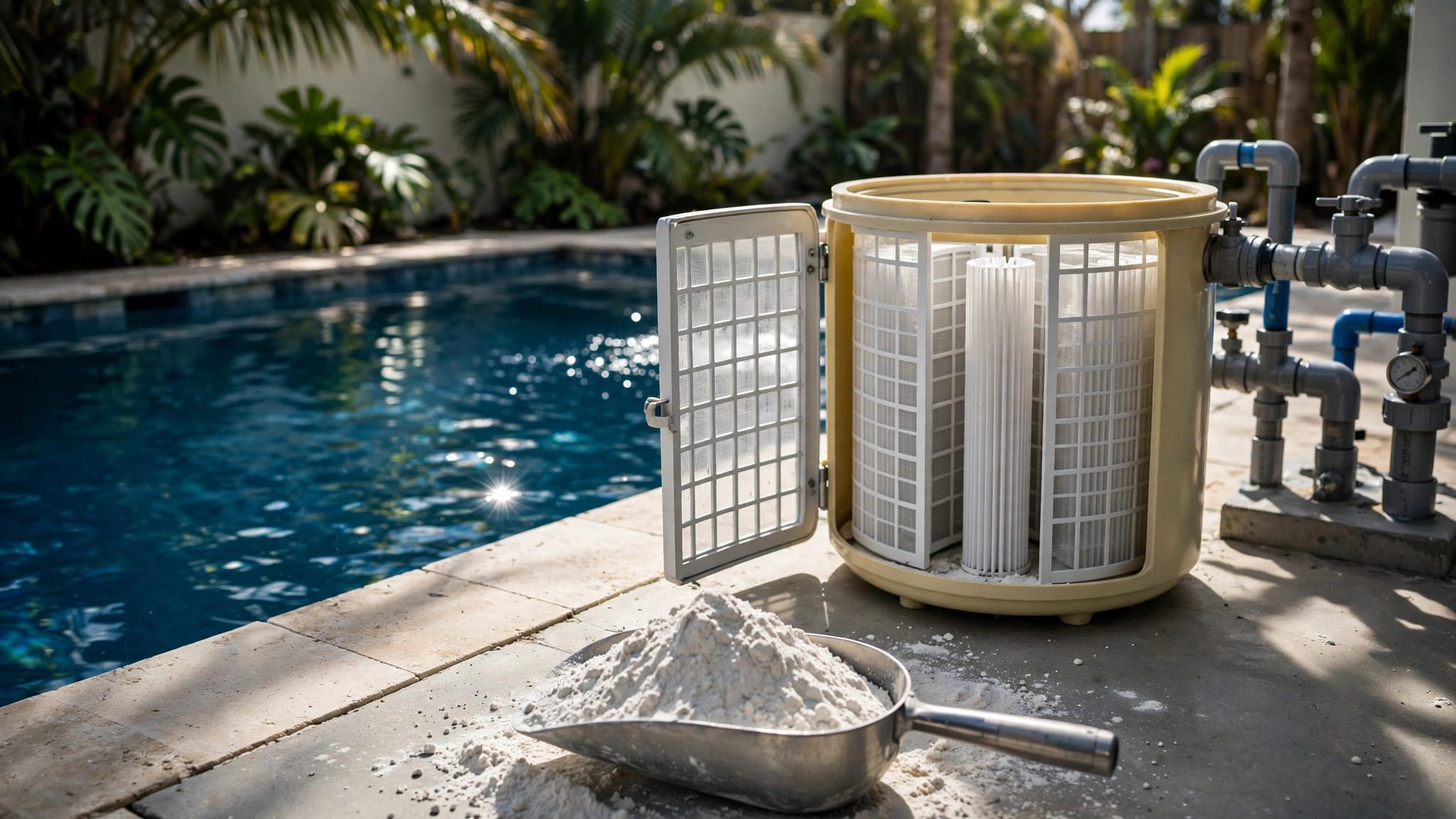
- Pumps and filtration cycles , so the water moves on a set schedule
- Heaters and heat pumps , so the pool or spa reaches the right temperature
- LED lights , which can be timed or changed by zone
- Spas and spillways , so you can switch between pool and spa use
- Water features , like deck jets, waterfalls, and fountains
- Salt chlorination systems , when the rest of the equipment supports that setup
Some homeowners also add chemical monitoring or remote alerts. Those features vary by manufacturer and by how the pool was built.
Brand choice matters, but compatibility matters more. Pentair, Hayward, and Zodiac all have strong options, yet not every controller works with every older pump, heater, or salt system. A newer control panel may need adapters, extra relays, or an equipment swap to work right.
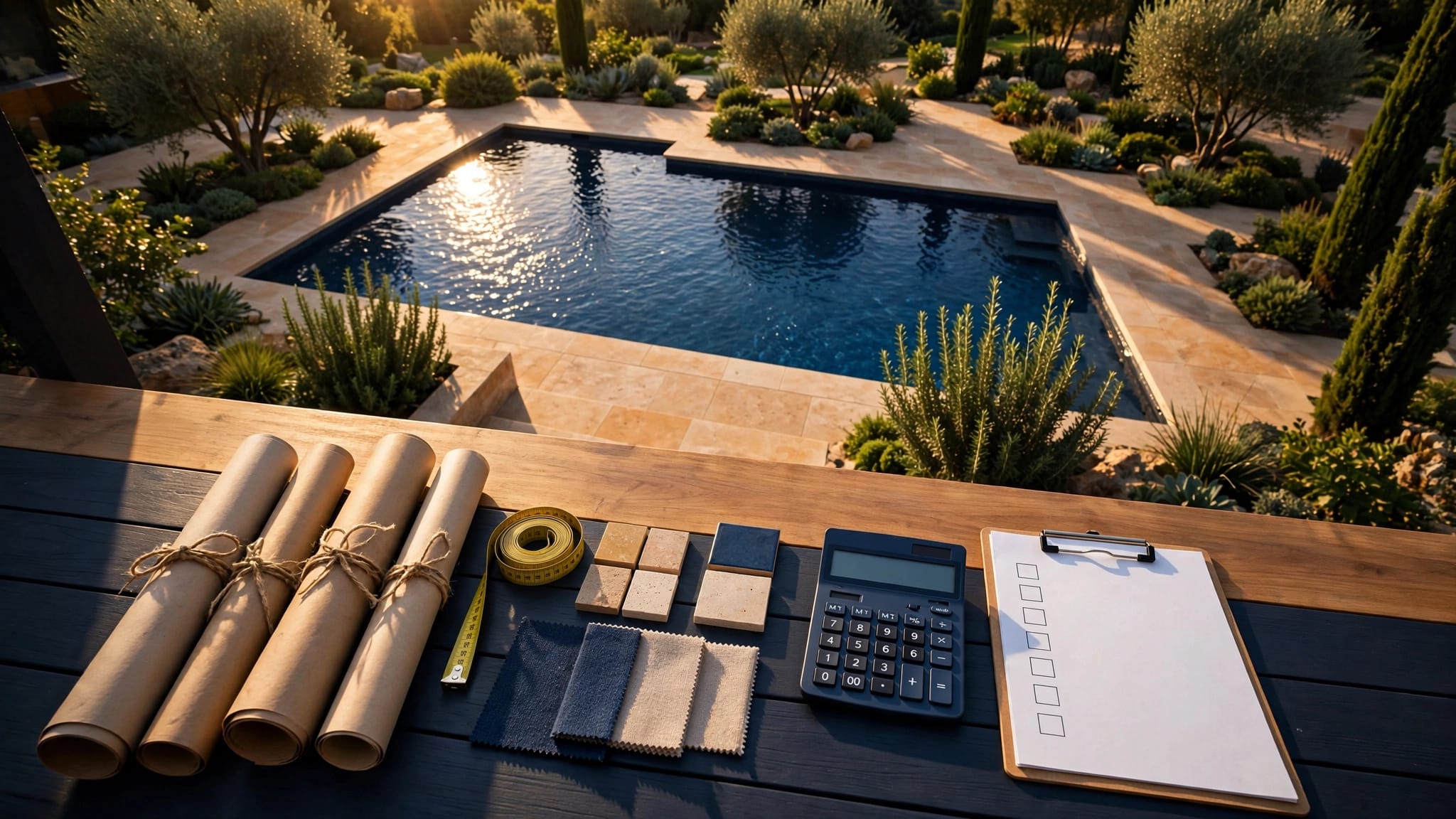
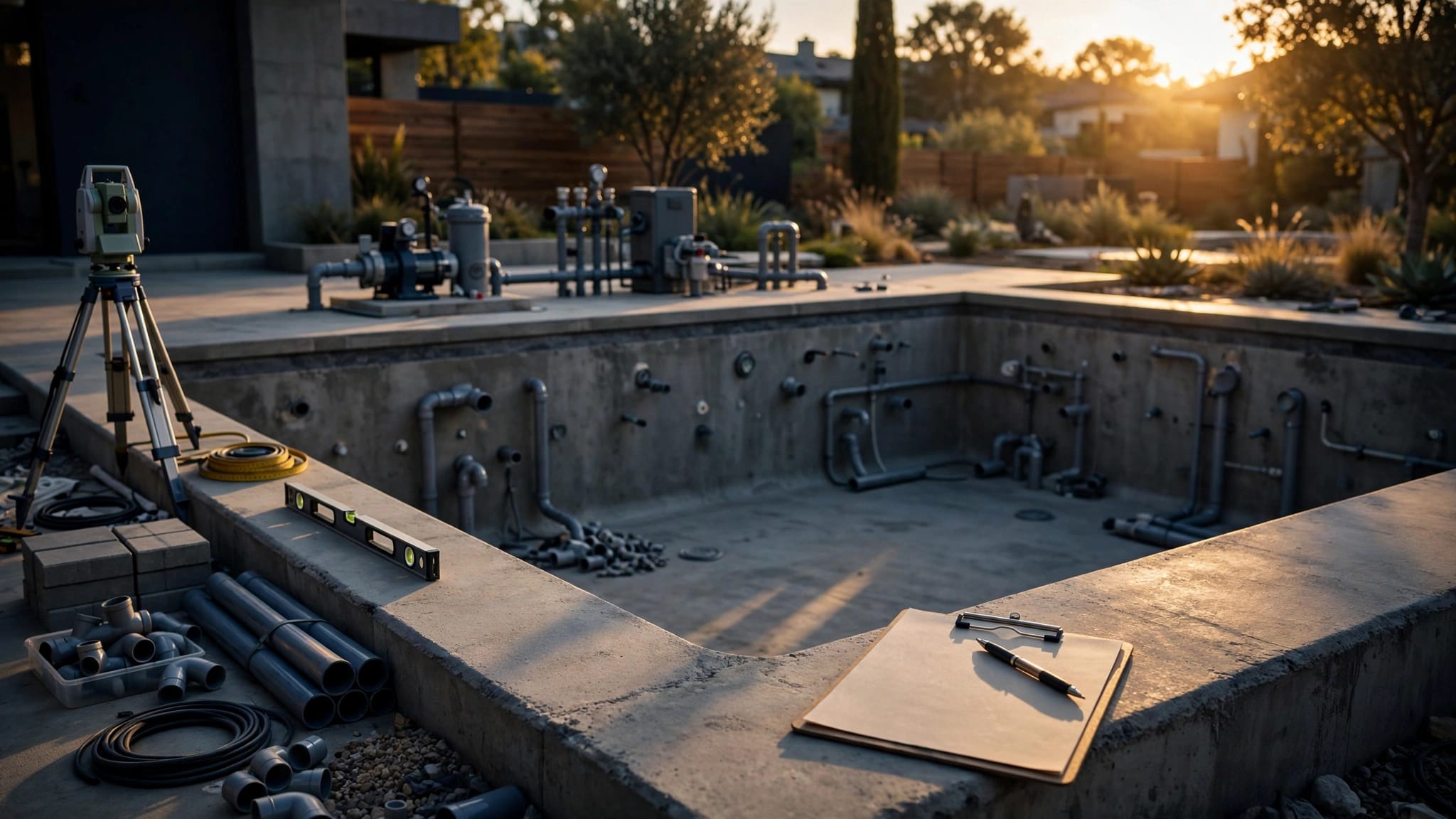
If you're planning a new build, automation should be part of the design, not an afterthought. That is one reason new pool construction is the best time to map out controls, wiring, and equipment placement.
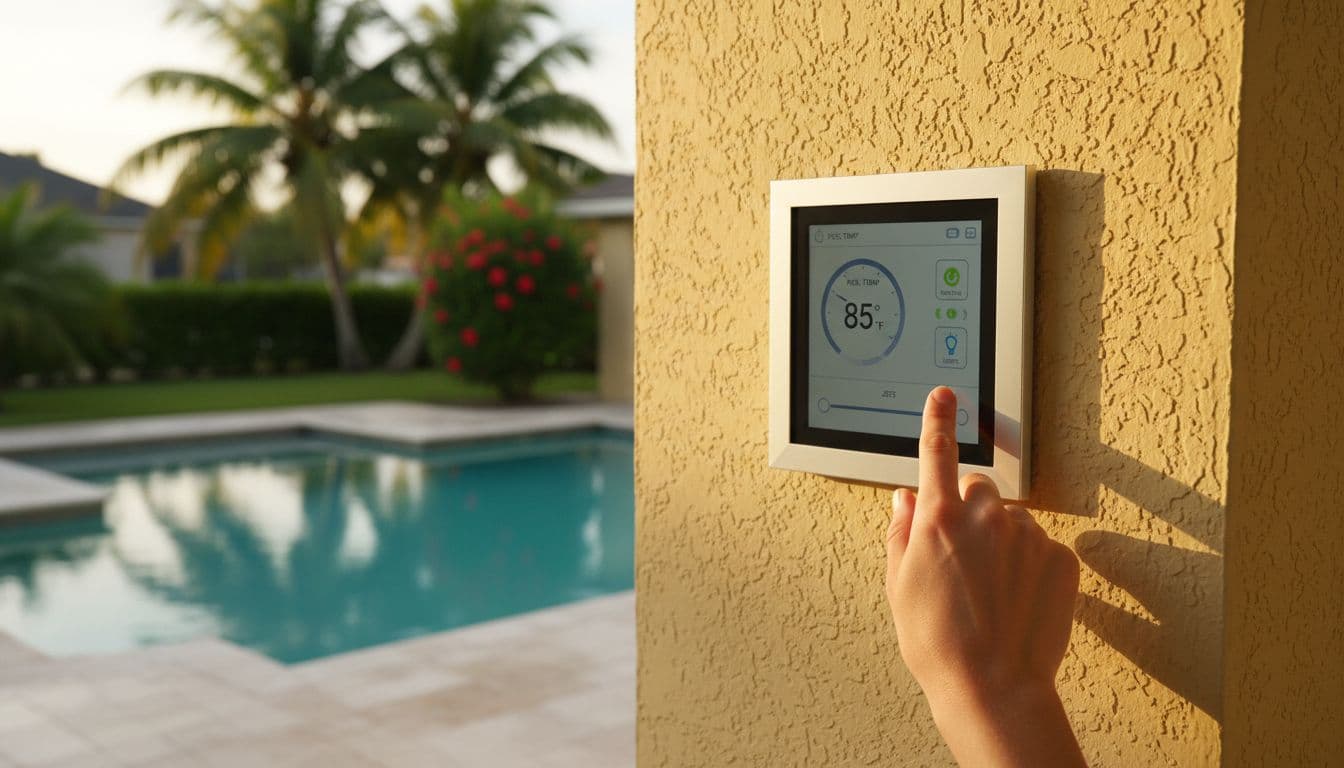
What drives installation cost in 2026
Prices vary because every pool starts in a different place. Older equipment, extra wiring, and add-ons like spas or water features can raise the cost. A simple system costs less than a full smart setup with app control and more zones.
Here's a practical way to look at the installed price range:
| System level | Typical installed range | What it usually includes | Best fit |
|---|---|---|---|
| Basic | $300 to $2,500 | Timers, simple pump and light control, entry-level app access | Small upgrades or simple needs |
| Mid-range | $2,500 to $4,000 | Phone control, heater settings, better scheduling | Most Cape Coral homes |
| Premium | $4,000 to $10,000+ | More zones, alerts, smart-home links, wider control options | Larger or highly customized pools |
The takeaway is simple. If your equipment is already dated, a controller alone may not solve the whole problem. Sometimes the real cost comes from making old parts work with new controls.
If you want a clearer number for your own pool, Get a Free Estimate and ask for an on-site look at the equipment pad, wiring, and control options.
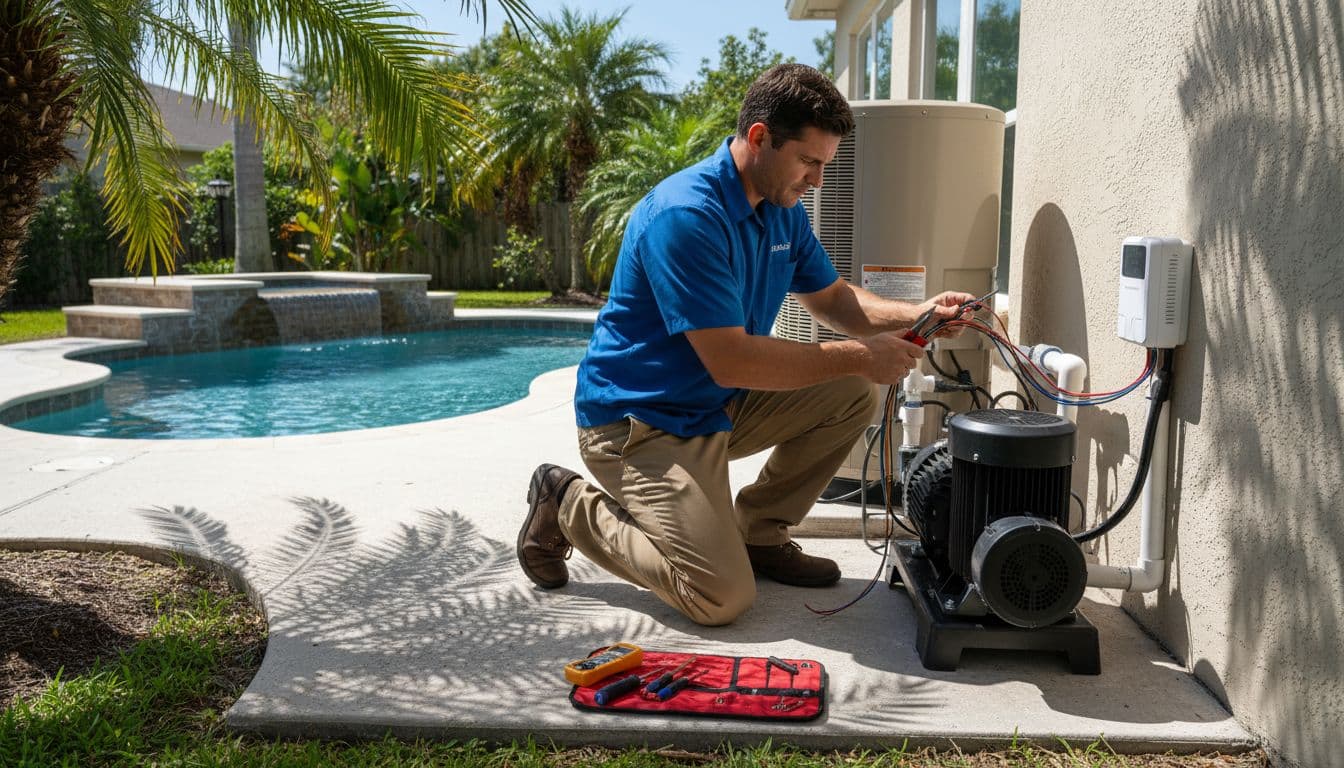
Questions to ask before you hire a pool professional
A good installer will explain what your current setup can support before they recommend a system. That saves time and keeps you from paying for features you can't use.
Start with these questions:
- What equipment can stay? You want to know whether the current pump, heater, lights, and salt system are compatible.
- Which brand do you recommend, and why? The answer should match your equipment, not just the installer's preference.
- Will the system work from my phone and at the panel? Some homeowners want both options.
- What needs electrical work? This affects price, timing, and the final layout.
- How will storm prep and shutdown work? Cape Coral weather makes this worth asking.
If you're comparing automation with other upgrades, our pool services can help you think through the full project, especially when resurfacing or screen work is part of the plan.
A better fit for Cape Coral pool life
Automation makes the most sense when your pool gets used often and you want less hands-on upkeep. It also helps when you travel, host guests, or want faster control over heat, lights, and spa features.
The best system is the one that fits your equipment, your habits, and your budget. When those three line up, the pool feels easier to own every day.