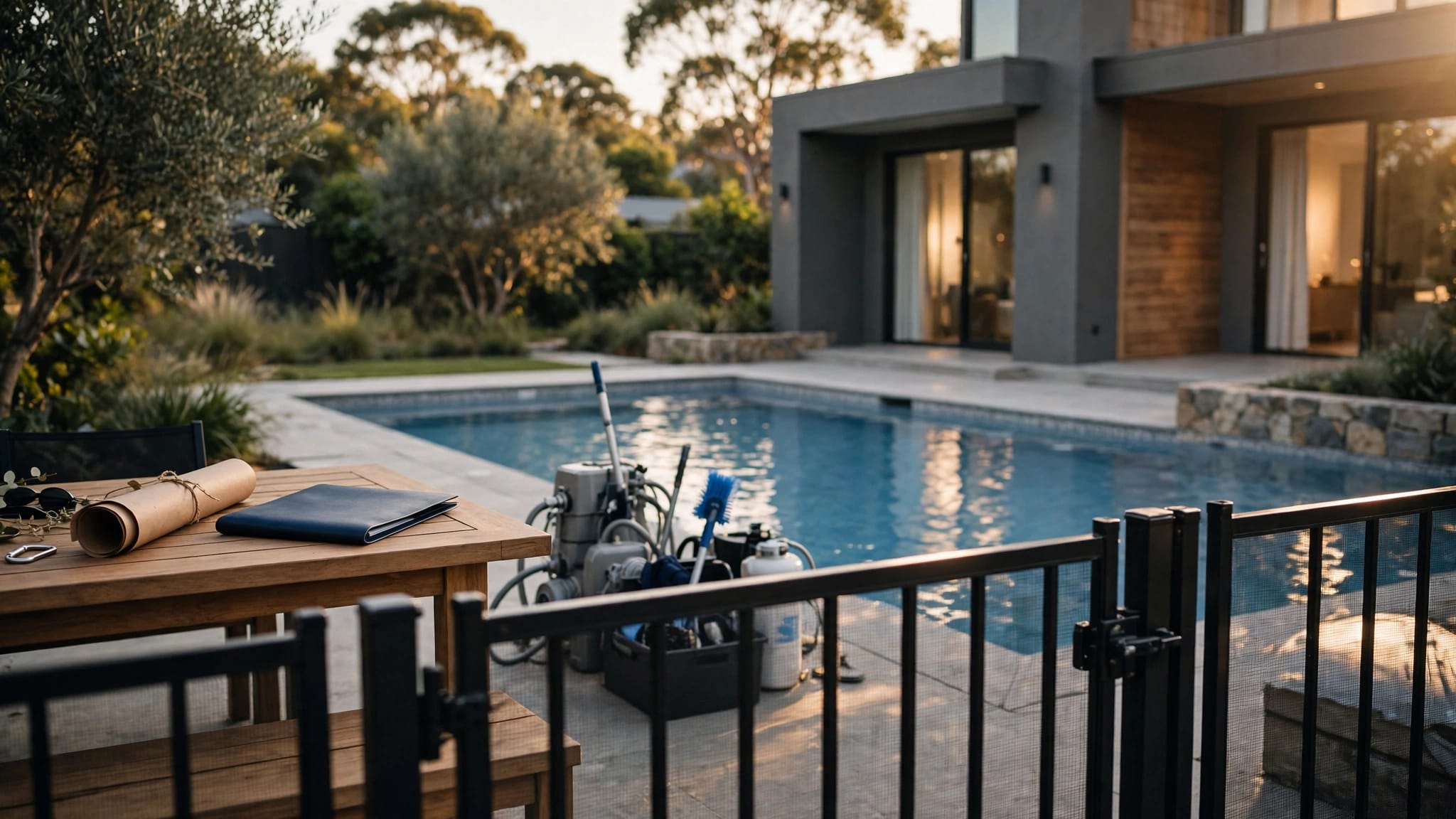
Choose pool deck resurfacing when the existing deck is stable and the damage is limited to its surface. Replacement makes more sense when deterioration, movement, or drainage problems require rebuilding part or all of the deck.
The deciding factor is what's happening beneath the finish , not how worn the surface looks. In Cape Coral, sun, heavy rain, and shifting ground make that distinction especially important.
Start by separating cosmetic wear from problems that a new coating can't correct.
Key Takeaways
- Resurfacing renews a sound deck's appearance and texture while keeping the existing concrete.
- Replacement allows crews to address damaged slabs, unsuitable base conditions, and layout or drainage changes.
- Major cracks, uneven sections, recurring movement, or persistent pooling deserve professional assessment before either approach.
- Compare the full scope of preparation, repairs, materials, and related work rather than choosing by the lowest initial price.
What Resurfacing and Replacement Actually Change
Pool deck resurfacing adds a compatible coating or overlay to prepared concrete. The process typically includes removing loose material, cleaning the surface, addressing suitable minor defects, and installing the new finish.
It's different from resurfacing the pool's interior. Deck coatings cover the walking surface around the water. Plaster, quartz, and pebble finishes belong inside the pool.
Replacement removes existing decking and rebuilds the affected area. Depending on the project, that can involve excavation, base preparation, new concrete or pavers, drainage work, and transitions at the coping.
However, replacement doesn't always mean demolishing every square foot. Localized damage may call for a targeted repair or partial replacement. The scope should follow the condition of the deck and its support, rather than appearance alone.
When Pool Deck Resurfacing Makes Sense
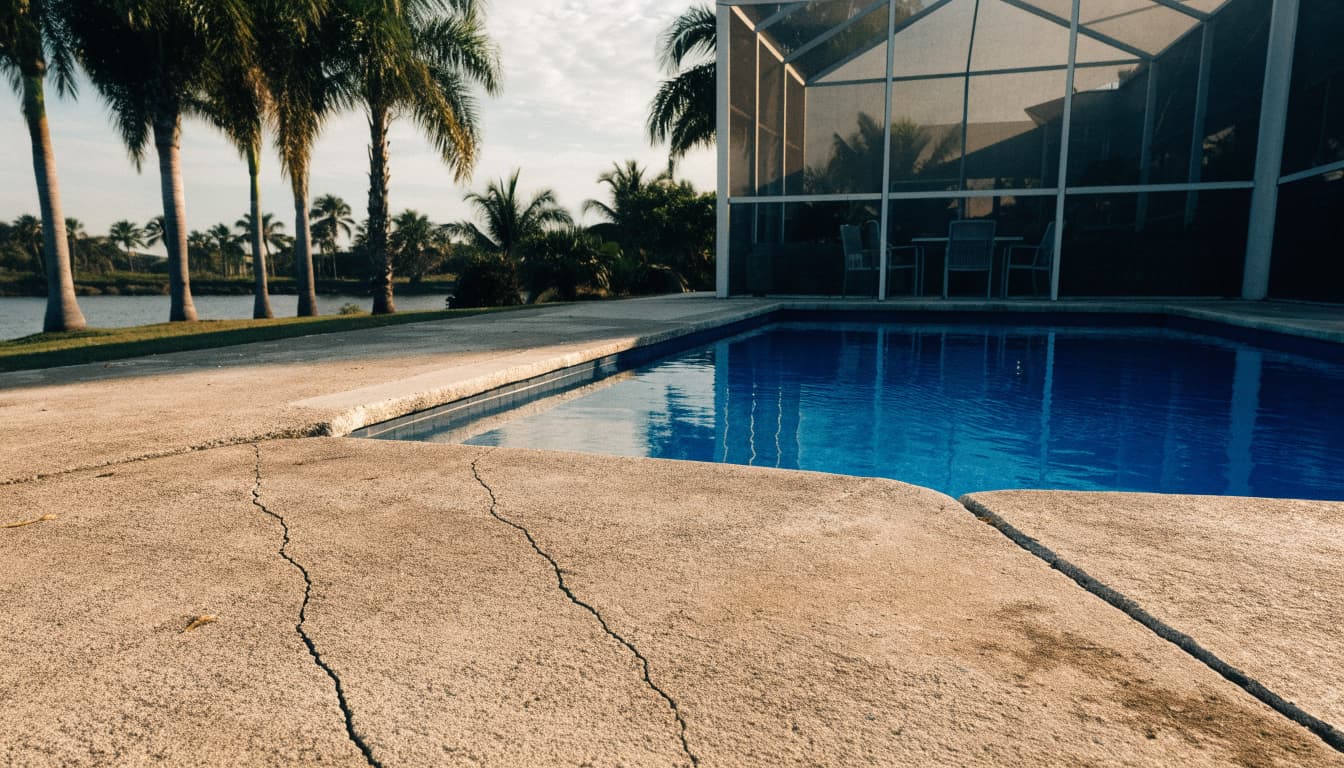
The deck is stable, but the finish is worn
Fading, staining, surface roughness, and a dated color can make a serviceable deck look ready for demolition. When the concrete remains sound, resurfacing can renew those areas without rebuilding the slab.
A textured coating can also change the feel underfoot. Light-colored finishes generally absorb less sunlight than dark finishes, although any deck can become hot in direct sun.
Small, stable cracks don't automatically require replacement. Their cause and condition matter more than their appearance in a photograph. A suitable repair may support resurfacing, but an actively moving crack needs a different approach.
Preparation can create a reliable bond
A new finish needs a sound substrate. Loose coatings, flaking concrete, contamination, and trapped moisture can interfere with adhesion.
Proper preparation may include removing an old coating and repairing deteriorated areas before installing the new system. Simply covering a failing finish leaves the new material attached to an unreliable layer.
Joints need attention, too. Damaged sealant or broken edges may require pool deck expansion joint replacement before finishing work. The resurfacing system must preserve joints that allow movement.
A decorative coating shouldn't turn a working movement joint into a rigid connection between separate surfaces.
When Full Replacement Makes More Sense
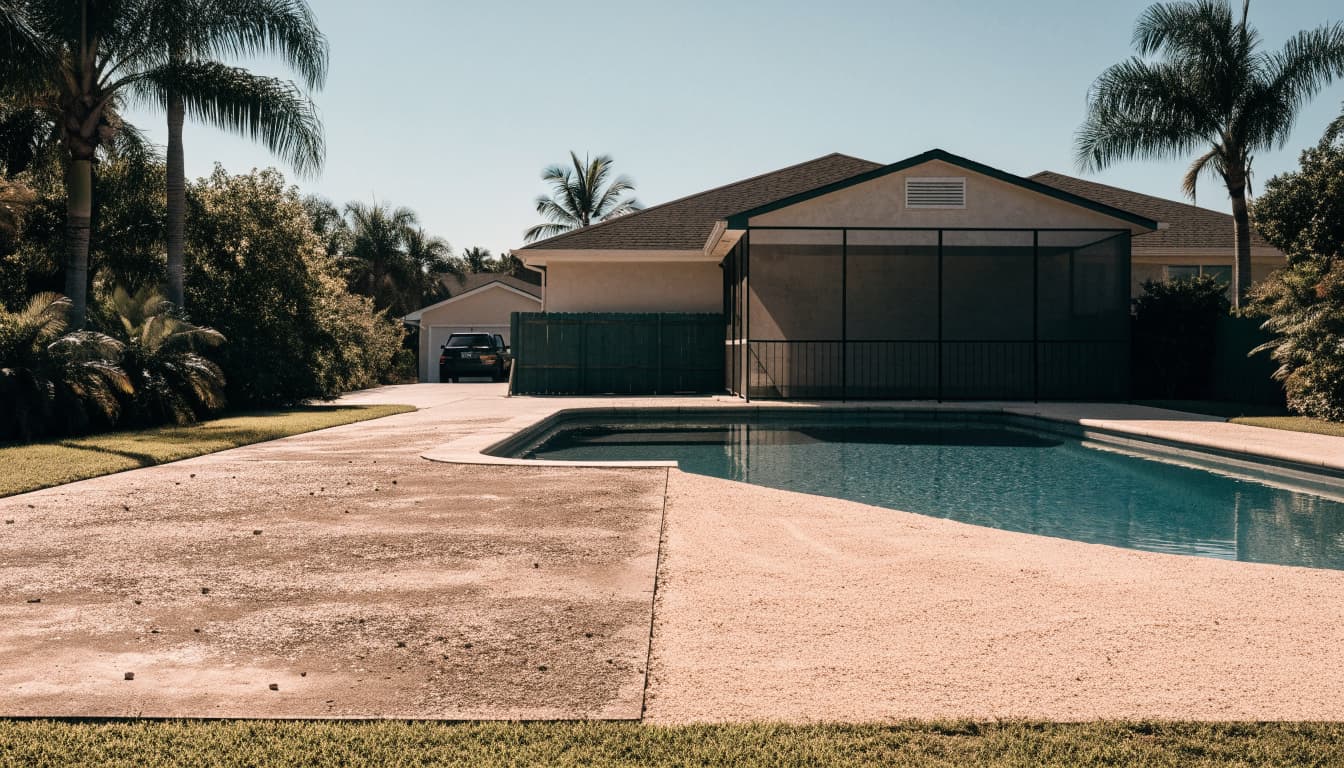
The concrete or supporting ground is moving
Raised edges, sinking sections, widening cracks, and repairs that repeatedly reopen suggest more than surface wear. Replacement may be necessary when the deck no longer has reliable support.
Water can contribute to that damage. A leak may wash soil out from beneath the deck or pool shell, leaving unsupported areas that settle.
Also, look beyond the walking surface. A crack that continues through the deck, coping, waterline tile, and pool wall deserves a broader inspection. Our guide to signs of structural pool cracks explains these connected warning signs.
Replacing decking alone won't correct an unresolved leak or moving pool shell. Those conditions need assessment before reconstruction.
Drainage or elevations need substantial correction
Repeated puddling, water collecting against the house, and washed-out material around the deck call for closer attention. A single puddle doesn't establish the cause, but persistent pooling shouldn't disappear beneath a new finish.
Some drainage problems allow localized repairs. Others require rebuilding sections to establish appropriate elevations, slopes, or drain locations.
Replacement also makes sense when you want a different footprint or walking route that the existing slab can't accommodate. However, appearance alone rarely justifies demolition when the deck is otherwise suitable for resurfacing.
Comparing Costs and Project Timelines
Compare complete scopes, not surface prices
Resurfacing generally has a lower upfront cost because it retains the existing deck. Replacement adds demolition, debris removal, base work, and installation of new decking.
Costs vary by location, materials, deck size, access, and existing condition . Extensive preparation can make resurfacing more involved than the worn finish initially suggests.
These scope differences explain the general cost relationship:
| Project factor | Resurfacing | Replacement |
|---|---|---|
| Existing concrete | Usually retained | Removed where rebuilding is needed |
| Ground and base work | Limited unless separate repairs are needed | Can include excavation and rebuilding |
| New materials | Coating or overlay system | New concrete, pavers, or stone |
| Layout changes | Limited by the existing deck | Greater flexibility |
The useful comparison is the complete repair needed for your property. A coating estimate and a reconstruction estimate cover different work.
Allow for preparation and curing
Resurfacing generally involves fewer stages and less disruption. However, removing failed coatings, repairing defects, and allowing materials to cure all affect when the deck can reopen.
Replacement usually takes longer because crews must remove material, prepare the base, and install the new deck. Concrete also needs appropriate curing before later work or use.
Weather, access, drainage changes, and coordination with an enclosure can extend either project. Separate active installation time from the full period when the pool area will be unavailable.
Durability Depends on the Base and the Finish
A strong finish can't compensate for unstable support
Resurfacing can perform well when the existing concrete is stable, preparation is thorough, and the coating suits outdoor pool use. However, it remains connected to the slab beneath it.
If that slab continues moving, cracks can return through the new finish. Likewise, replacement decking can settle or crack when its base or drainage is poorly prepared.
Maintenance needs follow the material. Coatings need attention as they wear, while paver joints need upkeep. Sealers also require renewal when appropriate for the selected surface. Avoid treating any option as maintenance-free.
Match materials to barefoot use and repair needs
Concrete pavers allow individual damaged units to be replaced, although a solid base remains essential. Uneven pavers may need lifting and resetting rather than wholesale replacement.
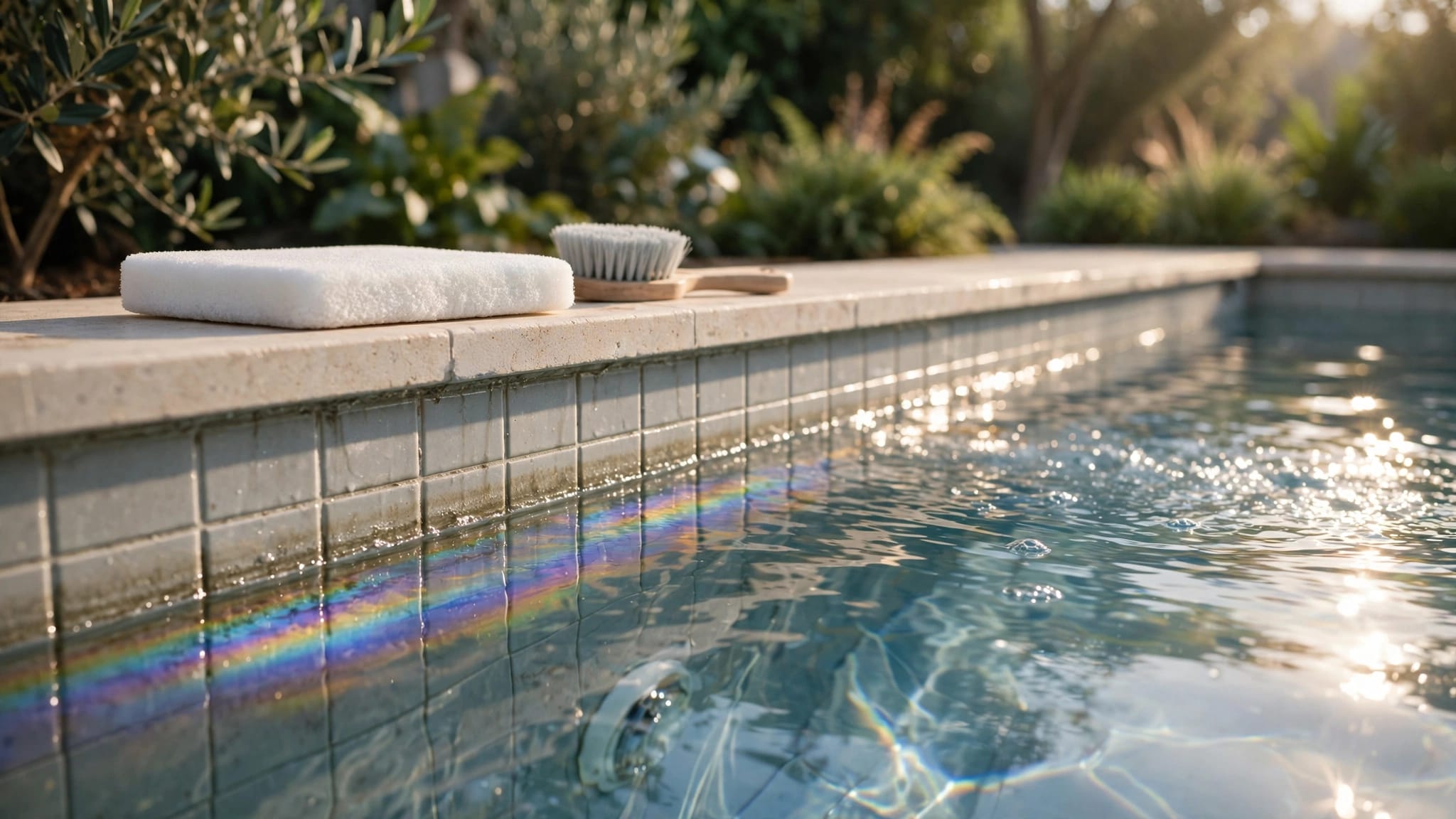
Travertine offers a natural appearance and can provide better barefoot comfort than some darker surfaces. Brushed concrete offers texture, while stamped concrete provides decorative patterns. Both still depend on good construction and support.
Cool-deck coatings are another option for suitable existing concrete. Our comparison of pool deck material options covers these trade-offs.
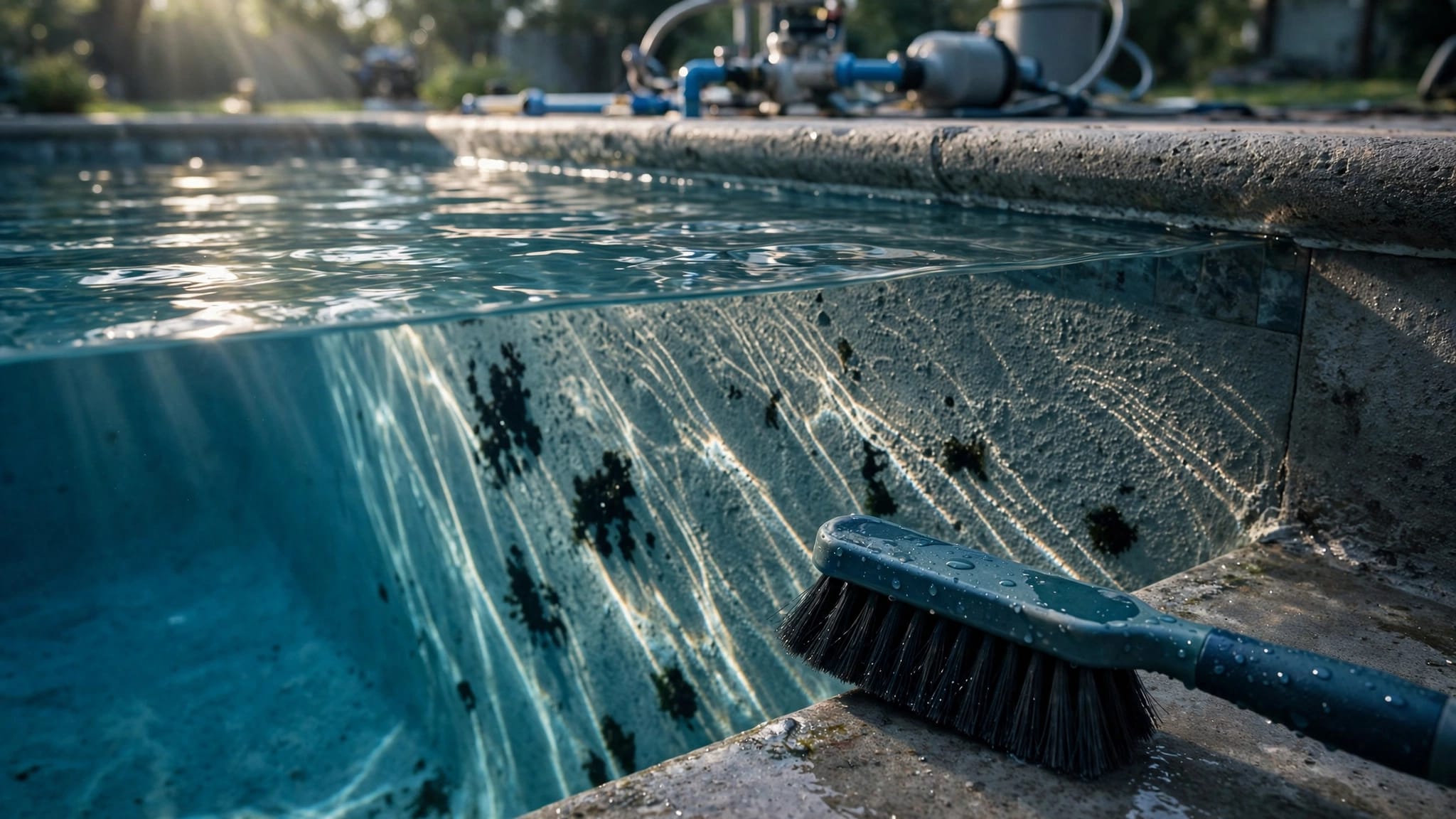
Choose texture with wet feet in mind. No finish eliminates slipping, and accumulated mildew can make even a textured deck slippery. Heat, cleaning needs, and compatibility with a sealer also belong in the decision.
Coordinate the Deck With the Rest of the Pool Area
Deck work often meets other parts of the backyard at vulnerable points: coping, drains, steps, screen enclosure posts, and the pool edge.
Address related repairs before applying a new finish. Otherwise, crews may need to cut through recently completed work to reach a damaged joint, drain, or coping section.
A screen enclosure also affects access. Its footings and post connections need consideration during demolition or reconstruction. Rescreening alone doesn't resolve damaged concrete or failed movement joints.
At Back Bay Pools, our pool renovation and screen enclosure services make these connections relevant to planning the overall project.
A useful written scope separates surface preparation, concrete repairs, demolition, disposal, base work, drainage, and finish installation. It should also identify which existing features stay in place. That makes competing proposals easier to compare and reduces confusion about whether underlying problems are included.
Frequently Asked Questions
Can resurfacing fix cracks in a pool deck?
Some stable, minor cracks can receive appropriate repairs before resurfacing. However, a coating doesn't stop settlement, soil movement, or structural cracking.
Widening cracks, height differences across a crack, or damage that returns after patching need professional assessment. Repairing the cause comes before choosing a decorative finish.
Can pavers go over an existing concrete deck?
An overlay installation can work in some situations, but the existing slab must provide suitable support. Added height also affects doors, drains, coping, and transitions to nearby surfaces.
Placing pavers over unstable concrete doesn't resolve the underlying movement. The condition and elevations of the existing deck determine whether that approach is practical.
Does a worn deck mean the whole pool needs renovation?
No. The deck and pool interior are separate systems, so deterioration in one doesn't automatically require replacing the other.
However, connected cracks, loose coping, leaking plumbing, or drainage problems can broaden the scope. When several components need work, coordinating repairs can prevent finished areas from being disturbed again.
Choose the Repair That Fits the Deck
A sound deck with a worn finish is a strong candidate for resurfacing. Movement, failing support, or substantial drainage corrections may justify partial or full replacement.
The right choice starts with the cause of the damage . Materials and appearance come after that decision.
If you're planning a pool-area renovation in Cape Coral, Get a Free Estimate to schedule an onsite consultation. We can help you compare a surface refresh with the broader work your pool area may need.