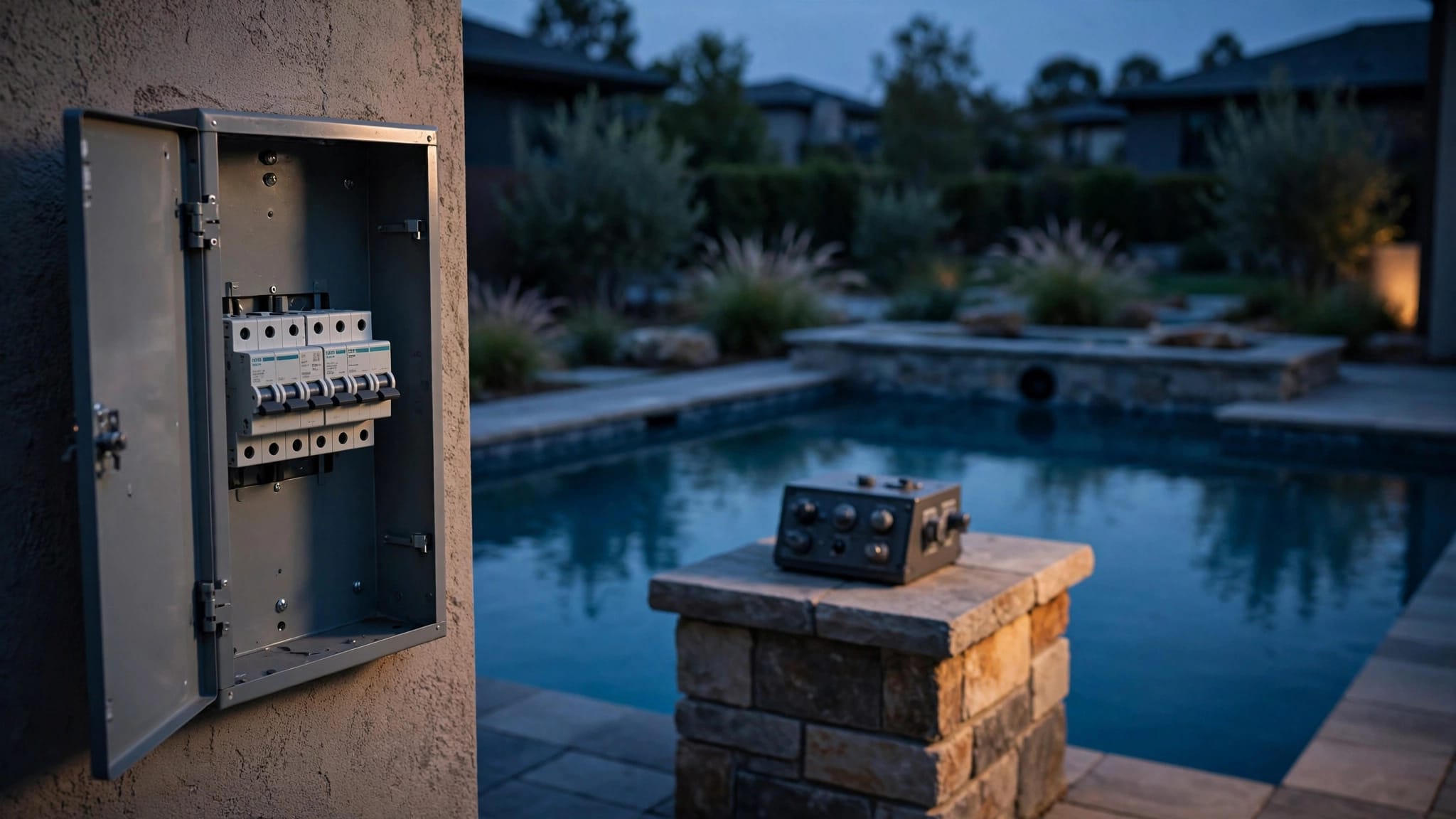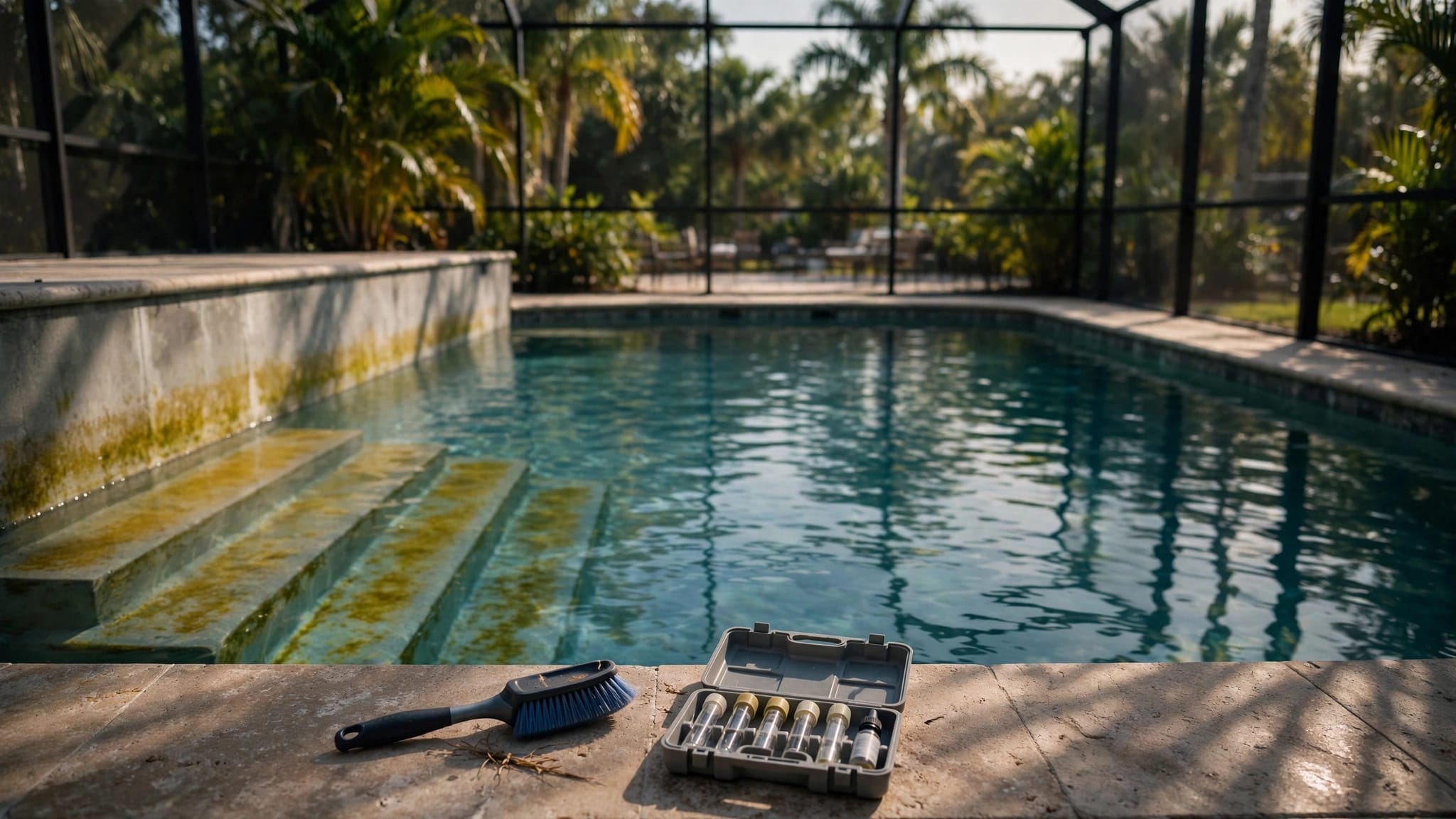
A new pool or major renovation changes your property, its risks, and the questions your insurer may ask. The effect on pool homeowners insurance depends on the policy, the work being done, and where you live, so don't assume a pool is automatically covered or excluded.
Talk with your insurer before construction starts and get the answer in writing. That gives you a clearer picture of any notification requirements, coverage limits, or premium changes before crews arrive.
Key Takeaways
- Tell your insurer about a planned pool build, renovation, resurfacing project, or enclosure change before work begins.
- Ask how the policy treats the pool, deck, equipment, and screen enclosure. They may not share the same coverage terms or limits.
- Coverage, notification requirements, and premiums vary by insurer, policy, and location.
- Keep your insurer's written response and project documents with your policy records.
- Pool barriers and gates affect safety, but meeting a safety standard does not guarantee insurance coverage.
How construction changes your insurance exposure
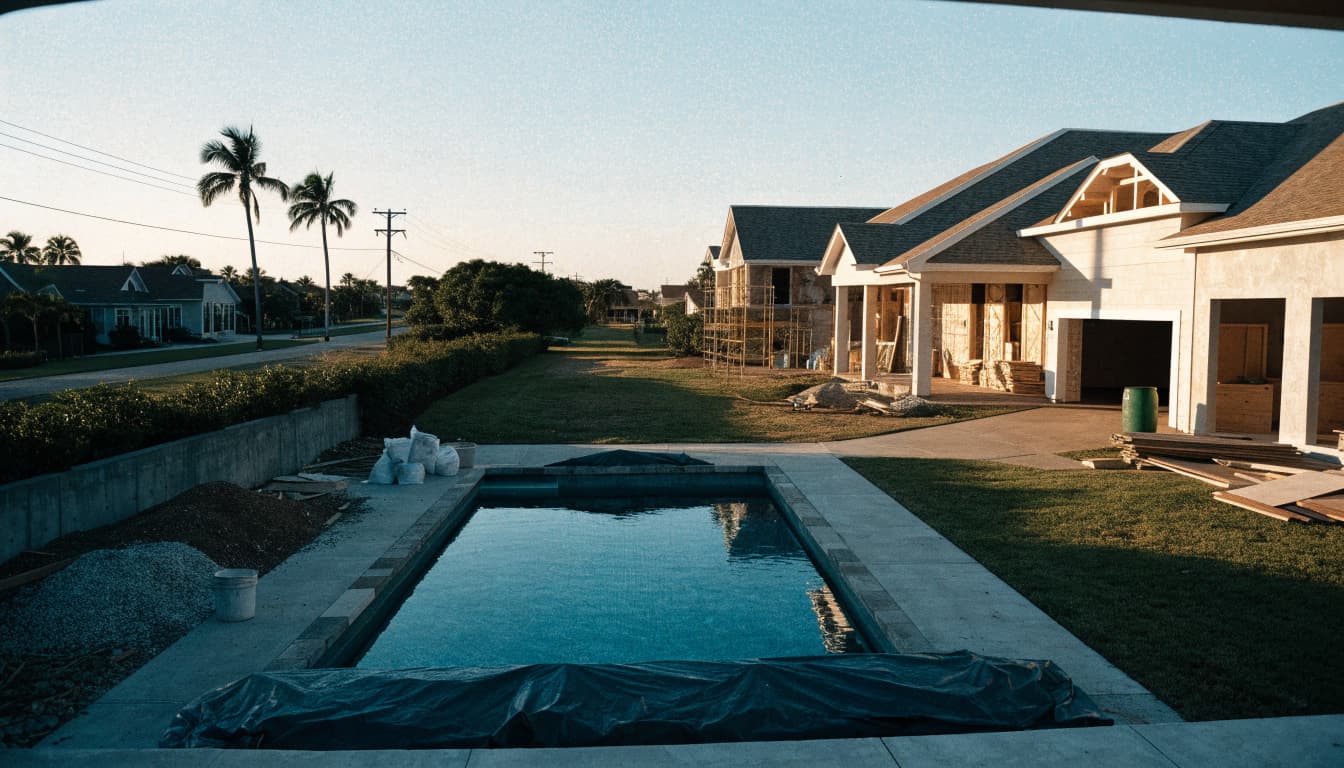
Construction affects the property before the pool is ready to use. Excavation, equipment, open work areas, and changes to the yard can create temporary risks. After the project, a pool, deck, or enclosure adds structures and equipment that may be treated differently under your policy.
Notify your insurer before work begins
Ask whether your policy requires notice before construction or renovation. Describe the planned work accurately, including whether it involves a new pool, structural repair, resurfacing, equipment replacement, a deck update, or a screen enclosure. A simple finish update may raise different questions from a project that changes the pool's structure or layout.
Also ask what information the insurer needs, such as the project scope, estimated completion date, or contractor details. Notification rules vary, so don't rely on another homeowner's experience or assume that a past project sets the rule for yours.
Keep contractor and home records together
Your homeowners policy and your contractor's insurance are separate matters. Ask the contractor what insurance applies to the work and request the relevant details in writing. Don't assume the contractor's coverage replaces your own policy or automatically covers damage to your home or belongings.
Save the signed agreement, plans, invoices, permit records, and insurer correspondence. If you're coordinating pool work with a home builder, discuss access, site rules, inspections, and cleanup before signing. Our article on coordinating a pool builder with your home builder covers related planning issues.
Renovations and screen enclosures can change the picture
Insurance questions aren't limited to new pool construction. Renovations can change the value, location, or condition of property around the pool. Tell your insurer what the project includes rather than describing it only as a "pool update."
Resurfacing and equipment work
Interior resurfacing may leave the pool layout intact, while structural repairs or plumbing changes can involve a larger scope. Replacing a pump, filter, heater, lighting, or automation equipment also adds or changes items in the pool area. Ask whether those components have separate limits, conditions, or exclusions.
If the project includes deck work, tile, coping, or an attached spa, include those details in your questions. Keep before-and-after photos, receipts, and records of equipment models. They can help document what was present and when the work took place.
Screen cages, rescreens, and deck changes
A screen enclosure covers more than the water. Its roof, frame, posts, footings, and doors may have different policy treatment from the pool itself. A rescreen may involve only mesh, while frame or gate repairs can change the scope.
For homeowners in Cape Coral, planning the enclosure alongside the pool layout can also help address setbacks, drainage, utility access, and safety barriers. If you're planning a new pool or enclosure, review pool placement, boundaries, and easements as part of the project. Tell your insurer whether the work replaces existing materials or adds a new structure.
Pool safety and liability deserve attention
A pool creates a place where a visitor could be injured, so ask your insurer how the pool affects your liability coverage. The answer depends on your policy and location. Don't assume that adding a fence, alarm, or screen cage automatically meets your policy's requirements.
A screen enclosure isn't automatically a safety barrier
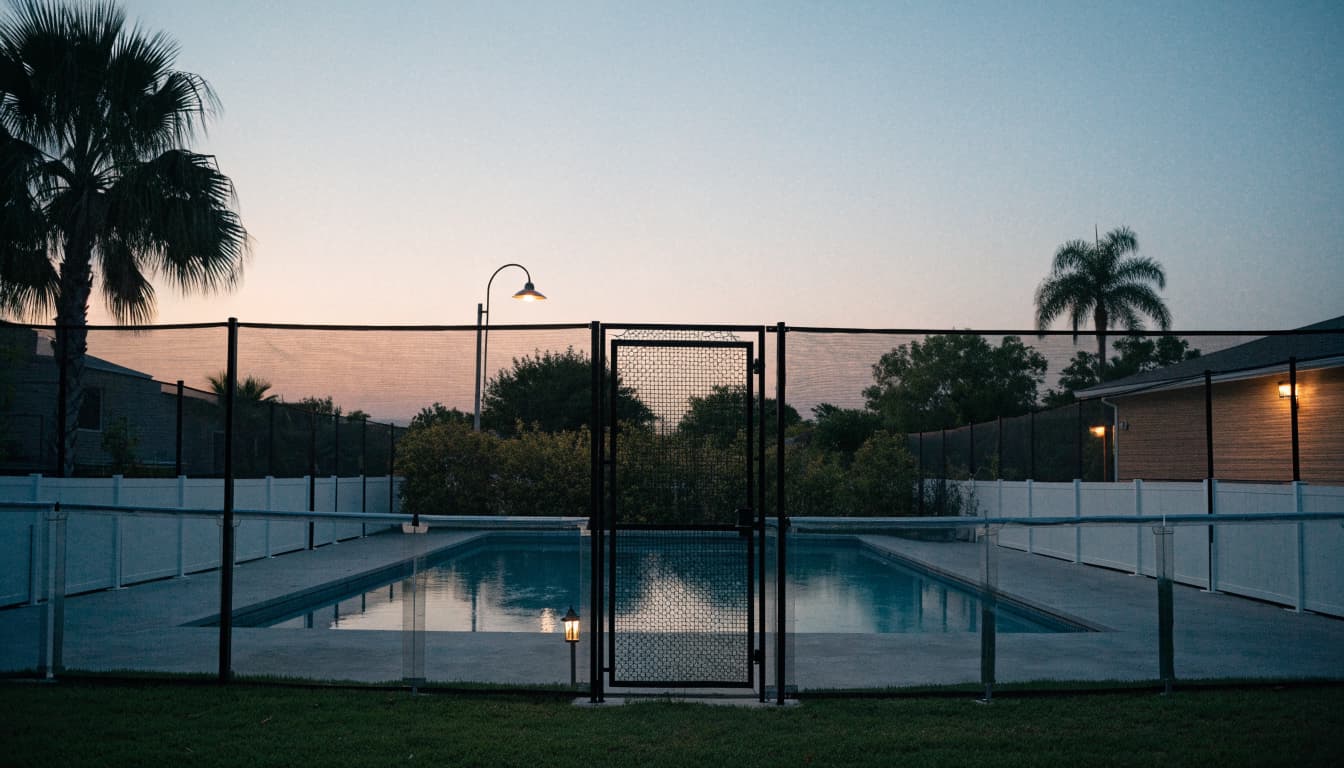
A screen cage keeps out insects and debris, but it isn't automatically a compliant pool barrier. Gate placement, latches, door operation, and the enclosure's layout matter. Florida residential pool safety requirements generally call for a barrier at least four feet high, subject to the conditions and exceptions in state law.
A barrier that meets a height requirement doesn't resolve every safety or insurance question. A self-closing, self-latching gate and a clear path around it matter, too. Furniture, planters, or equipment near a barrier can create climbing access. For renovation or rescreen work, include the door and gate condition in the project plan.
Ask how liability coverage applies
Ask your insurer whether pool ownership affects liability limits, required safety features, or other policy terms. Explain whether the pool is accessible from the house, whether a separate fence surrounds it, and whether the enclosure has a gate. Those details help the insurer address your specific layout.
If you host visitors, discuss how your policy treats injuries involving the pool area. Written answers are more useful than a general statement that pools are covered, because exclusions and conditions can apply.
What pool damage might a policy cover?
There isn't one answer for every pool or every loss. Coverage depends on the policy wording, the cause of damage, the component affected, and applicable limits or deductibles. A pool shell, screen enclosure, deck, and equipment may fall under different provisions.
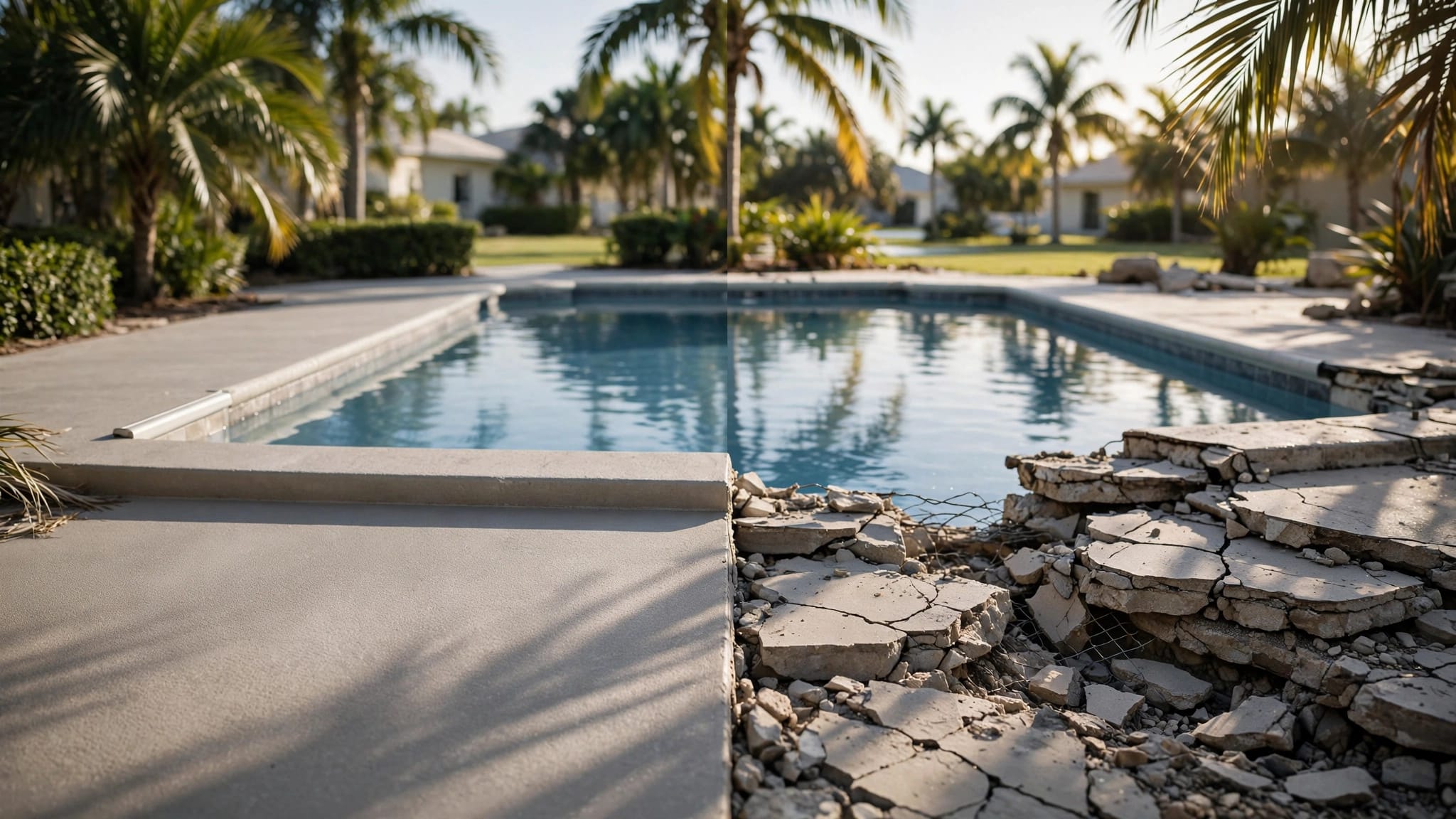
The insurer may treat sudden storm damage differently from deterioration or a construction defect. For example, a pool shell might qualify for coverage after certain sudden storm damage, while cracks linked to settling, age, or defective construction may be excluded. That distinction depends on the specific policy and facts.
A claim can involve more than the pool basin. Wind may affect the screen enclosure, deck, electrical components, landscaping, or patio features. Pumps, filters, heaters, and automation equipment may also receive different treatment than the pool structure. For more detail on Florida storm-related considerations, see our guide to hurricane pool damage insurance coverage.
A pool-related claim is assessed by the cause of damage and the specific property affected, not simply by the fact that damage occurred near a pool.
Will a pool increase your homeowners insurance premium?
It may, but there is no standard increase to quote. Premiums vary by insurer, policy, location, pool type, safety features, and other rating factors. Some insurers may ask for more information or adjust terms after a pool is added; others may handle the change differently.
Ask your insurer for the expected premium effect before construction. Also ask whether the pool changes your deductible, liability limits, exclusions, or coverage for other structures. Those terms can matter as much as the premium itself.
If you compare estimates from multiple companies, describe the project consistently. Give each insurer the same details about the pool, enclosure, deck, and equipment. That makes the responses easier to compare without treating one carrier's answer as a rule for every policy.
What to ask your insurer before construction
A short written exchange can clarify requirements before the project starts. Share a clear description of the planned work and ask questions tied to your policy, not only general questions about pools.
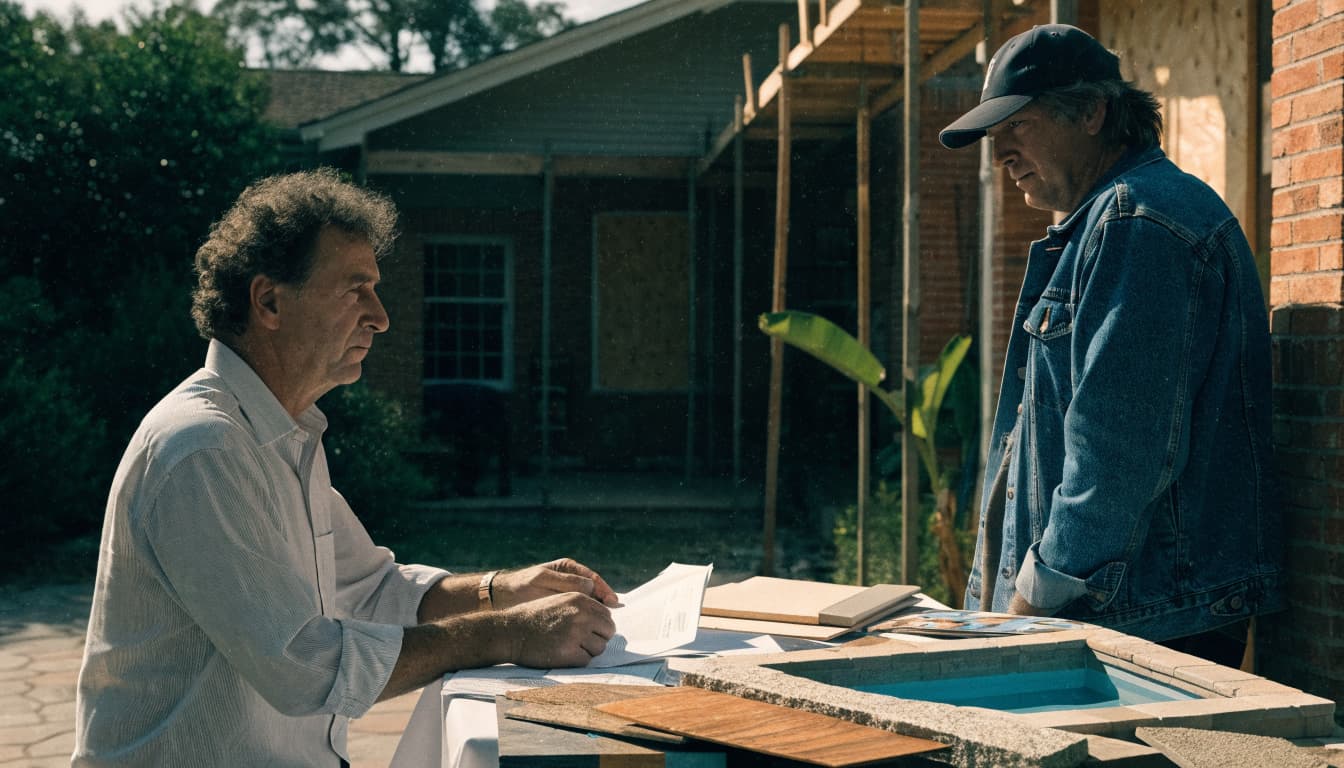
Questions about notice and coverage
Ask whether you need to report the project before work begins, and whether the insurer needs plans, contracts, or other documents. Then ask how the policy treats the pool, enclosure, deck, and equipment once the work is finished.
Find out whether the project could affect limits, deductibles, exclusions, endorsements, or liability coverage. If the answer uses a term you don't understand, ask for the explanation and applicable policy language in writing. Keep that response with your project records.
Questions about the construction period
Ask whether any policy terms apply while the property is under construction or renovation. Explain whether excavation or demolition will leave an open area, whether equipment will be moved, and whether the work affects access to the home.
You can also ask what records the insurer recommends keeping if damage occurs. Take photos before work begins and save receipts and contractor communications. If you're planning a pool, renovation, or screen enclosure, get a free estimate for an on-site consultation about the project scope. Insurance coverage questions should go directly to your insurer.
FAQ
Do I have to tell my insurer before building a pool?
Notification requirements vary by insurer and policy. Contact your insurer before construction and ask what information it needs. Request written confirmation of any instructions.
Does homeowners insurance cover a pool?
A policy may cover some pool-related losses, but coverage isn't guaranteed for every component or cause of damage. The policy language, location, and circumstances of the loss determine the answer.
Will resurfacing or replacing a screen change my policy?
It might prompt questions about the work or the affected property, but requirements vary. Tell your insurer whether the project involves surface work, structural repairs, equipment, a deck, or the enclosure frame.
Does a pool fence guarantee liability coverage?
No. A barrier can support safety, but it doesn't guarantee coverage or satisfy every policy condition. Ask your insurer about liability terms and applicable safety requirements for your property.
Plan the pool project and insurance conversation together
Pool construction can affect property coverage, liability questions, notification duties, and premiums. The details vary by policy, insurer, and location, so get project-specific answers before work begins and keep them in writing.
Good planning starts with a clear scope. Whether you're building a pool, resurfacing an existing one, or updating a screen enclosure, share the full project details with your insurer before crews arrive.