A pool light that stops working can point to a simple control issue or an electrical fault. If your pool light isn’t working, limit your checks to safe observations and accessible controls.
Before any inspection, switch off the pool-light circuit at the breaker, but only if the panel is dry, intact, and safely accessible. Never open the light fixture, handle wiring, or enter the water to inspect it. These boundaries help you gather useful information without putting yourself at risk.
Key Takeaways
- Turn off the pool-light circuit at the breaker before inspecting anything, if you can safely access the panel.
- Look only at accessible controls and visible conditions, such as the breaker position, GFCI status, timer, and whether other lights or equipment are affected.
- Don't open the fixture, touch wiring, or enter the pool to investigate.
- Stop and schedule professional service if a breaker trips repeatedly, you see damage or water intrusion, or you're unsure what's safe.
Why a Pool Light May Stop Working
Pool lighting connects to controls and electrical equipment that can't be diagnosed safely from underwater or by opening a fixture. A timer or automation schedule may affect when a light operates. A tripped GFCI or breaker can also interrupt power. If those visible controls don't explain the problem, the cause may require professional testing.
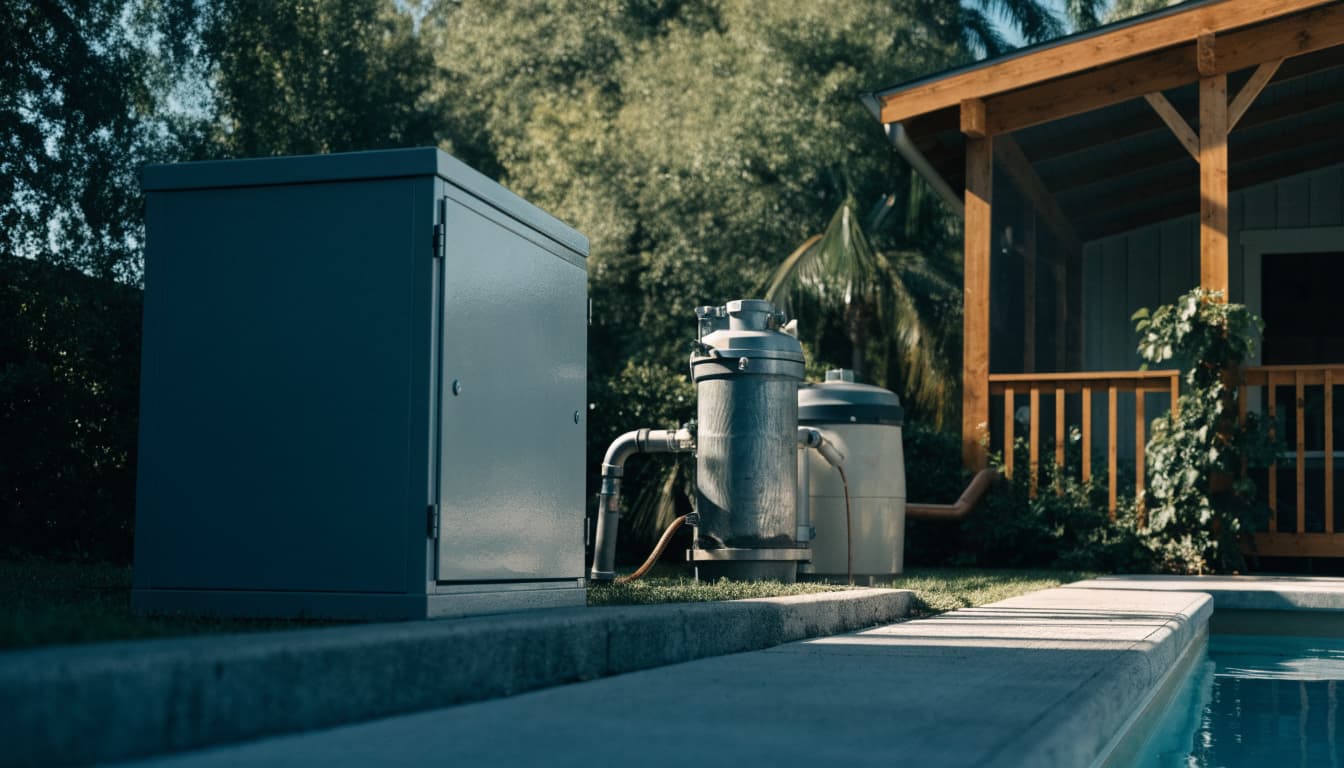
Pool equipment systems can connect controls for lighting, pumps, heaters, and sanitizers. As a result, a lighting problem may appear alongside other equipment changes. Pay attention to whether the pump, other lights, or automation controls also seem affected. That observation can help a professional narrow down the issue.
The light's appearance alone can't confirm whether the problem is a setting, a protective device, or a fault in the fixture or circuit. Avoid guessing and trying repairs based on what you see from the deck.
Safe Checks Before Scheduling a Repair
Keep your inspection limited to things you can see without opening equipment or touching the pool. Switch off the pool-light circuit at the breaker first, provided the panel is dry and undamaged and you can identify the correct control. If you can't do that safely, stop and call a professional.
Look at the controls without opening them
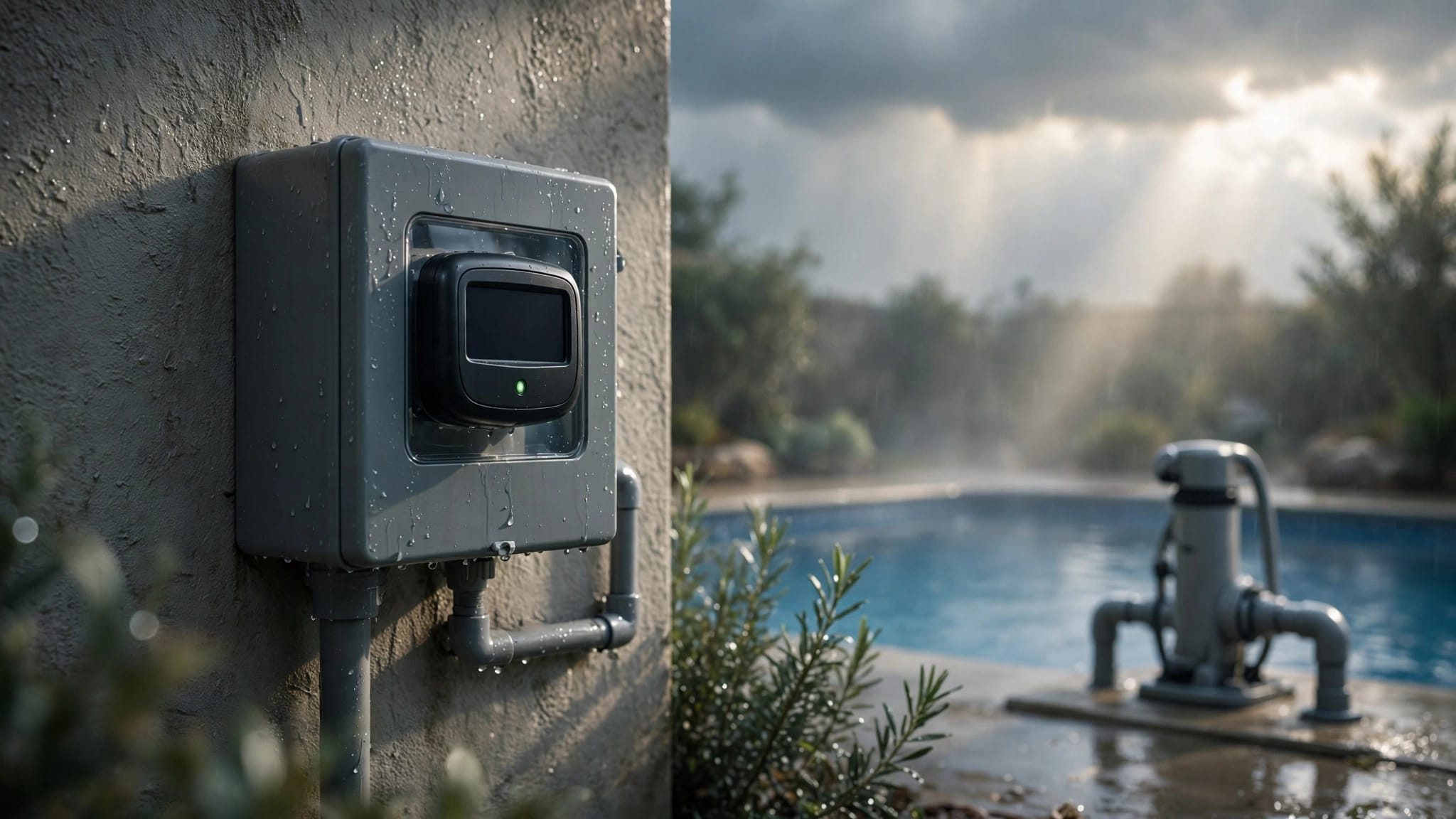
Once the circuit is off, observe the breaker position and any visible GFCI status indicator. Don't remove a cover, reset a device to test it, or switch power back on to see whether the light works. A tripped indicator or unusual breaker position is useful information to share with the service professional.
If your pool uses a timer, dimmer, smart switch, or automation system, look at its visible display and settings. Note whether the schedule or control setting looks different from normal. Don't open a control box or handle any wiring.
Observe the pool and equipment from a safe place
From the dry deck, note whether other pool lights are out or whether the pump and other equipment appear to have stopped as well. Don't enter the water, reach toward a submerged fixture, or touch equipment that's wet or damaged.
Record what you can see and when you first noticed the problem. A short description, such as "one light is out, but the other lights and pump appear normal," gives a technician a useful starting point without requiring a risky test.
Warning Signs That Mean Stop and Call a Professional
Some symptoms call for more than a routine appointment. If you see exposed or damaged wiring, a cracked or damaged light fixture, water intrusion, or damage around pool equipment, keep clear of the area. Don't touch the affected equipment or enter the pool.
Treat repeated trips as a serious warning
If the breaker trips repeatedly, leave the circuit off and schedule professional service. Don't keep resetting it to restore the light. A breaker that trips again may be responding to an electrical problem, and repeated attempts won't identify or fix the cause safely.
A burning smell, visible heat damage, or a warm receptacle near pool equipment also calls for immediate caution. Keep people away from the affected area and contact a qualified professional.
Stop if you're uncertain
If you can't tell which breaker controls the light, the panel looks damaged, or water is near electrical equipment, don't proceed. Stay in a dry, safe location and arrange a professional assessment. If a pool light or related equipment appears damaged, keep people out of the water until a qualified professional has addressed the concern.
Electrical work around pools may involve components that aren't visible from the deck, including grounding and bonding connections. A licensed electrician familiar with pool systems can evaluate electrical concerns that safe visual checks can't resolve. Our guide to pool equipment repair or replacement also covers signs that mean it's time to stop and seek professional help.
What to Tell the Professional Before the Visit
A few clear observations can help a service professional understand the issue before arriving. Stick to what you saw, rather than diagnosing the cause. Don't run tests or open electrical equipment to gather more information.
Note what changed
Write down when the light stopped working and whether it failed suddenly or after a change to a timer, dimmer, smart switch, or automation schedule. Mention whether other lights or pool equipment were affected. If a breaker or GFCI indicator appeared tripped, include that detail without resetting it.
You can also take a photo from the deck if it's safe to do so. Don't lean over the water, step into the pool, or approach damaged equipment for a closer view.
Describe the visible condition
Tell the professional if you can see a crack, damage, or possible water intrusion around the fixture or equipment. Don't try to confirm water inside the light by removing the fixture. Even a close visual inspection has limits, and opening a pool light can expose you to electrical hazards.
A professional may need to assess the controls, fixture, and electrical system. If the issue involves pool wiring or protection devices, a licensed electrician familiar with pool work may be the right specialist.
When Lighting Work Fits Into a Pool Renovation
A light problem can be a reason to review the broader pool setup, especially when other upgrades are already planned. However, a renovation doesn't replace a proper electrical assessment. Resurfacing won't resolve a failing electrical component, and replacing equipment won't correct a separate issue with the pool finish.
Consider controls and fixture choices together
If you're planning to replace or upgrade pool lights, consider how you want to control them. Timers, dimmers, and smart switches can offer different ways to manage pool lighting. The right choice depends on the pool and the controls already in place.
Explore pool lighting options for Cape Coral homes if you're weighing a lighting upgrade. A professional can help relate the options to the pool's existing setup.
Coordinate connected work
If the pool also needs finish work, deck updates, or equipment replacement, discuss the scope together. That can help you distinguish the light repair from other planned improvements. Our page on pool renovation and resurfacing outlines the kinds of updates that may be part of a larger project.
At Back Bay Pools, we offer renovation and lighting upgrades for homeowners planning improvements to an existing pool. If you're considering broader work, Get a Free Estimate for an on-site consultation.
Frequently Asked Questions
Can I reset the breaker to see if the pool light comes back on?
Don't reset the breaker as a troubleshooting step. Switch off the pool-light circuit before any inspection, and leave it off if it has tripped, especially if it trips repeatedly. A qualified professional should investigate the cause rather than relying on repeated resets.
Should I enter the pool to get a closer look?
No. Never enter the water to inspect a pool light, even if the pool appears calm or the fixture seems intact. Observe only from a dry, safe area, and keep away from visible damage or water near electrical equipment.
What if only one pool light is out?
Note whether other lights and pool equipment appear to be working, then share that information with the professional. One light being out doesn't identify the cause, and you shouldn't remove the fixture or attempt electrical testing to find it.
When should I schedule service right away?
Arrange professional service if a breaker trips more than once, you see visible damage or water intrusion, or you're uncertain whether the equipment is safe. Stay clear of the affected area and keep people out of the water when electrical equipment appears damaged.
Keep the Inspection Safe and Simple
When a pool light stops working, safe observations can help describe the problem, but they can't replace electrical diagnosis. Turn off the circuit before inspection when you can do so safely, then leave the fixture and wiring alone.
A clear account of what changed, what else is affected, and what you can see gives a professional a useful starting point. If anything looks damaged or uncertain, stop there and schedule service.