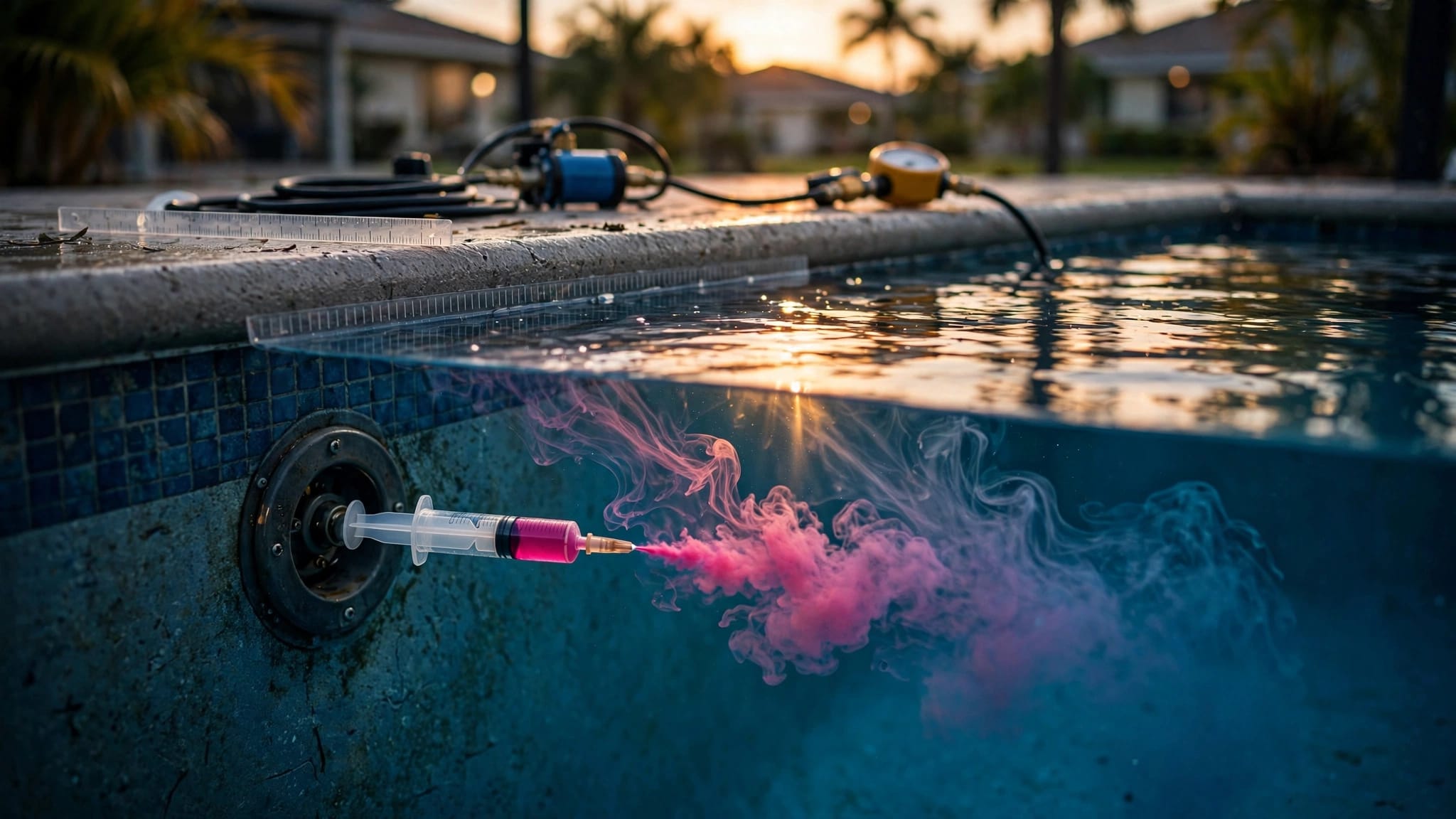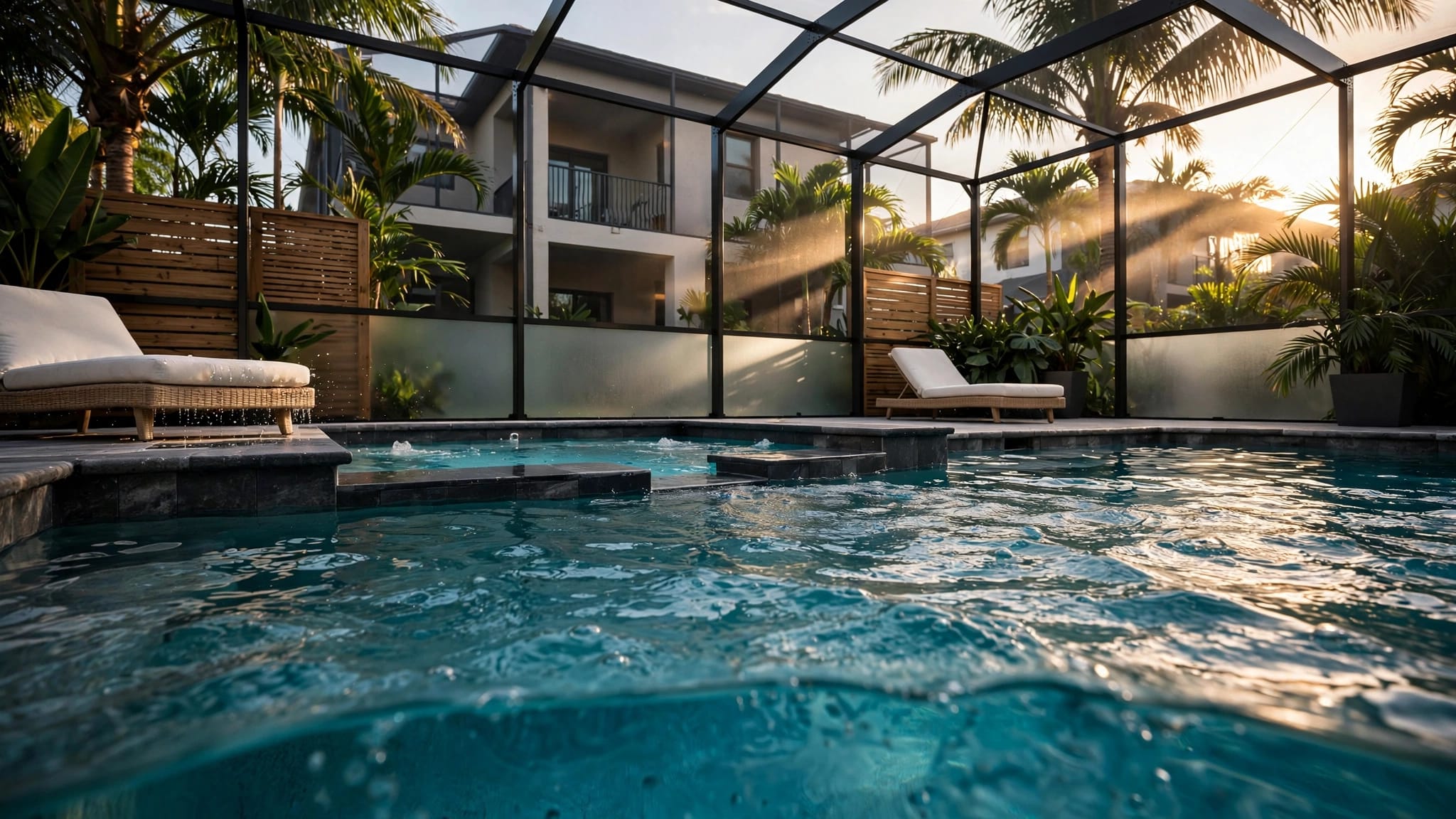
A Florida hurricane can leave a pool looking intact while damaging the equipment, tile, deck, or screen enclosure around it. Searching for hurricane pool damage insurance often creates confusion because homeowners coverage usually separates wind damage from flood damage.
The answer depends on your policy language, the source of the damage, and your hurricane deductible. Before storm season, review your declarations page and speak with your insurer or a licensed insurance professional. Start with the difference between wind and water.
How hurricane pool damage insurance works in Florida
Yes, a Florida homeowners policy may cover hurricane-related damage to a pool. However, coverage isn't automatic for every pool component or every type of storm loss.
The insurer will usually examine what caused the damage. Wind, wind-driven debris, and a tree falling onto the pool area may qualify as covered losses under a homeowners policy. Storm surge, rising water, and flooding generally fall outside standard homeowners coverage.
A policy may classify the pool, deck, screen enclosure, pump, filter, and other equipment under different coverage sections. Some items may have separate limits, exclusions, or endorsements. Your policy might treat a pool as another structure, while attached improvements could receive different treatment.
Potentially covered wind-related losses can include:
- Pool tile, coping, or decking damaged by wind-driven debris.
- A pump, filter, or other equipment damaged by a covered impact.
- A screen enclosure torn by hurricane-force winds.
- A fallen tree that damages the pool area or surrounding structures.
- Wind-driven rain entering through an opening created by the storm.
Wear, corrosion, poor maintenance, and pre-existing cracks usually create coverage problems. An adjuster may also separate old damage from new storm damage, so clear records matter.
Wind and flood damage receive different treatment
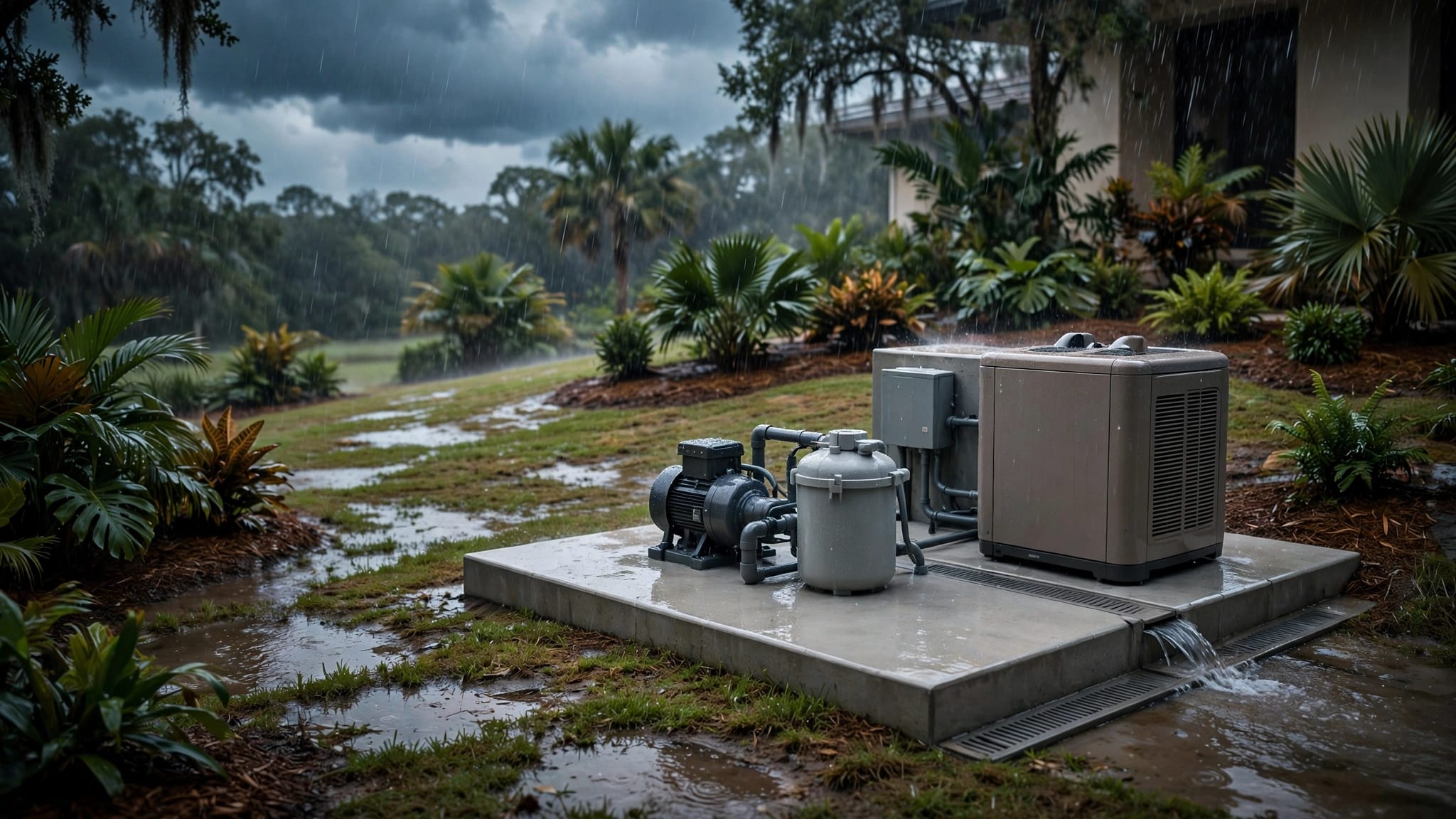
Storm surge can fill a yard with several feet of water, but standard homeowners insurance generally won't cover that loss. Flood insurance is separate, and it may not cover every pool structure or piece of equipment.
| Cause of damage | Common pool-related example | Typical insurance issue |
|---|---|---|
| Hurricane wind | Debris damages tile, equipment, or an enclosure | Homeowners coverage may apply, subject to the hurricane deductible |
| Wind-driven rain | Rain enters through a storm-created opening | Coverage may apply if wind caused the opening |
| Storm surge or flooding | Rising water enters the yard and damages the pool area | Standard homeowners coverage generally excludes it |
| Wear or neglect | Old screen tears or corroded fasteners fail | Maintenance-related damage is often excluded |
With hurricane pool damage insurance , the cause of loss matters more than the fact that a hurricane occurred. For example, wind may tear screen panels from a cage, while storm surge may push water and debris through the same area. Those losses can fall under different policies.
The National Flood Insurance Program and private flood insurers provide separate flood coverage. Still, homeowners should read the flood policy carefully. Pool structures, landscaping, retaining walls, and outdoor equipment can have specific exclusions or limits.
A pool damaged by wind may qualify for homeowners coverage, while the same pool damaged by storm surge may not qualify under either policy without the right specific coverage.
Florida hurricane deductibles can change the claim
Florida policies often include a separate hurricane deductible. This is different from the regular deductible used for many non-hurricane claims.
The Florida Department of Financial Services states that insurers must offer hurricane deductible options of $500, 2%, 5%, or 10% of the dwelling or structure limit, subject to the policy terms. A percentage deductible is based on the insured dwelling limit, not on the size of the pool repair.
For example, if your Coverage A dwelling limit is $400,000, a 2% hurricane deductible equals $8,000. A 5% deductible equals $20,000. If the pool damage estimate is $12,000, the claim may produce a much smaller payment than expected after the deductible.
A 2% deductible on $400,000 of dwelling coverage is $8,000, even if the pool repair estimate is only $12,000.
Florida's hurricane deductible applies under timing rules connected to a hurricane warning issued by the National Hurricane Center. It generally begins when a warning is issued for any part of Florida and ends 72 hours after the last watch or warning for Florida is terminated.
The deductible applies on an annual calendar-year basis for covered hurricane losses under policies issued by the same insurer or insurance group. Ask your carrier how the rule applies to your policy if more than one storm affects your property in the same year.
Before relying on hurricane pool damage insurance , look at the declarations page for the deductible amount, wind exclusions, coverage limits, and endorsements. If the wording is unclear, ask for an explanation in writing.
What your policy may cover around the pool
A pool claim can involve more than the basin itself. Wind may damage the screen enclosure, pool deck, electrical components, landscaping, or patio features at the same time.
Your policy and cause of loss will determine whether the following items qualify:
- The pool shell may have coverage for certain sudden, storm-related damage, but cracks caused by settling, age, or construction defects may be excluded.
- Pool tile, coping, and decking may qualify when wind-driven debris causes direct damage.
- Pumps, filters, heaters, and automation equipment may have different treatment than the pool structure.
- Screen enclosures may fall under other structures coverage or a separate limit, depending on how the policy classifies them.
- Debris removal may receive coverage when a covered tree or storm event damages insured property.
A contractor's estimate doesn't establish insurance coverage. The adjuster applies the policy language, deductible, exclusions, and limits to the documented loss. Ask the insurer whether emergency cleanup, temporary protection, and damaged equipment storage are covered before spending more than needed to prevent further damage.
Post-storm pool documentation and claims checklist
Safety comes first after a hurricane. Don't enter standing water near electrical equipment, and don't operate damaged pumps or wiring until a qualified professional says it's safe.
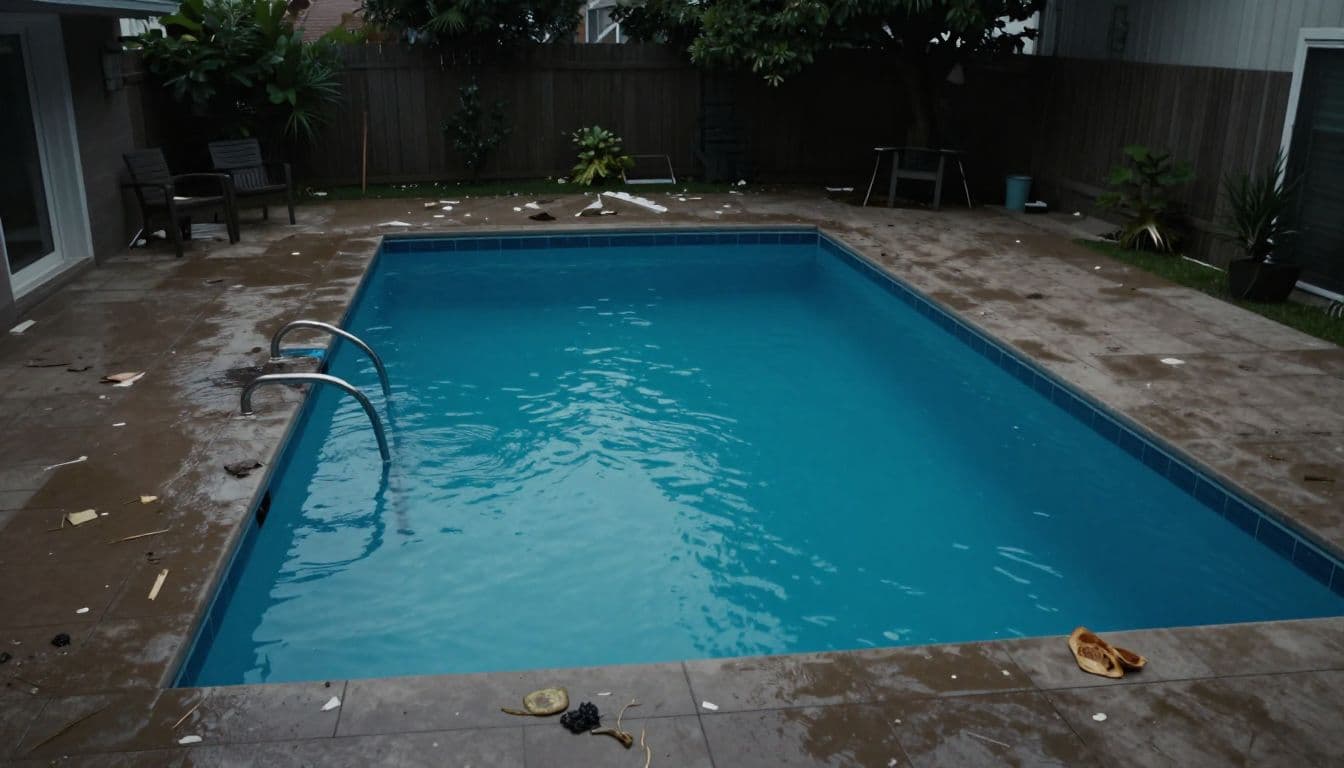
Use this concise checklist before permanent repairs:
- Photograph and video the pool, deck, screen enclosure, equipment pad, fences, trees, and surrounding property before moving debris.
- Record visible damage from several angles, including close-ups of cracked tile, torn screens, displaced coping, and damaged equipment.
- Contact your insurer promptly and ask how to report the claim, protect the property, and schedule an inspection.
- Prevent additional damage with reasonable temporary measures, but keep receipts and avoid permanent repairs before the inspection unless safety requires immediate work.
- Ask a pool contractor for a written scope that separates storm damage from pre-existing wear, if possible.
- Save receipts, invoices, contractor messages, equipment records, and photos showing the pool's condition before the storm.
If flooding occurred, document the water line, mud, debris, and direction of water flow. Those details may help distinguish storm surge from wind-driven rain during the claim review.
Don't discard damaged pumps, filters, screens, or building materials until the insurer or adjuster tells you that you can. If the carrier denies a claim, request the decision and cited policy language in writing.
Prepare your Florida pool before hurricane season
Preparation can reduce damage and give you stronger evidence if you need to file a claim. It also helps protect a pool that may not have full flood coverage.
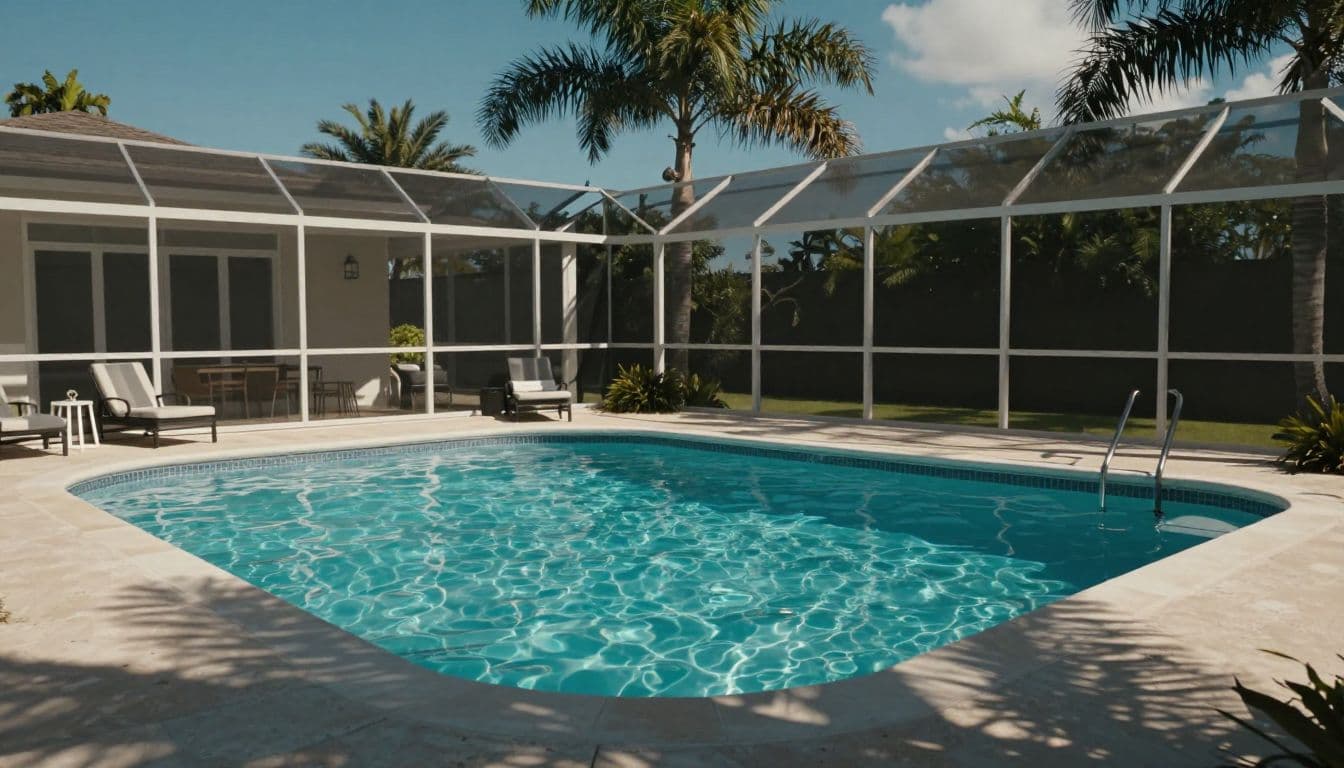
Before a storm threatens your area:
- Move patio furniture, umbrellas, planters, toys, and loose equipment indoors or secure them as the manufacturer recommends.
- Inspect screen enclosure fasteners, doors, roof panels, and framing. Repair loose or corroded components before storm season.
- Trim weak branches near the pool, cage, roof, and equipment pad.
- Photograph the finished pool, equipment labels, screen enclosure, and recent improvements. Store copies in cloud storage.
- Keep receipts and records for resurfacing, equipment replacement, tile work, and enclosure repairs.
Don't drain an in-ground pool before a hurricane unless a qualified pool professional gives you that instruction. An empty or heavily drained pool can face hydrostatic pressure and structural movement. Keep water chemistry and equipment maintained under normal conditions, then follow manufacturer and utility guidance if you need to shut down power before the storm.
For Cape Coral homeowners planning a new pool and enclosure, coordinating both parts of the project can simplify layout and permitting. This guide on planning a pool and screen enclosure in Cape Coral covers why a combined plan can matter.
Repairing or rebuilding after a pool claim
Once the adjuster inspects the property, compare the approved scope with the contractor's estimate. Ask questions if the insurer groups several repairs under one limit or excludes an item you believe the policy covers.
A pool contractor can identify whether resurfacing, tile replacement, equipment repair, screen replacement, or structural work is appropriate. Extensive damage doesn't always require a complete rebuild, but hidden plumbing, electrical, or structural problems may affect the final scope.
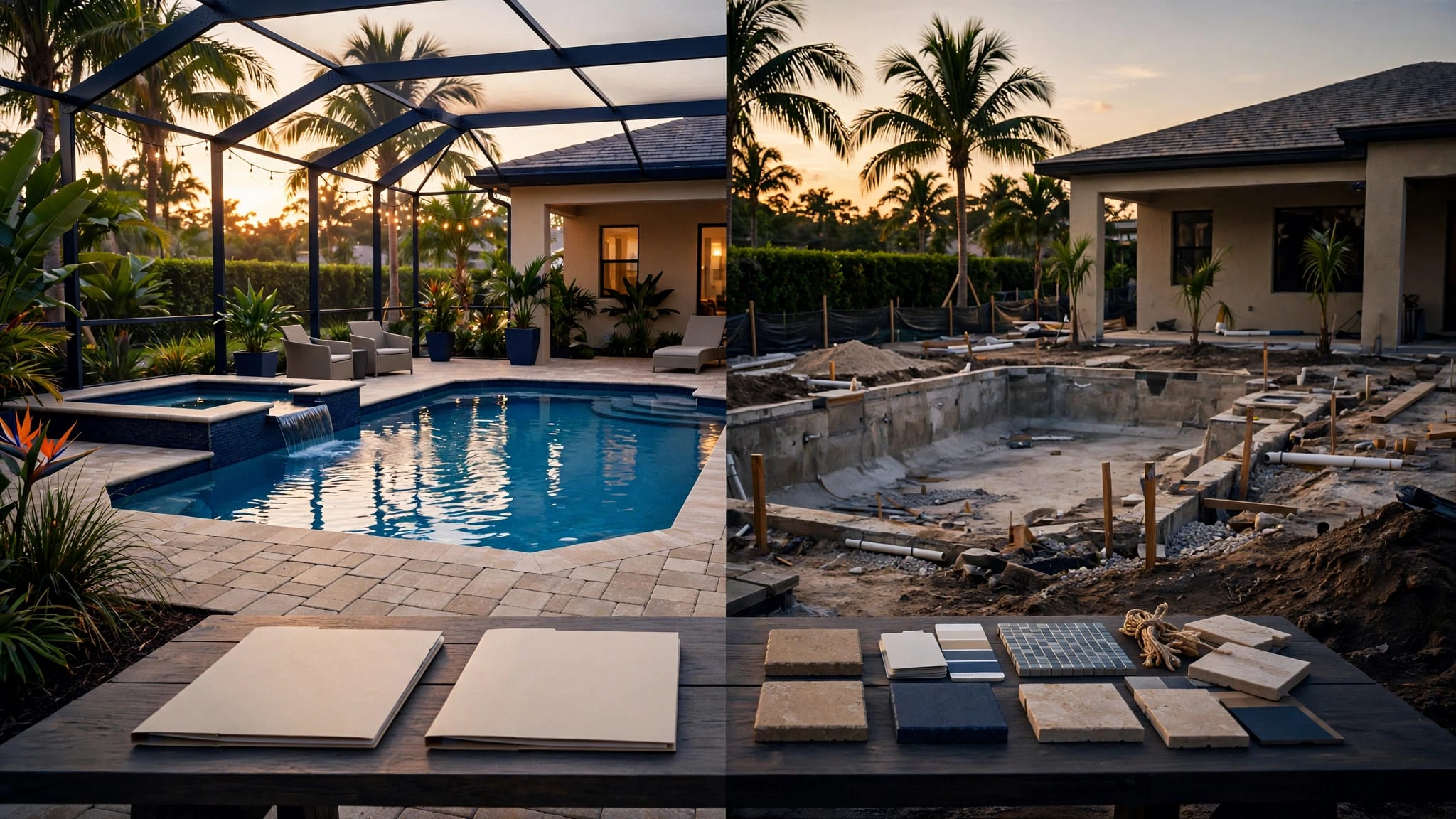
If the pool needs major reconstruction, homeowners can review options for new pool construction rather than treating every storm loss as a small repair. A written estimate also helps you separate covered work from elective upgrades, such as a different finish, larger deck, or new water feature.
Back Bay Pools serves Cape Coral homeowners with pool construction, renovations, resurfacing, and screen enclosure work. If you need a post-storm assessment for planning purposes, you can Get a Free Estimate.
Conclusion
Florida homeowners insurance may cover pool damage caused by hurricane wind, falling trees, or wind-driven debris. Standard policies generally don't cover storm surge or flooding, and a separate flood policy may still limit coverage for pool structures and equipment.
Review your declarations page before storm season, especially the hurricane deductible and coverage limits. After a storm, document everything before cleanup, report the loss promptly, and ask your insurer or licensed insurance professional how the policy applies. Clear records and a careful wind-versus-flood analysis are the strongest starting points for a hurricane pool damage insurance claim.