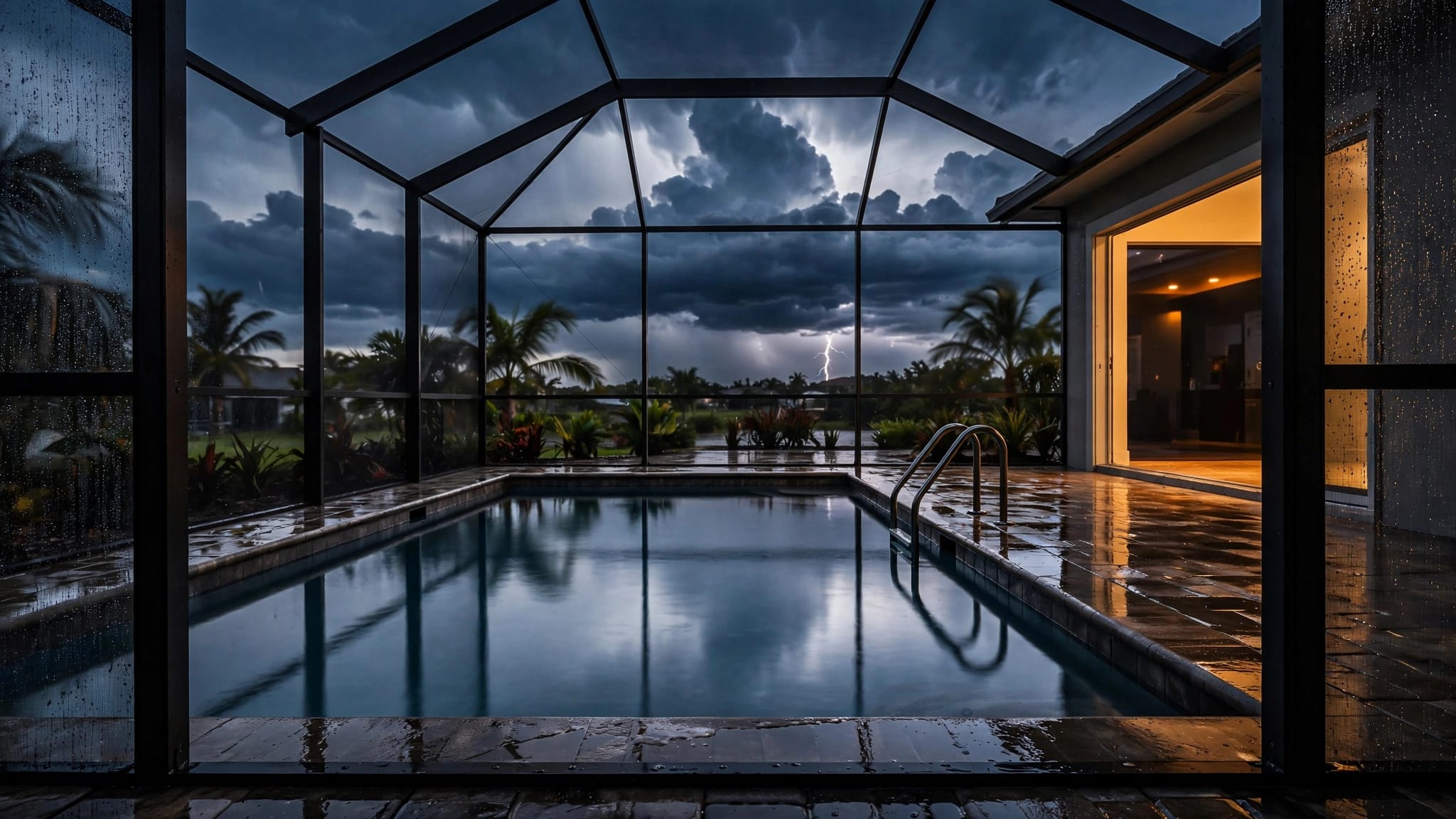
An in-ground pool can fit beautifully into a Cape Coral backyard, but the flood zone may affect where it goes, how it is engineered, and which permits you need. Cape Coral pool construction requires more than choosing a shape and finish when the property sits in a FEMA flood hazard area.
Before excavation begins, your builder should verify the current flood map, base flood elevation, setbacks, drainage, seawall relationship, and local permit requirements. These details can affect the pool shell, deck, screen enclosure, equipment pad, and project timeline.
Why Flood Zones Matter in Cape Coral Pool Construction
Cape Coral treats pool installation as development when a property is wholly or partly within a flood hazard area. That means the city may review more than the pool itself. Grading, fill, drainage, equipment, decks, and enclosures can also affect the approval process.
A large portion of Cape Coral is located in FEMA Special Flood Hazard Areas, with AE zones being common. Your property may also have a floodway or another designation that brings additional requirements. The zone shown on a prior survey or insurance document may not be enough for a current permit review.
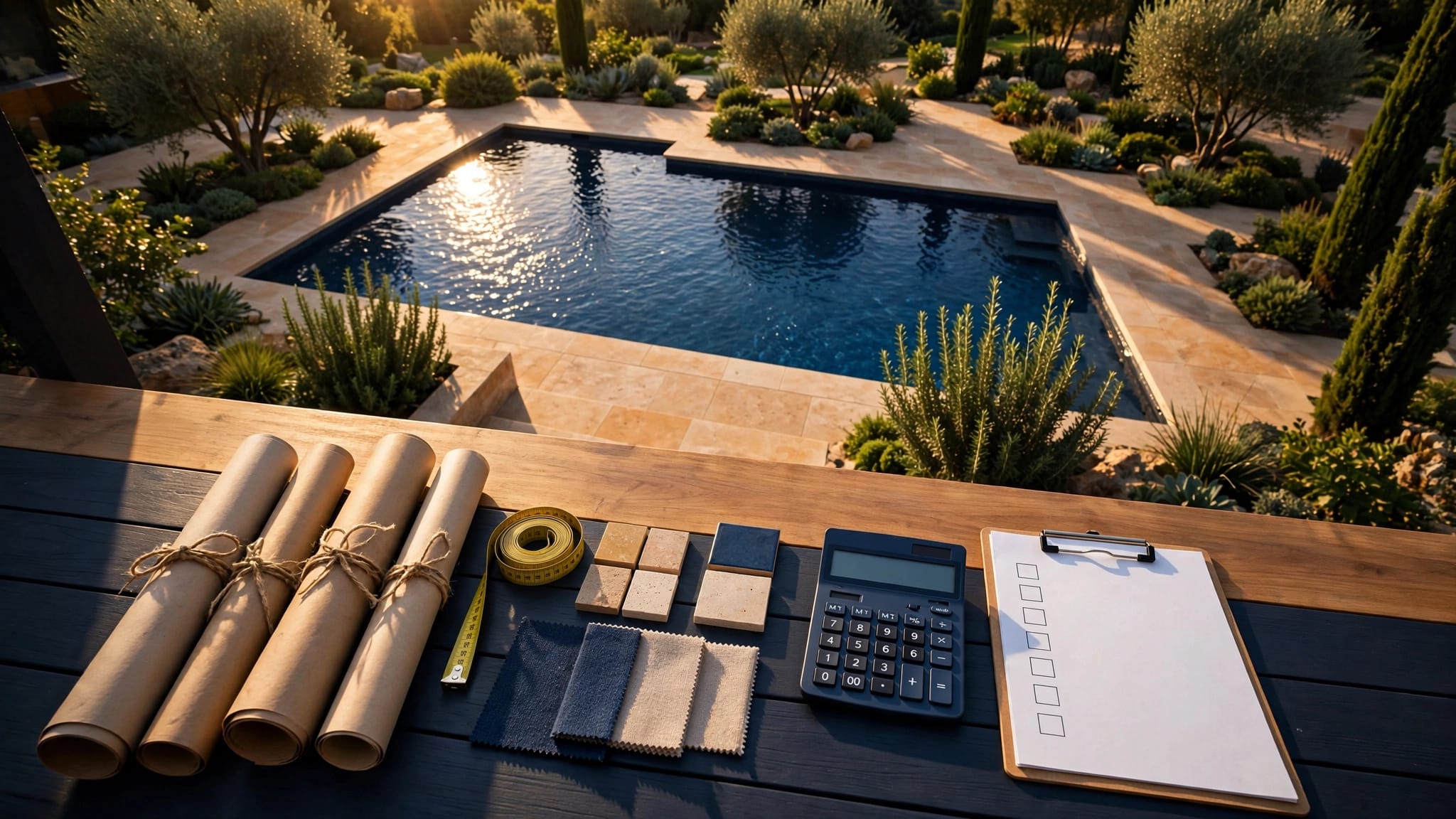
Cape Coral permit guidance says a pool permit package typically includes a site plan. The plan should show the proposed pool, property-line setbacks, distance from the seawall, deck or coping areas, and barrier or fencing details. An Elevation Certificate may also be necessary, depending on the site and the work proposed.
Local fill restrictions can affect the design as well. Cape Coral ordinance materials limit the maximum amount of fill on a single-family or duplex site in a Special Flood Hazard Area to 12 inches unless the Building Official approves otherwise. If your design depends on raising the yard or building up a deck, the builder needs to address that before final pricing.
A flood zone does not automatically prevent a pool. It determines which design, engineering, documentation, and approval steps apply to your property.
What Your Flood Zone Means for Pool Design
The right approach depends on the mapped zone, the site elevation, the presence of a floodway, and the relationship between the pool and nearby structures.
AE zones and Special Flood Hazard Areas
AE zones include areas where FEMA has established base flood elevations. In these locations, the builder must compare the proposed pool and surrounding improvements with the current elevation information.
Cape Coral's residential plan review guidance lists the lowest living area elevation in an SFHA as at least BFE plus 1 foot. That requirement applies to the home's living area, not automatically to every pool. Still, it can affect the relationship between the house, pool deck, drainage paths, and finished grades.
Private residential pools in Zone A or AE may face specific flood requirements when they are located in a floodway or in a riverine area with a known BFE but no designated floodway. Your builder should identify whether the pool, deck, or grading enters one of those areas.
An Elevation Certificate can help document existing and proposed elevations. It may also give the design team better information before they set the pool deck, equipment pad, or screen enclosure height.
Floodways require extra review
A floodway is the portion of a floodplain that carries floodwater during a major storm. Because construction there can redirect water, Cape Coral does not allow development in a regulatory floodway unless the required analysis shows that the work won't increase the base flood elevation.
That analysis may need to account for the pool shell, deck, grading, retaining features, and imported fill. A pool that looks small on a backyard plan can still matter if it reduces the available path for moving water.
Ask whether your property contains a mapped floodway before approving a final layout. If it does, your pool builder may need to coordinate with a qualified design professional and the city's Floodplain Coordinator. The permit reviewer will determine which documents are required for the specific site.
V zones and Coastal A Zones
V zones and Coastal A Zones have stricter flood-resistance requirements because wave action and moving water can place greater force on structures. Florida guidance points to ASCE 24 for pools at private dwellings in V zones and Coastal A Zones.
In these areas, the pool and deck must handle flood-related loads. FEMA guidance also addresses pools near elevated coastal buildings. The pool should be structurally independent of the building and its foundation when required, so movement or damage to the pool won't harm the home's support system.
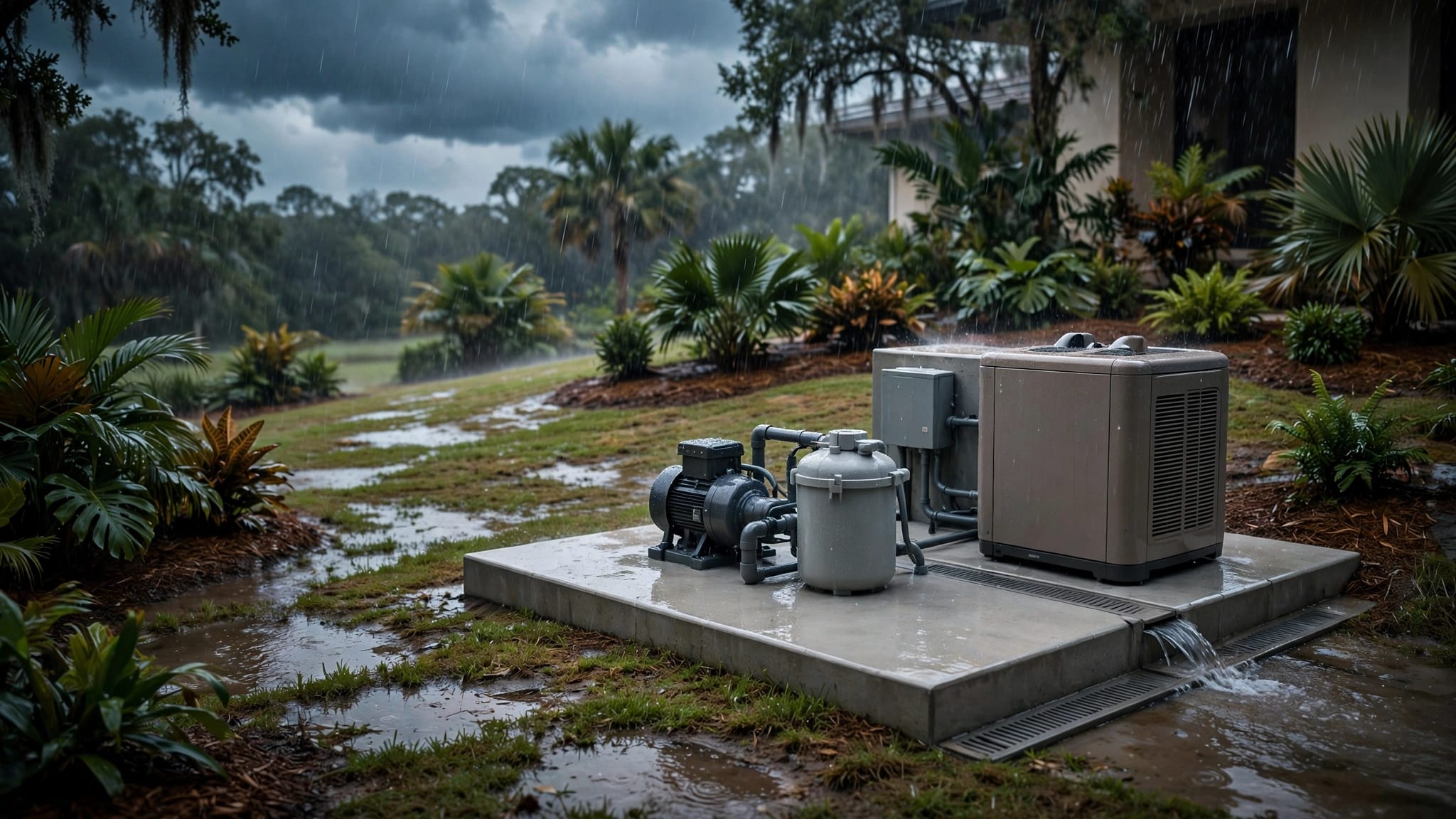
A pool may remain at grade in some situations, but the design must prevent it from floating, breaking apart, or obstructing floodwater. Pool equipment should also be placed above the BFE whenever practical. If equipment must remain lower, it needs proper anchoring, flood-resistant protection, and compliant electrical service.
How Flood Rules Affect Location, Decks, and Equipment
Flood-zone construction can limit the most convenient location for the pool. Cape Coral ordinance materials generally place residential pools in the rear of the principal structure, while the site plan must show property-line and seawall distances. Easements, drainage routes, access areas, and existing utilities may narrow the available space.
Waterfront properties need extra attention. A pool near a seawall may require careful grading and drainage so water doesn't collect against the home or move toward a neighboring property. The builder should review the seawall relationship before excavation, especially when the yard has limited width.
The deck also needs a flood-aware design. FEMA guidance says pools and pool decks in flood hazard areas must remain stable under flood loads. Depending on the site, a deck may need to be elevated, designed to break away, or placed so it remains at grade without obstructing water in a way that damages nearby structures.
Raising the deck isn't always the best answer. It can change drainage, add fill, create a step-down at the house, or affect screen enclosure elevations. A practical design balances finished-floor elevations, access, drainage, and the floodplain rules that apply to the lot.
Pool equipment deserves the same attention. Pumps, filters, heaters, automation systems, and electrical connections can be damaged by standing water. FEMA recommends elevating mechanical equipment above the BFE. The electrical installation must also follow current Florida requirements, including GFCI protection where required.
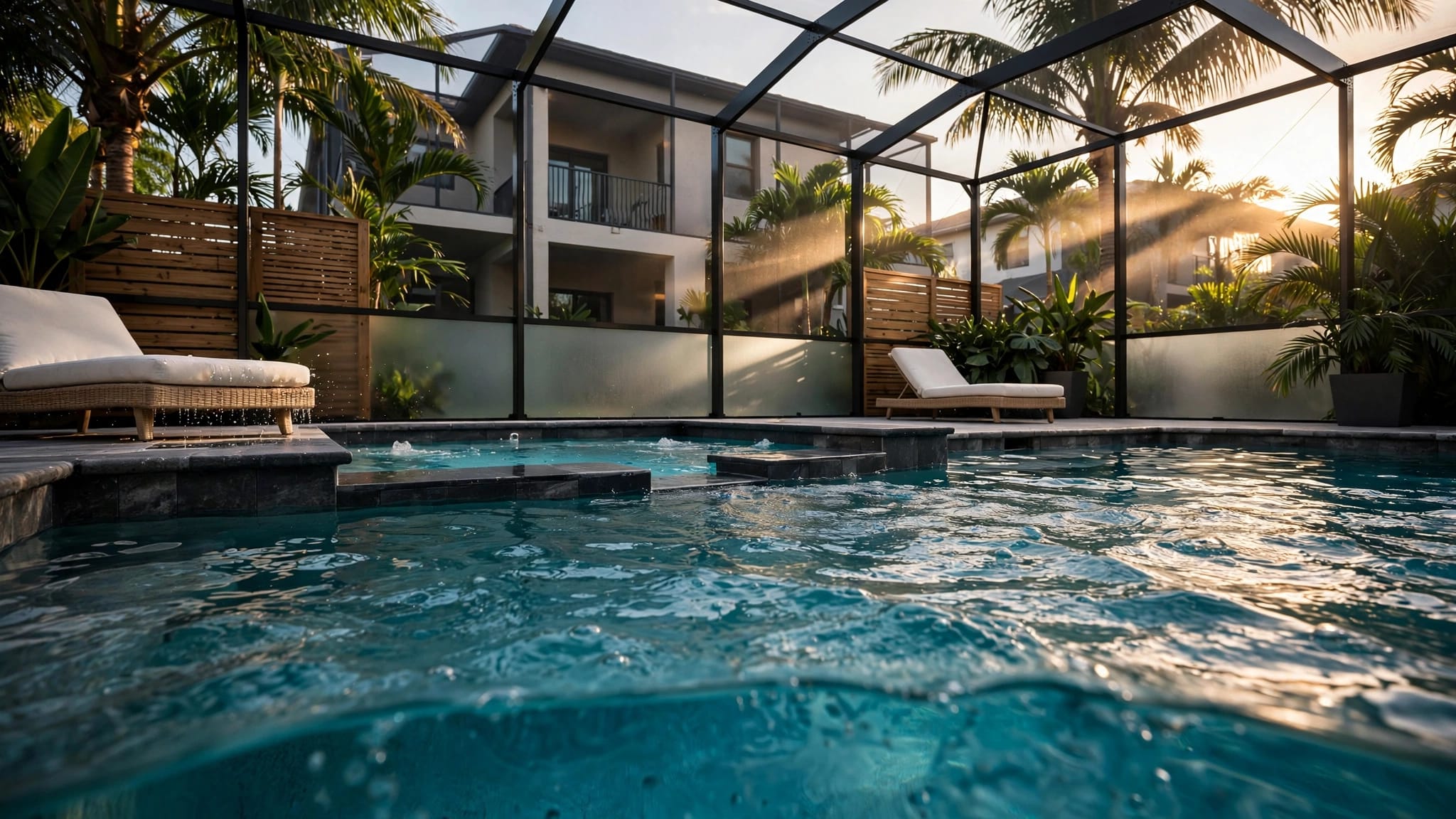
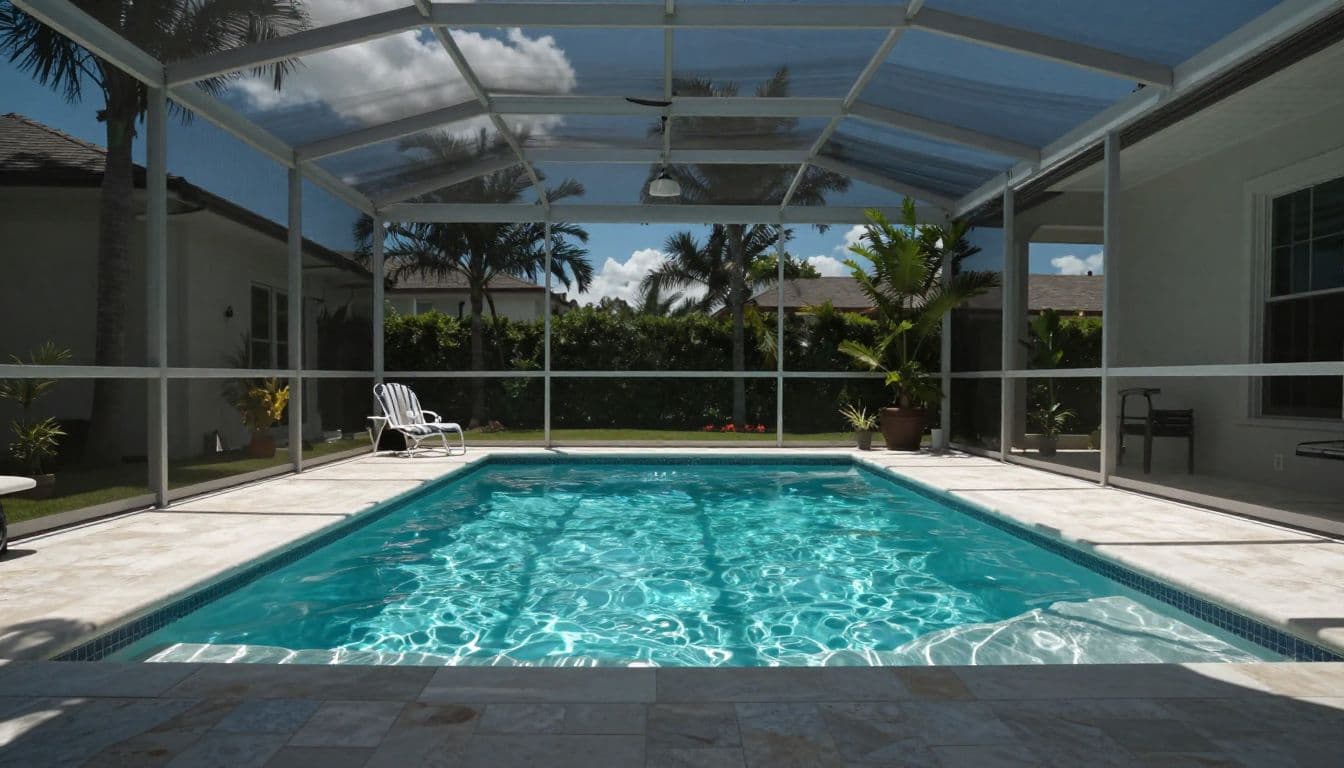
Cape Coral requires residential pools, spas, and hot tubs to be enclosed by screening under local ordinance materials. A screen cage can make the backyard more comfortable, but its posts, footings, and height still need to fit the approved plan and site conditions. Homeowners considering a replacement cage should review the city's current requirements before construction begins.
Permits and Builder Questions to Ask First
A responsible Cape Coral pool contractor should review flood information before finalizing the design or signing off on a construction schedule. The process usually starts with a property survey, flood-zone review, elevation information, and a preliminary layout. The builder then develops the site plan and identifies any floodplain documents required by the city.
Permit requirements can change as FEMA maps, local codes, and Florida Building Code editions change. Site-specific verification is essential, even if a nearby property received approval for a similar pool.
Before construction, ask your builder:
- Which FEMA flood zone applies to my property under the current map?
- What is the current base flood elevation for this site?
- Is any part of the proposed pool, deck, screen enclosure, or grading inside a regulatory floodway?
- Will the project require an Elevation Certificate, floodway analysis, or design professional certification?
- How will the plan address Cape Coral's fill limits and drainage requirements?
- Where will pumps, filters, heaters, controls, and electrical equipment be installed?
- How will the pool and deck remain stable during flooding?
- Who will prepare the site plan and submit the permit package?
- Which current city and Florida Building Code requirements apply to this design?
- Will a renovation, equipment change, deck addition, or rescreen trigger a new permit review?
A builder with local experience should answer these questions clearly. For homeowners planning new pool construction, an on-site review is more useful than relying on a general estimate based only on lot size.
You can Get a Free Estimate to discuss your property, preferred pool design, flood-zone concerns, and the documents needed for a site-specific review.
Plan the Pool and Screen Enclosure Together
Flood-zone decisions affect more than the pool's excavation. They can shape the deck height, door thresholds, drainage slopes, equipment location, and screen enclosure design. Planning these elements together reduces the risk of revising one part after another has already been approved.
A custom pool may also include sun shelves, raised beams, attached spas, steps, or an expanded entertaining area. Each feature changes the amount of concrete, grading, or structure on the site. Your builder should show how those choices fit within the floodplain review before you commit to the final plan.
For homeowners replacing damaged mesh, changing a cage, or renovating an older pool, the same caution applies. Resurfacing may involve fewer approvals than moving the pool or rebuilding the deck, but the city determines whether the proposed work needs a permit. Ask before removing existing materials.
Conclusion
Flood zones affect Cape Coral pool construction through site layout, elevation, fill, drainage, structural design, equipment placement, and permitting. AE properties may need floodplain review and elevation documentation, while floodways and coastal zones can require more detailed analysis and flood-resistant design.
The safest starting point is a current, property-specific review. Ask your builder to verify the flood map, BFE, setbacks, seawall distance, drainage plan, and applicable city requirements before excavation begins. With those details settled early, your pool can be designed for both Florida living and the conditions of your lot.