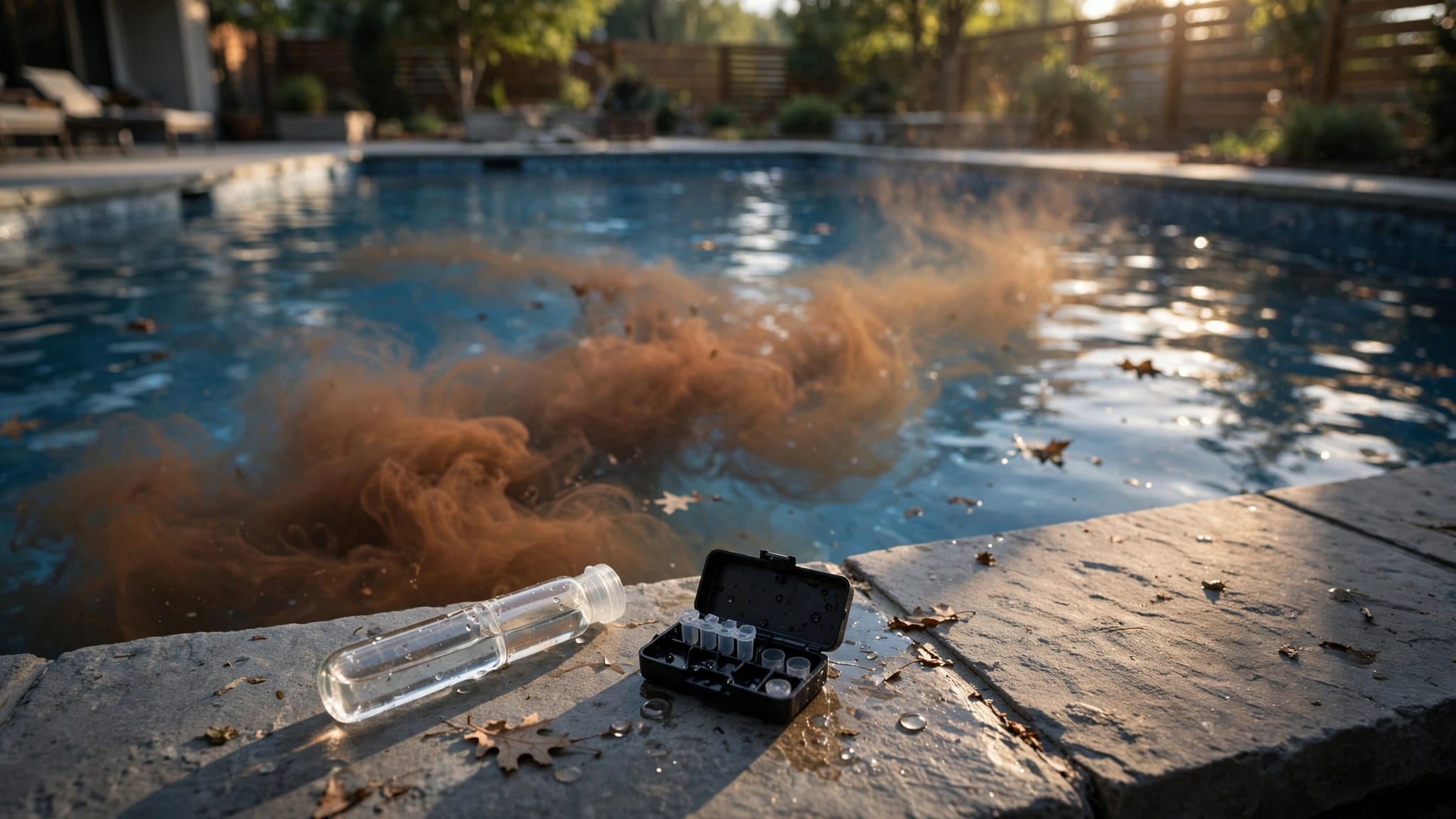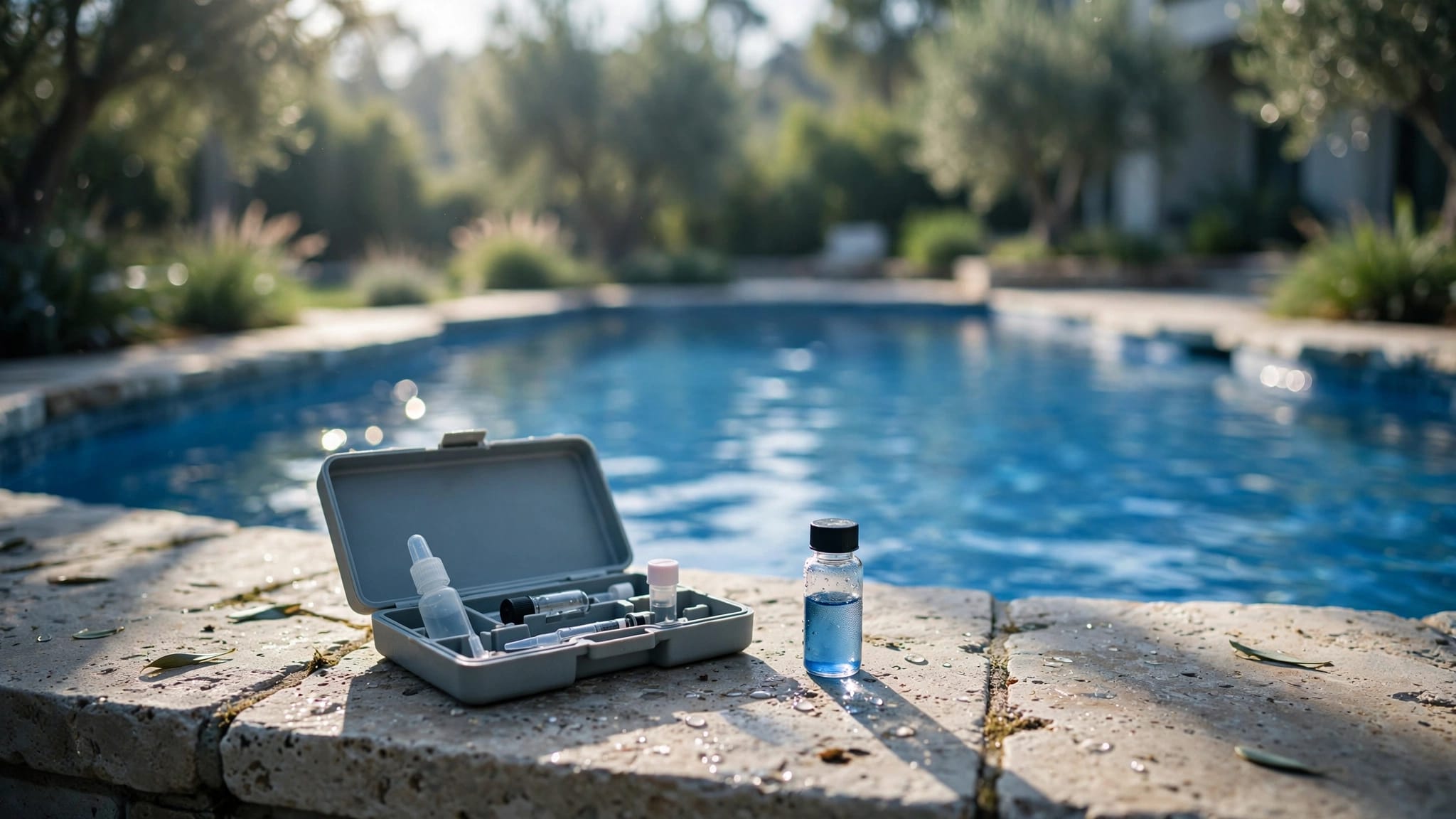
A pool chlorine test can read zero after shocking because free chlorine is genuinely low or because the test result is unreliable. Retesting comes first , since a blank color result alone doesn't establish how much chlorine is in the water.
If you're seeing zero chlorine after shocking, don't automatically add another dose. Recent treatment, the test's measuring range, and your sampling method all matter.
Start by separating a confirmed low reading from a result your kit can't reliably interpret.
Key Takeaways
- A true zero means a suitable, properly performed test confirms no measurable free chlorine.
- A false zero is an apparent zero that a reliable repeat test doesn't support.
- If chlorine could exceed your kit's range, use its approved dilution procedure or an appropriate higher-range test.
- Don't add more chlorine or reopen the pool based on an uncertain result.
The safest next step is a fresh sample and a dependable reading, followed by one measured adjustment when needed.
True Zero vs. False Zero After Shocking
What a confirmed zero means
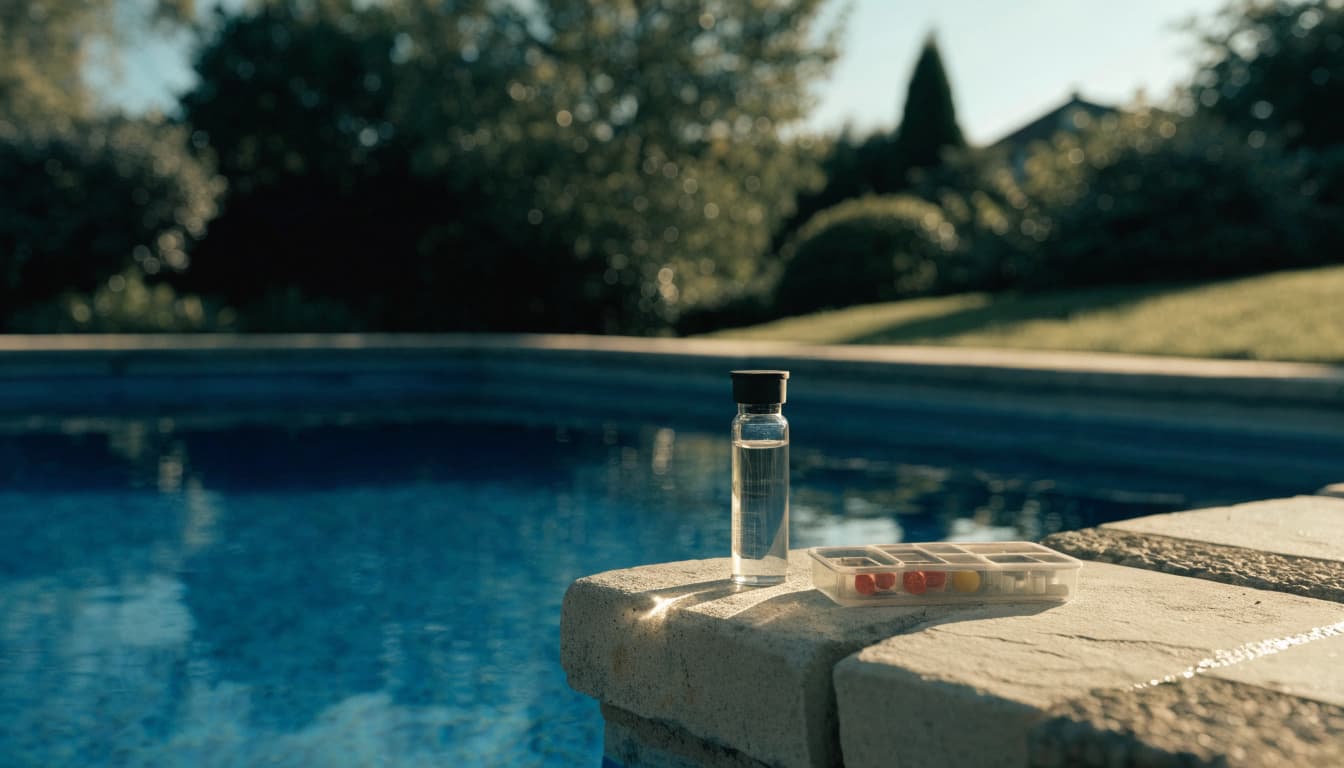
Free chlorine measures the chlorine available to sanitize your pool. A true zero means the test detects no measurable free chlorine within that method's limits.
However, one strip or color comparison isn't enough when the result conflicts with a recent chemical addition. Repeat the test with fresh supplies and a representative sample before deciding what treatment the pool needs.
Also, make sure you're reading free chlorine , rather than assuming every chlorine measurement means the same thing. Total chlorine includes free chlorine and combined chlorine, so the numbers can differ.
What makes a zero reading questionable
Expired reagents, moisture-damaged strips, incorrect sample volumes, and missed reading times can undermine results. A sample collected beside a return jet or chemical feeder may also misrepresent the pool.
The measuring range matters, too. A test designed for routine maintenance may not answer a troubleshooting question after a substantial chemical treatment.
A result outside a test's reliable measuring conditions can't establish either a safe swimming level or a need for more chlorine.
Treat an unexpected zero as unresolved until an appropriate repeat test supports it.
Retest With a Fresh, Representative Sample
Collect water away from equipment
Allow the treatment to circulate according to its label before sampling. Confirm that the pump is operating, then collect water about elbow-deep, away from skimmers, return jets, and chemical feeders.
Rinse the sample container with pool water first. Avoid collecting only surface water, especially after rain or a chemical addition.
Test promptly rather than leaving the sample in the sun. Use the same sampling location during follow-up tests so comparisons are more useful.
Our guide to testing pool water at home covers sample collection and routine testing methods.
Follow the exact kit instructions
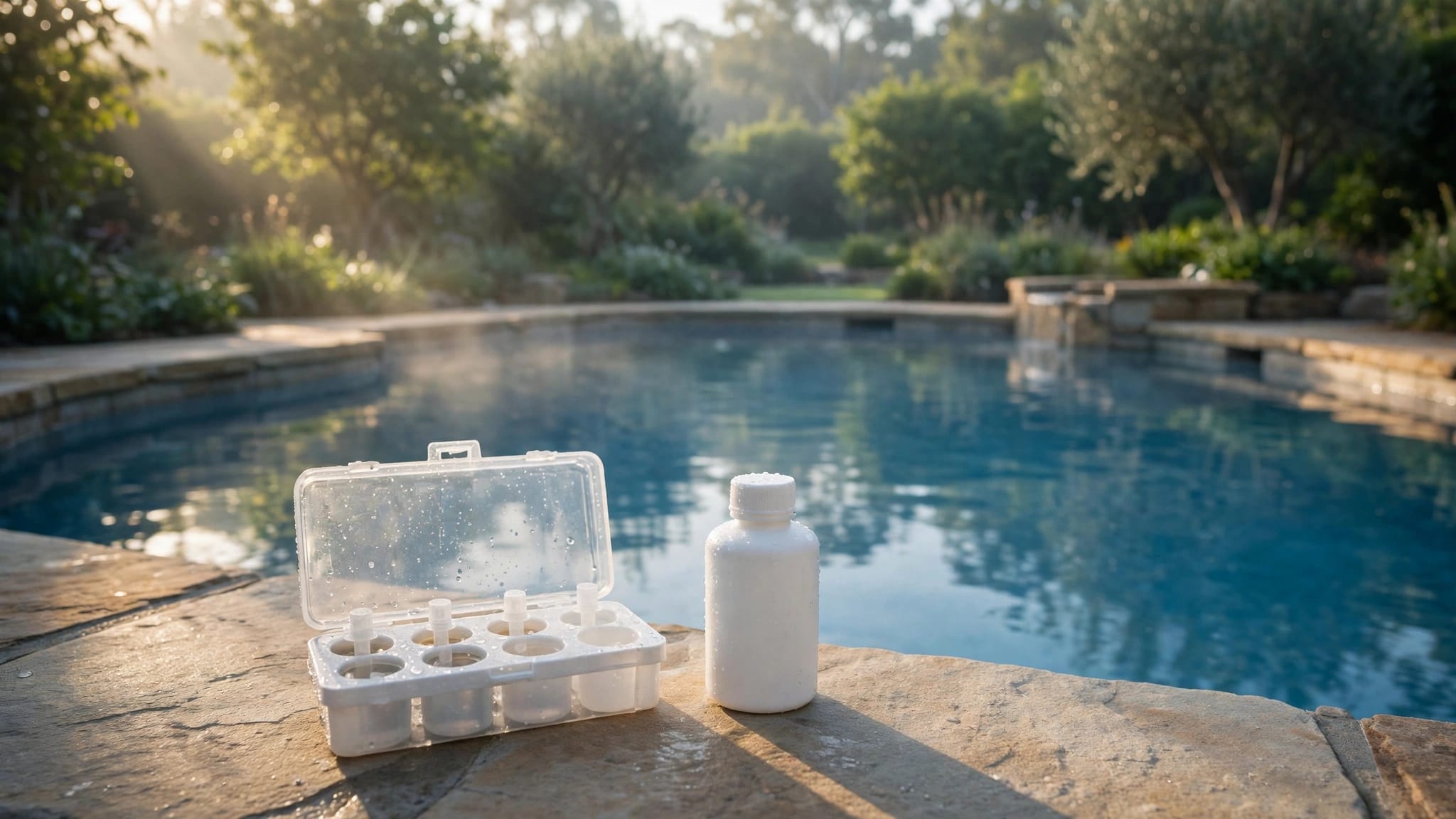
For strips, follow the specified dip time and reading window. Don't shake the strip unless directed, and keep your fingers off the reactive pads.
For liquid kits, fill to the marked line and count reagent drops carefully. Hold bottles as directed, mix properly, and compare colors in natural, indirect light.
Replace expired or poorly stored supplies. A fresh strip from the same moisture-damaged container won't resolve the problem.
If results still disagree, use a suitable liquid test or have a pool professional test a fresh sample. Bring the shock product name, amount added, and treatment time so the reading has context.
When Chlorine May Exceed the Test's Range
Choose a method that can measure it
Look at the chlorine range printed in your kit instructions. If the recent treatment could put the water beyond that range, don't force a reading from its color chart.
An appropriate higher-range chlorine test can help resolve the uncertainty. A FAS-DPD drop-count test is one option, provided its instructions cover the concentration you're measuring.
Follow the method's sample size, reagent amounts, and endpoint directions. Even a more capable kit needs correct handling.
A stronger-looking color, a blank result, or an unfamiliar reaction shouldn't become a guessed number.
Dilute only when the kit provides a procedure
Some chlorine tests allow sample dilution to bring the reading into range. Use only the dilution water and method specified by the manufacturer.
Tap water isn't automatically suitable because it may contain chlorine or other substances that affect the result. Likewise, don't assume any bottled water is acceptable.
When the instructions permit dilution, measure both volumes accurately and apply the stated multiplier. Equal volumes of pool water and suitable chlorine-free dilution water create a twofold dilution, so the measured result requires multiplication by two.
However, dilution reduces precision. If the instructions don't provide a method, use a suitable higher-range test or professional testing instead.
Don't apply a chlorine dilution procedure to pH or other tests unless their instructions expressly allow it.
Read Free Chlorine Alongside the Other Results
A chlorine number becomes more useful when you record the rest of the water chemistry. Include total chlorine, pH, total alkalinity, and cyanuric acid when your testing method provides them.
Total chlorine minus free chlorine gives combined chlorine. A meaningful gap can point to chloramines, but it doesn't tell you to add an arbitrary amount of shock.
Cyanuric acid, also called stabilizer, affects chlorine management. Record its actual reading rather than treating it as a one-time chemical addition.
For routine residential pool operation, the CDC recommends pH between 7.0 and 7.8 . It recommends at least 1 ppm free chlorine, or at least 2 ppm when cyanuric acid or stabilized chlorine products are used.
Those minimums aren't a post-shock dosing target or automatic permission to swim. Follow your sanitizer's operating range and treatment restrictions.
Our pool pH and alkalinity guide explains how those readings work together. Avoid making several large adjustments while the chlorine result remains uncertain.
What to Do After Low Chlorine Is Confirmed
Once a suitable test confirms low free chlorine, use the sanitizer label to determine the next measured treatment. The amount depends on actual pool volume, current chemistry, and product strength.
Before treatment, remove leaves and debris. Confirm that the pump and filter are operating, and address restricted flow instead of relying on chemicals alone.
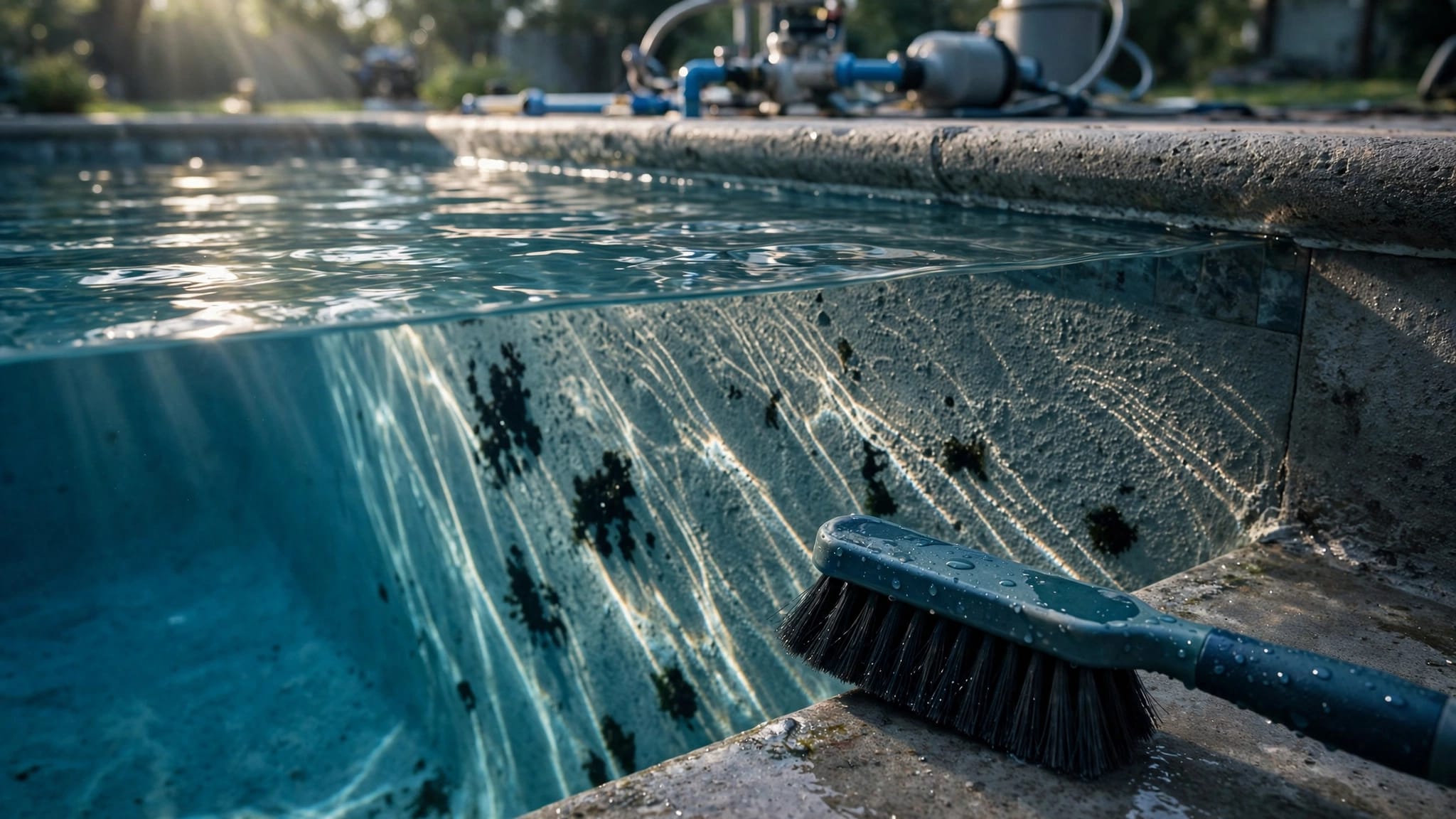
If algae or cloudy water is present, sanitation and physical cleanup need to work together. Brush with a tool suited to the finish, circulate as directed, and clean or backwash the filter according to its instructions.
Our green pool recovery plan covers that broader cleanup process.
Handle each product separately. Never mix chlorine with acid, algaecide, or another pool chemical in a container. Use the protective equipment required by the label, and keep children and pets away.
After one measured adjustment, allow the required circulation and retest. Keep a record of the product, dose, time, and results rather than repeating treatment from memory.
When Recurring Problems Need a Closer Look
Repeated low readings deserve a water-quality and equipment review rather than repeated blind shocking. Record rainfall, water additions, swimming activity, pump schedules, and sanitizer-system settings alongside your tests.
For saltwater pools, look for flow warnings and other displayed errors. Increasing output won't correct a blocked flow path or an equipment fault. Leave electrical troubleshooting to a qualified technician.
Also, separate water-treatment concerns from renovation needs. A worn interior, damaged tile, or other visible deterioration deserves its own assessment; a chlorine reading alone doesn't establish that resurfacing is necessary.
If ongoing water-care difficulties accompany an aging or damaged pool interior, we can discuss renovation options. You can Get a Free Estimate to schedule an onsite consultation for that project.
Keep the test history available so any professional involved can distinguish recurring chemistry changes from an isolated questionable reading.
Frequently Asked Questions
How long should I wait before retesting after shock?
Follow the shock product's circulation and testing directions. There's no single waiting period that fits every formulation, dose, and pool. Sampling too soon or beside the chemical entry point can give you an unrepresentative result.
Can I swim if the water looks clear but chlorine reads zero?
Clear water doesn't establish adequate sanitation. Keep swimmers out while the reading remains unresolved. Reopen only when reliable testing meets your sanitizer's required range and the treatment label's waiting period has passed.
Should I add more shock when two tests disagree?
Don't choose the lower result and dose against it. Repeat with a fresh sample, properly stored supplies, and a method suited to the possible chlorine concentration. If disagreement continues, professional testing is safer than another guessed addition.
Get a Reliable Reading Before Adding More
Zero chlorine after shocking calls for confirmation before correction . A representative sample, fresh testing supplies, and an appropriate measuring range help distinguish genuinely low chlorine from an unreliable result.
Once the reading is dependable, make one label-directed adjustment and retest after circulation. Keep swimmers out until both the chemistry and the treatment instructions allow their return.