Yes, in many Cape Coral projects, the pool and screen enclosure can be planned and built together. That often gives you a cleaner layout, better use of space, and fewer surprises once work starts.
Still, the order matters. Permits, engineering, inspections, and contractor schedules can affect when each part gets built and how the job moves forward.
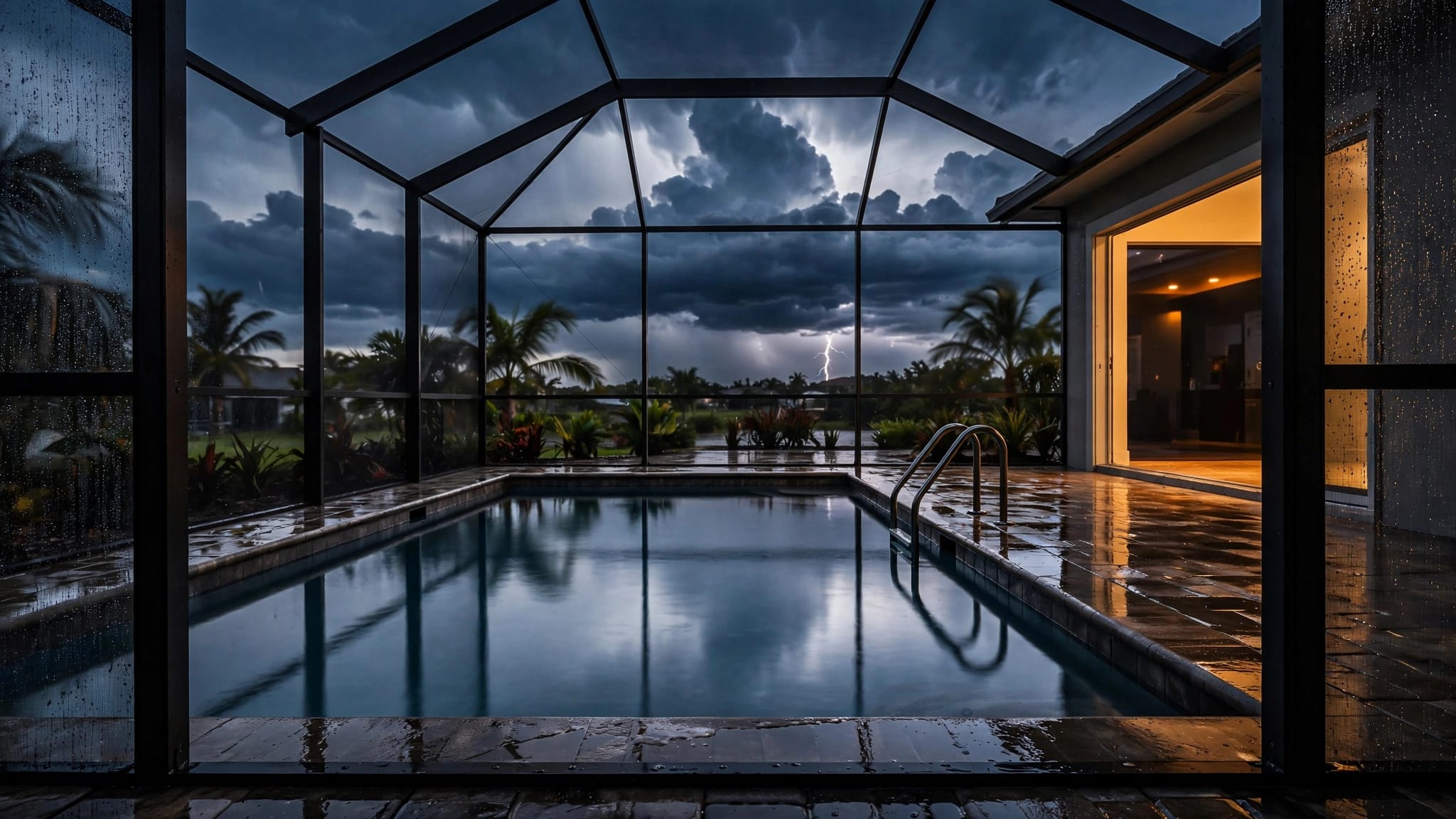
If you're thinking about a pool cage Cape Coral homeowners often choose for bug control and storm protection, the smartest move is to treat the pool and enclosure as one coordinated project from the start.
One plan works better than two separate projects
When the pool and cage are designed together, the backyard usually feels more balanced. The deck size, equipment pad, access gates, and drainage can all be mapped with the same layout in mind.
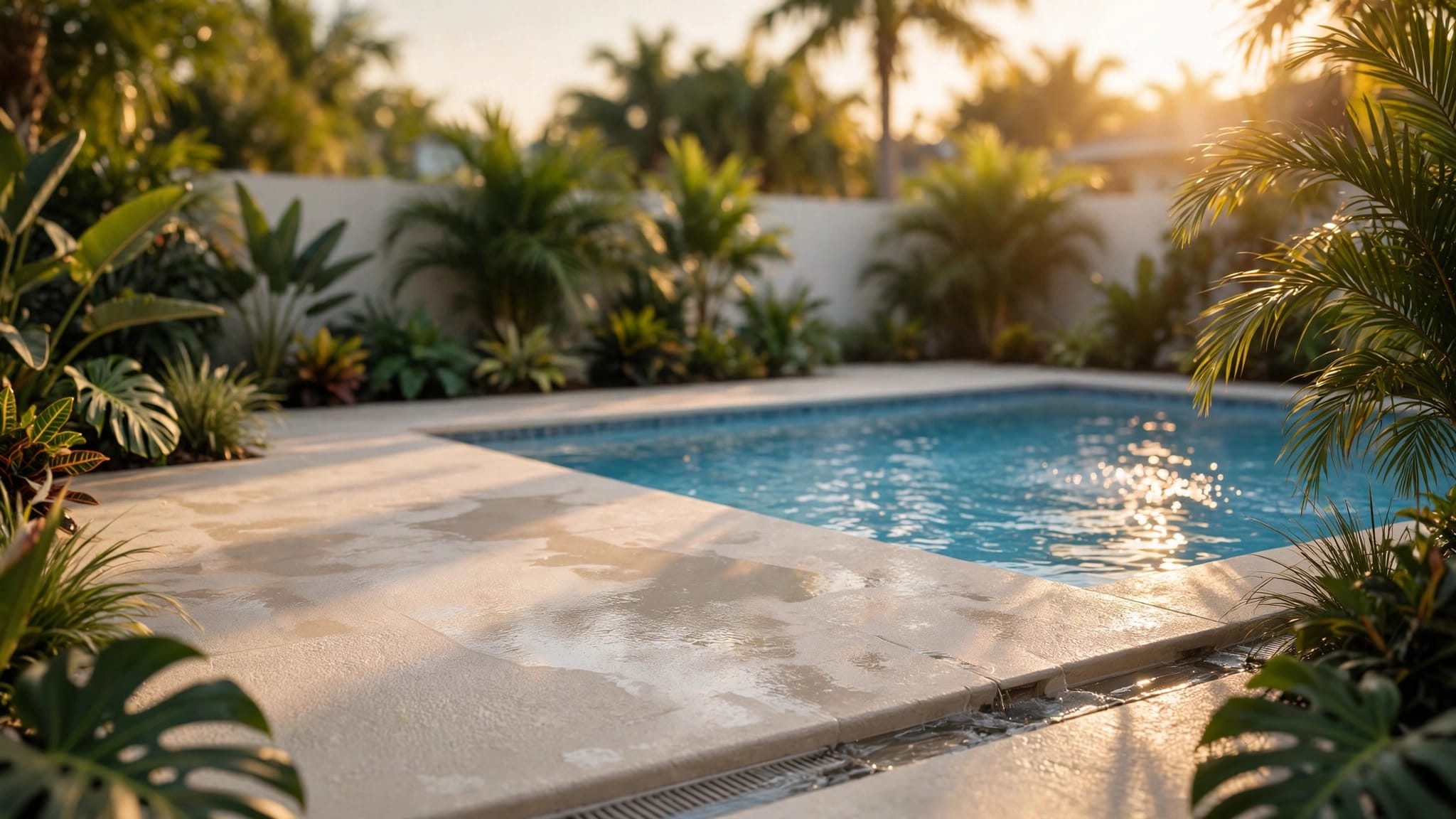
That matters because a screen enclosure changes how the whole space works. It affects where people walk, how water drains after rain, and how much room you have around the pool. If you start with only the pool, then add the cage later, the final setup can feel cramped or awkward.
If you're beginning from a blank yard, new pool construction is easier to coordinate with the enclosure design than trying to fit a cage around a finished pool later.
One plan is easier to manage, but the city still reviews the pool and cage as separate parts of the project.
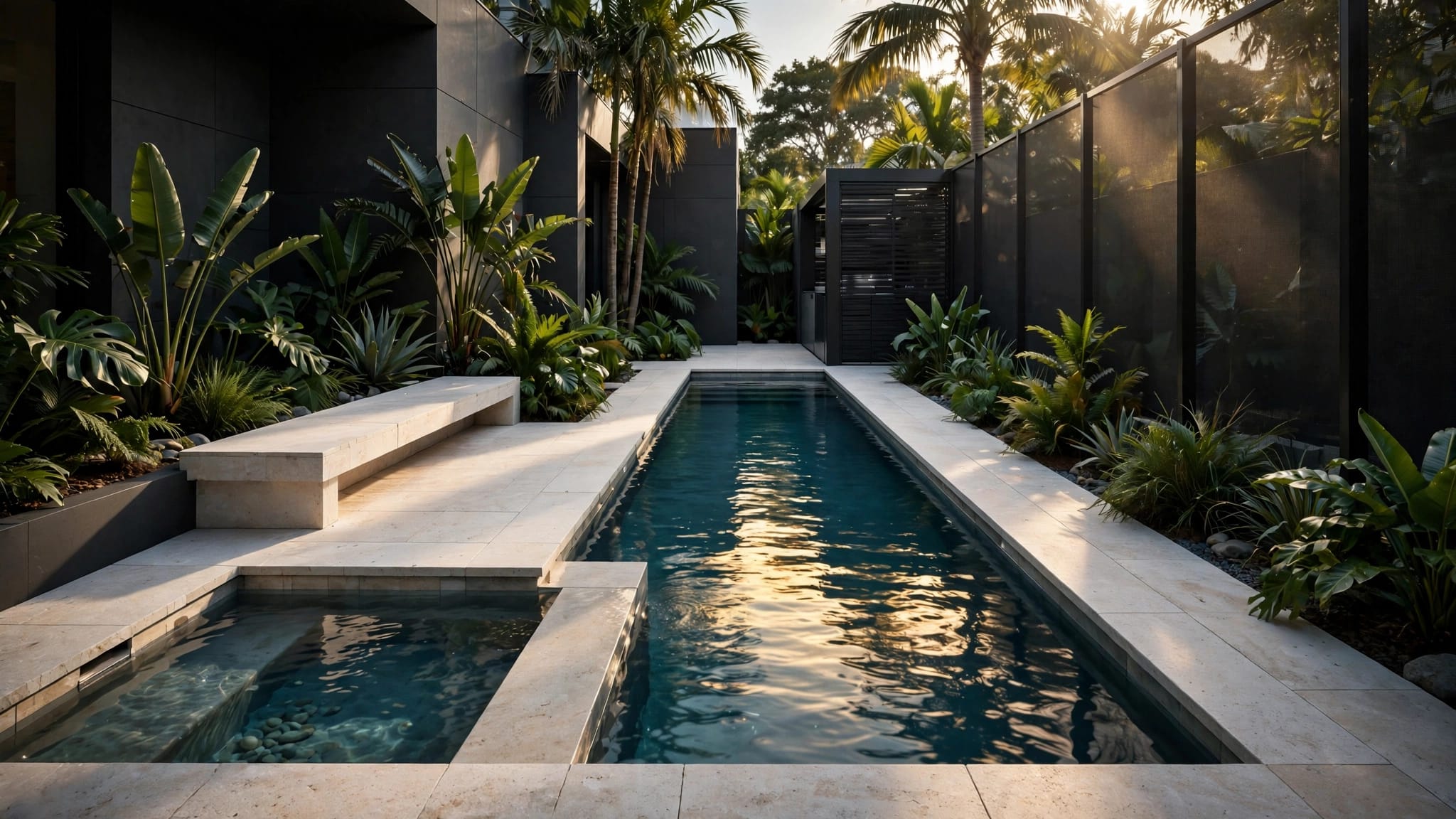
Cape Coral homeowners also tend to like the finished look. A custom pool screen enclosure can be sized around the pool, deck, and yard lines so the whole space feels intentional.
Why homeowners like building the pool and cage at the same time
The biggest draw is fewer do-overs. When the enclosure is planned early, the builder can account for footers, door placement, equipment access, and the exact pool shape before anything is poured.
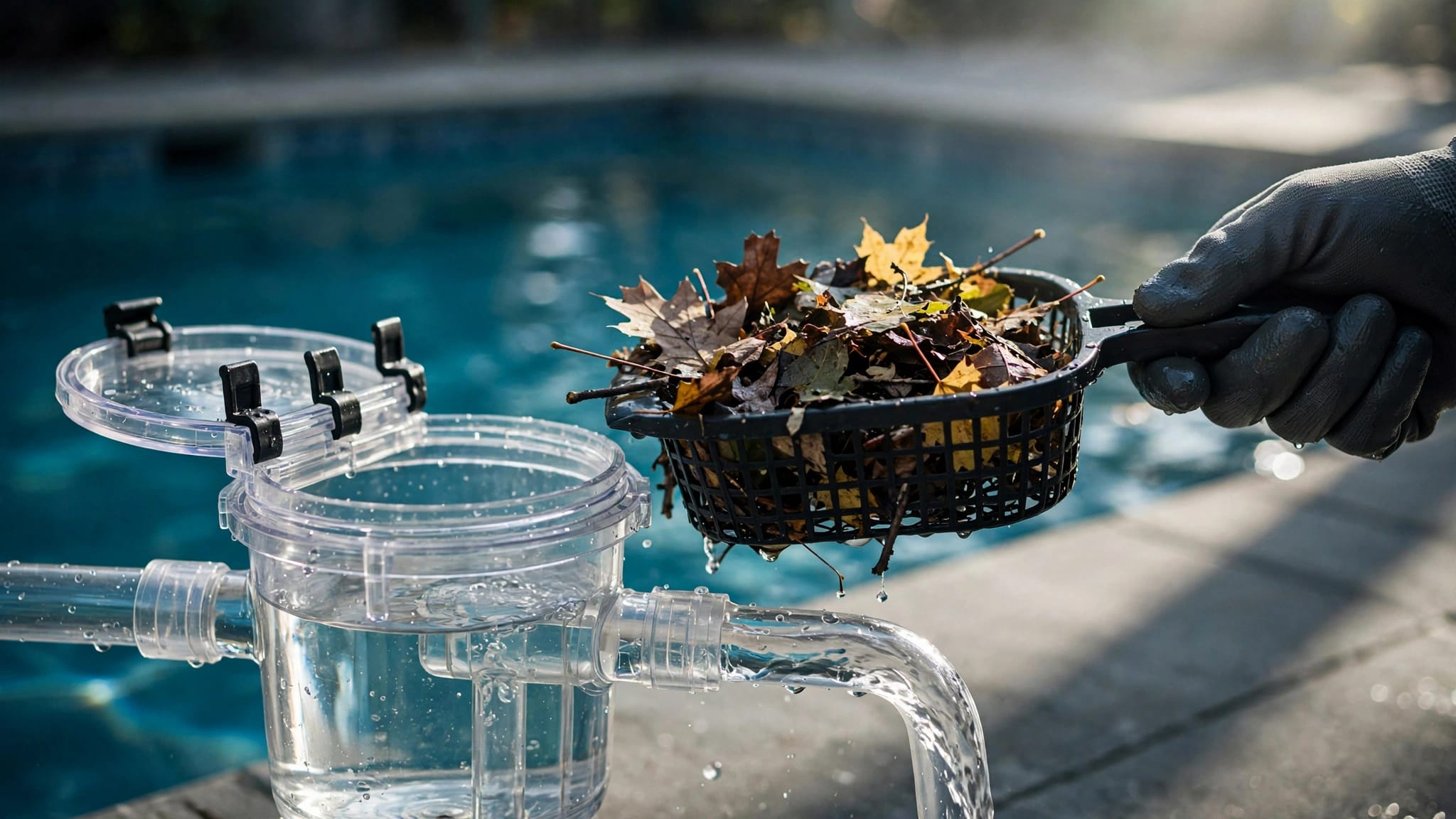
That can also help with day-to-day use. The cage can block leaves and pests, cut cleaning time, and create a calmer outdoor space. In a place like Cape Coral, that usually matters more than people expect. Sun, rain, and insects can wear down a backyard fast.
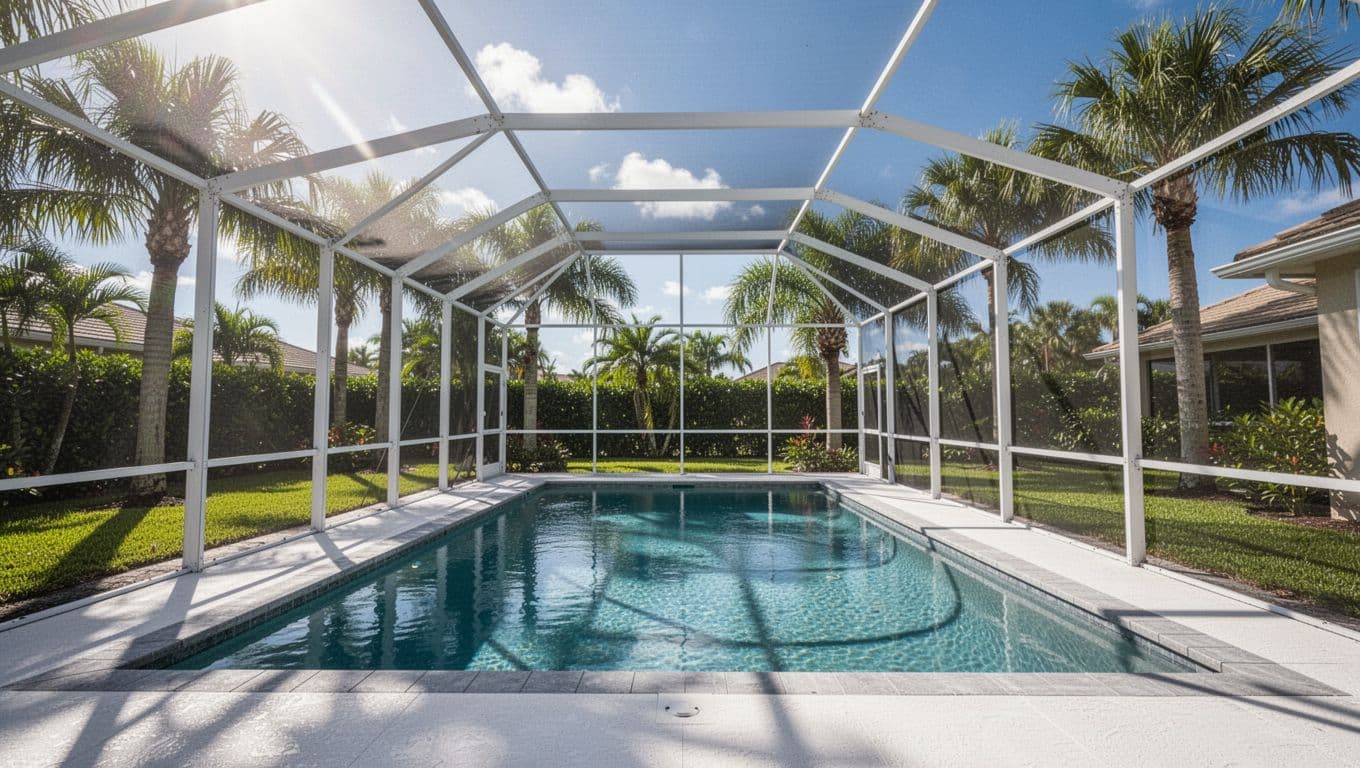
A unified design also helps with the look of the home. The pool finish, coping, pavers, and screen frame can feel like parts of one finished space instead of separate add-ons.
Here are a few practical upsides that often matter most:
- Better layout : The cage footprint can match the pool and deck from the beginning.
- Fewer changes : You avoid moving drains, doors, or anchors after the pool is done.
- Cleaner scheduling : One plan usually means fewer handoffs between trades.
- More usable space : The enclosure and deck can be sized to fit the way you live.
Of course, building together does not mean everything happens at once. It means the design, permits, and field work are coordinated so the project makes sense as a whole.
What the construction order usually looks like
The exact sequence changes by site, but most Cape Coral pool and cage projects follow a similar path.
- The contractor reviews the lot, setbacks, and design goals.
- Plans are drawn and submitted for permits.
- The pool area is laid out, then excavation begins.
- The shell, plumbing, electrical, and steel work are completed.
- Decking and related surfaces go in after the main pool structure passes inspections.
- The cage is built or anchored once the pool area is ready.
- Screens, doors, and final details are installed before the last inspection.
That order keeps the enclosure from getting damaged while heavy equipment is still on-site. It also gives inspectors a clear path for checking the pool, barrier, and enclosure requirements.
In some jobs, the cage framing may start after the shell is in place but before every detail is finished. On others, the enclosure waits until the deck is complete. Either way, the timeline should be planned around inspections, not just the crew calendar.
Permits, setbacks, and HOA rules can shape the timeline
Cape Coral requires permits for new pools and new screen enclosures, and the paperwork matters. A site plan is usually part of the process, and flood zone properties may need extra documentation. Local rules can change, so your contractor should confirm current requirements with the city before work begins.
Pool safety rules also need attention. Florida barrier standards are strict, and they affect fence height, gate swing, and latch placement. If the house side of the pool area is part of the barrier, extra safety features may be required there too.
Screen enclosures bring their own setback rules. In Cape Coral, rear and side property lines, along with seawall conditions, can affect where the cage can sit. That is one reason it helps to plan the pool and enclosure together instead of assuming the cage can be added later without issue.
HOA approval can matter as well. Some neighborhoods care about frame color, roof style, screen type, or how visible the enclosure is from the street. If you live in a deed-restricted community, get that review started early. It can save weeks.
The best projects stay ahead of these issues before the first dig. That means checking the lot, confirming the permit path, and making sure the enclosure fits both the yard and the rules.
Conclusion
So, can you build a pool and cage together in Cape Coral? Yes, and that is often the better way to do it. A coordinated plan usually gives you a better layout, cleaner scheduling, and a finished backyard that feels complete.
The key is to respect the steps in the process. Permits, engineering, inspections, and local setback rules all shape the build, even when the design is simple.
If you want to compare options for your yard, Get a Free Estimate and start with a plan that fits your lot, your timeline, and your home.