A pool's shallow-water feature can shape how your family uses the entire backyard. When comparing beach entry vs sun shelf , the right choice depends on whether you want a gradual walk-in, a place to sit and relax, or a mix of both.
Cape Coral homeowners also need to consider available yard space, screen enclosure dimensions, pool depth, deck layout, and the cost of changing an existing pool. The best feature is the one that fits your daily routine, not the one that looks impressive in a single photo.
Key Takeaways
- A beach entry creates a gradual slope into the pool and works well for easy access, young children, and resort-style design.
- A sun shelf is a shallow, flat ledge for lounging, supervised play, and placing in-water chairs or umbrellas.
- Beach entries usually require more space, while sun shelves preserve more room for swimming.
- Both features affect pool shape, decking, screen enclosure design, and project cost.
- A site-specific design review is essential for new construction or pool renovation in Cape Coral.
Beach Entry vs Sun Shelf: What Is the Difference?
A beach entry slopes gradually from the pool deck into the water. The entry begins at zero depth or near zero depth, then becomes deeper as you walk forward. This design resembles walking into the ocean from a sandy shoreline, although the pool surface is usually finished with tile, plaster, pebble, or another pool material.
A sun shelf is a broad, flat section inside the pool. It typically sits several inches below the water and connects to deeper water across a defined edge. Many sun shelves are designed for in-water lounge chairs, small children's play, or relaxing with your feet in the water.
The difference is simple: a beach entry is a sloped access area , while a sun shelf is a shallow platform . Both can make a pool more comfortable, but they use space differently.
| Feature | Beach entry | Sun shelf |
|---|---|---|
| Shape | Gradual slope | Flat shallow ledge |
| Main use | Walking into the pool | Lounging and supervised play |
| Space needs | Usually needs more length | Often fits into a compact pool design |
| Seating | Works with built-in benches or chairs | Works well with in-water furniture |
| Swimming area | May reduce some shallow and deep-water space | Usually preserves a larger open swim area |
| Access | Easier for gradual entry | Requires stepping onto the ledge |
The choice becomes clearer when you picture how people will use the pool on an ordinary afternoon. Will family members walk in slowly, or will they sit on a ledge with a drink while watching the children?
Why Cape Coral Homeowners Choose a Beach Entry
Beach entries create a relaxed, resort-style appearance that fits Florida outdoor living. The gradual slope gives the pool a strong visual connection to the surrounding deck, landscaping, and lanai. It also provides an easy transition for people who don't want to step down a ladder or use a traditional staircase.
Families with young children often appreciate the shallow approach. Adults can sit near the edge while supervising play, and children can enjoy the water without entering the deep section immediately. However, the gradual slope doesn't replace active supervision or proper pool barriers.
A beach entry can also help people with limited mobility, but the design must match the individual's needs. The slope, surface texture, handholds, water depth, and surrounding deck all matter. A residential beach entry isn't automatically an accessible entry under every standard, so discuss specific access requirements with your pool contractor before construction.
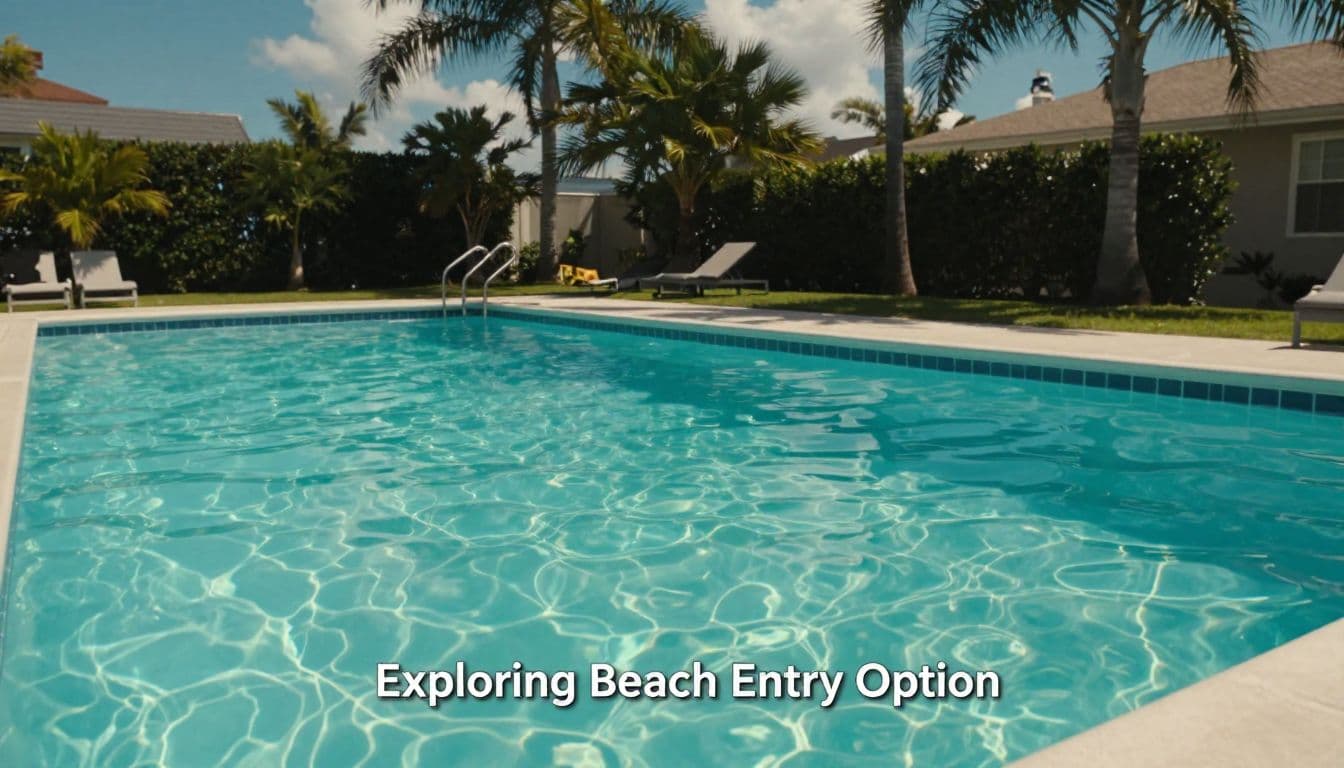
A beach entry also changes the pool's footprint. The slope needs enough length to move comfortably from the deck into deeper water. On a narrow lot, that extra length could reduce room for a larger swimming zone, spa, tanning ledge, or other features.
Pool finish matters, too. A smooth, slip-resistant finish can make the entry more comfortable underfoot. Light-colored finishes may create a brighter shallow area, while darker finishes can create a stronger contrast between the entry and deeper water.
When a Sun Shelf Makes More Sense
Sun shelves are popular because they deliver several uses in a relatively compact section of the pool. The ledge often holds shallow water, commonly around 6 to 12 inches, though the final depth depends on the design and intended use.
Adults can place chaise lounges on the shelf and stay cool without fully swimming. Children can sit or play in the shallow water while an adult remains close by. Some homeowners also add a bubbler, umbrella sleeve, or built-in bench to make the area more useful.
The flat surface gives you more control over furniture placement. That matters in Cape Coral, where homeowners often plan the pool together with a covered lanai, outdoor kitchen, dining area, and screen enclosure. A properly placed shelf can create a dedicated relaxation zone without taking up as much length as a beach entry.
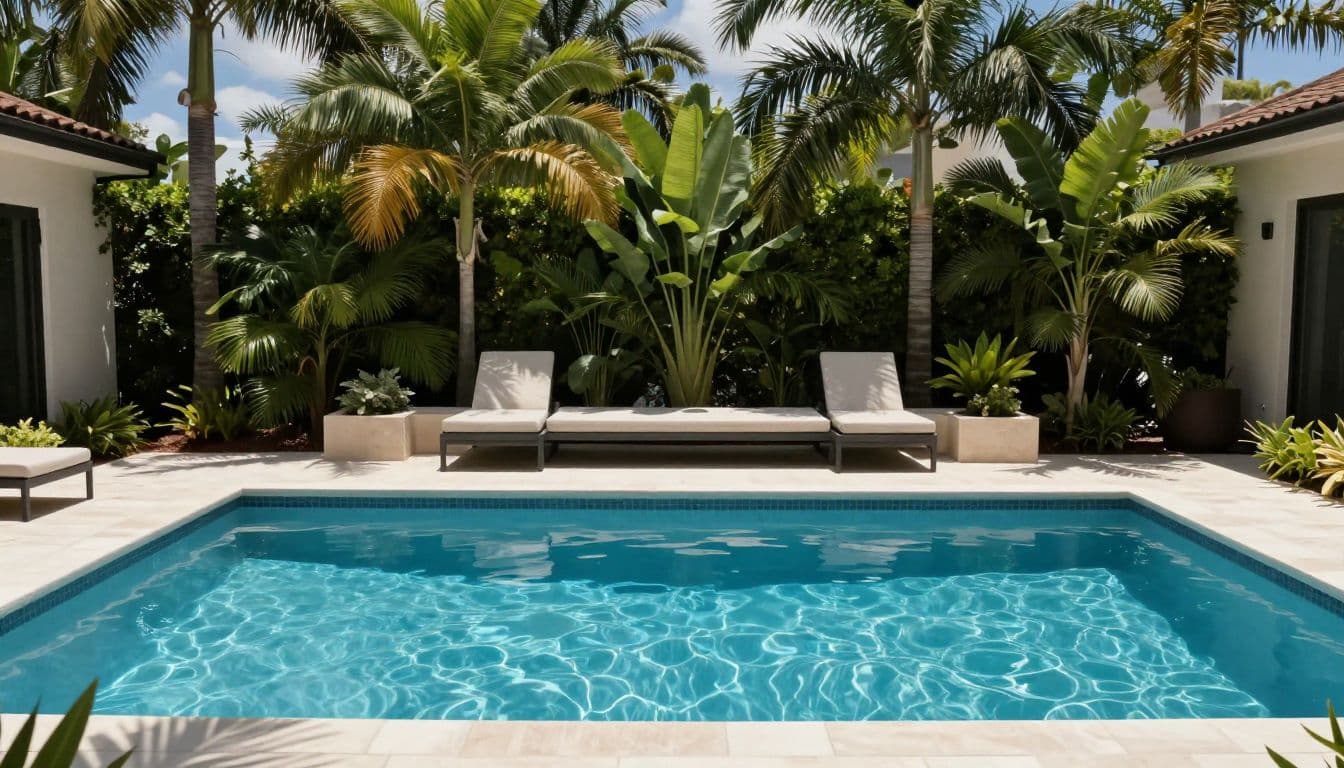
Sun shelves also work well in pool renovations. Depending on the existing structure, a contractor may be able to redesign part of the shallow end. The feasibility depends on the pool shell, plumbing, deck, equipment, and available space. A resurfacing project alone won't usually change the pool's shape, so ask whether the project includes structural modifications or only a new interior finish.
One design issue deserves attention: the shelf's location affects the view across the pool. If it sits in the main swimming path, lounge chairs may interrupt play or lap swimming. Placing it along one side often creates a better balance between relaxation and open water.
Comparing Cost, Space, and Maintenance
There isn't one standard price for either feature. The cost depends on the pool's dimensions, excavation, structural work, finish, plumbing, water features, decking, and screen enclosure changes. A larger beach entry generally requires more excavation and interior surface area. A sun shelf may require less length, but added bubblers, umbrella sleeves, seating, or specialty finishes increase the project scope.
For new construction, the feature should be planned before the pool shape is finalized. That makes it easier to coordinate the shelf or slope with the deep end, steps, spa, deck, drainage, and enclosure. Homeowners planning new pool construction can review these relationships during the design stage rather than trying to fit a feature into an established layout.
Renovation requires a closer inspection. An existing pool may have limited room for a new shallow feature, and changes can affect the shell or surrounding deck. The contractor should explain whether the proposed work is cosmetic, structural, or both.
Maintenance is similar for both options because each creates a shallow area where leaves and debris can settle. A beach entry has a broad sloped surface, while a sun shelf has corners and edges that may need extra brushing. Screen enclosures help limit debris, but they don't eliminate it, especially during storms or windy weather.
Water circulation deserves attention. A well-designed shelf should receive enough circulation to avoid stagnant areas. The same applies to a beach entry, where shallow water can warm quickly under the Florida sun. Ask how return lines, drains, and cleaning equipment will serve the feature.
How Your Screen Enclosure Affects the Decision
Cape Coral pools often sit beneath screen enclosures, so the pool feature and the enclosure should be designed together. A beach entry may extend closer to the enclosure wall or lanai, leaving less space for deck furniture and walking paths. A sun shelf usually gives the designer more flexibility when working within a rectangular enclosure.
The enclosure roof height and support layout can affect the feeling of the pool area. Columns placed near the shallow feature may interrupt access or reduce furniture space. Door placement matters as well. A door that opens near a beach entry should leave enough room for safe movement and dry-foot traffic.
Deck material also changes how each feature feels. Textured pavers, concrete, or tile should provide a stable walking surface around the water. The transition between deck and beach entry deserves careful attention because that area receives frequent foot traffic and can stay wet.
If your existing enclosure needs repair, the renovation plan should account for access to the pool deck and equipment area. A screen enclosure or rescreening project can also be reviewed alongside pool work, if that service page is available in the contractor's current project scope. The enclosure protects the pool area, but its design should never make the shallow feature harder to use.
Choosing the Right Feature for Your Household
Start with the people who will use the pool most often. A family with toddlers may value the gradual access of a beach entry. Adults who want to read, sunbathe, or supervise from a chair may prefer a sun shelf. A household that entertains often may favor a shelf because it creates a compact social area without consuming as much swimming space.
Your lot also matters. A wide backyard can accommodate a longer beach entry more easily. A smaller or tightly planned yard may benefit from a sun shelf that fits along one side of the pool.
Consider these questions before approving a design:
- How many people will use the shallow area at the same time?
- Will you place lounge chairs, an umbrella, or a bubbler on it?
- Do you want a clear path for swimming and playing?
- Where will the feature sit in relation to the lanai, steps, spa, and screen enclosure?
- Does anyone in the household need a particular access design?
- Will the feature work with the pool's planned finish and cleaning system?
A combination can work when the pool has enough room. For example, a compact beach-style step area may provide a gradual transition, while a separate sun shelf offers space for chairs. Combining both features increases the design and construction scope, so the layout must justify the added space.
Back Bay Pools is a locally owned, family-operated contractor serving Cape Coral homeowners. The company handles new pools, renovations, resurfacing, and screen enclosures, which allows related parts of the backyard project to be discussed in one design process. Homeowners can Get a Free Estimate to review the property and compare options based on the actual site.
Is a Beach Entry or Sun Shelf Better for a Cape Coral Pool?
The answer depends on your priorities. Choose a beach entry when gradual access, a broad resort-style profile, and a larger shallow zone matter most. Choose a sun shelf when you want a practical lounging platform, more open swimming space, and greater flexibility within a compact layout.
With beach entry vs sun shelf , there is no universal winner. The right feature should match the pool's footprint, enclosure, deck, maintenance plan, and the way your household spends time outdoors.
Conclusion
A beach entry changes how people enter the pool, while a sun shelf changes how they relax in it. Both features can work well in Cape Coral, but each requires careful planning around space, circulation, access, and the screen enclosure.
Review the design in the context of your whole backyard before choosing. When the shallow feature fits the pool's shape and your daily habits, it will feel natural every time you step outside.