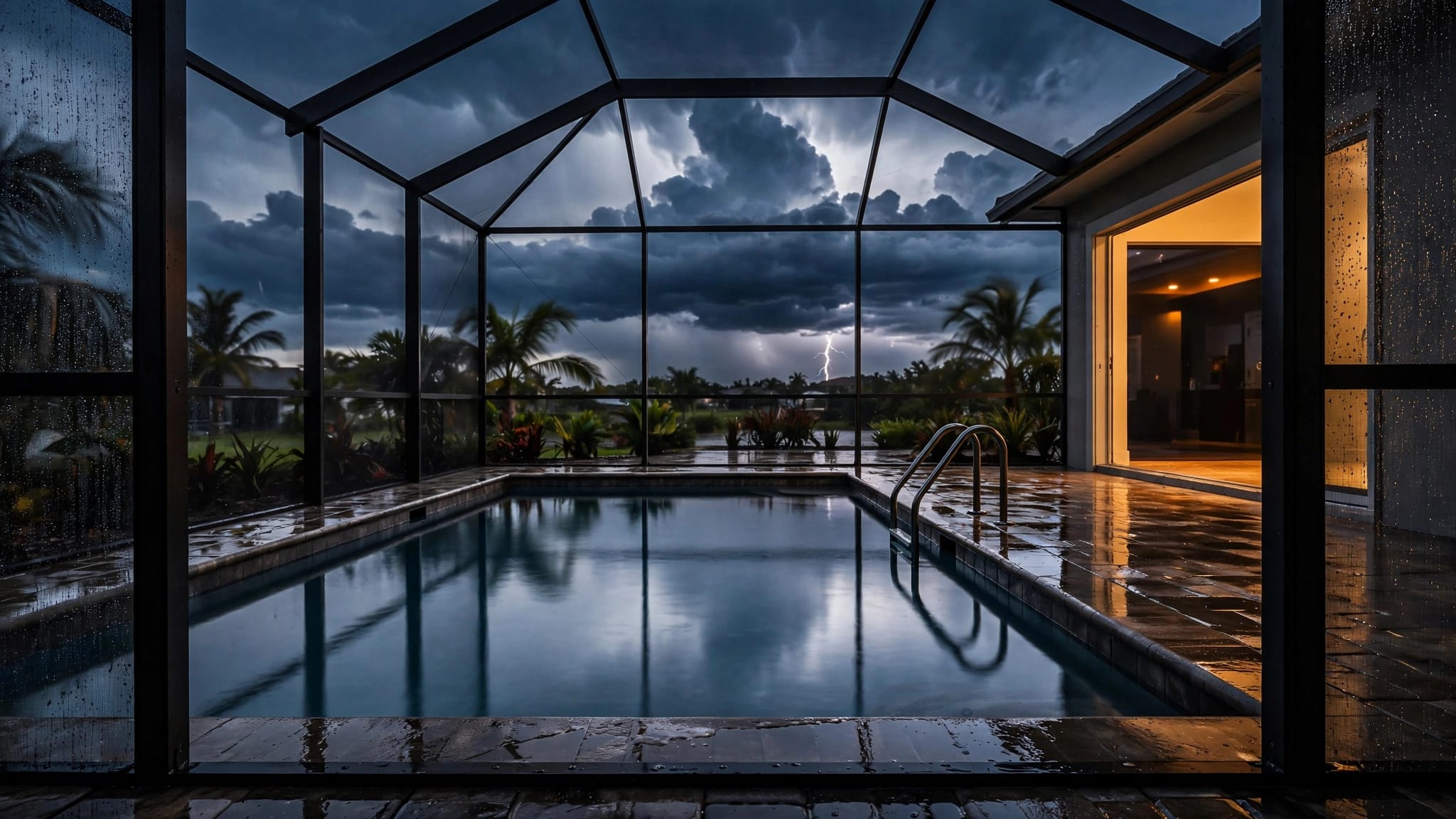
A pool enclosure does more than keep bugs out in Cape Coral. It also has to handle hard sun, sudden rain, wind, and salty air.
That means pool screen enclosure installation comes with a few steps you may not expect if you have never built or replaced one before. When you know how the process works, it feels easier to plan around permits, weather, and materials.
Start with the first decision most homeowners face, whether you need a fresh build or a replacement.
Decide Whether You Need a New Build or a Replacement
Some projects begin with a blank yard. Others start with a cage that has seen better days. If the frame is straight but the screen is torn or sagging, a rescreen may be enough. If the aluminum is corroded, the doors stick, or the layout no longer fits the patio, a full replacement makes more sense.
Cape Coral homeowners often wait too long because the old enclosure still looks usable from a distance. Up close, the warning signs are easy to spot. Bent rails, loose fasteners, faded mesh, and white oxidation on the frame all point to wear.
If your frame is still solid but the mesh is worn, screen enclosure and rescreen services can solve the problem without a full rebuild. If you're weighing different layouts or roof styles, pool enclosure options for Cape Coral homes can help you compare the choices.
You can also Get a Free Estimate once you know whether you want a simple repair or a larger project. That first visit helps set the budget and the schedule before the work begins.
The First Site Visit and Measurements
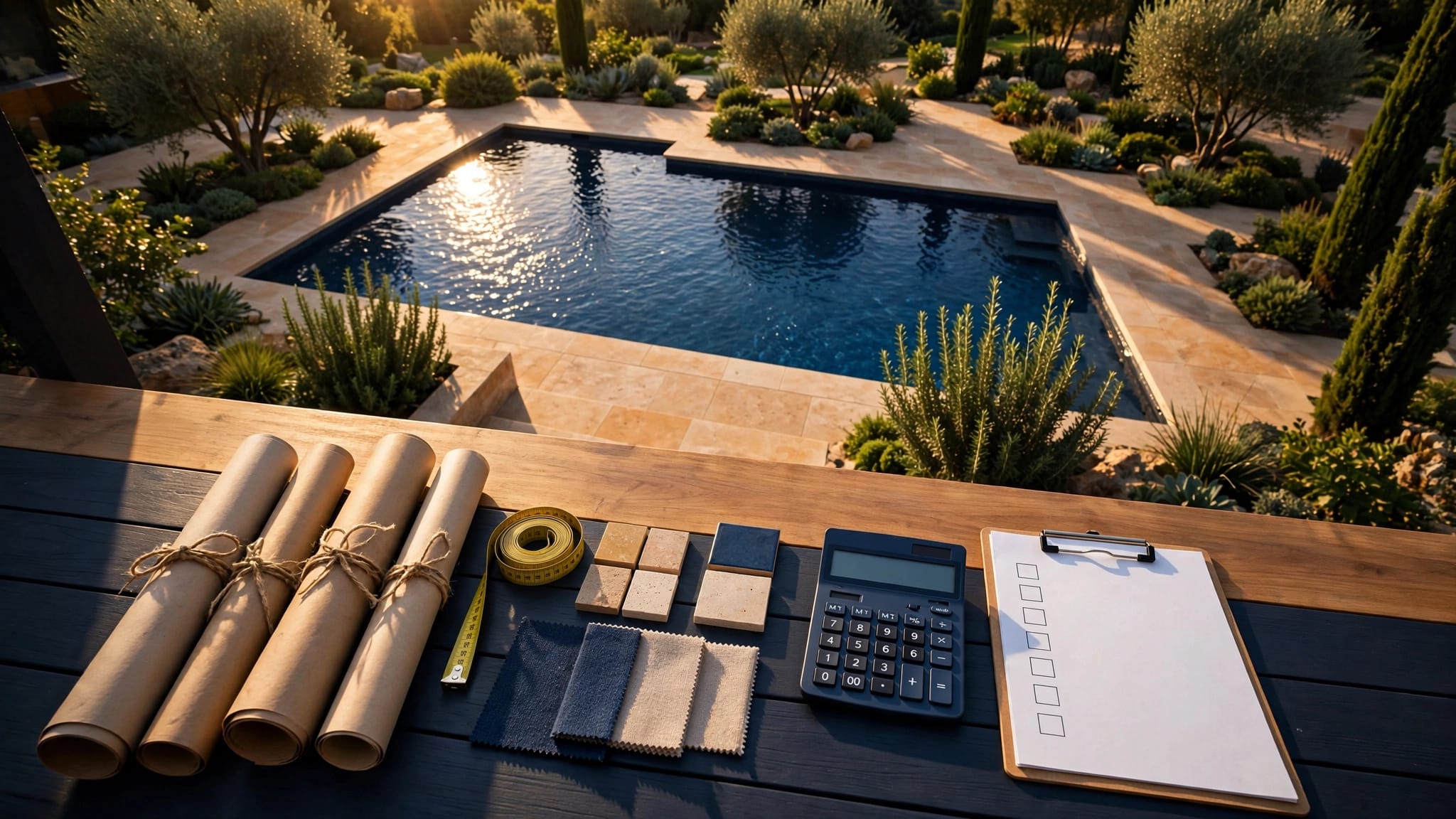
The first visit is where the real planning starts. A good installer looks at more than the pool itself. They measure the deck, check the patio opening, inspect the surrounding structure, and look at how water drains after heavy rain.
This visit also helps answer the practical questions. Do you want more shade in the afternoon? Do you need a wider door for pool gear? Is the enclosure meant to cover a lanai, a full pool deck, or both? Small details like these affect the final layout.
The crew should also look for things that can slow the job down later. Low tree branches, uneven concrete, tight access around equipment, and old fasteners all matter. If the yard has a narrow side path, the team may need to plan material delivery differently.
This is the stage where homeowners should speak up. If you care about the view, say so. If you want the cage to line up with a door or a seating area, say that too. Clear input early saves time later.
Materials That Stand Up to Cape Coral Weather
Cape Coral sun can be brutal on weak materials. Heat fades finishes, humidity feeds corrosion, and storm season puts pressure on every fastener. That is why frame and hardware choices matter so much.
A strong enclosure usually starts with aluminum framing, since it holds up well in Florida when it is built and maintained properly. Fasteners should resist corrosion. Screens should be chosen for the amount of airflow, shade, and durability you want. Some homeowners prefer a tighter weave for more insect control. Others want a clearer view of the pool and yard.
The best choice depends on how you use the space. If you spend long afternoons by the pool, screen quality matters because the sun and glare hit hard. If your home is near water or gets a lot of salt spray, corrosion resistance becomes even more important.
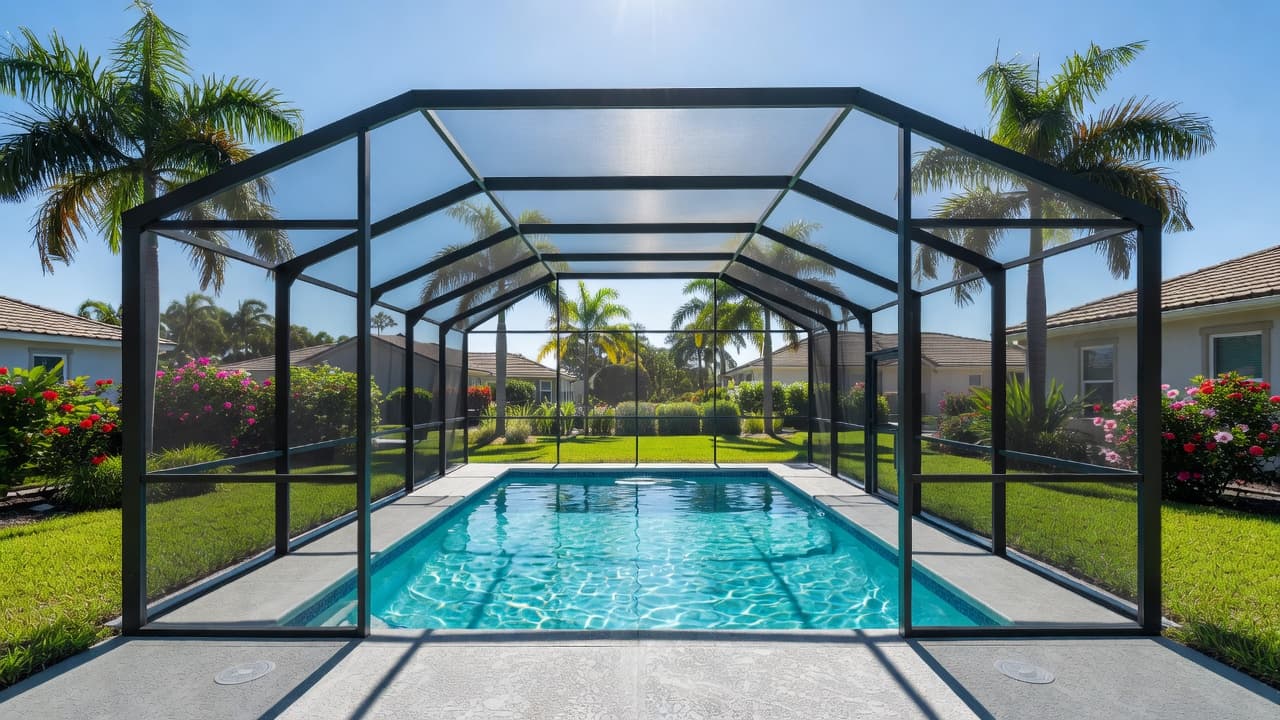
A well-built enclosure should feel solid, not flimsy. Doors should close cleanly. Panels should sit tight. The frame should look straight from every angle.
Permits, Wind, and Weather Delays
In Cape Coral, permits and inspections are part of the process for many enclosure projects. The exact path depends on the job, but homeowners should expect paperwork and schedule checks before the crew can move forward.
Wind matters too. Florida storms can show up fast, so enclosures need to be planned with local weather in mind. That affects design, anchoring, and timing. A project that looks simple on paper can still wait for a safer weather window.
A good Cape Coral schedule leaves room for rain. A short delay is better than forcing work in wet or windy conditions.
Weather delays are normal, especially in summer. Heavy rain can stop prep work. High winds can pause screen work. Even a clear morning can turn into a slow afternoon if storms build offshore. Good communication matters here. You should know when the crew plans to start, what might change, and how they will adjust if the forecast shifts.
This is also why many homeowners prefer to book earlier rather than later in storm season. Once the weather gets unstable, small delays can stack up fast.
What Installation Day Usually Looks Like
Installation day usually starts with setup and protection. The crew brings materials, checks the site one more time, and clears the work zone. If you have patio furniture, grills, planters, or outdoor decor near the pool, move them before the crew arrives.
If there is an old enclosure, removal may happen first. That part can be noisy, especially if rusted fasteners or worn framing need extra work. After that, the team sets posts, secures the frame, and checks alignment as they go.
The screen installation comes after the main structure is in place. Doors, latches, roof panels, and corner details all need careful fit. This part looks fast from a distance, but each panel has to sit correctly or the whole cage feels off later.
Most homeowners like to know what access will be needed during the day. Expect the crew to move around the pool deck, exterior walls, and side yard. Keep kids and pets away from the work area. It helps the job stay safe and on schedule.
A clean finish matters too. The crew should remove debris, pick up leftover hardware, and leave the area ready for a final walk-through.
How to Care for the Enclosure Afterward
Once the enclosure is up, a little care goes a long way. You do not need a complicated maintenance routine, but you should pay attention after the first few weeks.
A few habits help keep the enclosure in good shape:
- Rinse the frame and screen after heavy salt spray or dusty winds.
- Keep furniture, ladders, and tools away from the screen panels.
- Check doors and latches during the first week, then again after strong weather.
If something rubs, rattles, or looks loose, call early. Small issues are easier to fix before they turn into bigger ones. After a storm, walk the perimeter and look for bent sections, loose fasteners, or torn mesh. Even a new enclosure can get stressed if a strong front rolls through.
It also helps to trim plants that grow close to the cage. Branches can scratch the screen and push debris into the frame. Leaf buildup around the base can trap moisture too.
A well-built enclosure should make pool care easier, not harder. If you keep an eye on the basics, it will stay cleaner and last longer.
Conclusion
Pool enclosure work in Cape Coral goes more smoothly when you know what to expect. The biggest variables are usually the same ones every homeowner faces here, weather, permits, corrosion, and the condition of the existing frame.
When the project starts with good measurements and the right materials, the rest is easier to manage. When it ends with clean work and a proper walk-through, you get an enclosure that feels like part of the home, not an afterthought.
The best results come from planning for Florida conditions before the first panel goes up.