A pool project can stall before the first shovel hits the yard if the plan is thin. In Cape Coral, the engineering plan is the roadmap that shows where the pool sits, how it stays strong, and what the city reviews before work starts.
That matters because local soil, water, and weather can change the design. A clear plan helps with permits, inspections, pricing, and fewer jobsite surprises. Here is what homeowners should expect to see before construction begins.
What a Cape Coral pool engineering plan actually includes
A Cape Coral pool engineering plan is more than a sketch of a backyard pool. It is a set of drawings and notes that tells the builder how to place the pool, build it, and connect it to the rest of the property.
The pages usually cover the site layout, pool dimensions, structure, plumbing, electrical, drainage, and sometimes enclosure details. Each part answers a simple question, such as where the pool sits, how water moves, or how the shell handles pressure.
| Plan sheet | What it shows | Why it matters |
|---|---|---|
| Site plan | Pool location, deck edges, property lines, setbacks, and nearby structures | Shows the pool fits the lot and leaves required clearances |
| Grading and drainage | Yard slope, finished deck height, and where water flows | Helps keep rain from pooling around the deck or the house |
| Structural sheet | Shell thickness, rebar layout, bond beam, and step details | Tells the builder how to form a strong pool shell |
| Plumbing and equipment plan | Pipe routes, skimmers, returns, drains, pump, filter, and heater location | Prevents clashes and supports easy service access |
| Electrical and safety notes | Conduit runs, bonding, lighting, and panel connections | Helps the pool pass inspection and operate safely |
| Enclosure layout | Post locations, footings, and attachment points | Useful if the project includes a screen cage |
That list changes a little from project to project. A simple pool has fewer sheets than a large custom build. For renovations, the plan may also show changes to the deck, equipment, or enclosure. If you want a broader picture of how those drawings fit into the job, the gunite pool construction process in Cape Coral shows where the engineering work supports each build stage.
Site layout, setbacks, and drainage come first
The first thing a plan must solve is placement. The pool has to fit the lot, respect setbacks, and leave room for walkways, equipment, and any future features.
Setbacks are the required distances from property lines, buildings, and sometimes easements. An easement is a strip of land that another party may use for utility access or drainage. If a pool crosses into that space, the project can get delayed before excavation even starts.
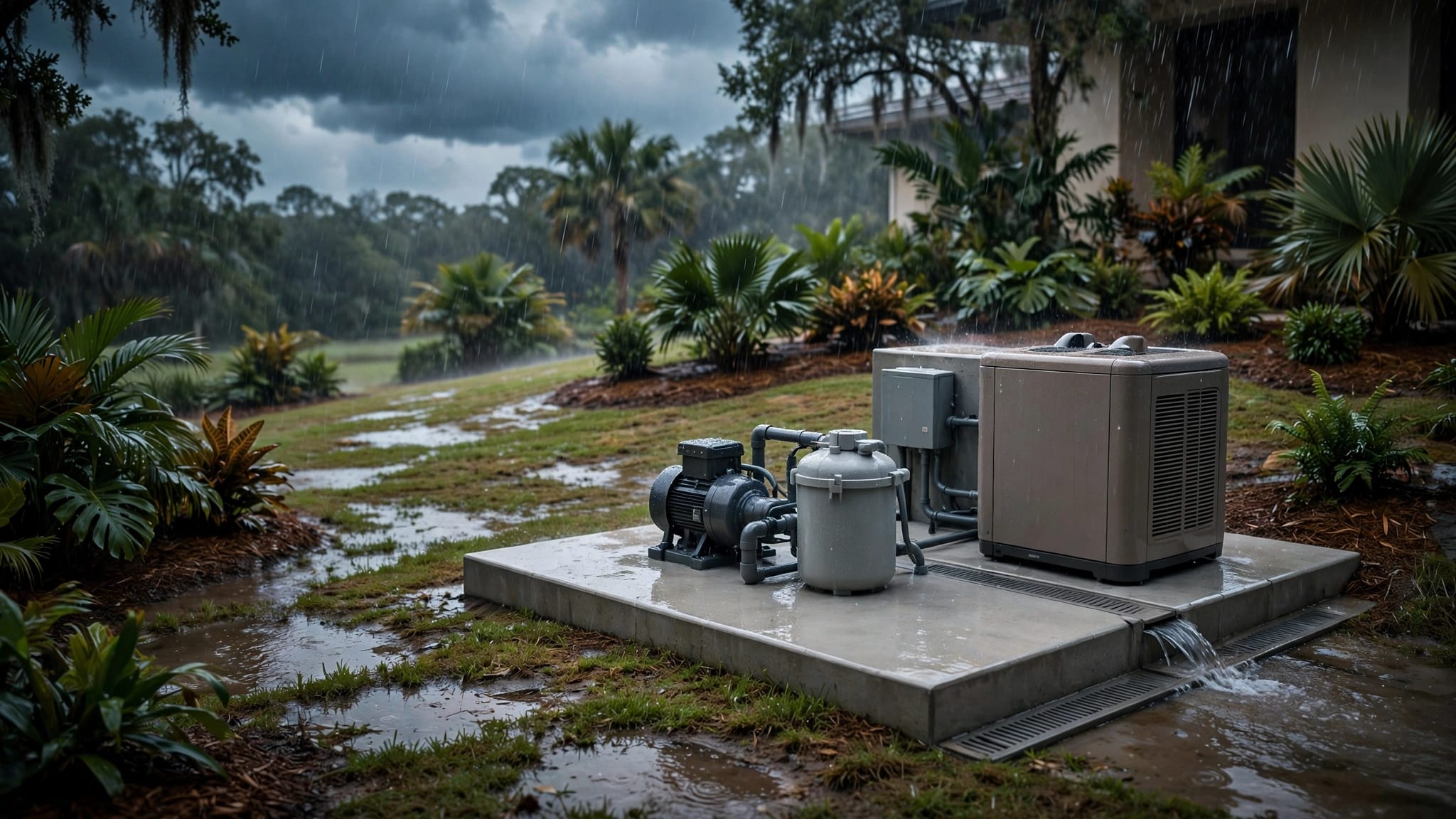
Drainage matters just as much. Cape Coral gets hard rain, and water needs a clear path away from the deck and the house. The plan often shows finished grades, slope direction, and any drains or swales that help move runoff.
Southwest Florida also brings sandy soil and a high water table. Sandy soil can shift more than dense ground, while a high water table can push water up from below. Because of that, grading notes are not filler. They help the builder prepare the yard and reduce the chance of soggy spots later.
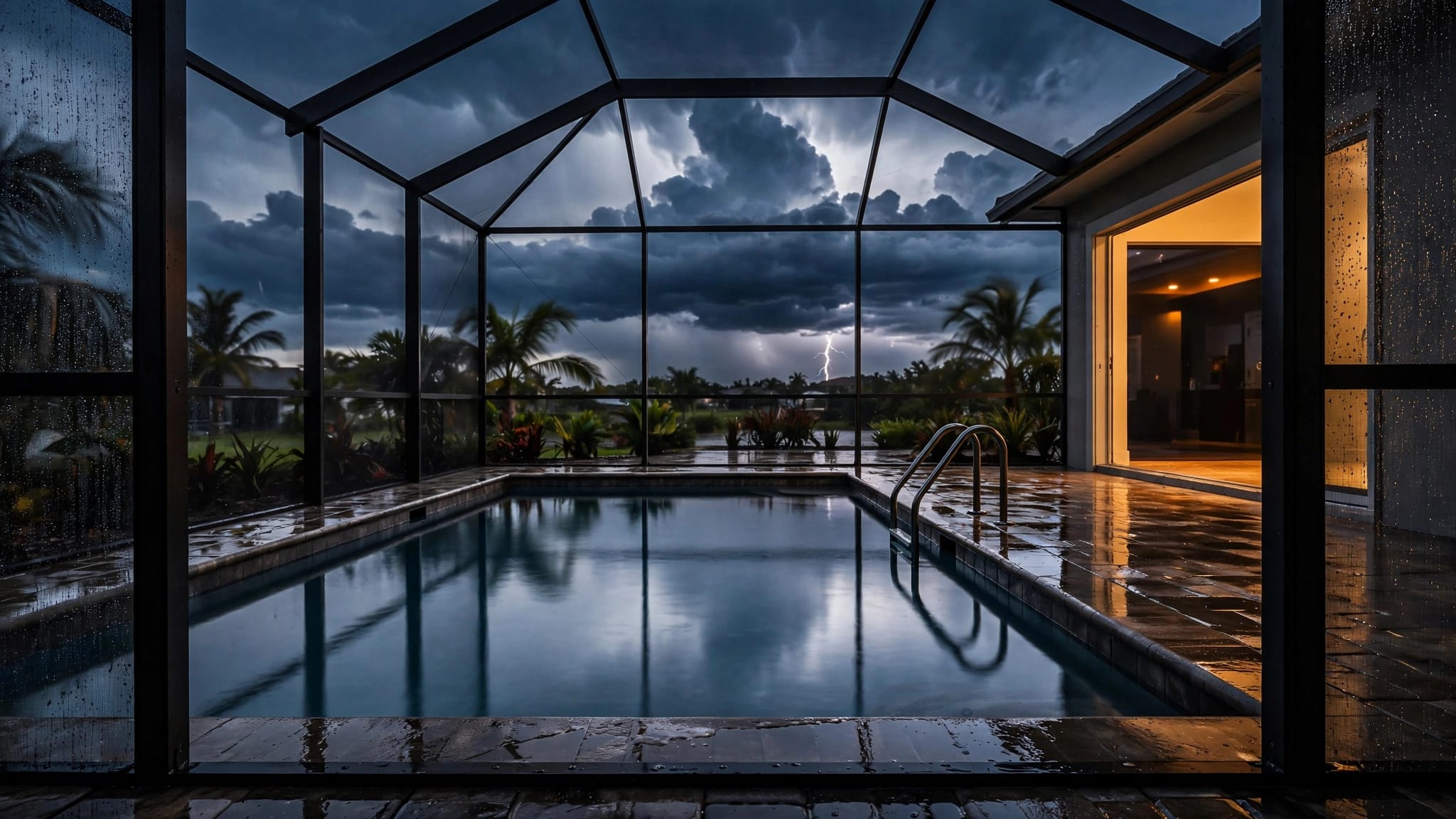
If a screen enclosure is part of the project, the site layout may also show the cage footprint. That keeps footings, beams, and post locations from colliding with the pool edge or deck layout.
Structural drawings show how the shell holds up
The structural pages are where the plan gets serious. They explain how the pool shell is built, what materials go inside it, and how the structure handles pressure from soil and water.
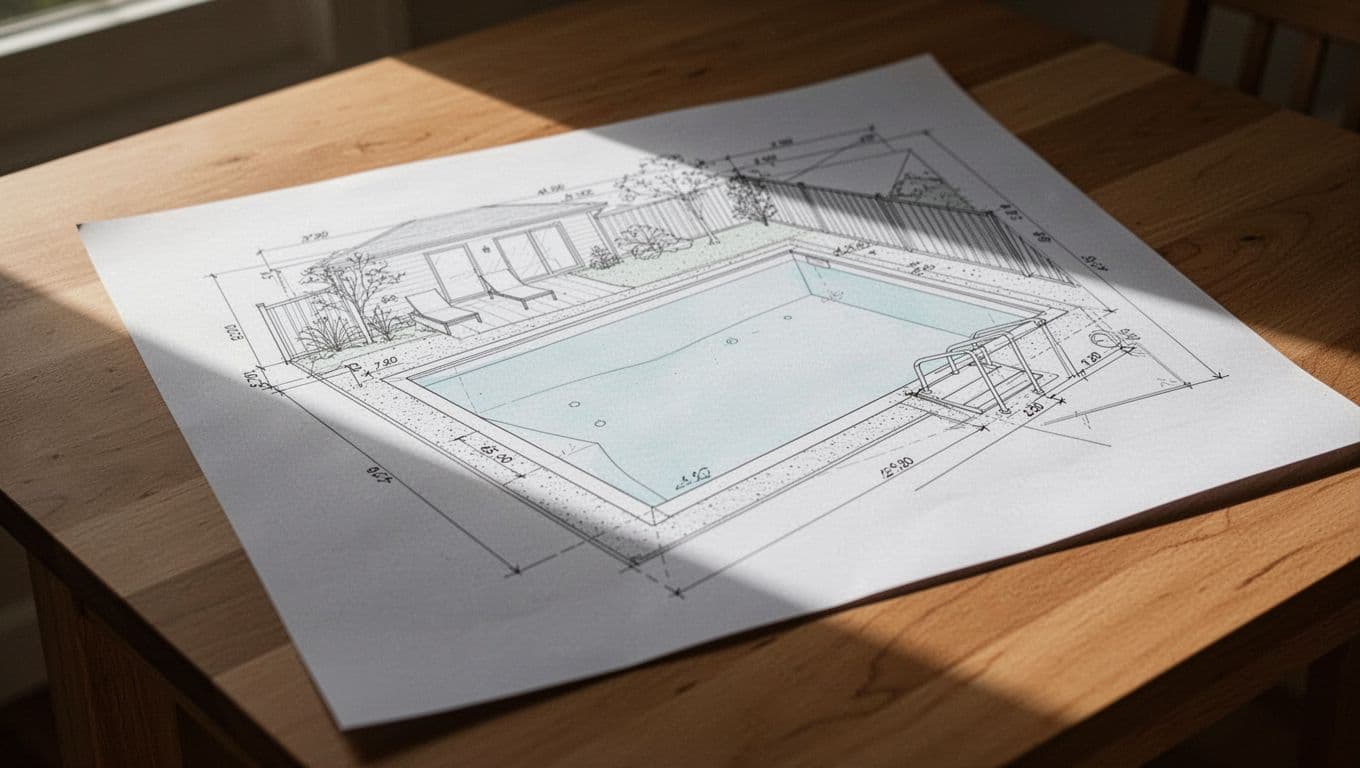
In a gunite pool, steel rebar forms the internal frame before the concrete mix is sprayed in place. Rebar is steel rod that gives the shell its shape and strength. The plan shows the bar spacing, thickness, and cover, which is the distance between steel and the outer surface. That cover helps protect the steel from rust.
The drawings also call out the bond beam. That is the thickened top edge of the pool shell. It ties the structure together and supports coping, which is the finished edge around the pool.
A shell drawing that looks vague on paper usually becomes a problem in the field.
That is why dimensions matter so much. Step heights, bench depths, wall thickness, spa walls, and raised walls all need to match the build. When they do, the crew can work faster and with fewer stop-and-fix moments.
Cape Coral pools often need extra attention to groundwater pressure. If the shell sits in wet soil, water can push up against it. The structural notes help the builder plan for that load and avoid movement later.
Plumbing, electrical, and equipment placement keep the pool usable
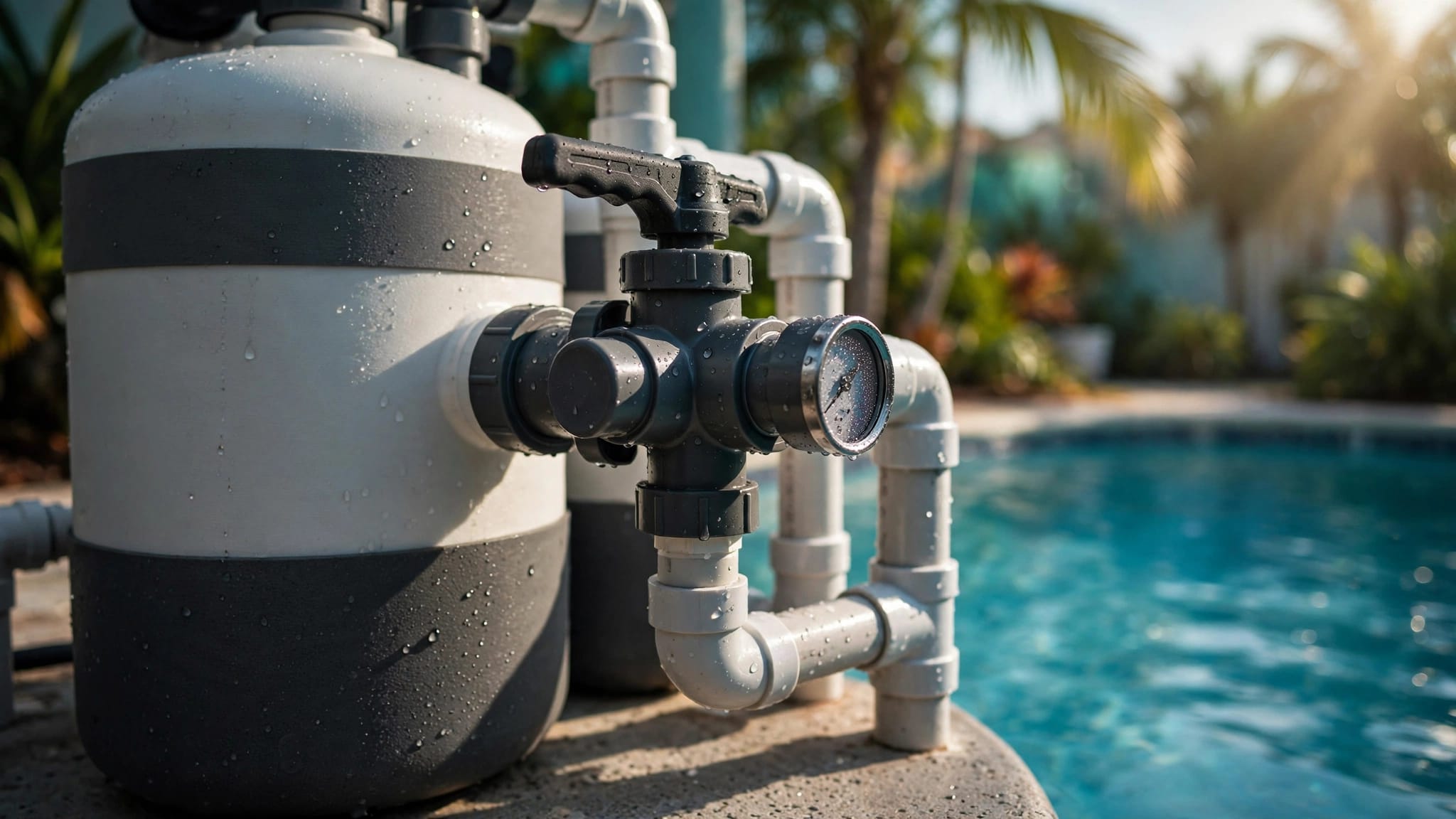
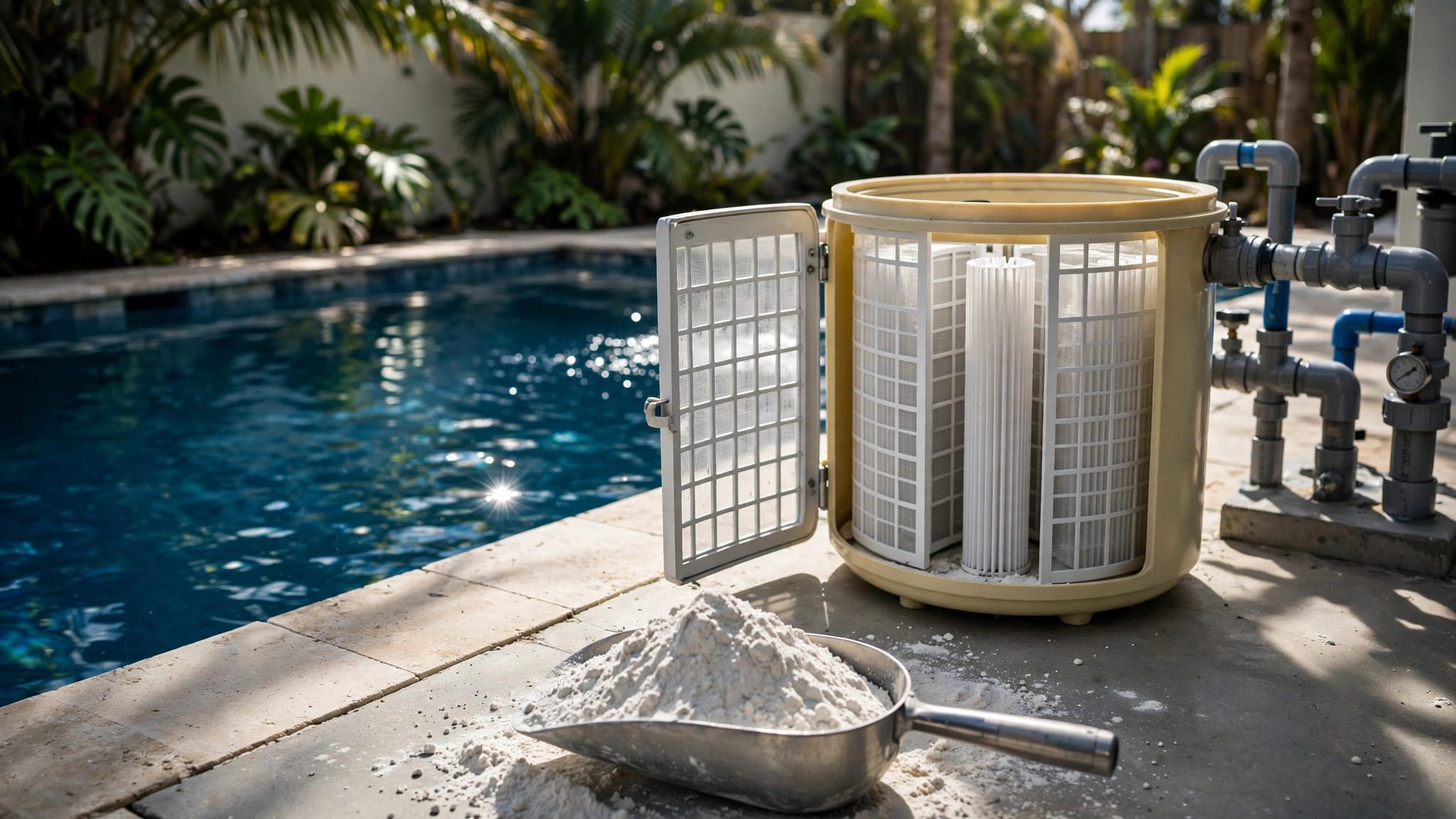
The pool is a water system, not just a hole in the ground. The plumbing sheet shows how water travels through skimmers, main drains, returns, and the filter system. It also shows pipe sizes and route paths.
That detail matters for circulation. If the pipes are too small, too long, or placed poorly, the pool can lose efficiency. The same drawing helps the crew avoid conflicts with footings, deck drains, and buried utilities.
The electrical sheet matters just as much. It shows conduit runs, light placement, equipment connections, and bonding. Bonding means connecting metal parts so stray electrical current has a safe path. That includes things like ladders, handrails, and equipment parts.
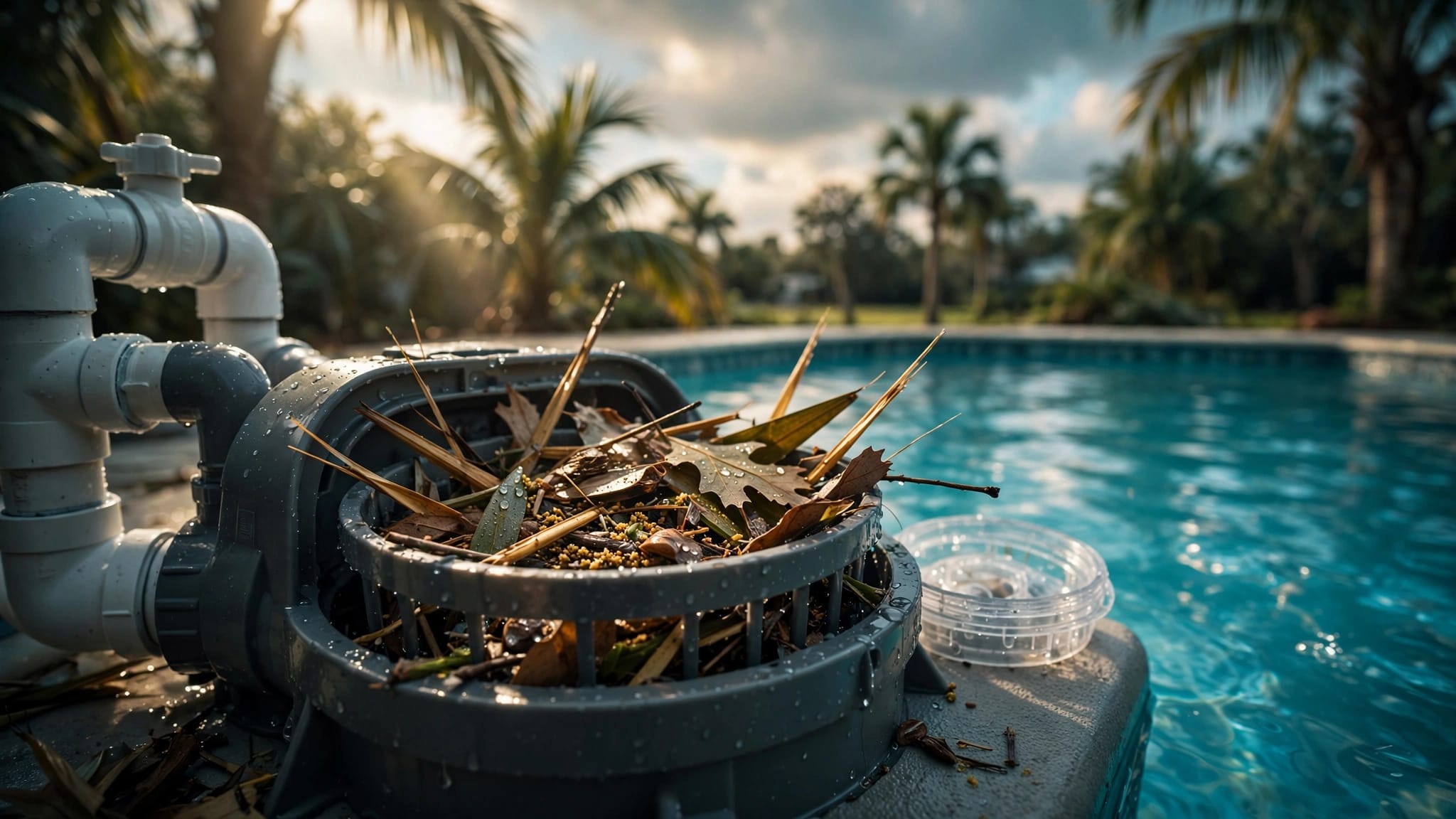
Equipment placement affects daily use too. The pump, filter, heater, and salt system need room for service. A tight equipment pad can make routine repairs harder and louder. A better layout gives the technician space and keeps the setup out of the main living area.
For homeowners planning a renovation, this part of the plan can show upgraded plumbing, a moved equipment pad, or a new heater. That helps the project stay organized when the old layout no longer fits the way you use the pool.
Permits, inspections, and budget control depend on clear plans
A good plan does more than satisfy a permit desk. It gives the project a clean starting point.
City reviewers usually look for consistent dimensions, site placement, drainage notes, structural details, and electrical safety items. Inspectors later compare the work in the yard with the approved drawings. If the plan and the build do not match, revisions can slow things down.
A small mistake can create a big delay.
That is why homeowners should review the plan before it goes in for approval. Look for the pool shape, deck size, equipment location, and any enclosure details. Check whether the drawing reflects the actual yard, not a guessed version of it.
Clear plans also help with budgeting. When the scope is defined, the estimate gets sharper. That makes it easier to spot cost drivers like extra fill, retaining walls, upgraded finishes, longer plumbing runs, or a larger deck. It also reduces change orders, which usually cost more than the original work.
For a sense of how approvals fit into the broader schedule, the timeline for pool construction in Cape Coral is a useful reference. It shows why a precise plan can save days or even weeks later.
If you are comparing pool ideas, Get a Free Estimate before the design gets locked in. A site visit can catch grading, access, and layout issues early.
What to check before you approve the plan
Before you sign off, read the plan like a builder would. Start with the lot lines, pool location, and deck clearances. Then check the elevations, drainage notes, and equipment placement.
Next, look at the structural pages. The shell should have clear dimensions, not vague notes. Rebar, bond beam details, and step depths should all be easy to follow. If the project includes a screen enclosure, its footprint should also line up with the pool and deck.
The best plans remove guesswork. They give the permit reviewer what they need, help the crew build the right pool, and give you a clearer idea of the final cost.
Conclusion
A Cape Coral pool engineering plan is the blueprint that ties the whole project together. It shows where the pool goes, how it drains, how it stands up to local conditions, and how the equipment connects.
When the plan is clear, permits move easier, inspections are simpler, and budgets stay closer to reality. That is the kind of detail that saves time before the first truck arrives, and long after the pool is finished.