A pool can look clean while poor pool water circulation allows algae, chemicals, and debris to collect in hidden areas. The skimmer and return jets work together to move water through the pool, filter system, heater, and sanitizer.
Skimmers remove water from the surface as the pool pump draws it in, while return jets send filtered water back into the pool. Their location, direction, and flow rate affect water flow, energy use, and how evenly the pool stays clean. Understanding that complete cycle of water filtration helps you make better choices during installation, renovation, or equipment upgrades.
Key Takeaways
- Pool water circulation depends on a balanced path between suction points, the pool pump, filter, and return jets.
- Skimmers remove floating debris and surface contaminants before they sink.
- Return jets push clean, treated water into the pool and create the movement that carries water toward the skimmers.
- Jet direction, skimmer placement, wind, pool shape, and obstacles all affect circulation.
- Persistent dead spots, cloudy water, or algae growth can point to a circulation problem.
How Pool Water Circulation Moves Through the System
The circulation process begins when the pool pump pulls water through the skimmer, the main drain, and any connected suction lines. Water then travels through the filter, heater, and sanitizer equipment before returning through the wall jets.
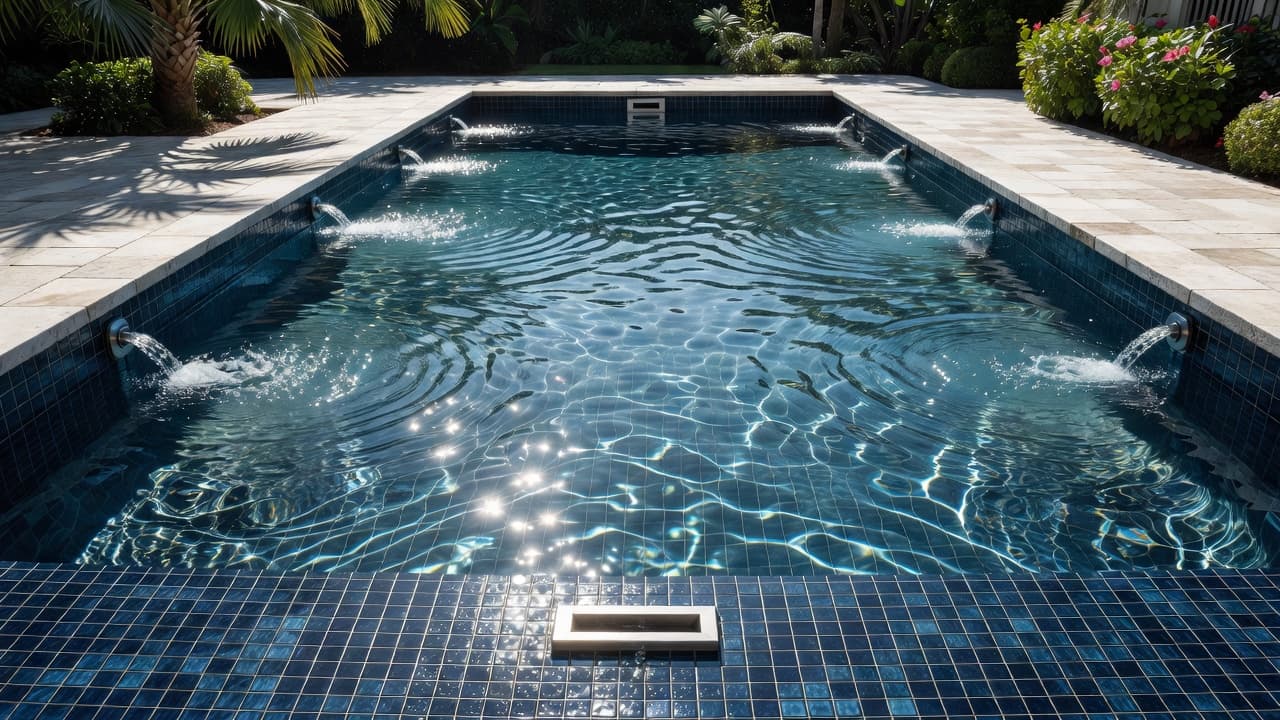
This creates a continuous loop. Surface water enters the skimmer, suspended particles collect during water filtration, and treated water re-enters the pool. The return jets then push that water across the pool, establishing steady pool water circulation that helps fresh water reach areas that would otherwise remain still.
A well-designed system doesn't rely on strong flow from one opening. Instead, the pool pump flow rate and the overall turnover rate work together to manage water flow across every unique pool size configuration.
The goal is consistent movement, rather than turbulent water. Water that rushes from a jet but never reaches the skimmer hasn't completed the circulation path. Similarly, a powerful pump can't correct poor jet placement or blocked suction lines.
Pool size and shape also affect design. A compact rectangular pool may need a simpler arrangement than a freeform pool with tanning ledges, benches, steps, or attached spas. During new pool construction, these details should be planned with the plumbing layout instead of added as an afterthought.
What Pool Skimmers Do
A pool skimmer pulls water from the upper layer of the pool, where leaves, sunscreen, pollen, insects, and body oils collect. A floating weir inside the skimmer opening helps maintain a steady surface flow as the water level changes.
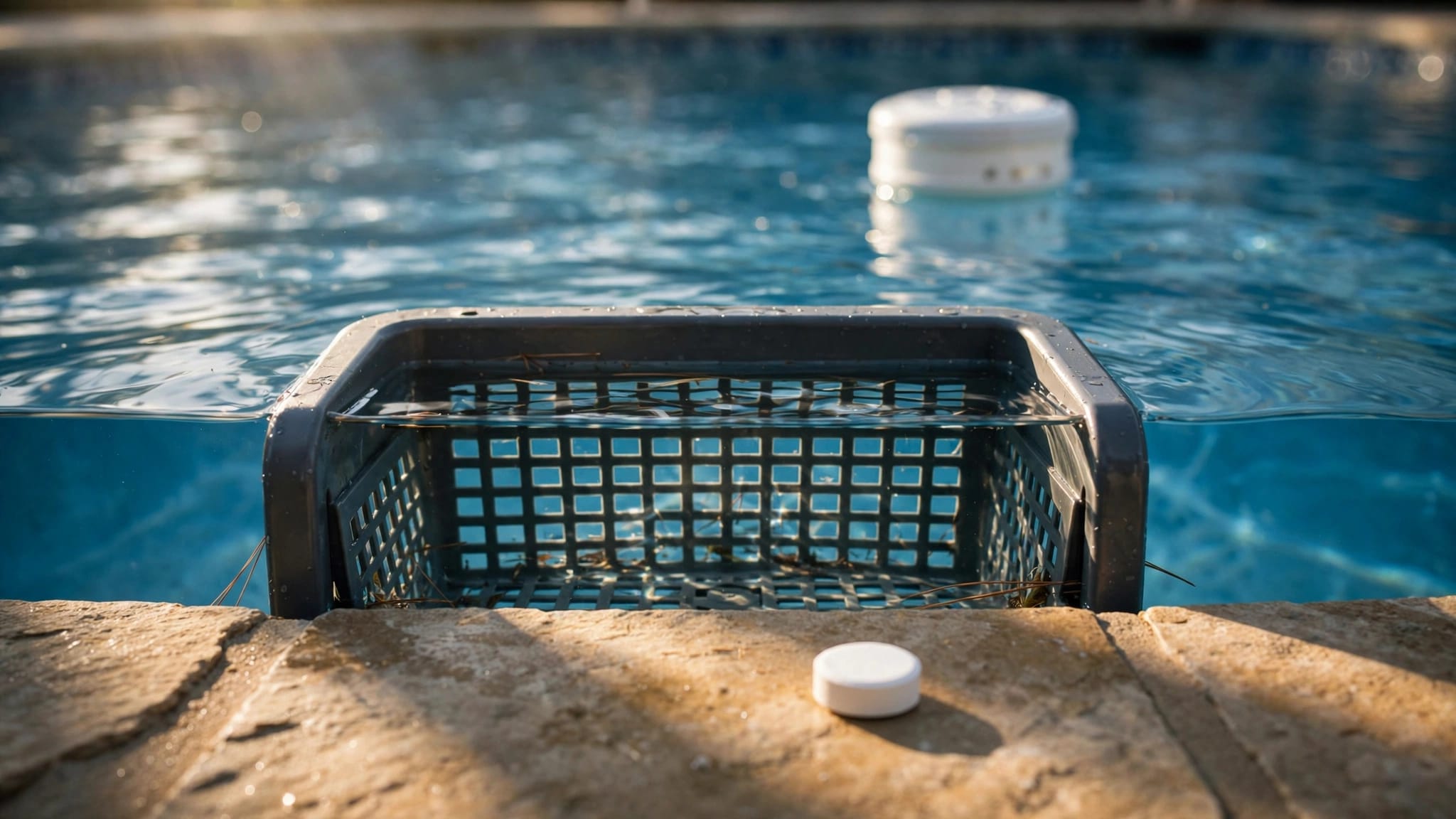
Water enters the skimmer, passes through a skimmer basket that catches larger debris, and then moves down the suction lines toward the pool pump and pump strainer. Emptying this skimmer basket matters because a full basket restricts water flow and makes the equipment work harder.
Skimmers also help remove contaminants before they spread across the surface or sink, supporting overall water filtration and helping to prevent localized algae growth. In a screened enclosure, they may collect fewer leaves, but they still handle oils, dust, pollen, and other material that enters the water.
Most residential pools use one or more skimmers, depending on the pool's size, shape, and local requirements. Placement matters as much as the number of skimmers. Wind often pushes floating debris in one direction, so a skimmer positioned with prevailing wind patterns in mind can collect debris more effectively.
Water level is another practical concern. If the level drops below the skimmer opening, the pool pump can draw air instead of water. That can interrupt water flow and damage equipment if the condition continues. A water level that is too high may also reduce the skimmer's ability to create a strong surface pull.
Keep the skimmer throat and skimmer basket free of obstructions. Check the basket regularly, especially after storms or heavy yard maintenance. If the skimmer seems to pull weakly, inspect the water level, basket, pool pump, valves, and lines before assuming the system has failed.
A skimmer can only remove what reaches its opening. Return jets create the surface movement that brings floating debris within reach for effective pool water circulation.
How Return Jets Distribute Clean Water
Return jets are the outlets that send filtered water back into the pool. They don't remove debris. Instead, they create a strong directional water flow that spreads treated water and guides surface contaminants toward the skimmers.
Installers often angle return fittings slightly downward or sideways to optimize this water flow. The correct direction depends on the pool's shape, skimmer location, steps, benches, and other features. A jet aimed straight across a narrow pool may create a useful sweep. The same angle in a wide or irregular pool may leave corners untouched.
Many pools use adjustable eyeball fittings inside the return openings. These fittings allow small changes to the flow rate. A technician can adjust them to improve pool water circulation after observing where debris collects or where water remains still, which helps eliminate potential dead spots.
Return jets should create a gentle, rotating pattern when possible. The flow needs to reach the far side of the pool and move water around obstacles. Jets that point directly at each other can cancel some of their movement. Jets aimed toward a wall may create a useful rebound, but they can also produce stagnant areas if the angle is wrong.
Features such as beach entries, sun shelves, raised walls, and benches can interrupt circulation. A shallow ledge may need a dedicated return to prevent warm, stagnant water from sitting on the shelf. Attached spas also require carefully planned suction and return lines because their water movement differs from the main pool.
Return flow affects more than cleanliness. It also distributes chlorine, salt-generated sanitizer, and heated water provided by the pool sanitation system. If a return jet fails or loses flow, the nearby water may show a different temperature or chemical balance than the rest of the pool, leading to uneven chlorine distribution.
Why Skimmer and Jet Placement Must Work Together
A skimmer and return jet have separate jobs, but their locations determine whether the full circulation loop works. The return jets should push water toward the skimmers, not away from them, to maintain proper pool water circulation throughout the entire basin.
For example, if wind regularly pushes debris toward the deep end, the circulation plan should account for that movement. A return jets arrangement that sends water in the opposite direction may leave leaves gathered along the far wall. Adjusting the jet angle can help, but poor original placement may require more extensive changes.
The pool's shape makes this relationship more complex. Freeform pools often include narrow sections where water can slow down, leading to dead spots that restrict optimal water flow. A return jet near the main body may not move water effectively into that section. In some designs, an additional return line provides better coverage.
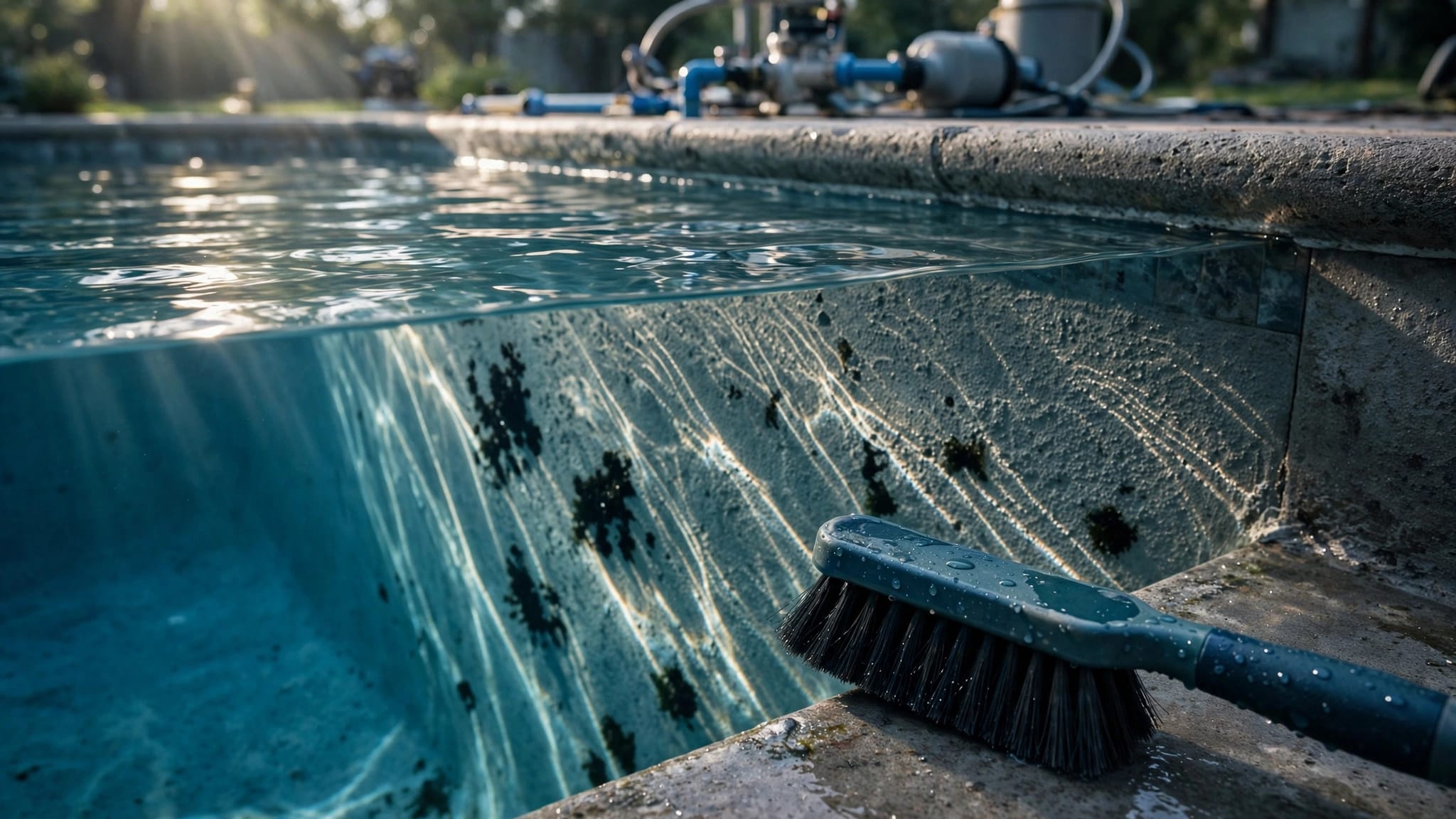
The same issue occurs near stairs and corners. Water can sit behind a step or along a sharp inside angle when the nearest jet can't reach it, creating areas prone to algae growth if water flow remains stagnant. These areas often show the first signs of trouble because sanitizer doesn't circulate evenly there.
A balanced system also divides flow between suction points and returns. Closing a valve too far, running an undersized pool pump, or disrupting the proper flow rate can change the pressure throughout the system and prevent the even distribution of chlorine needed for a stable chemical balance. The result may be weak skimming, noisy equipment, air bubbles, or uneven water movement.
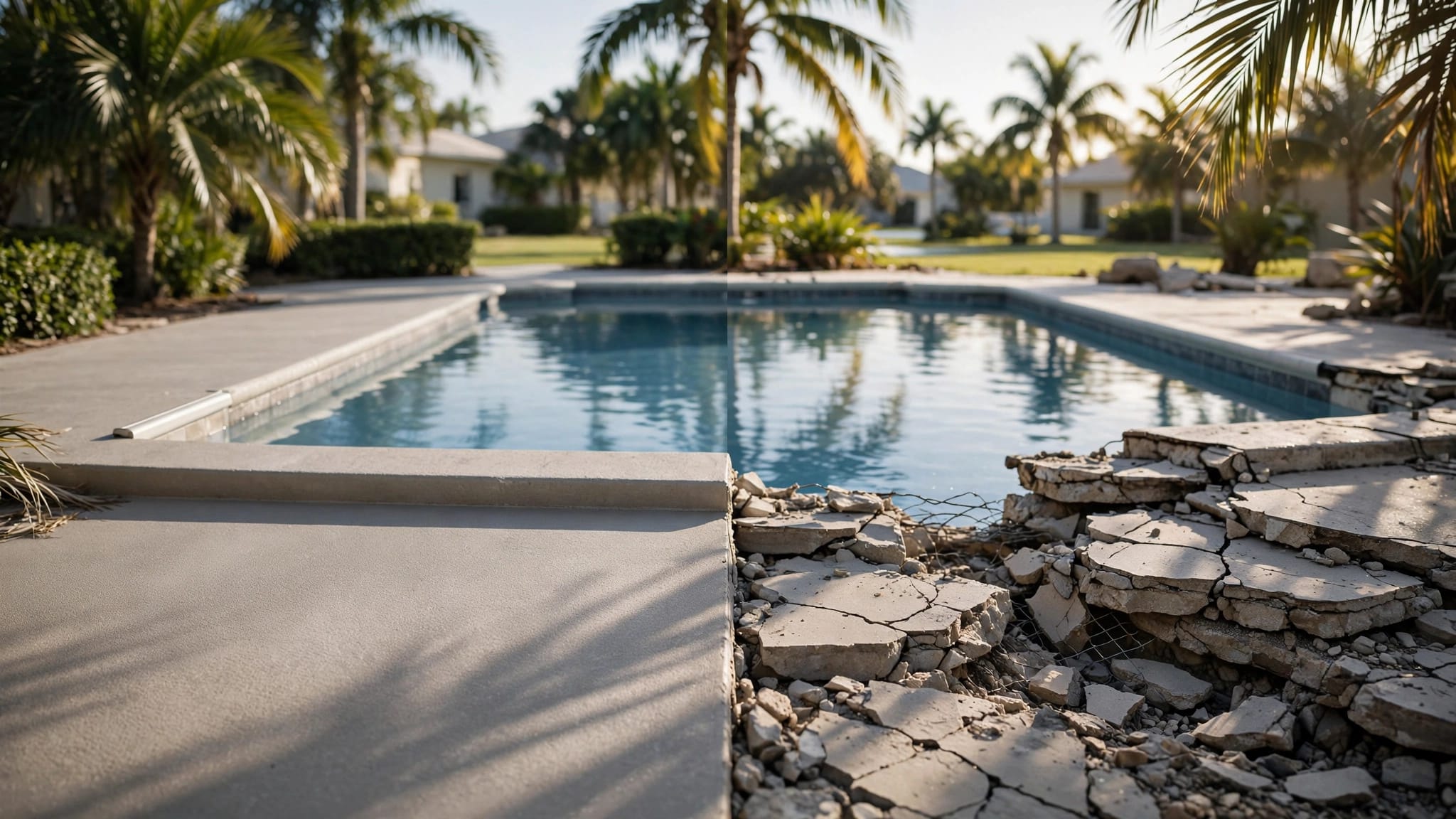
Pool renovations offer a chance to correct these problems. Resurfacing alone won't change plumbing, but a renovation that includes new fittings, added returns, or upgraded pool equipment can improve how the pool moves water. Any plumbing modification should account for pipe size, pump capacity, filter limits, and local code.
Signs Your Pool Has a Circulation Problem
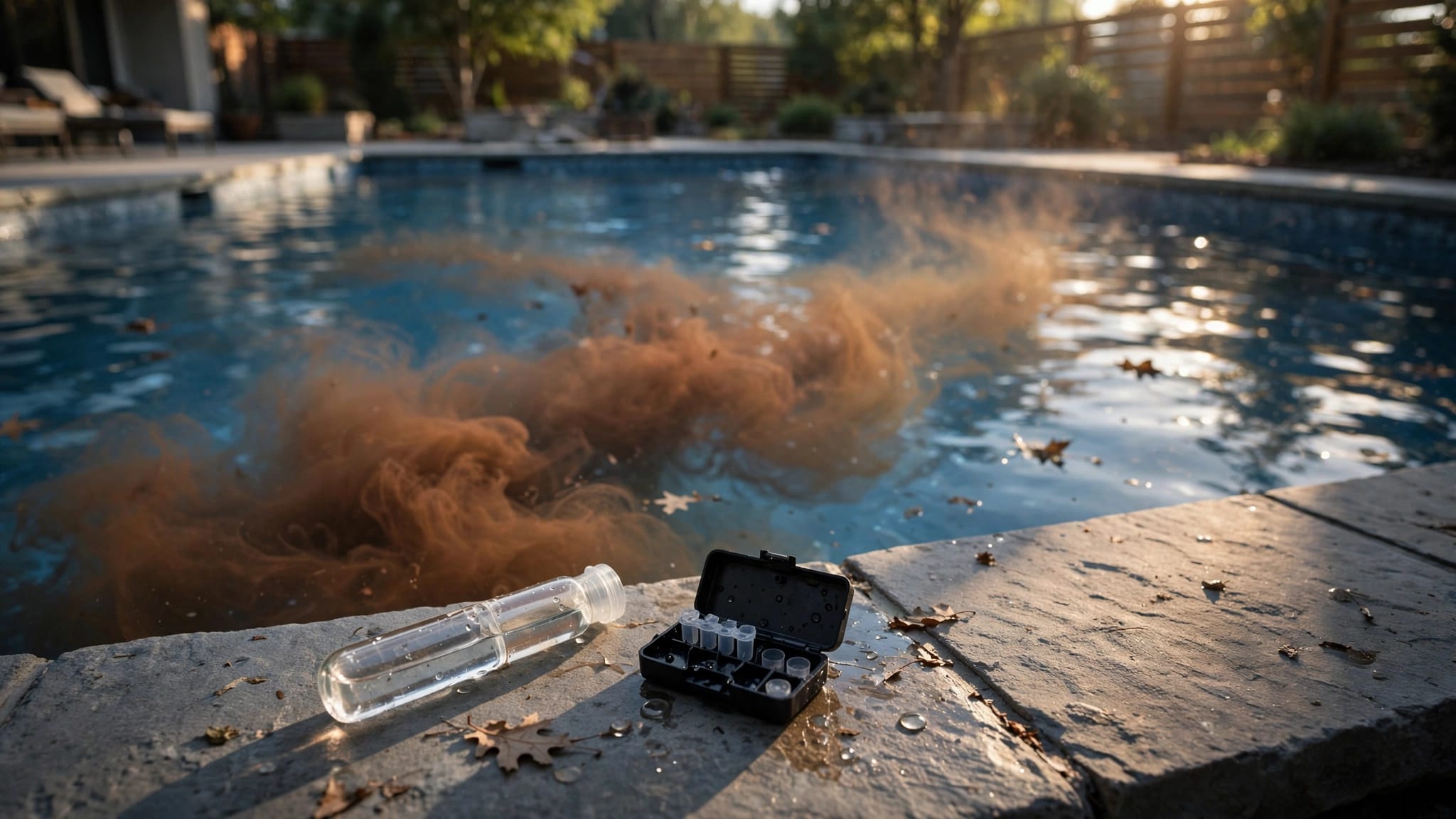
Poor circulation often appears as a water quality issue first. You may notice persistent cloudy water even after extended filtration, stubborn algae growth in one recurring corner, or debris that collects in the same spot after every cleaning.
Other signs point more directly to a flow problem:
- The skimmer basket stays nearly empty while leaves gather across the pool surface, failing to protect water clarity.
- One or more return jets produce little or no visible movement.
- Air bubbles appear at the returns or inside the pump strainer.
- Chemical readings differ significantly between the shallow and deep ends, disrupting the overall chemical balance.
- The pool pump sounds strained, loses prime, or runs with an unusually low filter pressure reading.
- Water remains warm or stagnant around steps, benches, or a tanning ledge.
Begin with simple checks. Confirm that the water level reaches the proper range, clear both baskets, and verify that valves are in their normal positions. Look at the filter pressure and clean the filter according to its design. A dirty cartridge, clogged sand filter, or blocked intake can reduce return flow and cause cloudy water.
Next, observe the water while the pool pump runs. Hold a small floating object near the surface, away from swimmers and suction fittings, to see which direction the water travels. Do not place hands or objects over a suction opening. If the water flow pattern doesn't carry surface water toward a skimmer, a jet adjustment may help.
Persistent problems need professional testing. A pool contractor can check pool pump performance, line restrictions, valve settings, air leaks, and return pressure. Replacing a pump without finding the restriction can waste money and may create excessive flow for the existing plumbing.
Improving Circulation During Installation or Renovation
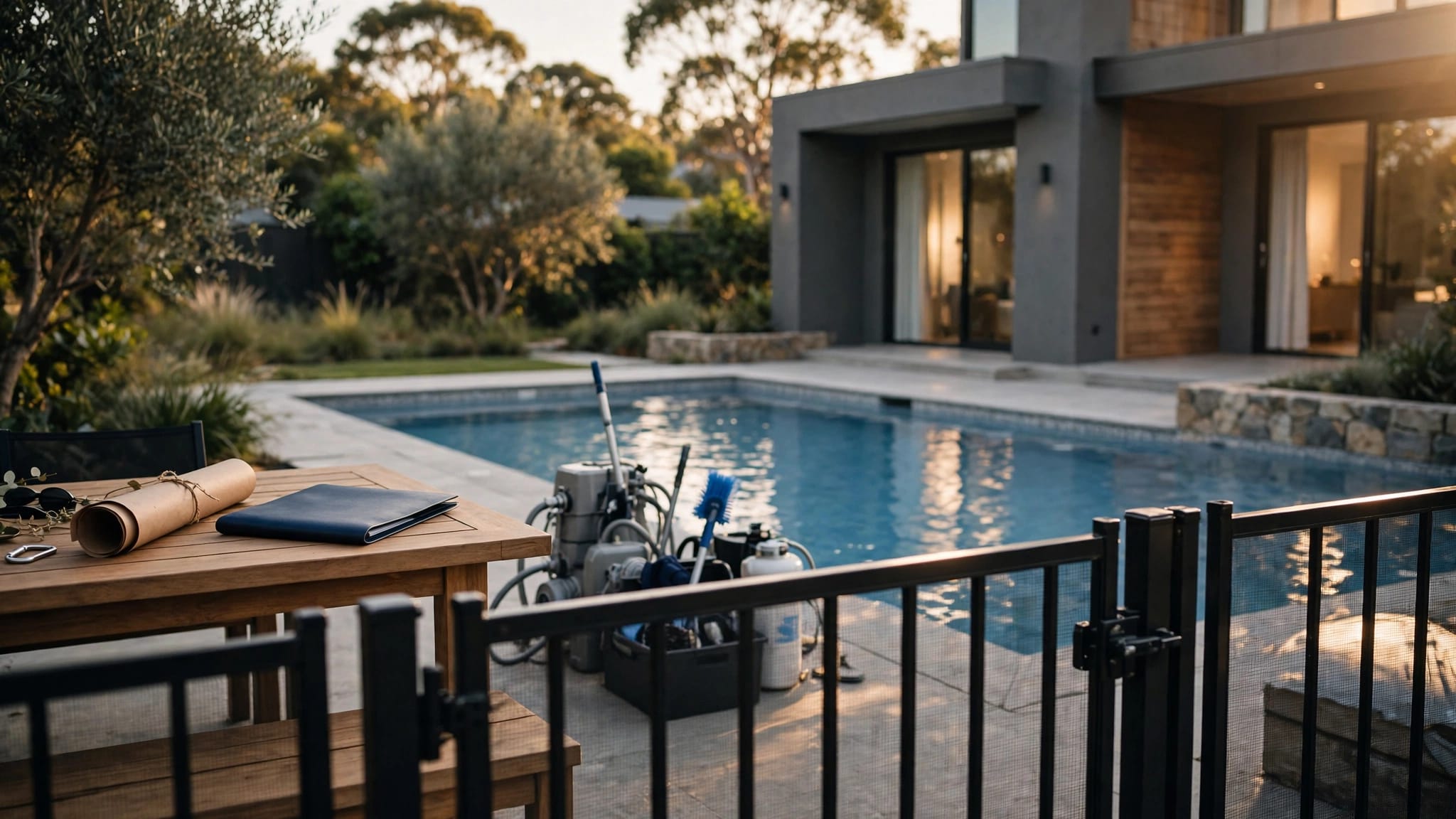
Good circulation starts before the pool is finished. During design, review the location of every skimmer, return jet, main drain, water feature, spa line, and equipment component. The plan should account for the pool size, shape, and the outdoor conditions around it.
In Cape Coral, screened enclosures can reduce leaves and insects, but they don't eliminate windblown dust or surface oils. The enclosure design, surrounding landscaping, and prevailing wind direction can still affect where debris collects.
Ask the contractor how the proposed layout will handle shallow shelves, steps, benches, and tight corners. Also ask how the system will operate when a spa, heater, or water feature is running, and verify that the selected pool equipment can support these overlapping demands. Different modes can change the amount of flow available to the main pool.
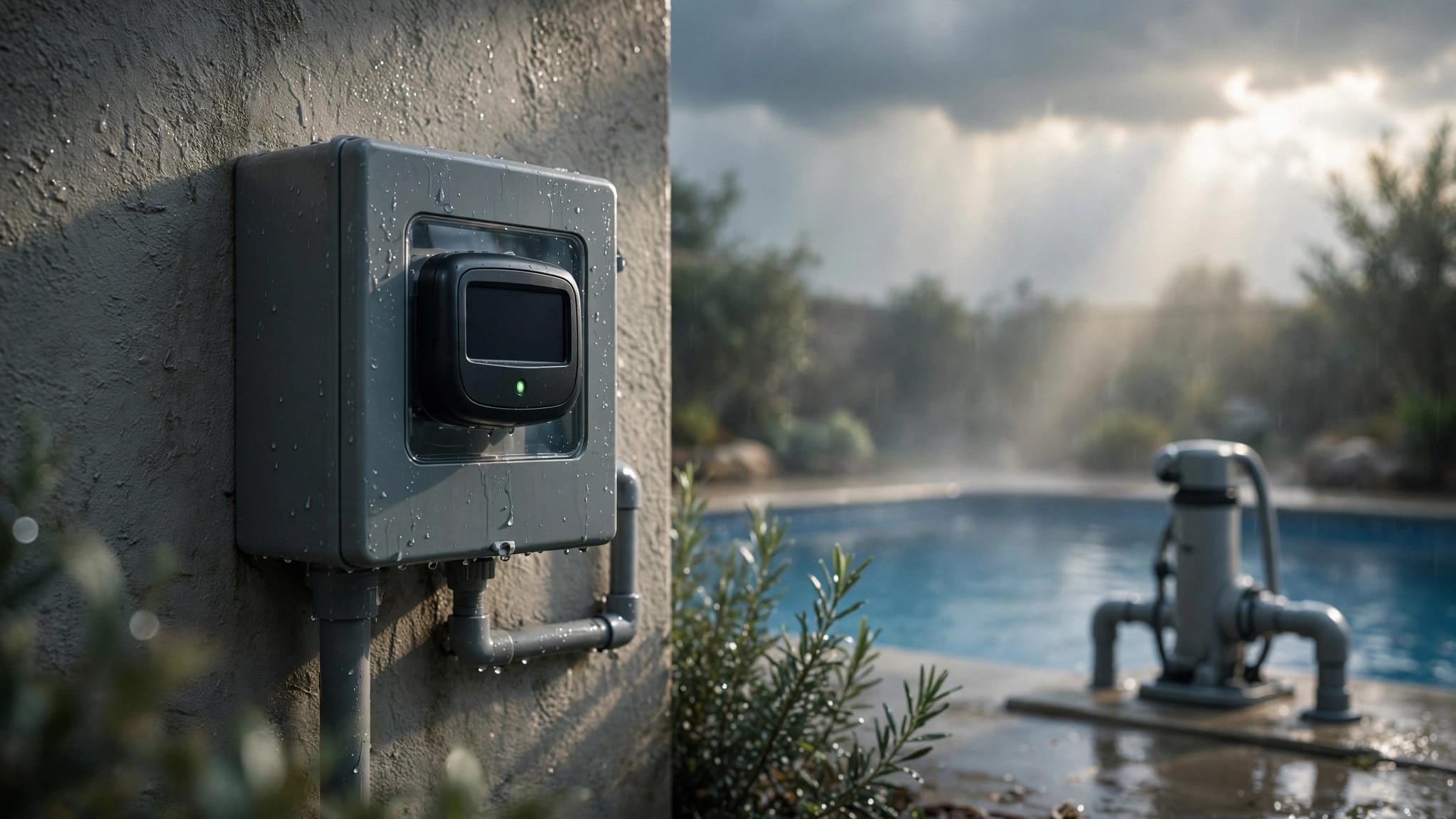
A renovation may include new return fittings, updated valves, plumbing repairs, or an upgrade from an older single-speed pump to a modern variable-speed pump. While a variable-speed pump can greatly reduce energy use when operated at lower speeds, the system still needs to maintain an adequate flow rate and a proper turnover rate to ensure effective water filtration. Adjusting your variable-speed pump settings helps balance energy savings with the daily flow rate and overall turnover rate required for a clean swimming environment.
Screen repairs can also support cleaner water by reducing the amount of debris entering the pool. However, a new screen won't correct weak circulation, which means proper water movement and enclosure maintenance both play vital roles in your broader pool maintenance routine.
If you're planning a pool installation, resurfacing project, or equipment update, Get a Free Estimate to discuss the existing layout and your goals for the backyard.
A Practical Circulation Routine
Daily operation should match how the pool is used and the equipment is designed. Run your variable-speed pump long enough to achieve the recommended turnover rate for your system. Heavy use, storms, high temperatures, and visible debris may require additional filtration to maintain water clarity.
Keep the water level stable, and empty the skimmer basket before it becomes packed. Check that returns are producing steady flow, monitor filter pressure regularly, and backwash your system or clean the filter media when needed to preserve peak water clarity. Brush areas that collect debris even when the pump runs. Brushing lifts settled material into the water so the filter and skimmer can remove it.
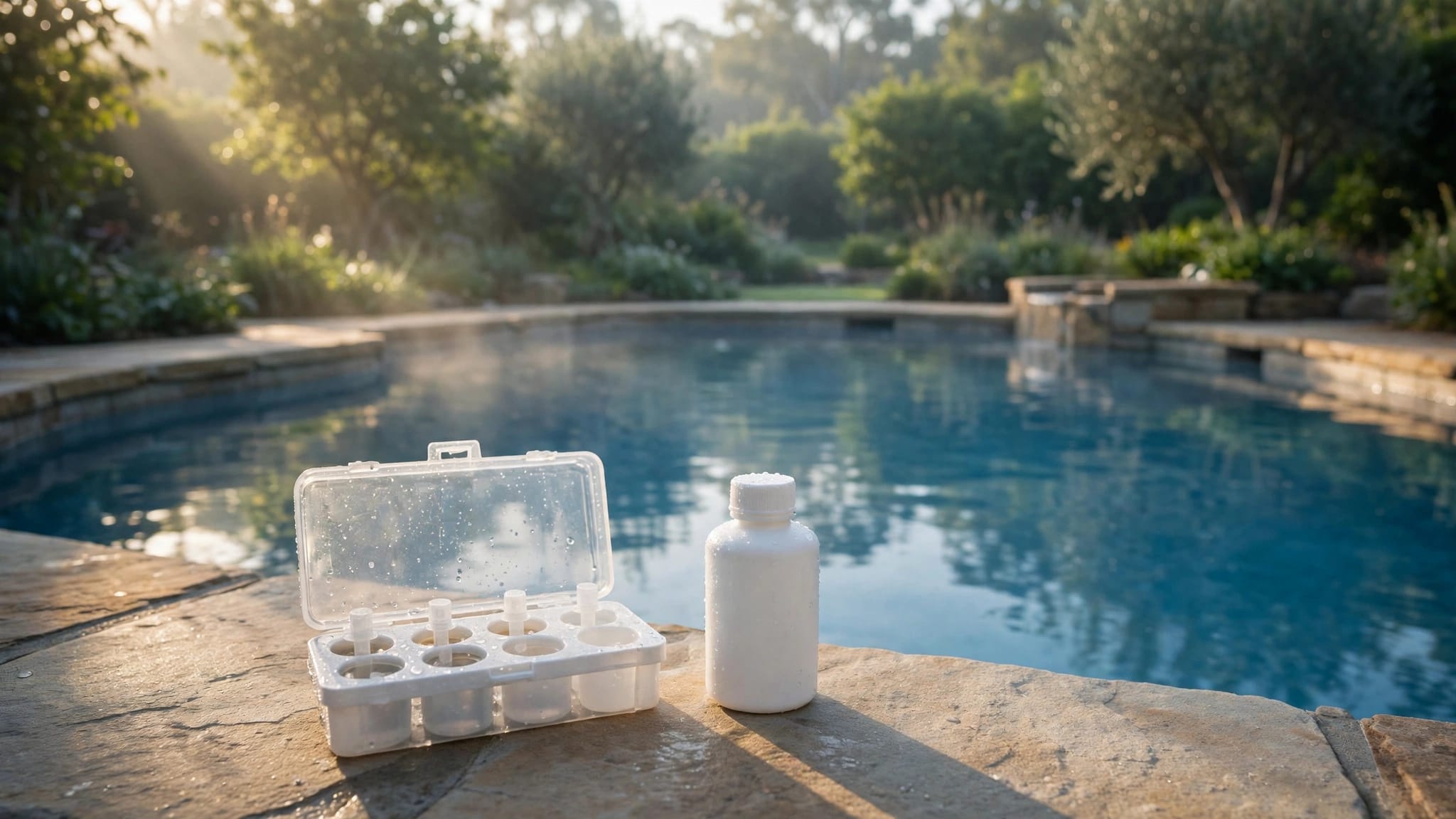
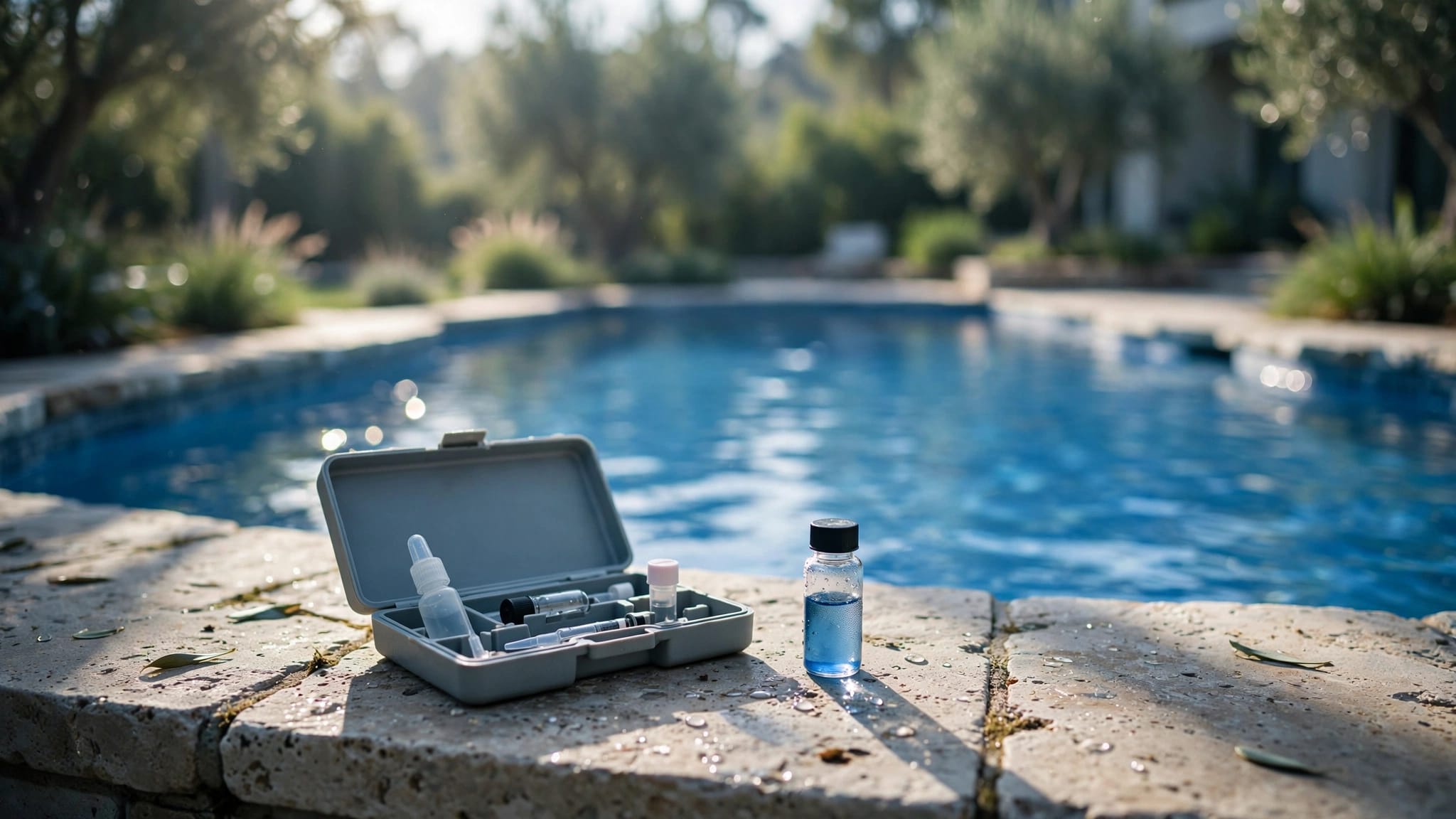
Test chlorine and pH on a regular schedule as part of managing your sanitation system. Uneven readings may indicate poor mixing, but they can also result from testing in different locations or adding chemicals too close to a return. Follow product directions and allow chemicals to circulate before taking another reading.
Finally, watch changes over time as part of your ongoing pool maintenance. A circulation system that worked well last season may lose performance because of a clogged filter, worn pump basket, stuck valve, air leaks, or shifted return fitting. Early attention usually costs less than repeated algae treatment or equipment damage.
Frequently Asked Questions
How do pool skimmers and return jets work together?
Skimmers remove floating debris and surface contaminants from the upper layer of the water as the pool pump draws it in. Meanwhile, return jets send filtered water back into the pool, creating a steady directional flow that pushes surface material toward the skimmers.
Why do dead spots occur in a swimming pool?
Dead spots happen when water flow is obstructed by pool features like stairs, benches, or tight corners that the return jets cannot reach. Poor jet placement or an incorrect angle can also leave certain areas stagnant and prone to algae growth.
How can I improve poor pool water circulation?
Start by checking your water level, cleaning the skimmer and pump baskets, and inspecting the filter pressure. If the issue persists, you can adjust the angle of the return jet fittings to better direct water toward the skimmers or consult a professional for testing.
Conclusion
Skimmers remove surface contaminants, and return jets spread filtered water through the pool. Together, they create the movement and proper water flow that keeps chemicals, heat, and filtration working across the entire basin, driven by effective pool water circulation.
Strong pool water circulation depends on the complete system, including placement, plumbing, an efficient pool pump, water level, and maintenance. When those parts work together, the pool stays clearer, and equipment operates with less strain to prevent cloudy water and protect long term water clarity. When one part falls out of balance, recurring debris and dead spots often provide the first warning, making routine pool maintenance essential.