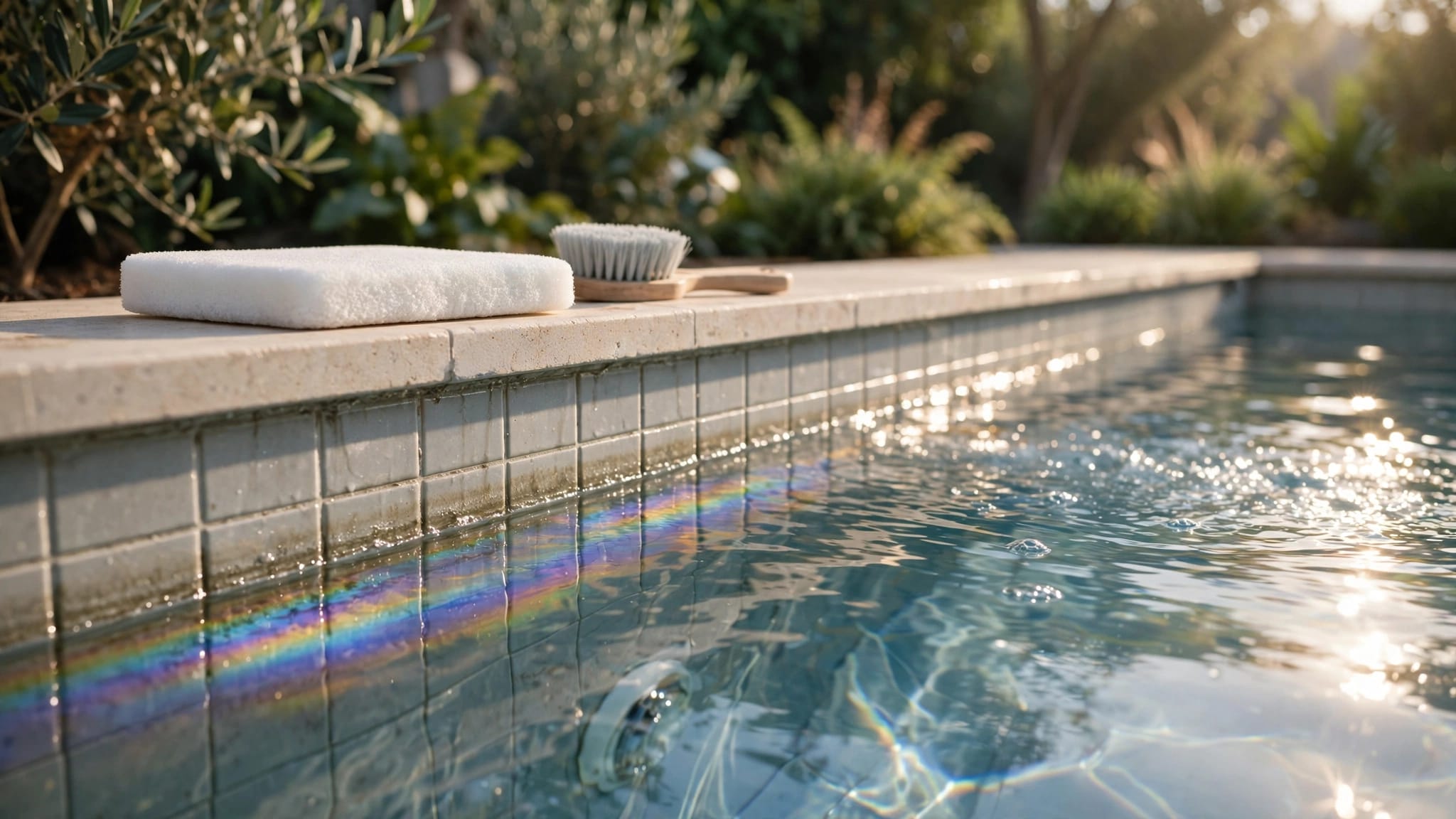
For many Cape Coral homeowners, DE pool filters offer the clearest water with the least visible fine dust. They can be an excellent fit for a typical inground pool, but the extra filtration comes with more hands-on maintenance than a cartridge or sand system.
Cape Coral's heat, heavy rain, wind, pollen, and screened enclosures all affect pool care. Before choosing a pool filter for a new pool or renovation, compare water clarity, water use, cleaning habits, equipment space, and long-term cost. The right choice depends on how you use and maintain your pool.
Key Takeaways
- DE filters capture smaller particles than a standard sand filter or cartridge filter, which can noticeably improve water clarity.
- They require fresh DE powder after you clean or backwash the system, making upkeep more involved.
- The backwash process can waste pool water and requires careful handling of used filter media.
- A cartridge filter may be a better choice for homeowners who want simpler pool maintenance.
- DE is worth considering when fine filtration matters most and regular service is realistic.
Are DE pool filters worth it for Cape Coral pools?
A DE filter uses a powder made from diatomaceous earth. The powder coats each internal filter grid, creating a fine filtering surface that traps very small particles as water passes through.
Many DE systems are rated to capture particles in roughly the 2-to-5-micron range, and this impressive micron rating gives them an edge in trapping microscopic debris. Sand filters generally allow more fine particles through, while cartridge filters sit between sand and DE in many residential applications.
That difference can be noticeable in a Cape Coral pool. Fine dust, pollen, sunscreen residue, and small debris can make your pool water look dull even when chlorine and pH are in range. A properly sized DE filter can help the water appear sharper and cleaner after storms or periods of heavy use.
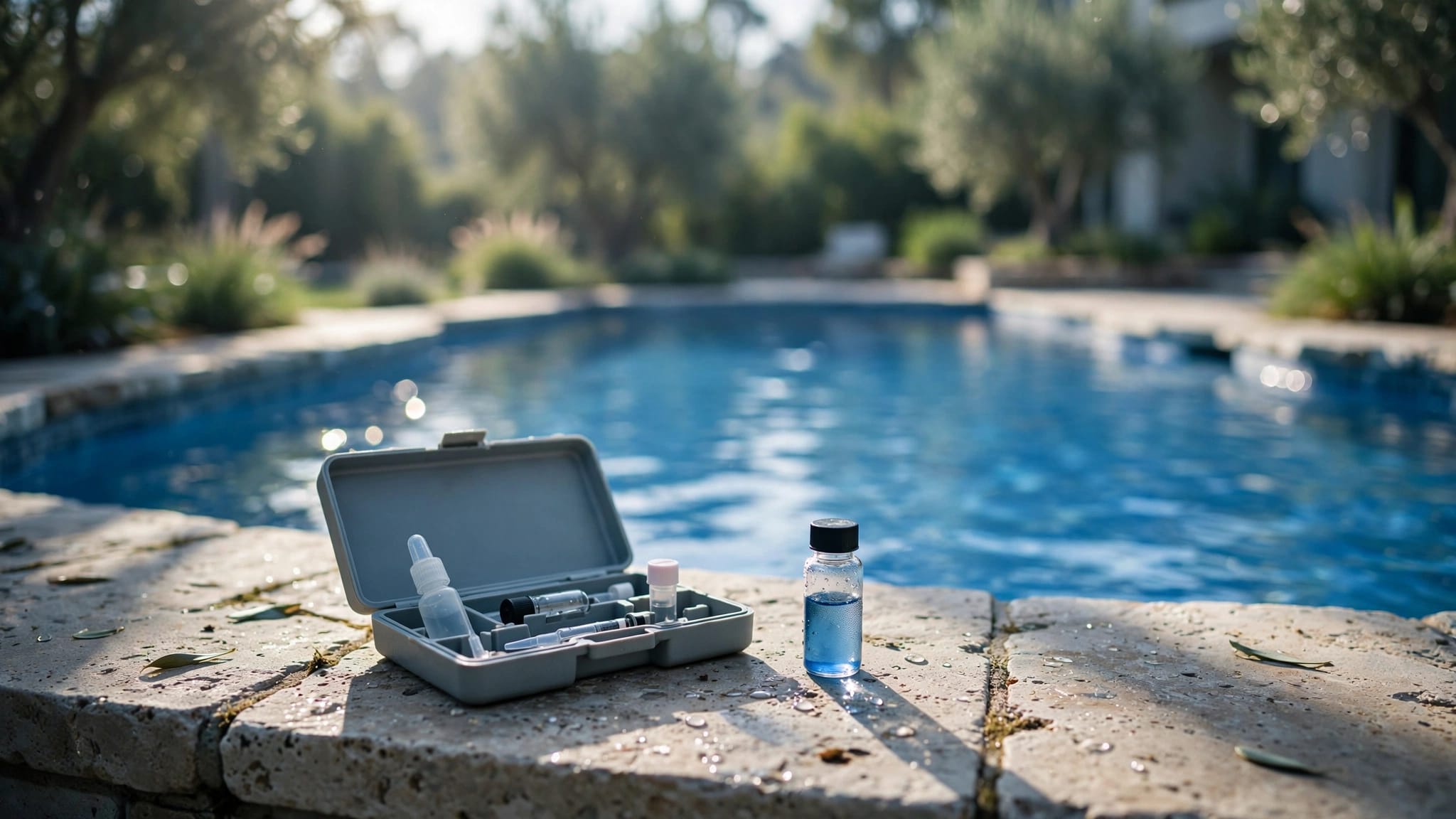
However, clear water doesn't come from filtration alone. Poor circulation, low water level, clogged baskets, unbalanced chemistry, or an undersized pump can still create cloudy water. The filter is one part of the circulation system, not a substitute for proper water care.
DE filters also require more attention when the pressure rises. Depending on the system, you may need to backwash the filter, remove and clean the grids, inspect the internal parts, and remember to recoat DE powder correctly. Skipping the recharge step can damage the filter's performance and allow powder into the pool.
A DE filter can produce excellent water clarity, but it rewards consistent maintenance rather than occasional attention.
For homeowners who enjoy maintaining their pools and want the finest filtration, DE may be worth the added work. If you prefer a simpler routine, another filter type could fit better.
How Cape Coral weather affects filter performance
Southwest Florida puts a steady load on residential pool equipment. Warm weather extends the swimming season, while afternoon storms can bring leaves, dirt, pollen, and roof runoff near the pool. Wind also pushes debris against the screen enclosure and into the water.
A screened pool usually has less large debris than an unscreened pool. Still, the enclosure doesn't block fine dust or pollen. It can also create a false sense that the pool needs little cleaning. Small particles may pass through a weaker filter or collect along steps, benches, and corners when circulation is inadequate.
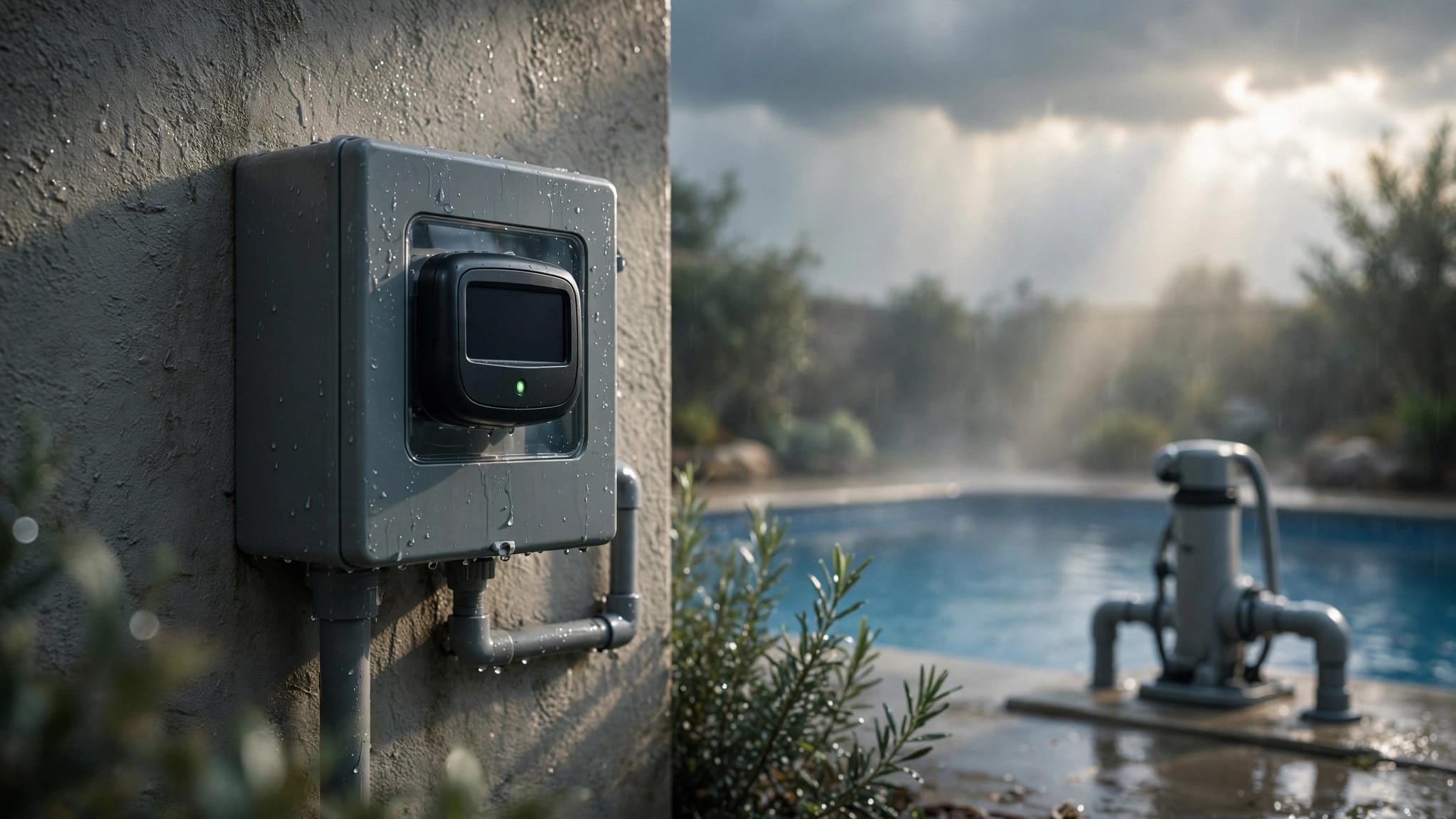
Rain creates another challenge. A heavy storm can dilute chemicals, raise the water level, and introduce organic material. If the pool overflows or you lower the water level, a DE filter may need attention sooner because the system has processed a larger debris load.
Pool owners should watch the water pressure on the gauge rather than follow a fixed cleaning schedule. First, record the pressure when the filter is clean and the pool pump is operating normally. Then follow the manufacturer's instructions when pressure rises above that starting point. Many systems use an increase of about 8 to 10 psi as a cleaning reference, but the equipment manual should control.
Pump runtime also matters. A filter cannot clean water that never reaches it. If the pump runs too little, the pool may develop cloudy areas, uneven chlorine readings, or debris in corners. This Florida pool pump daily runtime guide can help you review circulation before changing the filter.
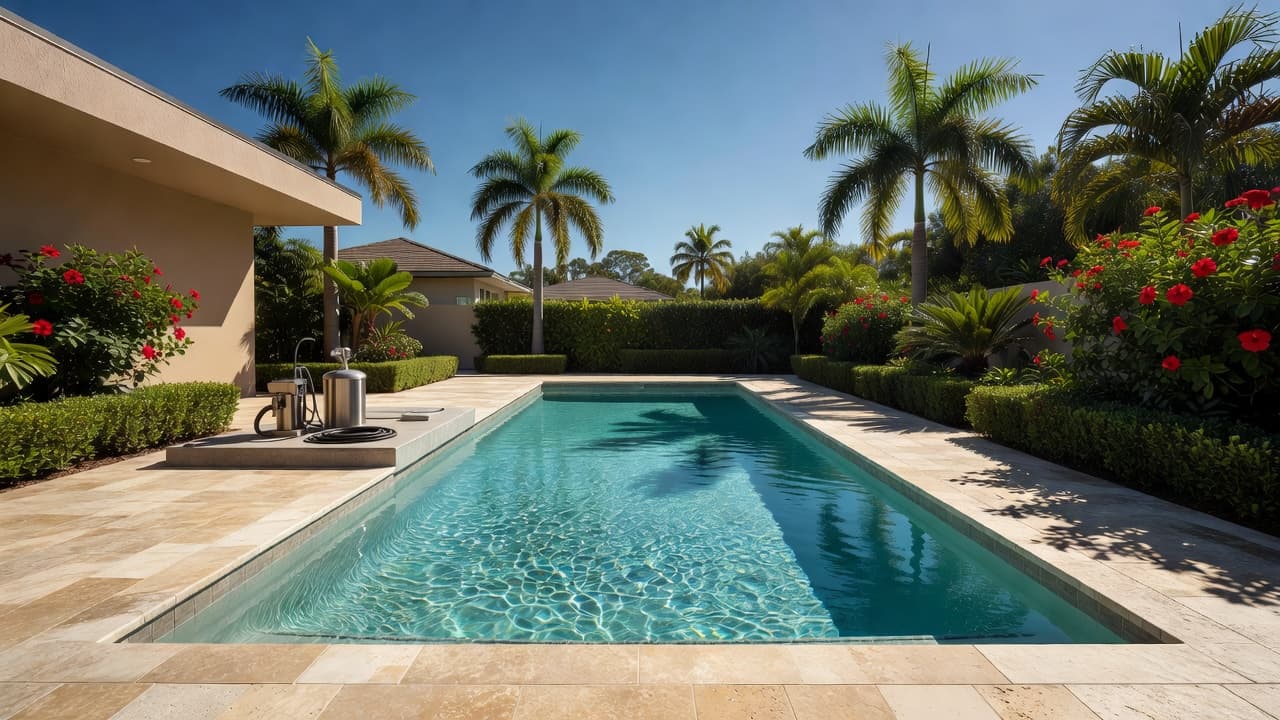
A DE filter can handle Cape Coral's fine debris well, but it still needs a clean pump basket, open valves, proper water level, and a correctly adjusted system. If the water stays cloudy after cleaning, check chemistry and circulation before adding more DE powder.
DE filter maintenance, water use, and disposal
DE maintenance is the main reason some homeowners choose another filter. A cartridge filter usually requires removing the cartridge and rinsing it. A sand filter typically uses a backwash cycle and then a rinse cycle. DE systems can involve both backwashing and replenishing the filter powder.
When cleaning a DE filter, shut off the pump and relieve pressure before opening the filter tank. Pressurized pool equipment can be dangerous if opened while operating or holding pressure. The exact cleaning process depends on whether the system uses a multiport valve, a push-pull valve, or a different design. During a backwash cycle, you should monitor the discharge through the sight glass until the water runs clear.
After a backwash, the filter normally needs fresh DE powder in the manufacturer's specified amount. Add it through the skimmer only if the manual permits that method. Use the correct product and avoid guessing the quantity. Too little DE can reduce filtration, while too much can restrict flow and increase pressure.
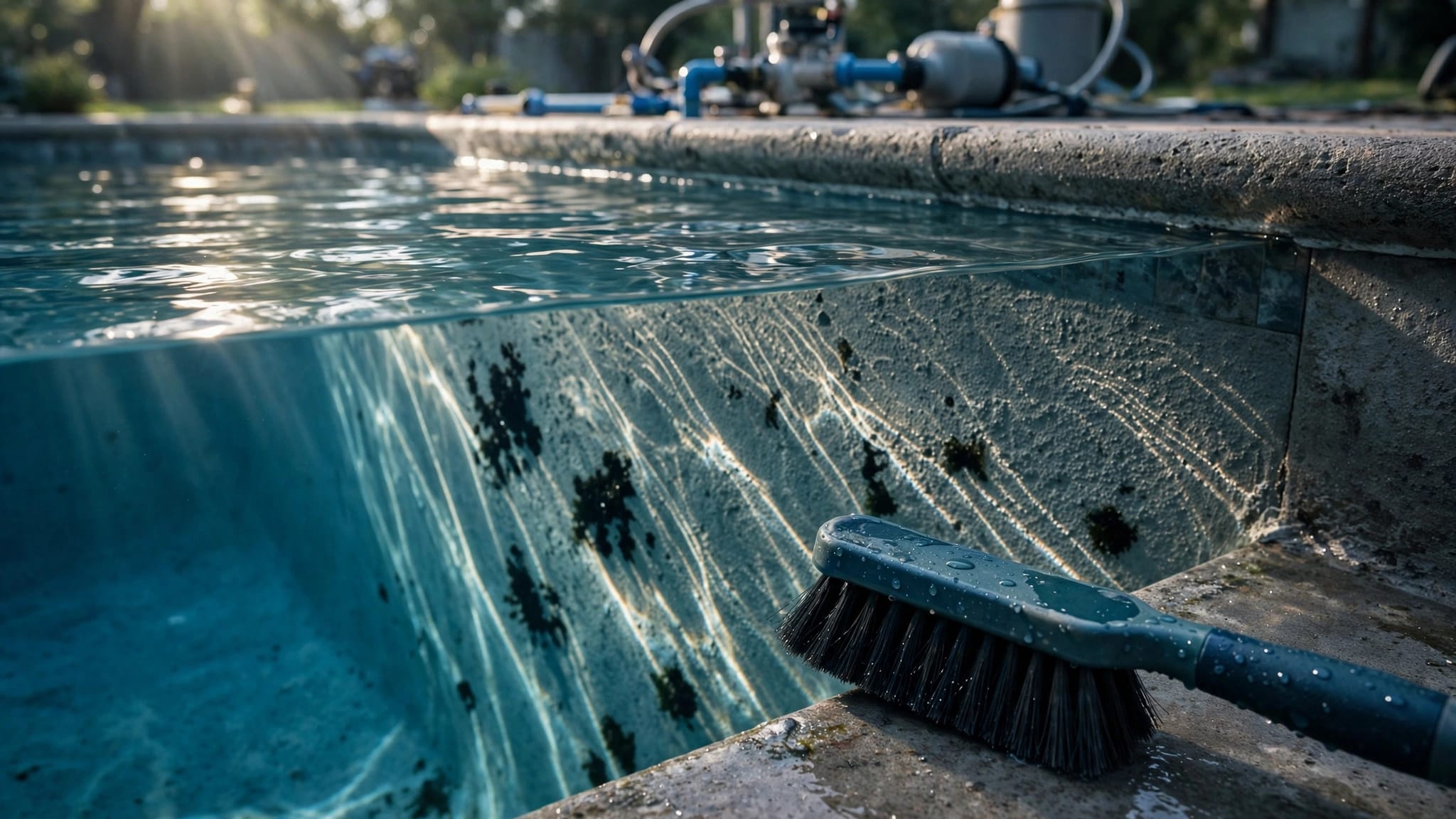
A full internal cleaning may be needed when the filter remains dirty after backwashing, when pressure rises quickly, or when the pool has experienced algae or heavy contamination. During that service, inspect the grids, manifold, clamps, tank o-ring, pressure gauge, and air relief assembly.
Used DE media must be handled and disposed of according to applicable local requirements. Don't assume it belongs in a storm drain, on the ground, or in household trash. Before disposing of spent powder or backwash material, check current guidance from the City of Cape Coral, Lee County, your waste provider, or a qualified pool professional.
Water use also deserves attention. Backwashing sends pool water and DE residue to waste, so frequent cleaning can lower the water level and increase refill needs. That matters during dry periods, after repeated storms, or when your property has drainage restrictions.
For repair decisions, this pool filter and equipment assessment covers common issues such as worn o-rings, bad pressure gauges, damaged internals, and filter replacement. A small part may solve the problem, but a cracked tank or recurring internal failure can justify a new unit.
DE vs. cartridge and sand filters
Each filter type has a different maintenance pattern and filter operation. Comparing the choices on your actual property is more useful than labeling one option the best.
| Filter type | Main advantage | Main drawback | Good fit for |
|---|---|---|---|
| DE | Very fine particle filtration | More maintenance and media handling | Owners focused on maximum clarity |
| Cartridge | No routine backwashing and lower water waste | Requires removing and rinsing the cartridge | Homes where simple cleaning matters |
| Sand | Familiar operation and easy backwashing | Usually less fine filtration than DE | Owners who prefer a straightforward system |
DE filters make sense when your priority is polished-looking water and you can follow the cleaning process carefully. They are also worth discussing for larger custom pools, pools surrounded by landscaping, or properties where fine dust becomes a regular problem.
Cartridge filters often suit homeowners who want to avoid backwashing. They conserve the water that would otherwise go to waste, and they can be practical for a screened pool with moderate debris. The tradeoff is physical cleaning. You must remove the filter cartridges, rinse between pleats, and allow them to dry or rotate a spare when deep cleaning.
Sand filters are familiar and easy to operate. A standard sand filter backwashes simply, but it uses water and may not remove fine particles as effectively as DE. Sometimes a simpler sand setup is used for an above ground pool, while heavier residential installs rely on DE. Owners comparing those two options can review this cartridge vs. sand pool filters comparison before selecting equipment.
Filter size matters as much as filter type. A larger filter can often run at a lower pressure and may require less frequent cleaning. Your pool volume, pump flow, plumbing size, water features, heater, spa combination, and available equipment-pad space all affect the selection.
During a new pool installation or renovation, plan the entire equipment system together. Changing the filter later can require plumbing changes, new valves, or a different equipment-pad layout.
When a DE filter is worth the added cost
The purchase price is only one part of the decision. DE equipment can cost more than a basic sand system, and installation costs depend on the filter size, plumbing, valves, pump, pad layout, and labor. Replacement grids, o-rings, a faulty pressure gauge, and DE powder add to ownership costs over time.
The added expense may be reasonable if you value fine filtration and don't mind regular maintenance. It may also make sense when the pool gets heavy use, the surrounding yard produces fine debris, or water clarity is a major concern.
A DE filter may be a poor fit when the pool sits unattended for long periods, the homeowner wants the fewest maintenance steps, or water waste is a concern. Rental properties and second homes often need a system that tolerates less frequent hands-on care. In those cases, a cartridge filter may reduce the number of tasks between service visits.
Your enclosure and landscaping plan also matter. A dense screen enclosure, low-debris yard, and well-designed circulation system may not need the finest available filtration. A waterfront property, open yard, or pool surrounded by palms and landscaping may place more debris in the water.
Before choosing, ask for a system review that includes:
- Filter size and manufacturer cleaning instructions
- Pump flow rate and expected daily runtime
- Backwash routing and water disposal plan
- Availability and cost of replacement grids or cartridges
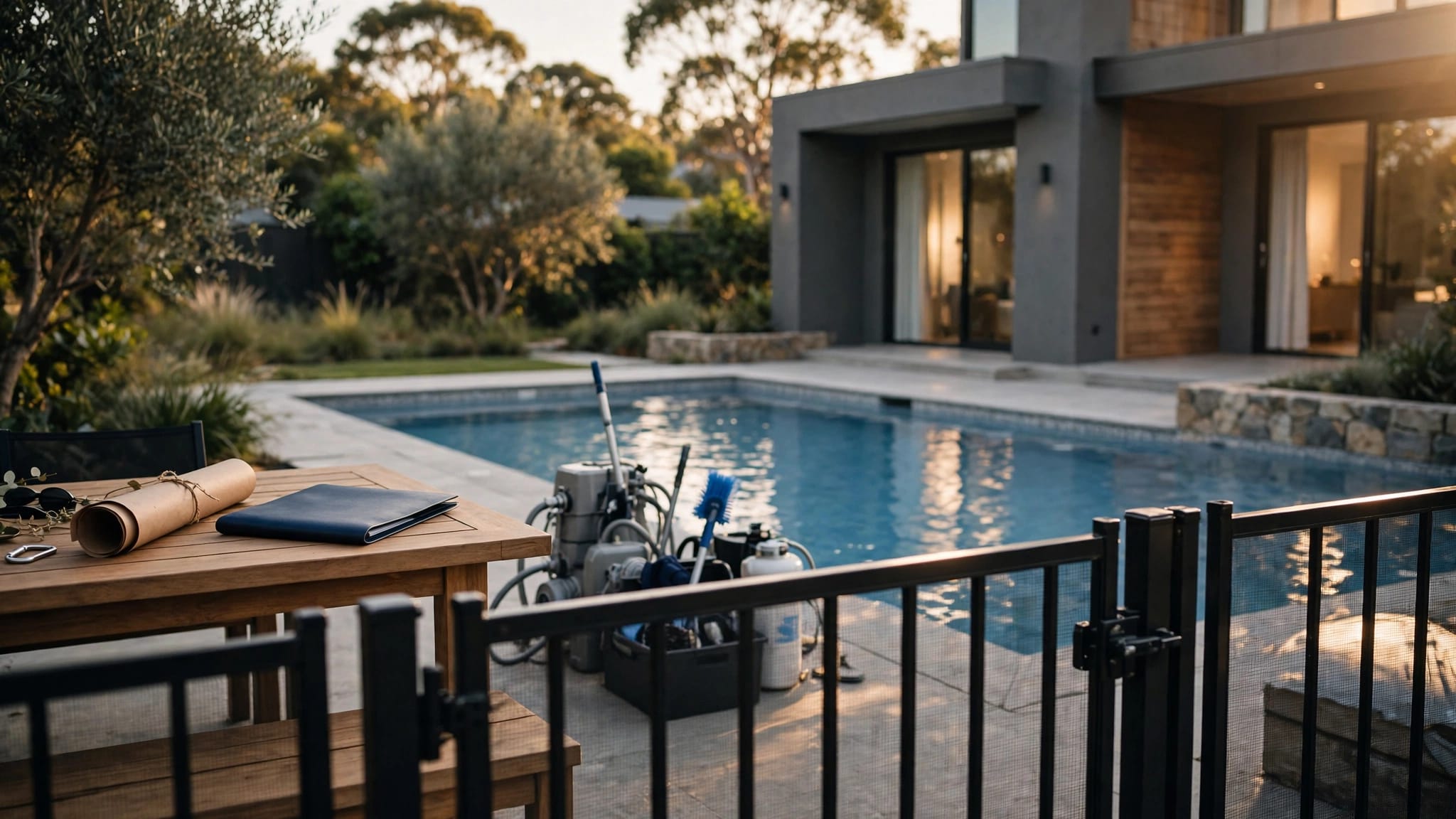
- Equipment-pad space for future service
- Compatibility with a heater, salt system, spa, or water features
For a Cape Coral homeowner planning a pool installation, resurfacing project, or equipment update, a site-specific estimate is more useful than a generic price comparison. You can Get a Free Estimate to discuss the pool, equipment area, screen enclosure, and maintenance priorities before work begins.
Frequently Asked Questions
How often do I need to add DE powder to my pool filter?
Whenever you backwash or perform a deep cleaning on your DE filter, you must add fresh DE powder to recoat the internal grids. Skipping this step or guessing the amount can significantly reduce your filtration efficiency and potentially damage your equipment.
Can I dispose of used DE powder in my yard or storm drain?
No, used DE media must be handled and disposed of according to local environmental regulations. You should never dump spent powder into storm drains, on the ground, or into household trash without checking current guidance from the City of Cape Coral or your waste provider.
Are DE filters better than cartridge filters for Cape Coral screened pools?
DE filters provide superior fine filtration for microscopic dust and pollen that still make it through screen enclosures. However, cartridge filters require less hands-on maintenance and do not waste water during backwashing, making them better for homeowners looking for a simpler routine.
Conclusion
DE pool filters are worth considering for Cape Coral pools when crystal-clear pool water matters and you can keep up with cleaning, powder replacement, pressure checks, and proper disposal. They aren't the right answer for every backyard.
Choose DE when its filtration performance justifies the added maintenance. Choose cartridge or sand when lower water use, simpler cleaning, or easier pool maintenance carries more weight. A properly sized system, supported by sound circulation and regular chemical care, will matter more than the filter label alone.