Imagine lounging by your pool without swatting mosquitoes or chasing leaves. In Cape Coral, Florida's humid climate turns backyards into battlegrounds against bugs and debris. Pool screen enclosures in Cape Coral solve these issues fast.
Homeowners here deal with salt air, sudden storms, and endless sun. These enclosures create a bug-free zone that lets you use your pool year-round. They cut cleaning time and boost safety too.
Ready to see how they work for your home? Let's break down the top benefits first.
Why Pool Screen Enclosures Boost Your Cape Coral Backyard
Cape Coral pools face constant challenges. Palm fronds drop daily. No-see-ums invade at dusk. A screen enclosure blocks all that out.
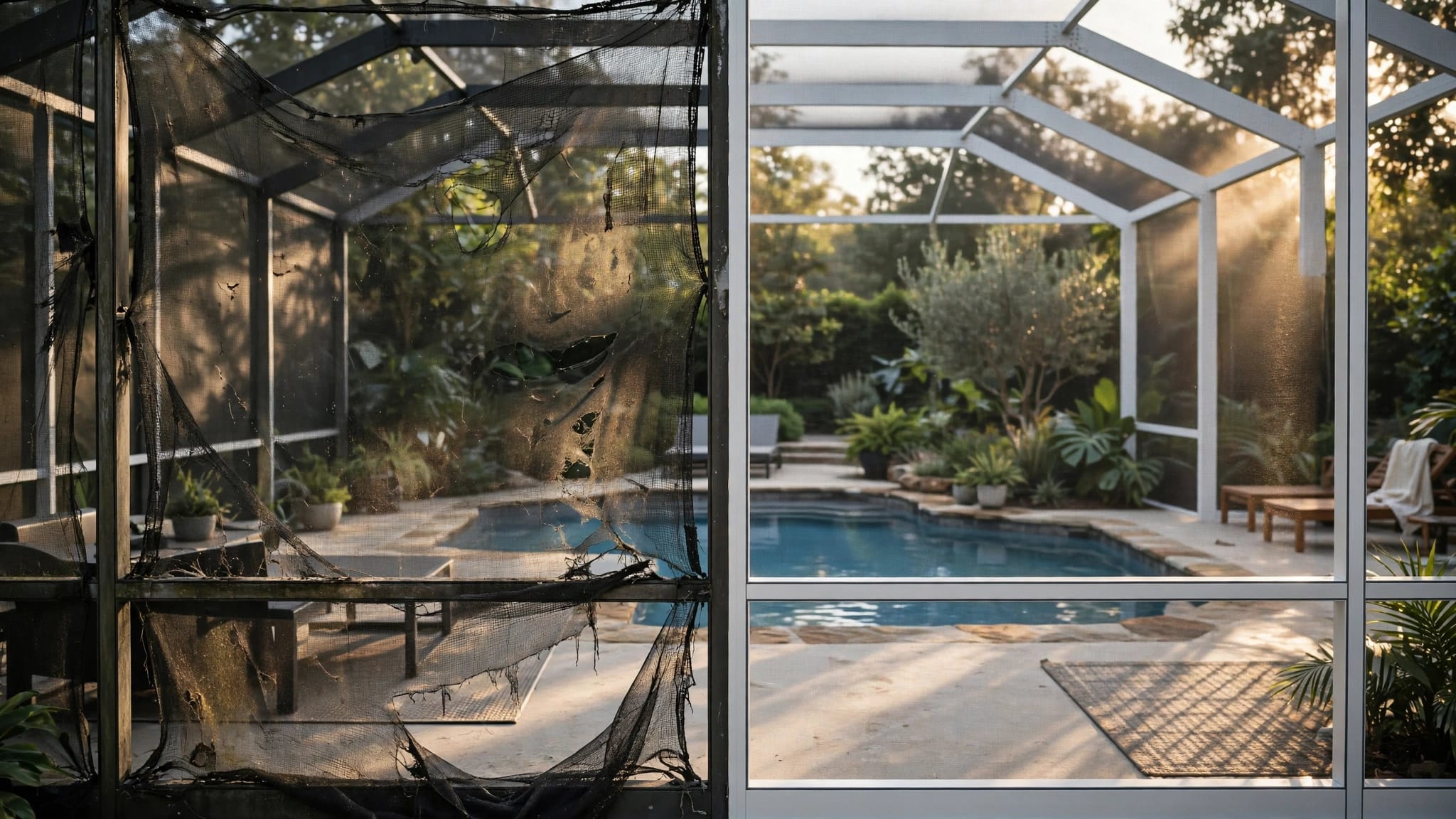
You gain instant bug protection. Fine mesh keeps out mosquitoes, gnats, and sand fleas common in coastal areas. Families relax without repellents or screens.
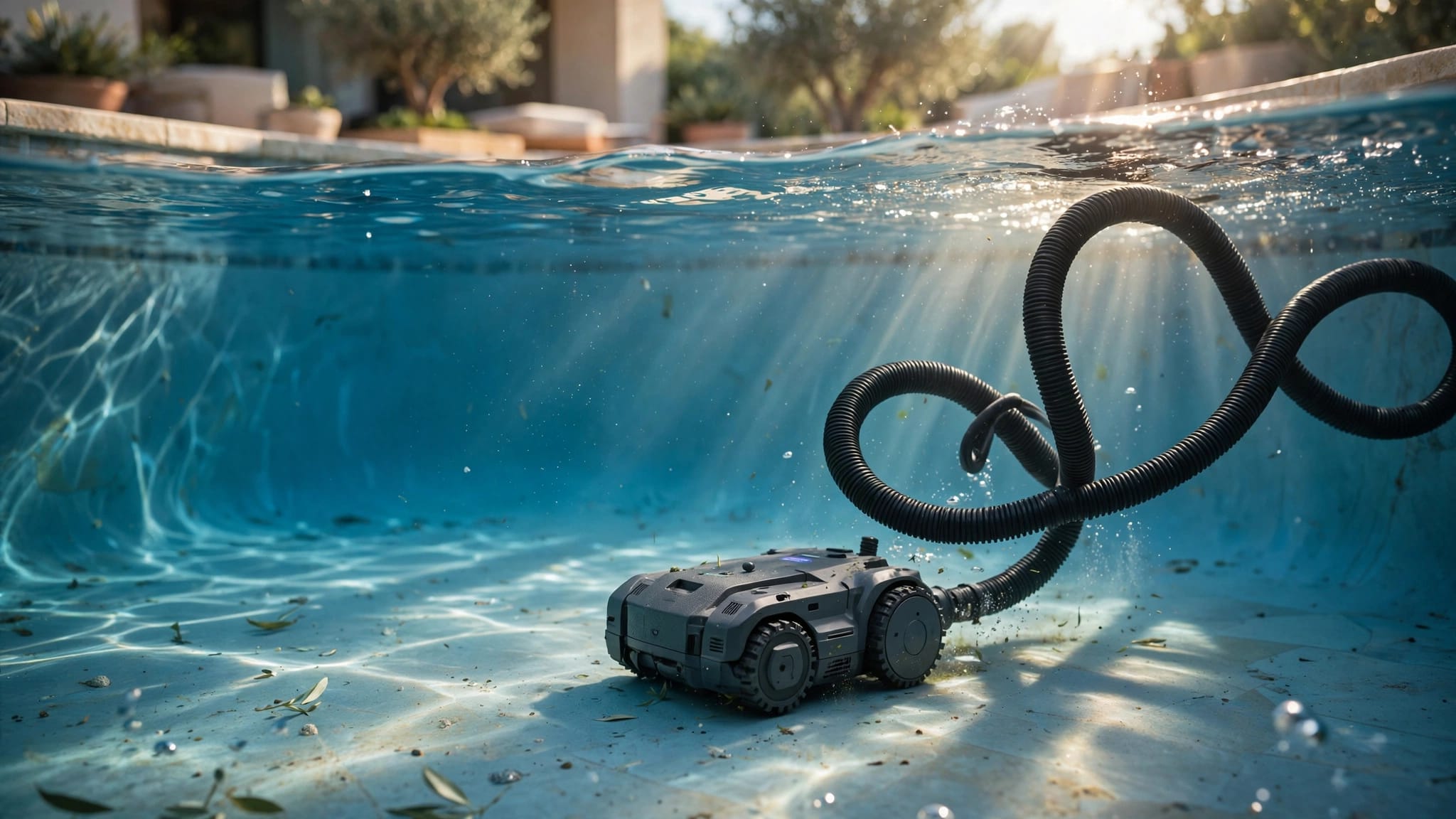
Debris stays outside too. Leaves, twigs, and pollen can't enter. Cleaning drops by hours each week. Your pool water stays clearer longer.
Shade comes next. Screens filter harsh UV rays. Skin stays safer during long afternoons. Furniture lasts longer without fading.
Safety improves for kids and pets. Enclosures act as barriers. No accidental falls in. Privacy shields you from neighbors' views.
Extended living space results. Grill, entertain, or read in comfort. Rain passes overhead while you stay dry. These perks add real value to your home.
Local storms test everything. Enclosures hold up better than open patios. They reduce wind damage inside the space.
One Cape Coral family shared how theirs turned evening swims worry-free. Bugs vanished. Debris piled up outside only. Simple changes like this make big differences.
In short, these enclosures pay off quick. Less maintenance means more fun.
Popular Types of Pool Screen Enclosures for Local Homes
Cape Coral offers styles that fit any yard. Pick based on your space and needs.
Panoramic screens wrap fully around the pool. They use tall panels for wide views. Perfect for open lots. You see palms sway without leaves falling in.
Mansard designs add roofs with sloped edges. They blend home architecture smoothly. Extra height handles big trees nearby. Rain sheds off easy.
Dome styles curve overhead. Strength shines in wind gusts. Modern look suits contemporary houses. Inside feels airy yet protected.
Custom lanai or pool cage setups shine most. Tailor size and shape. Add doors, vents, or gates. Match your patio flow.
For example, a panoramic enclosure might suit a corner pool. A dome works over irregular shapes.
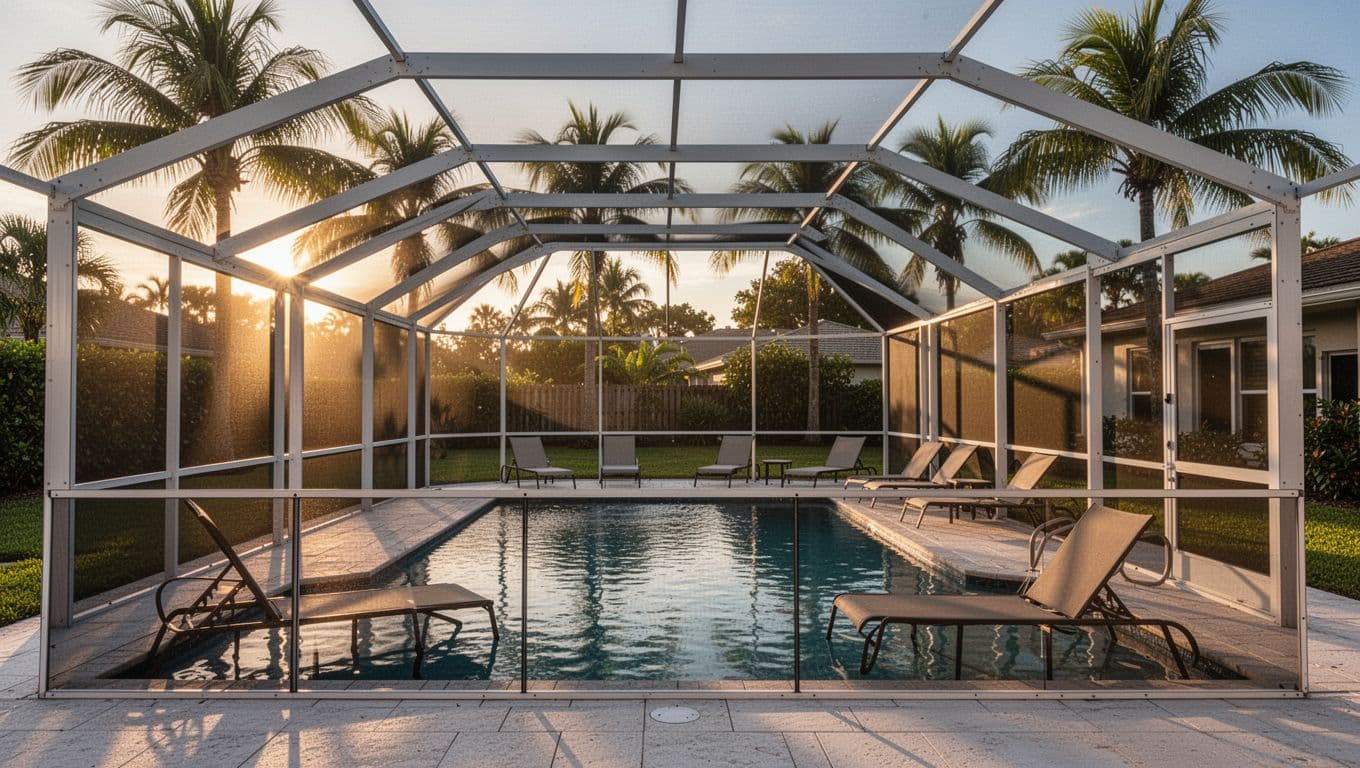
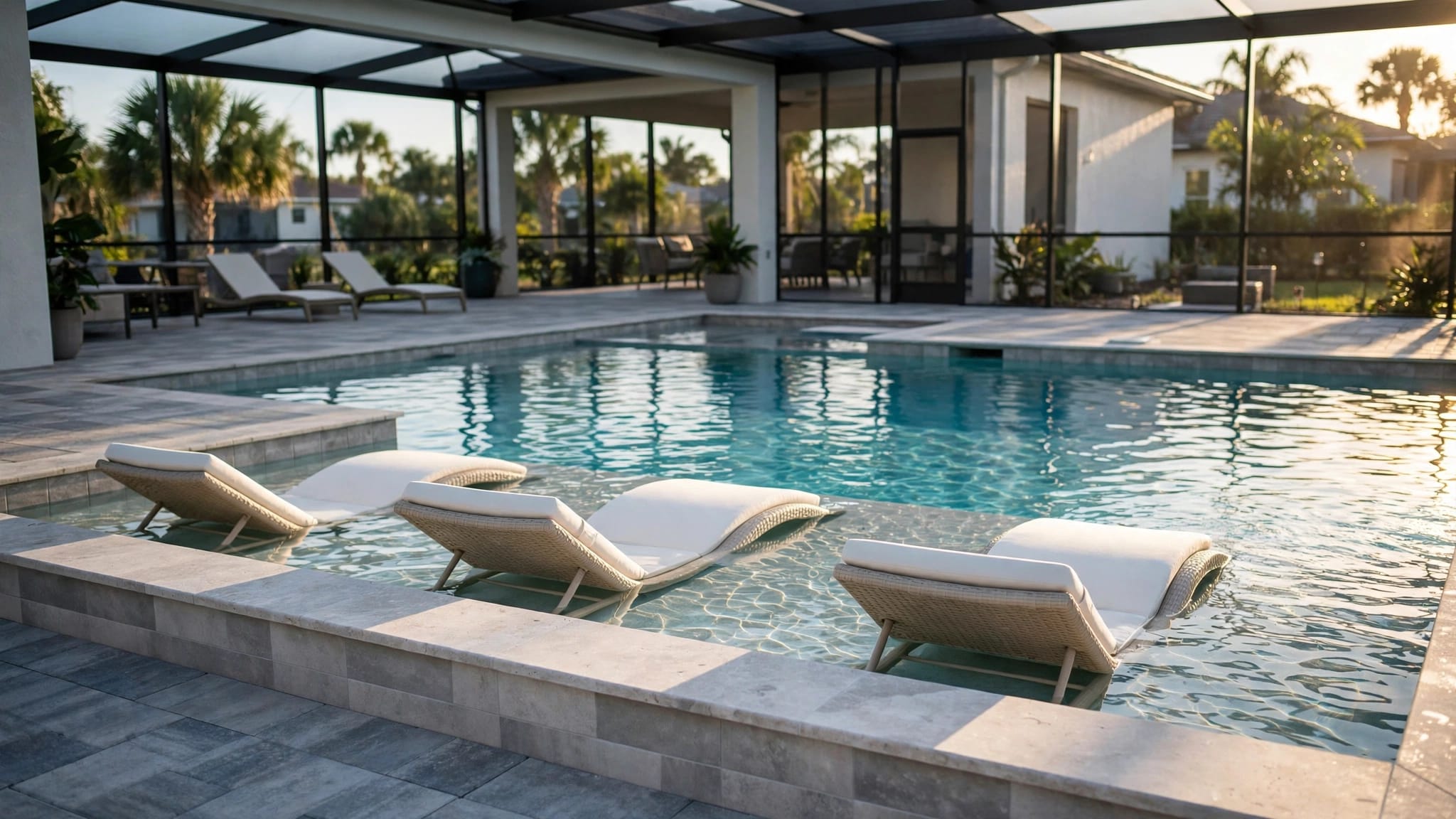
This setup shows a typical screen enclosures and rescreens option for Cape Coral homes. Lounge chairs stay shaded and clean.
Each type extends usability. Consult pros to match your lot.
Key Materials and Features That Last in Coastal Conditions
Durability matters most here. Salt air corrodes fast. Choose right materials from the start.
Aluminum framing leads. Powder-coated versions resist rust. Frames bend, not break, in storms.
Screen mesh varies. Standard 18x14 blocks leaves and bugs. No-see-um 20x20 stops tiny pests. Super screen, like 17x20, takes 40% more abuse from kids or pets.
Corrosion resistance builds in. Galvanized parts fight humidity. UV coatings prevent yellowing.
Storm prep includes anchors. Deep footings hold against 100 mph winds. Florida codes demand this.
Features like Florida Glass add lower panels. They stop grass without blocking light.
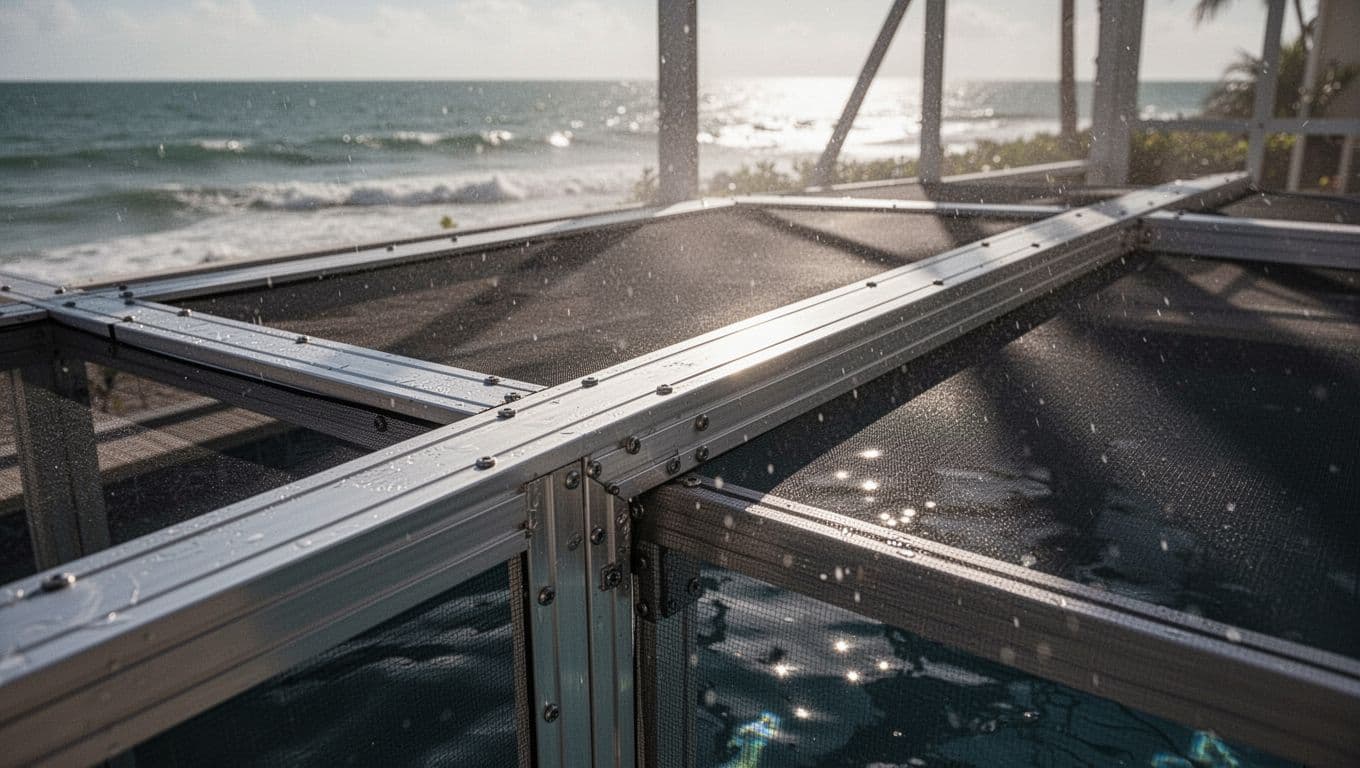
Focus on materials like these ensures your enclosure stands tough.
Mesh choices balance airflow and protection. Tighter weaves cut bugs but allow breeze.
Important Factors Before Installing in Cape Coral
Budget plays a role. Costs depend on size and style. Basic cages start lower. Custom adds up but lasts.
Permits come next. Lee County rules fit coastal builds. Pros handle paperwork.
Site checks spot issues. Trees overhang? Soil soft? Adjust plans early.
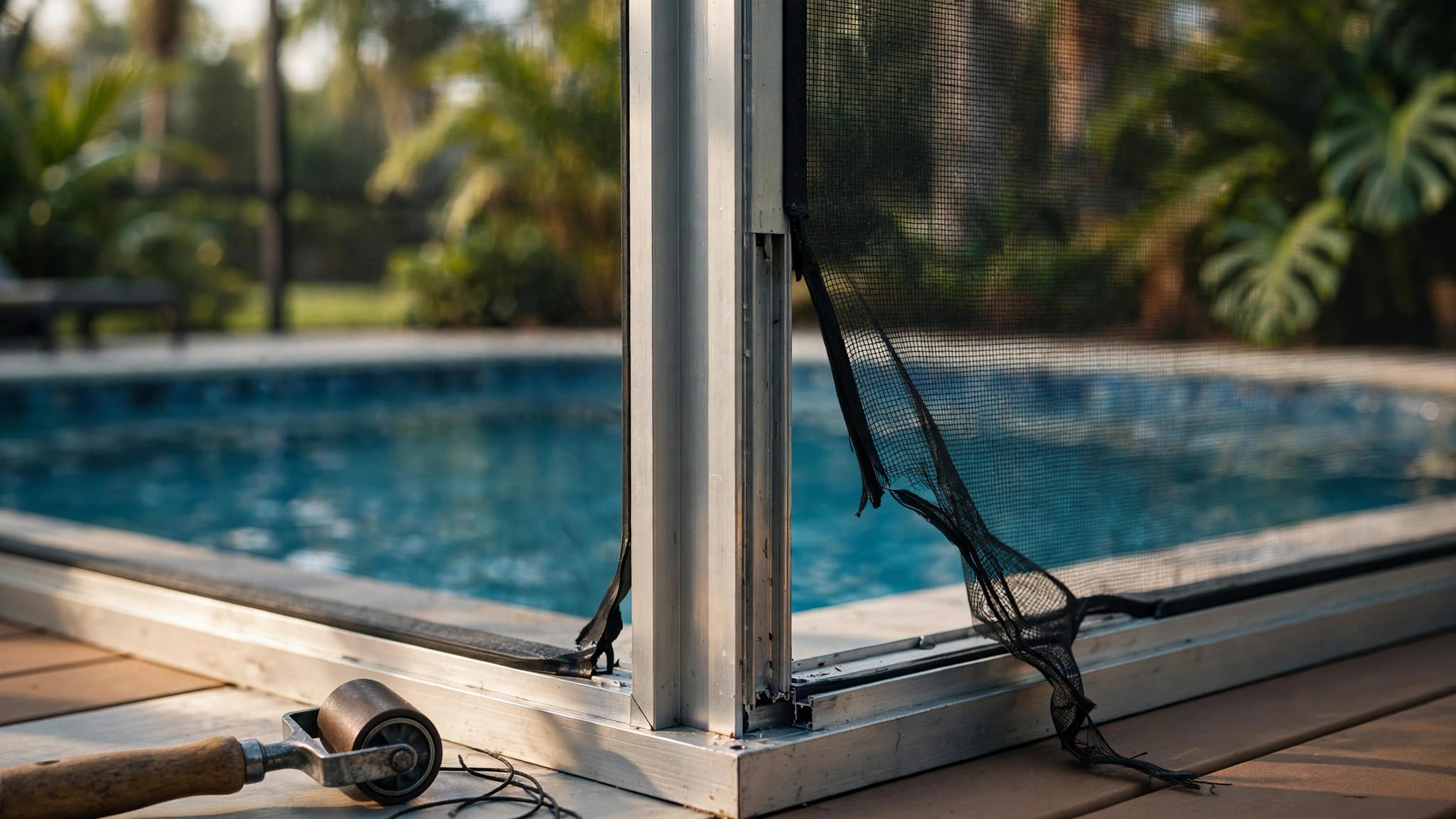
Maintenance stays light. Hose screens yearly. Check frames after storms.
Hire locals who know winds and codes. They spot salt damage first.
Get a Free Estimate today for your yard.
Pool screen enclosures transform Cape Coral living. They cut bugs, debris, and hassle while adding safety and space. Pick the right type and materials for your needs.
Your backyard waits. Why not enjoy it fully? Contact experts now and start planning.