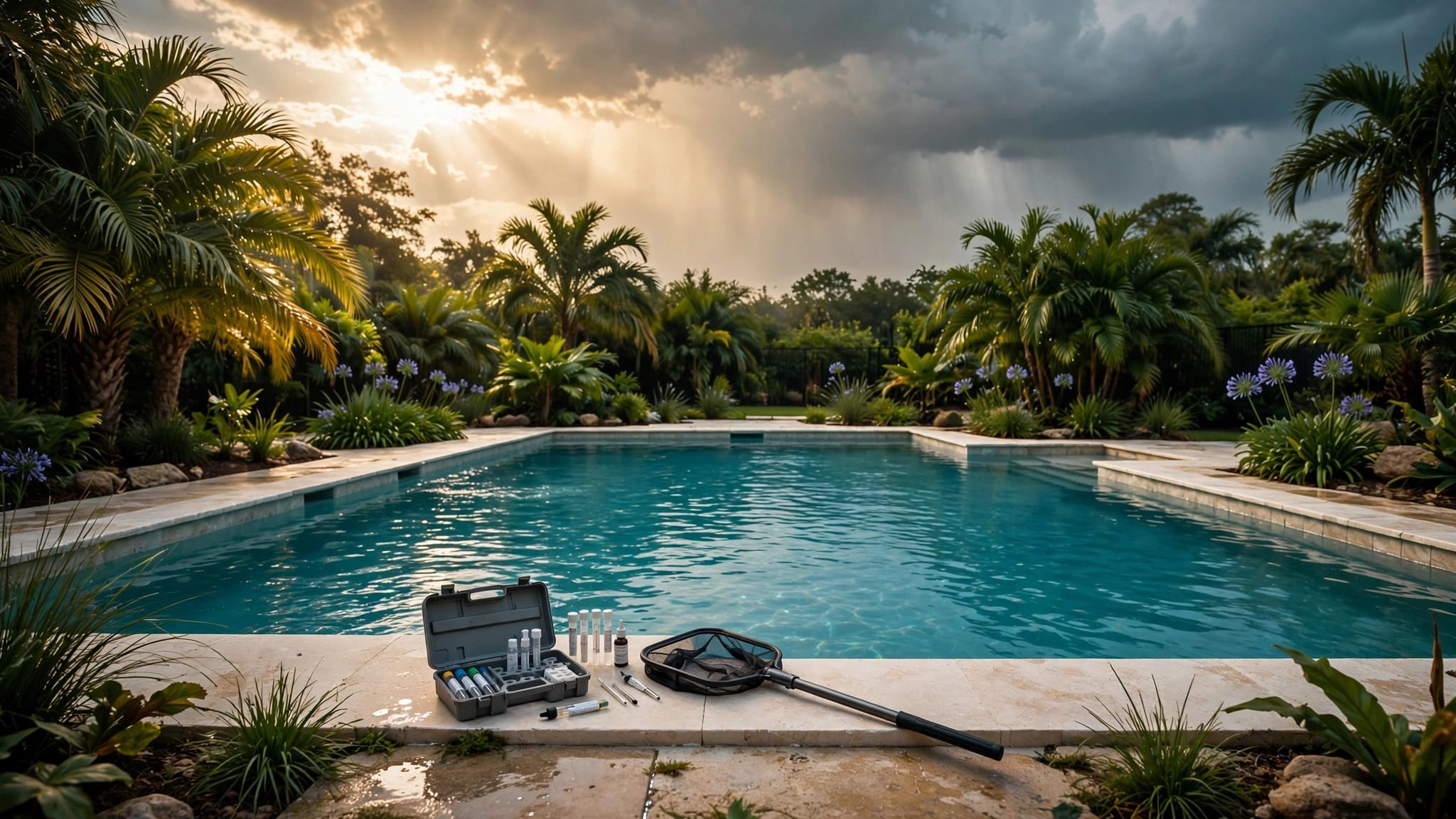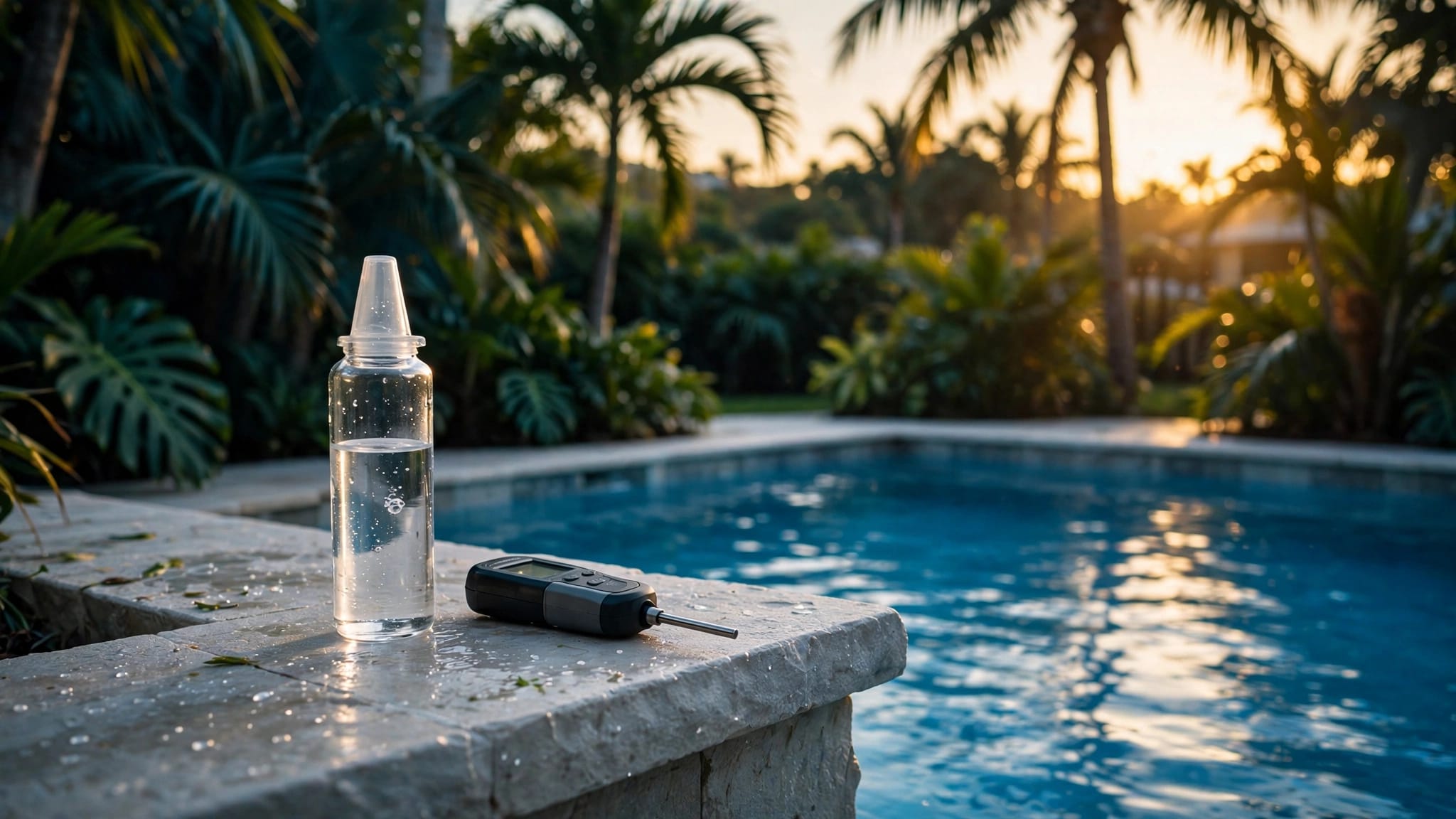
You're staring at your Cape Coral backyard, dreaming of a pool that fits endless sunny days. But which sanitizer suits best: saltwater or chlorine? Both keep water safe, yet local heat, rain, and salt air change the game.
Cape Coral homeowners face year-round swims, so pick a system that handles intense sun and storms without constant tweaks. Saltwater promises softer water; chlorine offers proven punch. Let's break it down to help you decide.
How Saltwater Pools Differ from Chlorine Ones
Saltwater pools use a chlorine generator to turn salt into sanitizer. You add salt once, then the unit does the work. This setup shines in Cape Coral's warm climate.
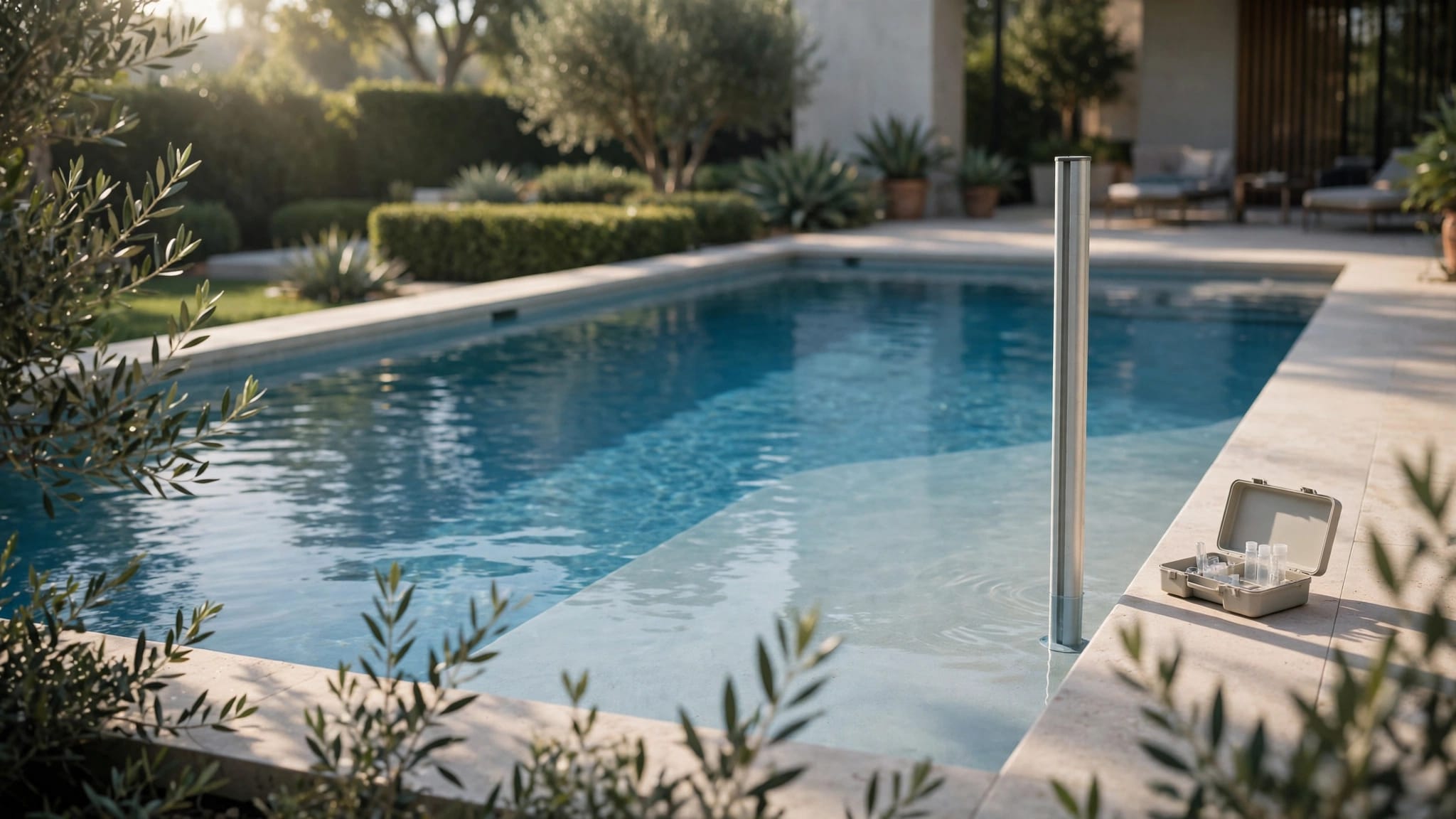
Intense sun burns off chlorine fast. Saltwater systems adjust automatically, keeping levels steady at 1 to 3 ppm. Frequent rain dilutes chemicals less often because generation continues.
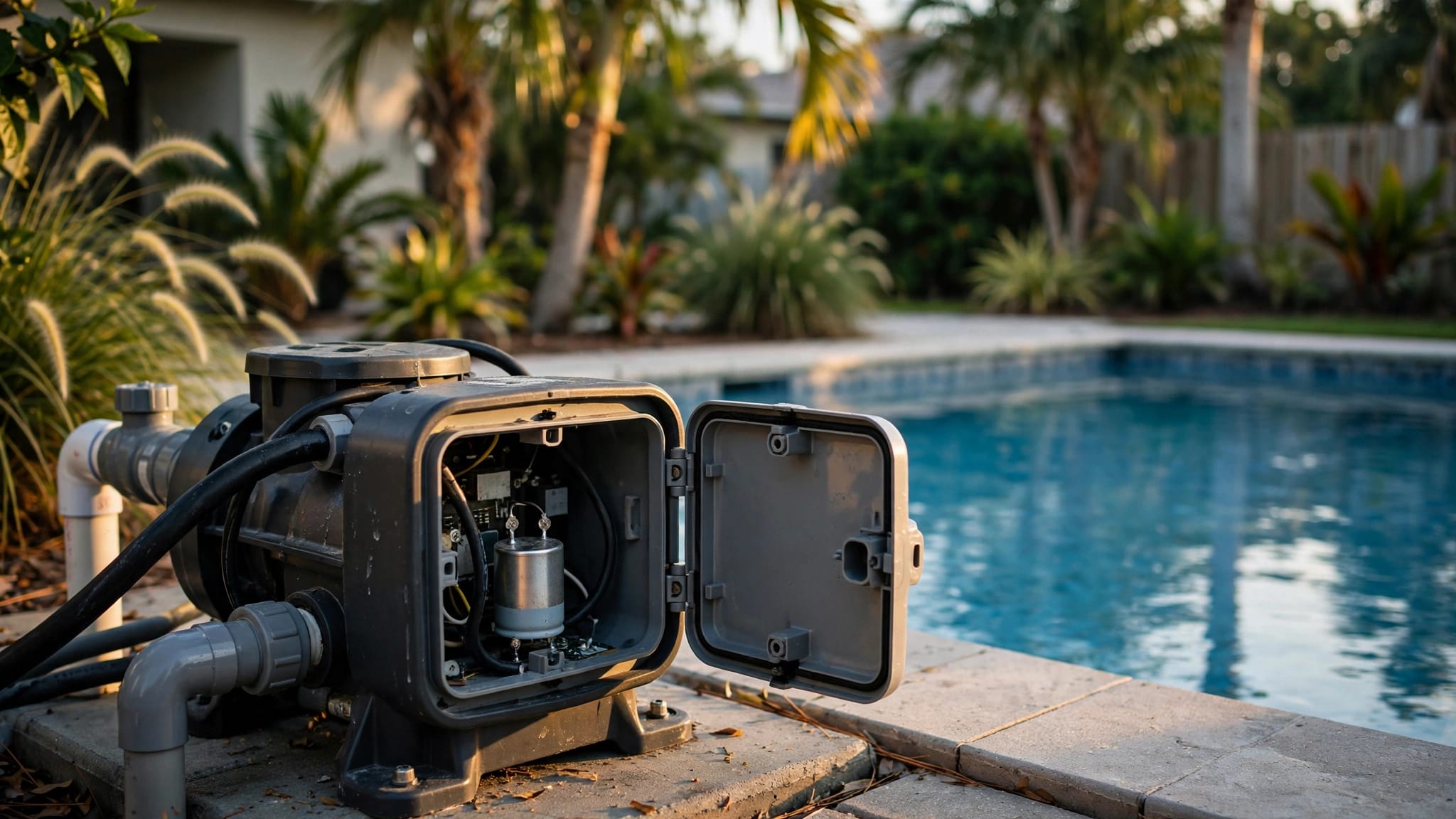
Coastal air adds salt naturally, but controlled levels prevent extra corrosion. Equipment like pumps lasts longer with gentler chemistry. Still, clean the cell every few months to avoid buildup.
Many think saltwater means no chlorine. That's wrong; it just makes chlorine on-site. Skin feels softer, eyes sting less. For new builds or conversions, locals love this for low-touch care.
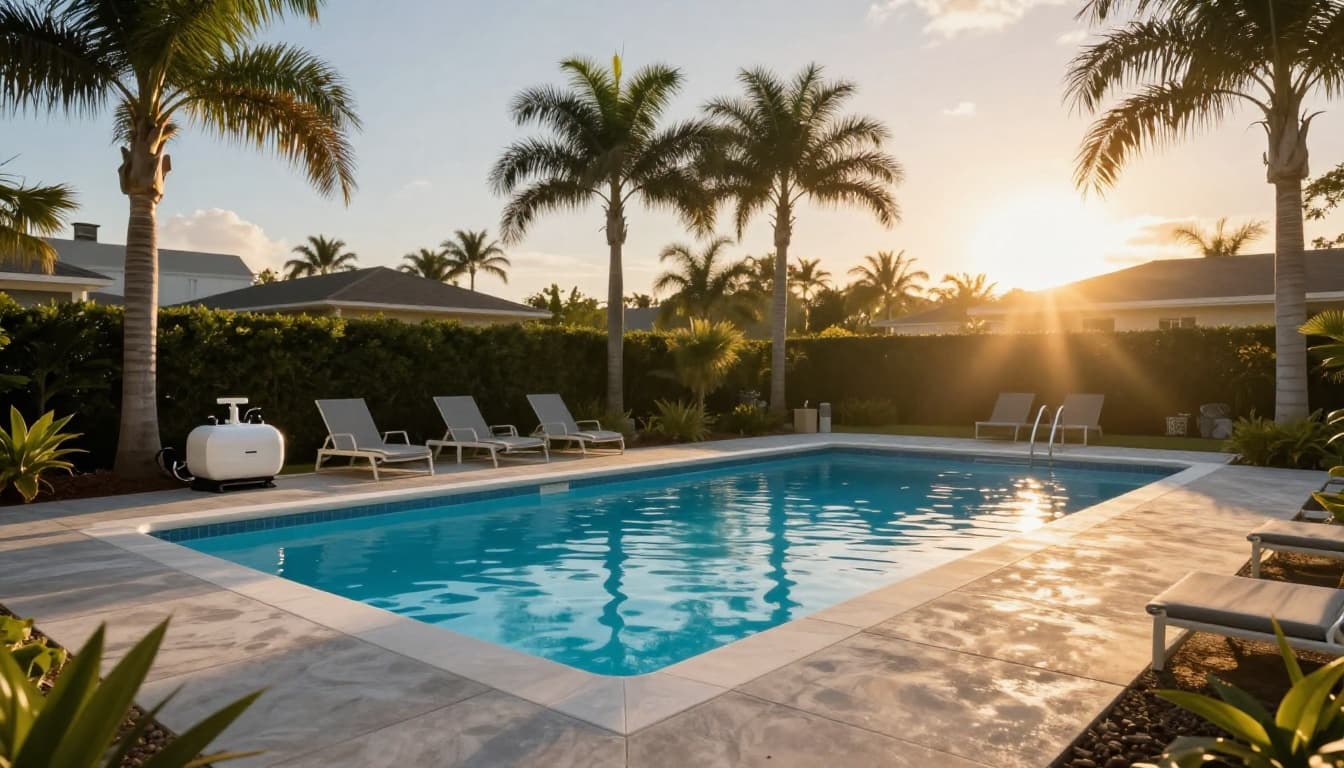
Palm trees sway nearby, yet the generator hums quietly. This matches Cape Coral backyards perfectly.
Chlorine Pool Maintenance in Southwest Florida
Traditional chlorine pools rely on tablets, liquid, or pucks you add manually. They work well, but demand attention in our humid setup.
Warm temps speed algae growth. Sun zaps sanitizer, so test daily and dose often. Rain flushes chemicals, spiking your tabs budget. Coastal salt air rusts gear faster if not sealed right.
Pumps and filters endure, but high chlorine erodes liners over time. Year-round use means scrubbing walls weekly. It's straightforward for handy owners, yet time-consuming.
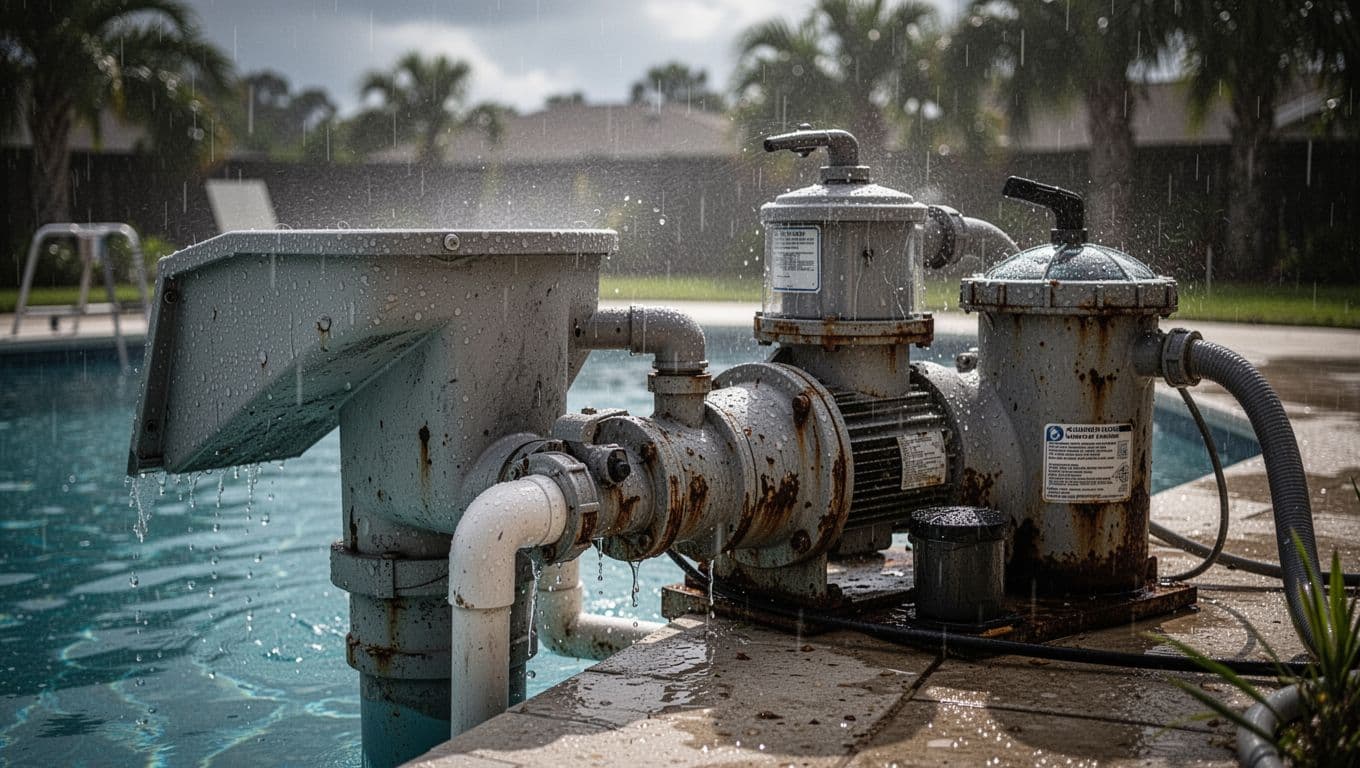
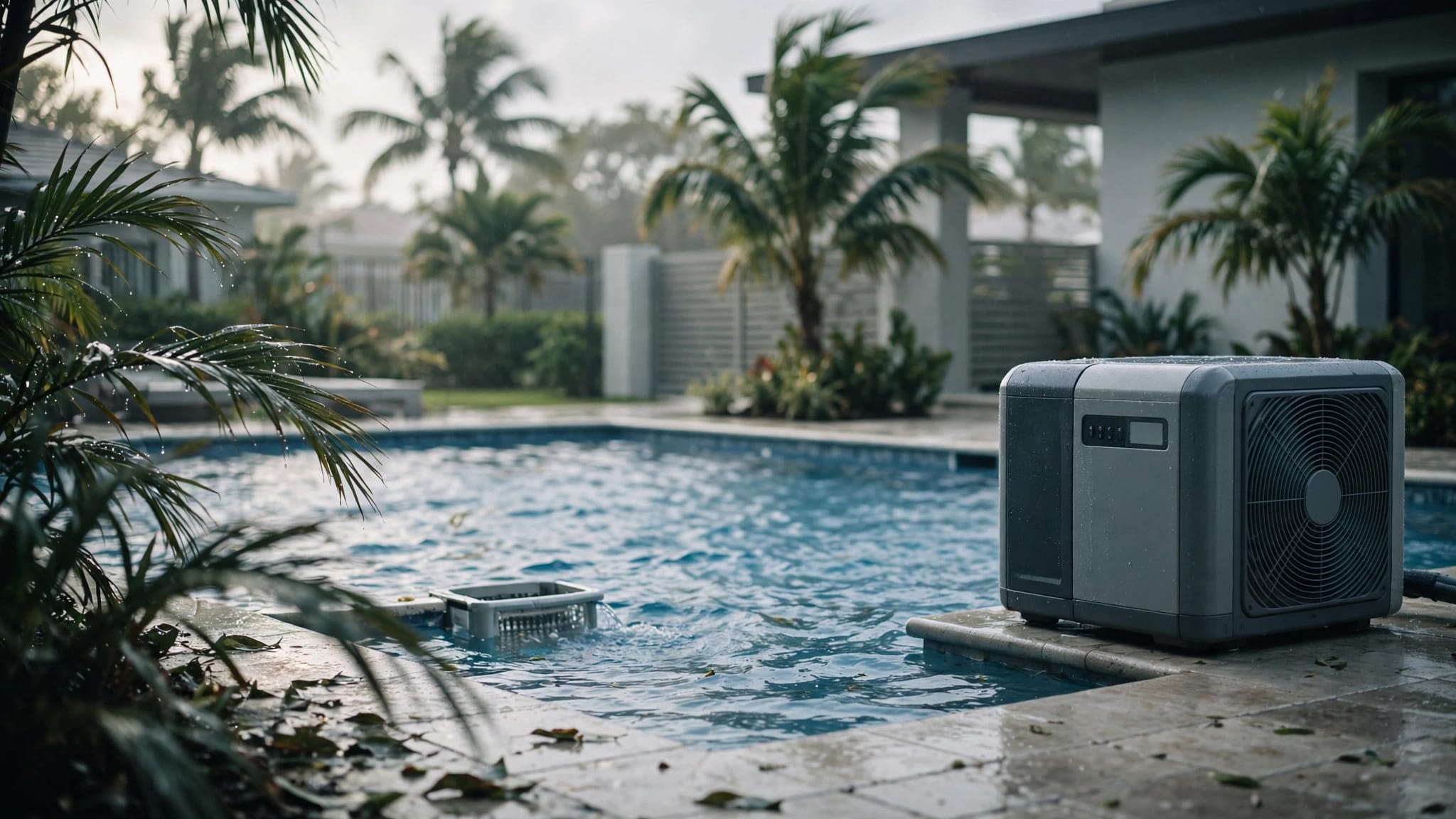
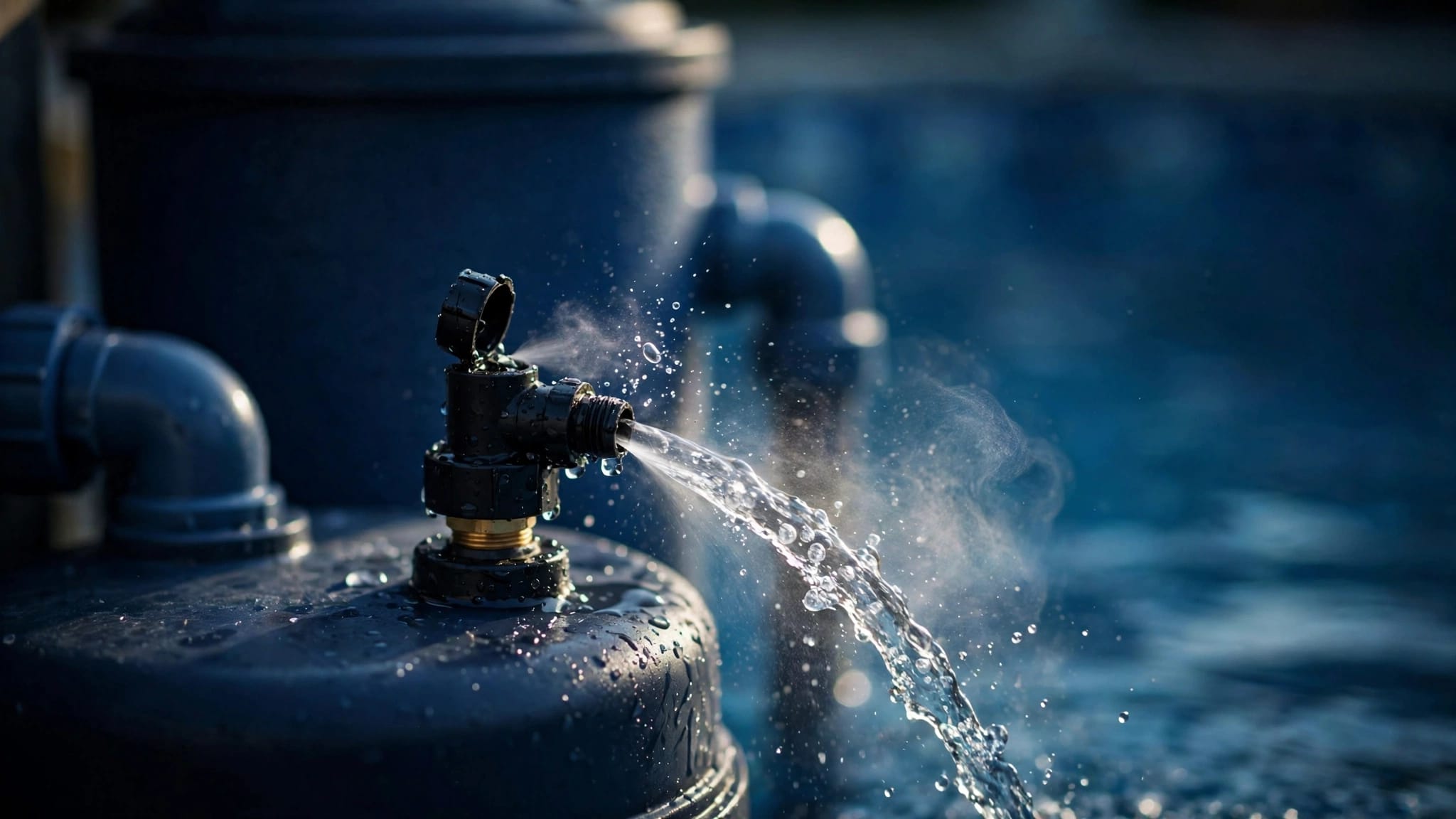
Rain beads on the chlorinator. Local storms test every part.
Both systems need covers for debris, but chlorine fights Florida's bugs and pollen harder. Balance pH tightly, or swims turn cloudy.
Saltwater vs Chlorine Pools: Pros and Cons Exposed
Saltwater wins on comfort. Water feels silky; no strong smell. Maintenance drops because automation handles peaks from heat or rain. However, cells cost $200 to $600 every three to five years.
Chlorine reacts fast to outbreaks. It's cheaper upfront, with familiar supplies at stores. Drawback: harsh on skin during long soaks, plus odor clings to suits.
In Cape Coral, saltwater edges out for families swimming daily. Chlorine suits low-use pools or budgets tight on installs. Misconception: saltwater corrodes everything. Proper grounding fixes that.
Screen enclosures help both by cutting leaves and bugs. Check durable screen enclosures for Cape Coral pools to pair with your choice.
Cost Breakdown: Saltwater vs Chlorine
Upfront, chlorine pools start lower. A new one averages $23,000 in Florida; saltwater adds $500 to $2,500 for the generator.
Conversions flip this. Switch an existing chlorine pool to saltwater for $500 to $2,500. New gunite pools run $50,000 plus; factor sanitizer early. See gunite pool costs in Cape Coral for details.
Ongoing saves favor saltwater. Annual chemicals: $300 to $800 for chlorine, $50 to $100 for salt. Hot summers hike chlorine needs.
Here's a quick view:
| Aspect | Saltwater | Chlorine |
|---|---|---|
| New Install Add-On | $500–$2,500 | None |
| Annual Maintenance | $50–$100 + cell | $300–$800 |
| Cell/Liner Replace | Every 3–5 years | Liners every 7–10 |
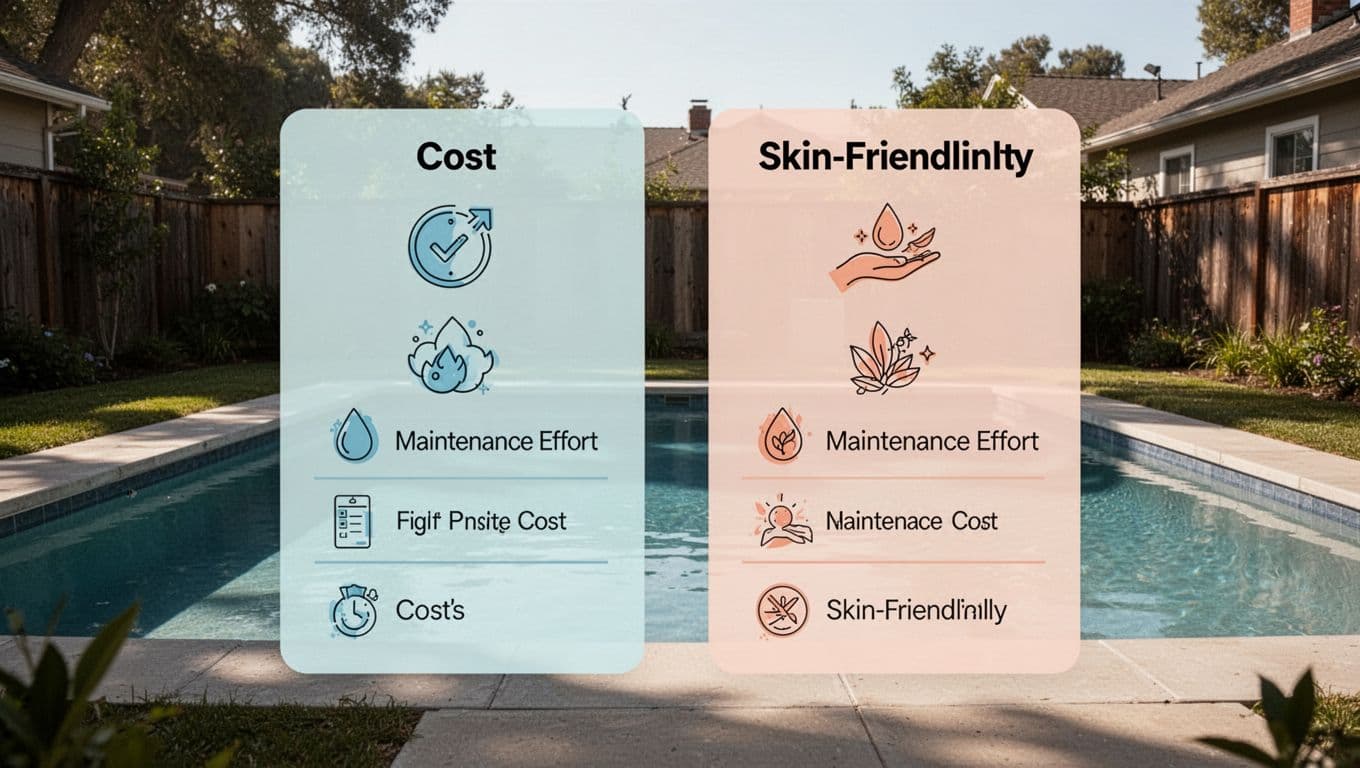
Icons highlight the trade-offs clearly.
Saltwater pays back in five years through less buying and testing.
Southwest Florida's Unique Challenges
Cape Coral's sun demands steady sanitizer. Saltwater generators ramp up output seamlessly. Chlorine owners chase balance after storms.
Frequent rain means top-offs weekly. Coastal air accelerates wear; use marine-grade parts. Both benefit from pool renovations Cape Coral for updates.
Trends show saltwater rising here. Homeowners switch for ease amid year-round dips.
Make the Right Call for Your Pool
Saltwater suits Cape Coral's demands with softer care and steady performance. Chlorine holds strong for simple, budget setups. Weigh your swims, budget, and time.
Match it to your home's needs, whether new inground gunite pool construction Cape Coral or refresh. Get a Free Estimate today. What's your pick?