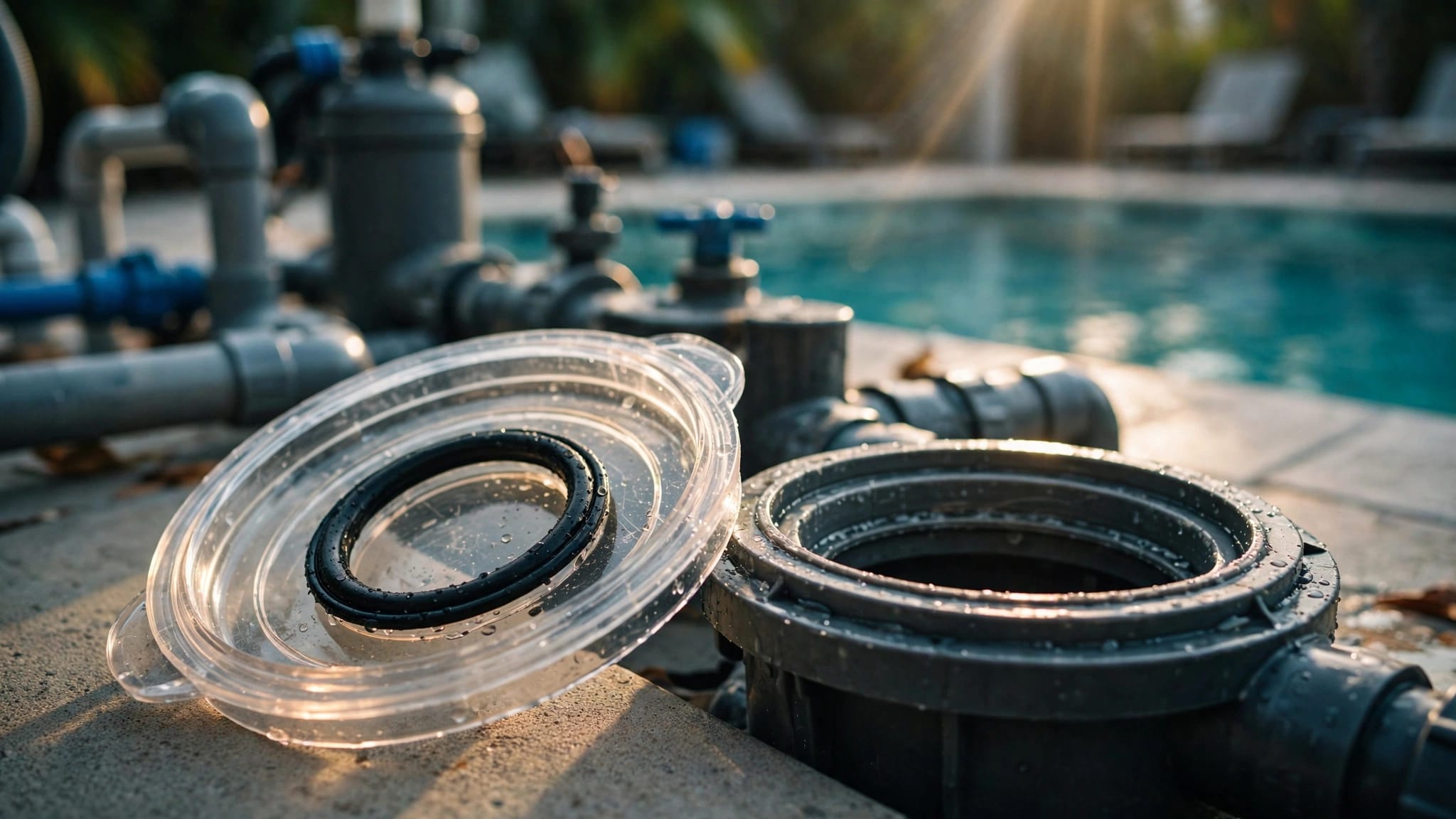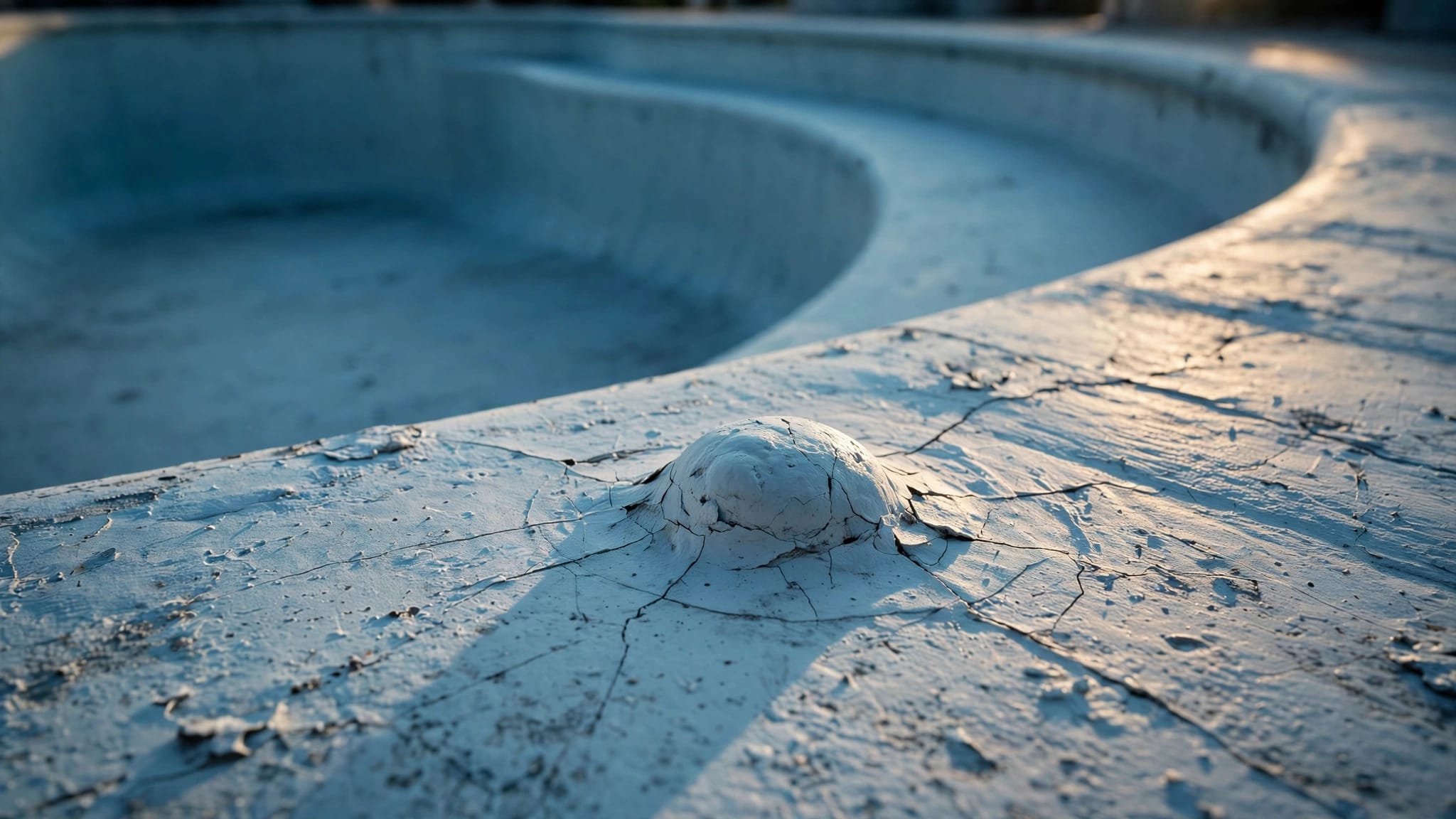
Yes, pool tile can often be replaced without resurfacing the entire pool. If the damage is limited to a few tiles and the surrounding finish and underlying surface are sound, a localized repair may be all you need.
The right approach depends on what caused the tile to loosen or crack. A closer look at the tile line and nearby pool surface can help distinguish a small repair from a larger problem.
When Pool Tile Replacement Can Be a Local Repair
A cracked or missing waterline tile doesn't automatically mean the plaster, quartz, or pebble finish needs replacing. The waterline tile and the interior finish are separate parts of the pool, even though they meet along the wall.
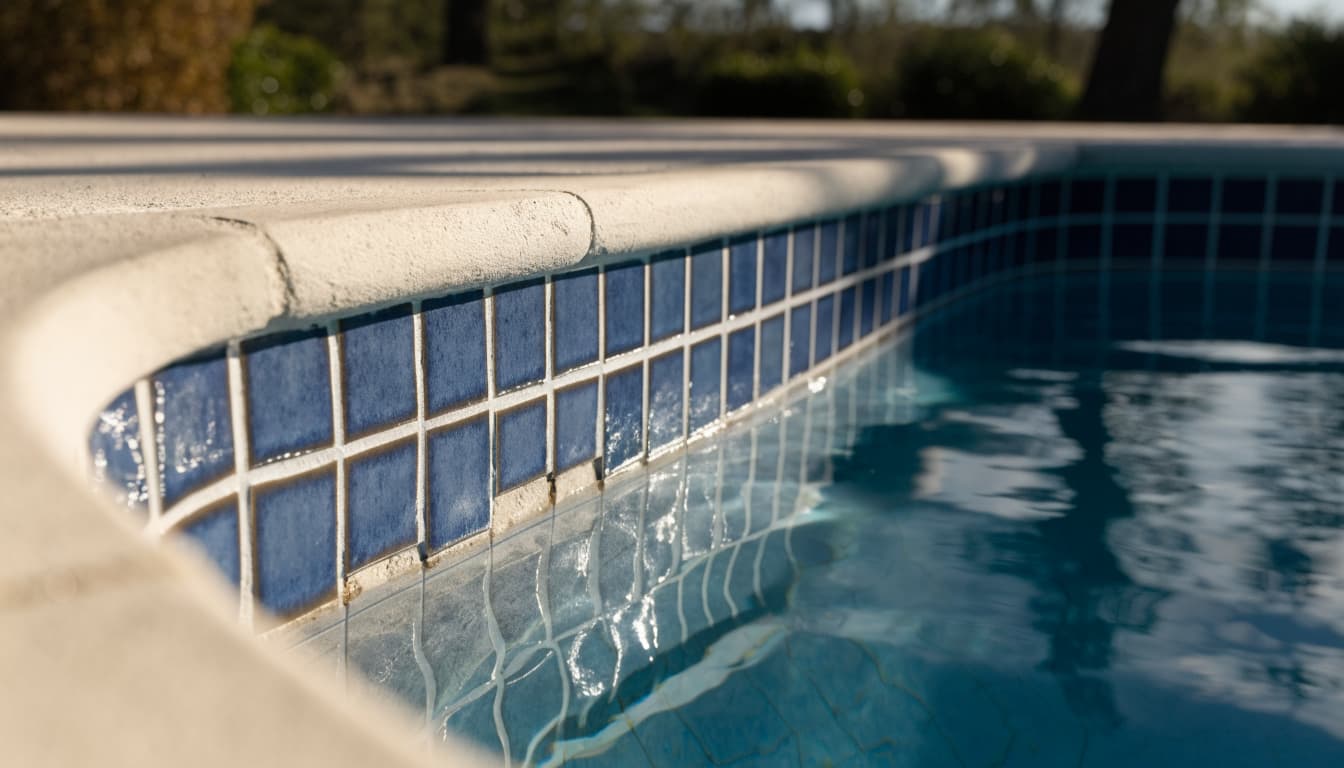
A spot repair may make sense when only a few tiles are damaged, the material behind them remains solid, and the adjacent finish is in good condition. The installer can remove the affected pieces and prepare the area for replacements.
You can also replace a longer section of waterline tile while keeping the existing interior finish. That may be a good option when the tile is dated or damaged in several places but the rest of the pool still has useful life left.
Matching older tile can be the main challenge. Even when the size and color are close, a new piece may stand out against tile that has faded over time.
What a Pool Tile Repair Involves
The work starts with the damaged area, but a lasting repair also depends on the condition of the surface behind it.
Removing tile and preparing the base
For waterline repairs, the water level may need to be lowered below the work area. The installer removes loose or broken tile, along with old bonding material that would prevent the new tile from adhering.
If the underlying material is loose or deteriorated, that area needs repair before replacement tile goes in. Careful removal also helps protect the adjacent tile and pool finish.
In Florida, groundwater makes draining an in-ground pool a serious decision. Don't drain the pool yourself to prepare for tile work. A pool professional can determine how to lower the water safely for the project.
Setting tile and allowing it to cure
Once the base is ready, the installer sets replacement pieces with materials suitable for swimming pools. The joints are then grouted, and the repair needs time to cure before the area is submerged.
The exact waiting period depends on the products and conditions. A small repair may involve less work than a full tile-line replacement, but both need enough time for the bonding material and grout to cure.
Signs the Pool May Need More Extensive Work
Loose tile can be an isolated issue, but nearby damage may point to a separate problem. Replacing the visible tile without addressing that problem could leave the new work vulnerable.
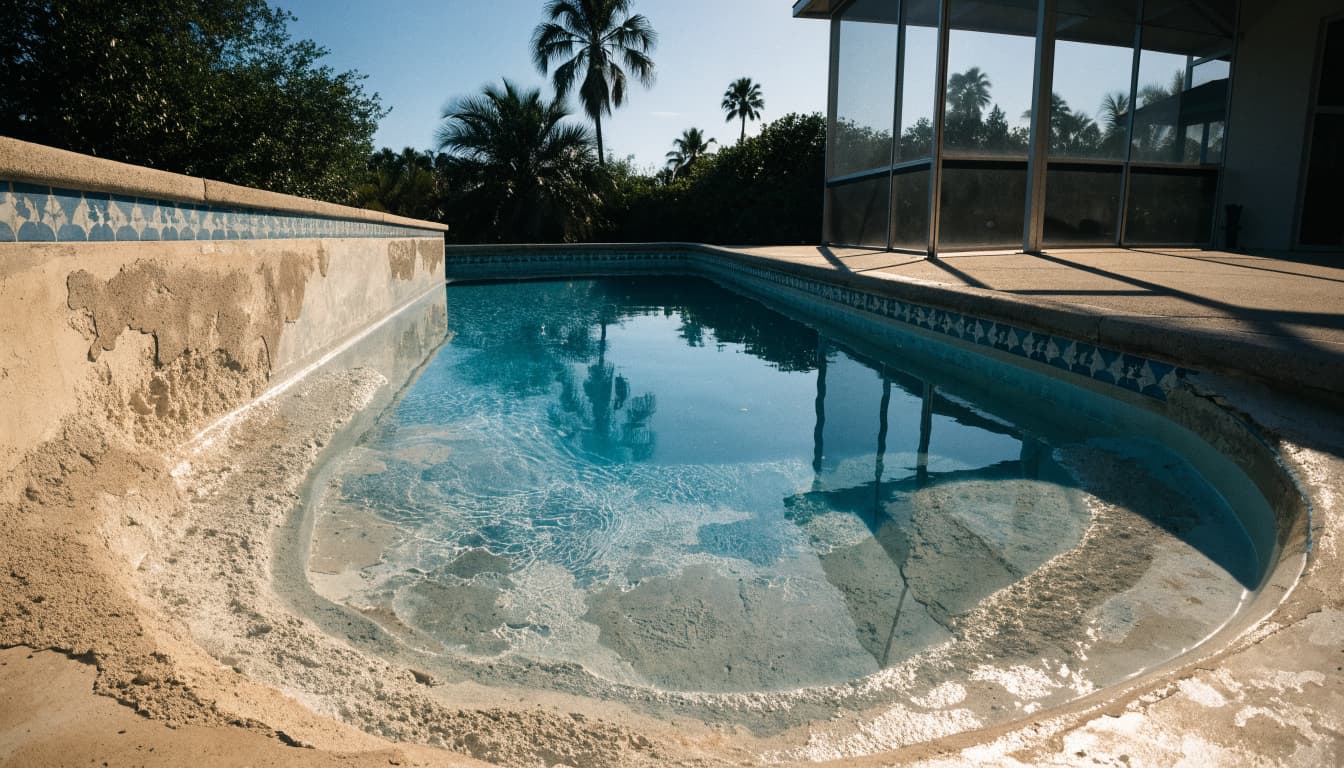
Widespread finish wear
Roughness, flaking, pitting, or areas where the finish has separated can indicate that more than the tile needs attention. A few fine surface cracks may be limited to the finish, while wear across the walls and floor can make resurfacing worth considering.
Persistent staining can also affect the decision, although a stain alone doesn't prove the finish has failed. Our guide to pool resurfacing for worn or stained finishes explains how it differs from cleaning.
Cracks, water loss, and movement
A crack that continues through the tile line into the coping or deck deserves a broader inspection. So do cracks that widen or return after repair, unexplained water loss, wet soil, and sinking deck areas.
These signs don't establish the cause on their own. However, they can point to a leak or movement that needs attention before cosmetic work begins. Learn more about signs of structural pool damage.
What Affects the Cost of Pool Tile Replacement?
The size of the repair is only one part of the price. Access, tile selection, removal, preparation, and damage behind the old tile can all affect the work.
Replacing a few pieces generally involves a different scope than removing the entire waterline band. Matching discontinued tile, working around curves or spa edges, and repairing a deteriorated base can also add labor.
For context, our pool remodel cost breakdown lists $6,000 to $18,000 for a broader tile-and-coping update that includes waterline tile, edge repairs, and coping replacement. That range isn't a price for a few replacement tiles.
A written estimate should separate the tile work from any finish, coping, leak, or shell repairs. That makes it easier to understand what the project includes.
How Long Will the Repair Take?
Timing depends on how much tile needs replacing, how much preparation the base requires, and how long the selected materials need to cure. Tile availability and weather can also affect the schedule.
A localized repair generally involves less work than resurfacing the whole pool. Resurfacing requires preparation of the interior and application of a new finish, so it also means planning for a longer interruption.
If both the tile and finish need work, coordinating them in one project can help avoid disturbing a newly completed area. Structural or leak repairs, when needed, should come before the new finish.
Choose the Repair That Fits the Damage
Pool tile replacement can be a practical way to fix a limited problem without replacing a sound interior finish. When damage extends beyond the tile, the repair plan needs to address its cause before new material goes in.
At Back Bay Pools, we offer pool renovation and resurfacing services. Get a Free Estimate to schedule an on-site consultation and discuss the work your pool needs.