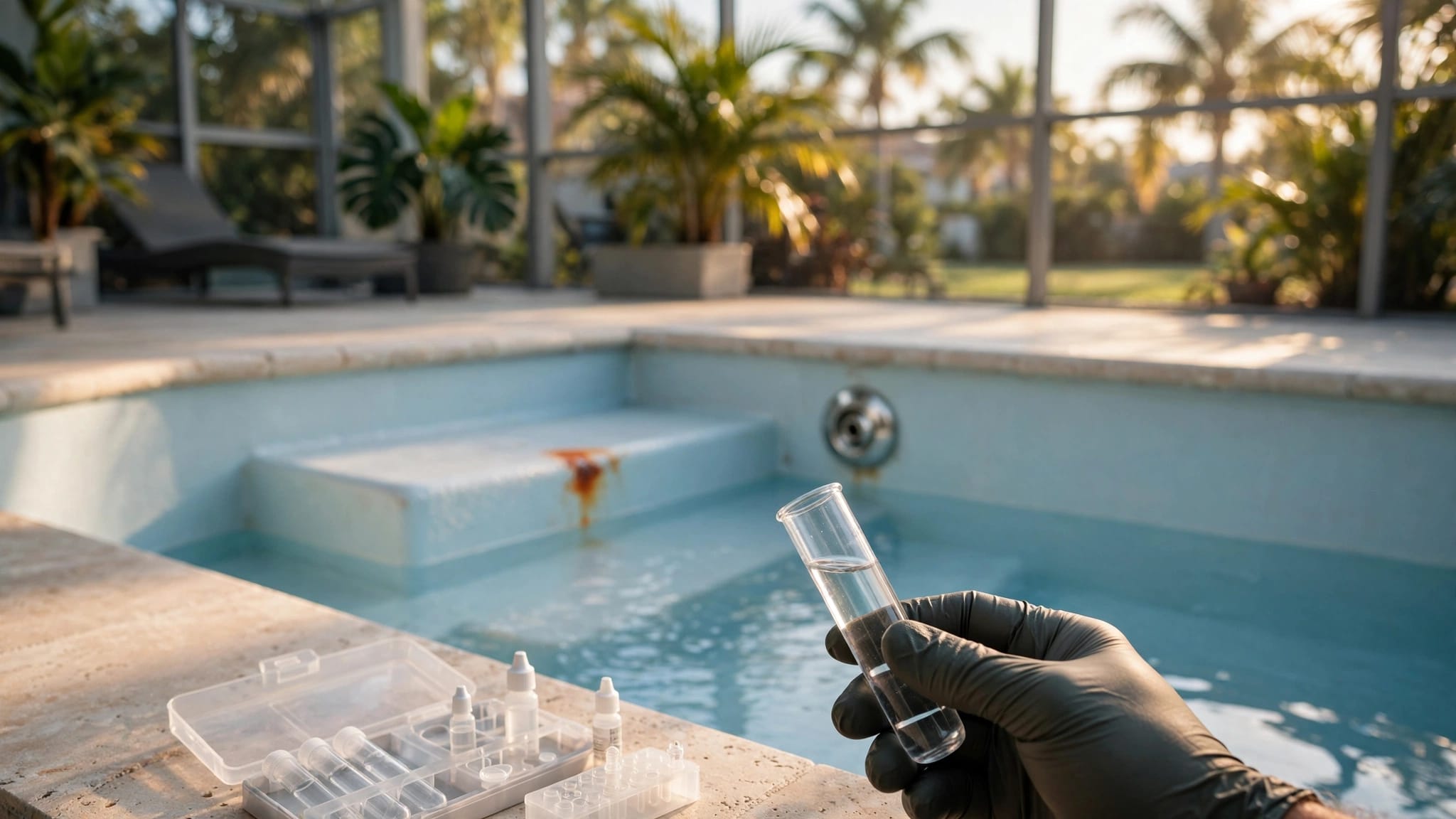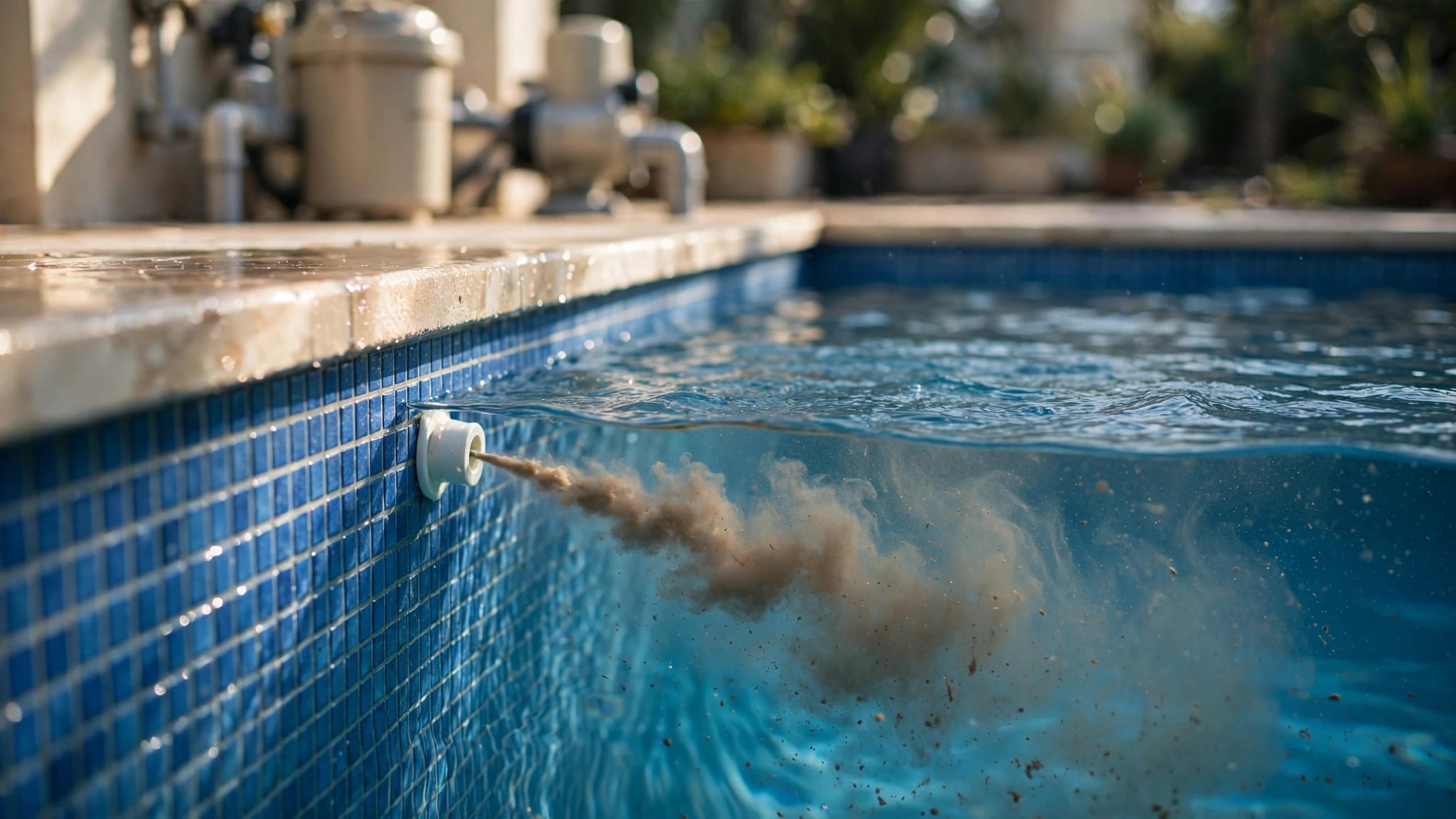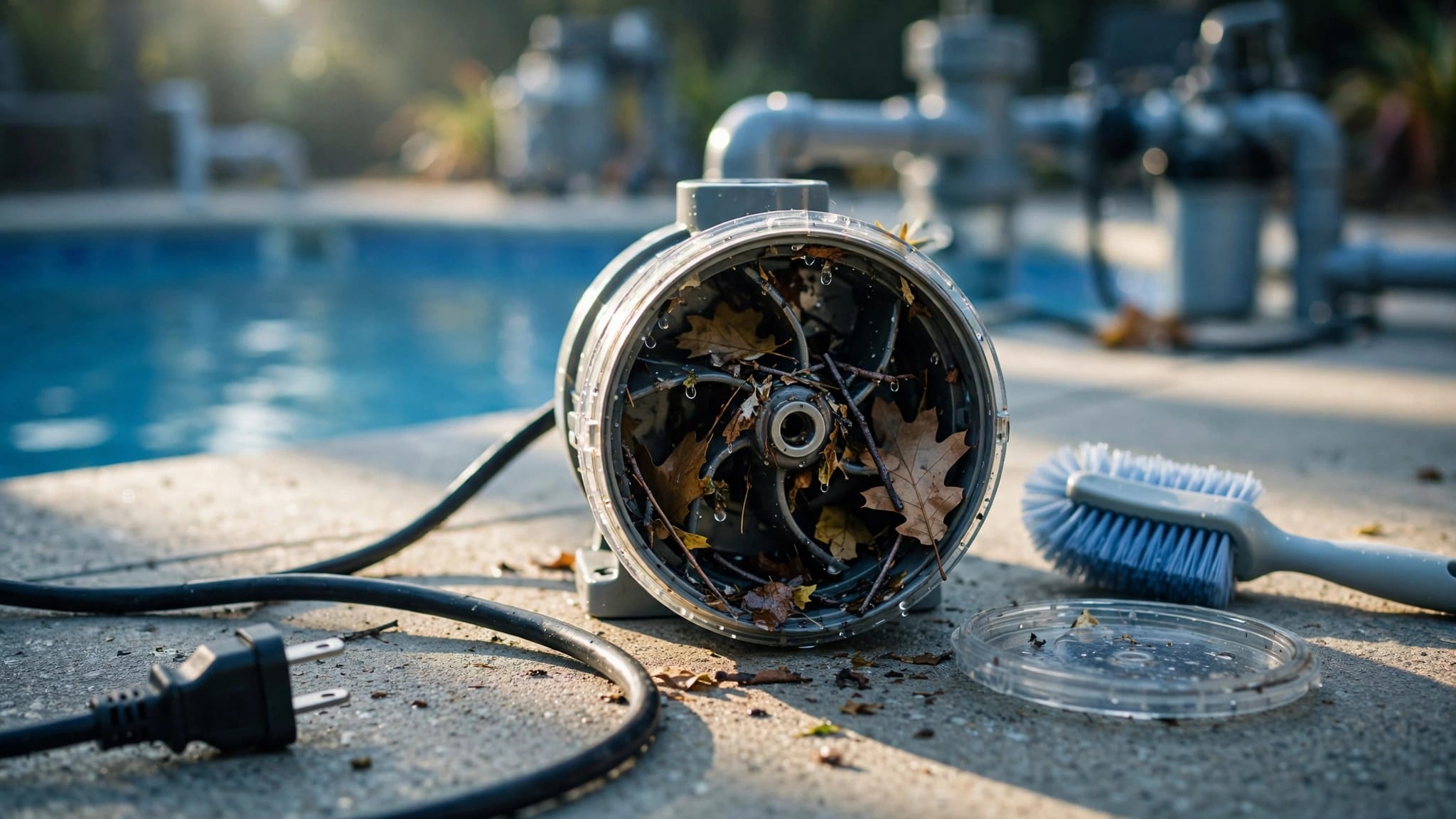
A stained pool can look neglected even when the equipment works perfectly. Before choosing a treatment, identify whether the problem is surface discoloration or actual damage.
Pool resurfacing vs acid washing isn't a choice between two equal repairs. Acid washing cleans the existing finish by removing a thin surface layer. Resurfacing replaces a worn interior with new material. The right option depends on the pool's finish, the depth of the damage, and how long you want the result to last.
Key Takeaways
- Acid washing removes stains, scale, and surface buildup, but it doesn't rebuild damaged plaster.
- Resurfacing repairs widespread roughness, etching, pitting, and finish deterioration.
- Acid washing can damage a pool surface when performed too often or with poor chemical control.
- A professional inspection should come before either treatment.
- Resurfacing costs more upfront, but it is usually the better choice for an aging or badly worn pool.
What Acid Washing Does to a Pool Surface
An acid wash uses a diluted acid solution, often muriatic acid, to strip away a very thin layer of the pool's interior finish. The process can remove mineral scale, organic stains, discoloration, and some algae-related marks that regular brushing and chemical balancing won't eliminate.
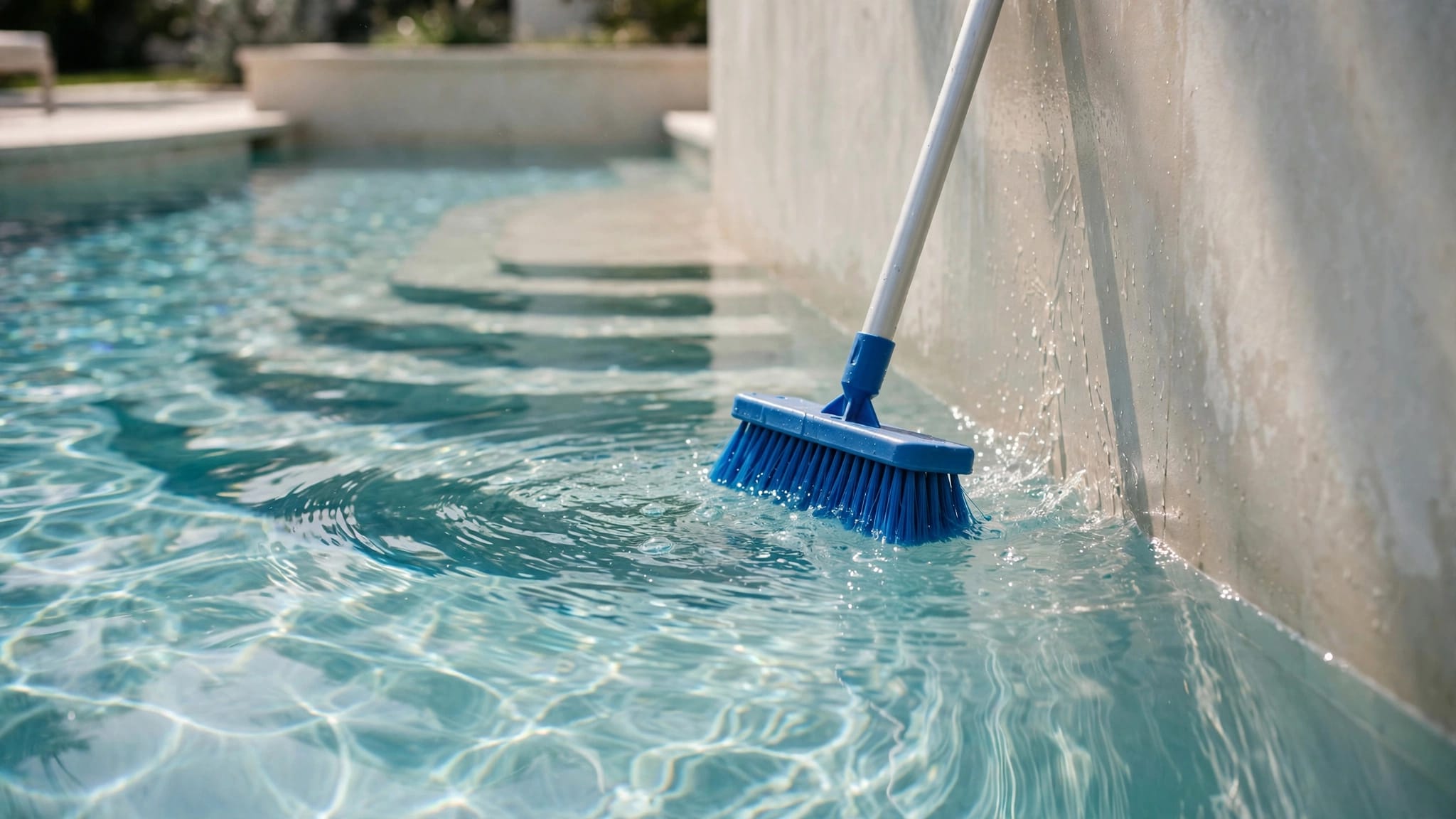
Professionals typically drain the pool, inspect the interior, wet the surface, apply the solution in controlled sections, scrub it, and rinse it thoroughly. They also neutralize and dispose of the acidic wastewater according to local requirements. The work requires protective equipment and careful handling because muriatic acid can burn skin, damage nearby materials, and produce dangerous fumes.
An acid wash may improve the appearance of a sound plaster surface. For example, light staining from metals or leaves may disappear after the top layer is removed. However, the process doesn't fill cracks, replace missing plaster, or rebuild areas that have become rough and porous.
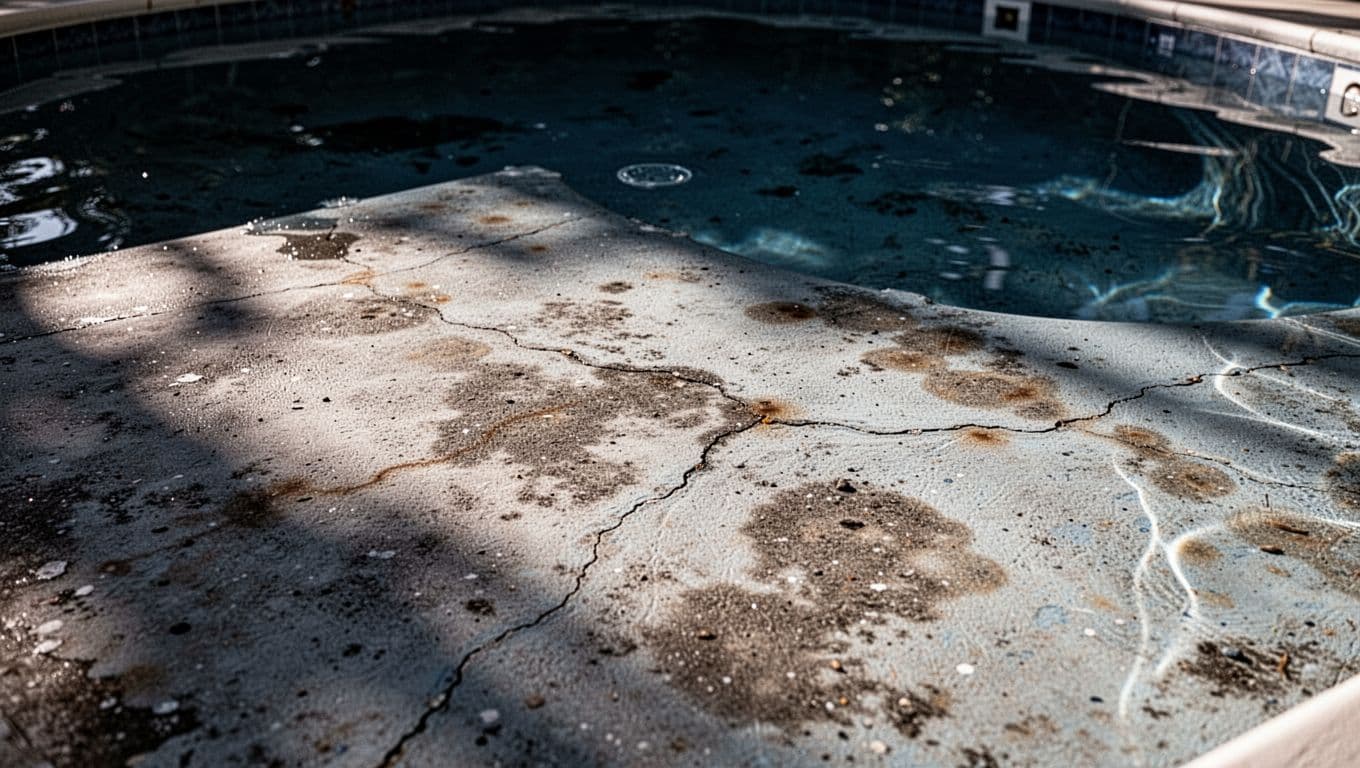
An acid wash also removes some of the finish each time. Repeated treatments can thin the plaster, expose aggregate, create uneven coloring, or leave the surface more vulnerable to future staining. That makes acid washing a cleaning method, not a long-term solution for surface failure.
The finish type matters, too. Concrete and plaster pools may be candidates for a professional acid wash. Fiberglass and vinyl liners need different cleaning and repair methods, and an acid wash can cause serious damage when used incorrectly.
When Acid Washing Makes Sense
Acid washing is most useful when the pool surface is structurally sound but looks dirty or discolored. The finish should still feel reasonably smooth underfoot and on the walls. Minor cosmetic staining alone doesn't justify removing an otherwise healthy interior.
A professional may recommend an acid wash when you notice:
- Leaf stains or organic discoloration
- Minor rust or metal staining
- Calcium deposits on a plaster finish
- Surface dirt that resists brushing
- Algae staining after a treatment has cleared the water
- Uneven discoloration without widespread roughness
Even then, cleaning the water first is important. Poor circulation, unbalanced pH, high calcium levels, and metals in the water can cause stains to return. An acid wash won't correct those causes.
Homeowners sometimes consider a do-it-yourself treatment after watching online videos. The risks are easy to underestimate. Acid can damage tile grout, coping, decks, landscaping, metal fixtures, and pool equipment. A small mistake in application can also create light or dark patches across the pool floor.
Acid washing can reveal a cleaner-looking finish, but it can't restore material that has already worn away.
Ask a pool professional to inspect the surface before scheduling the work. If the plaster is thin, chalky, cracked, or pitted, cleaning it may offer only a short-lived improvement. In that situation, resurfacing usually provides a more practical repair.
How Pool Resurfacing Creates a Lasting Repair
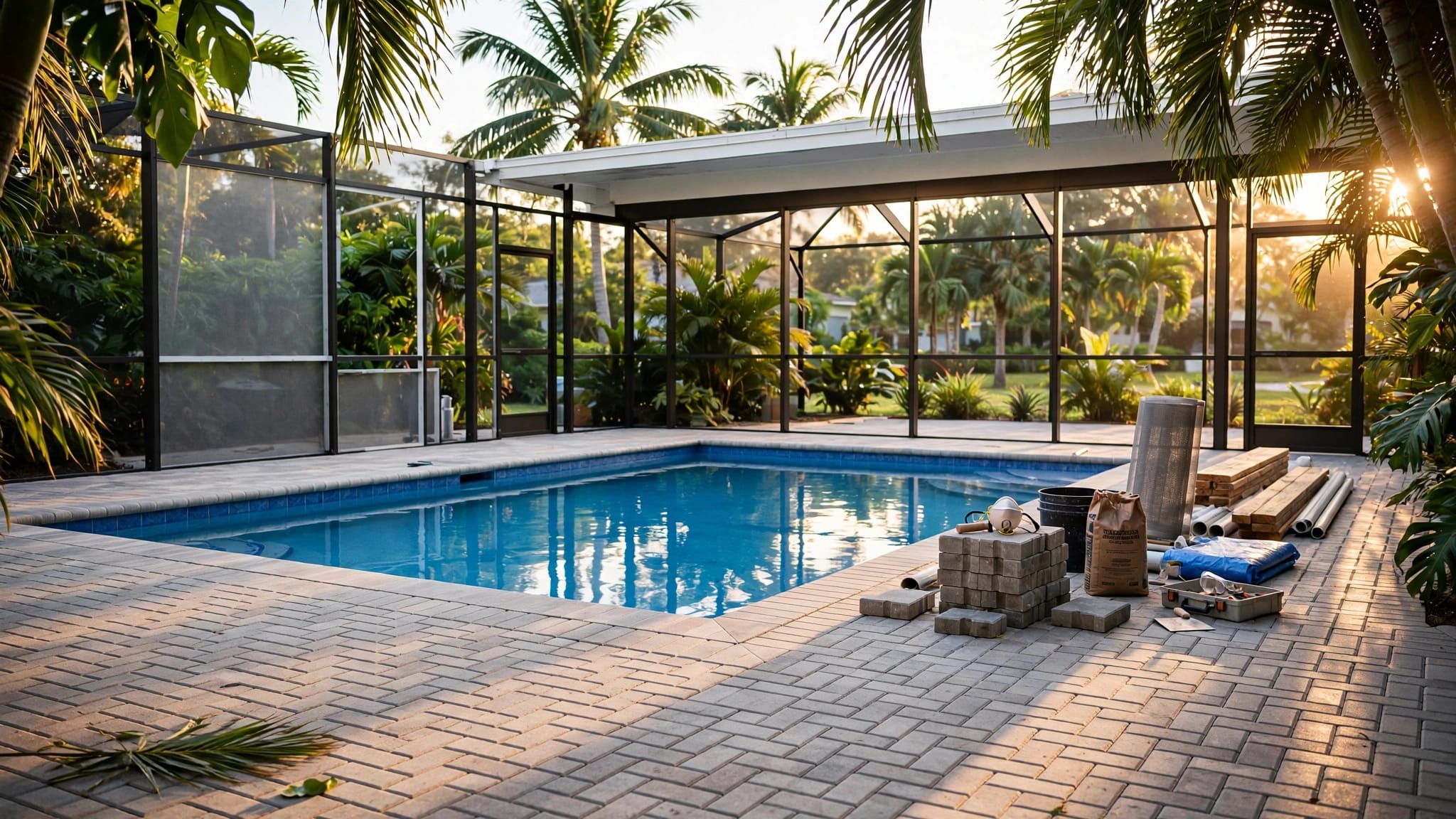
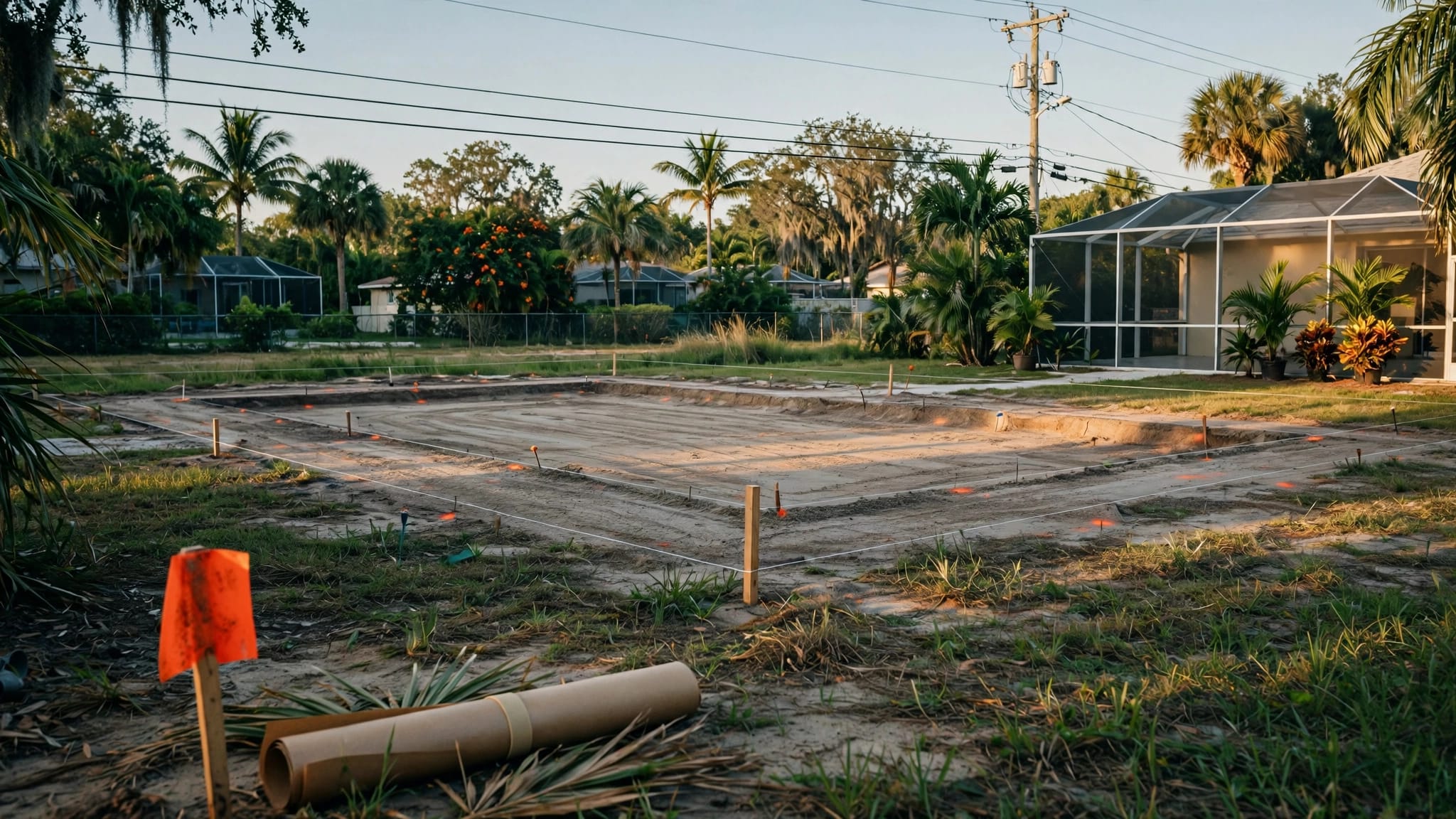
Pool resurfacing removes loose or failing material and installs a new interior finish over the prepared shell. Depending on the pool and the selected material, the finish may include traditional plaster, quartz, pebble, or another manufacturer-approved surface system.
The contractor first drains the pool and examines the shell, steps, corners, fittings, tile line, and areas around drains. Loose material must come off before the new finish is applied. The crew may also patch small defects, address exposed areas, and prepare the surface for proper bonding.
A new finish can correct problems such as:
- Widespread roughness that makes the pool uncomfortable
- Pitting and surface erosion
- Flaking or delaminating plaster
- Areas where the old finish has worn thin
- Persistent stains embedded in the interior
- A dated color or finish that no longer suits the backyard
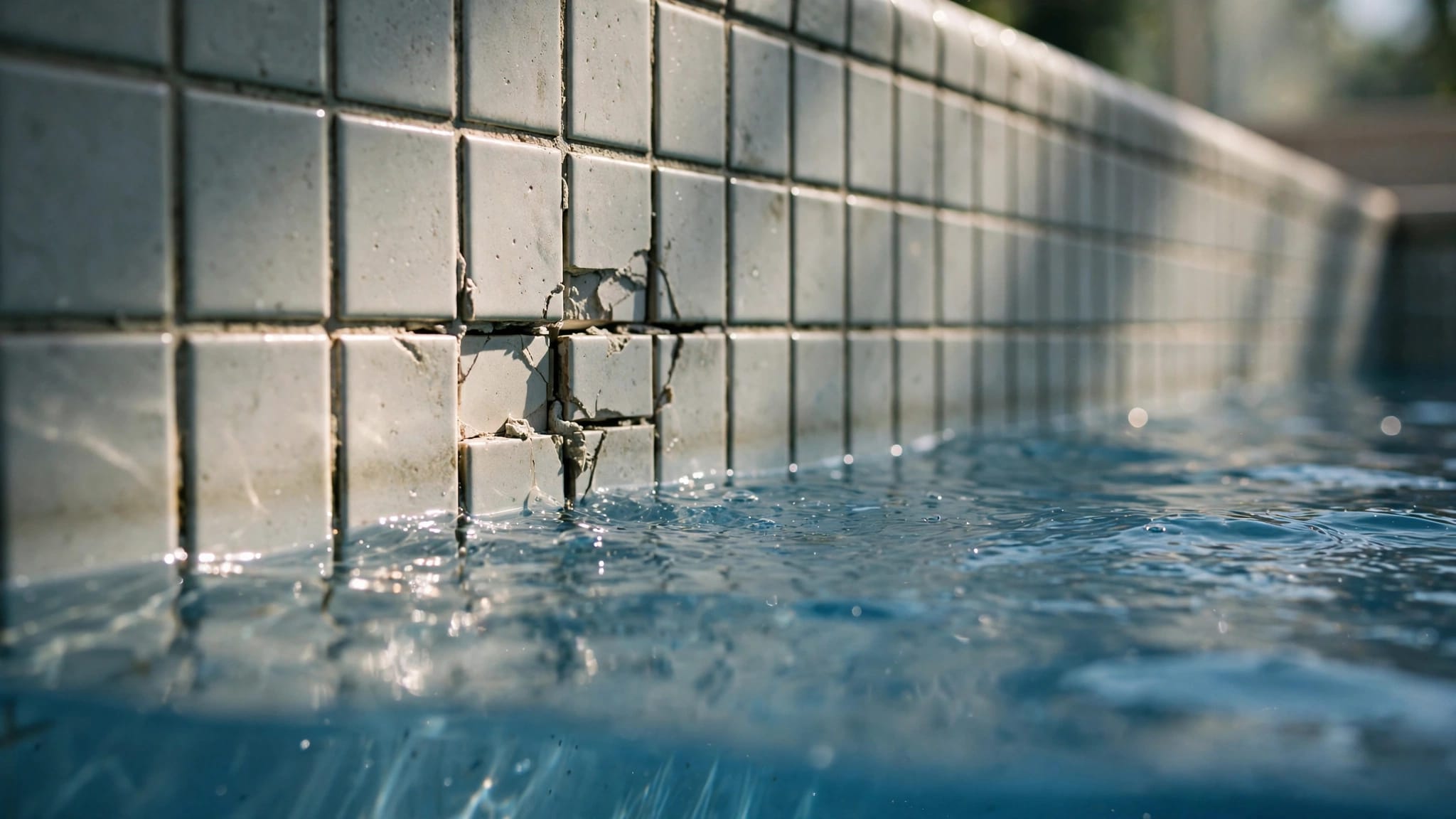
Resurfacing doesn't automatically repair every type of crack. Structural movement, shell cracks, plumbing leaks, or shifting decks may need separate work. A reputable contractor should identify those conditions before applying a new finish.
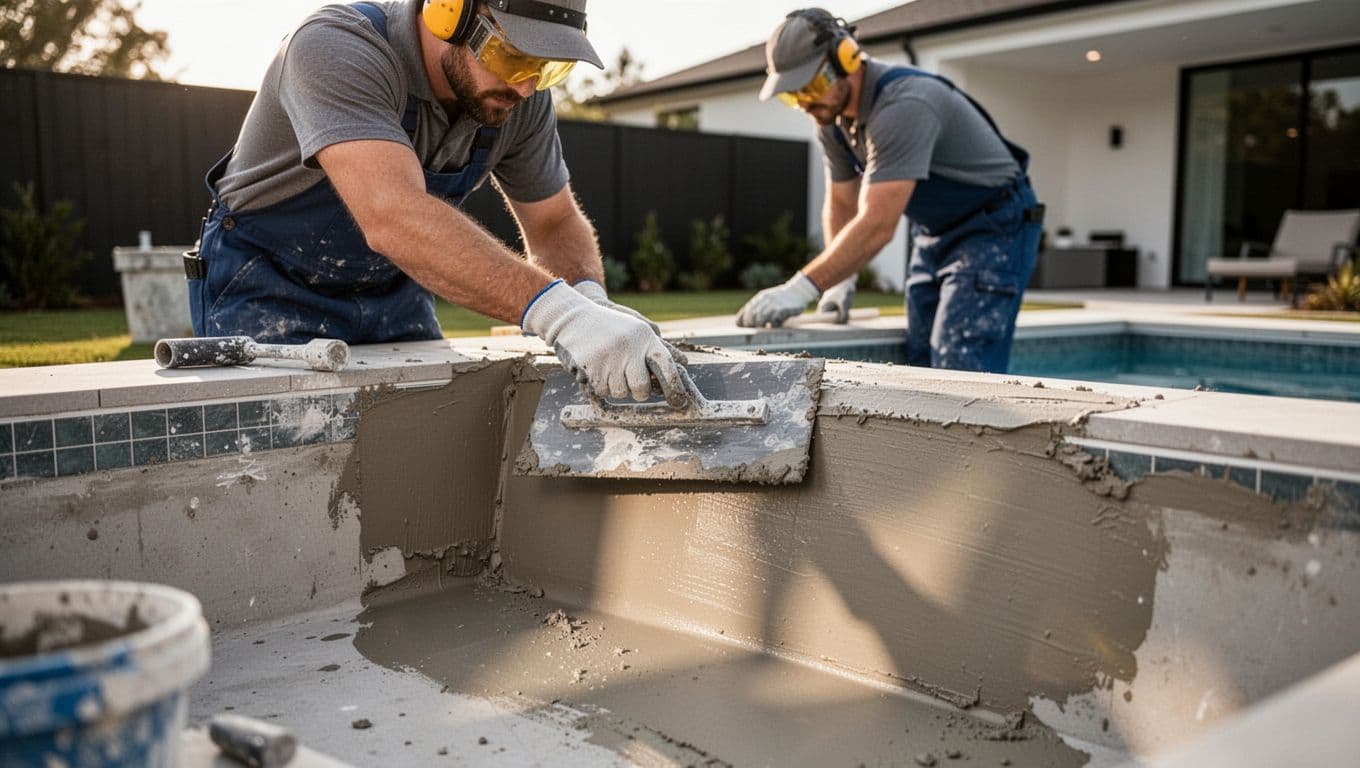
The installation process also affects the result. Proper preparation, material thickness, weather conditions, filling procedures, and water chemistry all matter. After the pool is filled, the startup process must follow the finish manufacturer's instructions. Early brushing and chemical adjustments can affect how evenly the surface cures.
Homeowners considering a larger upgrade can review professional pool resurfacing services alongside other renovation options. A resurfacing project may also include equipment replacement, lighting, deck updates, or spa changes when the pool area needs more than a cosmetic fix.
Pool Resurfacing vs. Acid Washing: A Practical Comparison
The simplest way to compare the two options is to consider what each treatment does to the existing finish.
| Factor | Acid washing | Pool resurfacing |
|---|---|---|
| Main purpose | Removes stains and buildup | Replaces a worn interior finish |
| Material removed | A thin surface layer | Failing finish, followed by new material |
| Best for | Cosmetic discoloration on sound plaster | Rough, pitted, eroded, or aging surfaces |
| Repairs damage | No | Yes, when damage is limited to the finish |
| Project scope | Cleaning treatment | Renovation project |
| Cost level | Lower upfront cost | Higher upfront investment |
| Long-term value | Limited when deterioration is present | Better when the finish needs replacement |
| Suitable surfaces | Usually plaster or concrete | Depends on the pool shell and finish system |
Acid washing is the lower-cost option when stains are the only concern. Resurfacing is the stronger choice when the pool feels rough, sheds material, shows widespread pitting, or has an interior that has reached the end of its service life.
The price of resurfacing depends on the pool's size, shape, access, old finish, selected material, repairs, waterline tile, and surrounding deck work. An acid wash also varies in cost based on pool size, stain severity, drainage requirements, and disposal needs. A written estimate should identify preparation, repairs, finish installation, cleanup, and startup service.
How to Choose the Right Pool Surface Repair
Start with the texture of the pool, not its color. Walk carefully across the shallow end after the pool has been drained by a professional, or ask the contractor to inspect it underwater if draining isn't appropriate. Rough patches, sharp areas, pitting, and flaking point toward finish deterioration.
Next, look at the pattern of the problem. A few isolated stains may respond to cleaning. Discoloration across most of the pool, combined with roughness, usually indicates that the finish itself has aged.
Your pool's construction also narrows the options. Plaster and aggregate finishes can require different preparation and cleaning methods. Fiberglass pools may need gelcoat repair or refinishing. Vinyl liners may need replacement rather than either treatment. The shell and finish should guide the recommendation.
Ask the contractor these questions before work begins:
- What material is the existing pool finish?
- Is the damage cosmetic, or has the finish worn away?
- Will acid washing remove too much of the remaining surface?
- Does the shell have cracks or signs of movement?
- Which new finish is compatible with this pool?
- What preparation and startup care does the project include?
- How will the contractor handle water drainage and chemical waste?
Get an on-site assessment instead of choosing from a photo alone. Surface wear can look minor from the deck while feeling severe inside the pool. If you're planning a broader renovation, you can Get a Free Estimate for an on-site consultation in Cape Coral.
The best repair should also fit your timeline. Acid washing may be suitable for a pool that needs a cosmetic refresh before an event. Resurfacing requires more planning, but it addresses the reason the pool looks worn in the first place.
Protecting the Results After the Repair
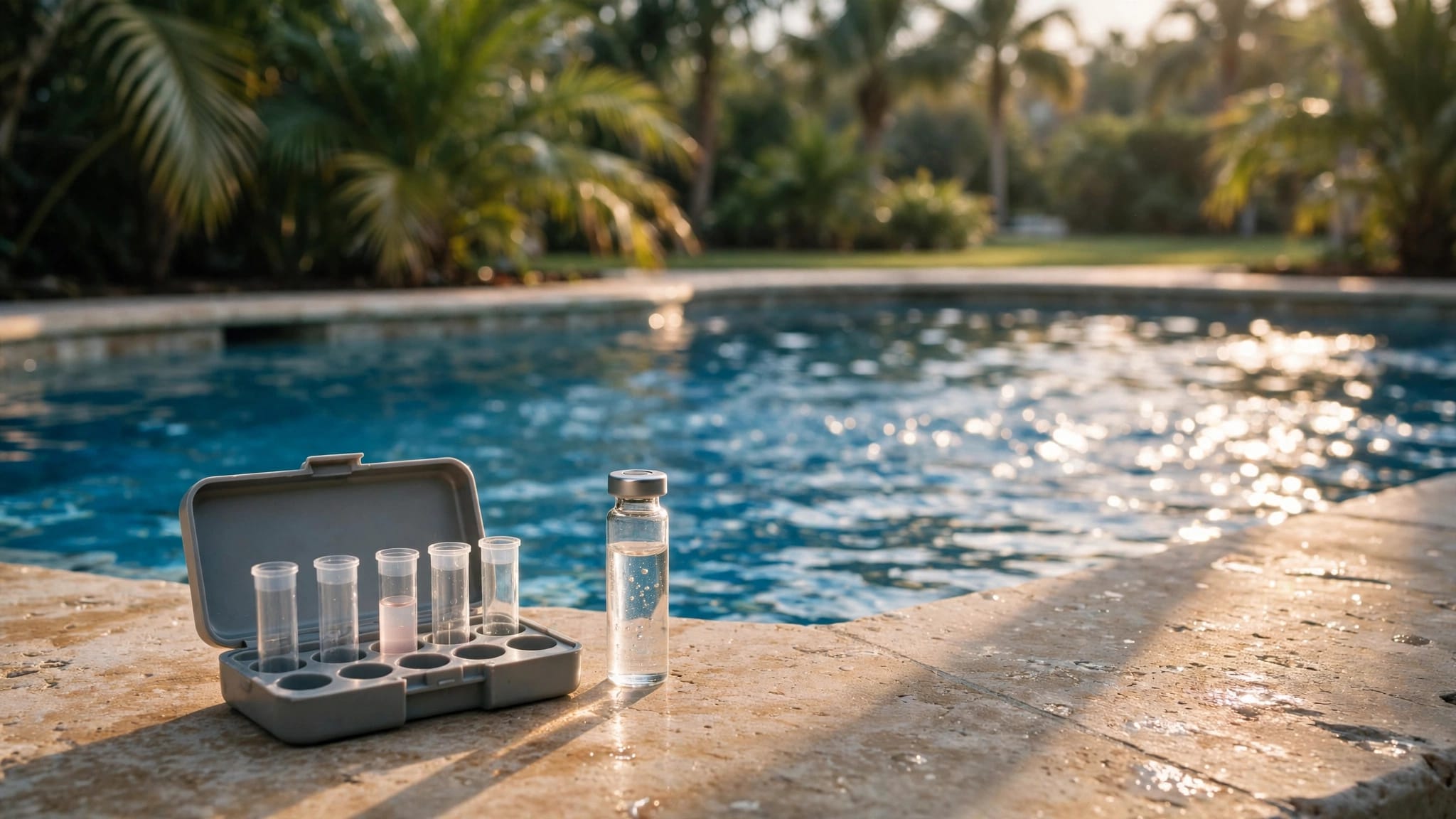
Water chemistry plays a major role after both treatments. Improper pH, alkalinity, calcium hardness, or sanitizer levels can stain, scale, or weaken a pool finish. Follow the contractor's maintenance instructions and test the water regularly.
Avoid using aggressive cleaning methods without professional guidance. Acid washing a surface that has already been thinned can shorten its remaining life. Likewise, abrasive tools may scratch some finishes or remove decorative aggregate.
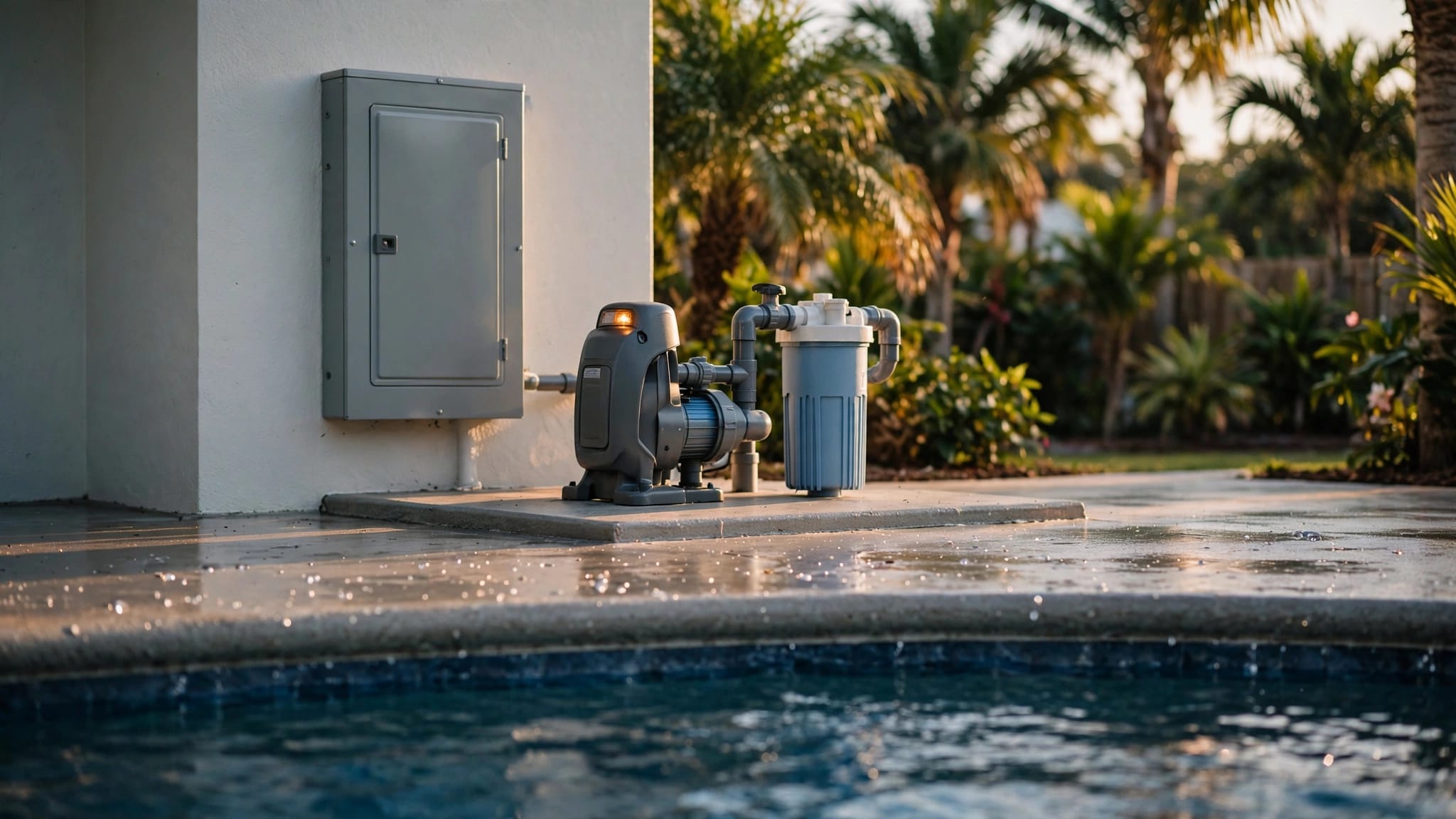
Keep leaves, metals, and debris out of the water whenever possible. Check circulation and filtration if stains return quickly. A clean filter and properly operating pump help prevent contaminants from sitting on the finish.
After resurfacing, follow the required startup schedule. That may include frequent brushing, controlled chemical adjustments, and restrictions on swimming during the curing period. The exact instructions depend on the material and the contractor's product specifications.
A screen enclosure can also reduce the amount of leaves and outdoor debris entering the pool, although it won't replace water testing or routine cleaning. Good maintenance protects the repair and helps you avoid treating the same surface problem twice.
Conclusion
Acid washing works when a sound pool finish needs stain removal. It doesn't rebuild plaster, correct widespread pitting, or solve an aging interior. Resurfacing costs more, but it offers a true repair when the surface has lost texture, strength, or smoothness.
When comparing pool resurfacing with acid washing, focus on the condition beneath the stains. Cleaning can refresh a healthy finish, while resurfacing replaces one that has worn out. A professional evaluation will help you choose a repair that looks better and holds up to regular pool use.