A new pool can ask more from your electrical system than many homeowners expect. A simple pump may fit into an existing setup, while a pool with a heater, spa, lights, and automation can push a panel much harder.
The answer to a pool electrical panel upgrade depends on three things: your home's available amperage, the existing loads already in use, and the pool equipment package you choose. An older home with a busy electrical panel may need more help than a newer home with spare capacity.
The safest move is to get a professional review before the pool is built or remodeled. That check can prevent delays, reduce surprises, and keep the project on the right side of code.
Key Takeaways
- A pool does not automatically require a panel upgrade, but it often changes the electrical load enough to matter.
- Heaters, spas, lighting, automation, and other accessories raise demand fast.
- A subpanel can help when the main service has room, but it does not add capacity on its own.
- GFCI protection , bonding, and local code requirements matter on every pool project.
- A licensed electrician should confirm the load calculation before anyone commits to the final equipment plan.
How Pool Equipment Changes Electrical Demand
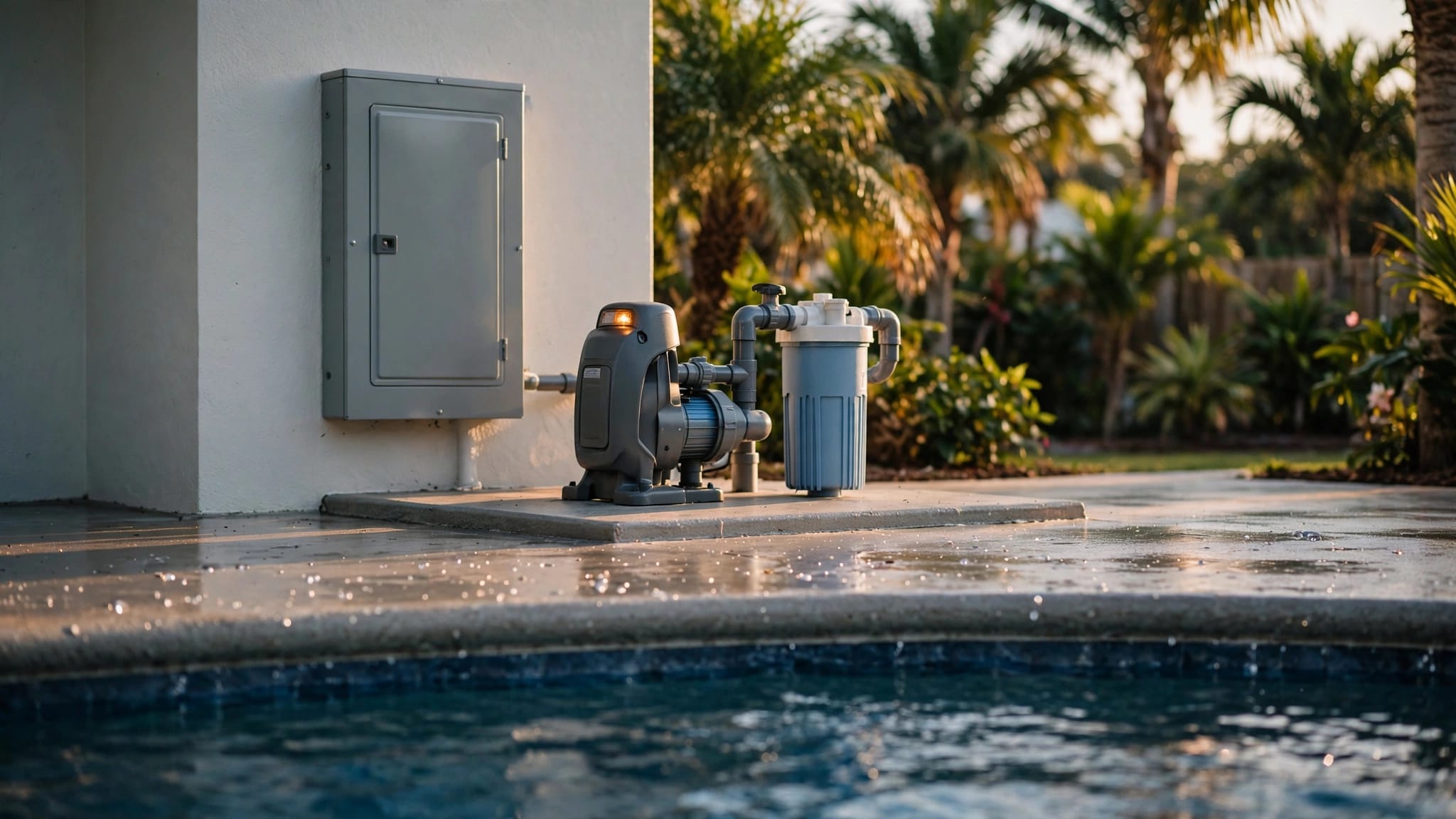
Pool equipment is rarely a single, simple load. A circulation pump may run for long stretches, and a heater or heat pump can pull much more power than many homeowners expect. Add lights, automation, a salt system, a booster pump, or spa equipment, and the demand climbs quickly.
That matters for both in-ground and above-ground pools. A basic above-ground pool may only need a pump and a light. An in-ground pool with spa jets, a heater, and controls may need multiple dedicated circuits and enough room in the panel to support them.
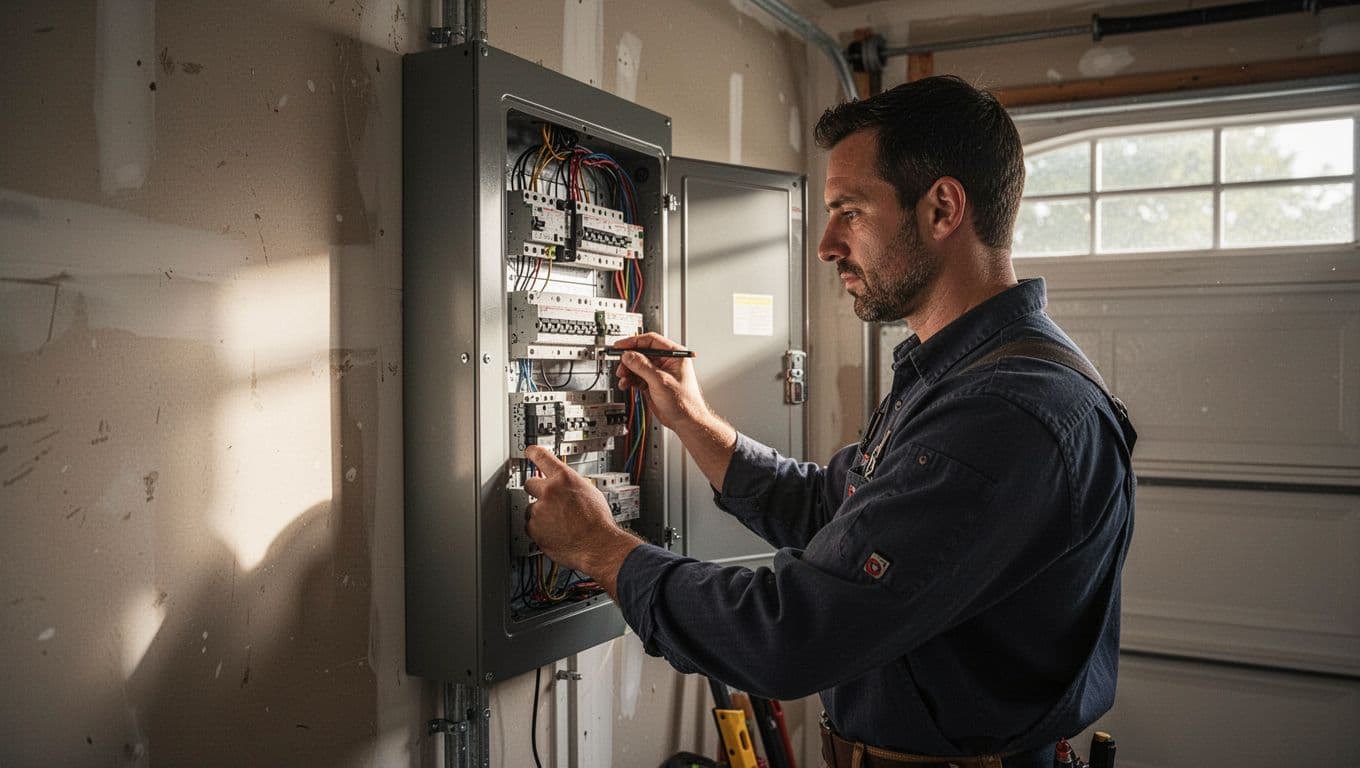
A home's main service has to cover everything running at once. If the air conditioner, dryer, oven, and pool all compete for power, the system can run out of headroom fast. That is why a real evaluation looks at the whole house, not just the breaker labels on the door.
When a Pool Electrical Panel Upgrade Is Likely
A pool electrical panel upgrade becomes more likely when the home already uses a large share of its service, or when the pool package adds heavy equipment. Older homes often run into this first, especially if they still have a 100-amp service or a panel that is already packed.
A quick comparison helps show where an upgrade is most likely.
| Situation | What it usually means |
|---|---|
| Older 100-amp main service | The home may not have enough spare capacity for pool equipment |
| Panel is full or near full | There may be no safe room for new breakers |
| Pool package includes a heater, spa, or large pump | The added load can push the system past comfortable limits |
| Future plans include an EV charger or outdoor kitchen | Planning for the whole property may call for a larger service |
If your home falls into the first two rows, a load check should happen before any pool equipment gets ordered. If you are adding a heater or spa, the odds of needing more electrical work rise fast.
A panel can look fine on the outside and still be too small once the pool equipment is added.
This is also where age matters. An older panel with corrosion, heat damage, or outdated parts may need replacement even if the numbers seem close on paper. In those cases, a clean upgrade is often better than trying to squeeze one more breaker into a crowded box.
When a Subpanel or New Circuit Is Enough
Some pool projects do not need a full panel swap. If the main service has room, a subpanel near the equipment pad can organize the pool circuits and keep the setup tidy. That can work well when the pool needs a pump, a light, and maybe one or two small accessories.
A dedicated circuit may also be enough for a simple pool package. That happens more often with modest above-ground pools or smaller in-ground setups that do not include a heater or spa.
The key point is simple. A subpanel does not create power. It only distributes the power your home already has. If the main service is strong enough, that extra distribution space can save money and avoid a larger project.
A no-upgrade path is most common when:
- the home already has ample spare capacity,
- the pool equipment package is modest,
- and the electrician can add the needed circuits without crowding the main panel.
That said, no one should guess. A panel that seems "good enough" can still be short on capacity once the pool starts running in the real world, especially during summer when the house is already working hard.
Safety, GFCI, Bonding, and Permits
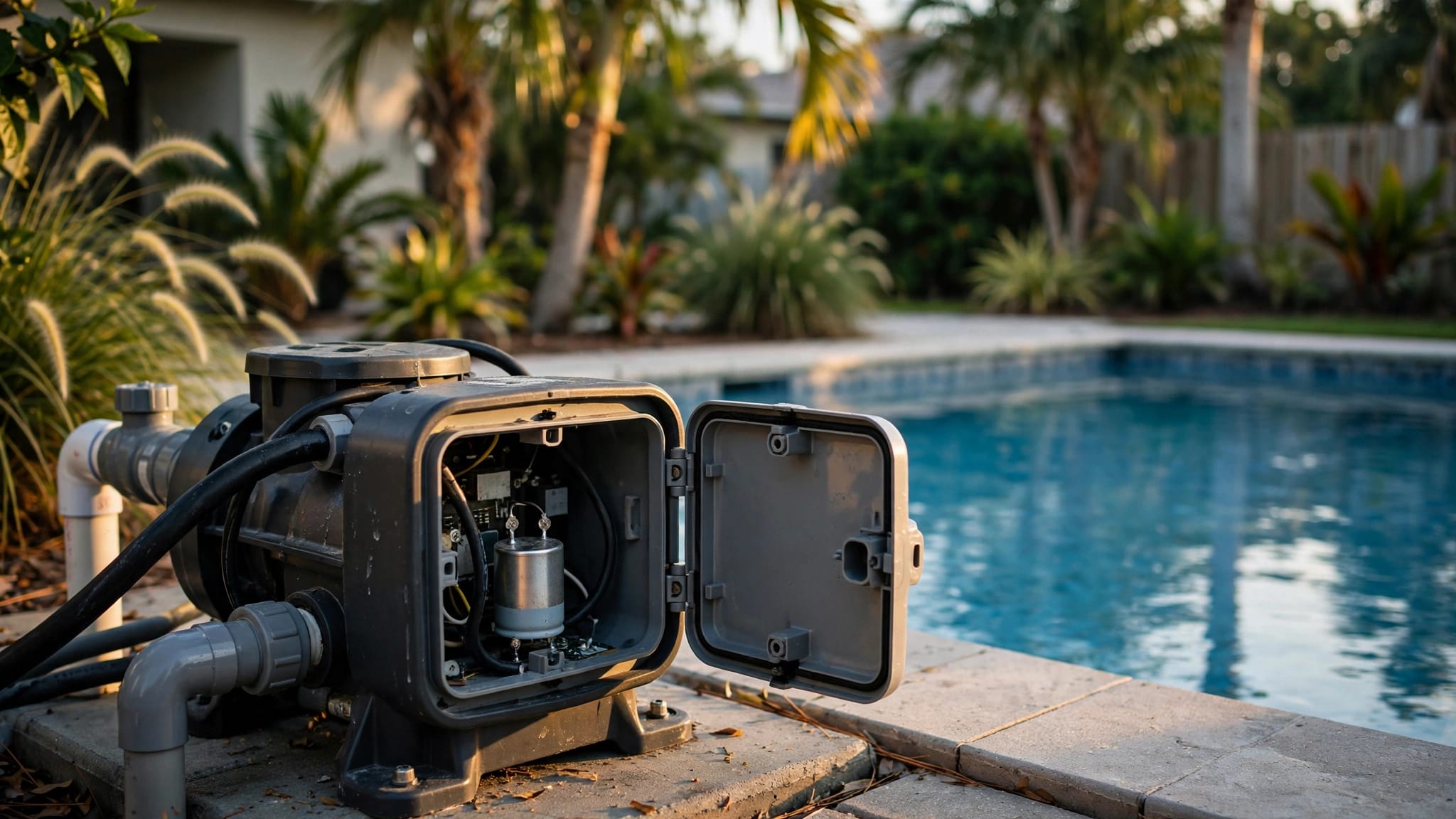
Pool wiring is not just about power. It is about safety around water, metal, and outdoor equipment. GFCI protection helps shut off power fast when a fault happens. Bonding ties together the metal parts near the pool so stray voltage has a path that is controlled, not dangerous.
For a closer look at that part of the work, see understanding pool electrical and bonding requirements.
Local code requirements vary by jurisdiction, so the final setup depends on where you live. What passes in one county may need changes in another. That is one reason permit-compliant installation matters so much. The electrical plan has to fit the pool design, the inspection process, and the current rules in your area.
A professional review also helps catch problems that homeowners rarely see. Old panels, limited breaker space, undersized service equipment, and questionable previous work can all affect the final plan. If the electrical system is already tired, a new pool can expose those weak spots fast.
What to Ask Before You Start the Project
Before you sign a pool contract, ask how the electrical work is being handled. Some proposals include only the pool equipment. Others include a panel upgrade, new circuits, or a subpanel. The details matter because they affect both price and timing.
It helps to review the electrical line items carefully, especially if you are comparing several bids. Reading your pool proposal can make it easier to spot what is included and what is missing.
Ask these questions before the project moves forward:
- Does the estimate assume a panel upgrade, a subpanel, or only new circuits?
- Is the pool equipment package sized for your home's current service?
- Who handles the permit and inspection coordination?
- Are future add-ons, like a heater or spa, part of the electrical plan?
If you are planning a new pool in Cape Coral, it also helps to talk through the electrical side before the design is locked in. Get a Free Estimate and ask for an onsite review of the project.
Conclusion
A new pool does not automatically mean you need a bigger panel. It does mean you need enough capacity for the equipment you choose, plus the safety details that keep the system reliable.
When the home's available amperage is tight, the panel is full, or the pool package includes heavier equipment, a pool electrical panel upgrade becomes the smart move. When the service has room, a subpanel or a new dedicated circuit may be enough.
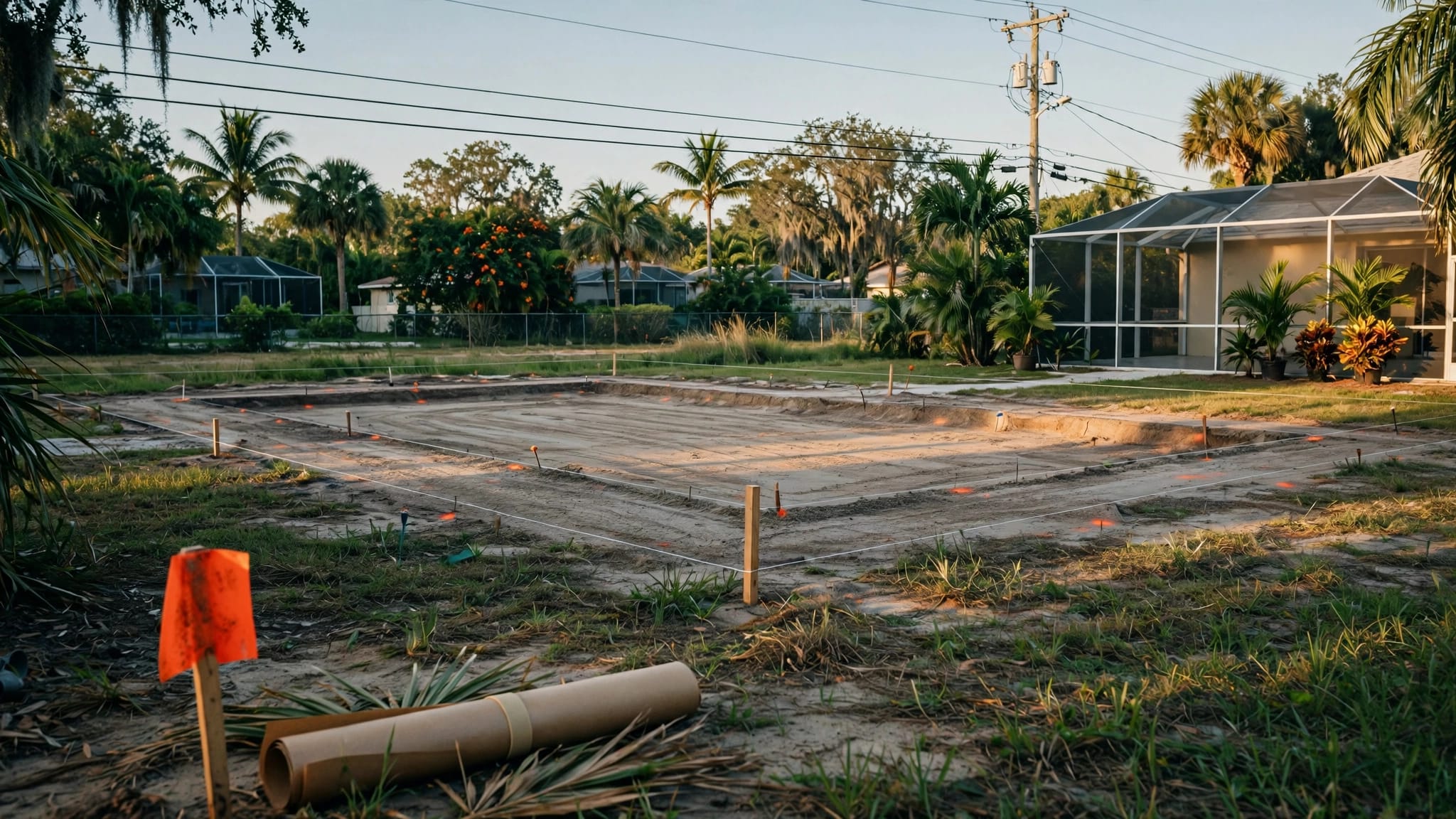
The best time to find out is before construction starts. That way, the pool, the electrical work, and the permit plan all line up from the beginning.