Pool electrical work usually happens before the water ever fills the shell, and that part matters more than most homeowners expect. In Cape Coral, heat, moisture, and storm season make clean wiring and solid bonding part of everyday pool safety.
If you are planning a new build or a renovation, it helps to know what the crew will do, what you may see on-site, and why bonding is not the same as grounding. Once you understand the sequence, the process feels a lot less mysterious.
Why pool electrical and bonding matter before the first swim
A pool needs more than a pump and a light switch. It also needs a safe electrical setup for the pump, lighting, heater, automation, and any added features. That work starts early, because much of it gets buried behind deck, finish, and equipment.
Bonding matters for a different reason. It ties together the metal parts around the pool so they stay at the same electrical level. That helps reduce the chance of a dangerous voltage difference between parts you can touch at the same time.
In plain language, grounding and bonding do different jobs. Grounding helps protect the electrical system. Bonding helps protect people near the pool.
Here is a simple way to compare them:
| Topic | What it does | What it connects |
|---|---|---|
| Bonding | Keeps metal parts at the same electrical potential | Rebar, ladders, handrails, light niches, equipment, and other metal parts around the pool |
| Grounding | Gives fault current a path back through the electrical system | Electrical service, panel equipment, and grounded components |
Bonding ties the metal parts together. Grounding protects the electrical system itself.
Once you see the difference, the job makes more sense. A pool can look finished on the surface, while important safety work still sits underneath.
What pool bonding in Cape Coral actually does
Bonding starts with the shell and the metal around it. On a gunite or concrete pool, the steel rebar cage becomes part of the bonding plan. The crew connects the metal so the whole structure stays consistent electrically.
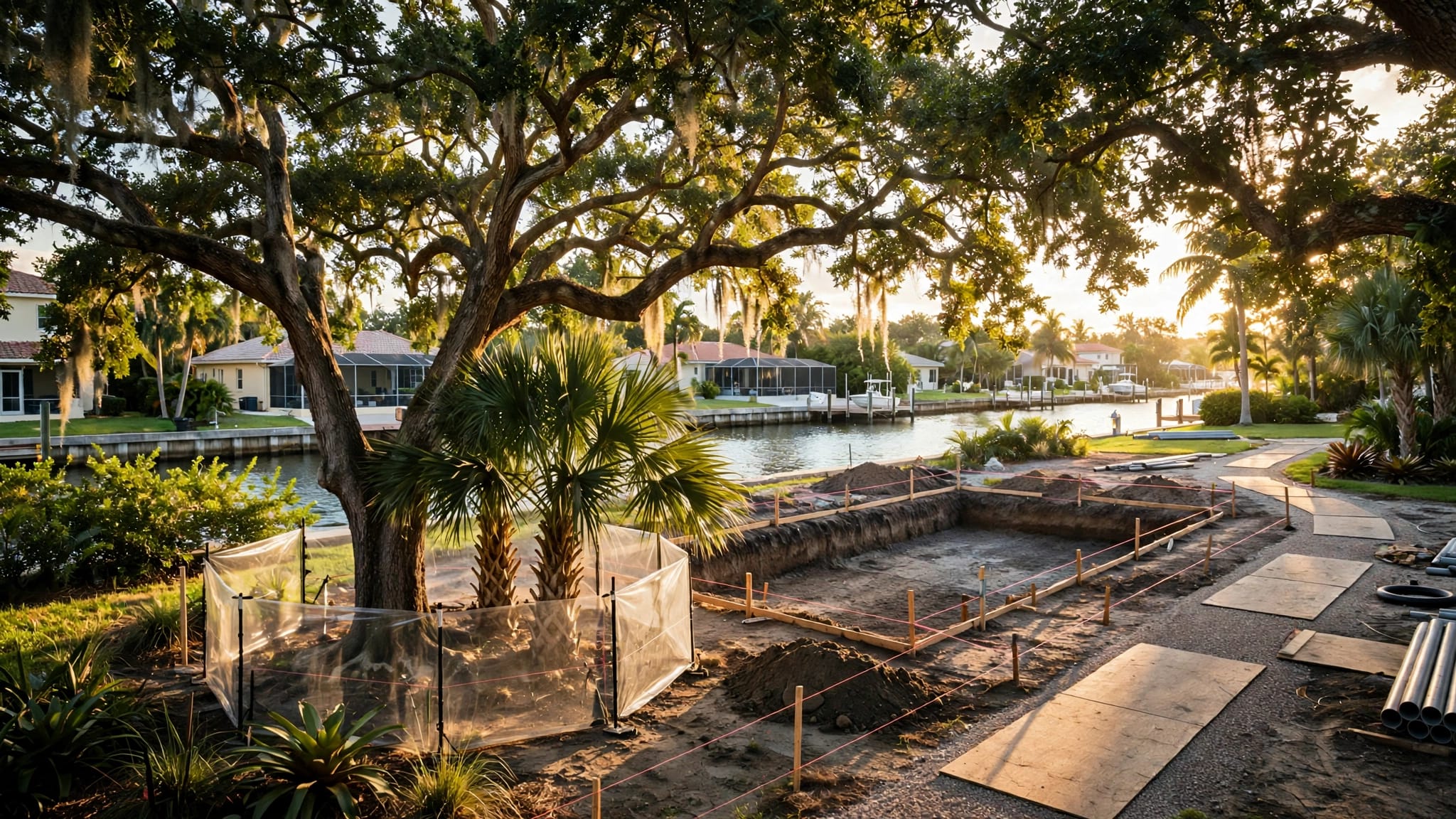
That often means you may see bare copper wire, clamps, and connection points before the deck goes in. You may also see the electrician or builder check the steel grid, the equipment pad, and any metal parts near the water.
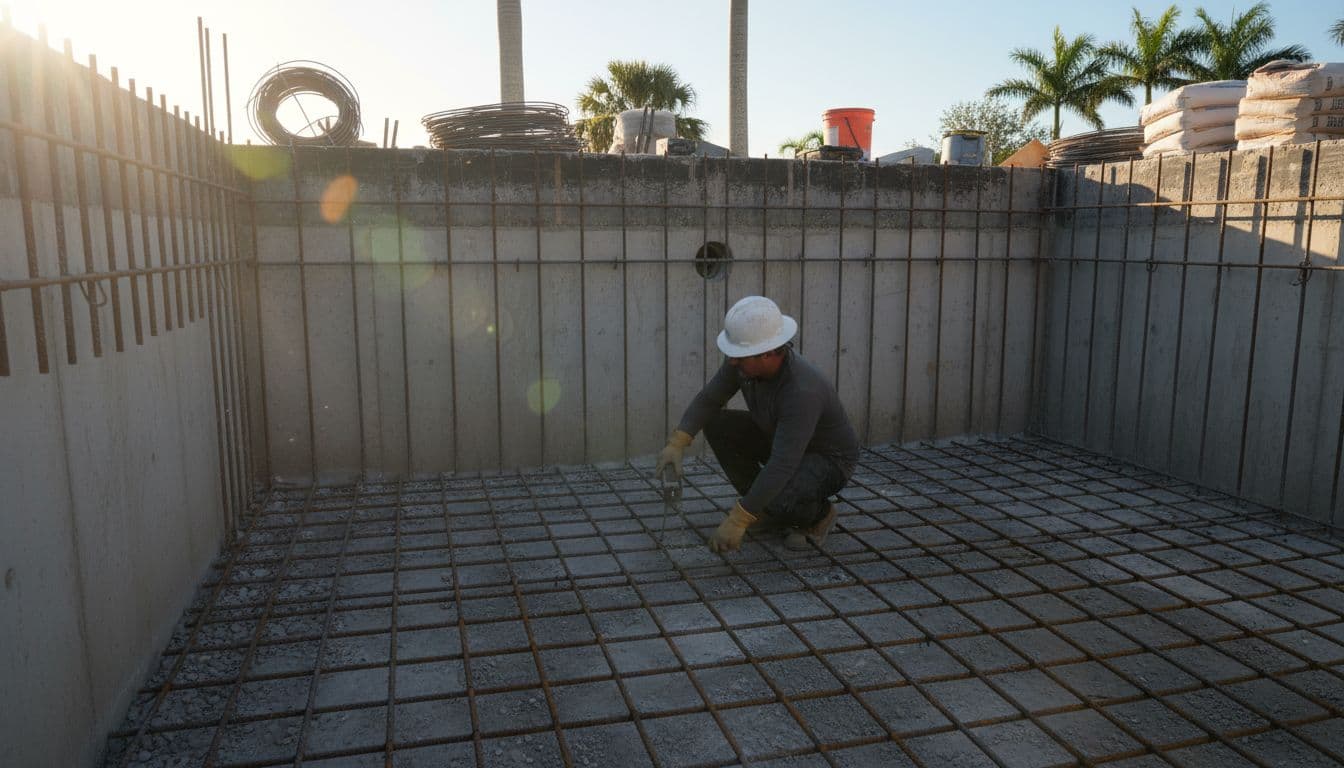
This is also where homeowners sometimes get confused. Bonding is not a visible finish item, so it can feel like hidden work. Still, it is one of the most important parts of the build.
The crew may inspect or connect:
- The rebar cage inside the shell
- The pump, heater, and control equipment
- Light niches and other metal fixtures
- Handrails, ladders, and anchors
- Water-feature parts made of metal
- Screen enclosure components, when the project includes them
If you hear someone mention pool bonding Cape Coral homeowners often ask about, they are usually talking about this network of connected metal parts. It is not a design upgrade. It is a safety step that becomes part of the pool long before the first swim.
What happens during pool electrical rough-in
If you are building a new pool, the electrical rough-in usually comes in stages. It fits into the larger inground gunite pool construction process, after the shell work begins and before the finishes close everything up.
The electrician may run conduit, pull wire, and set boxes for lights or equipment. They may also prep the control side of the system if your pool has timers, automation, or a heater. On some projects, they coordinate with the builder and plumber so all the trades land in the right order.
You may notice:
- Open trenches or conduit runs near the pad
- Wire loops or capped lines waiting for final hookup
- Equipment set in place but not yet fully connected
- Temporary labels on panels or junction boxes
- Workers testing continuity or checking connection points
That sight can look unfinished, but it is normal. A pool job has a lot of handoffs, and the electrical crew often comes back more than once.
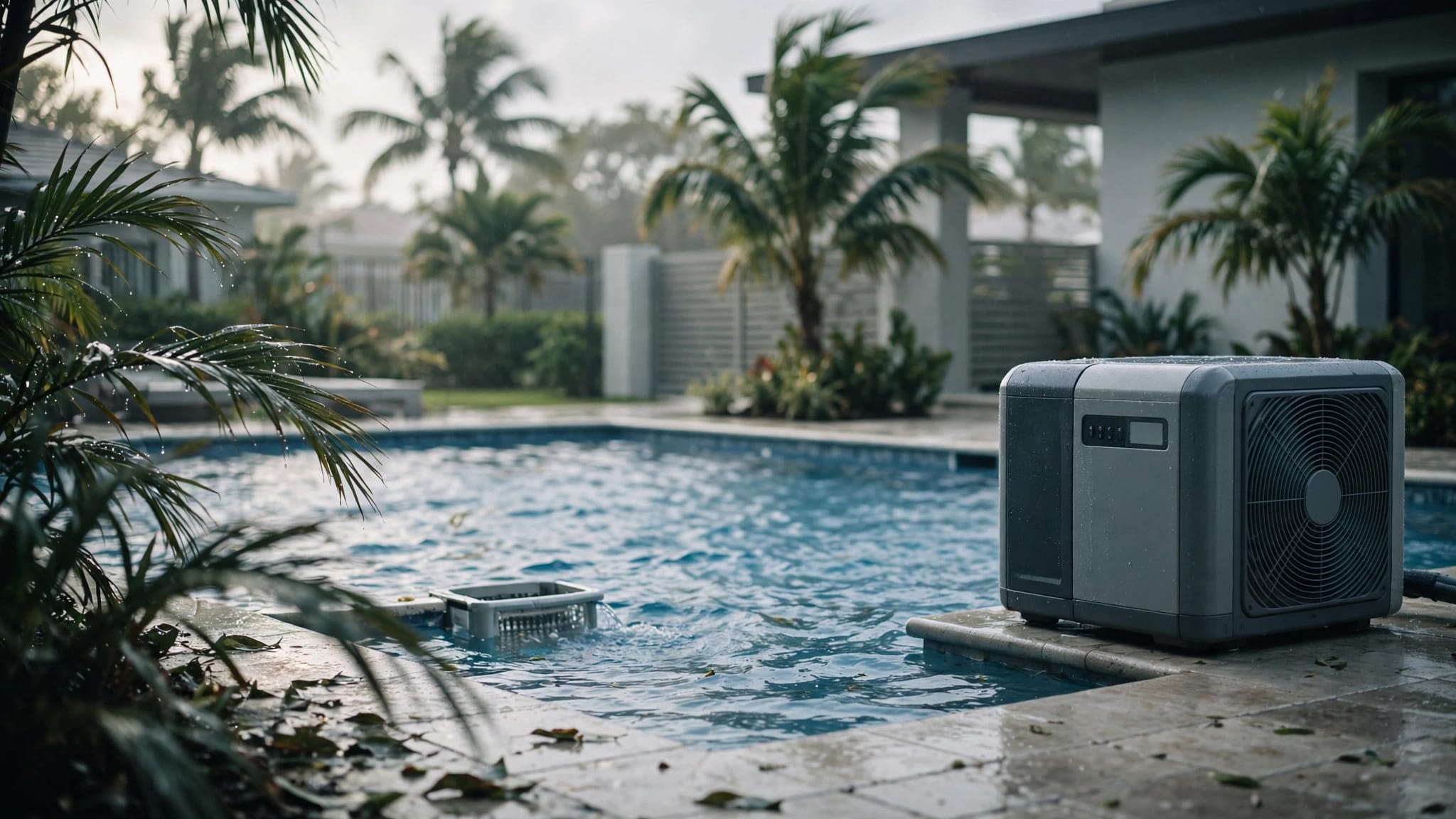
Homeowners should expect the pace to change with the weather, inspections, and the order of other trades. In Cape Coral, one rainstorm can slow outdoor work for a day or more. That does not usually mean a problem. It often means the crew is waiting for the right point to move ahead.
How bonding work looks around the pool shell and deck
Bonding often starts before the pool looks like a pool. The crew may connect the steel inside the shell, then extend bonding to the parts that people touch later. That includes metal around the deck, steps, and equipment area.
This is where the work can feel a little technical. A worker may inspect clamps, check wire paths, or confirm that the metal structure is tied together the right way. If the pool includes special features, they may also review those parts before they get covered.
The key idea is simple. Bonding creates one connected metal network so no single piece carries a stray difference by itself. That is why bonding is different from grounding. Grounding deals with the electrical service path. Bonding deals with the metal parts around the pool.
For example, a pool may have:
- A bonded steel shell
- A pump and heater with electrical connections
- Metal handrails or ladder anchors
- Light niches and fixture trims
- Water features with exposed metal parts
A well-run job keeps those parts in mind from the start. If one part gets added later, it can change the plan. That is one reason it helps to bring up upgrades early, especially if you are adding pool automation system upgrades or other equipment changes during a renovation.
Permits and inspections usually shape the pace
In Florida, pool electrical work usually moves through permits and inspections before everything gets buried or hidden. The exact order can vary by job, but the flow is familiar. The crew installs the rough parts, an inspection happens, then the build moves forward.
That part can test a homeowner's patience. Still, it protects the project from a bigger headache later. If something needs a fix, it is easier to handle it before the deck is done and the finish is in place.
During this stage, you may see the electrician, pool builder, and inspector on-site at different times. They may check boxes, look at connections, or ask for access to the equipment pad. Sometimes the review moves quickly. Sometimes a small correction adds a short delay.
Cape Coral homeowners should expect a few practical pauses:
- Waiting for a permit step to clear
- Adjusting wire routes after a field change
- Re-checking a connection before inspection
- Coming back after another trade finishes its work
That is normal. It does not mean the job is off track. It usually means the team is sequencing the work so the final system is safer and cleaner.
Renovations can uncover old wiring or bonding issues
A renovation is a good time to look closely at the electrical side of the pool. Older systems may have worn conduit, corroded fixtures, or unclear wiring paths. Even when the pool still runs, the hidden parts may not match what you want from a modern setup.
That comes up often in pool remodeling and resurfacing jobs. If the pump is being replaced, the light is changing, or the equipment pad is getting a new layout, the electrical plan may need an update too. A renovation can also be the right time to improve controls, add lighting, or shift the equipment for better access.
If the project includes a screen enclosure or a rescreen, the team may also check the metal framing and any related connection points. The goal is the same, keep the whole project safe and consistent.
When homeowners want a clearer picture of scope and timing, it helps to ask early. A good question is simple: what electrical parts are staying, and what parts need to be updated?
If you are planning a remodel and want to talk through the electrical side before work starts, Get a Free Estimate. That gives you a chance to discuss layout, upgrades, and what the crew may find once the old surfaces come off.
What a smooth job feels like on your property
A good pool electrical and bonding job does not always look dramatic. Often, it looks organized. Conduit stays neat, wire paths make sense, and the crew explains what is happening before they cover anything up.
You should expect a few days when the site looks busy, then a pause while inspection or another trade catches up. That rhythm is normal. It is also a sign that the project is moving in the right order.
Most homeowners feel better once they know what they are seeing. Bare wire near the shell is not a mistake. Open boxes are not a finished-stage problem. A temporary delay is not always a setback. In many cases, it means the team is still in the part of the job where safety work comes first.
Conclusion
Pool electrical and bonding work may stay out of sight, but it shapes how safe and dependable the finished pool will be. In Cape Coral, that matters even more because moisture, heat, and salt air are part of daily life.
If you remember one thing, make it this: bonding and grounding are different jobs , and both matter. When the crew explains the rough-in, the inspections, and the final connections clearly, you know the project is on the right track.
That early work can feel slow while it is happening, yet it is what helps the finished pool run the way it should.