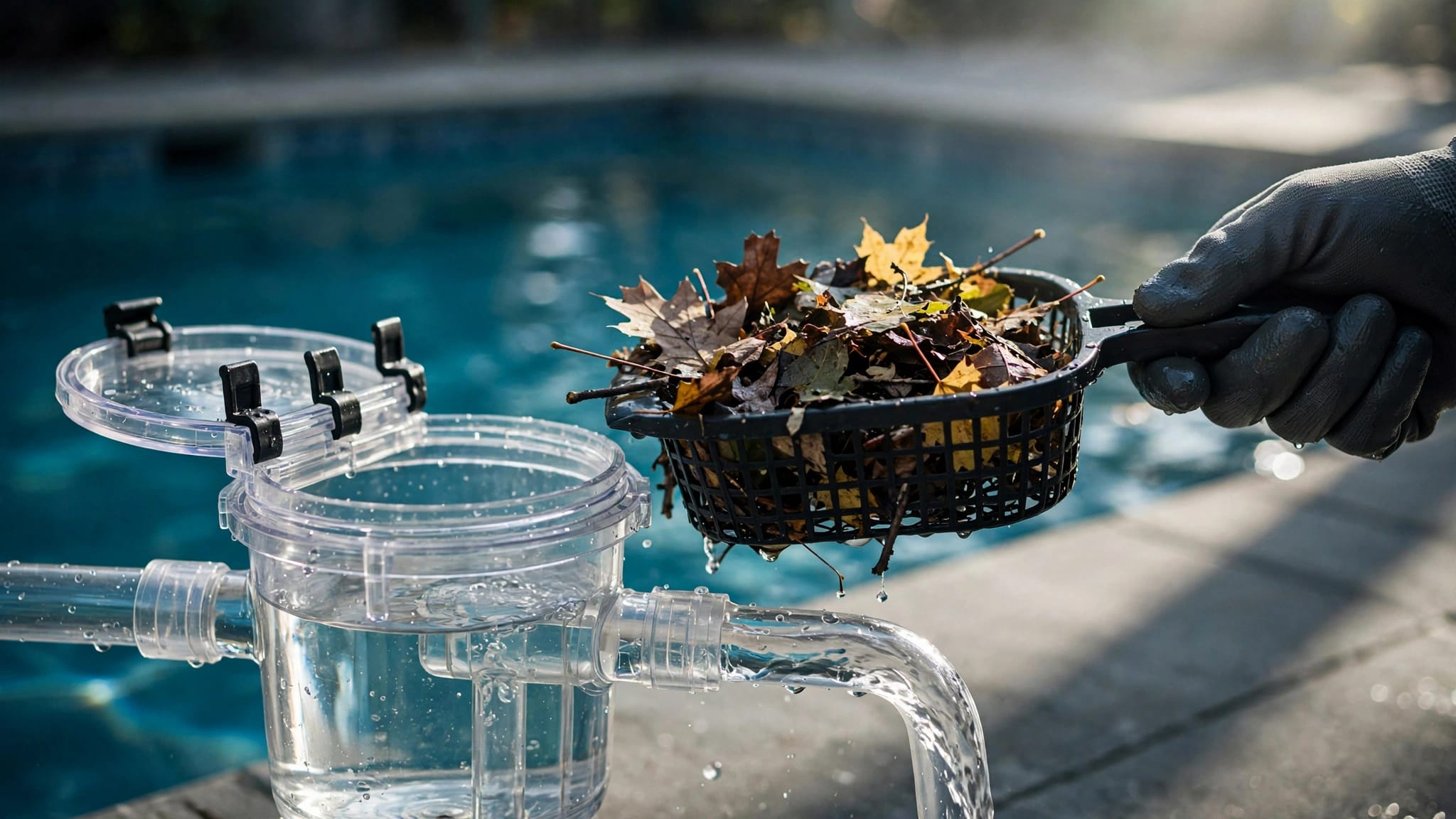
Cape Coral pools run long and hard, so pump choice matters more than many homeowners expect. A clear pool pump comparison helps you look past the sticker price and see the real cost over time.
If your current pump is loud, old, or tied to a bigger upgrade, the wrong replacement can waste power for years. The right one keeps water moving, fits your pool's needs, and stays easier to live with day after day.
Here's how variable-speed and single-speed pumps stack up for Southwest Florida homes.
What changes between single-speed and variable-speed pumps
Single-speed pumps run at one fixed pace. When they turn on, they run at full power until they shut off. That makes them simple and familiar, and the upfront cost is usually lower.
Variable-speed pumps work differently. They can run slower for filtration, then speed up when the pool needs more flow. That flexibility matters in Cape Coral, where many pools stay active most of the year.
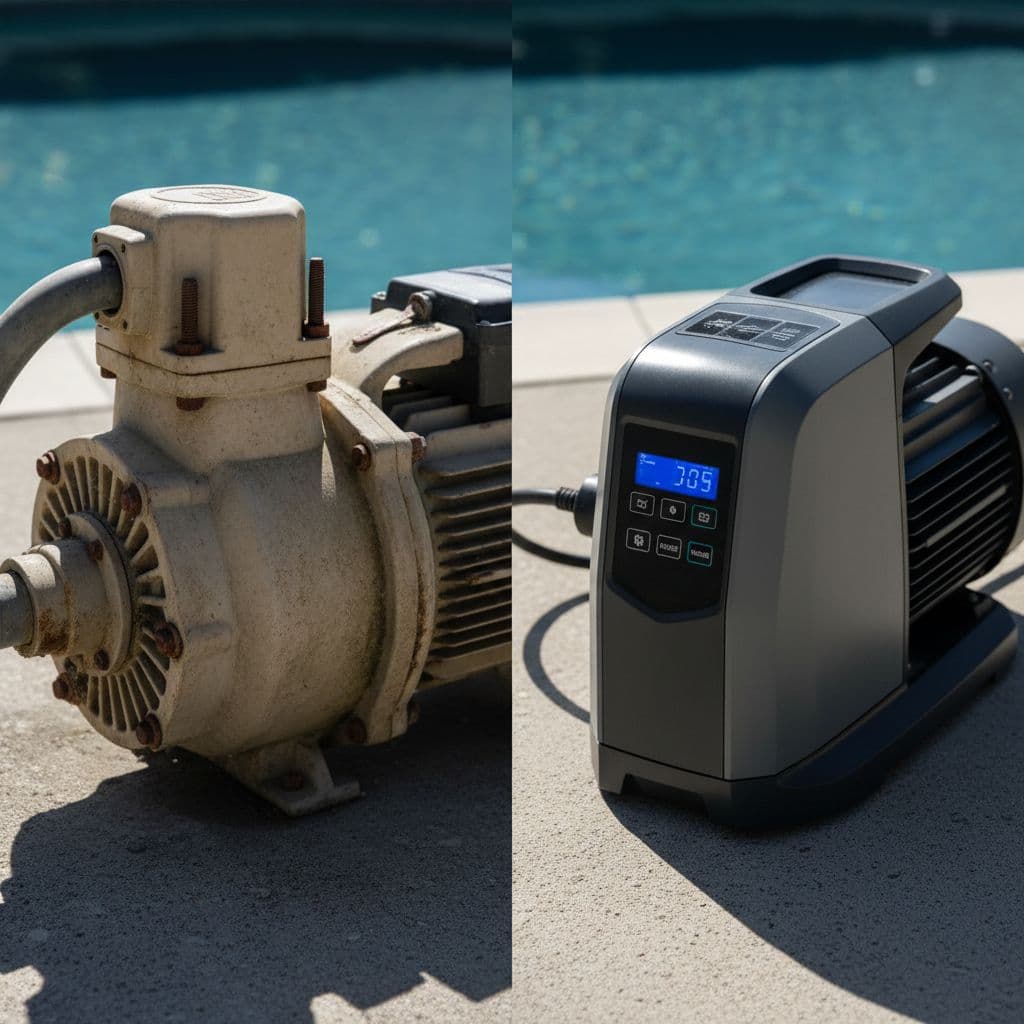
| Factor | Single-Speed Pump | Variable-Speed Pump | What Cape Coral Owners Notice |
|---|---|---|---|
| Upfront cost | Lower | Higher | Single-speed is easier on the budget at purchase |
| Energy use | Higher | Lower | Long run times make the difference show up fast |
| Noise | Louder | Quieter | Variable-speed is easier on patios and lanais |
| Circulation | Fixed flow | Adjustable flow | Better control helps with skimming and filtration |
| Long-term value | Basic and simple | Often better over time | The stronger choice for many year-round pools |
The table makes the tradeoff clear. Single-speed saves money on day one, while variable-speed often saves more over the life of the pump.
The cheapest pump to buy can become the most expensive one to run.
Energy costs in Cape Coral, month after month
Electric use is one of the biggest reasons homeowners upgrade. In Cape Coral, pools often need steady circulation because of heat, sun, debris, and long swim seasons.
A single-speed pump pulls the same power every time it runs. That means you pay for full output even when the pool only needs gentle circulation. Variable-speed pumps can slow down and do the same job with less electricity.
That matters because pump power use does not rise in a straight line. A small drop in speed can create a much bigger drop in energy use. So a pump that runs longer at a lower speed can be kinder to your bill than a pump that runs hard for fewer hours.
The real savings depend on pool size, run time, plumbing, and local electricity rates. Current utility programs, if available, can also change the payback picture. Still, for many Florida pools, variable-speed is the better long-term choice.
Noise, circulation, and daily comfort
Noise is easy to ignore at the store and hard to ignore at home. A single-speed pump usually has a louder start and a louder steady hum. If your equipment sits near a patio, bedroom, or screen enclosure, that noise can get old fast.
Variable-speed pumps are much quieter at lower settings. That makes early-morning runs and overnight filtration less annoying. For many homeowners, the comfort difference is as useful as the energy savings.
Circulation also improves when a pump can match the job. Lower speeds often give water more time to move through the filter and across the pool surface. That helps with skimming, mixing chemicals, and keeping dead spots from forming in corners or steps.
If your pool sees a lot of leaves, sunscreen, or rain runoff, better flow control helps the whole system feel more balanced. It can also reduce how hard the pump has to work on a daily basis.
When your pump needs to work with the rest of the system
A pump rarely works alone. It has to fit your filter, heater, salt system, timer, and control setup. That is where variable-speed pumps often pull ahead, because they give you more control over flow.
If you want to add scheduling or app control, smart pool automation system upgrades make that easier. Many modern systems let you set different speeds for different tasks, like filtering, heating, or spa use.
Filter choice matters too. A pump that is too strong for the filter can create pressure problems and shorten equipment life. If you are replacing both pieces, efficient pool filter and pump setups are worth reviewing together.
When a pump swap is part of a bigger project, the timing gets even better. If you are already planning plumbing changes, new equipment pads, or surface work, pool renovation and resurfacing services can help you update the whole system at once. That often makes the finished result cleaner and easier to maintain.
Which pump makes more sense for your home?
Single-speed pumps still have a place. They can work for homeowners who want the lowest purchase price, need a quick replacement, or have a simple pool that runs on a basic schedule. They are straightforward, and many people understand them right away.
Variable-speed pumps usually make more sense for Cape Coral pools that run most of the year. They are better when noise matters, when energy bills matter, or when the pool already uses modern controls. They also fit better with future upgrades.
A quick way to sort it out is to ask yourself these questions:
- If the goal is the lowest upfront cost, single-speed is easier to buy today.
- If the goal is lower operating cost, variable-speed usually wins over time.
- If your pool already has automation, variable-speed is the better match.
- If you plan to stay in the home for years, the long-term value matters more than a cheap install.
For a replacement that fits your pool, your plumbing, and your budget, schedule an onsite visit and Get a Free Estimate.
Conclusion
For Cape Coral homeowners, pump choice is about more than horsepower. It is about how often the pool runs, how much power it uses, and how well it fits the rest of the system.
A single-speed pump can still be the right answer in a few cases, especially when budget comes first. Even so, variable-speed is often the better long-term choice for Florida pools that see heavy use and long seasons.
The best pump is the one that matches your pool, your routines, and the way you plan to use the space for years ahead.