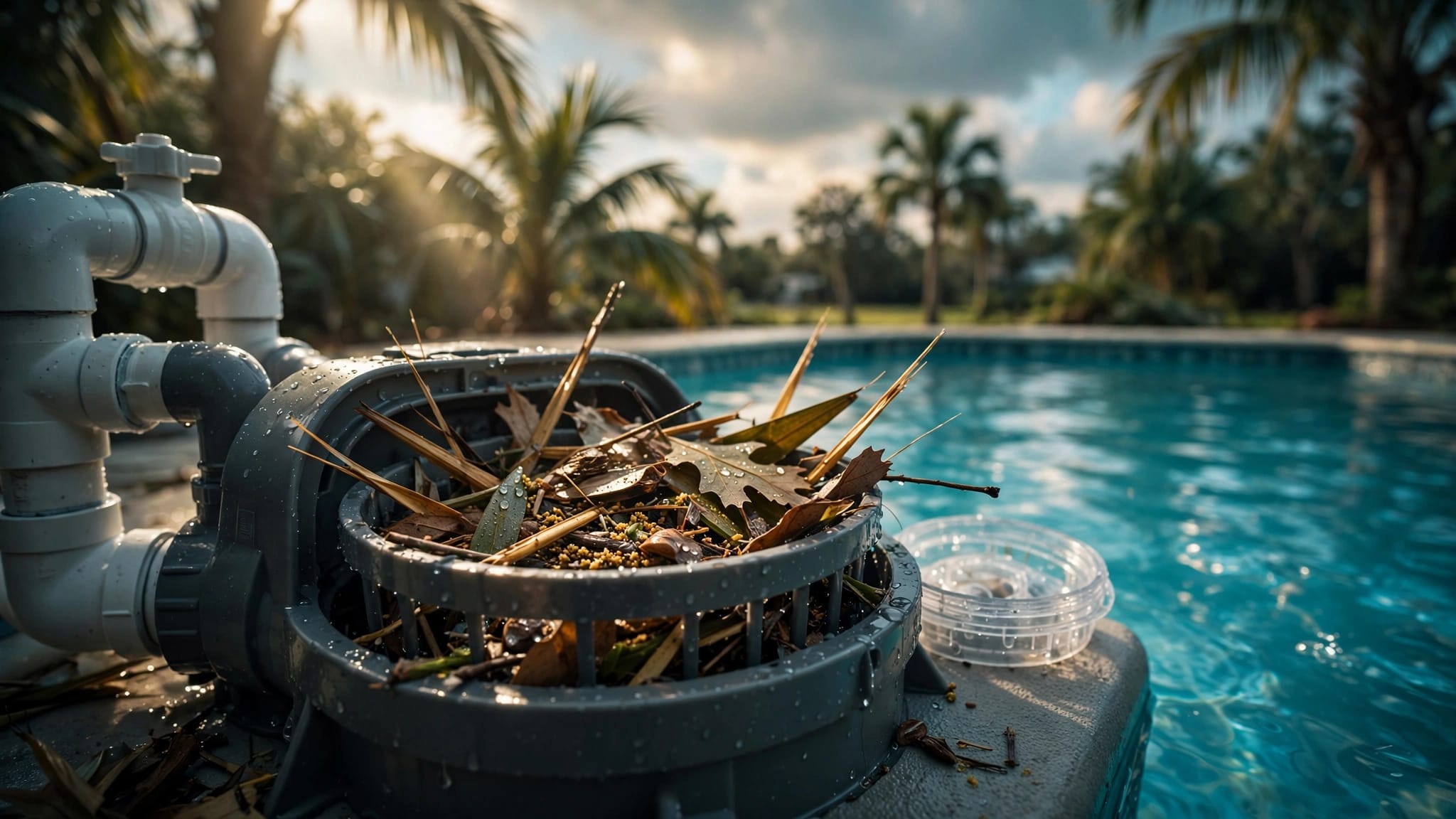
Cape Coral sun can turn a pool deck into a hot plate by early afternoon. Add glare off the water, thick humidity, and a steady stream of UV exposure, and a backyard that looked perfect in the morning can feel harsh by lunch.
The right pool shade options make the space easier to use, cooler on bare feet, and more comfortable for long swims or quiet seating time. The best choice depends on how much shade you want, how much weather your yard takes, and how much upkeep you can live with.
The answer starts with the conditions your backyard faces every day.
Why Cape Coral Backyards Need Real Shade
Cape Coral has a sun problem, and pool owners feel it in layers. The heat comes down hard, then the water throws it back up. That reflection can make a deck feel hotter than the air around it.
Afternoon sun is the hardest to beat. West and southwest exposures get blasted late in the day, right when families want to sit outside, grill, or cool off after work. A pool also creates bright glare, so even a beautiful space can feel tiring without some relief.
Shade does more than lower the temperature. It helps protect skin, cuts eye strain, and keeps seating areas usable longer. It also helps finishes last. Pavers, cushions, and even some poolside furniture fade faster when they sit in direct sun all year.
Rain matters too. Cape Coral gets sudden showers, sticky humidity, and long stretches of damp air. Any shade plan should handle water, dry out fast, and resist mildew. Coastal air adds another layer. Salt can wear on metal hardware, so the details matter as much as the design.
If you want shade that works in real life, not just on a design board, start with how your yard gets sun in the afternoon and how often you use the pool.
Comparing the Pool Shade Options That Fit Cape Coral Homes
The best choice usually comes down to four things, how much shade you need, how permanent the structure should be, how much it will cost, and how it handles wind and salt air. Here's a quick side-by-side look.
| Option | Shade Coverage | Cost Level | Longevity | Maintenance | Best Fit |
|---|---|---|---|---|---|
| Screen enclosure | High | Mid to high | Long | Low to moderate | Full pool use, bug control, debris protection |
| Shade sail | Moderate to high | Low to mid | Medium | Moderate | Decks, tanning ledges, seating spots |
| Retractable awning or screen | Adjustable | Mid to high | Medium to long | Moderate | Patios and flexible shade control |
| Pergola or cabana | Partial to high, depending on roof | Mid to high | Long if built well | Moderate | Style-driven yards and lounge areas |
| Umbrellas or portable shade | Light to moderate | Low | Short to medium | Low | Small seating zones and quick coverage |
The clear pattern is simple. If you want the most usable shade around the pool itself, enclosed or roofed structures usually win. If you want flexibility, sails and retractable systems give you more control without a full build.
In Cape Coral, the best shade is the one that cools the deck without fighting the wind.
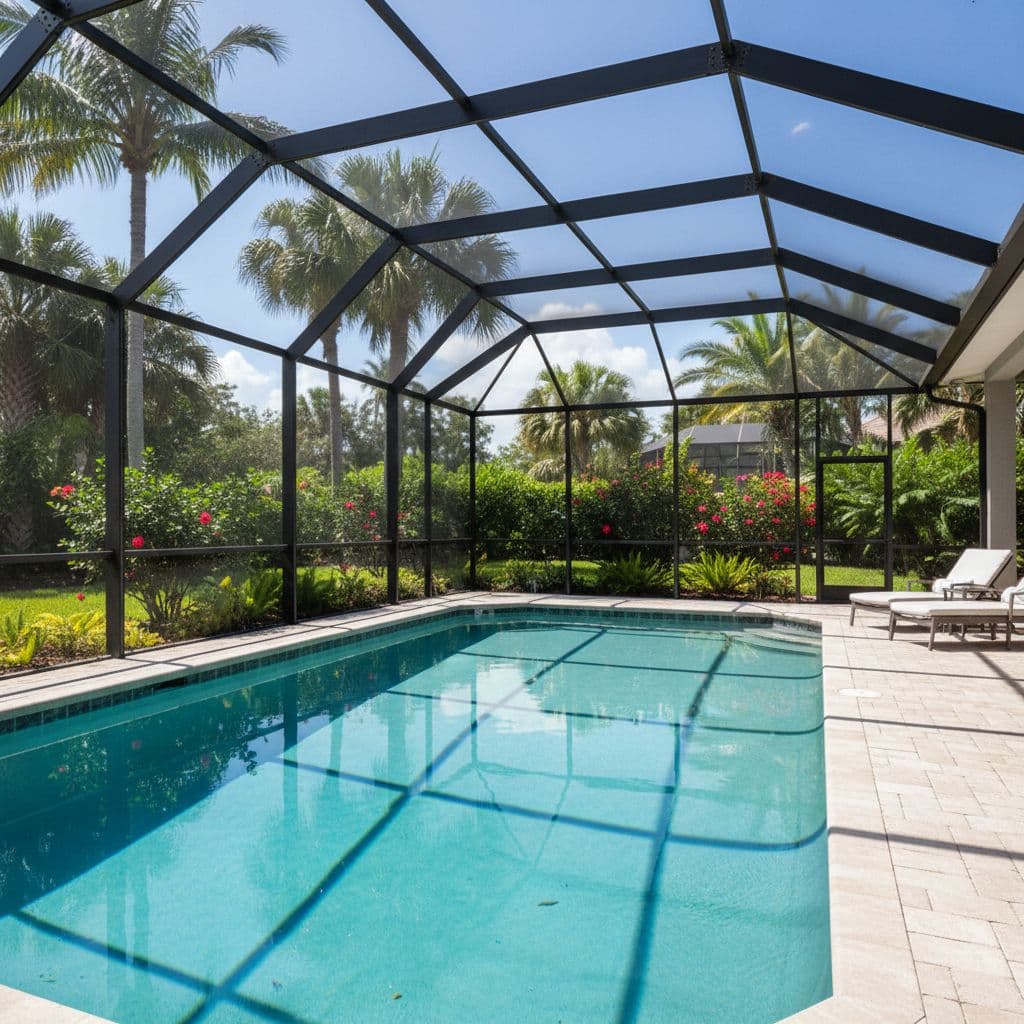
A lot of homeowners start with a screen enclosure because it solves several problems at once. It blocks sun, keeps out bugs, and cuts down on leaves and windblown debris. If you want that kind of all-around protection, custom pool screen enclosures are one of the most practical long-term choices for Southwest Florida.
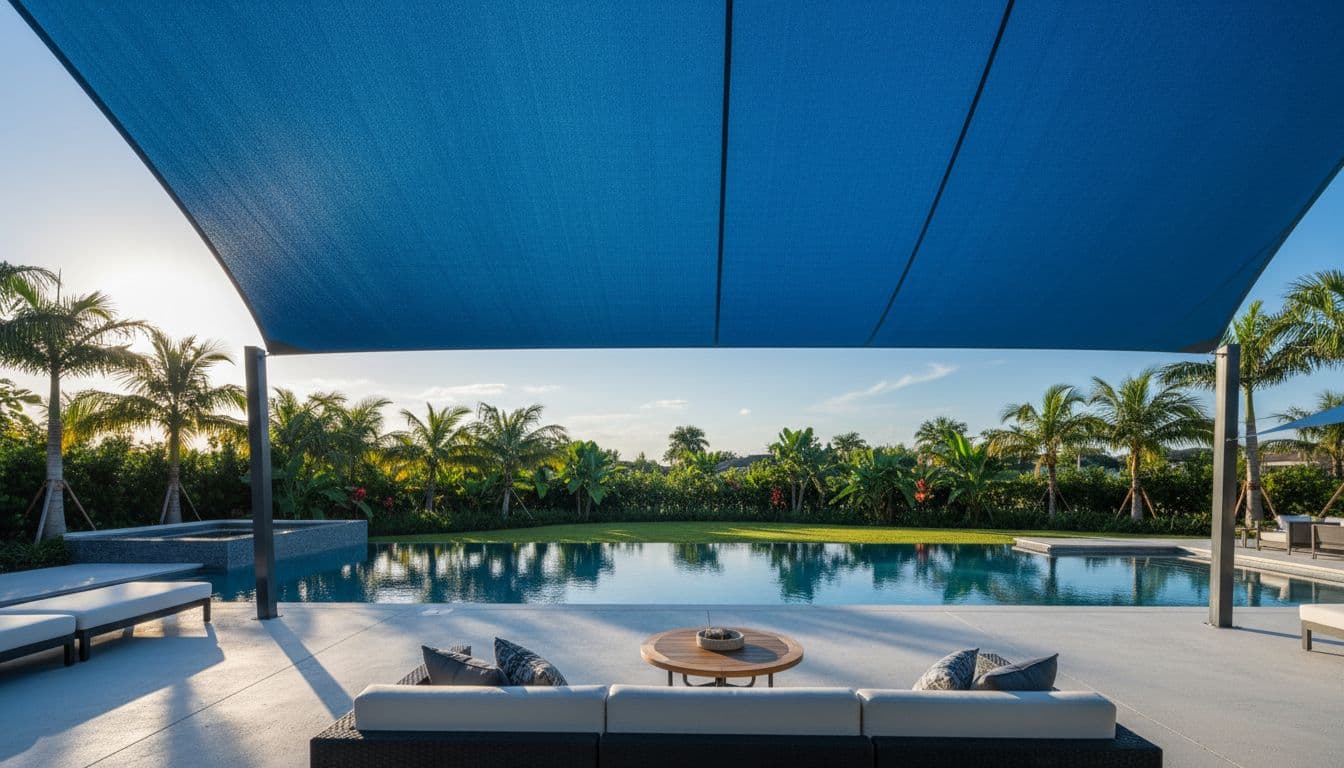
Shade sails are a strong second option when you want style and targeted coverage. They work well over a lounge chair area, a tanning ledge, or part of a pool deck. They also leave the yard open and airy, which many homeowners like. The tradeoff is that they usually give partial shade, not full coverage, and they need good anchors to stay safe.
Retractable awnings and motorized screens make sense when you want sun when you want it, shade when you need it. That flexibility is useful on mixed-use patios. Still, the moving parts need care, and the installation has to be solid. Cheap hardware tends to fail early in Florida weather.
Pergolas and cabanas add more visual weight. They can look beautiful and give a yard a finished feel. A pergola with slats gives dappled shade, while a solid roof or cabana can cover a larger area. These are great near seating zones, outdoor kitchens, or spots where you want the shade to feel built in rather than added on.
Portable umbrellas are the easiest choice, but they are also the least protective. They work fine for a chair or two. They do not solve larger heat or glare problems on their own.
Materials and Details That Hold Up in Southwest Florida
The material choice often matters more than the style. In Cape Coral, sun, humidity, rain, and salt air can wear down weak products fast. A shade structure that looks good in the showroom can age badly outdoors if the frame and fasteners are wrong.
For frames, powder-coated aluminum is a smart choice because it resists rust better than basic steel. For hardware, stainless steel or marine-grade components hold up far better near the coast. For fabrics, HDPE shade cloth and outdoor-rated polyester are common for a reason. They handle UV exposure well and dry faster after rain.
Screen mesh matters too. Different openness levels change how much sun comes through, how much wind passes through, and how clear the view stays. Lower openness blocks more glare, which helps on west-facing decks. Higher openness keeps the yard brighter and breezier.
The goal is balance. You want enough shade to make the pool usable, but not so much cover that the area feels closed in. You also want drainage and airflow. When shade traps moisture, mildew shows up fast.
The strongest setups usually include:
- UV-stable fabric that will not break down after one brutal summer
- Corrosion-resistant hardware that can handle salt air
- Anchors and footers sized for local wind conditions
- Good drainage so water does not collect on the deck or fabric
- Clear edges and sightlines so the pool area still feels open and safe
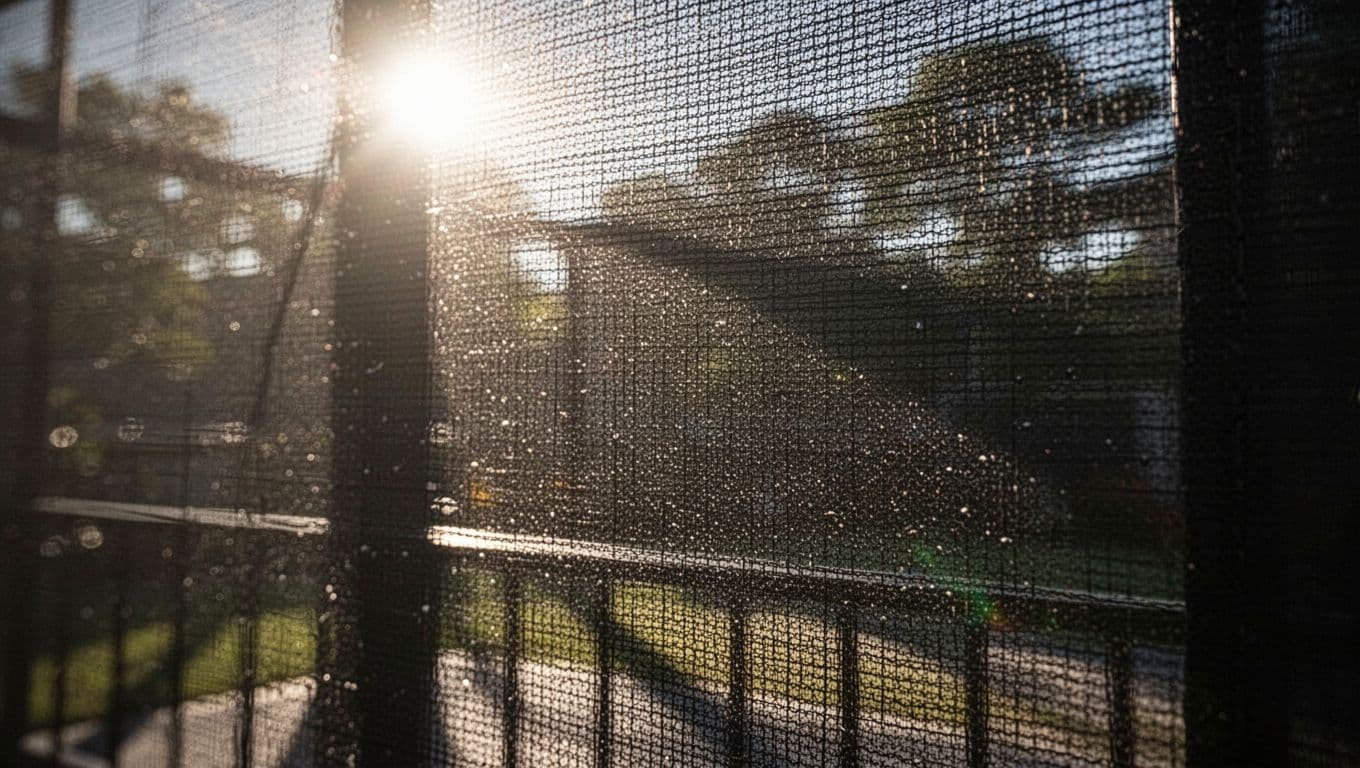
Safety matters just as much as durability. Posts should not block walking paths, low-clearance edges should not reach into swimming space, and anything electrical should be installed correctly and protected from water. If a structure sits over a pool deck or connects to the house, the install needs to be precise.
Storm prep is part of the decision too. Retractable systems should close before rough weather. Shade sails need secure engineering and may need to come down ahead of strong storms. Solid covers should shed water cleanly instead of catching it.
When a Professional Installation Is the Better Choice
Some shade projects are simple. Others touch permits, structure, wiring, and drainage. That is where a professional usually saves time and trouble.
A pro is the better call when the shade structure attaches to the house, spans a large pool deck, or needs footers set into pavers or concrete. The same is true if you want a screen enclosure that ties into an existing pool area and still feels like part of the home, not an afterthought.
Professional help also makes sense if you want help balancing shade with pool use. A deck that feels great at noon can block your view, crowd the yard, or cut off airflow if the layout is wrong. A good installer can plan around the shallow end, the tanning ledge, the grill zone, and the main seating area without wasting space.
If you're still comparing structure types, tips for planning your pool enclosure can help you think through measurements and layout before the site visit. That kind of prep makes the estimate process smoother and usually leads to a better result.
If you want a custom solution for your Cape Coral backyard, Get a Free Estimate and compare the options against your yard, your budget, and your long-term plans. That is especially helpful if you are deciding between a screen enclosure, a shade sail, or a more permanent covered area.
Conclusion
The best shade for a Cape Coral pool is the one that handles heat, UV, rain, and wind without creating more work than it solves. Screen enclosures bring the most complete coverage, shade sails add fast visual appeal, and retractable or roofed options give you more control over how the space feels.
Start with how your backyard gets sun, then match the structure to the way you use the pool. A smart shade plan makes the deck cooler, the seating area more useful, and the whole backyard easier to enjoy through the hottest months.