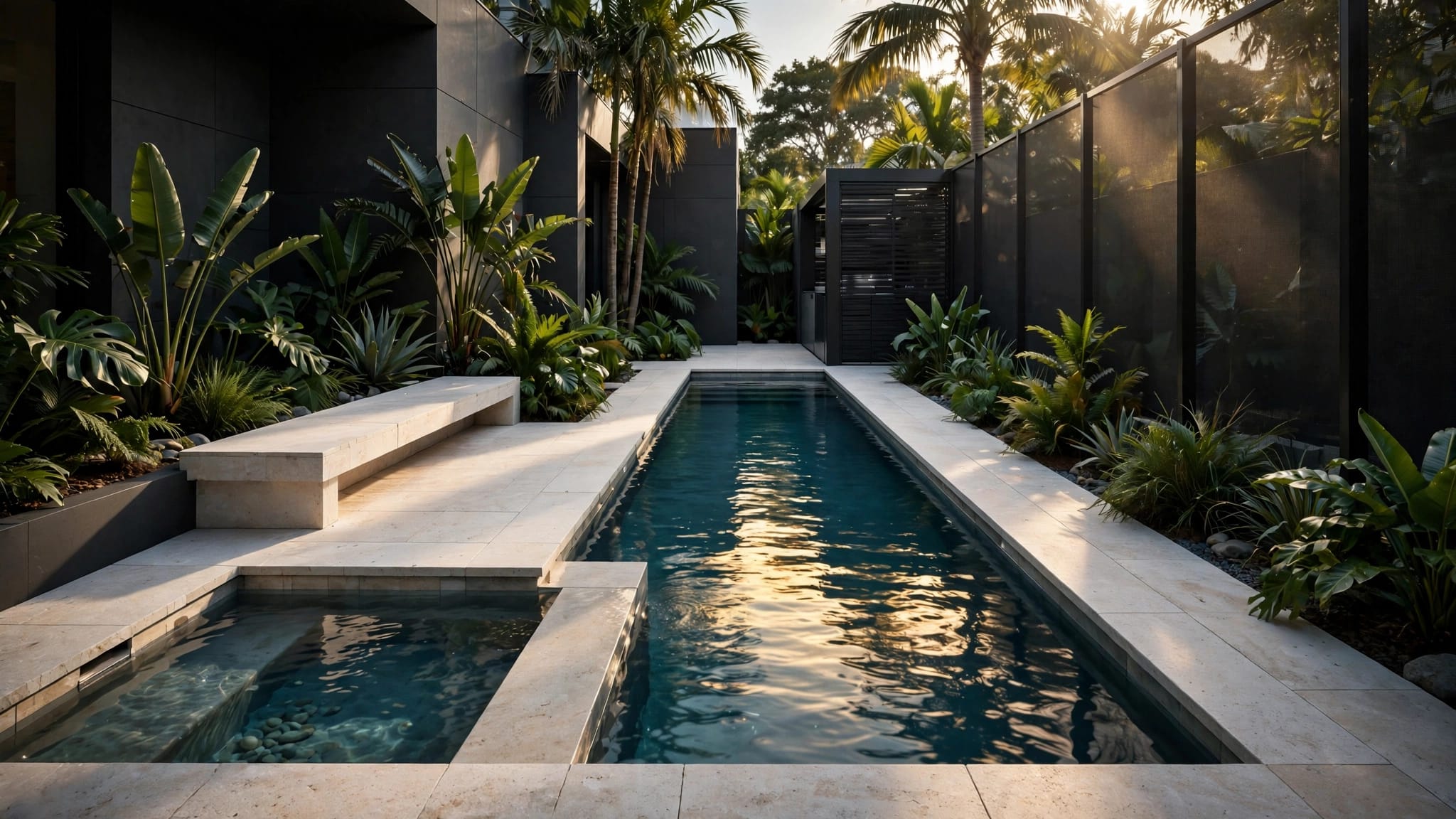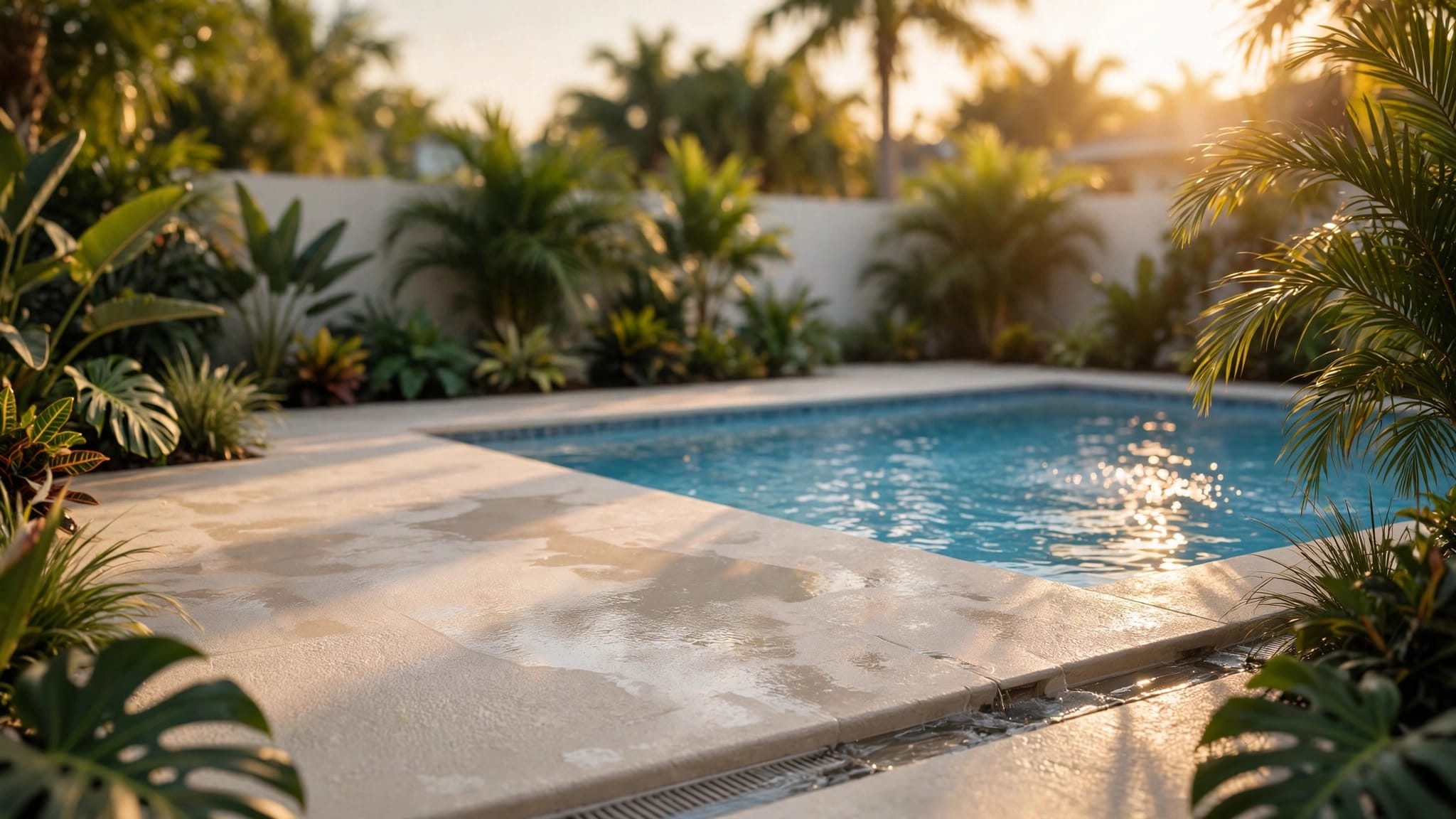
A pool can help a Cape Coral home sell, but it doesn't automatically raise the price enough to cover the full cost. The real payoff depends on the neighborhood, the price band, and how well the pool fits the lot.
That matters even more in May 2026. Buyers have more listings to compare, more room to negotiate, and a sharper eye for repairs, upkeep, and insurance costs. If you're thinking about a new build, a remodel, or a sale, the pool's condition matters as much as the water in it.
The Cape Coral pool home value question is really a fit question. The better the match between the house, the yard, and nearby sales, the stronger the result.
A pool helps, but only in the right home
In Cape Coral, a pool is often a strong selling point because buyers expect outdoor living. Families, seasonal owners, and investors all look at the backyard as part of the home, not an add-on.
Still, a pool does not work like a fixed bonus. On one street, it may help a home compete. On another, it may feel standard. On a small lot, a pool can crowd out yard space and limit how the property feels. If your neighborhood already has plenty of pools, not having one can hold you back just as much.
A pool adds the most value when it matches what buyers already expect in that part of Cape Coral.
That is why sellers should look at recent comparable sales first. If nearby homes with pools are selling faster, the market already knows what it wants. If the nearby homes are mostly pool-free, a pool may improve appeal, but the gain may be smaller than you expect.
Why Cape Coral's 2026 market changes the math
Cape Coral's market in 2026 is cooler than it was a year ago. Prices are down about 4 to 10 percent from last year, homes often take 53 to 80 days to sell, and inventory is above 3,000 listings. That means a pool has to do more than look nice, it has to look worth the upkeep.
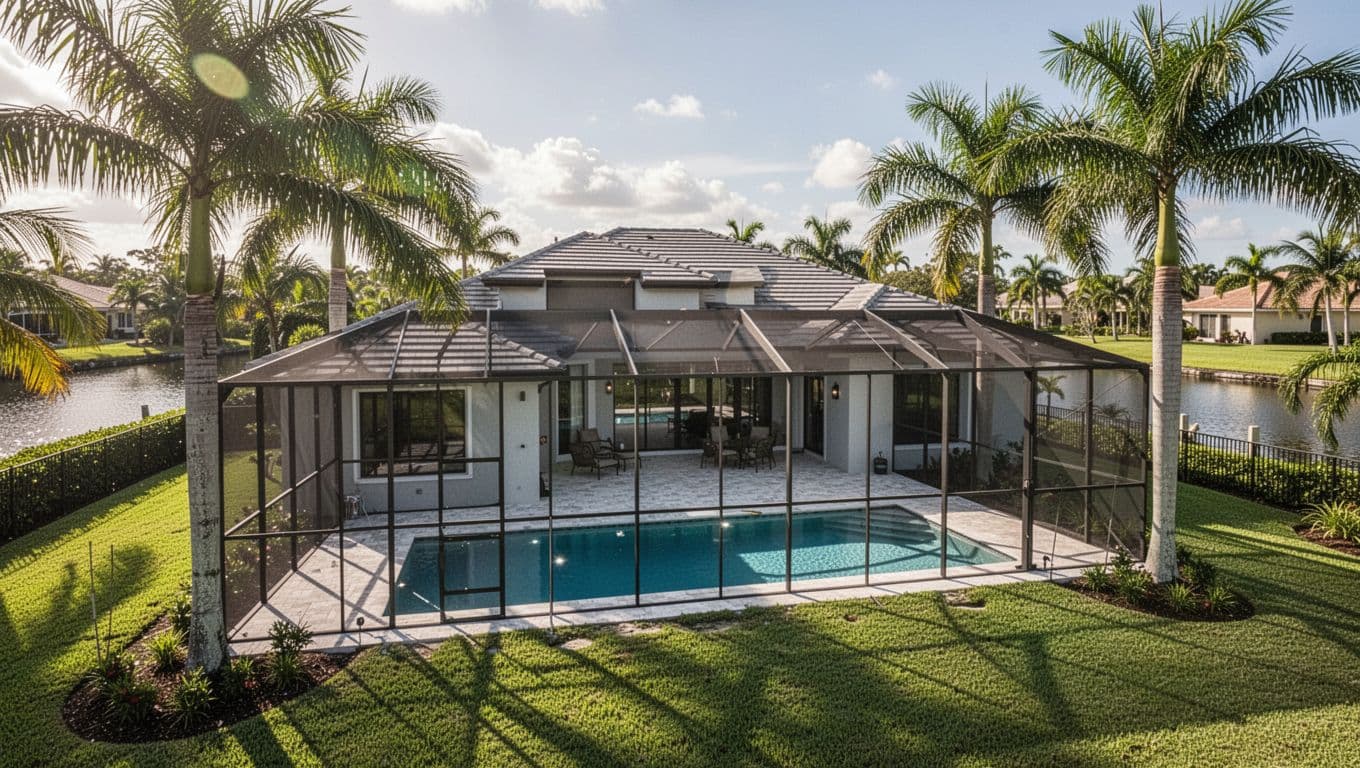
Recent off-water sales show a clear gap too. Pool homes have been around $417,500, while similar homes without pools have been around $305,000. That difference is meaningful, but it doesn't mean every pool adds the same amount. The premium depends on the property, the neighborhood, and the finish level.
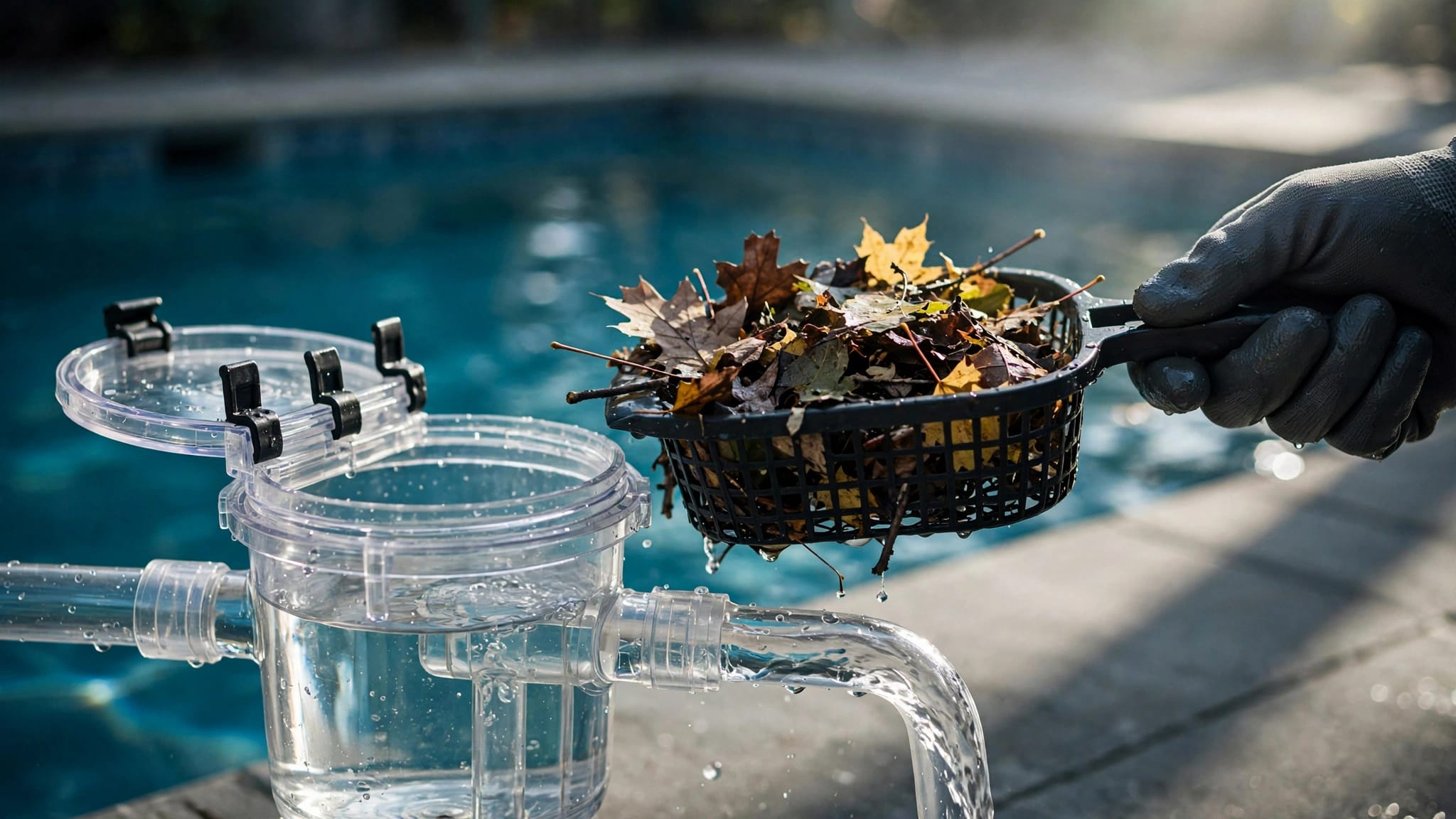
That is why presentation matters so much right now. When buyers have thousands of listings to scan, they notice details fast. Clean water, a working pump, fresh surfaces, and an intact enclosure help your home stand out for the right reasons.
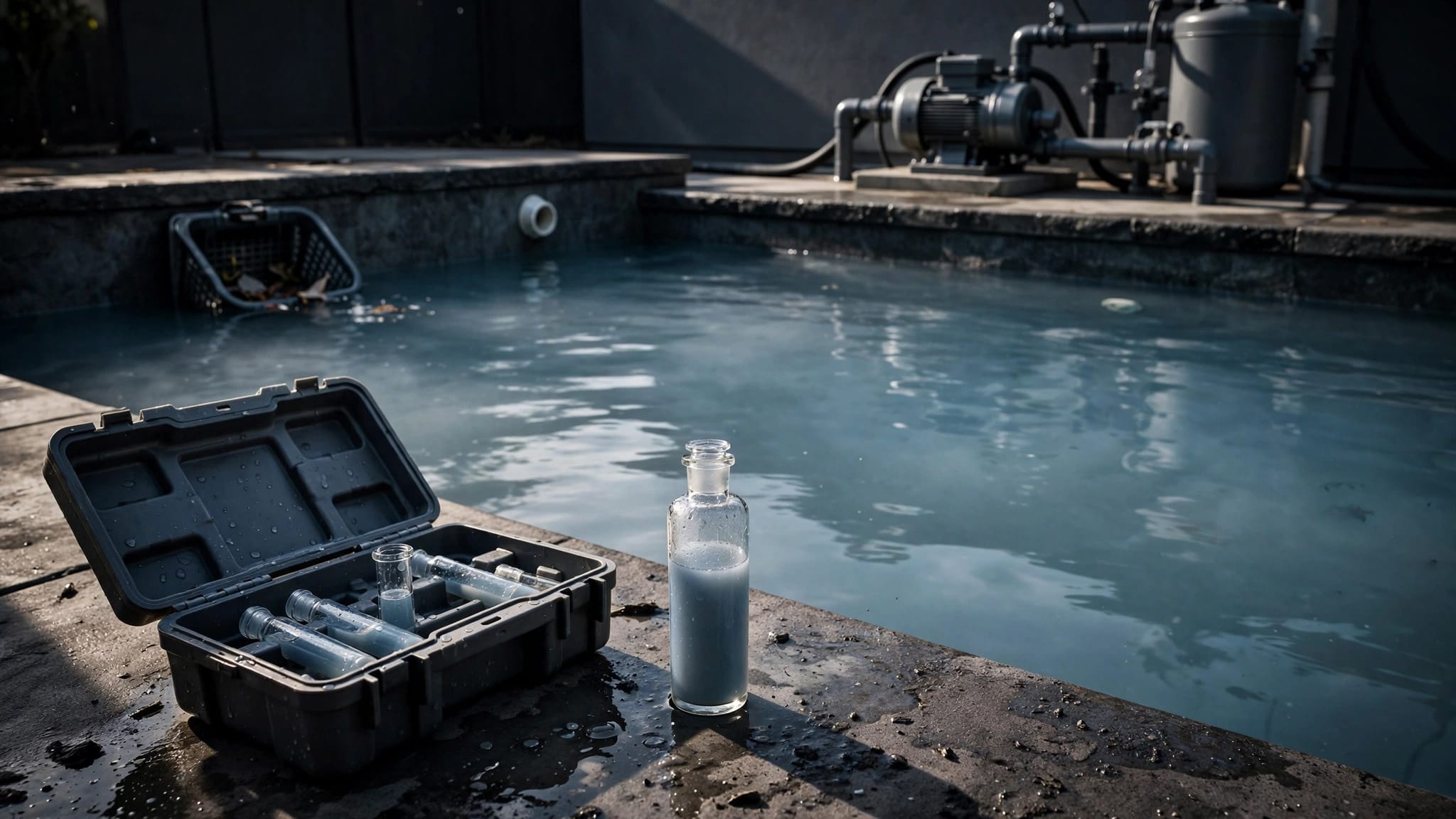
A tired pool can still help a sale, but only if the rest of the house carries the load. Buyers often forgive a plain design. They do not forgive visible neglect.
What actually raises the pool's value
The pool itself is only part of the story. The neighborhood, lot shape, and maintenance history often matter more than size or fancy add-ons.
This simple breakdown shows where the value tends to hold up best.
| Factor | Helps value when... | Hurts value when... |
|---|---|---|
| Neighborhood comps | Nearby homes already have pools | Your home becomes the only one with a pool |
| Pool condition | The surface, equipment, and deck look cared for | Repairs are visible or overdue |
| Screen enclosure | The enclosure is tight, clean, and rust-free | Screens sag, tear, or discolor |
| Lot size and layout | The pool still leaves usable yard space | The pool overwhelms a small lot |
| Waterfront status | The site and layout support the pool naturally | Setbacks, drainage, or insurance concerns stack up |
| Price point | The home sits in a range where buyers want outdoor living | The price is too high for the level of finish |
The pattern is simple. A pool helps most when it feels native to the home, not forced onto it. It helps less when buyers see extra work, extra risk, or less usable space.
Size matters less than usefulness. A modest pool that leaves room for seating, grilling, and open movement often sells better than a giant basin that eats the whole yard. Buyers in Southwest Florida want a backyard that works on a Tuesday night and a Saturday afternoon.
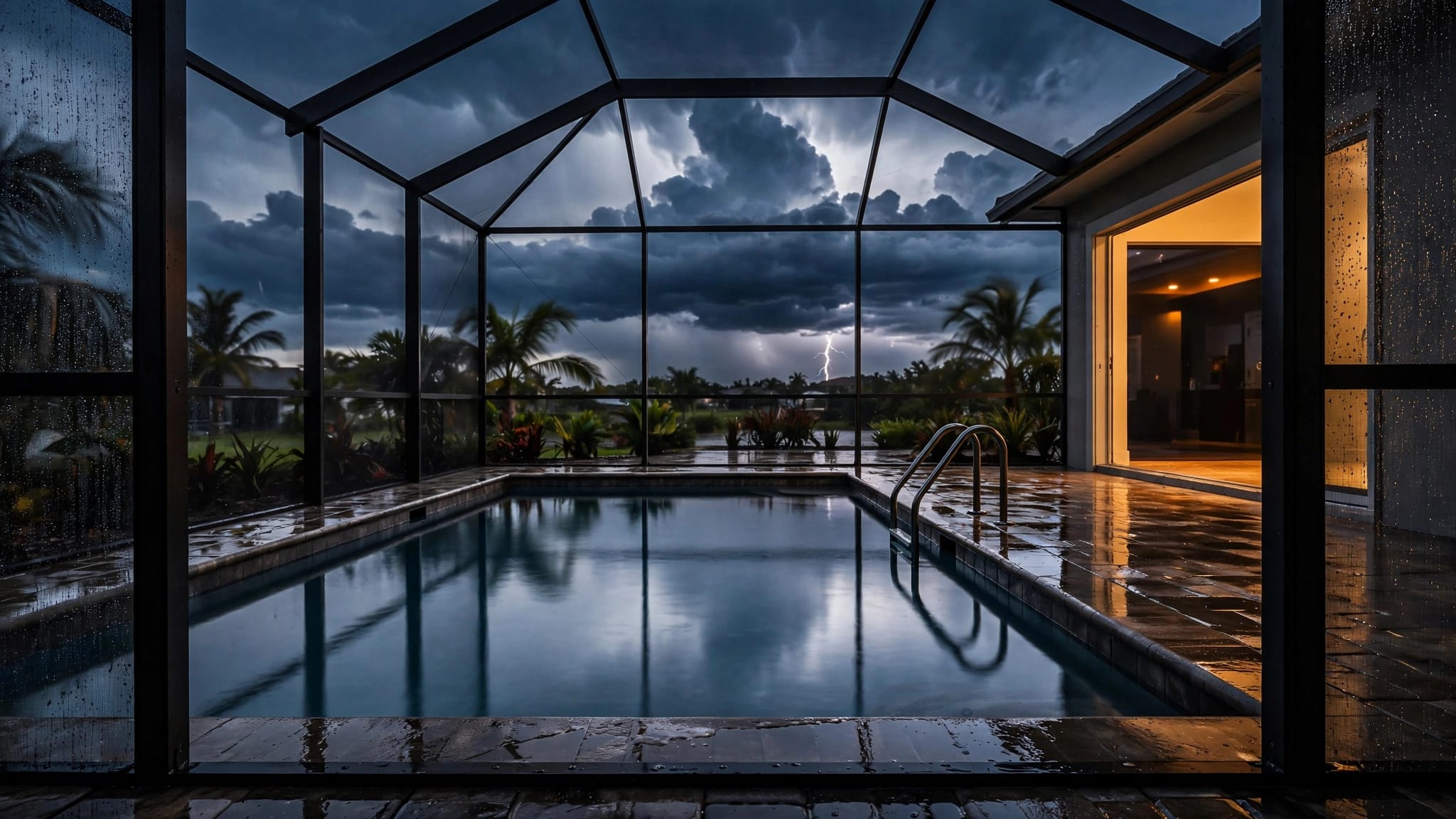
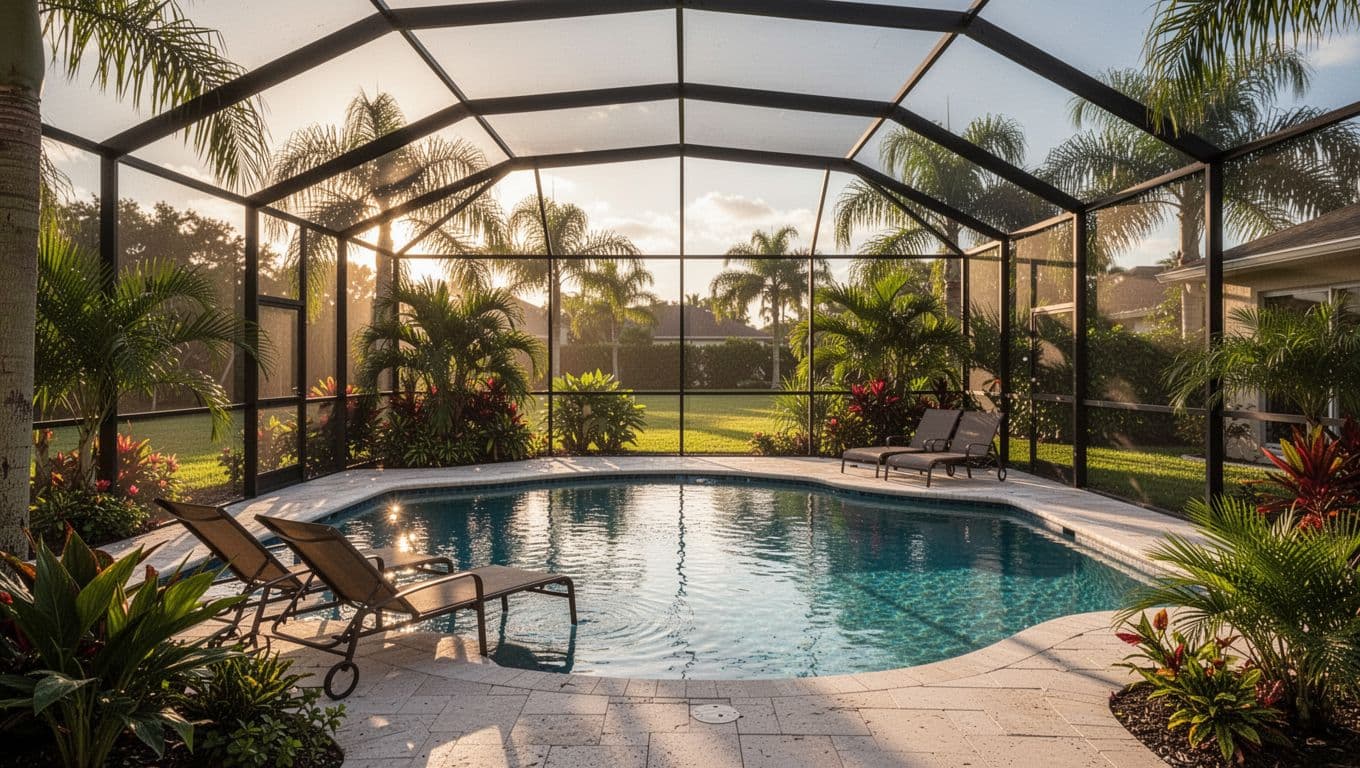
Screen enclosures matter more than many sellers think. A worn screen, bent frame, or stained track can make the whole backyard feel older. A rescreen can be a small project, but it often changes the first impression fast.
Waterfront lots deserve extra care. Setbacks, drainage, seawalls, and access can affect design choices in a big way. If your property sits near a canal or seawall, building pools near seawalls in Cape Coral is not a minor detail, it's part of the value equation.
The costs that change the math
A pool can add enjoyment and resale appeal, but buyers also think about what it will cost to own. That matters in Florida, where monthly expenses can add up fast.
The biggest ongoing costs are easy to miss during a showing:
- Chemicals and routine cleaning
- Electricity for pumps, lights, and heaters
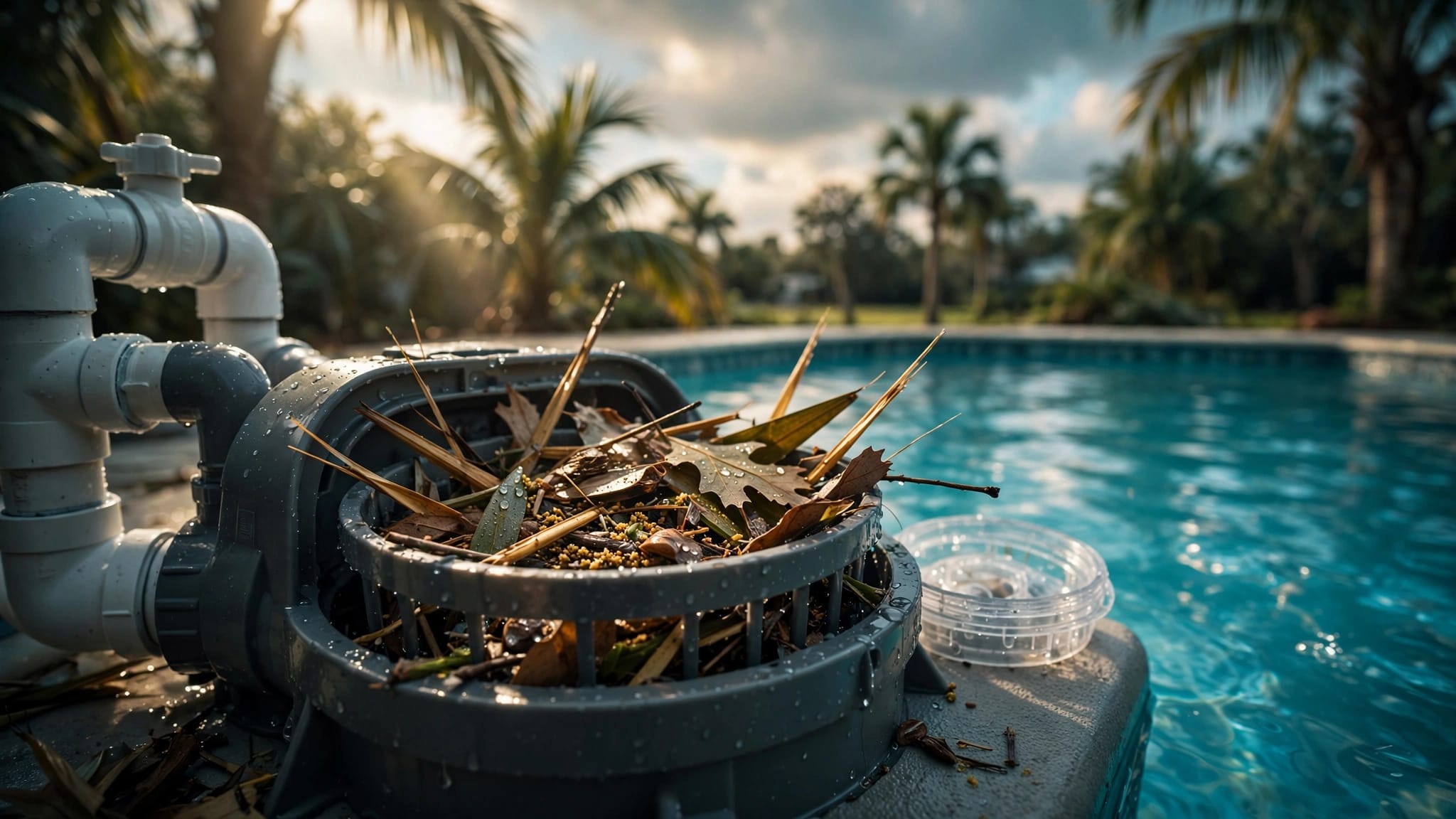
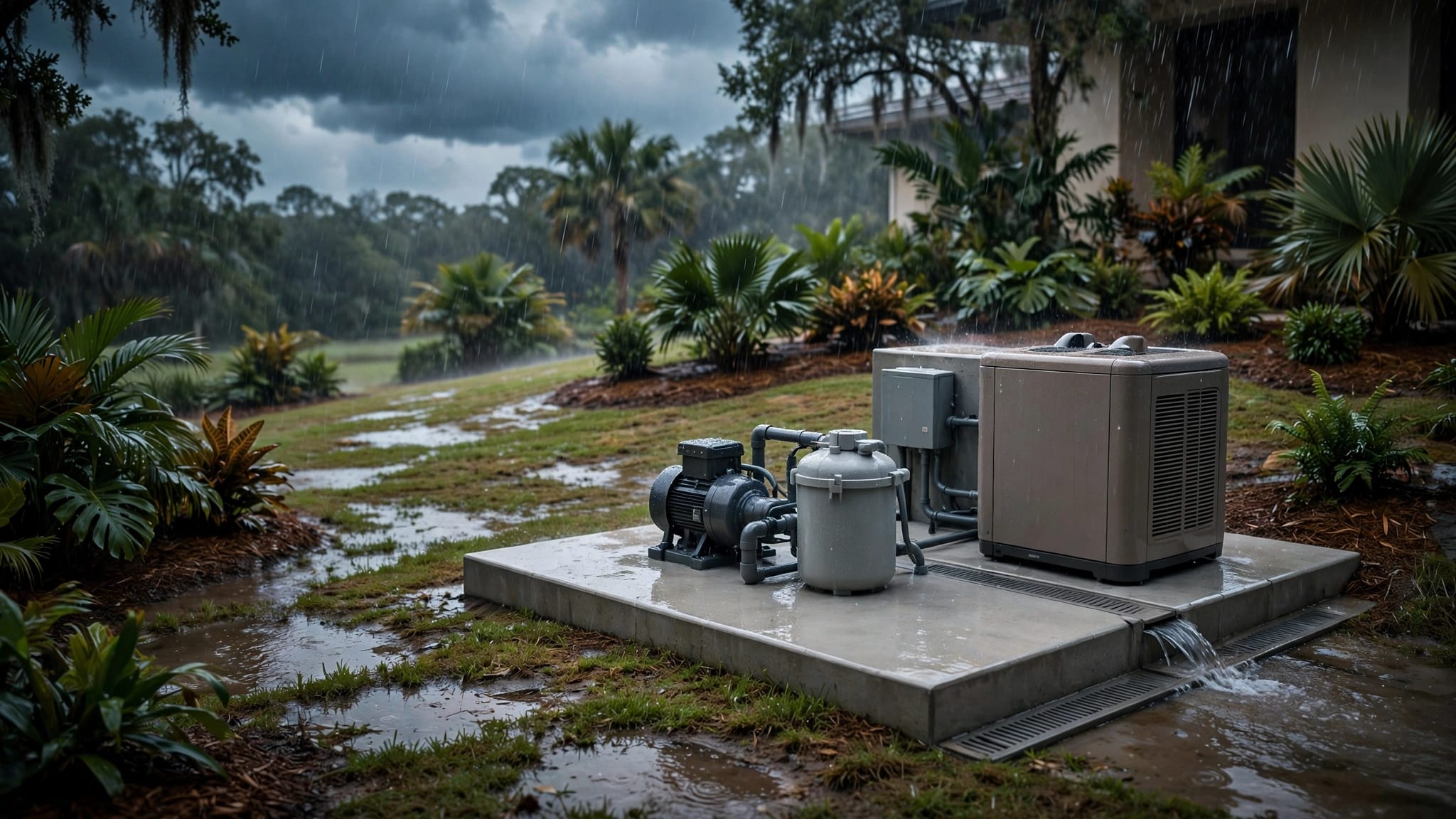
- Repairs to filters, motors, and plumbing
- Resurfacing, tile work, and deck fixes over time
- Insurance pressure, especially on older or waterfront homes
Those expenses do not scare off every buyer. They do, however, change how people judge the price. A home with a clean, efficient pool feels manageable. A home with cloudy water, loud equipment, or visible wear feels like a project.
On waterfront homes, insurance can get even more attention. Roof age, flood exposure, and seawall condition shape the monthly bill as much as the pool does. A buyer who expects those costs may still pay for the right home, but they will not ignore them.
Buyers don't separate the pool from the maintenance. They price both together.
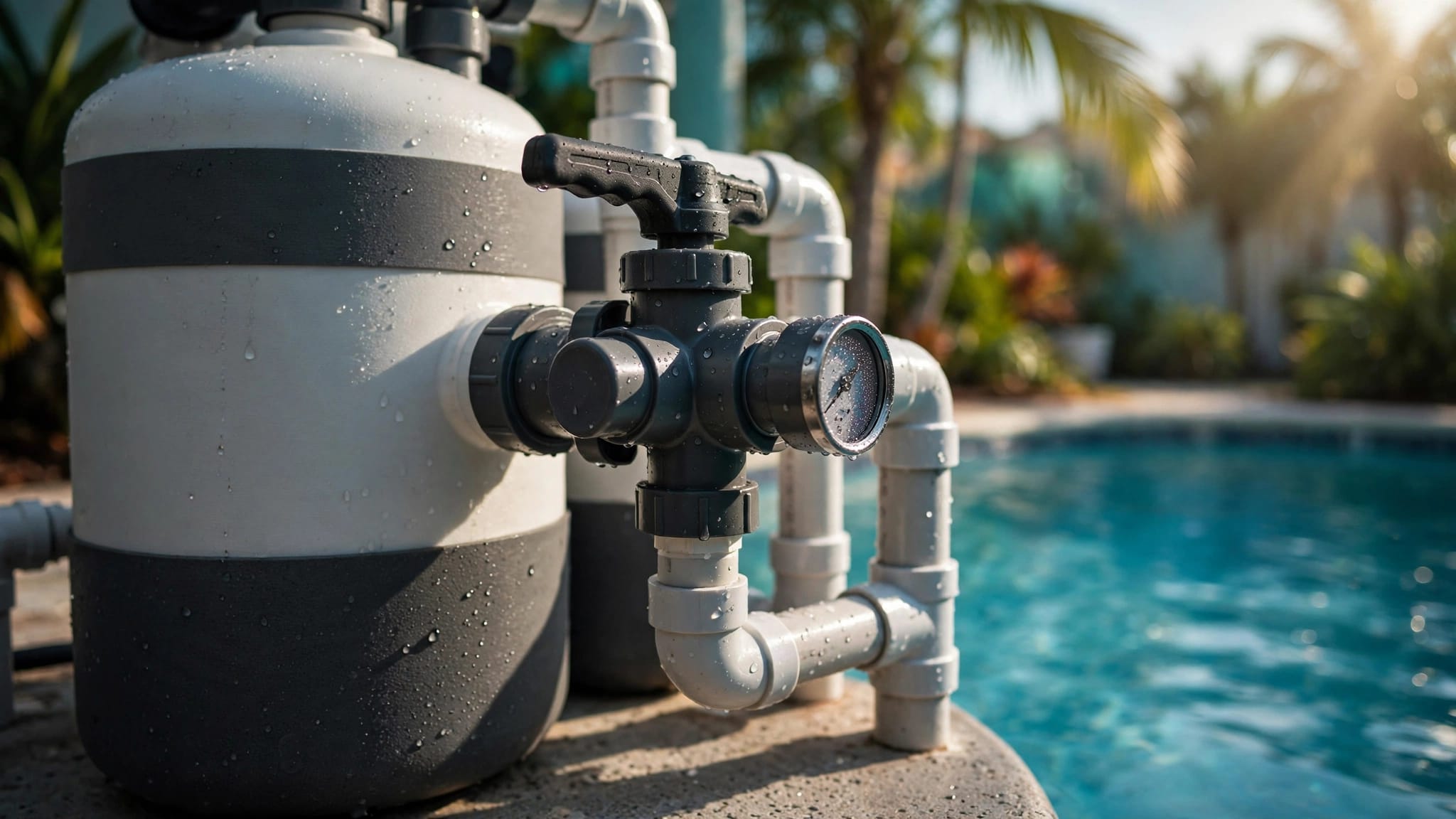
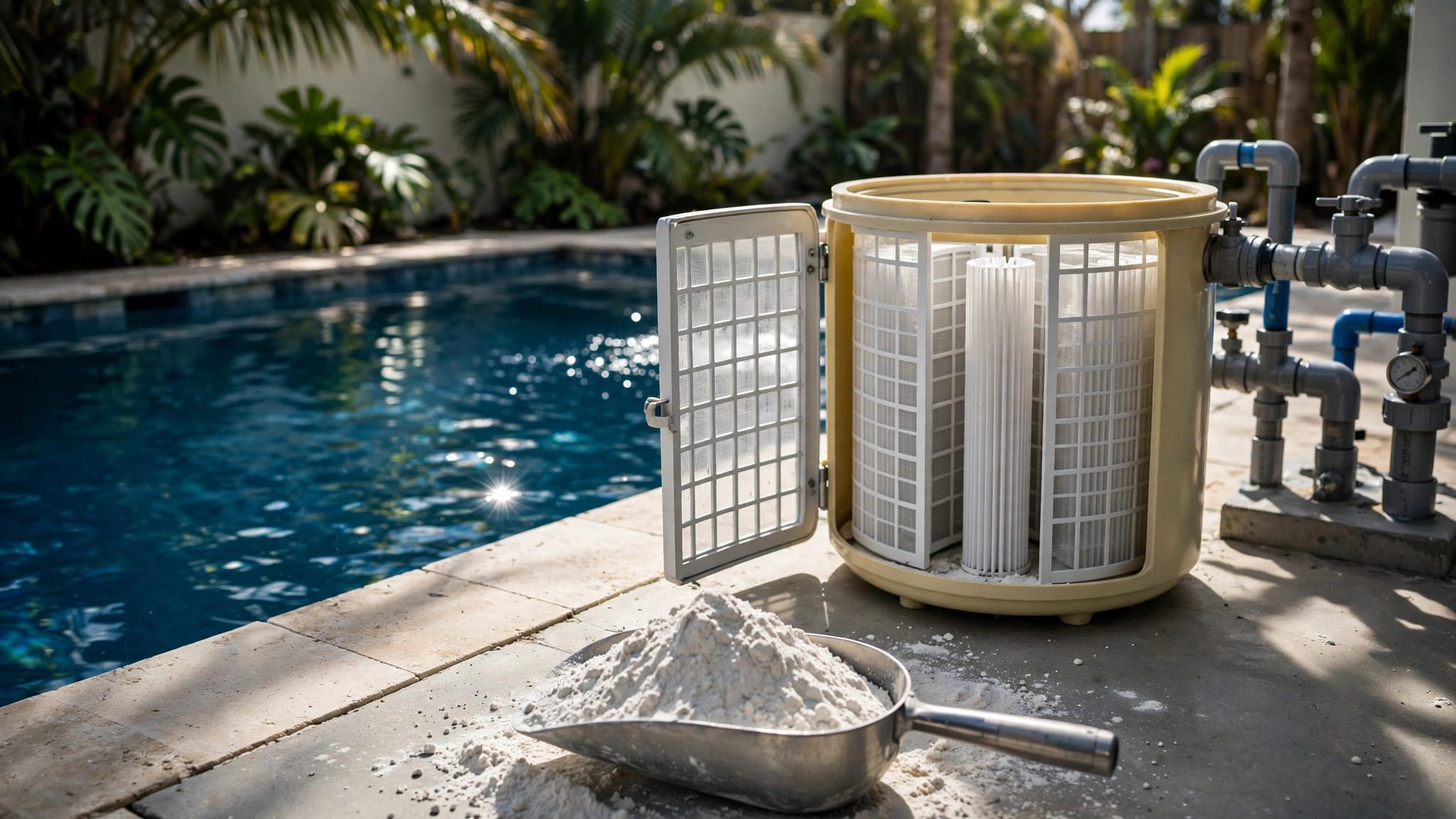
Upgrades that lower the sense of future work tend to help the most. Energy-efficient pumps, new filtration, clean tile, and updated lighting send the right message because they make ownership feel easier.
New pool, renovation, or rescreen: where the money tends to go further
If your home does not have a pool, a new build can help, especially in neighborhoods where pools are common. In those cases, the pool can make the property easier to compare with nearby homes. If you're looking at a build from the start, Cape Coral new pool construction experts can help you match the lot to the right layout.
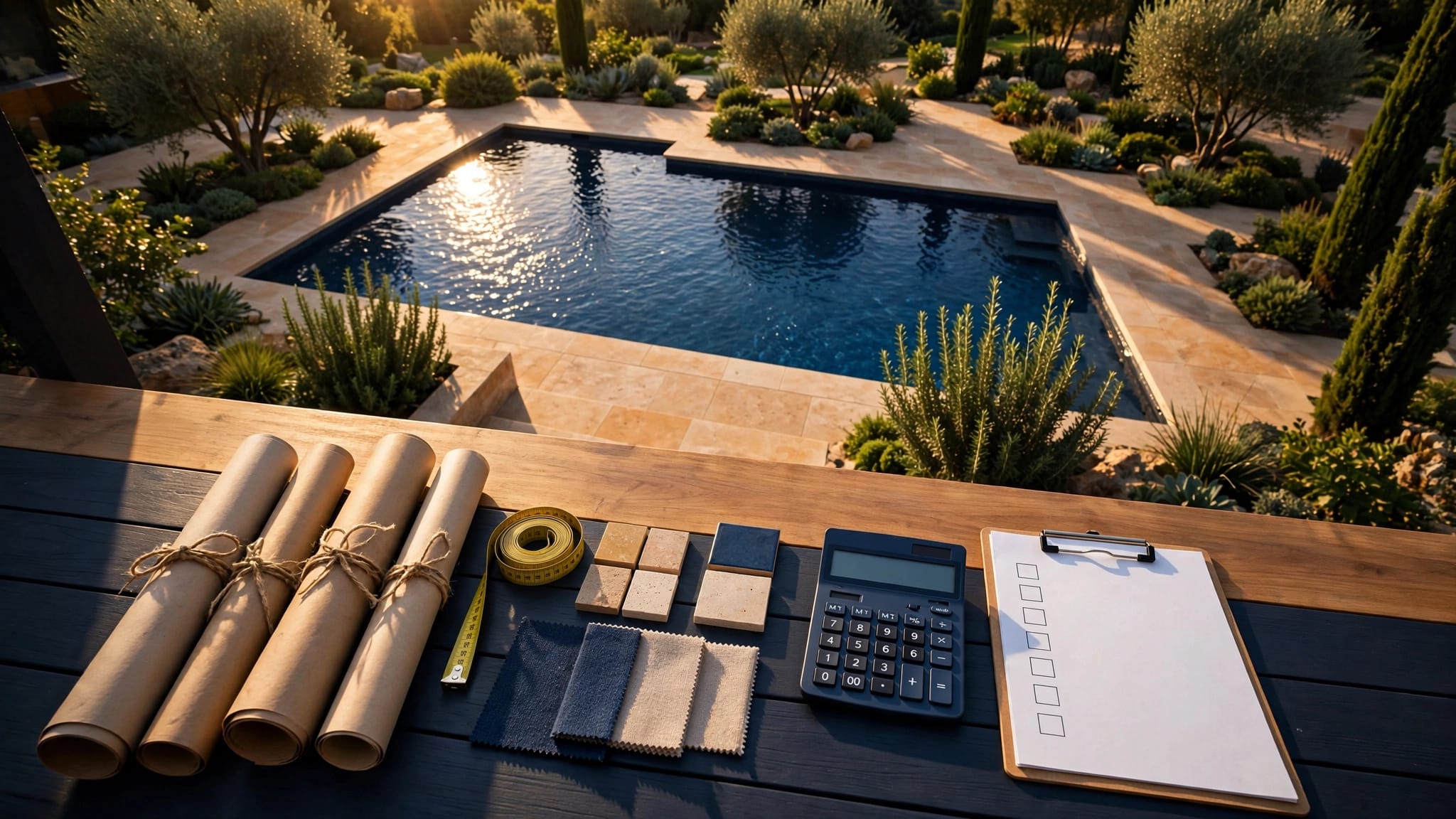
Budget matters too. Before you settle on features, it helps to understand local pricing. A Cape Coral gunite pool pricing guide gives a better sense of what different sizes and finishes usually cost, which matters when you compare project cost against likely resale gain.
If the pool already exists, renovation may deliver more value than replacement. Fresh plaster or pebble finish, new tile, updated lighting, and efficient equipment can make an older pool feel current again. That is often a smarter move than pouring money into cosmetic extras that buyers may not care about.
Rescreening can also be a strong return for the money. It sharpens the look of the whole backyard, and it tells buyers the space has been maintained. In a city where outdoor living matters, a clean enclosure can be the difference between "nice" and "needs work."
Choosing the right contractor matters here too. What to know about Cape Coral pool builders is a good place to start if you want to compare build quality, design fit, and local experience before you commit.
For waterfront homes, plan with the site in mind first. For inland homes, think about what buyers in your price range expect. In both cases, the goal is the same, make the pool feel like a benefit, not a burden.
Conclusion
A pool can add home value in Cape Coral, but it works best when it fits the home, the lot, and the neighborhood. In the 2026 market, buyers still want pools, yet they are paying close attention to condition, upkeep, and price.
If you're selling, focus on the things buyers see first, clean water, working equipment, a tidy enclosure, and a backyard that feels easy to own. If you're planning a project, aim for the version that gives you the best mix of comfort, curb appeal, and resale strength.
If you want a local read on your options, Get a Free Estimate and compare the numbers before you decide.