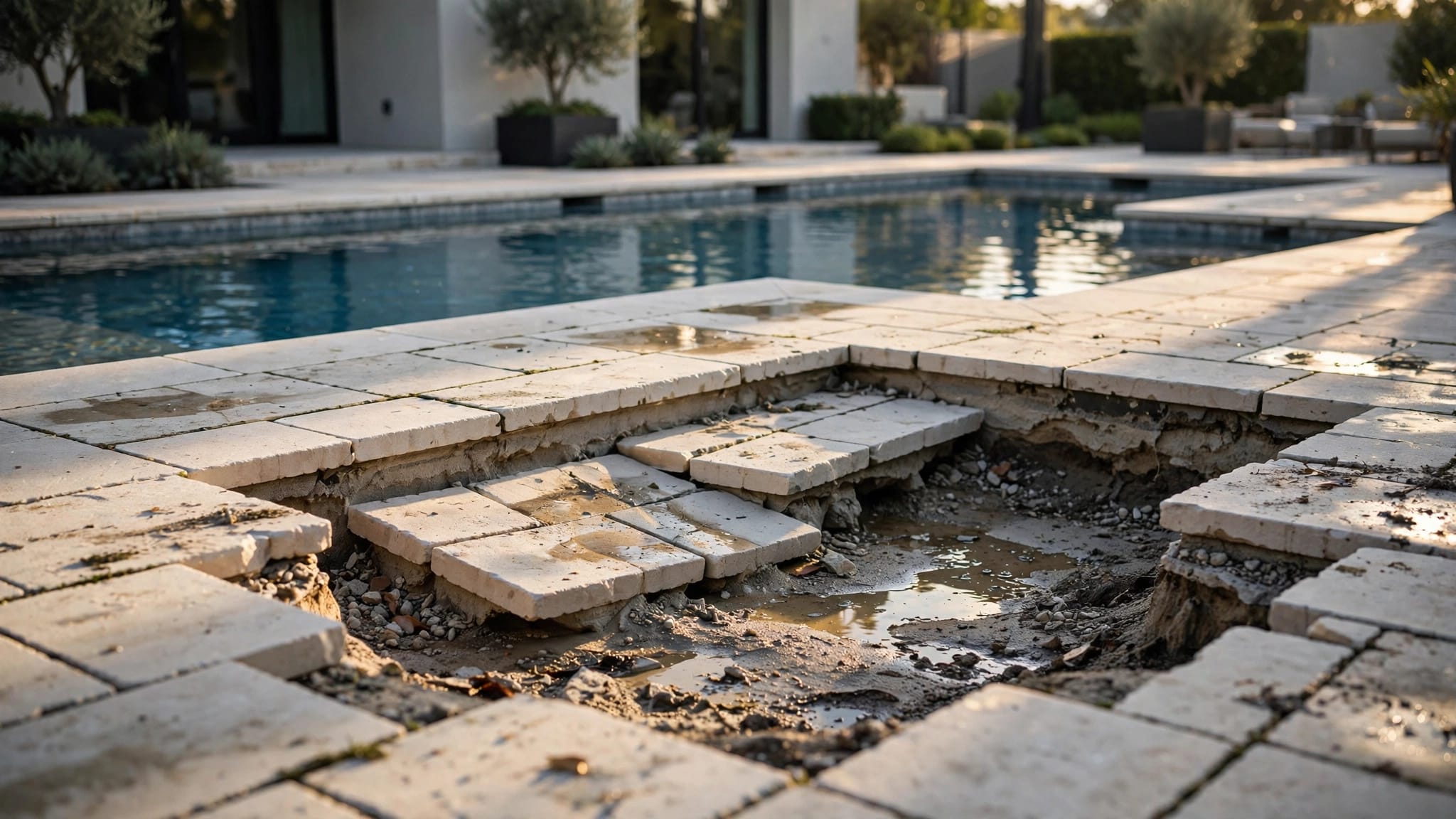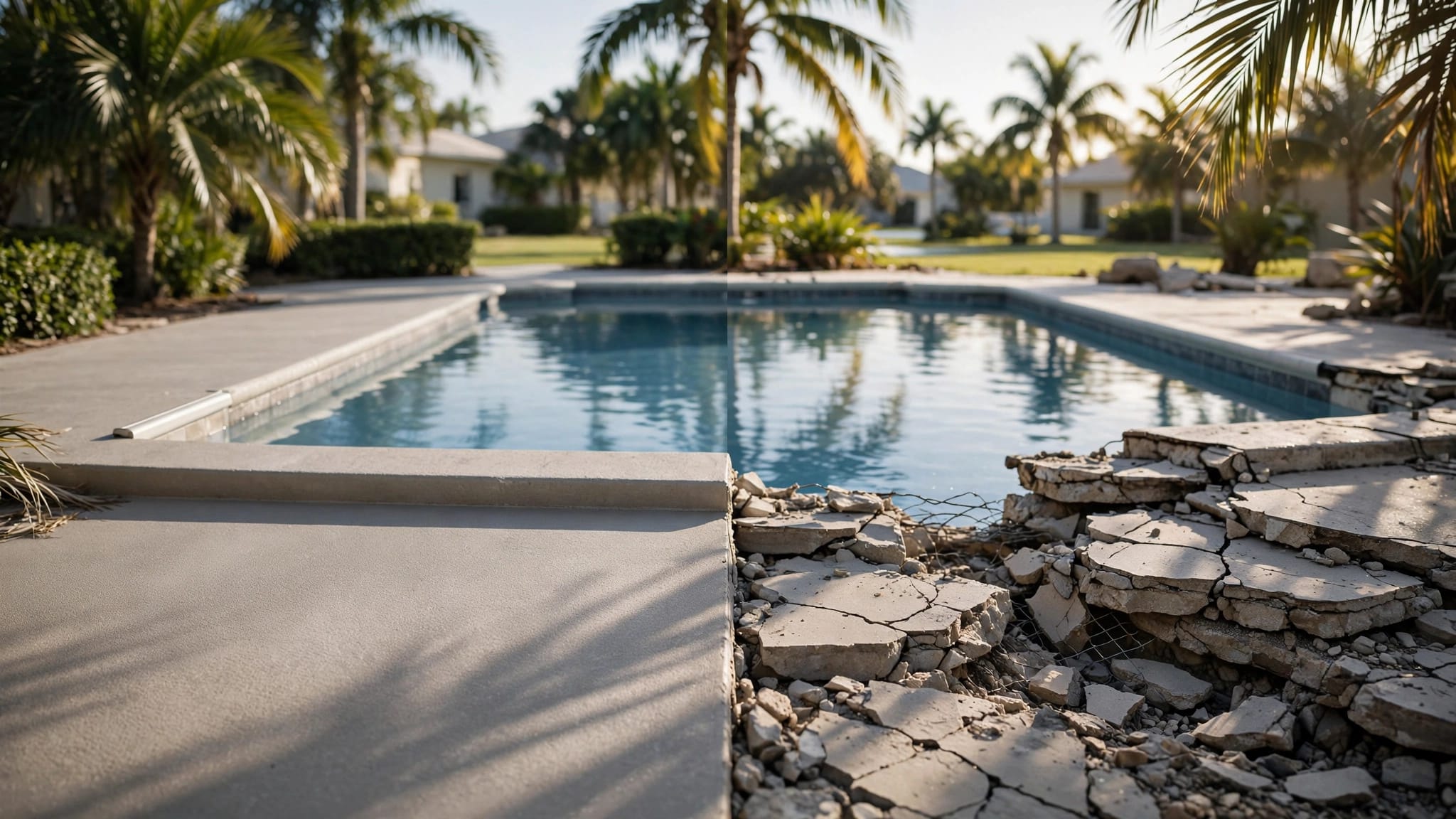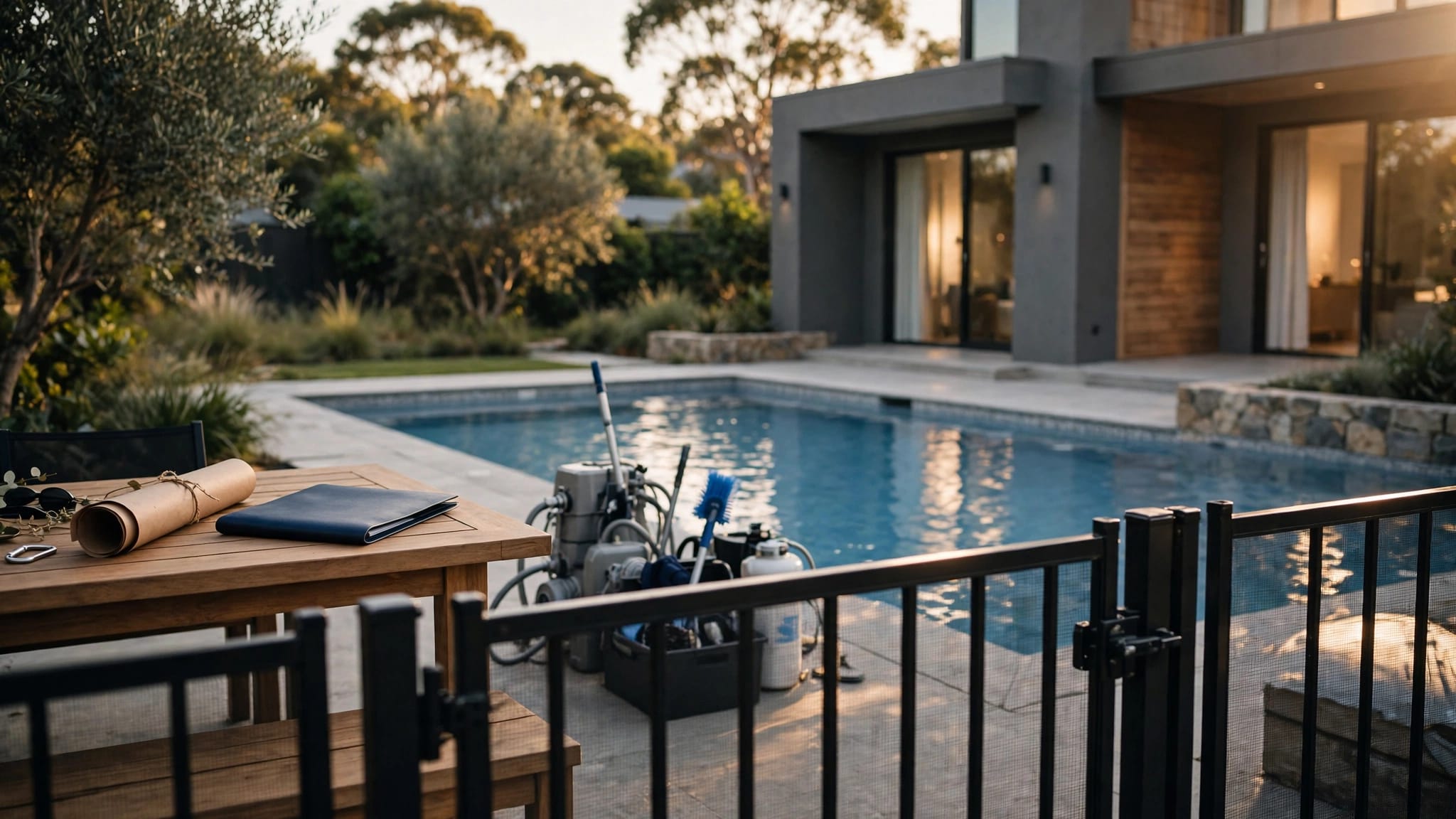
Pool plans can stall before the first shovel hits the yard. In a Cape Coral HOA community, one fence line or equipment pad can change the whole design.
Cape Coral HOA rules often shape what gets built, where it sits, and how it looks. At the same time, municipal permitting and building code rules control the safety and structure of the project.
The smartest move is to sort out both early, before you sign a contract or pick finishes. Start with the rules that matter most.
HOA Approval and City Permits Are Two Different Hurdles
An HOA review answers a simple question, does the project fit the community? City permitting answers another one, does it meet Cape Coral's building and safety rules? For a new in-ground pool, those answers often come from different offices, on different timelines. If you are planning new pool construction, your contractor should know how to separate the HOA packet from the permit packet.
That difference matters because a design can pass one review and fail the other. An HOA may care about visible equipment or enclosure style, while the city cares about setbacks, barriers, drainage, and structural safety. If your community wants an architectural application, review the packet carefully and match it to your survey and plans. Do not assume your contractor has HOA approval built in.
A city permit doesn't replace HOA approval, and HOA approval doesn't replace a city permit.
Keep your survey handy, because a few inches can matter when a barrier line or equipment pad sits near a setback. That is where many delays start, and it is why the cleanest projects are the ones that satisfy both sides before work begins.
The HOA Rules That Most Often Change a Pool Design
Some communities are relaxed. Others read every detail. The most common issues are usually easy to spot once you know what to look for.
- Setbacks and placement : Your pool, deck, or equipment pad may need to stay inside the allowed build area.
- Fence and barrier style : The HOA may want a certain height, color, or open look.
- Pool cages and screens : A visible enclosure can trigger review, especially if it changes the home's front or side view.
- Exterior appearance : Deck pavers, coping, lighting, and paint touches may need approval if they alter the look of the yard.
- Noise and access : Work hours, truck parking, and contractor entry can all be regulated.
- Drainage and grading : Water runoff should not flow onto neighbors or common areas.
If you're updating an older pool, pool renovations and resurfacing can also bring HOA review into the picture. New surface colors, deck changes, and added equipment often change the visible footprint of the project.
Landscaping changes are another common trigger. Removing a hedge, relocating palms, or adding new stone borders may seem minor, but many associations review yard changes as part of the overall plan. Equipment placement also matters. Pumps, heaters, and gas lines can be visible from the street or next door, so some HOAs ask for screening or a cleaner location near the side yard.
If your plan includes a new patio or upgraded lighting, treat those as part of the same package. Some boards approve the pool but ask for changes to the deck or plantings before the rest can move forward.
A good rule is simple. If the work changes how the backyard looks from outside the lot, ask first.
Safety Barriers, Fences, and Screen Enclosures
Pool barriers are a safety issue first, but they are also a design issue in HOA communities. Cape Coral requires residential pools to be enclosed by a fence or screened enclosure, and the barrier has to meet local and state safety rules. Your HOA may add style rules on top of that, especially for fence material, color, or visibility.
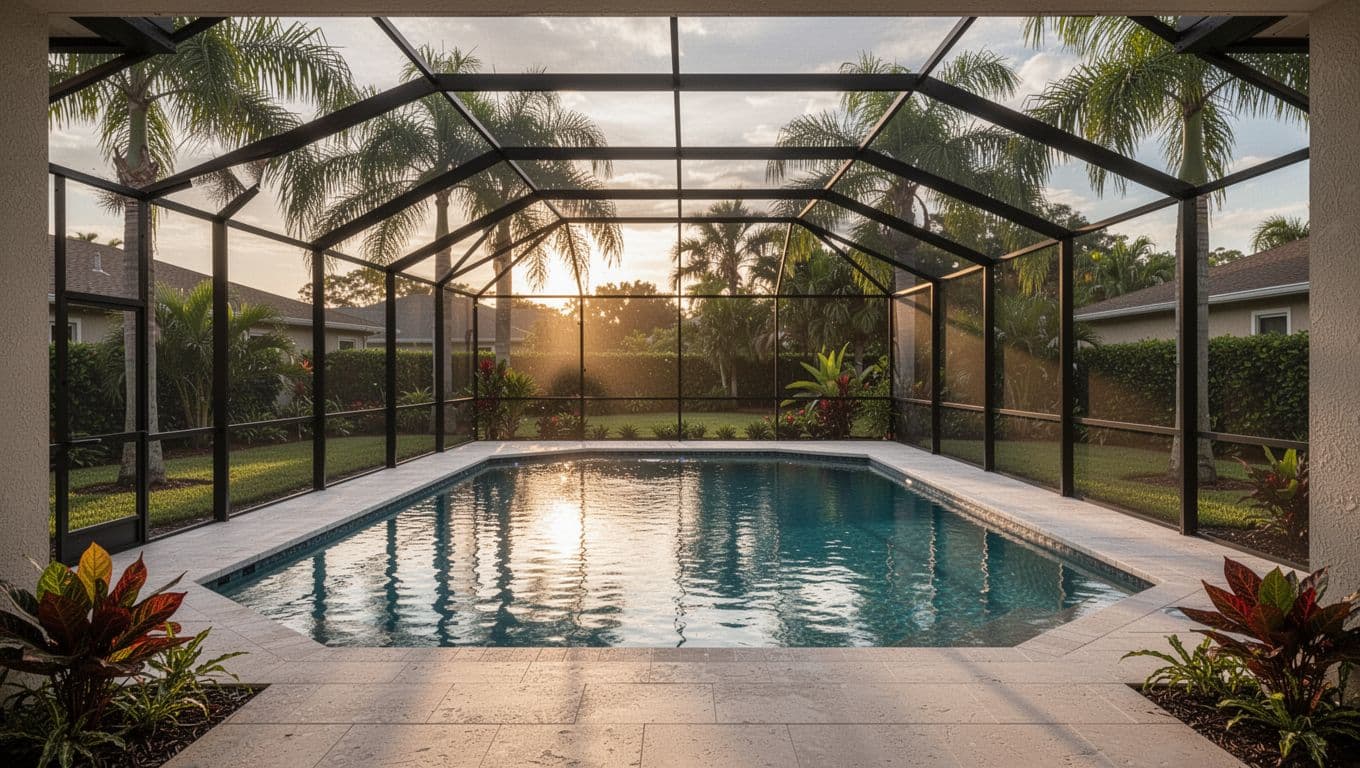
If your plan includes screen enclosures and rescreens, ask whether the HOA wants a specific frame color, panel style, or roof shape. Some associations care about how the enclosure looks from the street. Others focus on whether it sits inside the approved setback and stays consistent with the home's exterior.
A rescreen can still need review if the work changes the frame color, the roof line, or the view from the street. Small upgrades can look simple to a homeowner and still need approval on paper.
Drainage is part of this conversation too. Water should move away from the structure and not pool around the enclosure or next door. The city checks that during final inspection, and a smart HOA packet should show that the plan handles runoff cleanly.
For homeowners, the lesson is simple. A barrier is not just a box to check. It changes the look, safety, and approval path of the whole project.
How Approval Timelines Can Hold Up a Pool Project
HOA approvals can move fast when the packet is complete. They can also sit while someone waits on missing measurements, a survey, or a clearer drawing. Some associations review plans on a set schedule, so a late submission can push your start date back even if the design is fine.
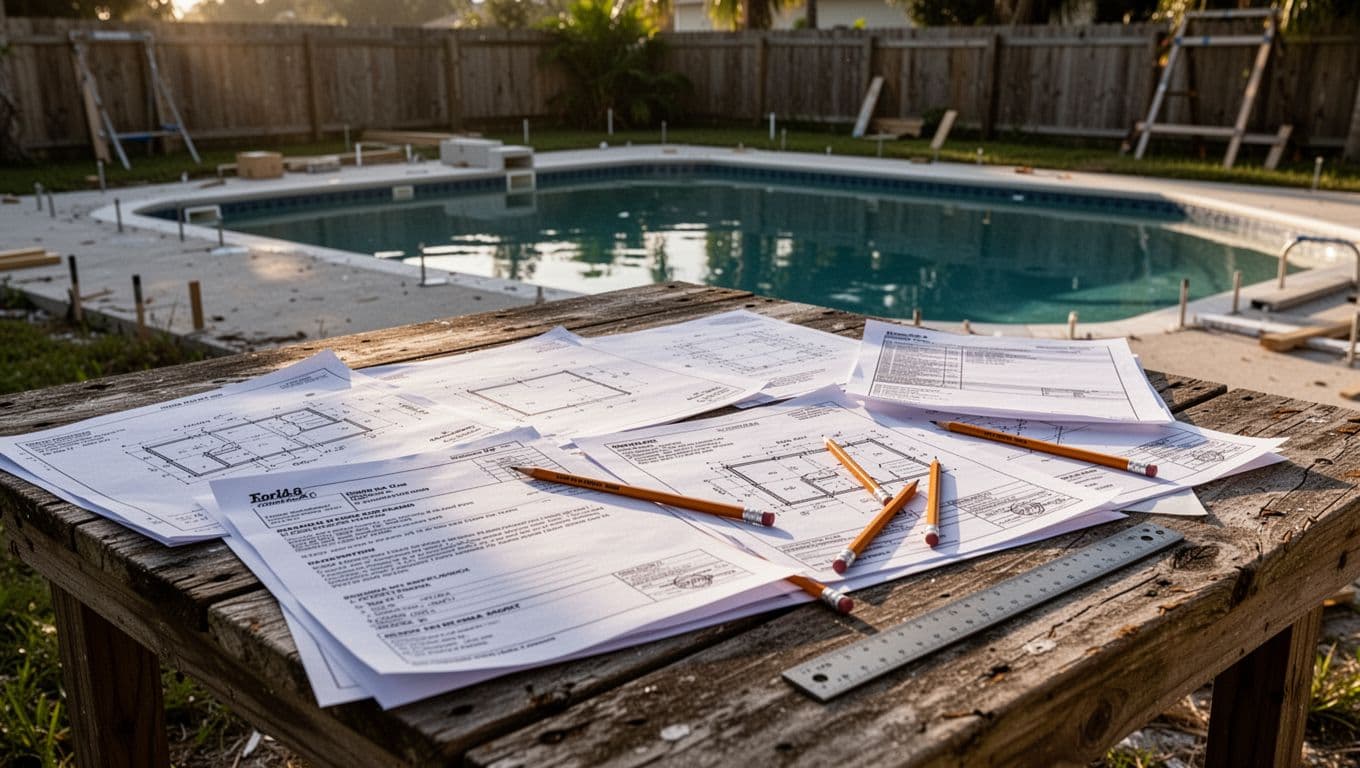
That is why it helps to send a clean packet the first time. Include the site plan, pool location, barrier details, finish colors, and anything the board may ask for, such as contractor licenses or product sheets. Keep a copy of what you submitted.
This is also the right time to talk with your builder about work hours, dumpster placement, noise, and how crews will enter the property. These details may seem small, but they can matter just as much as the shape of the pool. If you want pricing before you submit papers, Get a Free Estimate and ask for a project review that fits your HOA rules.
A Short Checklist Before You Sign the Contract
Before you sign, make sure these items are clear:
- Read your HOA declaration, architectural guidelines, and any pool or fence rules.
- Confirm whether the project needs separate HOA approval and city permits.
- Ask where the pool, equipment pad, fence, and screen enclosure can sit.
- Check how the community handles work hours, noise, deliveries, and contractor access.
- Ask what drawings, surveys, and product specs the board wants.
- Get the approval timeline in writing if the association shares one.
- Make sure your contractor knows who submits each packet and who follows up.
A little extra review now can save you from redesigns later. It also helps you compare bids on the same scope, which makes contract pricing easier to understand.
Conclusion
Pool projects in HOA neighborhoods succeed when the paperwork and the design line up. The biggest mistakes happen when homeowners treat HOA approval and city permitting as the same thing.
Review your governing documents first, then match the plan to the rules for setbacks, barriers, enclosures, and appearance. If something is unclear, ask before the first hole is dug.
This article is informational, not legal advice, so your own association documents should guide the final decision.