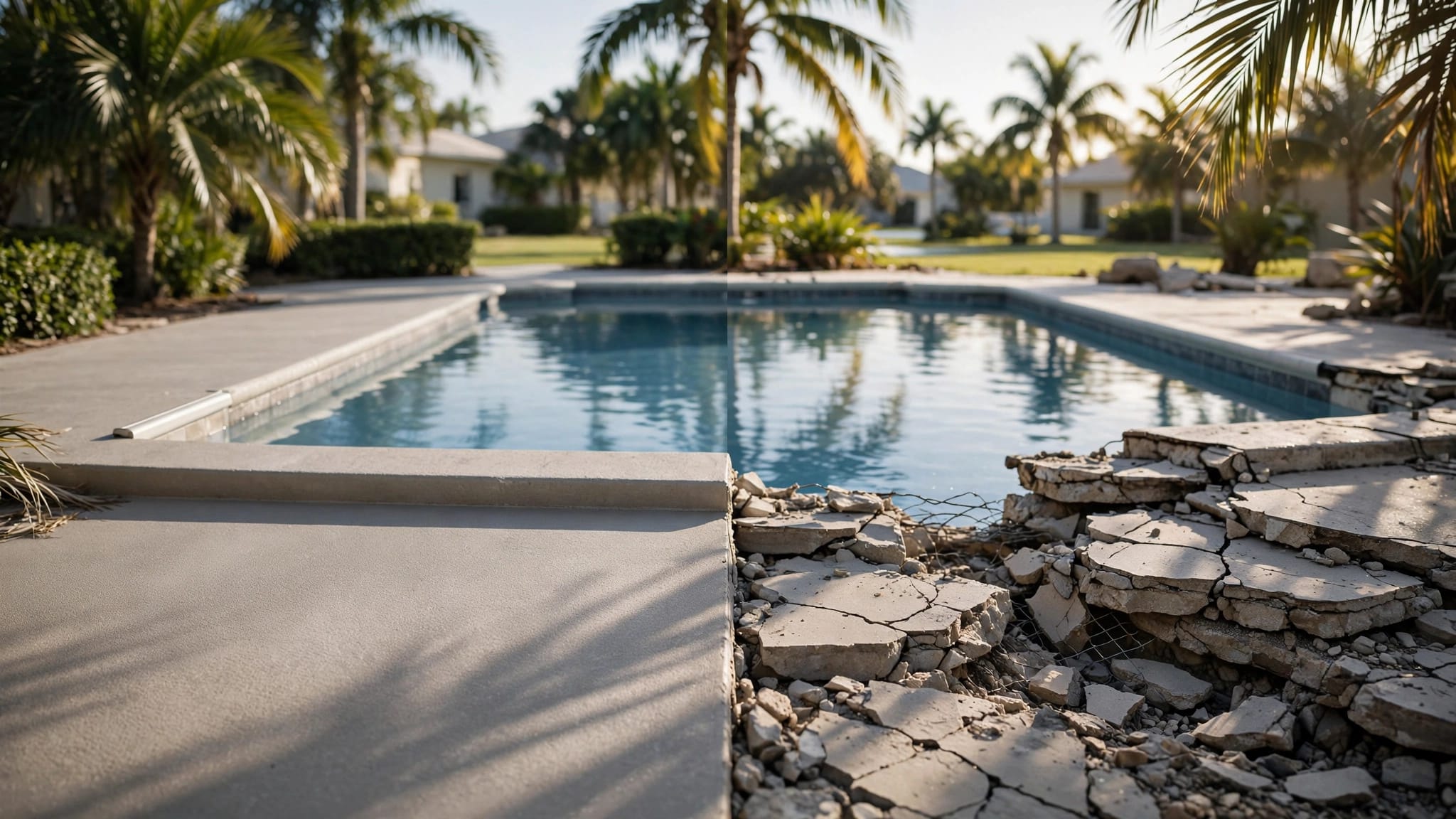
Cape Coral sun can wear on a pool finish faster than many homeowners expect. If you're comparing pebble vs quartz pool finishes , the best choice usually comes down to how your pool handles heat, rain, minerals, and daily use.
Pebble often wins on toughness in Southwest Florida. Quartz often wins on smooth feel and a lower upfront spend. The right pick depends less on a sample board and more on what your pool faces all year.
Cape Coral conditions change the finish decision
A pool finish in Southwest Florida lives a hard life. Intense UV exposure bakes the surface. Warm water speeds up chemistry changes. Then summer rain can dilute the water in a single afternoon.
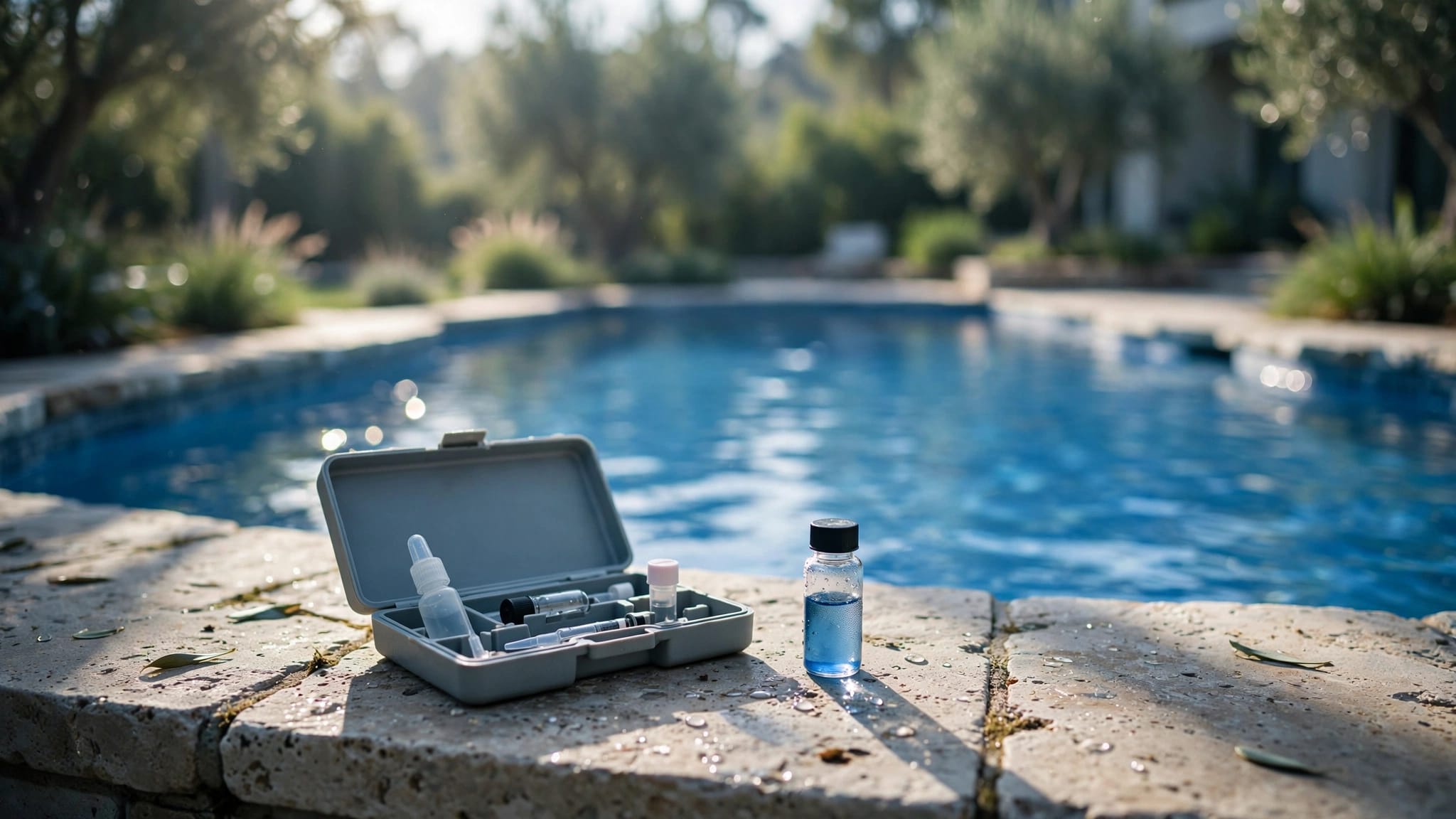
Hard water matters here too. As water evaporates, calcium can leave scale behind on the surface. Coastal salt air adds another layer of wear, especially for open pools near the water. If you run a salt system, balanced chemistry matters even more.
Screened pools and open pools don't age the same way. A pool under one of these screen enclosures and rescreens usually gets less debris and a bit less direct sun. An open pool, on the other hand, sees more rain, stronger UV, and more wind-blown dirt. That can mean more brushing, more chemical adjustment, and more visible wear over time.
In Cape Coral, the finish that looks best on day one isn't always the one that fits your water and yard best.
This is why blanket answers fall short. Installation quality, startup care, and ongoing water balance often matter as much as the finish itself. A great material can still disappoint if the prep work is poor or the chemistry drifts for months at a time.
Pebble finishes offer texture, grip, and stronger long-term wear
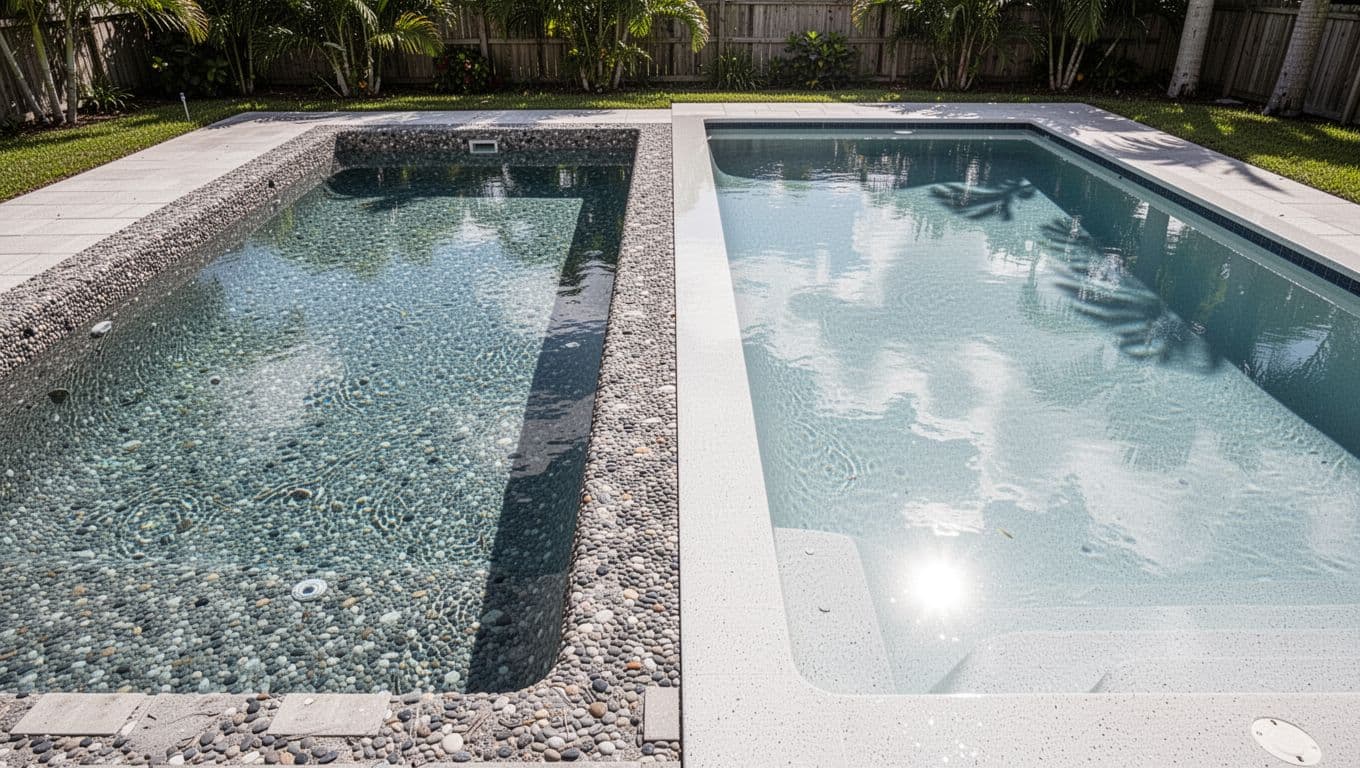
Pebble finishes use small natural stones mixed into the interior surface. The look is more organic than quartz, with color movement that feels at home in tropical backyards. For many Cape Coral homeowners, that natural style is a big draw.
Pebble also tends to hold up well in harsh Florida conditions. Because the exposed aggregate is less dependent on pigmented cement alone, it often handles UV, salt-air exposure, and mineral-heavy water better than smoother cement-based finishes. That's one reason many local homeowners choose pebble for open pools and heavy-use family pools.
The tradeoff is comfort. Pebble feels more textured underfoot, and some finishes can feel rough on steps, tanning ledges, or swim-out benches. Newer soft-pebble options help, but pebble rarely feels as silky as quartz. It also usually comes in at a higher price than quartz, depending on the brand, blend, and installer.
Pebble is often a smart fit if you want a finish that hides minor mottling well and puts durability first. Still, it only performs that way when the applicator exposes the aggregate correctly and the water stays in balance after startup.
Quartz finishes feel smoother and look brighter
Quartz finishes blend crushed quartz aggregate into a cement base. The result is a cleaner, more polished look than pebble, often with a bright shimmer in the water. If you like a crisp, refined finish, quartz usually looks the part.
For comfort, quartz has a clear edge. It feels smoother on feet, which makes it popular for families with kids, shallow play areas, and wide sun shelves. In screened pools, where the surface sees less direct weather and less debris, quartz can stay looking sharp with solid routine care.
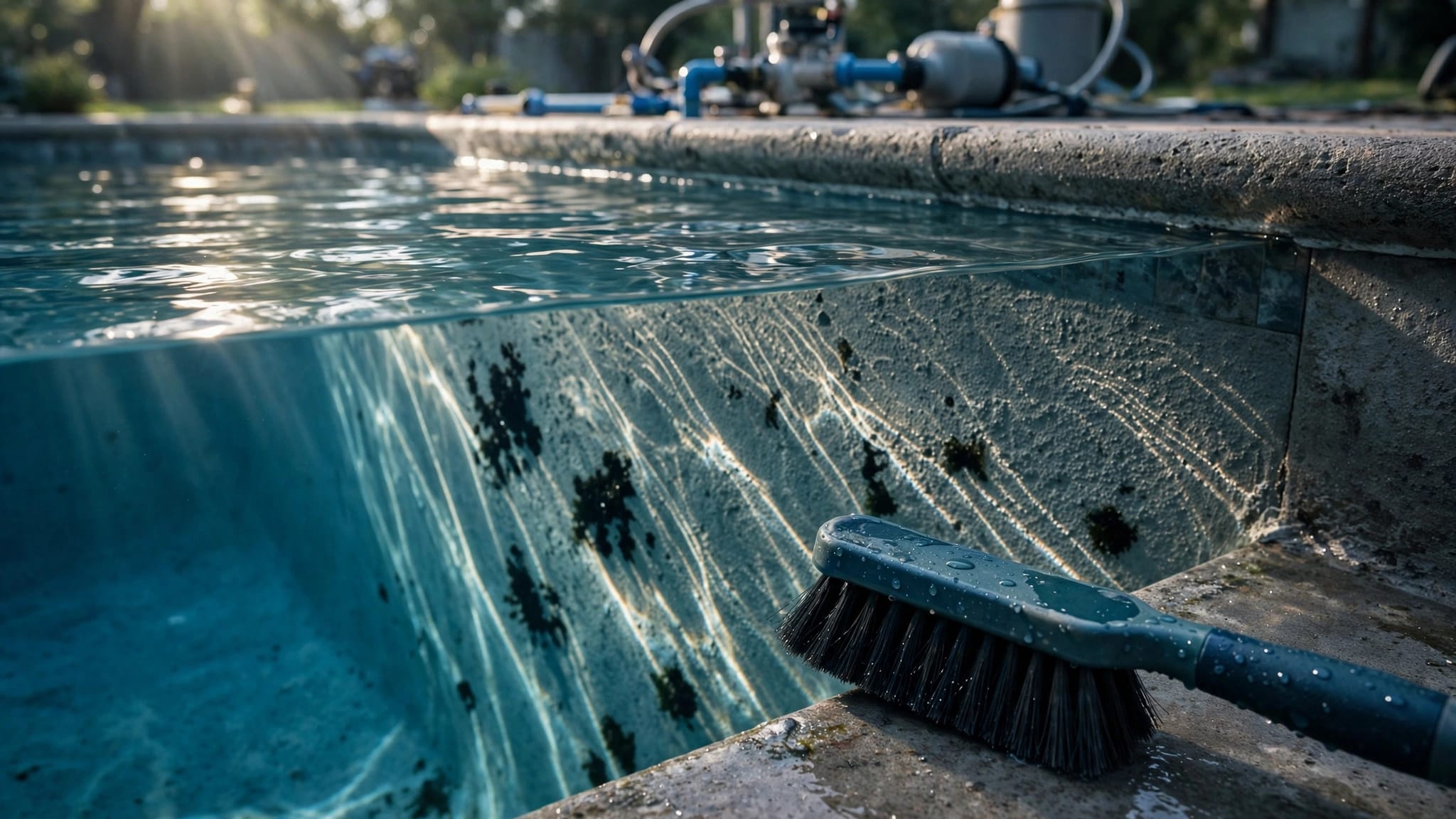
Quartz does have limits in Cape Coral conditions. Because more of the surface character comes from the cement matrix, chemistry swings can show up faster as etching, scale, discoloration, or stain hold. Warm water, frequent rain, and hard-water buildup all make good maintenance more important. In other words, quartz can perform well for years, but it is usually less forgiving when water care slips.
For homeowners who want smoothness, sparkle, and a somewhat lower starting cost, quartz is still a strong option.
Pebble vs quartz pool finishes at a glance
This quick comparison helps narrow the choice.
| Factor | Pebble | Quartz |
|---|---|---|
| Appearance | Natural, textured, lagoon-like | Clean, polished, bright |
| Feel underfoot | More textured, sometimes rougher | Smoother and softer |
| UV and salt-air exposure | Usually more forgiving | Good, but often less tolerant |
| Hard water and scale | Tends to hide wear better | Can show scale and etching sooner |
| Maintenance sensitivity | Often lower over time | Needs tighter chemistry control |
| Upfront budget | Usually higher | Usually lower |
| Best fit | Open pools, long-term durability | Comfort-focused pools, screened lanais |
The main takeaway is simple. Pebble usually makes more sense if your pool is fully exposed, near salt air, or built for long-term wear. Quartz usually makes more sense if comfort, brightness, and initial budget lead the decision.
If you're planning a remodel, the finish is only one part of the job. A full pool renovations and resurfacing plan should also look at the shell, tile, waterline, and startup process. And if your current finish feels rough, flakes, or stains no matter what you do, these signs your Cape Coral pool needs resurfacing can help you spot when it's time.
If you want a recommendation based on your yard, water habits, and whether the pool sits under a cage or in the open, you can Get a Free Estimate.
Pebble and quartz are both solid upgrades from basic plaster. Still, they solve different problems. Pebble is usually the better bet for durability in exposed Cape Coral conditions, while quartz shines when smoothness and a brighter finish matter more.
The best finish is the one that fits your budget, comfort level, and maintenance habits. A sample chip matters, but how that finish lives through Cape Coral heat, rain, and mineral-heavy water matters more.