A pool project feels exciting right up until the permit questions start. In Cape Coral, pool permits Cape Coral homeowners need are usually more involved than one simple application.
That doesn't mean the process has to be confusing. If you know which permits are common, what changed in 2026, and where plans often stall, you'll go into the job with fewer surprises.
The permits most new pools need in Cape Coral
For most homes, a new pool needs more than a single permit. Current City of Cape Coral guidance says the pool permit and the safety barrier permit are separate applications, and that changed on March 1, 2026.
Here's the short version:
| Permit or review | What it usually covers |
|---|---|
| Pool permit | The pool shell, structure, equipment, and piping |
| Safety barrier permit | The fence, screen enclosure, gates, or other approved barrier |
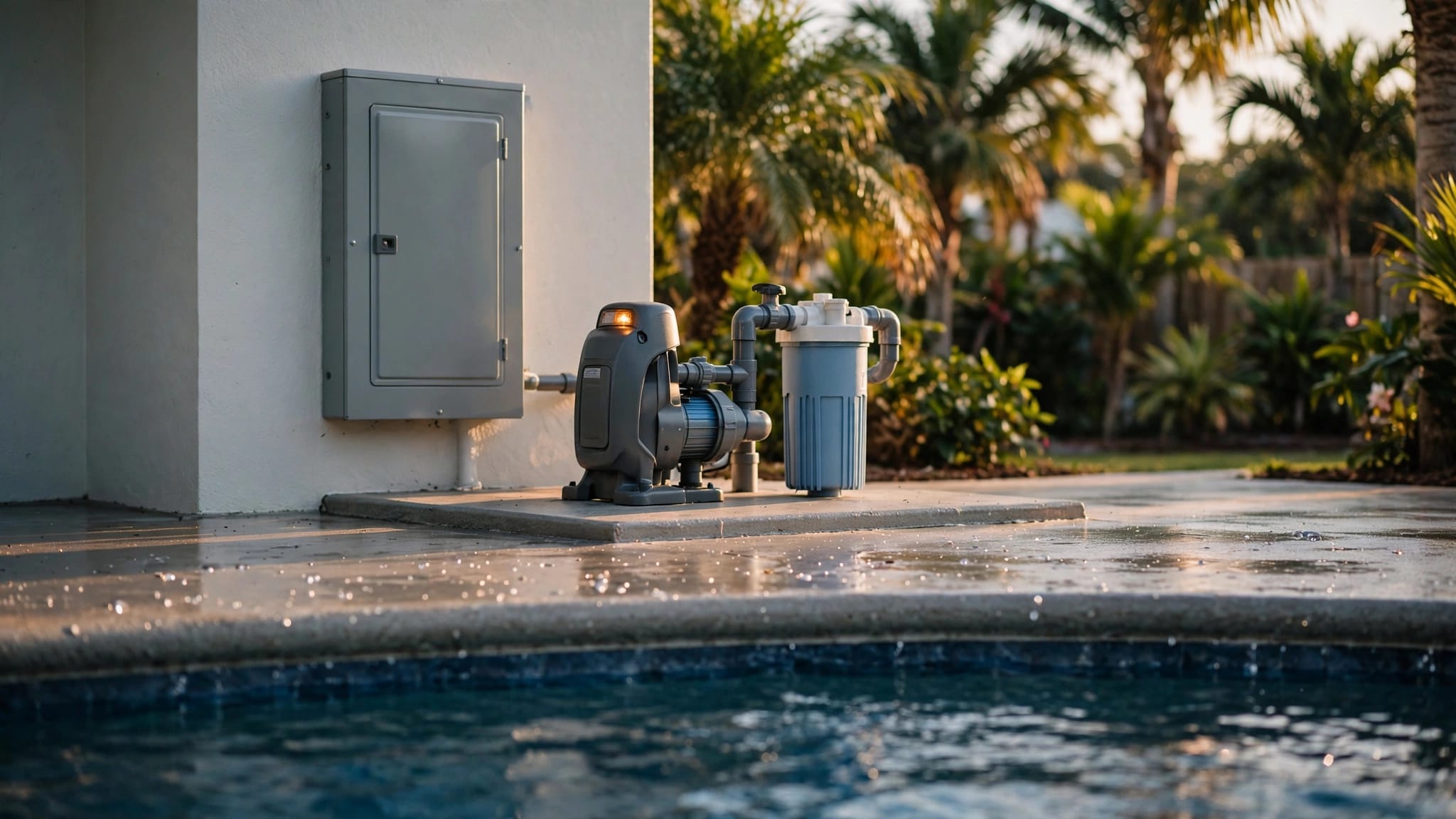
| Electrical permit | Pool lights, bonding, pumps, heaters, and power connections |
| Plumbing permit | Water lines, drains, and circulation piping |
The table gives you the big picture, but your lot still matters. A corner lot, canal-front home, narrow side yard, utility easement, or existing lanai can change how the city reviews the plan.
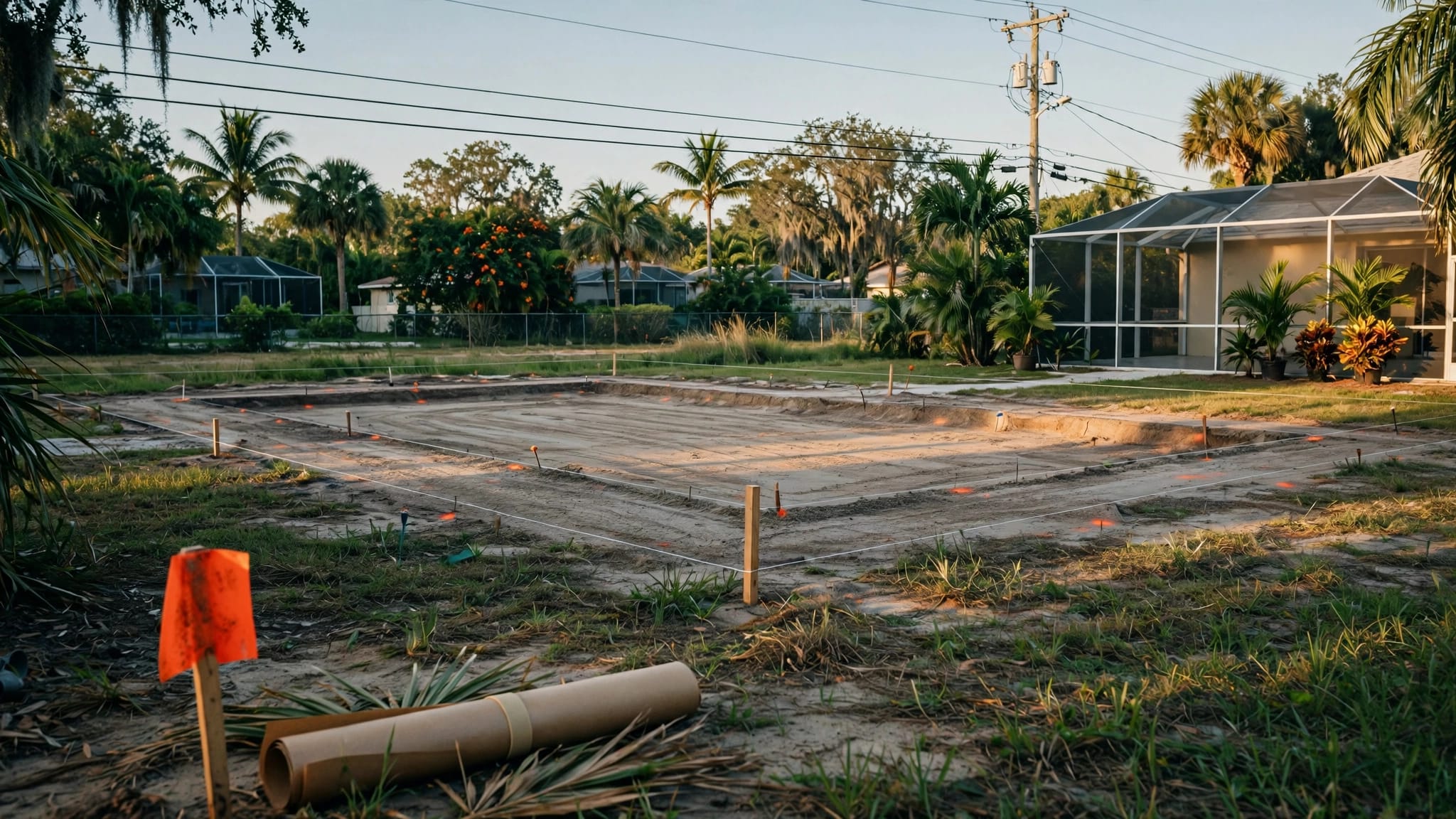
Current city submittals often include a survey or site plan, construction details, a Notice of Commencement, and a burrowing owl affidavit. The site plan usually needs to show the pool location, barrier line, gates, doors facing the pool area, and setbacks from property lines. Florida law also requires an approved pool barrier, and the common standard is at least 48 inches high with self-closing, self-latching access points.
Since March 1, 2026, Cape Coral has treated the pool permit and the safety barrier permit as two separate filings.
That split matters because one approval does not cover the other. If you're still shaping the design, it helps to review how new pool construction typically comes together before permit plans are finalized.
How the Cape Coral pool permit process usually works
In many cases, your licensed pool contractor handles the permit package, submits plans, and schedules inspections. That's one reason many homeowners don't go the owner-builder route. The city paperwork, plan corrections, and inspection timing can pile up fast.
Cape Coral uses its permitting system to process pool applications, including in-ground pools, spas, and pool renovation work. Before work starts, the city reviews the plans, checks setbacks, and may ask for revisions if anything is missing or conflicts with code, the survey, or barrier details. Fees can change, so it's smart to check current amounts with Cape Coral Development Services before you budget too tightly.
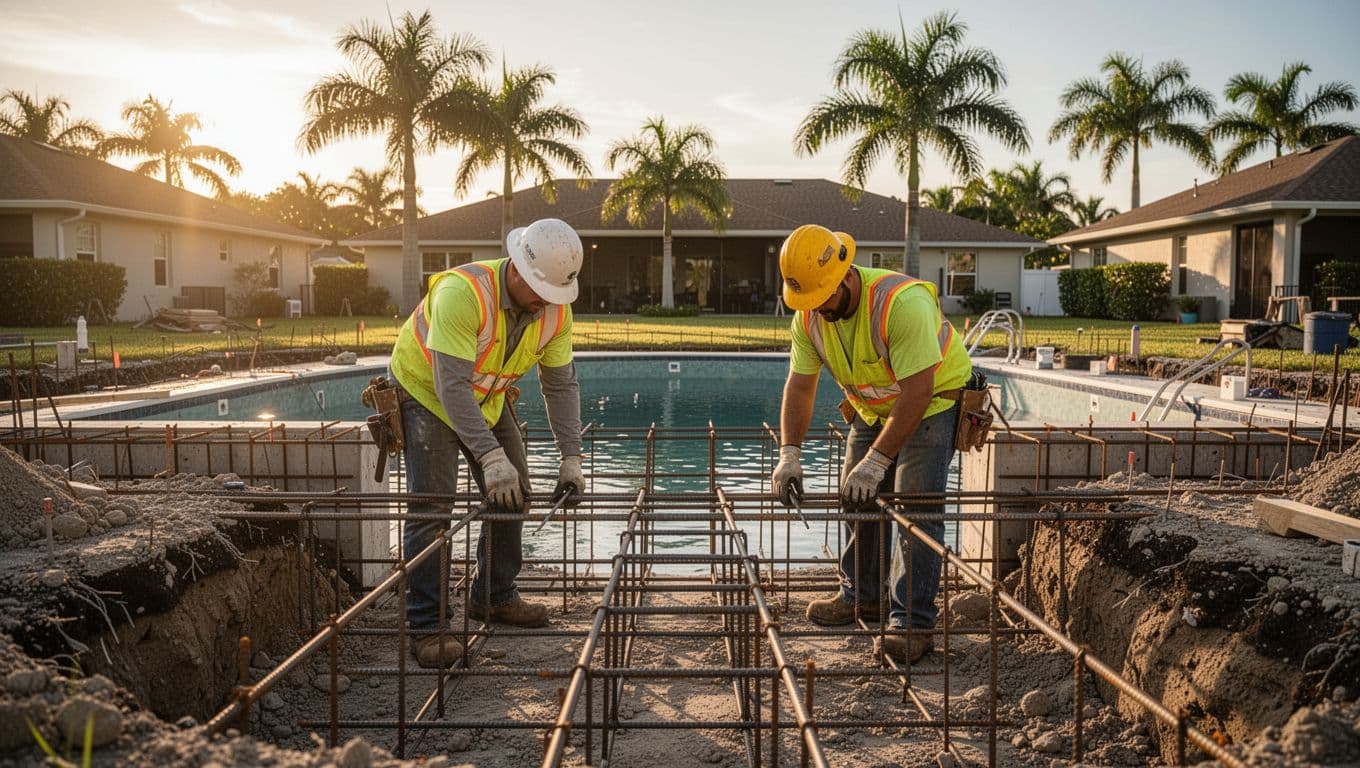
Inspections are where many delays show up. As of March 1, 2026, the city requires a Structural Pool Final Inspection for pools. Based on current city notices, that final step comes after required pool and electrical inspections pass, and after the safety barrier is installed and approved. In plain terms, the pool isn't fully signed off until the city sees the whole package finished the way the plans showed it.
This is also the stage where homeowners learn that HOA approval and city approval are not the same thing. If your neighborhood has its own review rules, handle that early. A contractor can help, but it's still wise to ask who is pulling permits, which inspections are included, and what happens if plan changes come up mid-project.
Common permit scenarios that catch people off guard
A new pool with a screen enclosure
A lot of Cape Coral homeowners want the pool and screen enclosure built together. That's common, but the barrier side still needs its own attention. Under current city practice, a screen enclosure used as the pool barrier falls under the separate safety barrier permit.
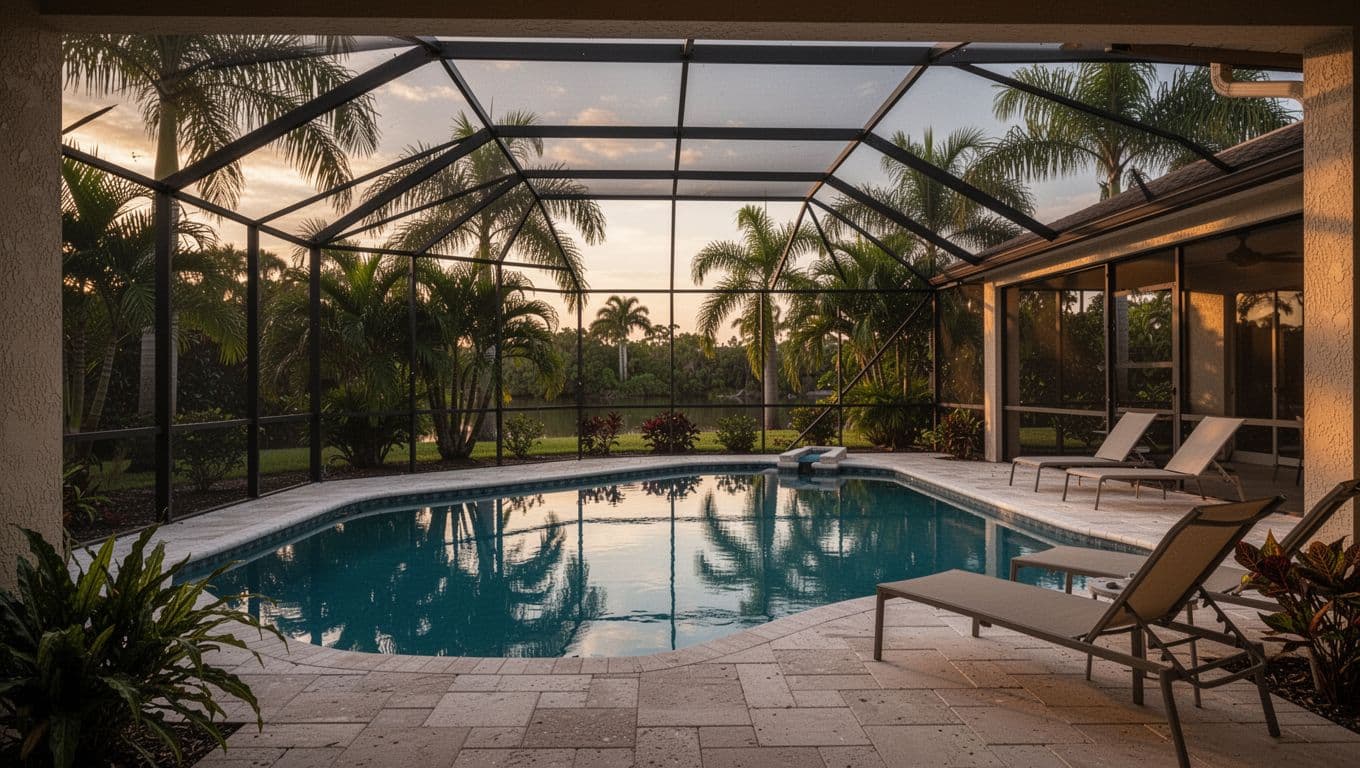
That means the enclosure plans, gate details, and barrier layout need to line up with the pool plans. If you're comparing options, screen enclosures in Cape Coral can do more than keep bugs and leaves out, they can also be part of your code-required safety setup.
Pool renovation or resurfacing
Not every permit question comes from a brand-new build. Cape Coral's permitting system includes a pool renovation option, which suggests many remodel jobs also need review. Resurfacing, structural repairs, equipment relocation, plumbing changes, new lighting, or adding a spa can all change the permit scope.
A simple finish update may not trigger the same paperwork as a larger remodel, so don't assume one renovation is treated like another. If you're planning deck work, new tile, or shell repairs, ask the city and your contractor how the job should be filed. Homeowners looking at bigger updates can also compare what falls under pool renovations and resurfacing before locking in plans.
Odd lots and site constraints
Cape Coral has plenty of properties that look simple until the survey comes out. Seawalls, easements, drainage paths, side setbacks, and door locations can affect where the pool and barrier can go. That's why permit requirements can vary by project scope and property details, even when two homes are in the same neighborhood.
The safest move is to verify current rules before work starts, not after excavation is scheduled. City requirements can change, and your contractor's last project may not match your lot.
Missing permits can turn a pool project into a stop-work headache. The main thing to remember is simple: in Cape Coral, the pool itself and the safety barrier are now separate permit tracks, and both matter.
If you keep the survey accurate, confirm the barrier plan, and work with a licensed contractor who handles city reviews often, the process feels much more manageable. A permit is paperwork, but it's also the city's way of checking that the pool you're building is safe, placed correctly, and ready for final approval.