Dreaming of a backyard pool in Cape Coral? You picture lazy afternoons by the water, family splashes, and tropical vibes. But the upfront costs hit hard. Pool financing Cape Coral style means smart choices that fit your budget and lifestyle.
Many locals build in-ground pools to beat the heat year-round. Yet, hidden expenses like permits and enclosures add up fast. This guide breaks down options, from home equity to personal loans. You'll see pros, cons, and tips tailored to our sunny corner of Florida.
Understand Total Pool Project Costs in Cape Coral
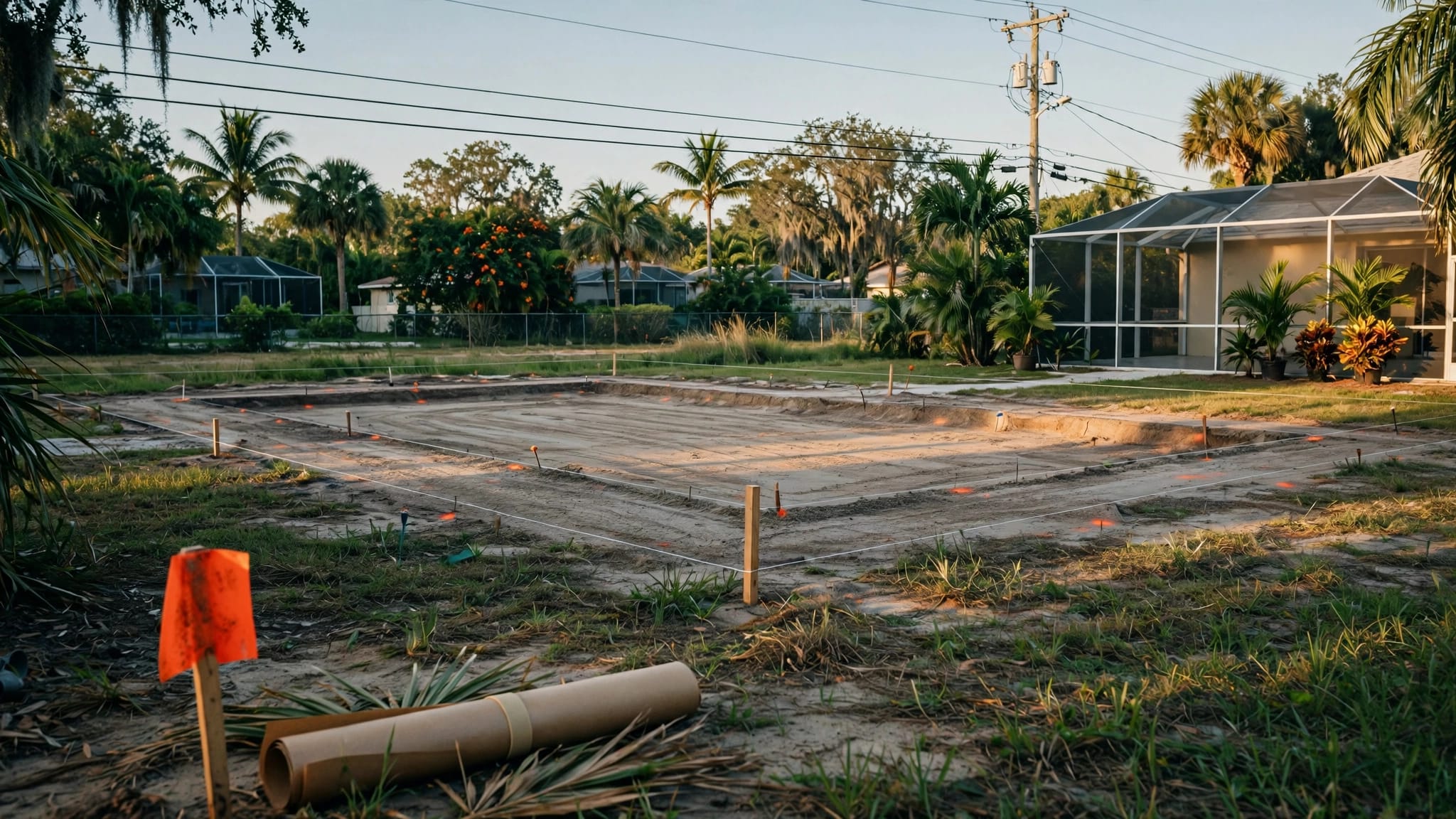
Cape Coral pools cost more than the hole in the ground. A basic in-ground build runs $50,000 to $80,000. Add features like spas or lights, and it climbs to $100,000 plus.
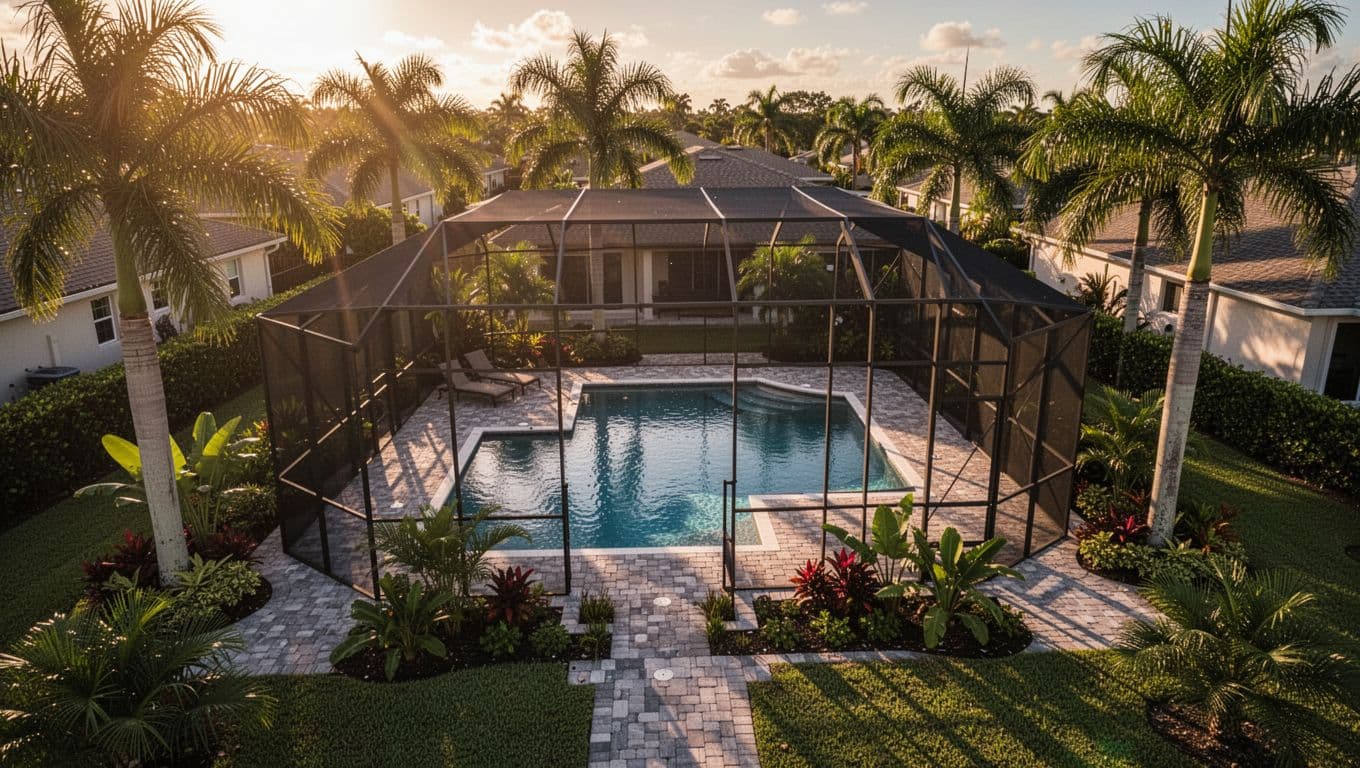
Permits from the city average $1,000 to $2,000. They cover inspections for safety and zoning. Screen enclosures protect against bugs and storms; expect $10,000 to $20,000 for a standard setup. Cape Coral screen enclosures often use super screen for extra strength.
Decking in pavers or travertine adds $5,000 to $15,000. Landscaping with palms fits the vibe but tacks on $3,000. Don't forget maintenance gear, insurance hikes (up 20-30%), and a 10% contingency fund.
Budget 20-30% beyond construction. For example, a $60,000 pool jumps to $85,000 total. Factor in yearly upkeep at $1,500 to $3,000. These extras make financing key. Local builders handle permits smoothly, saving headaches.
Home Equity Loans and HELOCs Fit Florida Homes Well
Home equity shines for Cape Coral pools. You tap your home's value without selling. In April 2026, Florida home equity loans average 8% APR for 10-15 years. Some credit unions dip to 5% with strong credit.
Pros include low rates and long terms up to 20 years. Fixed payments help plan around pool parties. Cons? Your house secures the loan. Miss payments, and foreclosure risks rise.
HELOCs offer flexibility. Draw as needed during a 10-year period, then repay over 20 years. Rates hover at 7% variable. Great if construction phases out, like pool first, then enclosure.
Qualify with 15-20% equity, 680+ credit, and debt-to-income under 43%. Repayment starts monthly interest-only on HELOCs. Use for big projects since rates beat personal loans.
These suit stable homeowners. Compare total costs; a $50,000 loan at 8% over 15 years totals $90,000 paid.
Personal Loans Offer Quick Pool Funding
Personal loans skip home collateral. Lenders approve based on credit and income alone. Amounts reach $50,000 to $100,000, terms 3-7 years. Rates sit higher, 10-15% in 2026.
Pros mean fast cash, often same-day. No equity needed, so renters qualify too. Funds go straight to your new pool construction builder.
Drawbacks hit with steeper APRs. Shorter terms mean bigger monthly bites, $1,000+ on $40,000. Fees add 1-5%. Best for smaller pools or good credit (720+).
Check unsecured options first. They suit quick builds without home risk. Always compare APR over total loan cost.
Cash-Out Refinance and Builder Partnerships
Cash-out refinance pulls equity during mortgage renewal. Rates track primaries at 6.5-7.5%. Lump sum funds pools, but closing costs eat 2-5%.
It resets your mortgage term. Use if rates drop or you need big sums for full packages, including pool renovations.
Builder financing partners with lenders like Lyon Financial. Terms up to 20 years at 7-9%. Convenient, but shop rates. Avoid promo traps with balloon payments.
These work for comprehensive jobs. Weigh closing fees against savings.
Tips for Securing the Best Pool Financing
Shop three lenders minimum. Compare APR, fees, and draw periods. Prequalify softly to avoid credit dings.
Boost approval with 700+ scores and low debt. Add a co-signer if needed. Time apps after tax season for better equity proof.
Local angles matter. Cape Coral's rising values boost equity options. Factor hurricane insurance rises post-pool.
Get a Free Estimate from pros who guide financing fits.
Make the Right Choice for Your Backyard Oasis
Home equity or HELOCs often win for low rates on big Cape Coral pools. Personal loans speed smaller jobs without home risk. Always tally full costs, from permits to enclosures.
Pick based on your equity, credit, and timeline. Compare deals to save thousands. Your pool waits; finance smart and dive in soon.