A pool brush can prevent debris and algae from settling, but the wrong bristles or too much pressure can wear a finish. The safest approach to gunite pool brushing starts with identifying the exposed interior surface, then matching your tool and routine to its care instructions.
A plaster, quartz, or pebble finish may respond differently to the same brush. Use a finish-appropriate brush and light, even strokes, and take extra care with a newly finished pool.
Why brushing matters
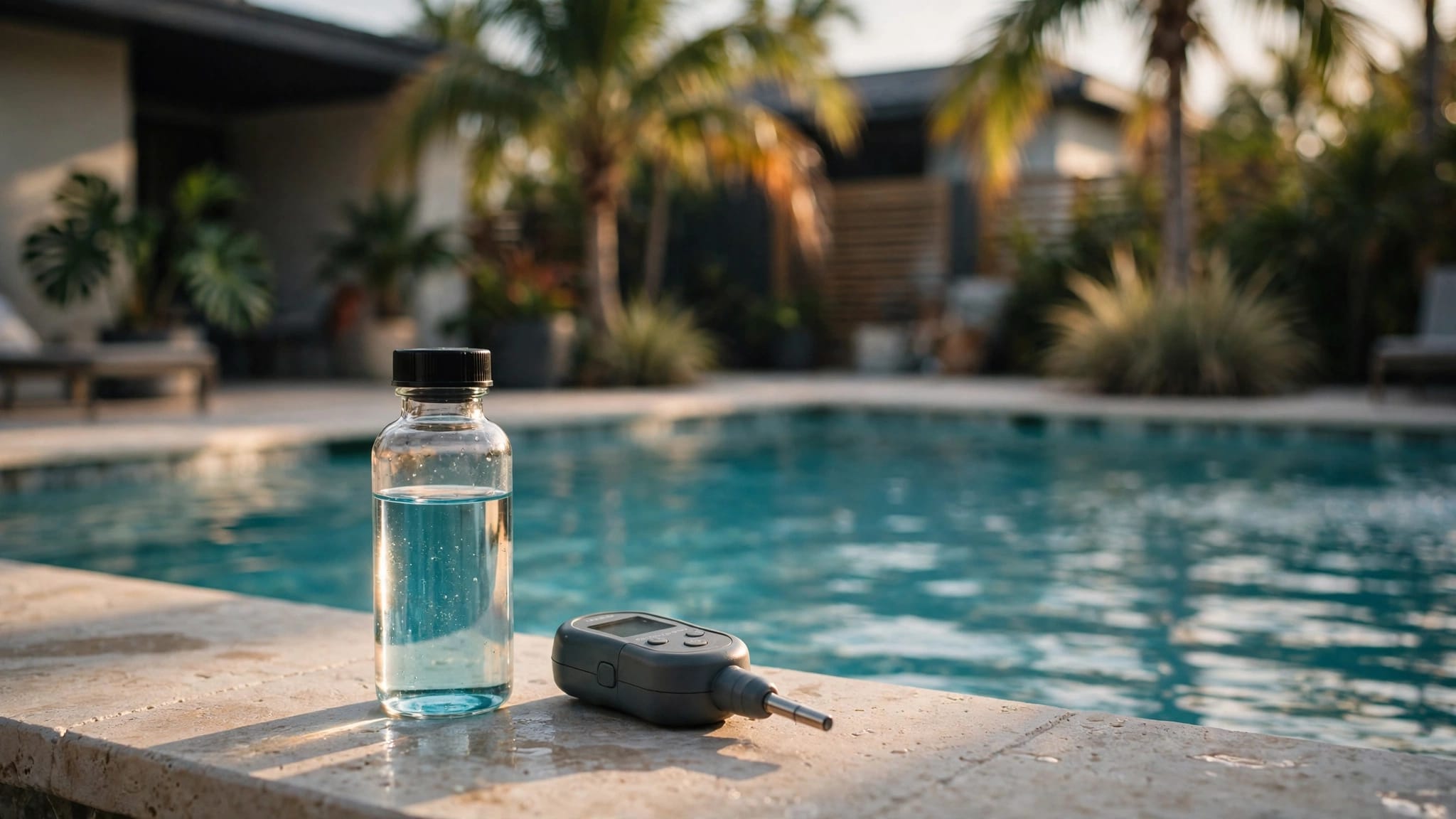
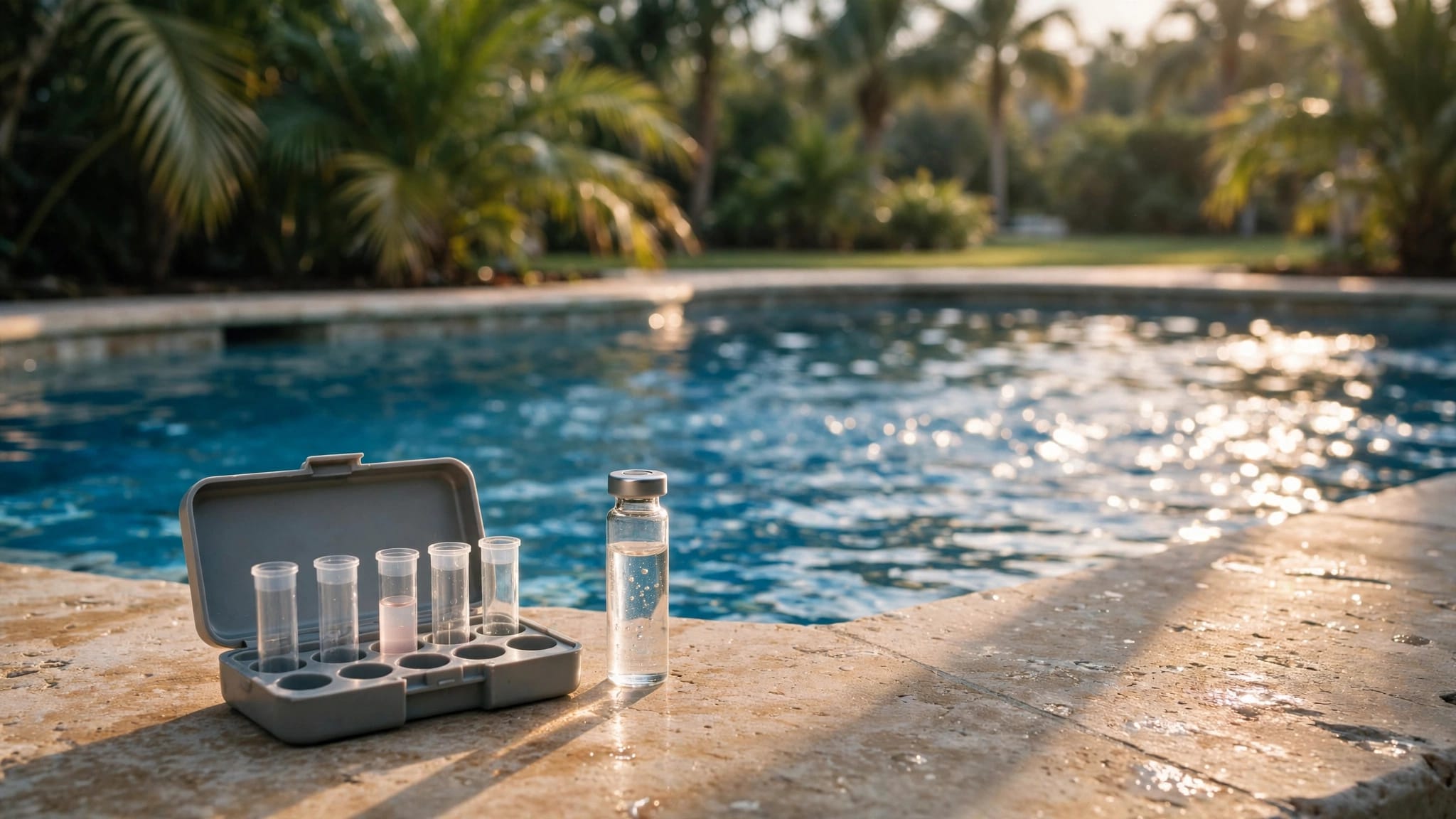
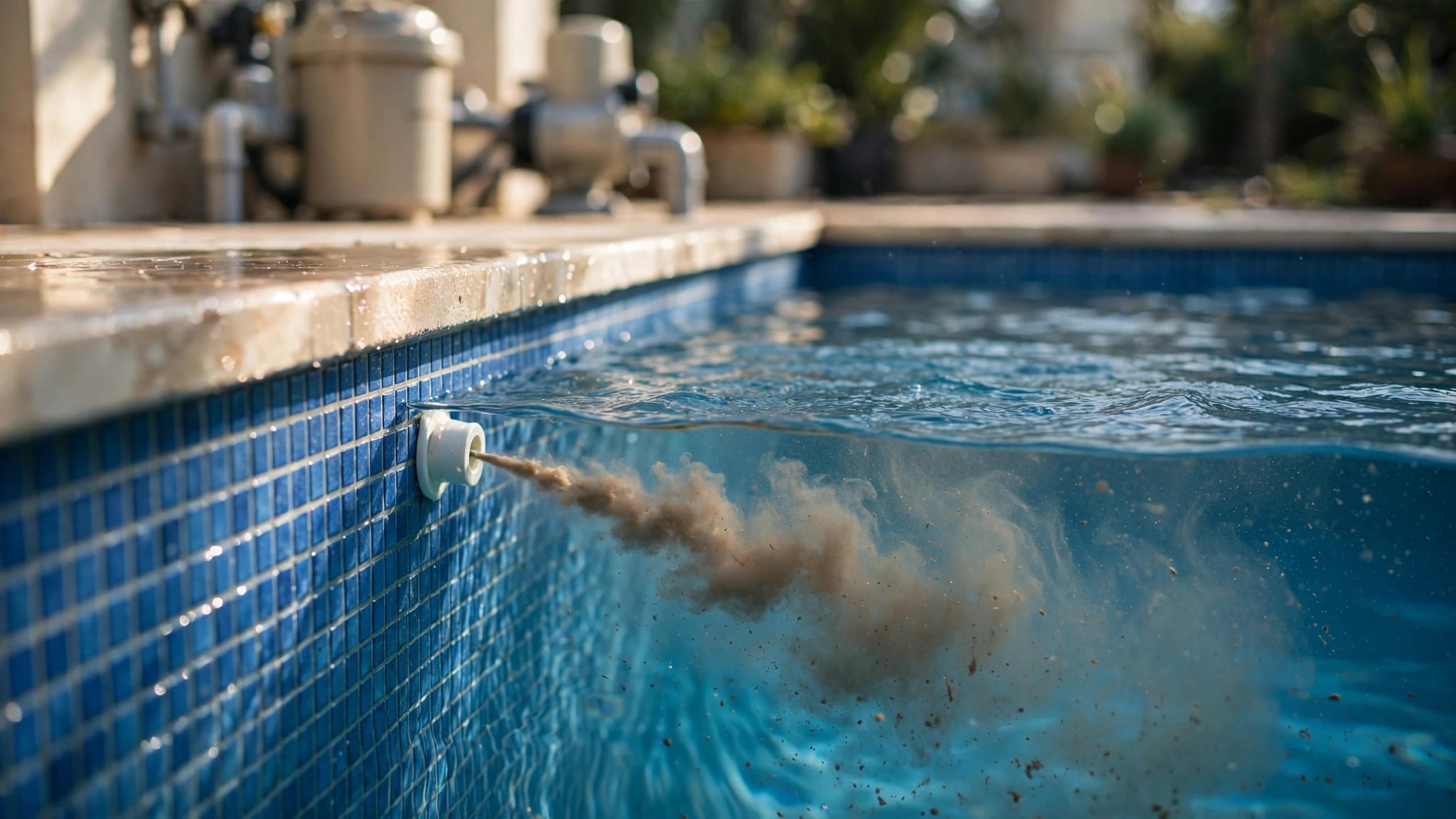
Brushing loosens fine debris before it clings to the walls, steps, and floor. It also disrupts buildup in areas where water movement is limited, which can help prevent algae and staining. In Cape Coral, heat and rain can affect pool chemistry, so brushing works best alongside regular water testing and filtration.
A brush won't correct an imbalance or repair a worn surface. If stains keep returning, water chemistry, circulation, and the condition of the finish may all need attention. For more on routine cleaning and water care, see our guide to gunite pool maintenance in Cape Coral.
Gunite pool brushing starts with the finish
Gunite describes the pool shell, not the surface your brush touches. The interior may be plaster, quartz, pebble, or another finish, and its manufacturer's care instructions should guide your tool choice.
Identify the surface you'll be brushing
If you know the finish name, use it when selecting a brush and reviewing care guidance. Plaster and aggregate finishes have different surface textures, and a tool that's suitable for one may be too aggressive for another.
If you don't know the material, ask the installer or pool professional who handled the finish. Avoid guessing based on the pool's appearance alone, especially if it has a decorative aggregate surface or has been resurfaced.
Consider the surface's condition
A sound, smooth finish can usually tolerate routine cleaning with an appropriate pool brush. However, an old or already rough interior may be more vulnerable to abrasion. Be especially gentle around worn steps, benches, patches, and visible defects.
Choose bristles that suit the pool interior
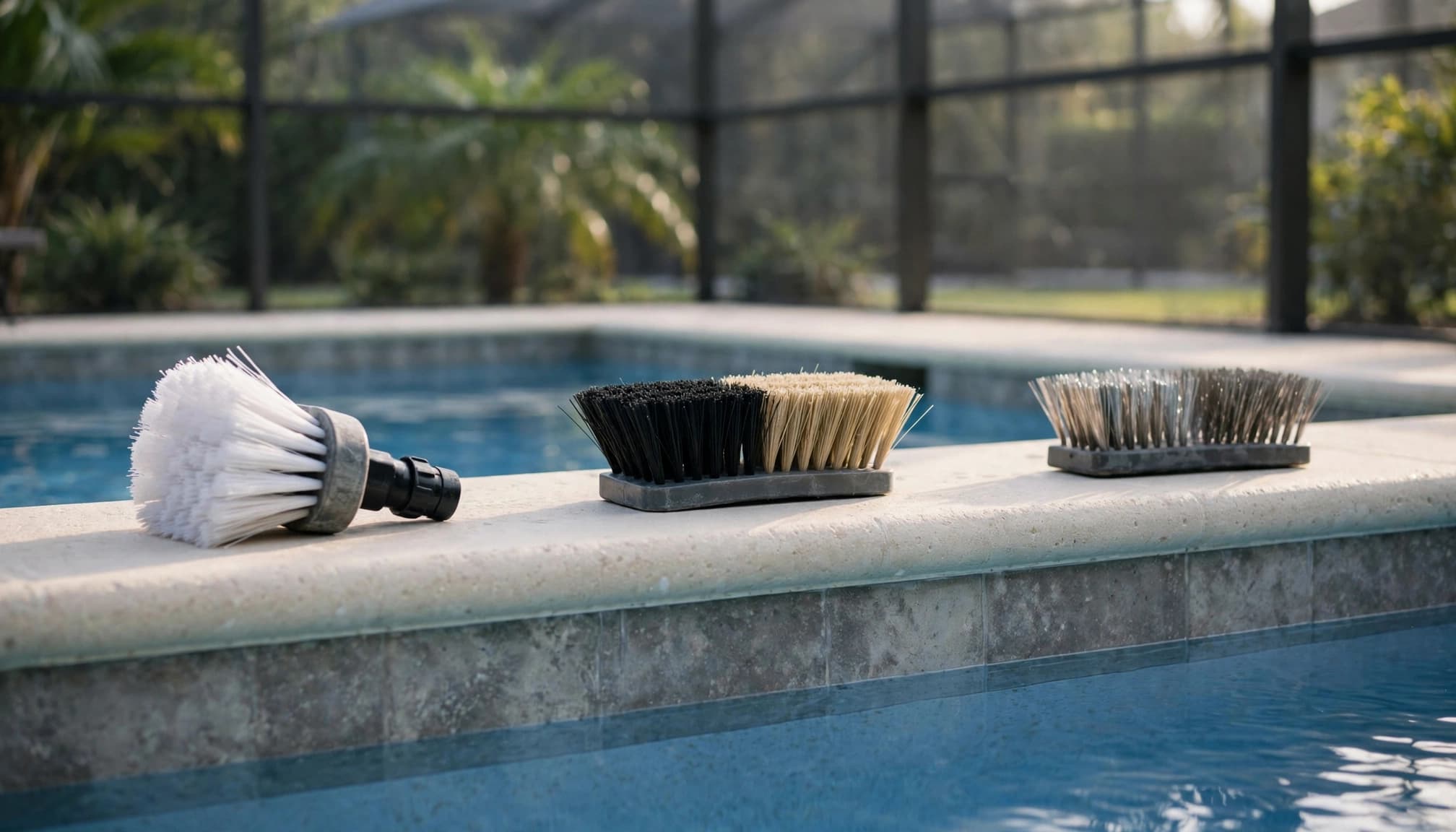
For many routine jobs, a pool brush with soft nylon bristles is a cautious starting point, but it isn't a universal recommendation. The finish's care instructions and condition should decide what's appropriate. A combination brush or another bristle type may be suitable for some surfaces, but don't assume it's safe for yours.
Use the gentlest brush that works
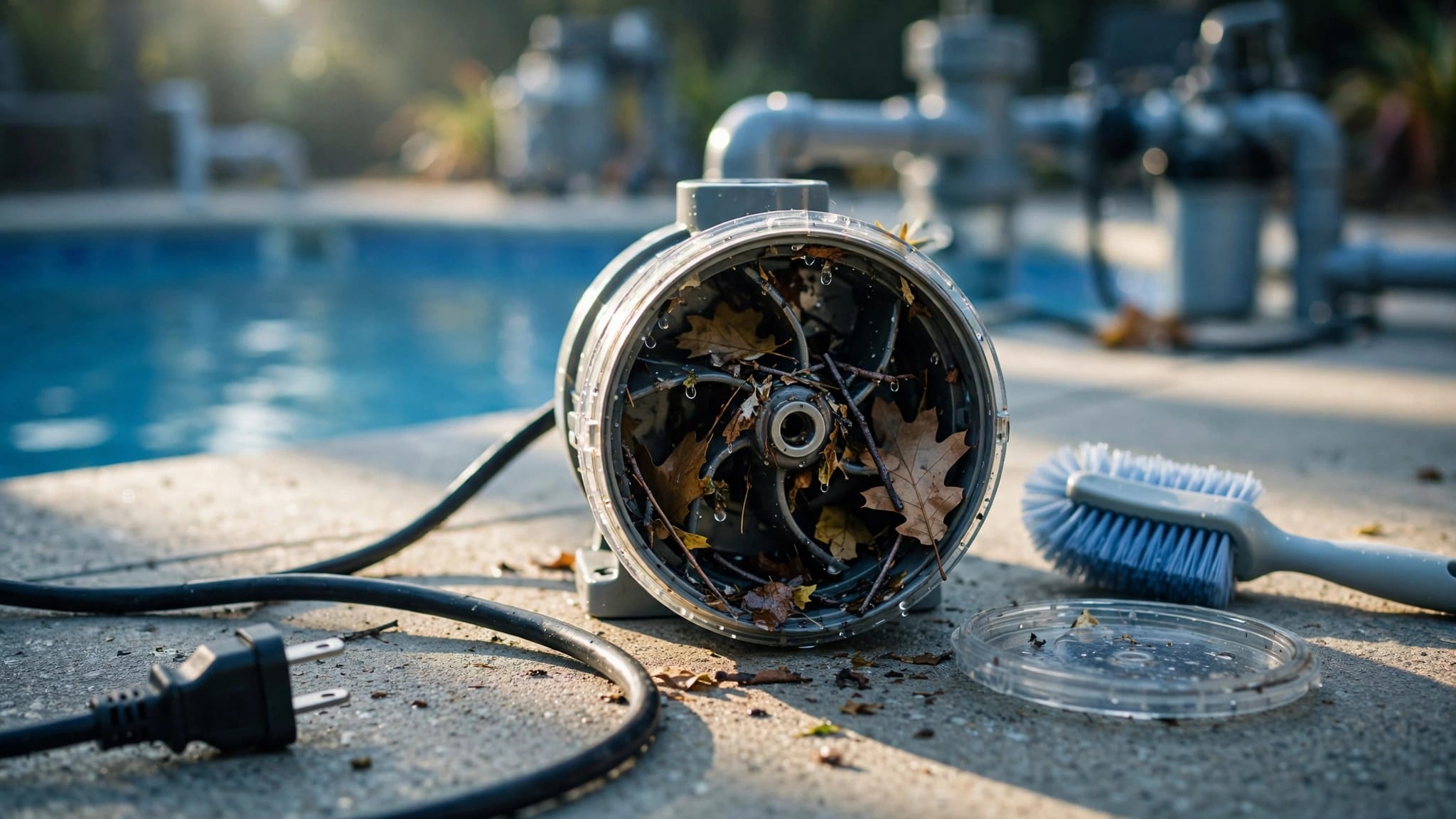
Look for a brush made for pool use and compatible with your finish. The bristles should be intact and securely attached. Replace a brush if its bristles have become bent, sharp, loose, or uneven, since damaged bristles can create unwanted friction or fail to clean properly.
If a soft brush doesn't lift a deposit, don't automatically switch to a harder tool or press harder. The deposit may need a different treatment, or the surface may have a problem that brushing can't solve.
Avoid abrasive and metal brushes unless recommended
Metal bristles, abrasive pads, and other harsh tools can scratch or remove material from some pool finishes. Use them only when the finish manufacturer or installer specifically recommends them for your surface and purpose.
A brush that feels too stiff, catches on the interior, or leaves visible tracks is a reason to stop. Don't try to compensate by pushing harder.
Brush with steady, gentle strokes
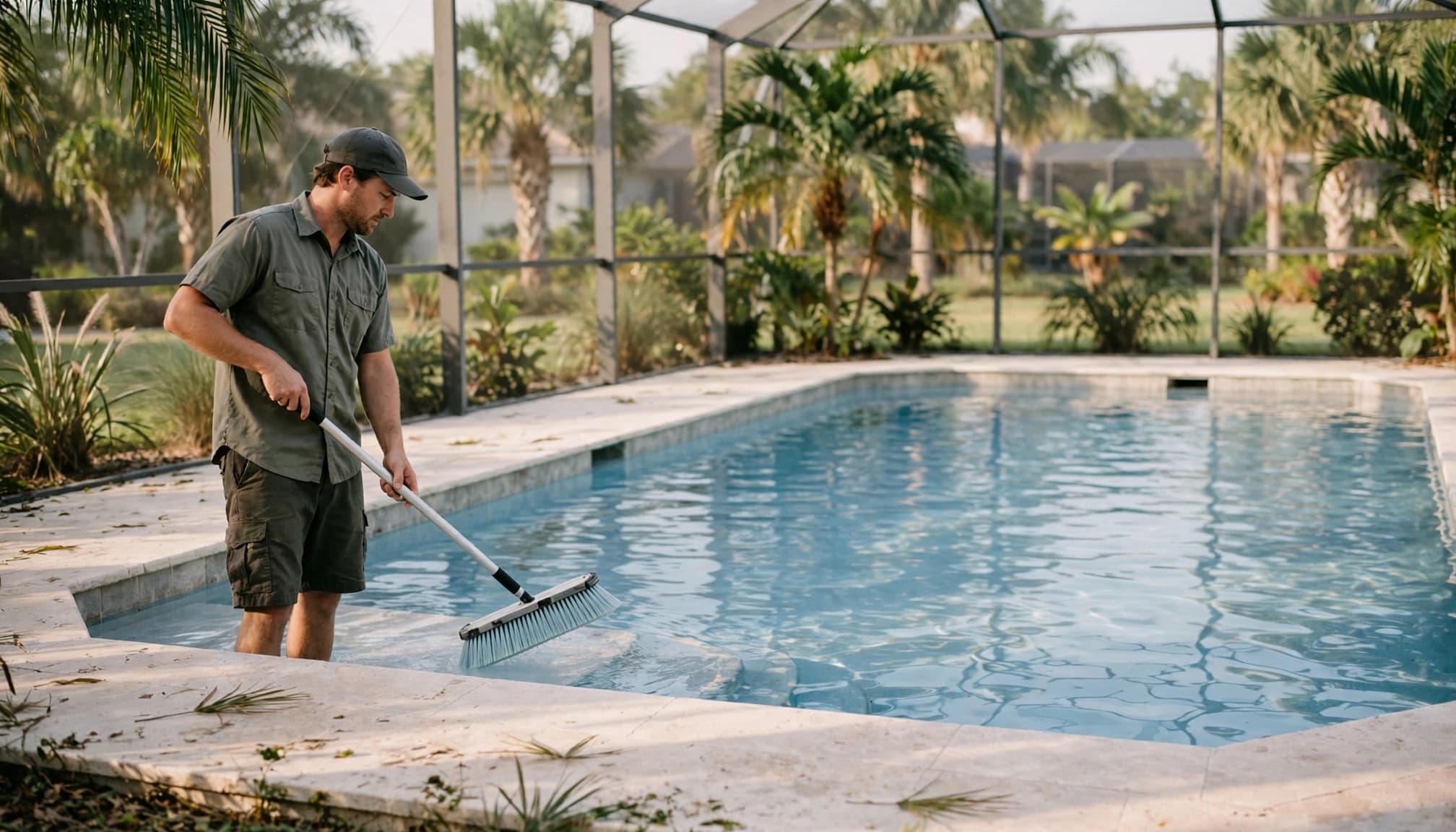
Before starting, make sure the brush head fits securely on its pole and that the bristles are clean. Remove larger floating debris with a net first. Then work in sections, using consistent, overlapping strokes rather than scrubbing one small patch repeatedly.
Follow a simple route
Begin at the waterline and work down the walls toward the floor, where loosened debris can enter the circulation system or be removed during cleaning. Move the brush steadily, keeping it flat against the surface. Use enough pressure to maintain contact, but don't lean your body weight into the pole.
Work around the pool in a consistent direction so you don't miss sections. If a stain or deposit stays in place after a gentle pass, pause instead of increasing force. Persistent marks may need water testing or a finish-appropriate cleaning method.
Take care on corners, steps, and benches
Tight corners, steps, benches, and the area around fittings can collect debris because water flow is limited. Use controlled, shorter strokes to reach these areas. Keep the brush flat when possible and avoid jabbing bristle tips into corners or scrubbing along tile edges.
If the brush head is too wide to maneuver without scraping adjacent surfaces, use a smaller brush designed for pools and suitable for the same finish. Don't use a household wire brush, scouring pad, or improvised scraper.
Set a frequency that fits your pool
Brushing is commonly included in weekly pool care, alongside skimming, water testing, and monitoring filter pressure. That's a practical baseline for many pools, not a rule for every finish or situation. Follow any schedule supplied with your surface care instructions.
You may need to brush more often when debris gathers quickly, after heavy rain, or when use leaves visible buildup. In Cape Coral's warm climate, rain can dilute pool chemicals, while heat can increase chlorine demand. Brushing helps remove residue, but it doesn't replace water testing or proper circulation. For a broader seasonal routine, read about pool care in Southwest Florida.
A brush session doesn't need to become a hard scrub. A measured pass over the walls, floor, waterline, and low-flow areas is preferable to repeatedly grinding at a stubborn spot.
Newly finished pools need their own instructions
A new or resurfaced finish may need a different brushing schedule from an established pool. Fresh plaster can release fine dust, and startup care may include frequent brushing and controlled water adjustments. The exact plan depends on the finish material and product specifications.
Follow the startup plan
Use the brush and schedule specified by the finish manufacturer, installer, or startup professional. Keep swimmers out until the crew says the pool is ready, and don't add chemicals on your own unless the startup plan directs you to do so.
Avoid using a routine meant for an older pool on a fresh surface. Early care can affect how the finish settles, so stay with the instructions provided for that specific installation. See our guide to brushing a newly finished pool for more startup details.
Don't treat startup dust like a stain
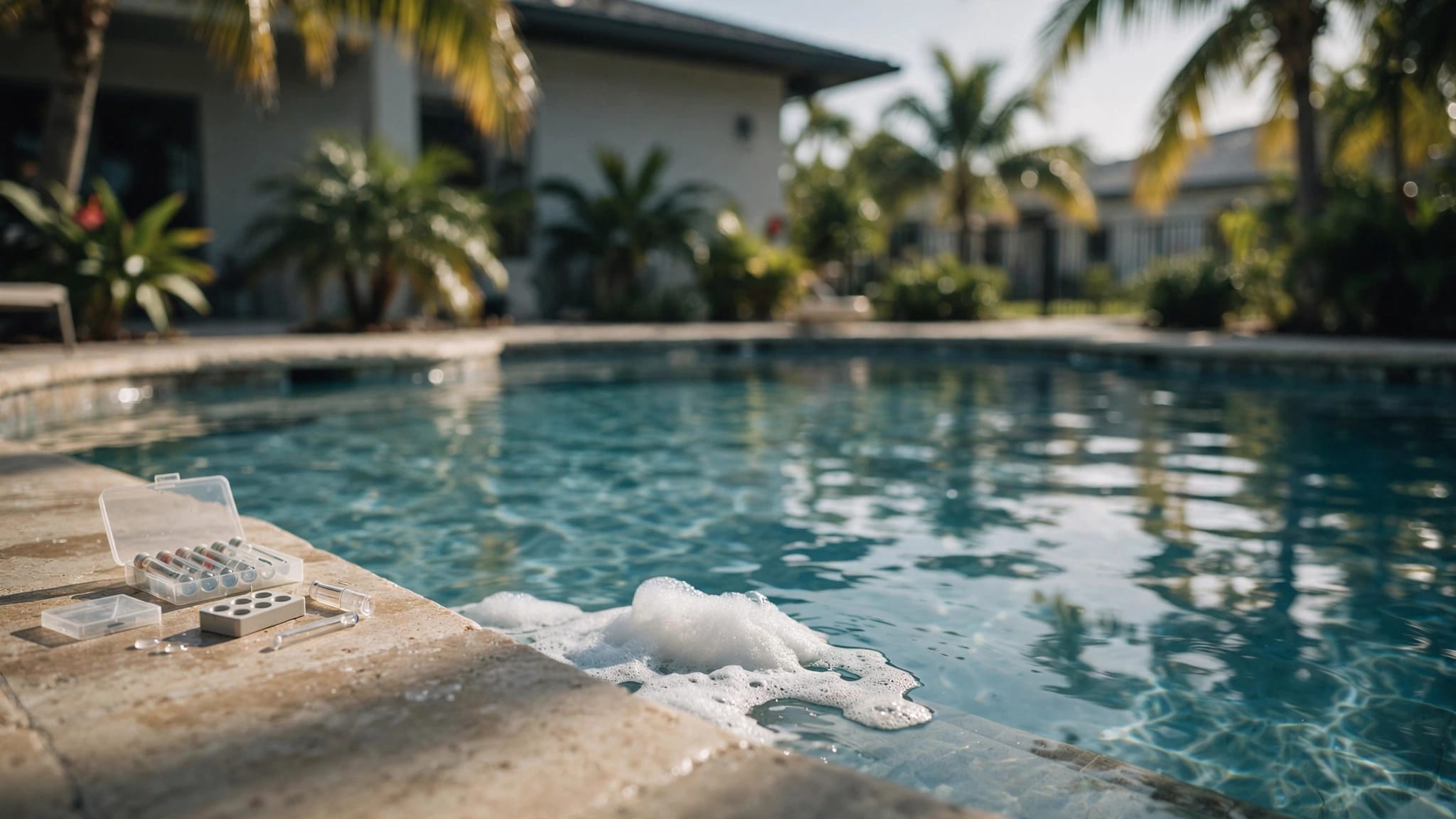
Fine dust after a new plaster finish doesn't automatically mean the surface is dirty or damaged. Brush as directed so the filtration system can remove loosened material. If the water becomes cloudy or the finish looks uneven, follow the startup plan rather than using extra force or adding unapproved chemicals.
For a resurfaced pool, the brushing schedule and water-care steps should match the new material and its curing requirements. More guidance is available on post-resurfacing pool brushing and water care.
Watch for signs that brushing may be harming the surface
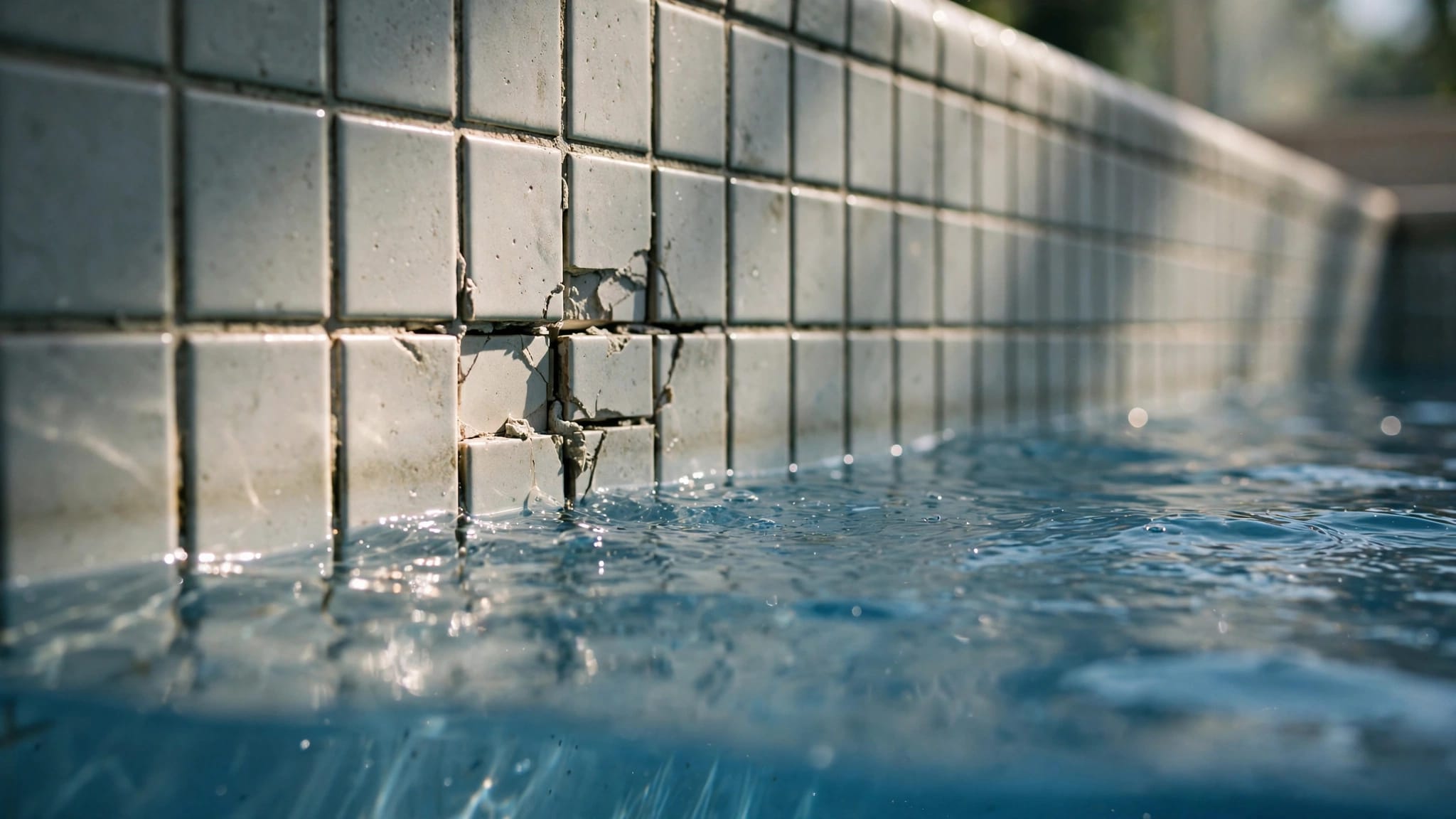
Stop brushing if you see fresh scratches, chips, or loose material appearing along the brush path. Also pay attention if the surface looks increasingly chalky, pitted, or rough, or if brushing makes discoloration more pronounced. These changes can point to a worn finish or another issue that needs more than routine cleaning.
Stains can come from metals, algae, leaves, or water chemistry. Some may respond to appropriate treatment, while others can become embedded in an older, more porous surface. Don't scrub harder to force a stain out. If roughness, flaking, or discoloration spreads, see our page on recognizing a worn pool finish.
If you notice a crack, loose finish, or recurring damage, avoid aggressive brushing around it. Our team handles pool renovations and resurfacing in Cape Coral. Get a Free Estimate to discuss a pool surface concern.
Key takeaways
- Identify the pool's interior finish before choosing a brush.
- Use a compatible pool brush and light, even strokes.
- Avoid abrasive and metal brushes unless the manufacturer or installer recommends them.
- Brush corners, steps, and benches gently, and don't force stubborn stains.
- Follow the startup plan for a newly finished or resurfaced pool.
- Stop if brushing reveals scratches, chips, flaking, or spreading roughness.
Frequently asked questions
How often should I brush a gunite pool?
Weekly brushing is a common part of routine maintenance, but the right frequency depends on the pool, its finish, debris, and usage. A new or resurfaced pool may require more frequent brushing under its startup plan.
Can I use a wire brush on a gunite pool?
Don't use a metal or wire brush unless the finish manufacturer or installer specifically recommends it for the surface. Gunite pools can have different interior materials, and a metal brush may be too abrasive for some of them.
Should brushing remove a stain?
Brushing can loosen surface debris and some buildup, but it won't remove every stain. Stains can have different causes, including algae, metals, leaves, or water chemistry. If gentle brushing doesn't help, avoid increasing pressure and address the cause instead.
Protect the finish with a gentle routine
The shell may be gunite, but safe brushing depends on the interior finish. Choose a compatible brush, use steady pressure, and keep up with routine cleaning and water care.
When the surface starts to look rough, chalky, or damaged, pause before brushing harder. A finish-safe approach protects the pool while helping you spot problems that routine maintenance can't fix.