Finish day is when a pool build starts to look real. The shell is already there, but the surface still needs its final layer, and that part takes careful timing.
For Cape Coral homeowners, pool finish day can feel busy, wet, and a little chaotic. Crews move fast, hoses run for hours, and Florida weather can shift the pace without much warning.
The good news is simple. If you know what the day looks like, it feels much easier to watch and much harder to worry over.
How finish day fits into the last stretch
Finish day comes near the end of the job, after the main construction is in place. The structure is set, the plumbing is done, and the pool is waiting for its interior surface. If you want a wider look at the project, the full pool construction process shows how this stage fits into the bigger build.
At this point, the crew is no longer shaping the pool. They are applying the finish that becomes the pool's face, whether that's plaster, pebble, or another interior surface. That material has to go on in a tight window, because once it is mixed, the clock starts ticking.
That is why the day can feel intense. Workers may check levels, move around the shell several times, and confirm edges before the material starts to set. A few minutes matter more here than they do on many other job days.
You may still hear people talking about earlier phases, like excavation and shell work, but finish day is different. The loud, heavy part of the job is mostly behind you. The pool is close to done, yet it is not ready for use until the finish, fill, and startup all line up.
What the crew is doing while the finish goes on
The crew usually arrives with a clear plan and a short work window. Materials get staged, tools are set out, and the finish starts moving quickly.
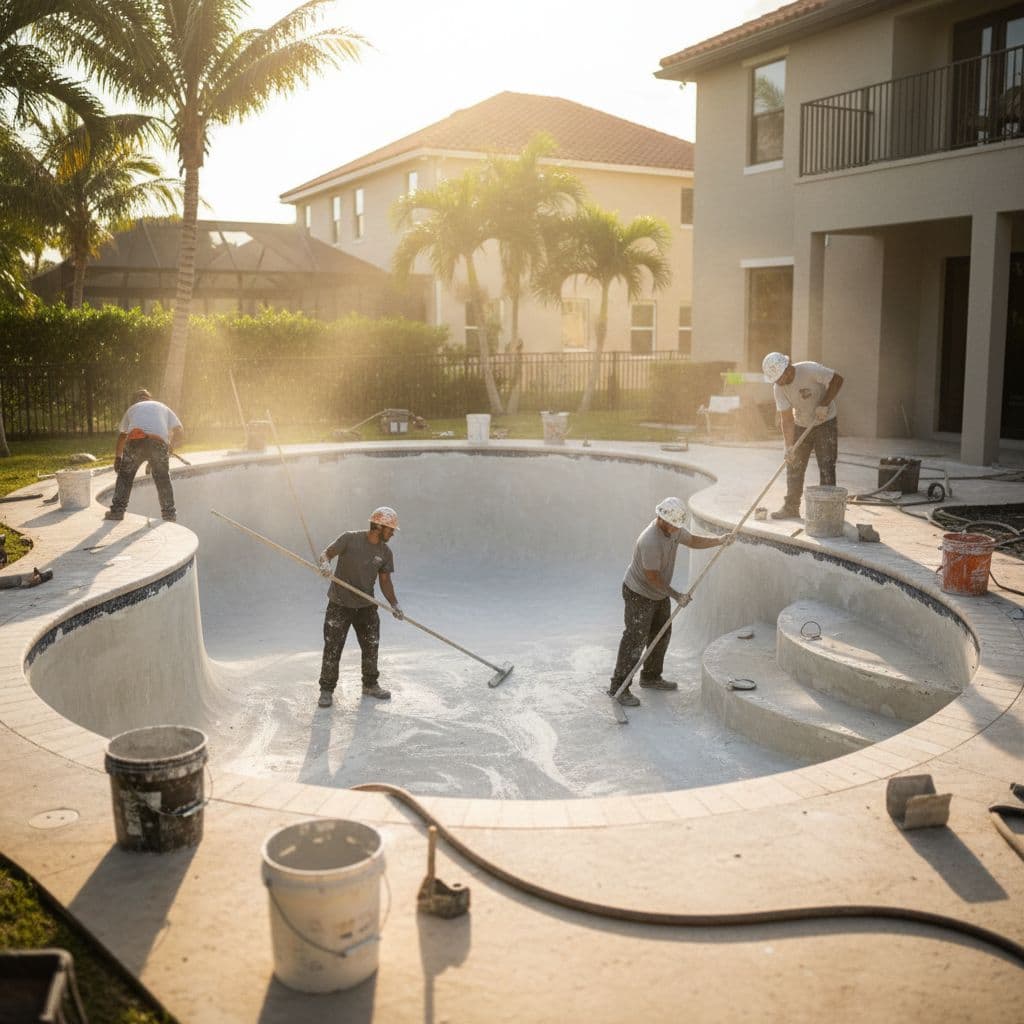
Depending on the finish, workers may trowel, spray, spread, or brush the surface. They watch corners, drains, steps, ledges, and curves closely, because those spots show problems first. If the surface is not even there, you may notice it later.
Some finishes also need a wash-down or another pass after the first set. That means the crew may come back over a section more than once. It can look repetitive from the outside, but each pass has a job to do.
One person may keep the mix moving while others handle the edges and details. That teamwork is the reason the day looks busy even when the final result is meant to feel calm and clean. The pool may sit in a half-finished state for only a short time, then change fast.
If you have a question, ask it early. Once the surface starts to set, the crew needs focus and space. A quick question at the right time is easier than a long one after the fact.
Why the yard looks rough before it looks done
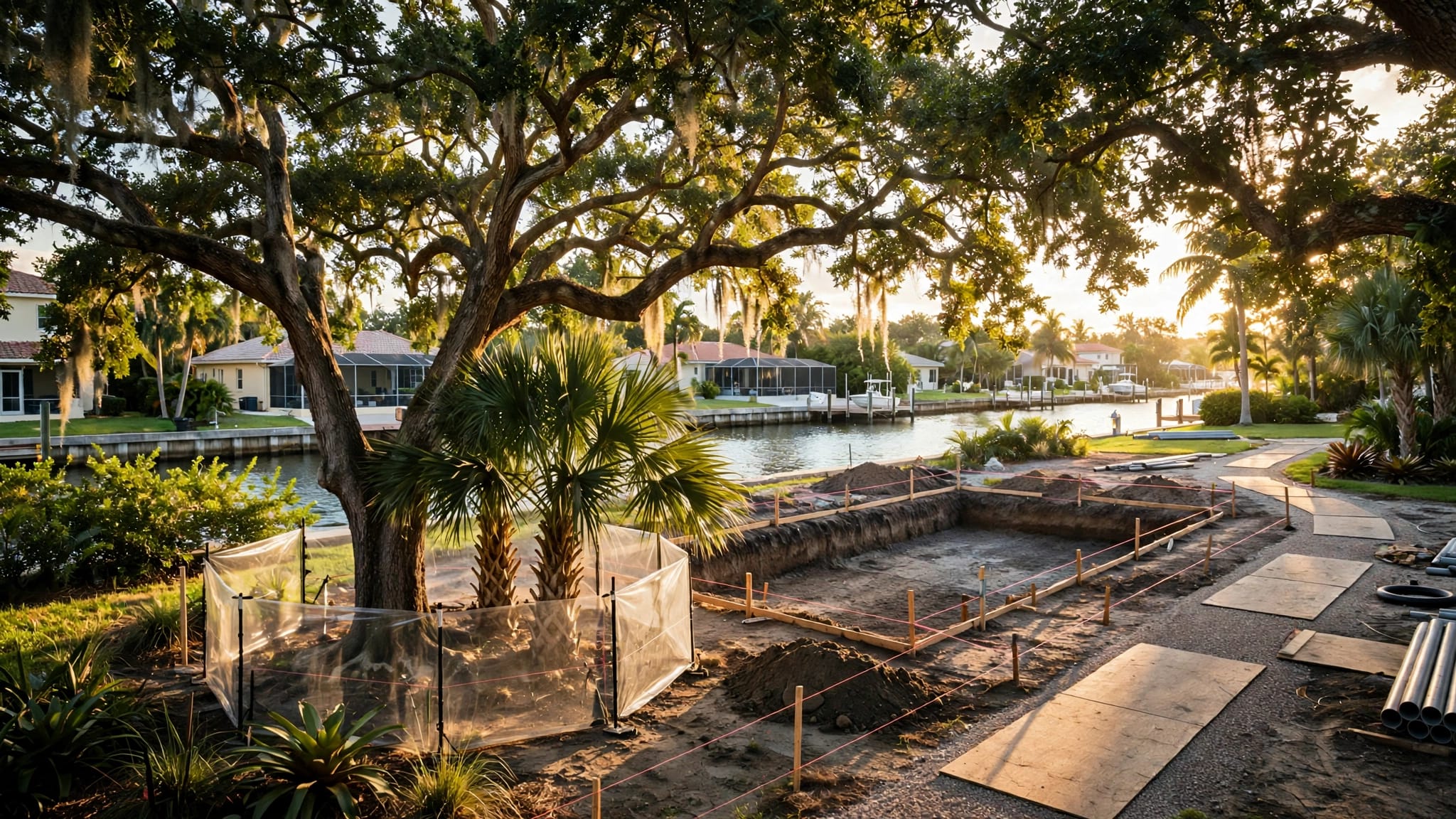
Finish day is rarely tidy. Hoses may cross the yard, wet spots can show up on the deck, and tools may sit in more places than you'd like. Mud, dust, and water can all show up at once.
That mess is temporary. The team is managing the surface, the cleanup, and the fill process together, so the yard will not look picture-ready right away. It often looks worse before it looks better.
A new pool can look rough for a few hours, even when the most important work is already done.
Noise is normal too. You may hear mixers, pumps, water running, and crew calls across the yard. In a Cape Coral neighborhood, that usually lasts one workday, sometimes a bit longer on larger projects.
The deck can also be slick. Fine residue, rinse water, and Florida humidity can make surfaces feel slippery fast. Keep kids and pets away from the work zone, and don't walk through damp areas unless the crew says it's safe.
If the yard has already picked up rain, expect even more mud and tracking. Cape Coral soil and wet concrete dust do not stay neat for long, so the crew will often focus on cleanup after the finish is in place.
Water fill and startup in Cape Coral heat
After the finish goes on, the pool usually needs a continuous fill. That water should keep running until the level reaches the right point. If the fill stops early, the fresh surface can dry unevenly or mark more easily.
In Southwest Florida, that part matters even more because heat moves fast. Strong sun and warm air can dry the surface before it has time to settle the way it should. That is why the crew may push to get the fill started right away.
The startup process begins as soon as the pool is full enough. The team will brush the surface, check circulation, and begin water treatment. Fresh water rarely looks perfect on the first day. It can appear cloudy, pale, or a little off in color, and that does not always mean something is wrong.
Water chemistry matters a lot in the first few days. The pool needs balanced water, steady circulation, and regular brushing so the new finish can settle correctly. If you skip those steps, stains, scale, or rough patches can show up much sooner than they should.
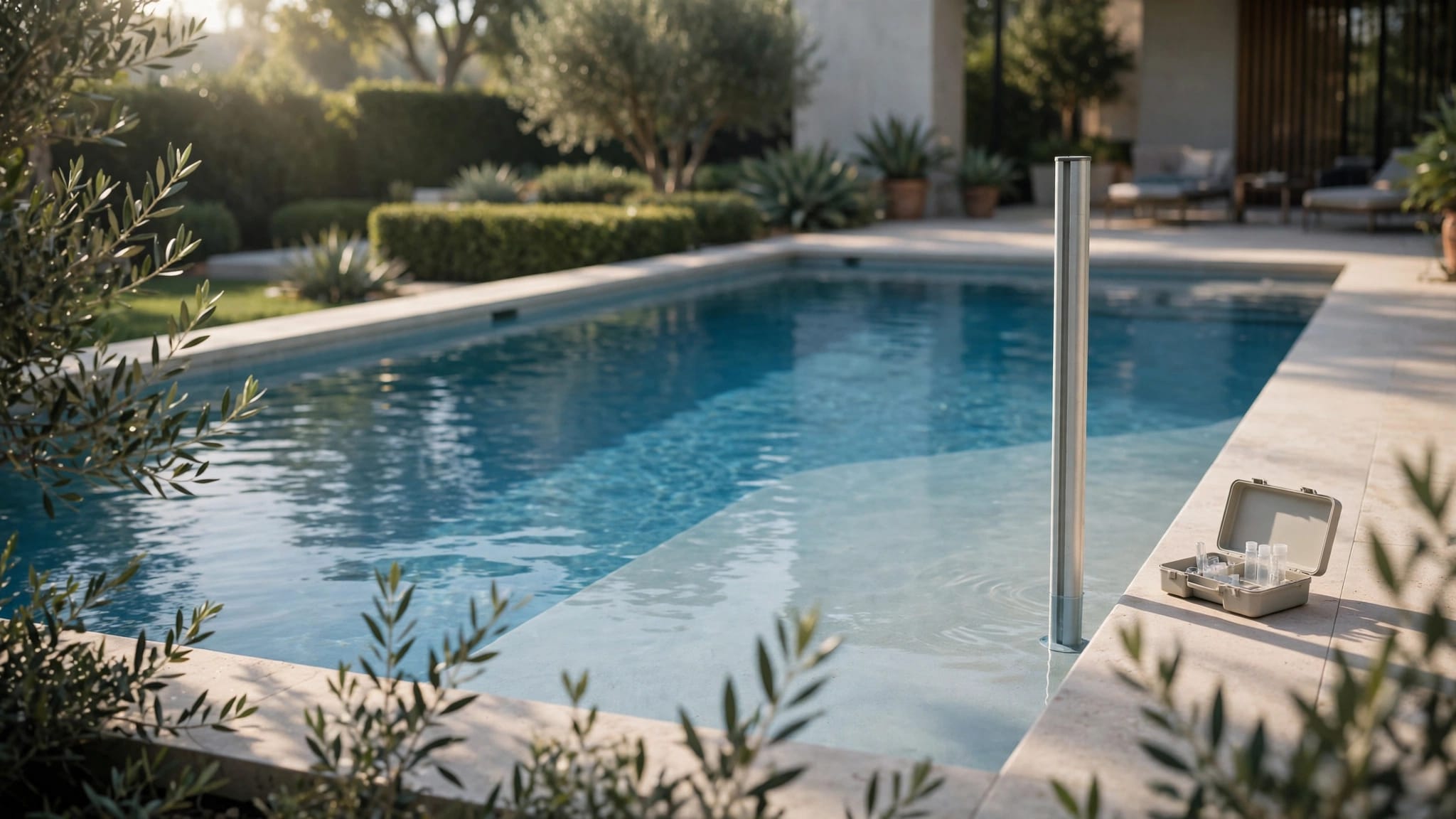
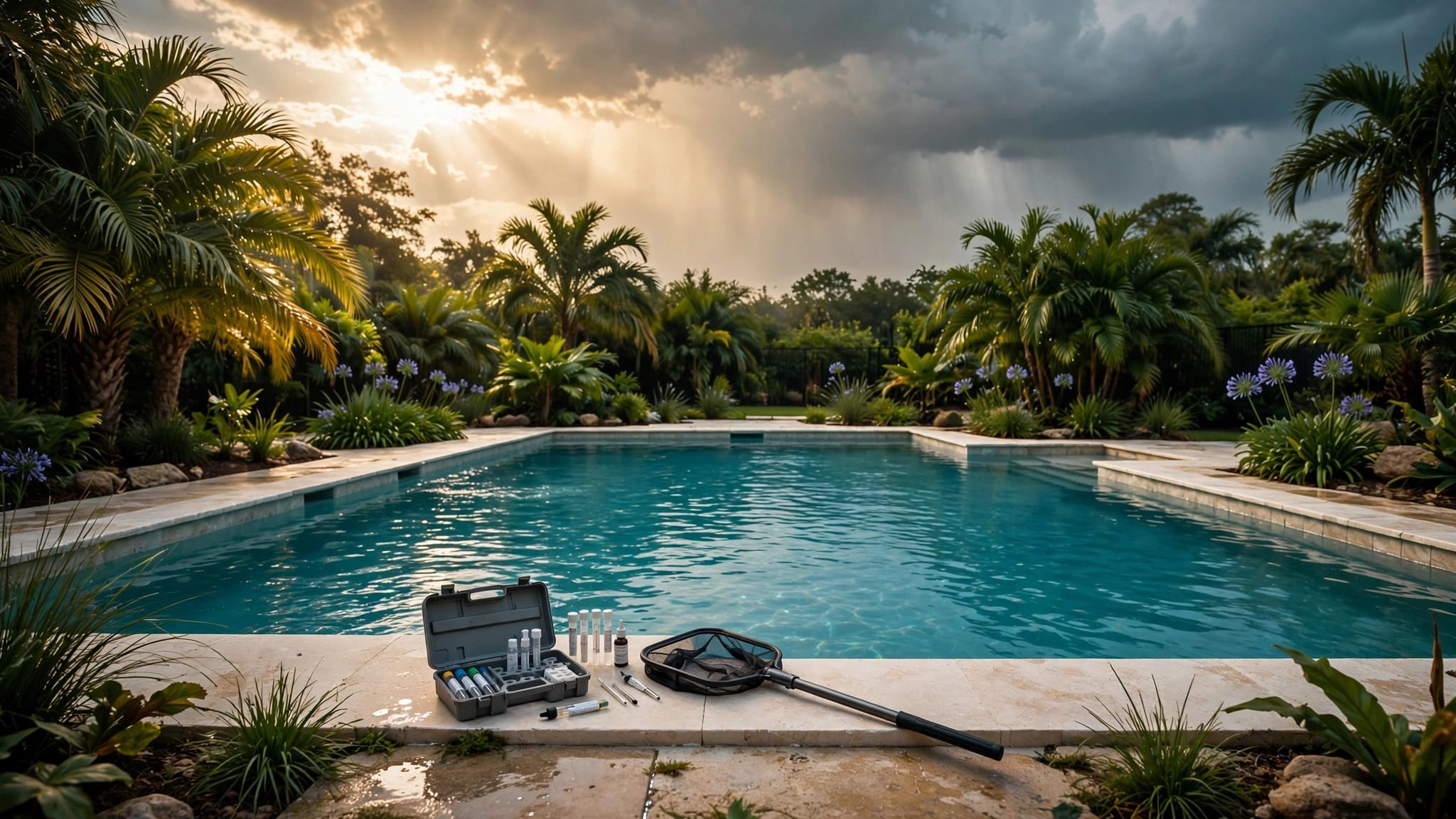
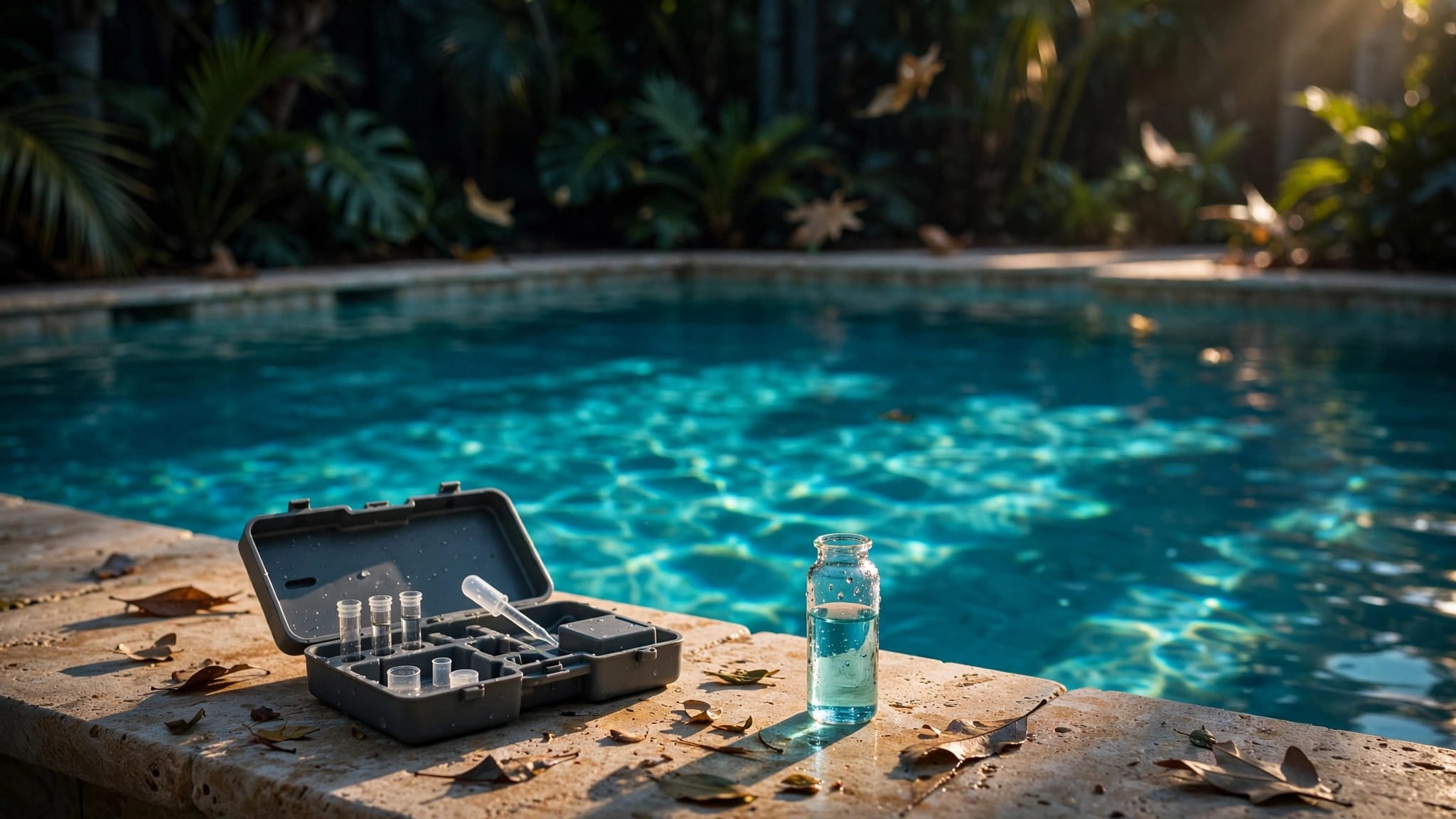
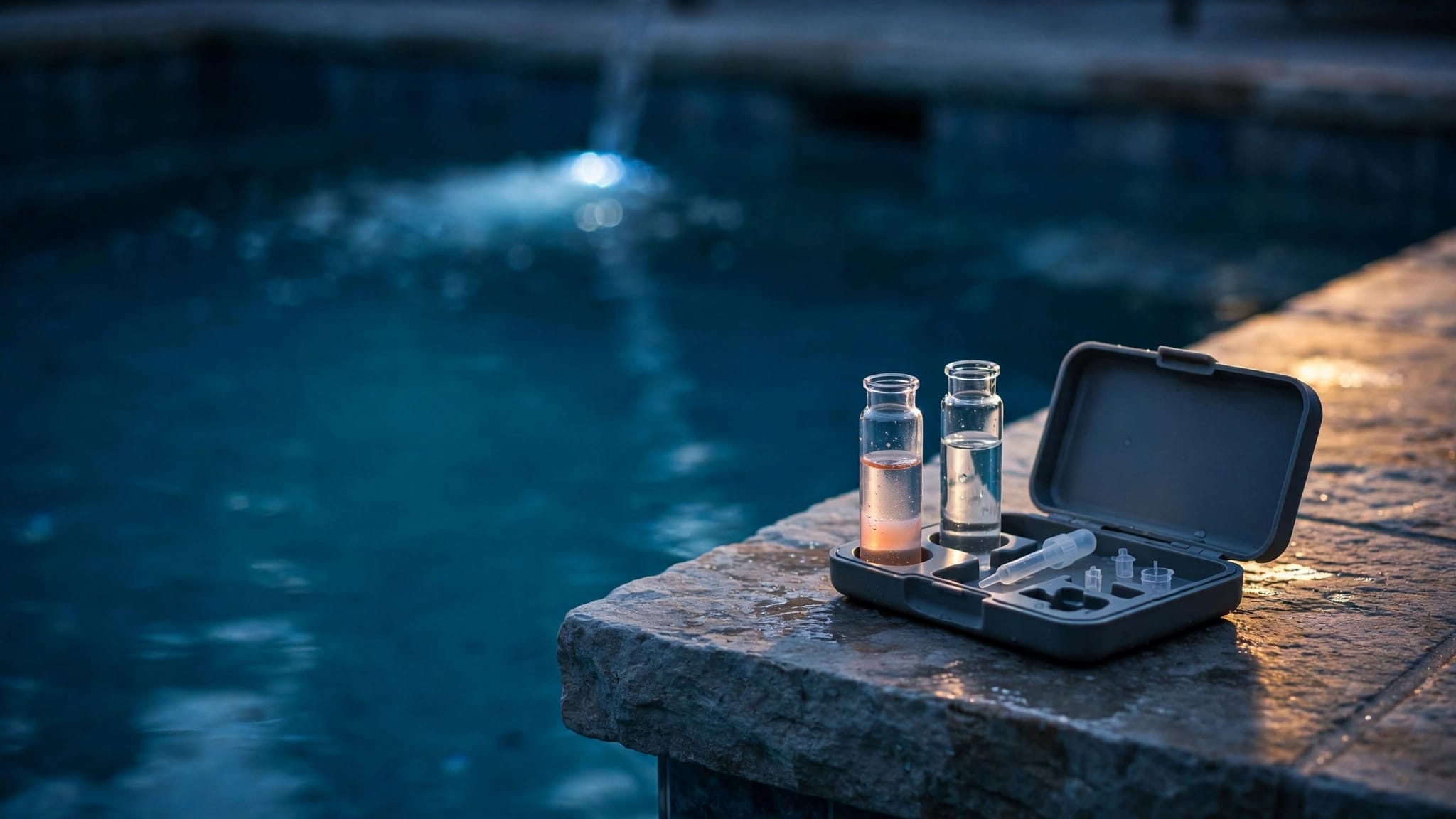
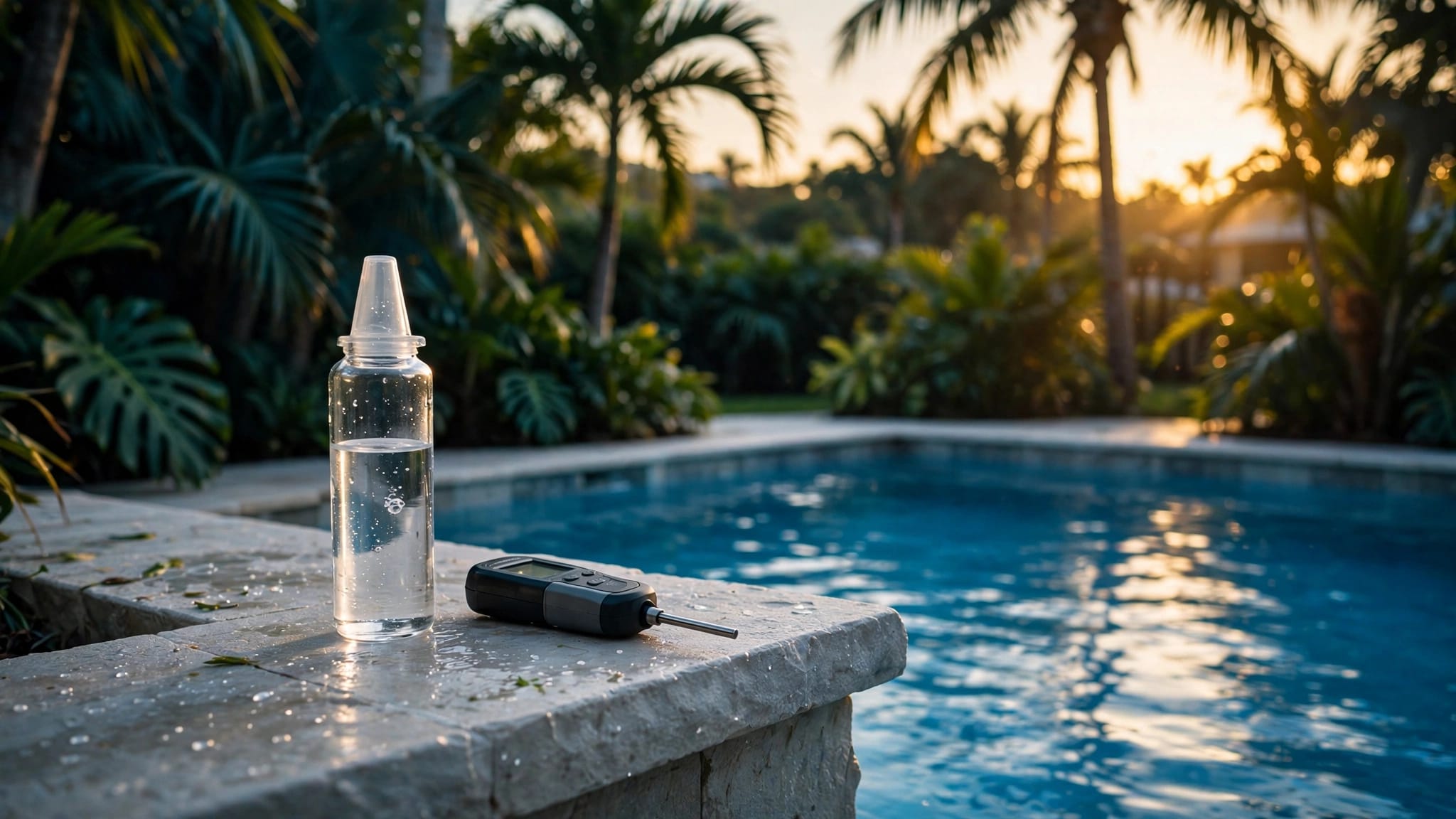
The startup tech may also test pH, chlorine, alkalinity, and calcium hardness. Those readings help protect the surface while it cures in place. In some cases, you may also be told to hold off on the heater, salt system, or cleaner until the water is ready.
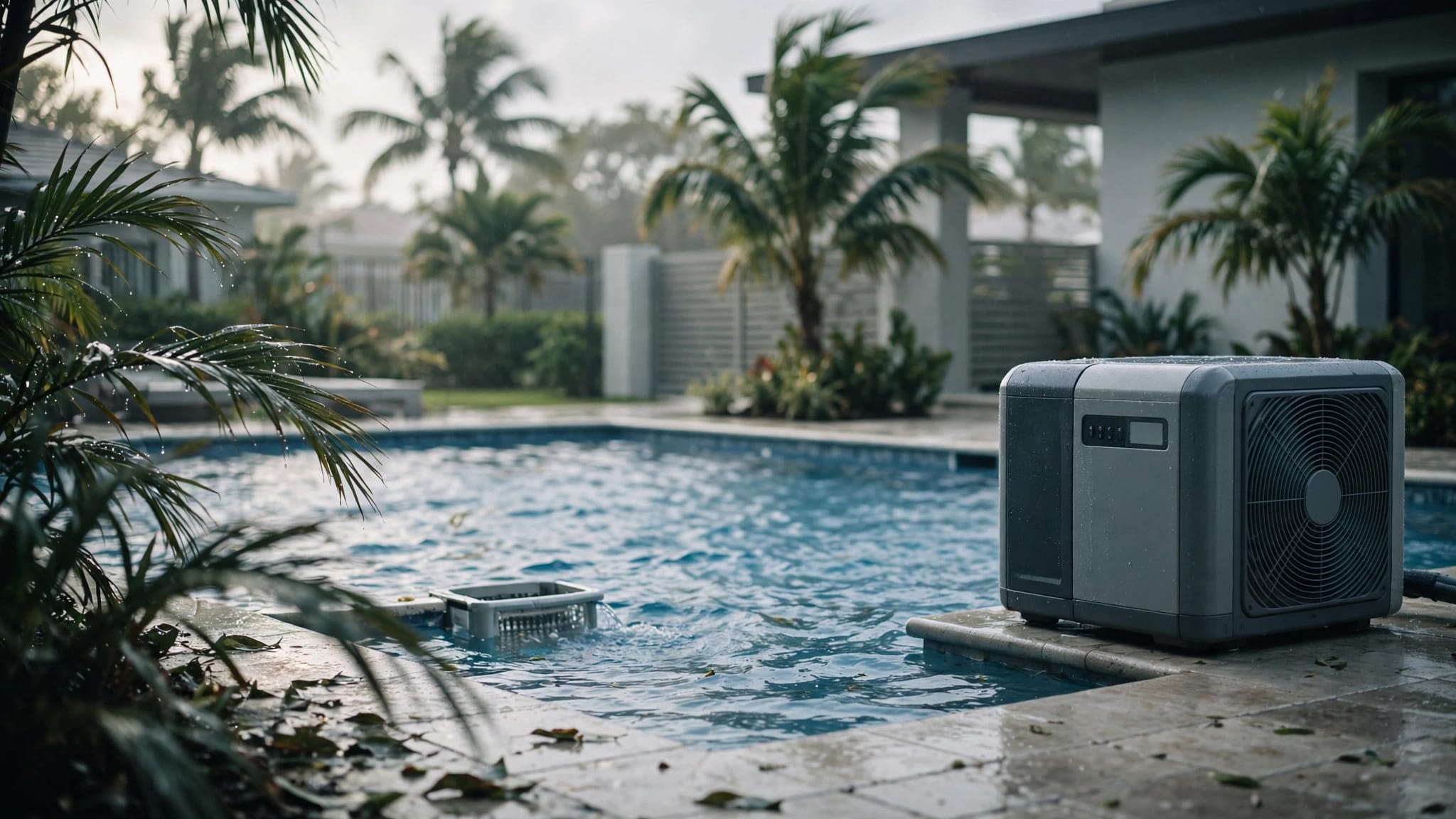
Afternoon rain can change the pace too. A short storm may slow cleanup or push some startup tasks later in the day. The crew will work around it, but the weather still gets the last word sometimes.
What you should do, and what to skip, after finish day
The first day after finish day matters a lot. A few simple habits help protect the new surface and keep the startup on track.
| Task | What to do | Why it matters |
|---|---|---|
| Keep the fill running | Leave the hoses in place until the pool reaches the proper level | The new finish should not dry unevenly |
| Stay out of the water | Keep everyone out until the crew says the pool is ready | Fresh surface materials can mark easily |
| Follow brushing instructions | Brush when and how the startup team tells you | It helps remove dust and smooth the surface |
| Hold off on extra gear | Wait before turning on cleaners, heaters, or add-ons | The pool needs proper startup first |
Do not add chemicals on your own unless the startup plan tells you to. A small mistake early can cloud the water or put stress on the finish.
It also helps to keep someone nearby if possible. If the hose stops, gets moved, or loses pressure, the fill can become a problem fast, especially in heat. A steady eye on the pool is worth more than a long list of guesses.
Florida weather can shift the timing
Cape Coral weather has a way of changing plans. Morning sun, heavy humidity, and afternoon rain are all normal parts of the job.
Because of that, crews often start early and move quickly. A short shower may pause part of the work, or it may shift startup tasks into a later window. That does not mean the project is behind. It means the team is working with local conditions, which is part of building pools in Florida.
Late summer can be the trickiest. Heat rises fast, and rain can build by midafternoon. When that happens, timing matters even more, so the crew may adjust the day to protect the finish and keep the fill steady.
If you're still planning your project or renovation, Get a Free Estimate so you can talk through timing before the busiest stretch arrives.
Conclusion
Pool finish day can look hectic, but that is part of the process. The surface has a short working window, the water fill has to stay steady, and startup needs careful attention.
For Cape Coral homeowners, the best approach is simple. Give the crew room, keep the water moving, and follow the startup steps closely. Finish day is the moment the pool starts turning from a job site into part of the home you wanted.
When everything goes right, the change happens fast. One day it looks like construction, then it starts to feel like the backyard is finally coming together.