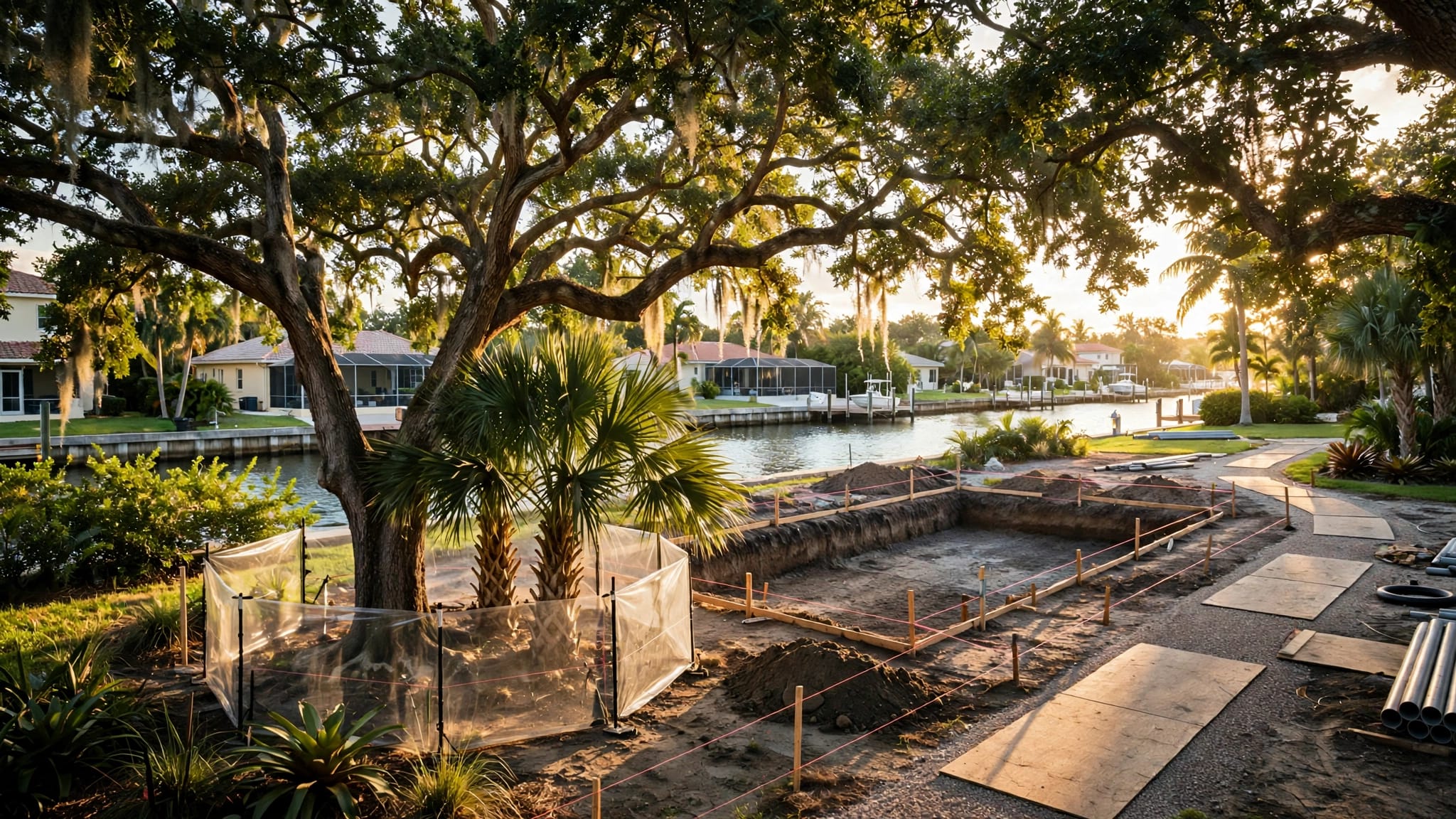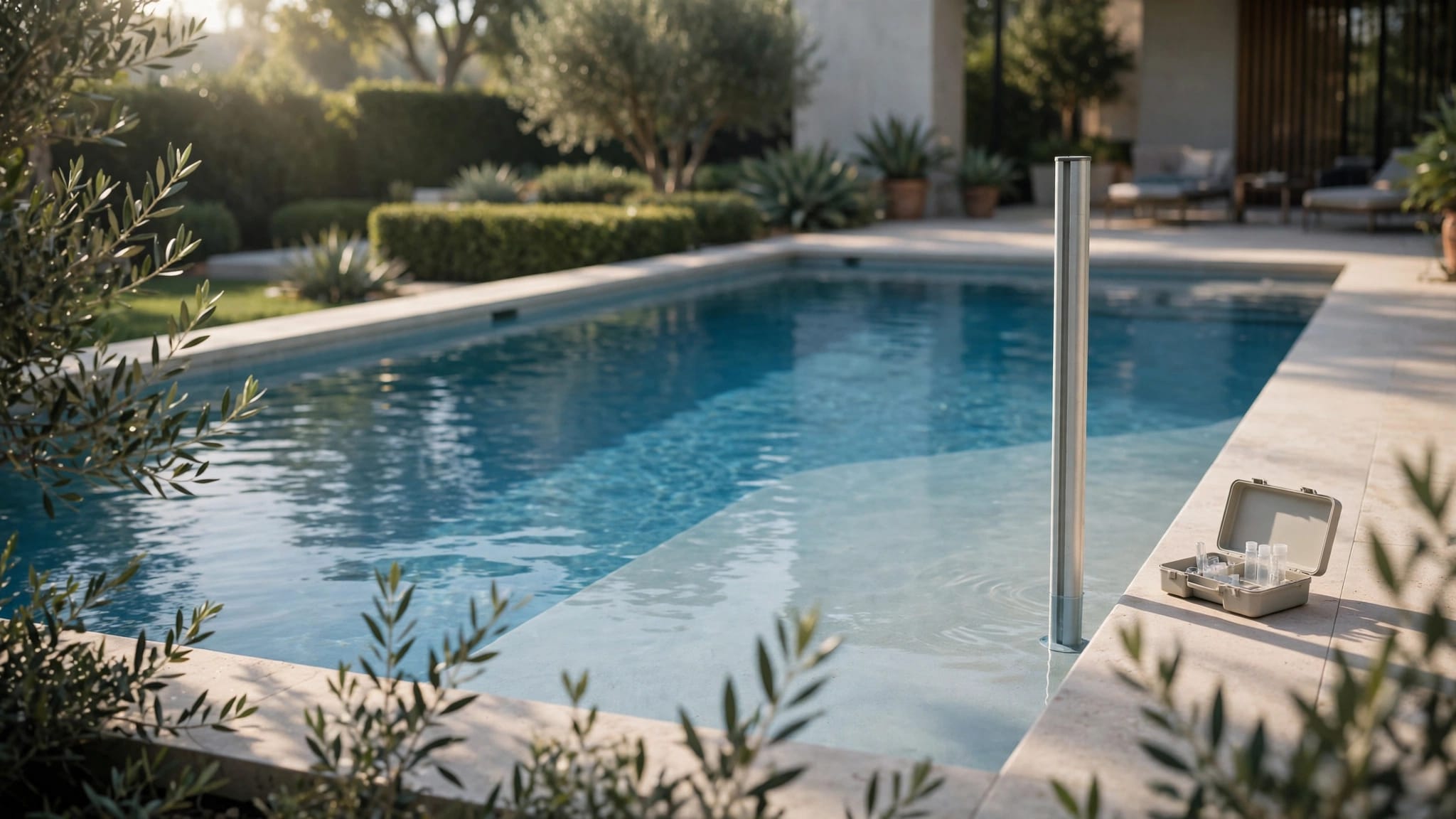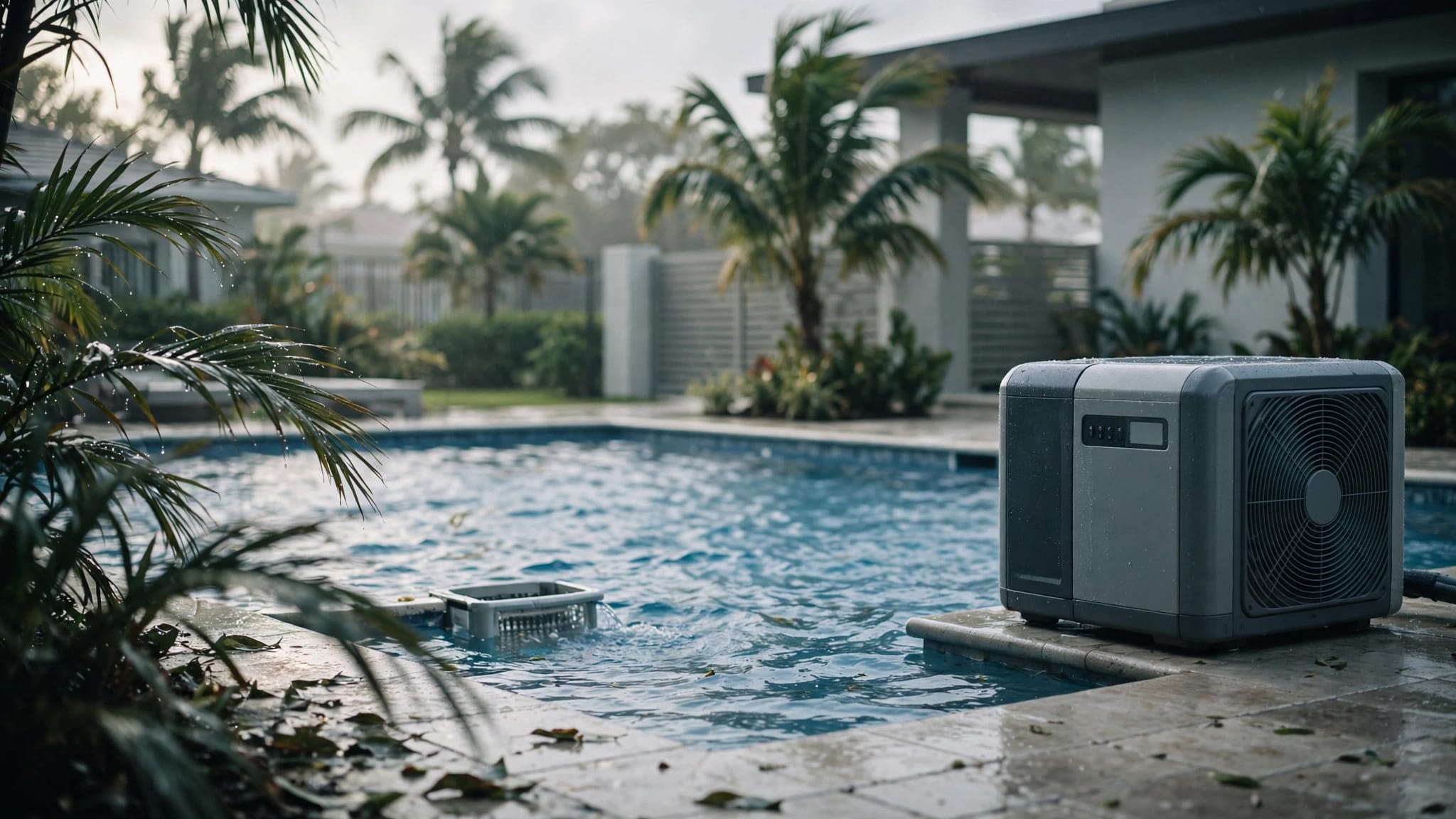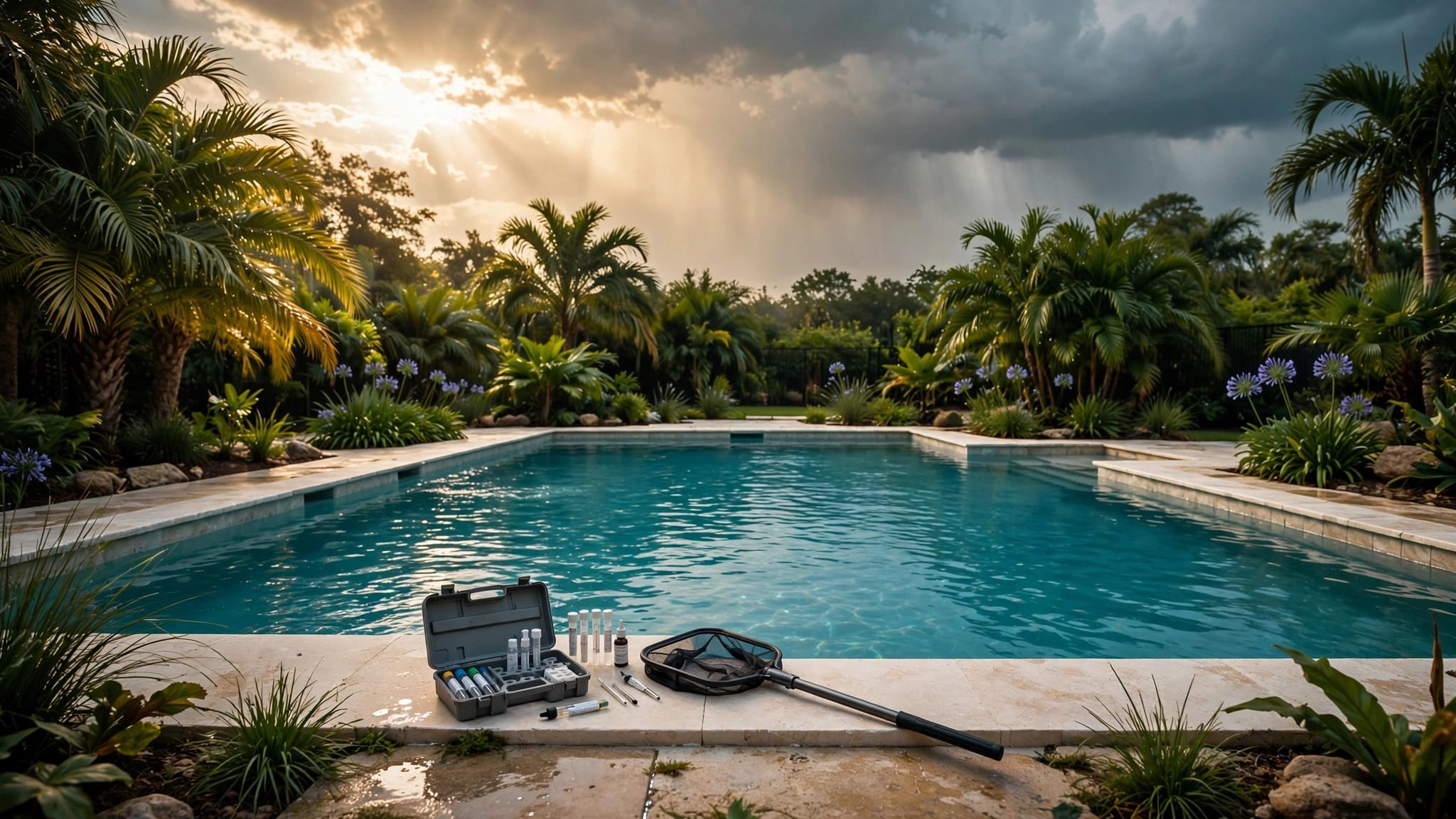
A pool startup in Cape Coral can look simple from the outside, but the first few days often need patience. Fresh water, new plaster, a reopened pool, or a pool that has been out of balance all behave a little differently.
That matters here because Cape Coral pools live in heat, rain, wind, and nonstop use. Water chemistry shifts fast, and a startup that looks a little cloudy at first is often part of the process, not a sign that something went wrong.
What pool startup really means for your home
Pool startup can mean more than one thing. It may be the first startup after a new pool is finished, the restart after a renovation, or the process of bringing an older pool back into proper balance after it has sat unused or drifted off track.
Each case starts with the same goal, clean water that is safe, balanced, and ready for daily use. The path there, however, changes based on the pool surface, the equipment, and how much the water chemistry has shifted.
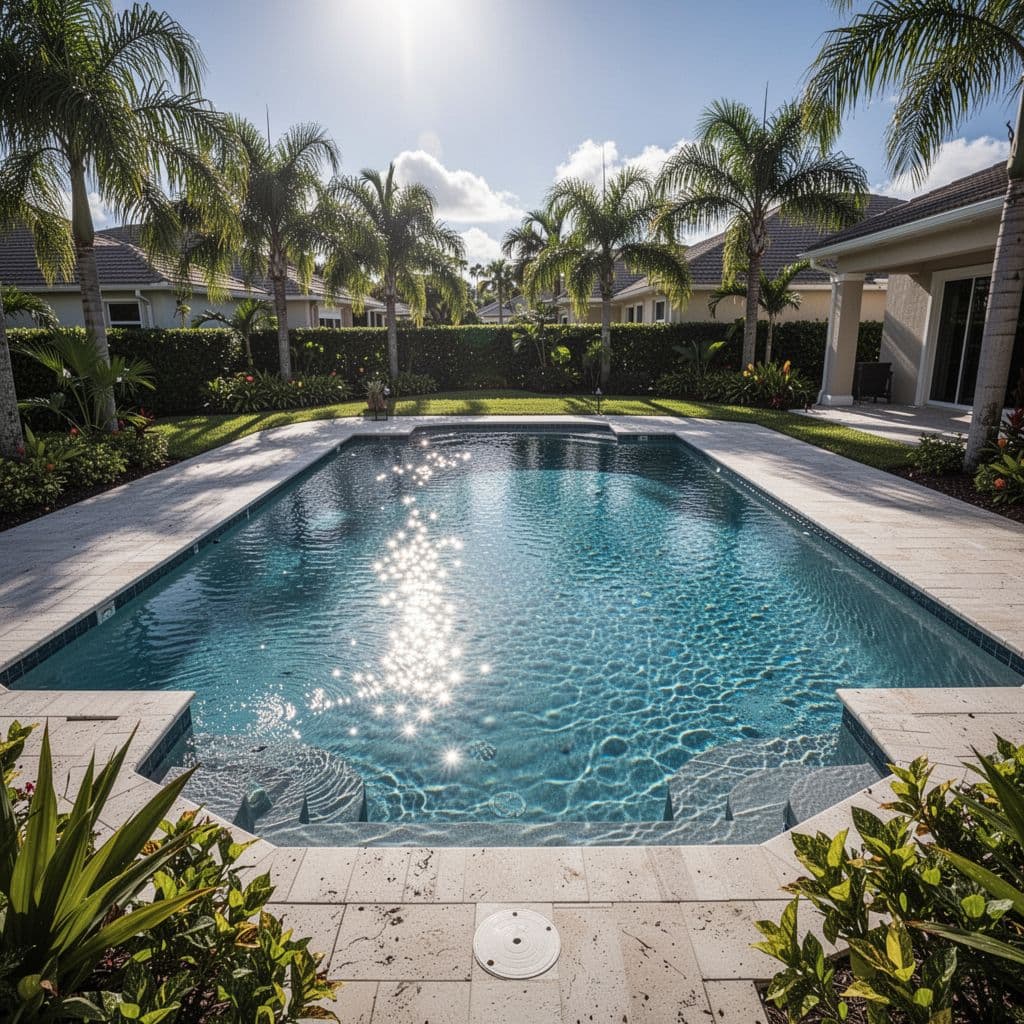
A new pool usually needs more careful brushing and more frequent checks. Fresh plaster can shed fine dust, and that dust can cloud the water until the filter removes it. A reopened pool may need algae treatment, extra filtration, or stronger correction if the water has gone stale.
If the startup follows a remodel, the finish matters too. New tile, resurfacing, or equipment updates can change how the pool reacts in the first week. If your project includes pool resurfacing and renovation services, the startup plan should match the new surface and the equipment that supports it.
The first few days are usually the messiest
The biggest mistake many owners make is expecting perfect water on day one. In reality, the early part of startup is often the roughest. Cloudy water is common, and it may take repeated adjustments before the pool clears.
Brushing is usually a daily job at first. That helps loosen fine dust, plaster residue, and debris so the filter can catch it. Skipping brushing can slow the whole process and leave particles stuck to the walls or floor.
Chemical balance also needs time. One test may call for a small chlorine adjustment. The next test may show that pH drifted again after a heavy rain or a long sunny day. That back-and-forth is normal.
The first week is usually about correction, not perfection.
Here are the tasks homeowners should expect during startup:
- Frequent brushing : Walls, steps, corners, and the waterline need attention so dust does not settle.
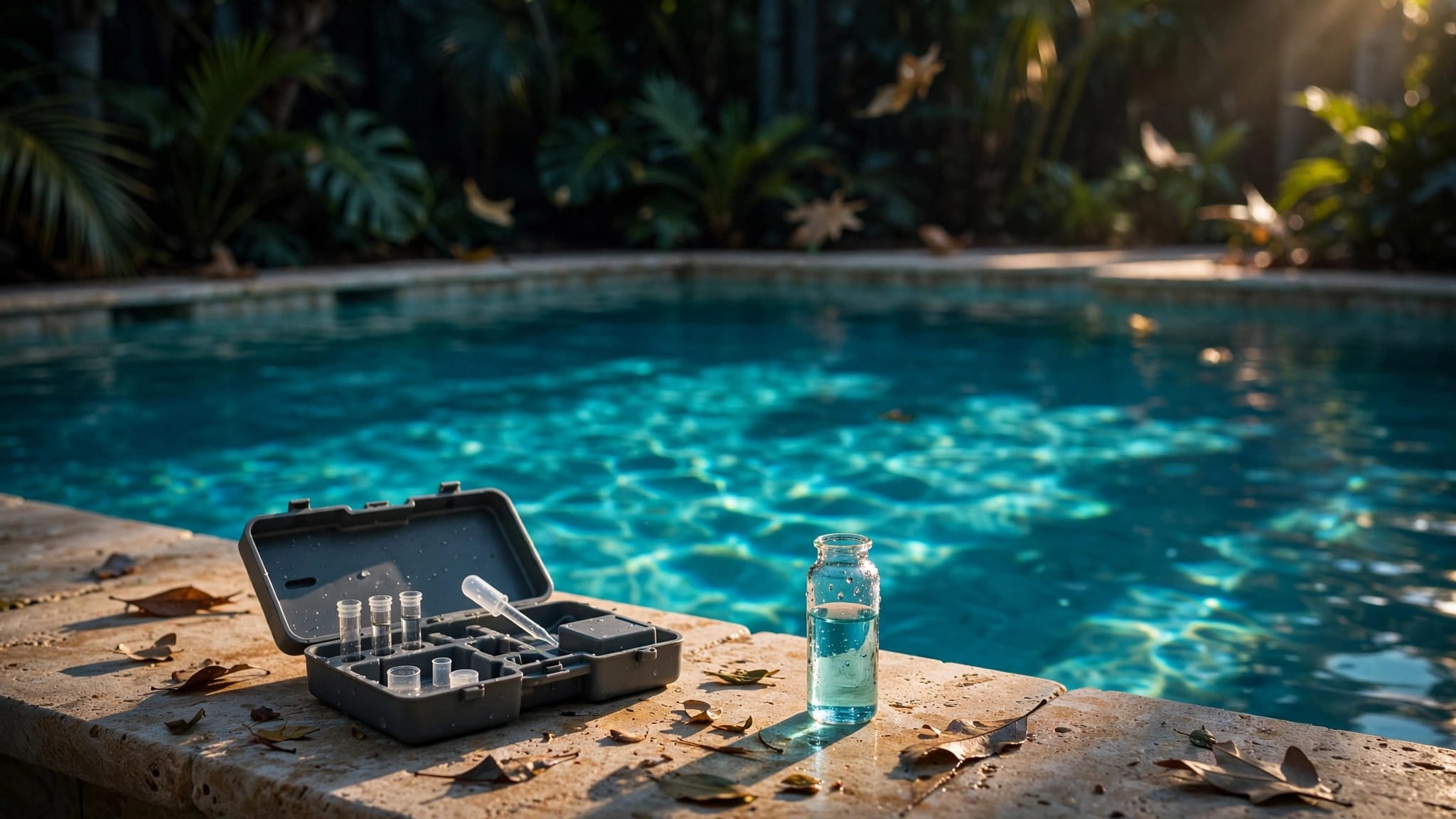
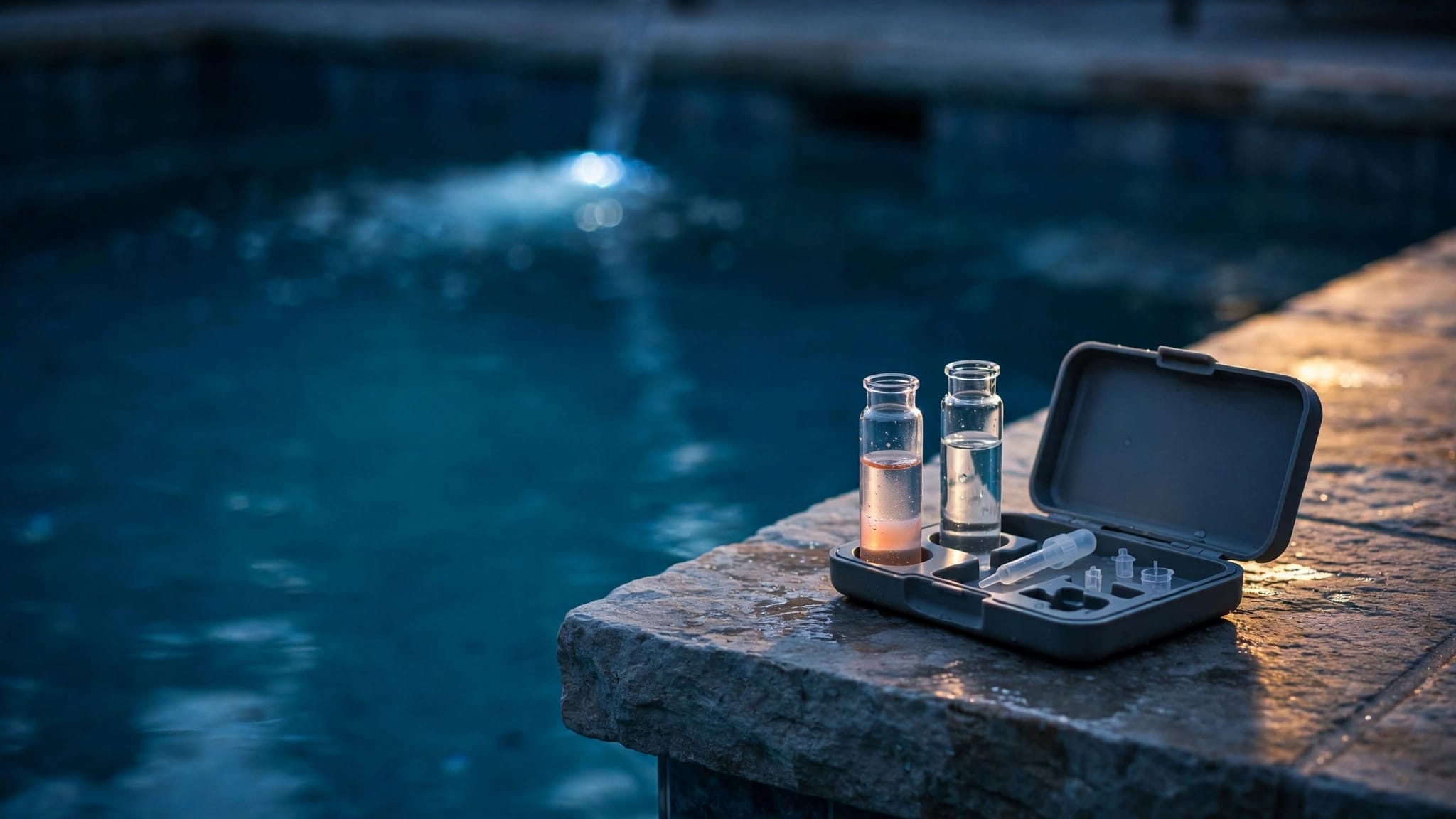
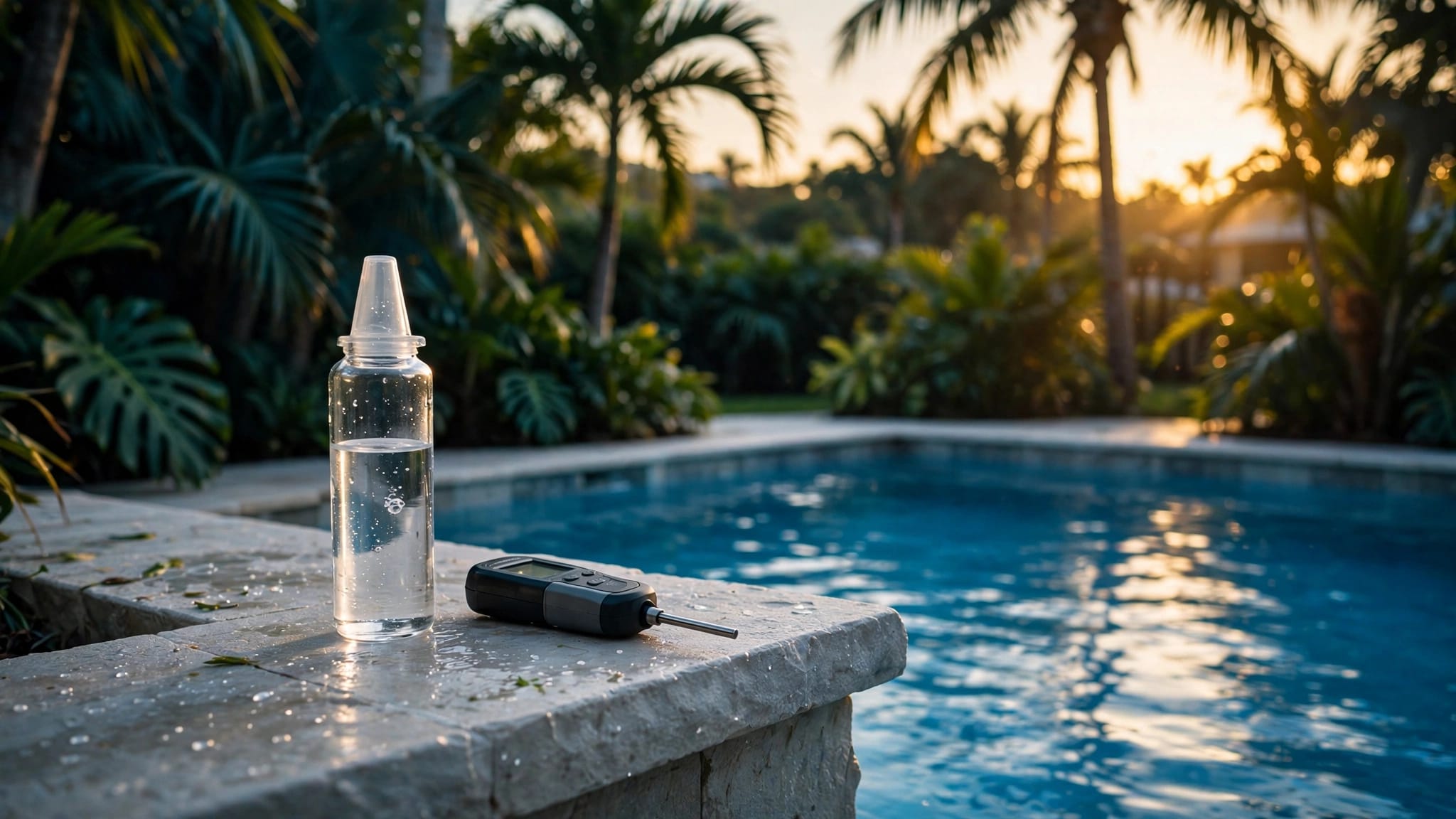
- Repeat water testing : Chlorine, pH, alkalinity, and stabilizer may all need more than one adjustment.
- Close watching of the filter : Early startup puts more load on the system, so pressure and flow need monitoring.
- Debris cleanup : Leaves, sand, and small bits of dirt can collect fast, especially after wind or rain.
You may also notice that the water level changes more than expected. Rain can raise it, while splash-out and evaporation can lower it. In Cape Coral, that happens often enough to matter during startup.
Cape Coral weather changes the water fast
Cape Coral pools do not get a break. Sun, heat, rain, and airborne debris all work on the water at the same time. That means startup here needs more attention than it might in a milder climate.
Heat burns through chlorine faster. Strong sun does the same thing, which is why outdoor pools often need regular checks during the day. If the sanitizer drops too low, water can turn cloudy before you notice a problem.
Rain brings another set of issues. It can dilute chemicals, shift pH, and carry in dirt from the deck or yard. After a summer storm, a pool that looked fine in the morning can need a correction by evening.
Wind matters too. Cape Coral has plenty of it, and wind carries leaves, pollen, grass clippings, and dust into the pool. That extra debris can clog baskets and slow circulation during the exact time the water needs to stay clean.
For homeowners who use their pool all year, startup is not a one-time event. It often blends into routine care. If you want help beyond the initial balance, professional pool maintenance services can keep the water stable long after startup ends.
Why circulation and filtration matter so much
A pool can have the right chemicals and still look off if the water is not moving well. Circulation and filtration are the engine of startup. Without them, the water just sits there and the problems stick around.
The pump needs to run enough to move the water through the filter. The filter then traps the dust, debris, and fine particles that make the water look hazy. During startup, that cycle usually needs more time than normal.
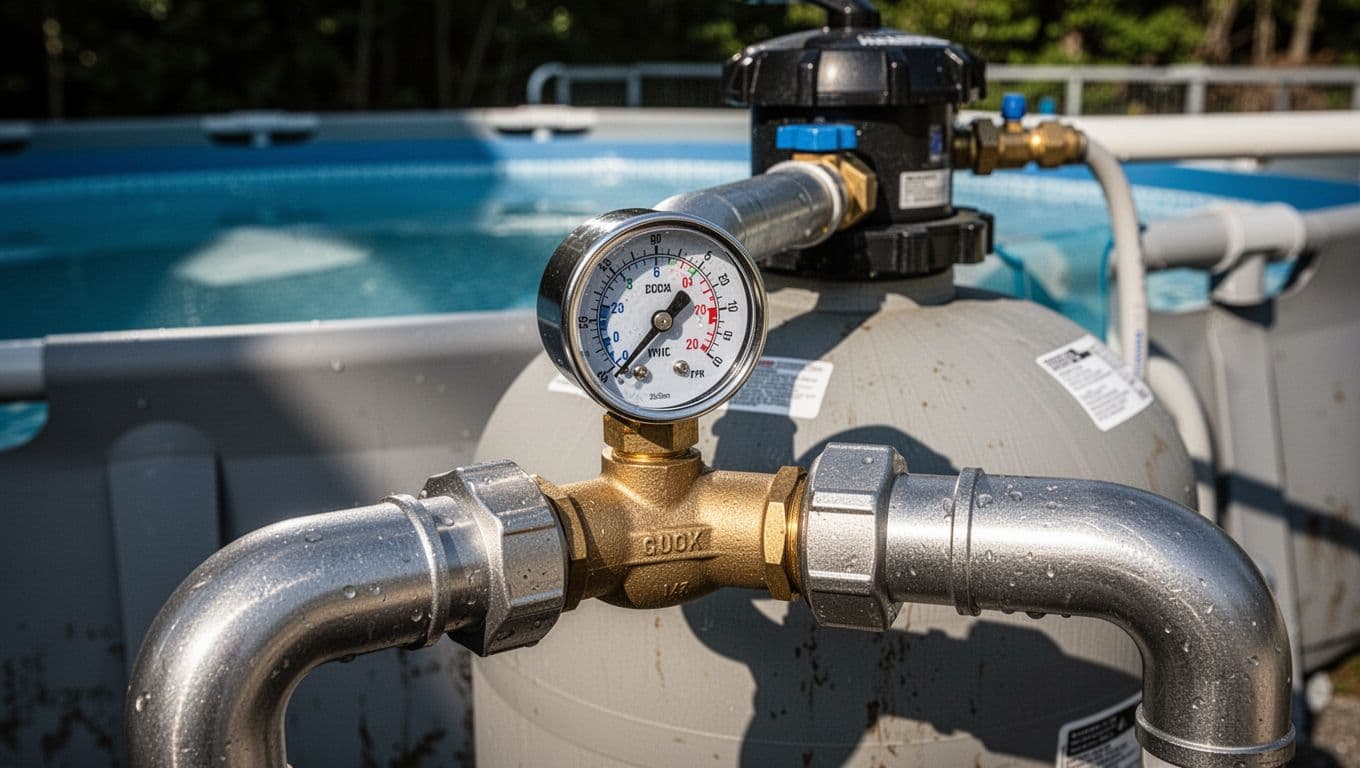
Filter pressure is one of the best clues that the system is working hard. If the pressure rises too fast, the filter may need cleaning or backwashing. If the pressure stays low but the water still looks cloudy, flow may be weak somewhere in the system.
You should also keep an eye on skimmer baskets and pump baskets. They fill quickly in the first few days, especially if the pool collected leaves or construction dust. A full basket cuts flow and slows the whole startup.
If the pool was just built, the equipment itself may also need a learning period. New pumps, valves, and automation systems should be checked for proper flow and clean operation. If you are still choosing a builder or comparing service options for a new project, what to look for in a pool builder can help you see why a clean startup plan matters from the start.
When to bring in a professional
Some startup jobs stay simple. Others need a trained eye. If the water stays cloudy for days, if chemicals keep bouncing around, or if the filter seems to struggle nonstop, professional help can save time and protect the pool finish.
New plaster is one area where experience matters. The wrong brush, the wrong chemical dose, or a missed reading can leave marks or slow the curing process. Older pools can have their own problems, like hidden algae, worn equipment, or a filter that no longer handles the load.
You should also call for help if you see any of these signs:
- Persistent haze that does not clear after normal brushing and filtering
- Strong chlorine smell that keeps returning
- Stains or scale on a new surface
- Weak flow from returns or a pump that sounds strained
- Recurring pH swings after rain or heat
Those signs do not always mean something serious, but they do mean the startup needs more than a quick check. A professional can test the water, inspect the equipment, and spot problems before they turn into repairs.
If your pool startup follows a renovation, the timing can matter even more. A fresh surface may need closer care, and a newly updated system should be watched until it settles in. In Cape Coral, where pools are used almost year-round, that early attention pays off fast.
Conclusion
A good startup is rarely dramatic, but it does ask for steady work. Cloudy water, brushing, repeat chemical checks, and close attention to filtration are all part of the normal process.
In Cape Coral, heat, rain, and debris push pool water out of balance faster than many owners expect. A careful pool startup in Cape Coral keeps the water clear, protects the finish, and helps the equipment do its job.
If your pool needs startup help, or if you want ongoing service that keeps the water ready for daily use, Get a Free Estimate for professional pool startup or service in Cape Coral.