A new pool should move forward in clear stages, but that doesn't always happen on a neat schedule. In Cape Coral, pool construction can slow down for reasons that have nothing to do with the quality of the builder.
Permits, rain, inspections, and material lead times can all add time. So can small choices made late in the process, like changing tile, adding features, or adjusting the layout after work has started.
If your project feels stuck, there's usually a reason behind it. The good news is that many delays can be reduced with early planning and clear decisions.
Permits and plan reviews usually come first
Before the first shovel hits the ground, the city needs the right documents. That part can take longer than homeowners expect, especially when the design includes electrical work, drainage changes, screen enclosures, or a larger equipment pad.
Cape Coral has its own rules, and those rules matter. Setbacks, easements, lot lines, and utility clearances can all affect the plan. If the drawing needs revisions, the clock starts again.
The permit stage often slows down for simple reasons. Missing measurements, incomplete paperwork, or a design that does not fit the lot can all send a project back for corrections. HOA approval can also add time if your neighborhood requires it.
Homeowners can help by making decisions early. That includes pool size, shape, decking, spa features, and enclosure plans. When the design is finished before submittal, the permit process has fewer chances to stall.
If you're still in the early planning stage, what to know before a pool estimate can help you avoid a few common missteps.
A project often looks delayed when it is really waiting on paperwork, not work. That pause can save days, or even weeks, later on.
Rain, standing water, and soil conditions can slow the build
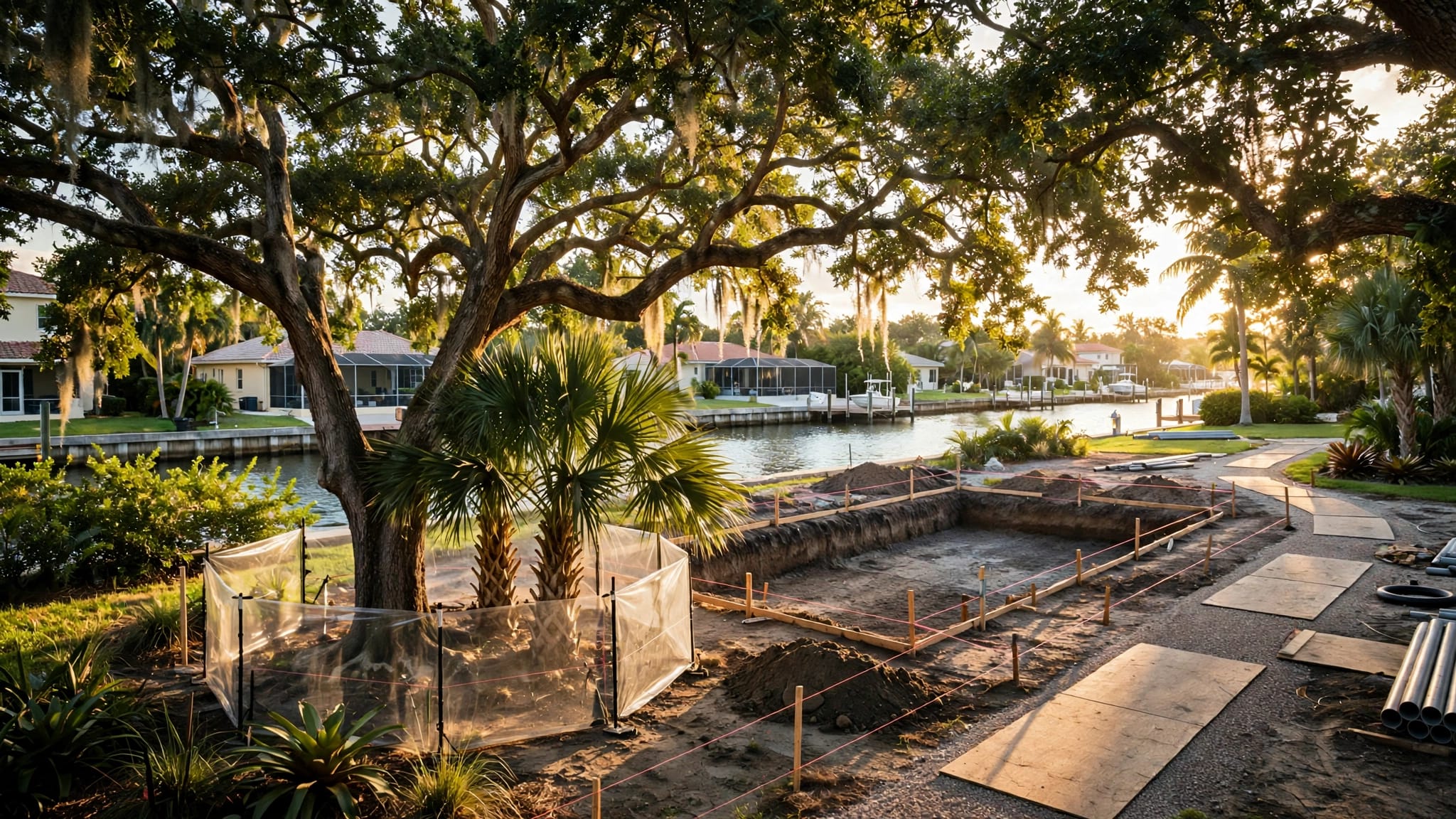
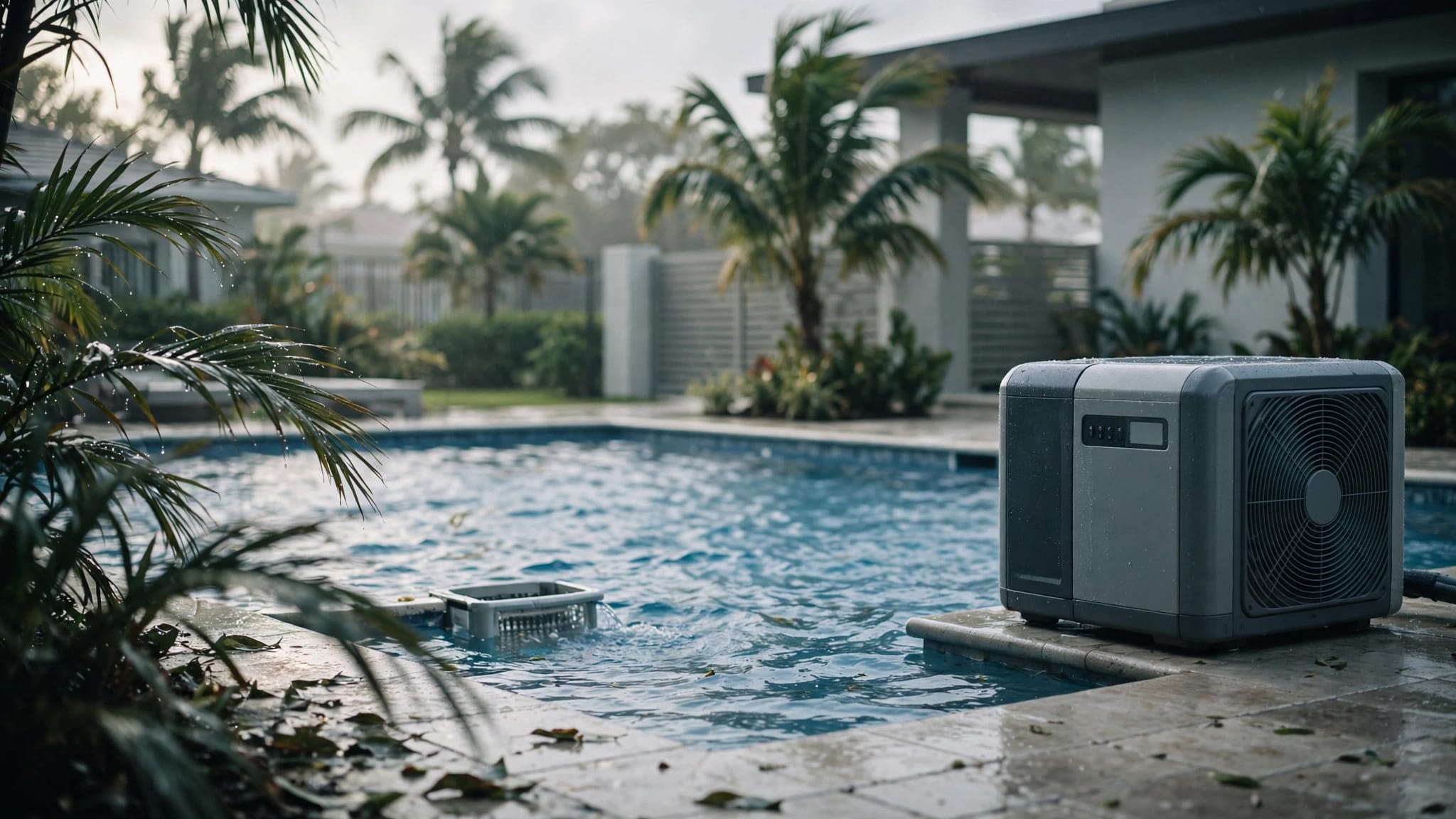
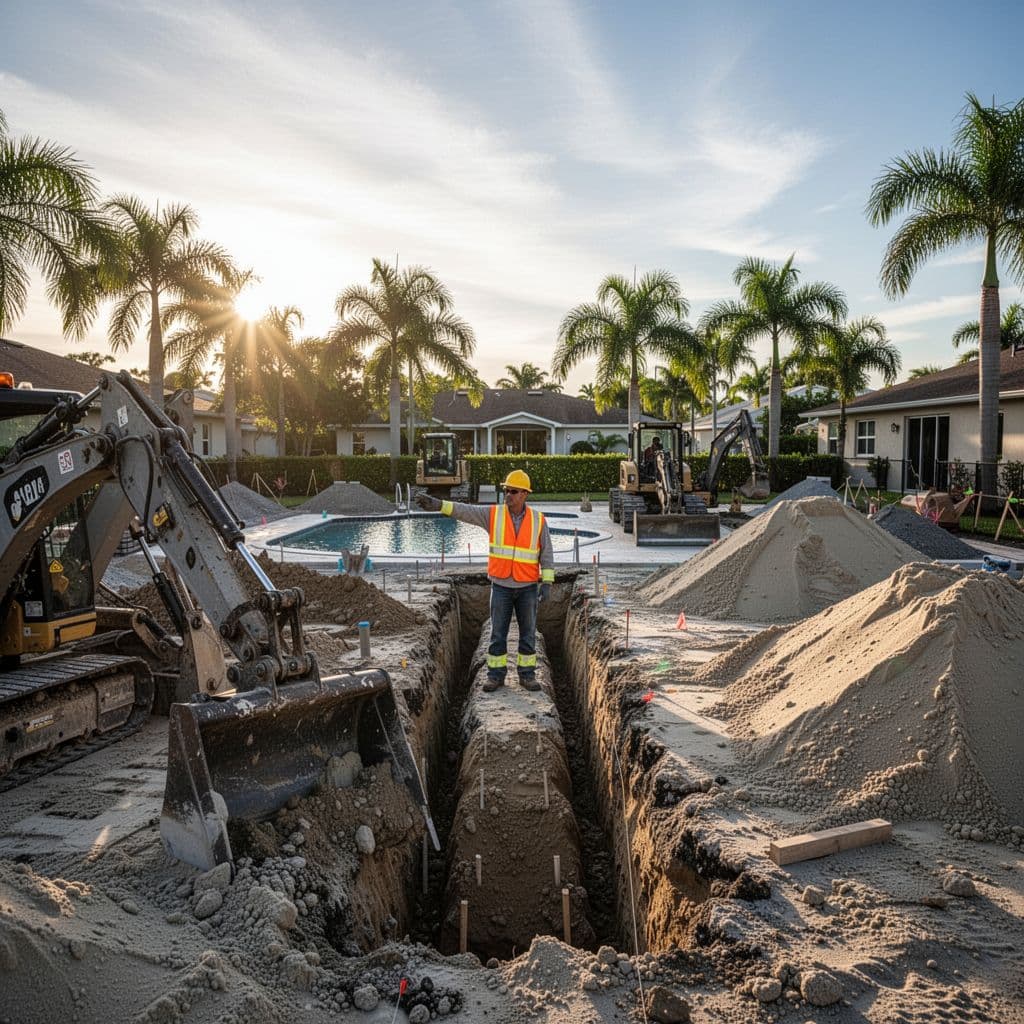
Cape Coral weather has a big say in the schedule. Heavy rain can turn an open yard into a soft, muddy work zone, and crews may need to stop excavation or delay concrete work until conditions improve.
The rainy season is a common problem. One storm can flood a dig site, wash out fresh grading, or make it hard for trucks and equipment to get in and out. Even when the rain stops, the ground may need time to dry before the next step can begin.
Soil and water table issues can also affect progress. Some yards need extra prep because the hole fills with water faster than expected. In those cases, crews may need to pump water out, stabilize the area, or adjust the schedule around the site conditions.
This is one reason pool timelines in Southwest Florida can vary so much. A builder may be ready to pour, but the weather or the yard says otherwise. If you want a better sense of the normal pace, this pool building timeline gives useful context.
A strong weather plan matters as much as a strong design. Crews can work through some delays, but they cannot beat soaked ground or a storm alert.
Inspections can pause work between major phases
Pool construction does not move in one straight line. It moves through phases, and many of those phases need approval before the next step can start.
Common inspection points include excavation, steel, plumbing, electrical work, shell placement, and final completion. If one inspection fails, the builder has to fix the issue and call for another visit. That can add days, sometimes longer.
A small issue can create a bigger delay. For example, a pipe set too shallow or a fitting placed in the wrong spot may need to be redone before the inspector signs off. The crew cannot simply move ahead and hope nobody notices.
This is where communication matters. Homeowners should ask when each inspection is expected and what has to happen before it. A good contractor will explain the sequence clearly, so the project doesn't sit idle because someone missed the next step.
Access matters too. If the inspector cannot reach a work area because of fencing, pets, locked gates, or equipment blocking the path, the visit may need to be rescheduled. That sounds minor, but it can push back the whole calendar.
Custom features, finishes, and enclosures add coordination
The more custom the pool, the more moving parts it has. A simple shell with basic decking moves differently than a project with a spa, sun shelf, water features, upgraded tile, or a full screen enclosure.
Special orders can slow things down. Tile, coping, pavers, lighting, automation systems, and finish materials may all come from different suppliers. If one item is backordered, the schedule may wait even when the rest of the crew is ready.
This is also true for related work like renovations, resurfacing, and rescreens. If the project includes a new finish or an enclosure replacement, those crews need their own time slot. When several trades are involved, one delay can ripple into the next phase.
That is why early choices matter so much. Once the layout and finish selections are locked in, the builder can order materials sooner and line up the right crews. A late change might seem small, but it can affect everything that follows.
For homeowners comparing options, custom pool construction in Cape Coral often comes with a longer schedule than a more basic build. The tradeoff is more control over the final result.
Contractor scheduling and change orders can move the finish line
Even a well-planned project can slow down if the contractor's schedule is packed. During busy months, the same crew may be juggling several jobs at once, and some trades have longer wait times than others.
This is common in Cape Coral, where demand can spike after storms, during the dry season, or when many homeowners want work done before summer. A builder may have materials on hand but still be waiting for a crew slot or a subcontractor.
Change orders create another kind of delay. If you decide to add a spa, move a light, widen the deck, or change the finish after work begins, the schedule can shift. New drawings may be needed, and some materials may need to be reordered.
Here are a few ways homeowners can help keep the project on track:
- Decide early on the pool shape, finishes, and features.
- Approve drawings quickly so the permit package does not sit untouched.
- Keep the site open for crews, deliveries, and inspections.
- Ask about lead times before choosing special materials.
- Limit changes once work starts , unless the change is worth the delay.
If you're ready to start planning, Get a Free Estimate so the scope, timing, and site details can be reviewed before work begins.
Practical ways to avoid avoidable delays
A few delay factors come with the territory, but plenty of others are preventable. The best projects in Cape Coral usually start with clear choices, realistic timing, and steady communication.
| Delay factor | Why it slows the build | What you can do |
|---|---|---|
| Permit review | Missing details or design changes send plans back for edits | Gather documents early and lock in the layout before submittal |
| Rain and wet ground | Crews may need to stop digging, pouring, or backfilling | Build in some weather buffer and stay flexible during rainy weeks |
| Inspections | Work cannot move ahead until each phase passes | Ask when inspections happen and keep access clear |
| Material lead times | Custom finishes and equipment can take longer to arrive | Choose materials early and ask about backorder risks |
| Change orders | New requests often require revised drawings or new scheduling | Finalize features before construction starts |
The takeaway is simple. The fastest pool project is usually the one with the fewest surprises. That means early design decisions, a clean permit package, weather awareness, and a contractor who keeps you updated.
Conclusion
Pool projects in Cape Coral slow down for predictable reasons. Permits take time, rain can shut down work, inspections create pauses, and custom choices can stretch the calendar.
The best way to stay on track is to plan early and make decisions before construction begins. When the details are settled upfront, pool construction in Cape Coral has a much better chance of moving smoothly from start to finish.
A little preparation now can save a lot of waiting later.