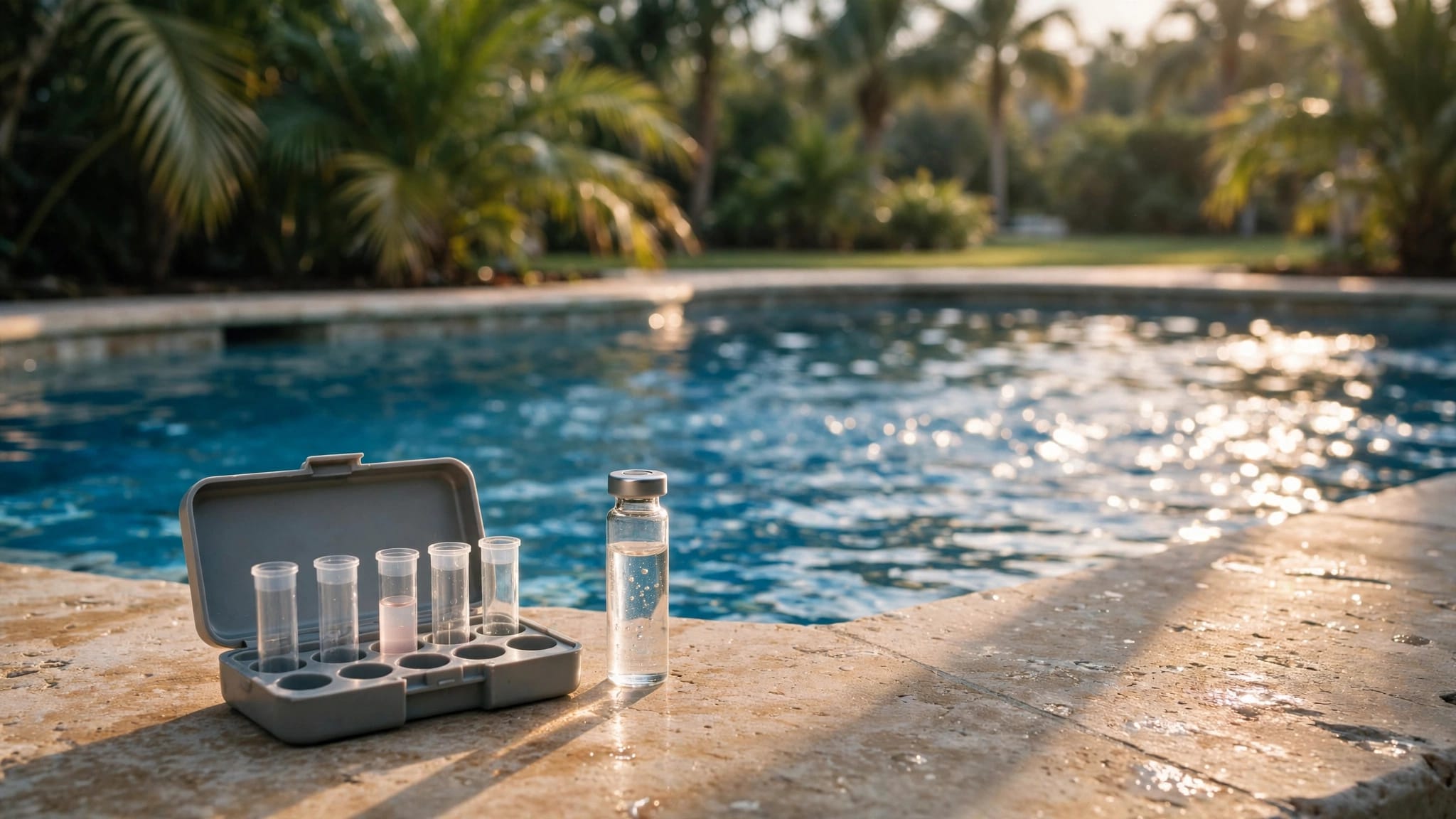
A high total dissolved solids (TDS) result can leave you wondering whether your pool needs treatment or new water. If a test flags high pool TDS, the next step is a complete water check , not an automatic chemical adjustment.
That reading alone doesn't establish whether your water is properly sanitized, balanced, or damaging your pool finish. Start by confirming the result, then check the measurements that guide pool-care decisions.
Key Takeaways
- A single TDS reading doesn't diagnose a sanitation, water-balance, equipment, or surface problem.
- Check chlorine, pH, total alkalinity, calcium hardness, and cyanuric acid before choosing a correction.
- Recurring algae, chlorine loss, surface damage, or conflicting test results deserve professional attention.
For Cape Coral homeowners, the useful question is what the full testing record shows. A reading labeled "high" needs context before it becomes a reason to change how you maintain your pool.
What a High TDS Result Can Tell You
Put the reading in context
Begin with the actual number, its units, the testing method, and the date. A verbal warning that your TDS is "too high" leaves out information you need for a useful follow-up conversation.
Ask what reference the tester used to flag the result. Also, bring previous reports and identify your sanitizer system, including whether you use a salt chlorinator.
A recorded result gives you something to compare with later tests. However, a change doesn't explain its own cause or identify the right correction. Your pool's maintenance history and other measurements still matter.
Recognize what the number leaves out
A TDS result doesn't replace separate tests for free chlorine, pH, alkalinity, calcium hardness, or stabilizer. Those measurements answer different questions about the water.
Likewise, it doesn't establish why a pool is cloudy, why algae keeps returning, or whether rough plaster needs resurfacing. Each concern needs its own investigation.
A high TDS result and recurring algae can appear on the same report without proving that one caused the other.
Ask a pool professional to connect any recommendation to a confirmed finding. That might involve additional water testing, a circulation inspection, or an examination of the finish. The recommendation should address an identified problem rather than the label on one reading.
Check Sanitizer and Water Balance First
Review chlorine and stabilizer together
Free chlorine testing helps you assess whether sanitizer is available in the water. Cyanuric acid, also called CYA or stabilizer, needs a separate measurement.
Back Bay Pools' home-testing guidance lists free chlorine at 1 to 3 parts per million (ppm). However, your sanitizer instructions and CYA level matter when choosing an operating target. Don't treat a general range as a universal setting.
For many outdoor chlorine pools, its guidance lists CYA at 30 to 50 ppm. Salt systems may require different targets, so follow the equipment manufacturer's instructions.
Stabilized chlorine tablets can raise CYA over time. Before adding more, review testing and adjusting pool stabilizer levels. A TDS warning doesn't tell you whether your stabilizer level needs correction.
Test pH and total alkalinity separately
Check both measurements before making adjustments. Total alkalinity helps explain pH stability, while pH needs its own test.
Back Bay Pools lists pH guidance of 7.2 to 7.6 in its home-testing guide and 7.2 to 7.8 in its balancing guide. These ranges differ, so confirm the target for your pool's equipment, finish, and treatment products.
Its guidance commonly places total alkalinity between 80 and 120 ppm, with pool-specific instructions taking priority.
The pool pH and alkalinity guide explains measured adjustments and retesting. Avoid changing several products at once, because that makes the next results harder to interpret.
Calcium and Surface Condition Need Separate Checks
Calcium hardness is another measurement that deserves its own test. A TDS reading doesn't tell you the calcium hardness of your water.
Back Bay Pools notes that many pool-care guides use roughly 200 to 400 ppm for plaster pools . Your interior finish and equipment instructions may call for different targets.
Low calcium hardness can contribute to finish deterioration. High calcium hardness can contribute to deposits, although a full water-balance review matters when evaluating either concern.
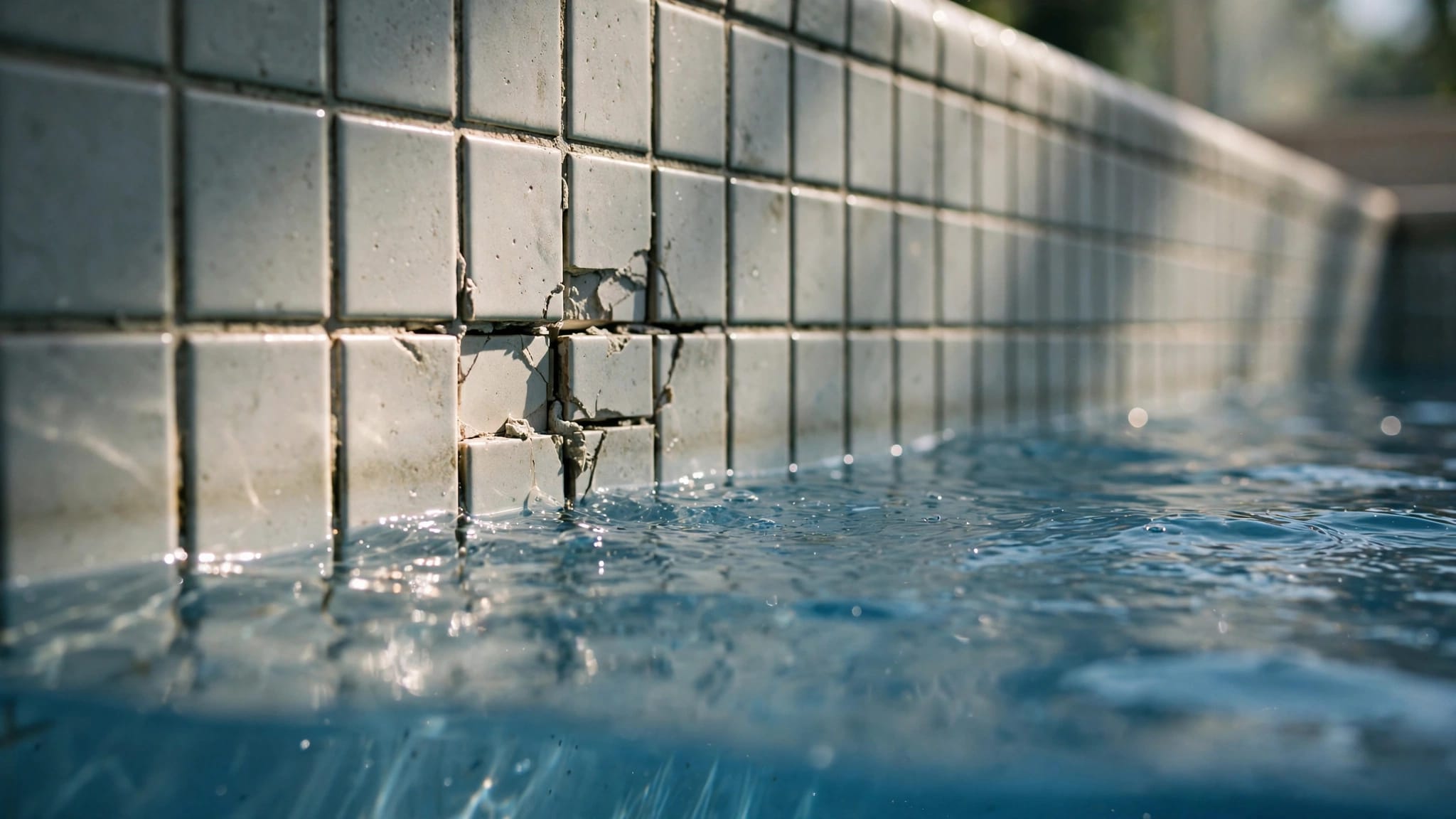
If you notice white deposits, staining, or rough areas, record where they appear. Then arrange an assessment rather than assuming the TDS result explains them.
For testing details, use the guidance on checking pool calcium hardness.
A water test and a surface inspection answer different questions. Chemical care may address a water-balance issue, while worn or damaged finishes can require a contractor's evaluation. Neither a TDS result nor a calcium reading alone determines whether resurfacing is necessary.
Keep photos of problem areas alongside your test reports. Together, they give the professional a clearer account of what has changed.
Cape Coral Weather Calls for Consistent Testing
Cape Coral's sunny conditions, warm weather, afternoon storms, and swimming activity make a steady testing routine useful. However, those local conditions don't establish a particular TDS pattern for your pool.
Back Bay Pools recommends testing pH and free chlorine at least two or three times each week for residential pools. Test more often after heavy swimming, heavy rain, extreme heat, or a major chemical adjustment.
After a storm, check the water and verify that circulation is working normally. The guidance on pool chemistry after heavy rain focuses on testing before choosing a correction.
Keep a brief log with the date, test results, products added, and relevant events. Include substantial water additions, algae treatments, or equipment changes.
That record helps you distinguish a one-time result from a recurring concern. It also prevents a professional from having to reconstruct weeks of pool care from memory.
Don't assume your neighbor's readings or treatment plan apply to your backyard. Compare your results with your own records and the instructions for your pool.
Practical Steps After a High TDS Result
Confirm the result with a useful sample
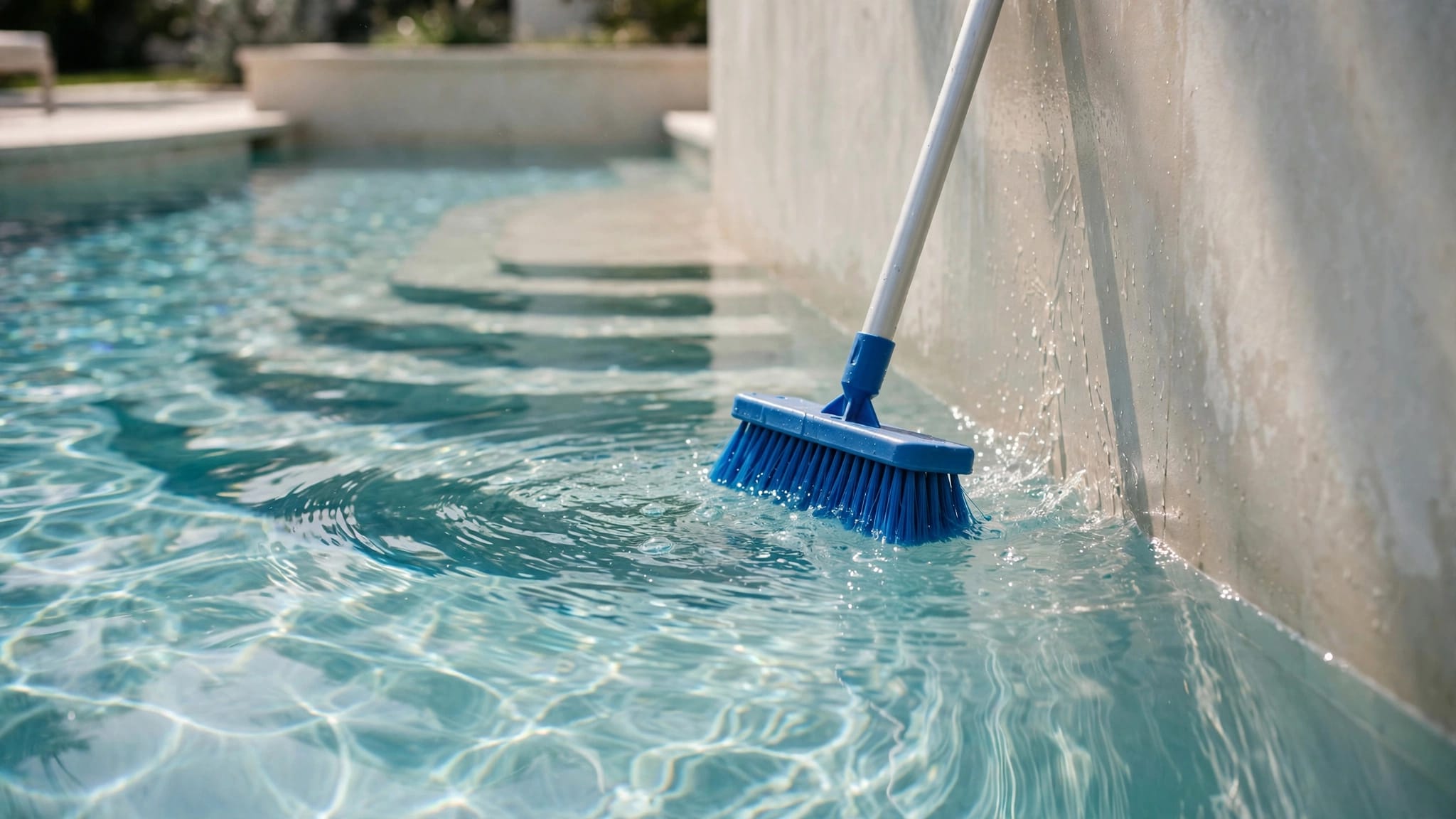
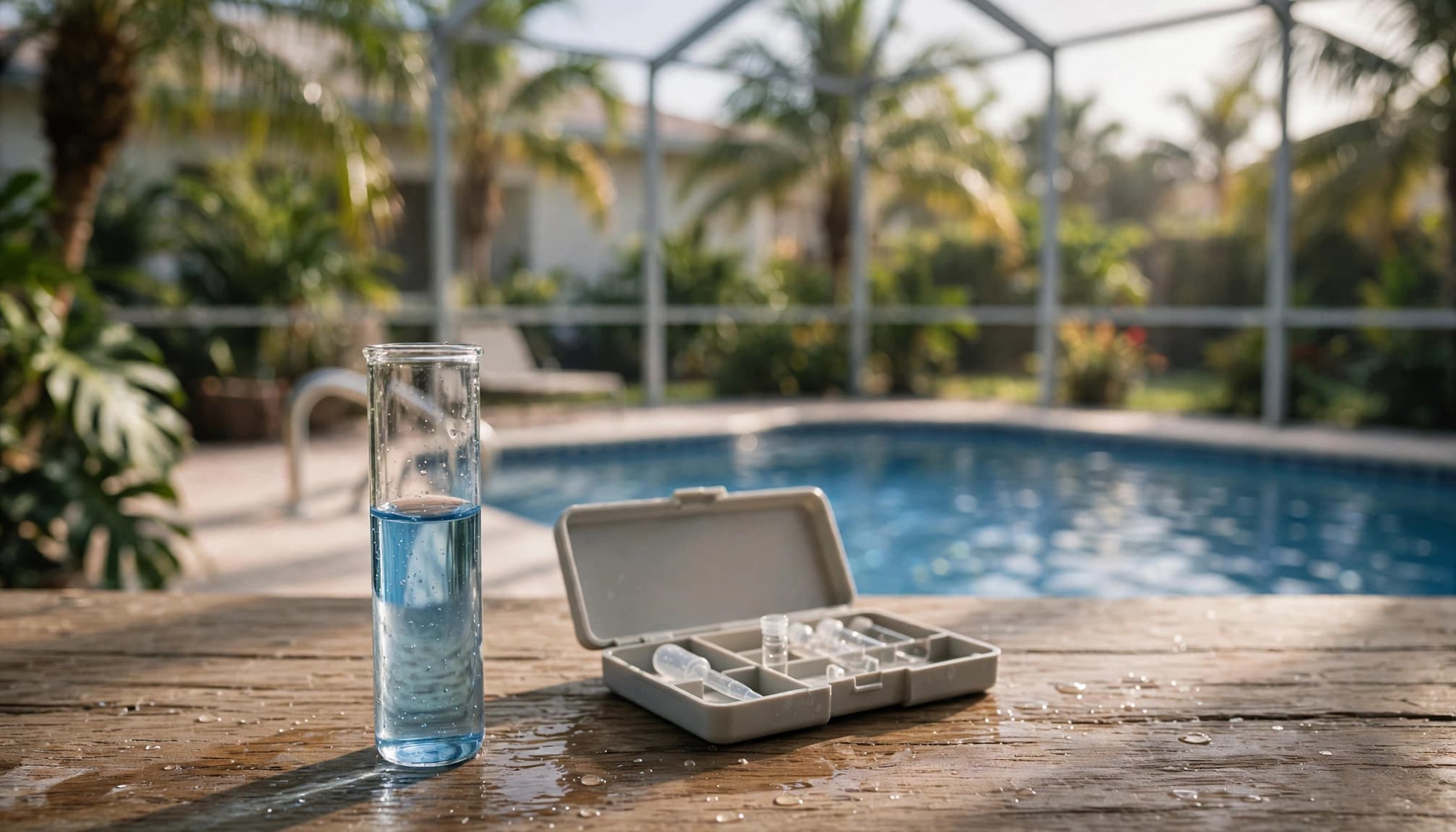
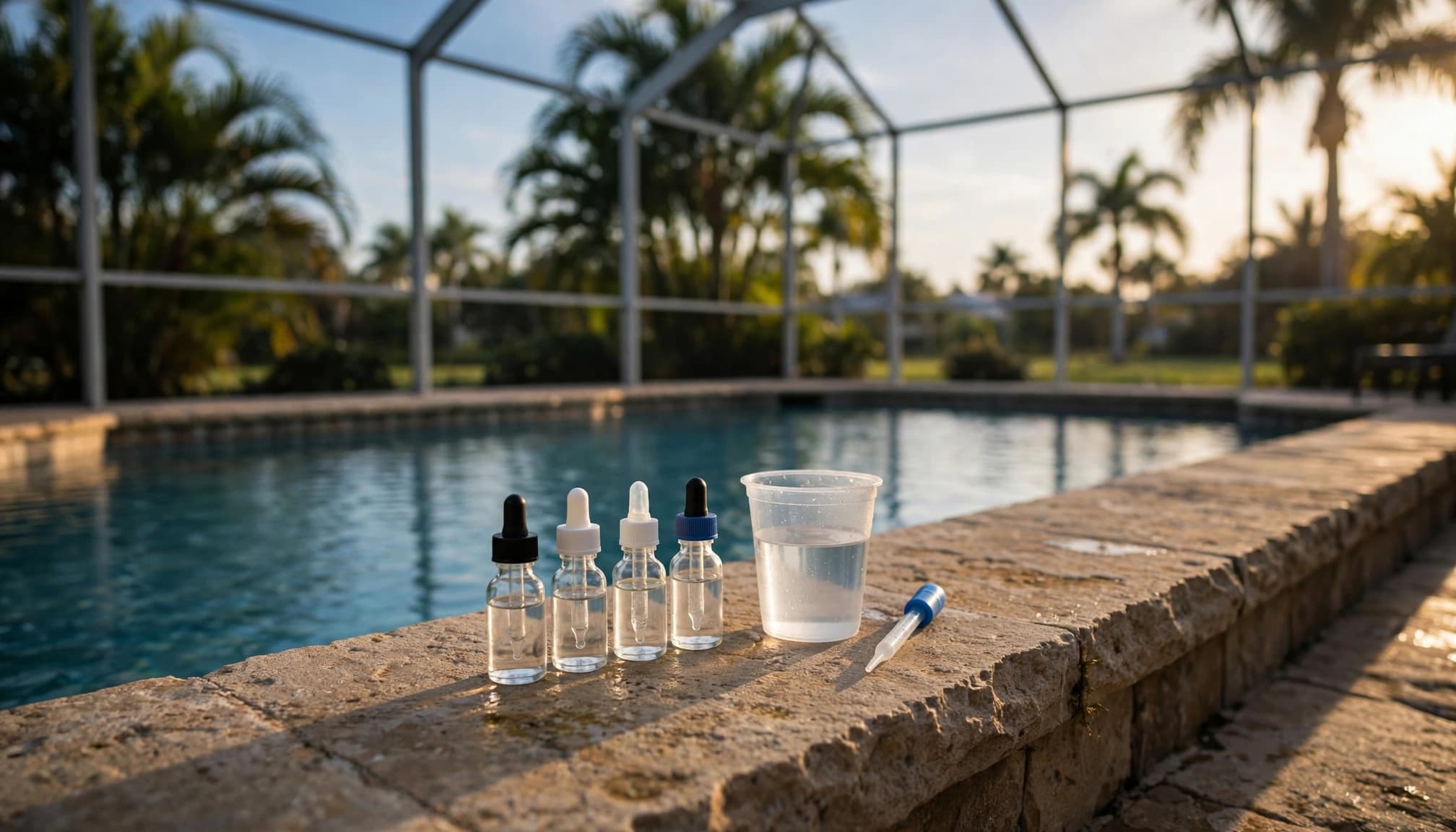
Collect water in a clean container away from skimmers, return jets, and chemical feeders. Reach about elbow-deep rather than taking the sample from the surface.
Follow the testing device or kit instructions. If the result conflicts with earlier reports, request a repeat test or professional confirmation before spending money on treatment.
Bring the complete report, not only the flagged TDS number. Include free chlorine, pH, alkalinity, calcium hardness, and CYA whenever available.
Back Bay Pools' guidance on testing pool water at home provides a starting point for a dependable routine. Fresh supplies, proper sampling, and consistent records make follow-up decisions more useful.
Tie each correction to a confirmed finding
Before adding a product, identify which measurement needs adjustment. Then follow its directions, allow the required circulation time, and retest.
If someone recommends replacing water, ask which confirmed finding supports that recommendation. Also, ask how the work will affect the pool, equipment, and surrounding property.
Don't drain a pool based solely on one TDS reading. Groundwater pressure beneath the shell matters when water levels fall, so substantial water removal needs professional planning.
Finally, keep the original report and the follow-up results together. That makes it easier to assess whether a correction addressed the problem that prompted testing.
When a Pool Professional Should Step In
Call a qualified pool-care professional when algae keeps returning, chlorine won't hold, or test results remain inconsistent. Also, get help when you can't identify a reliable target for your sanitizer system.
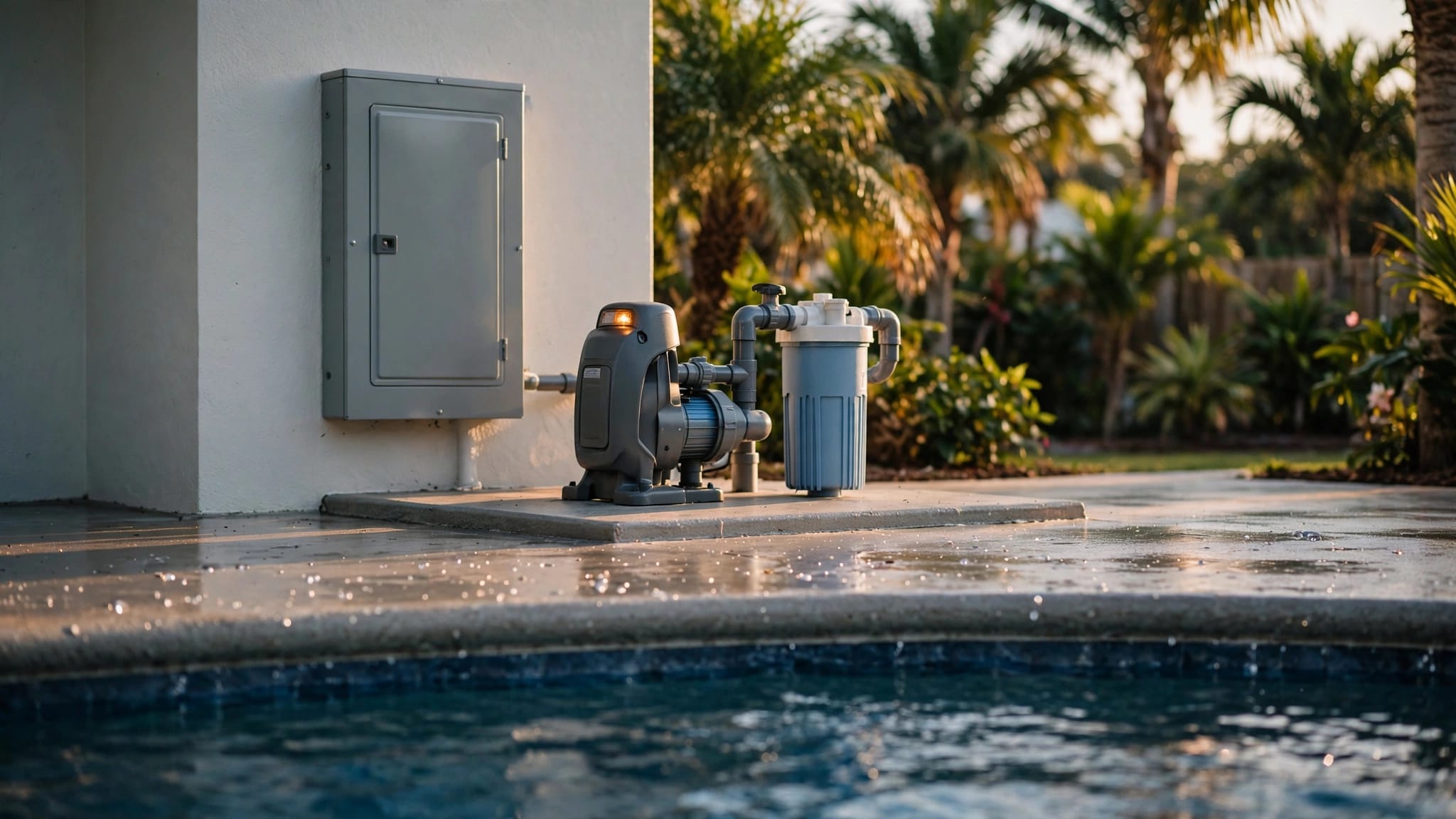
A useful evaluation includes the full water balance and an inspection of circulation. Equipment trouble can accompany a chemical problem, so repeated chemical additions may leave part of the issue unresolved.
Bring your recent testing log, equipment model information, and a list of products you use. Photos of stains, rough areas, or cracks are helpful.
For persistent surface concerns, involve a pool renovation or resurfacing contractor. Back Bay Pools works with Cape Coral homeowners on new pools, renovations, resurfacing, and screen enclosures.
Describe the physical concern separately from the water-test result. That gives the contractor a clearer starting point for an on-site assessment.
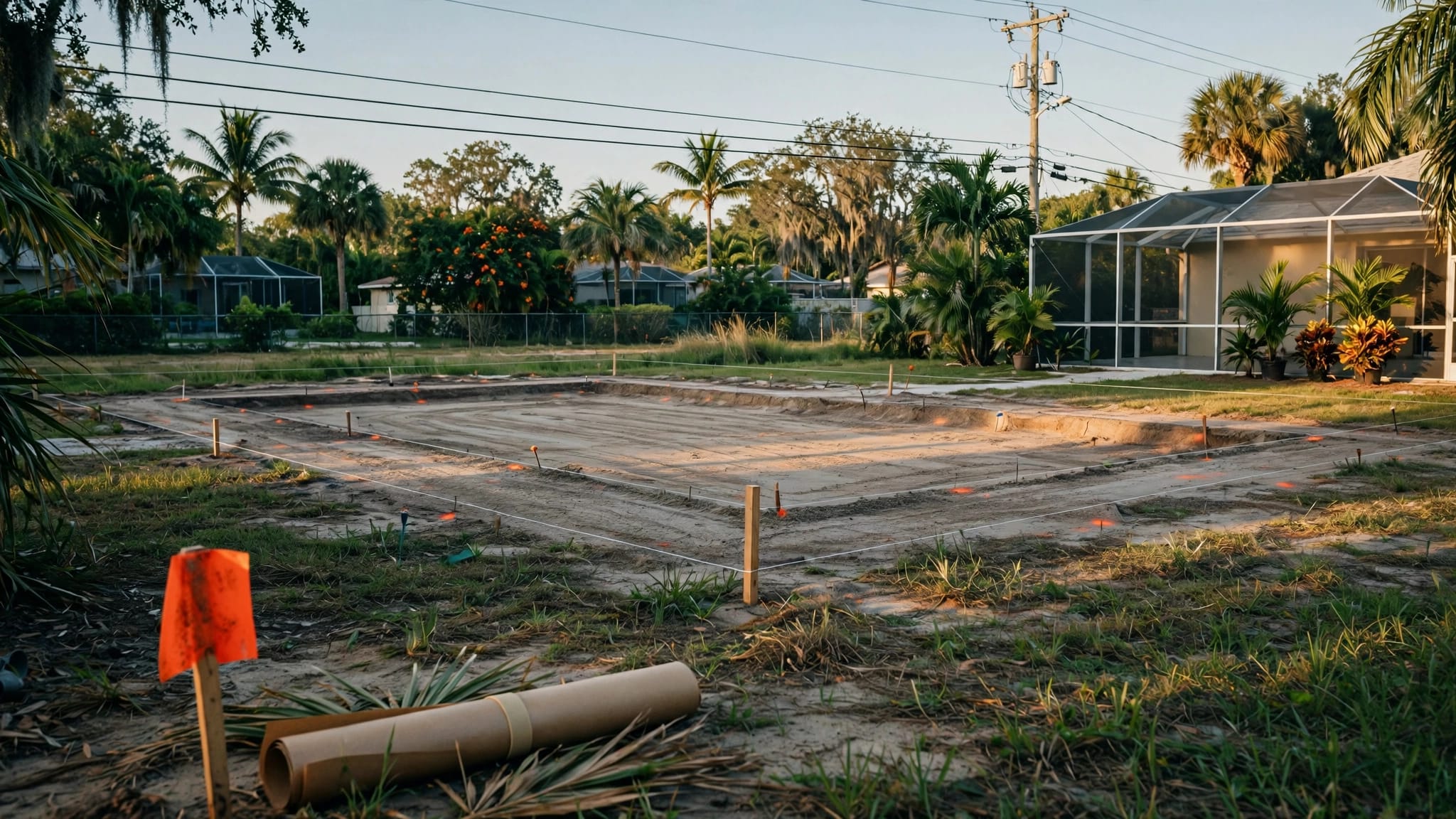
For a new pool or renovation, ask who will manage water testing during startup and what instructions apply to the selected finish. Clear responsibilities help you protect the completed work without guessing at chemical doses.
Frequently Asked Questions
Does a high TDS reading mean I should stop swimming?
A TDS result alone doesn't establish whether swimming conditions are acceptable. Check sanitizer and pH, assess water clarity, and investigate any unresolved water-quality problem.
Clear-looking water still needs testing. Back Bay Pools' maintenance guidance stresses that appearance can't confirm adequate sanitizer.
If your sanitizer is outside the appropriate operating range, or you have unresolved algae or cloudy water, address that concern before swimming. Ask a qualified professional when the results are unclear.
Keep the entire report available during that conversation. A single flagged value leaves out the information needed to assess the pool.
Does a high reading mean the pool needs resurfacing?
A TDS reading alone can't establish whether the finish needs replacement. Resurfacing decisions require an inspection of the surface and the broader condition of the pool.
Rough plaster, staining, cracks, or recurring trouble deserve separate attention. Bring photos and water-testing records so the contractor can evaluate both the visible condition and maintenance history.
Ask whether the concern involves deposits, finish deterioration, or another problem before approving work. A renovation recommendation should explain the condition it addresses, rather than rely on a water-test label.
Make the Full Water Report Your Starting Point
A high TDS result deserves attention, but the complete test record should guide your next decision. Confirm the reading, check individual water parameters, and investigate recurring concerns separately.
For Cape Coral pool owners, measured corrections and professional evaluation offer a clearer path than guessing. Treat the flagged number as a prompt to ask better questions, not as a complete diagnosis.