Cape Coral sun can strip unprotected chlorine from pool water faster than many homeowners expect. Balanced pool stabilizer levels help your sanitizer last through bright afternoons without forcing you to add chlorine day after day.
Stabilizer is not a weekly guess-and-pour chemical. A simple test, accurate pool volume, and measured adjustments keep the water safer and protect your equipment. Start by learning what cyanuric acid does in your pool.
What Pool Stabilizer Levels Do for Your Pool
Pool stabilizer is the common name for cyanuric acid, often shortened to CYA. It shields chlorine from ultraviolet sunlight, which matters in Cape Coral's long, hot swim season. Without enough CYA, chlorine burns off quickly and can leave the water vulnerable to algae.
However, too much cyanuric acid creates the opposite problem. Chlorine remains present on a test strip, but it works less effectively. You may see cloudy water, stubborn algae, or an ongoing need to shock the pool.
Aim for a practical CYA range
Most outdoor chlorine pools perform well with cyanuric acid around 30 to 50 parts per million (ppm) . Saltwater pools often need a higher range, commonly 60 to 80 ppm, because their generators produce chlorine gradually.
Your chlorine product, salt system manual, and test kit instructions should guide the final target. Never chase a number without checking the specific recommendations for your equipment.
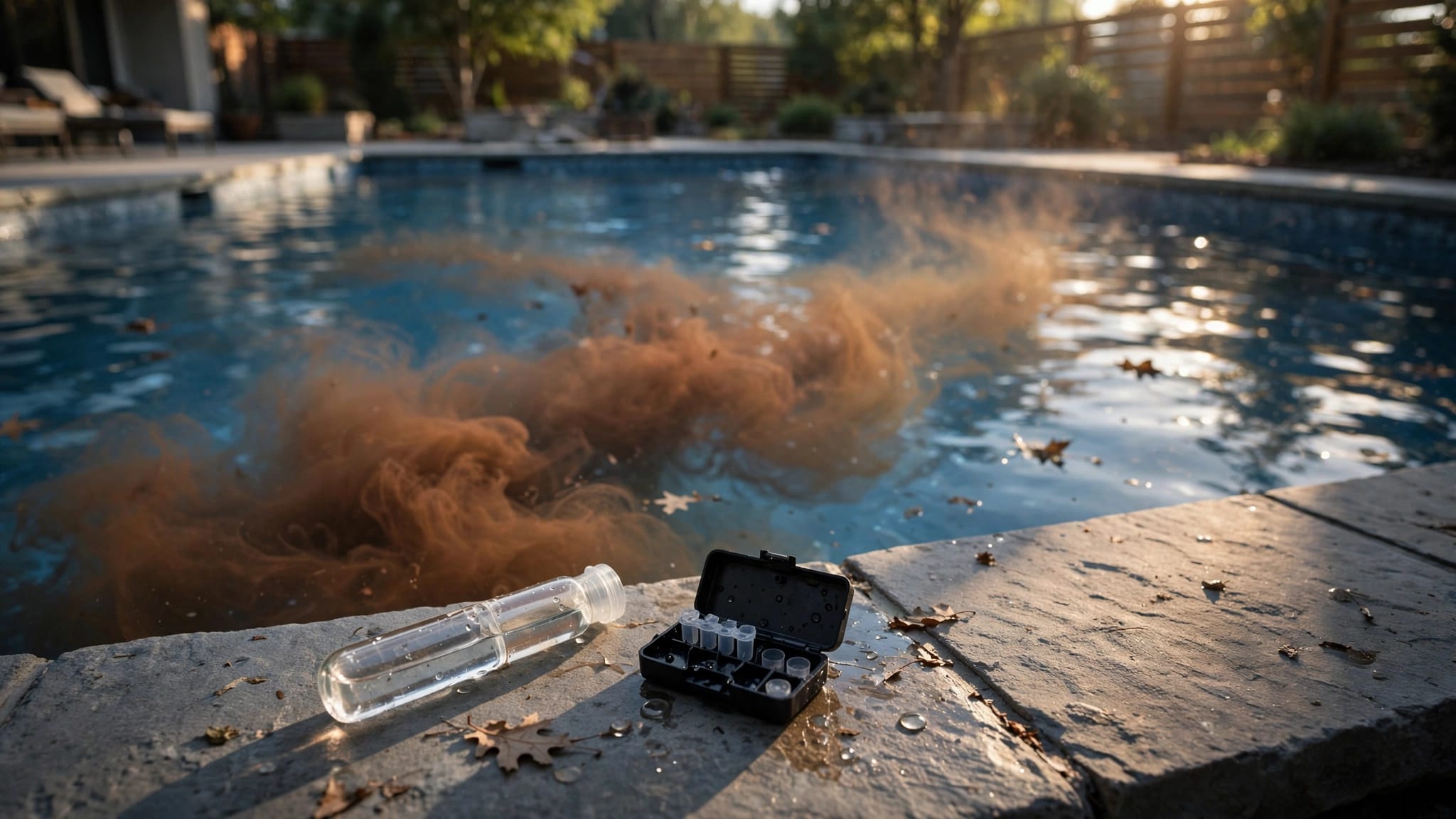
High stabilizer can make a normal chlorine reading misleading. Test both CYA and free chlorine before treating cloudy or green water.
How to Test Pool Stabilizer Levels Accurately
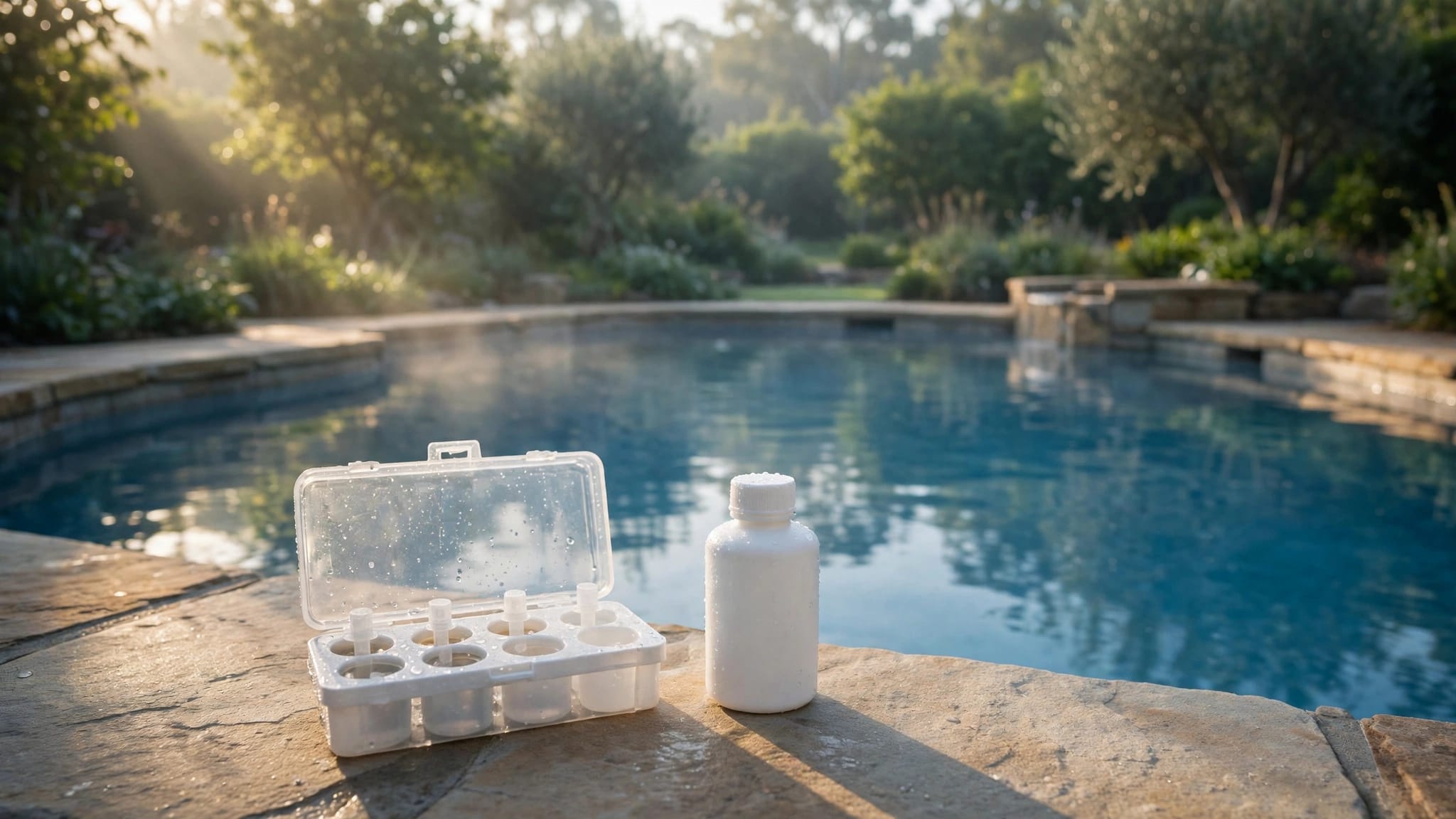
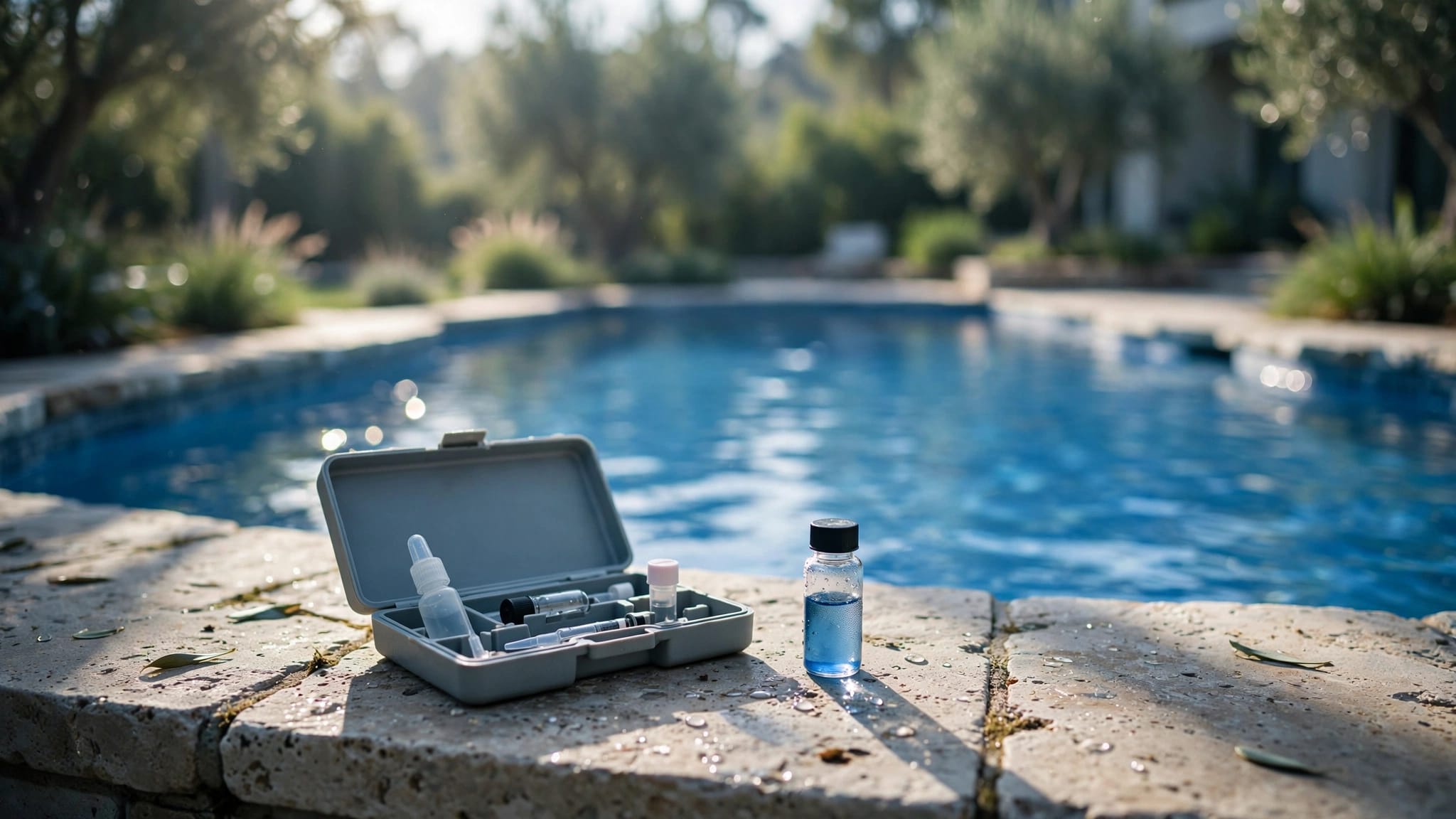
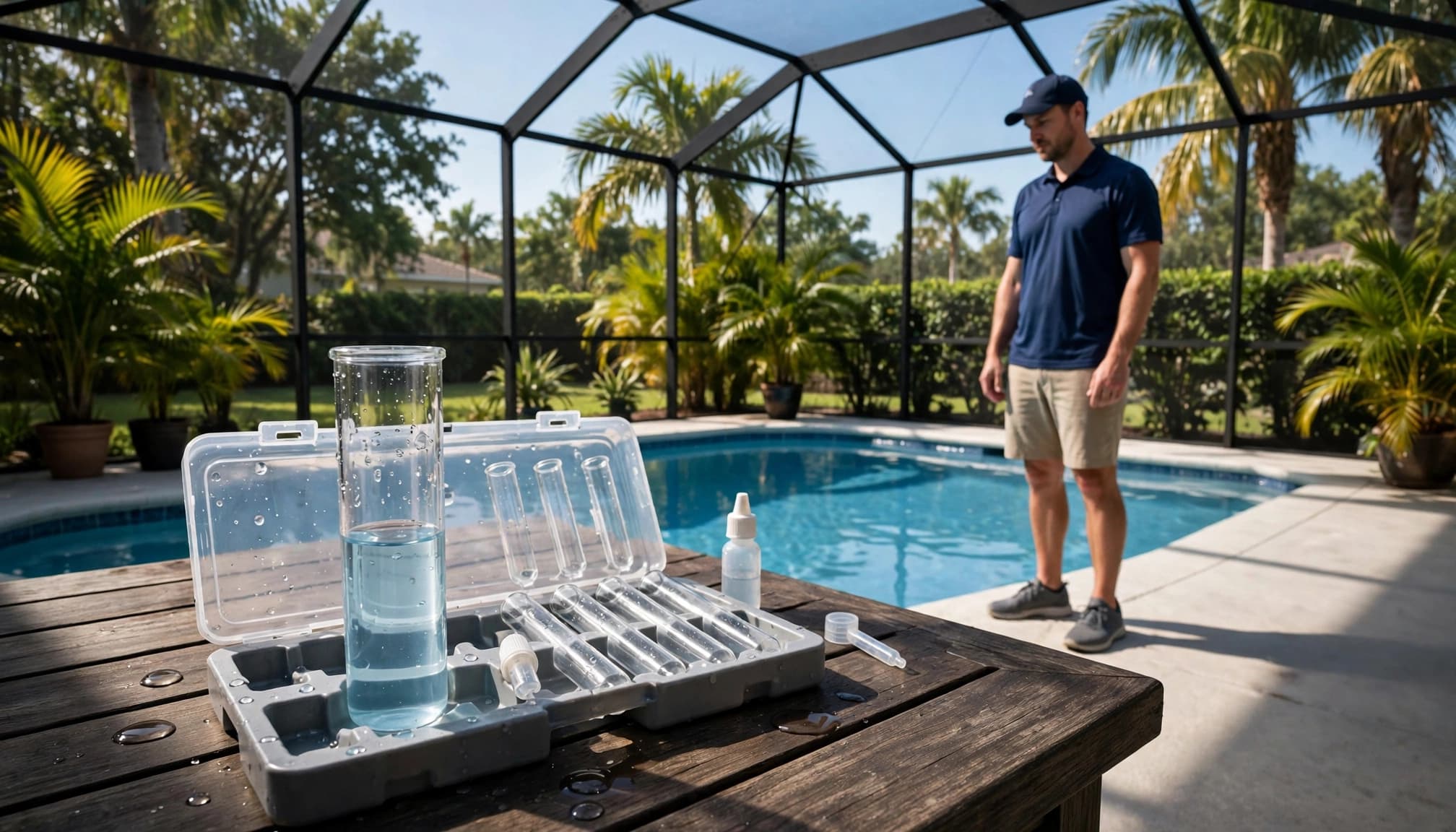
A liquid CYA test kit gives a more reliable result than many basic test strips. These kits usually use a marked mixing bottle and a viewing tube with a black dot at the bottom. As the sample turns cloudy, the dot disappears at a level that indicates the CYA reading.
Take the sample from the right spot
Run the pump for at least 30 minutes before testing. Then collect water from elbow depth, away from skimmers, return jets, and chemical feeders. Surface water can give a distorted reading, especially after a storm or after adding chemicals.
Follow the kit's directions exactly, including the water-to-reagent ratio and wait time. Good lighting helps you see the black dot clearly, but do not stare directly into harsh glare.
Use a repeatable testing routine
Test pool stabilizer levels every few weeks during heavy use, and again after major rain, water replacement, algae treatment, or a change in chlorine products.
For a dependable reading:
- Rinse the testing container with pool water before collecting the sample.
- Check the expiration date on reagents and replace old bottles.
- Record the CYA result with free chlorine, pH, and total alkalinity.
- Retest if the result seems far outside your previous range.
A written log makes patterns easier to spot. For example, regular use of chlorine tablets can slowly raise CYA even when the water looks clear.
Raise or Lower Cyanuric Acid With Care
Once you have a valid test result and know your pool's volume, you can decide whether an adjustment is needed. Measure length, width, average depth, and shape carefully, or use the volume recorded in your pool paperwork.
Raising low stabilizer safely
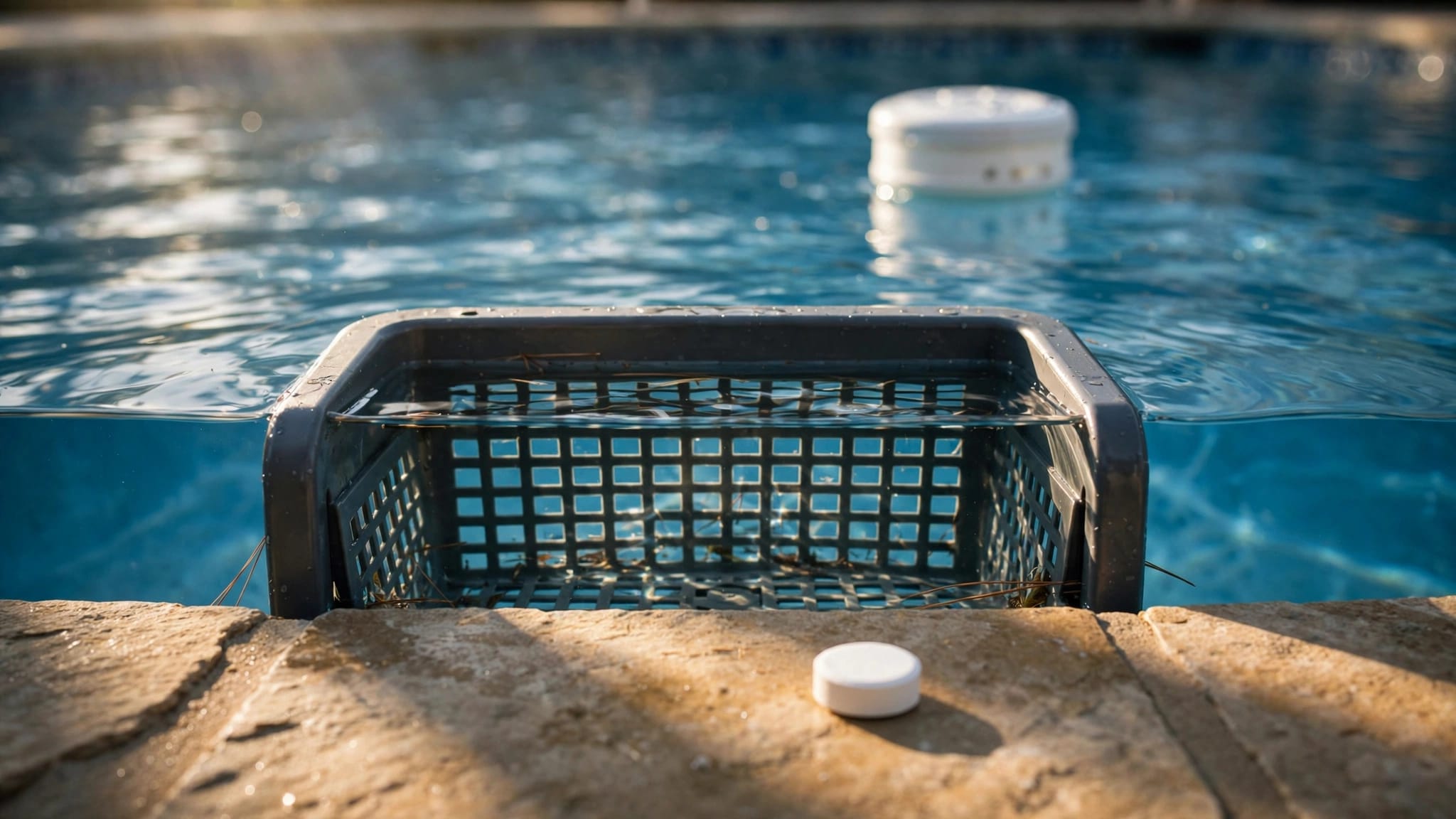
Use a dedicated cyanuric acid product when CYA is low, or choose a chlorine product that contains cyanuric acid. Trichlor tablets and dichlor shock add CYA, though they should not become an automatic fix for a low reading.
Read the product label and calculate the dose for your pool's actual gallons. Add only the measured amount. Granular stabilizer dissolves slowly, so place it in a sock in the skimmer or hang it near a return jet only if the product label permits that method.
Wear gloves and eye protection, avoid breathing dust, and keep the pump running. Never mix stabilizer with chlorine, acid, or any other pool chemical.
Lowering high CYA usually means dilution
There is no dependable chemical shortcut for lowering cyanuric acid. The standard solution is a partial drain-and-refill, which dilutes the old water with fresh water. Retest after the pool has circulated long enough to mix completely.
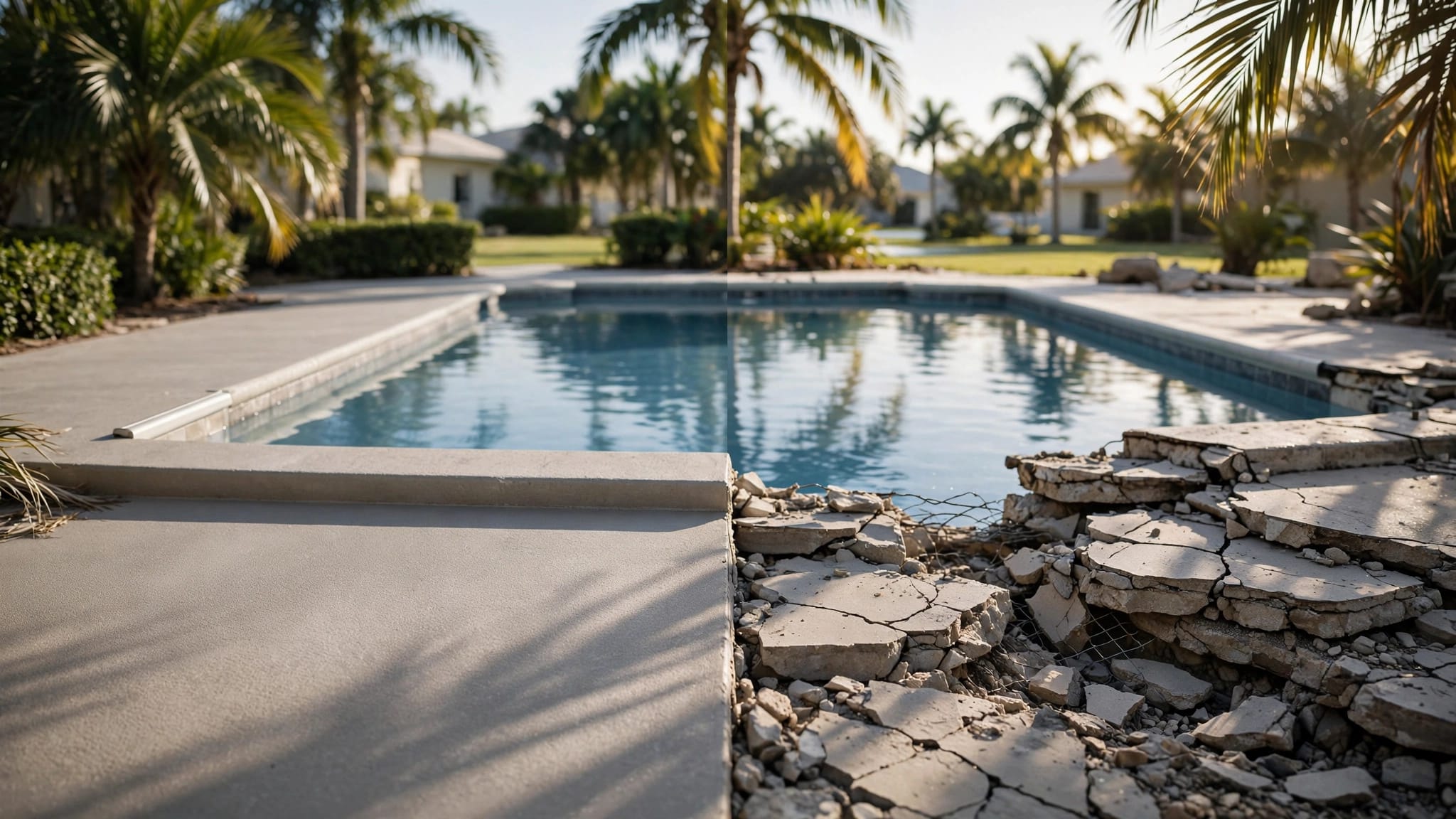
Do not drain a Cape Coral pool completely without professional direction. High groundwater can create serious pressure beneath an empty shell. A qualified pool professional can determine a safe partial-drain amount and help avoid damage to the pool surface or structure.
Saltwater Pools Need CYA Too
A saltwater pool still relies on chlorine. The salt cell creates it, while cyanuric acid protects it from the sun. When CYA is too low, the generator may run longer in an attempt to keep up, which adds wear and raises energy use.
Follow the salt-cell manufacturer's recommended CYA range, often higher than a traditional chlorine pool. Also, avoid piling on stabilized tablets when the reading is already in range. Those products can push CYA upward over time.
If you are weighing equipment changes, compare saltwater versus chlorine pools in Cape Coral before choosing a sanitizer setup for your backyard.
When to Call a Qualified Pool Professional
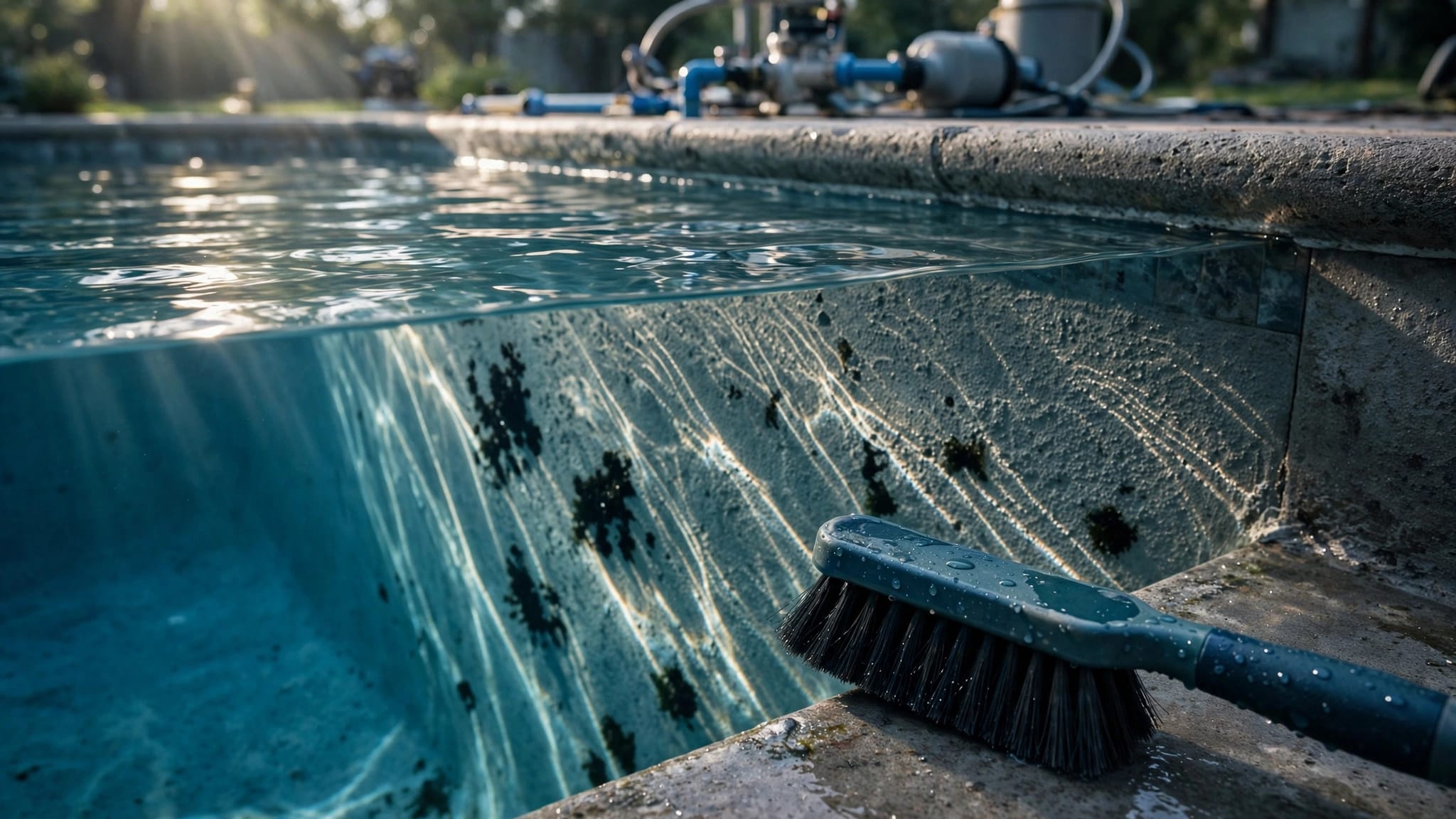
Call for help when CYA remains high after dilution, algae returns despite balanced tests, or pool water will not hold chlorine. A professional can test the full water balance, inspect circulation, and confirm whether a chemical issue masks an equipment problem.
Recurring water problems alongside rough plaster, staining, or cracks may also point to a surface issue. Explore Cape Coral pool renovations and resurfacing if your pool needs more than routine chemical care.
For an on-site evaluation of a pool upgrade or restoration project, Get a Free Estimate.
Keep the Water Balanced Through Every Season
Cape Coral's intense sun makes cyanuric acid a necessary part of chlorine care, but more stabilizer is not better. Test regularly, dose only for your pool volume, and allow circulation time before retesting.
With stable pool stabilizer levels , chlorine can do its job without unnecessary chemical swings or constant correction.