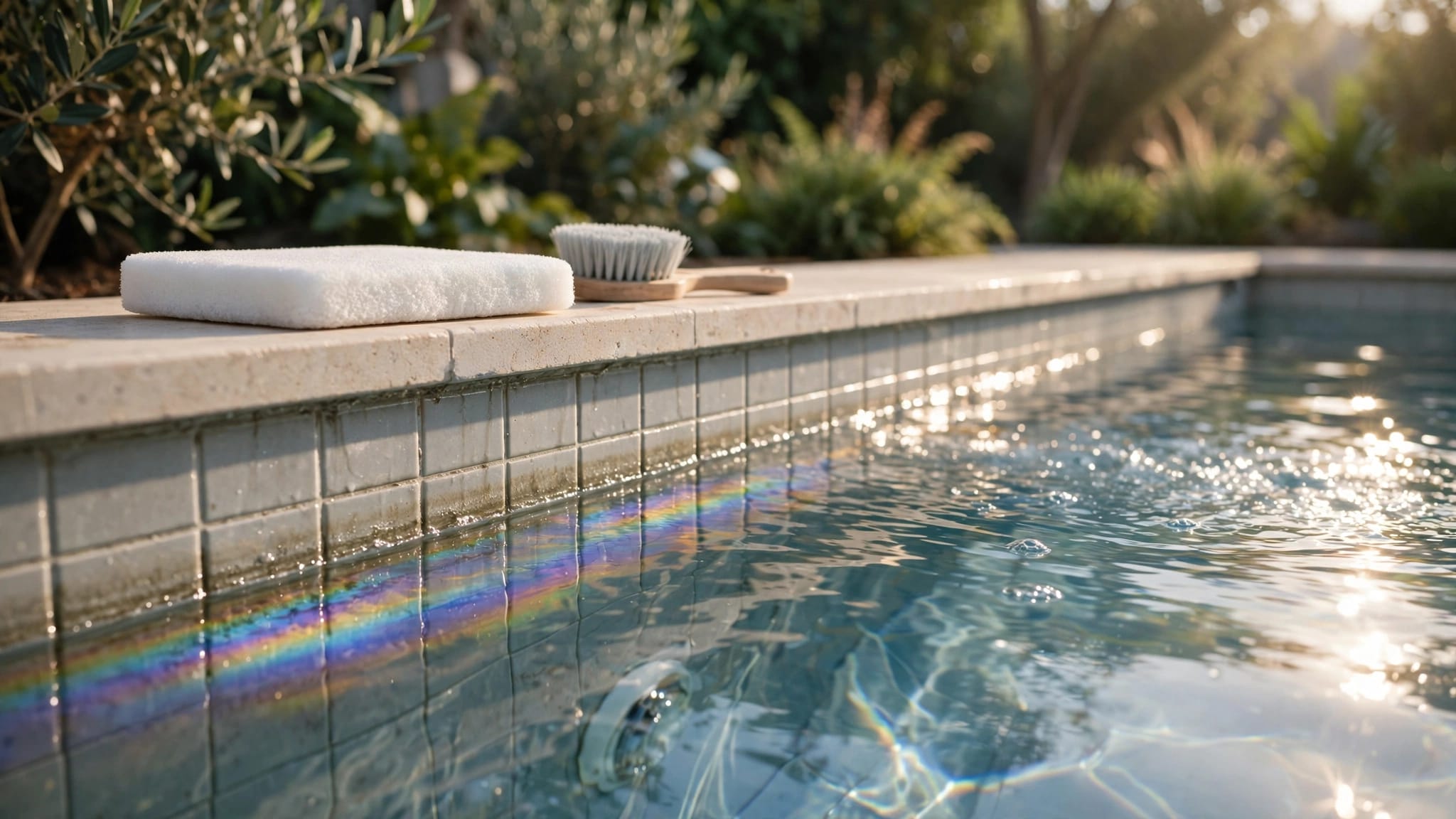
Clear water can still damage a pool finish or leave scale inside equipment. Pool calcium hardness Cape Coral testing gives you an early warning before rough plaster, cloudy water, or stubborn deposits become a larger maintenance issue.
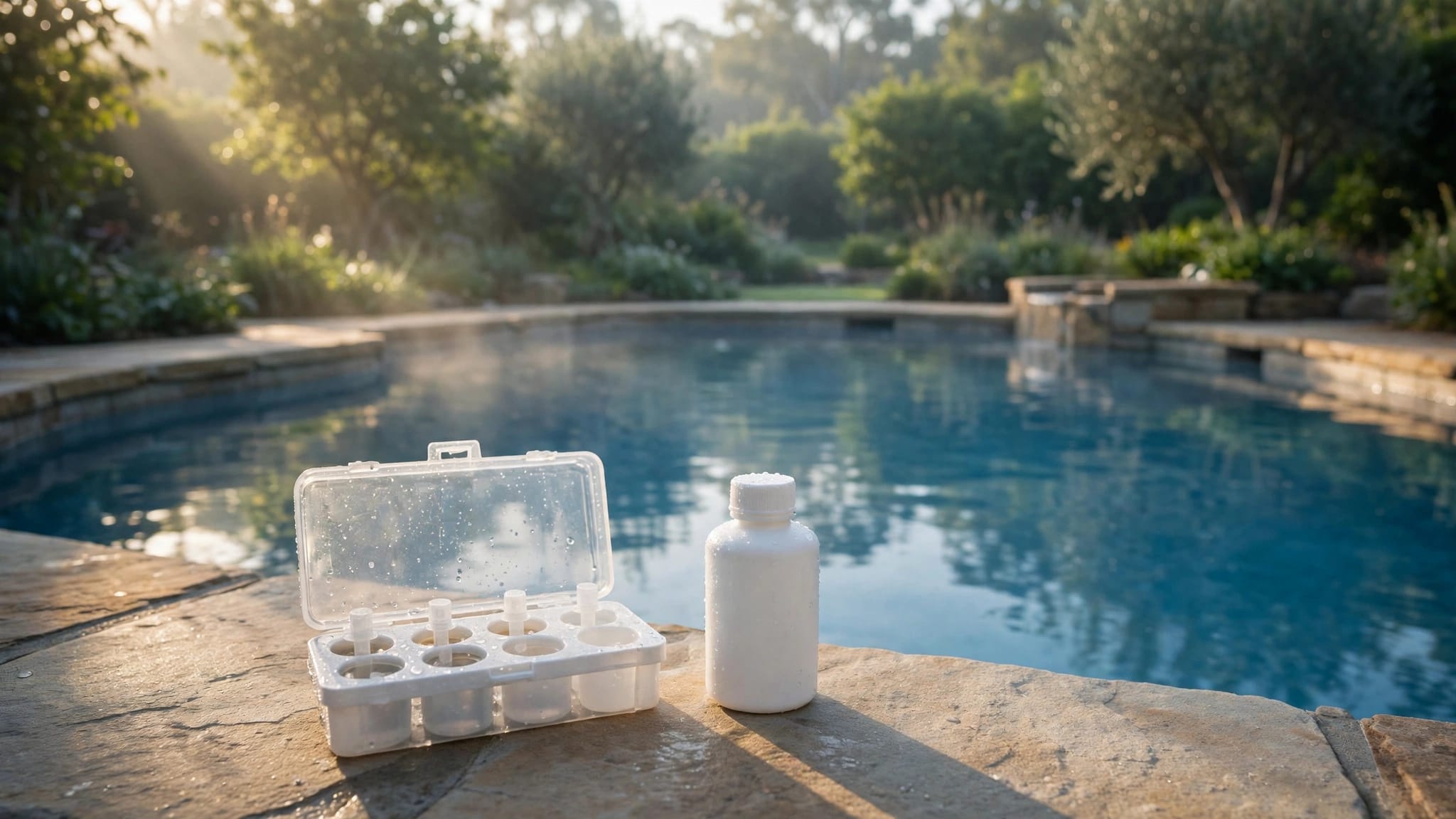
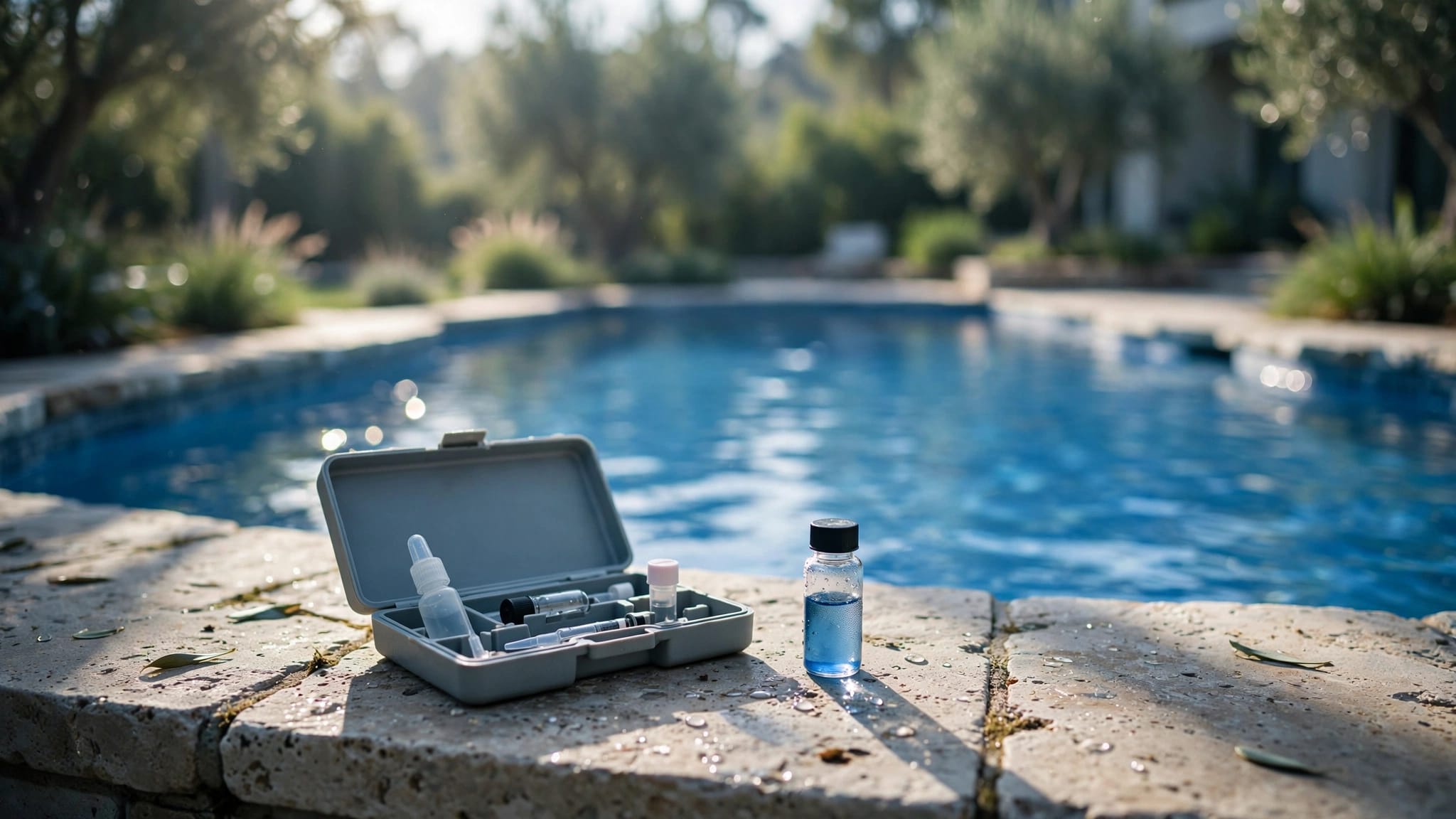
Calcium hardness measures dissolved calcium in the water. A drop-based kit takes only a few minutes, and regular results help you make smaller, safer chemistry adjustments. Start with a clean sample and a reliable test kit.
Pool Calcium Hardness Cape Coral: What the Reading Means
Calcium hardness is reported in parts per million, or ppm. It matters most for plaster, quartz, pebble, and other cement-based finishes because water that lacks calcium may draw minerals from the surface.
Low hardness can contribute to etching, dull areas, and a rougher finish over time. High hardness can leave white scale on tile, heaters, plumbing, and salt cells.
Many pool care guides use a calcium hardness range of roughly 200 to 400 ppm for plaster pools. However, your pool's interior finish, sanitizer system, temperature, pH, and alkalinity all affect the right target. Follow the finish manufacturer's guidance and use the same testing method each time.
A calcium hardness number only tells part of the story. Rising pH and alkalinity can turn a manageable reading into visible scale.
How to Test Calcium Hardness With a Drop Kit
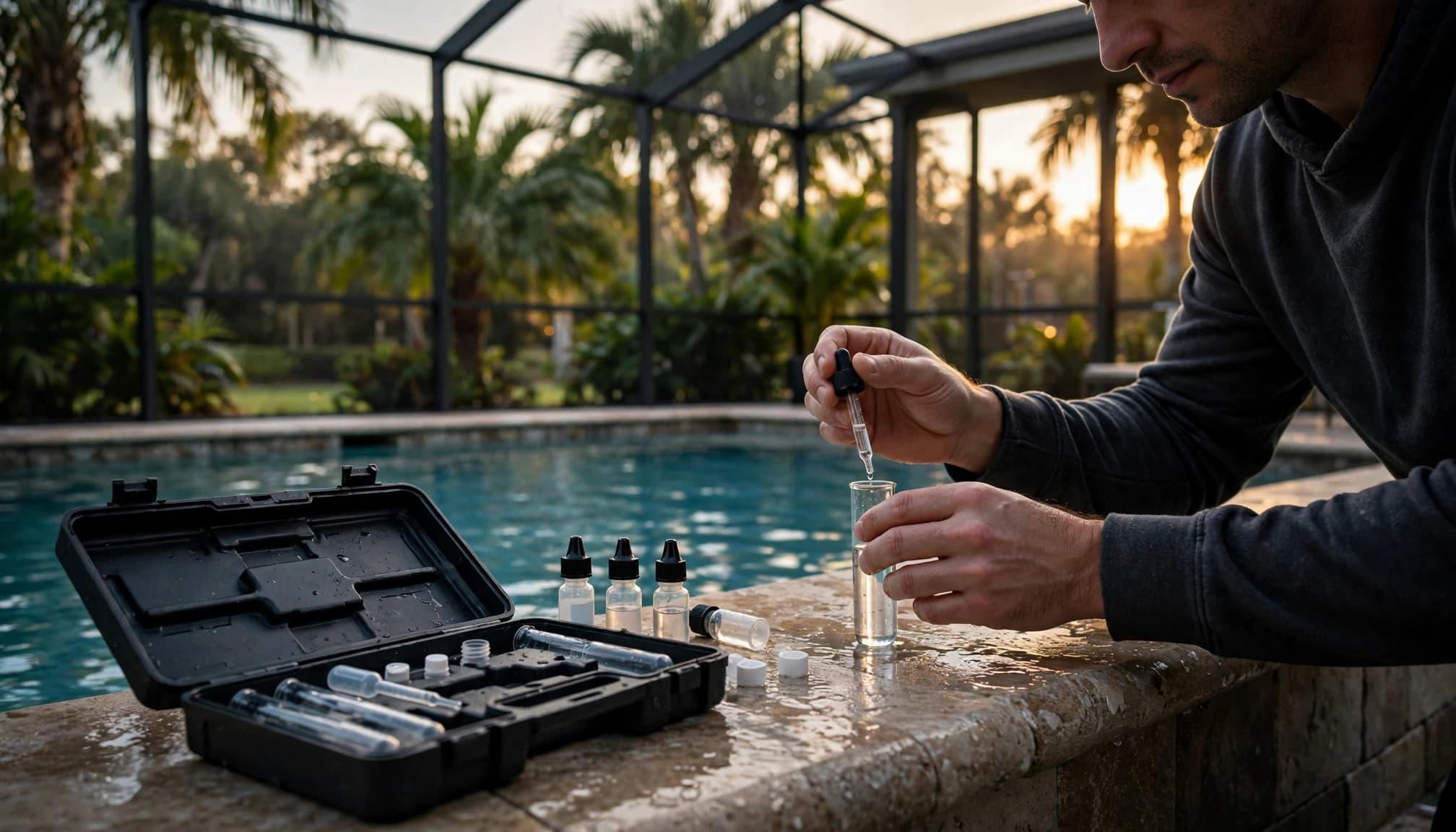
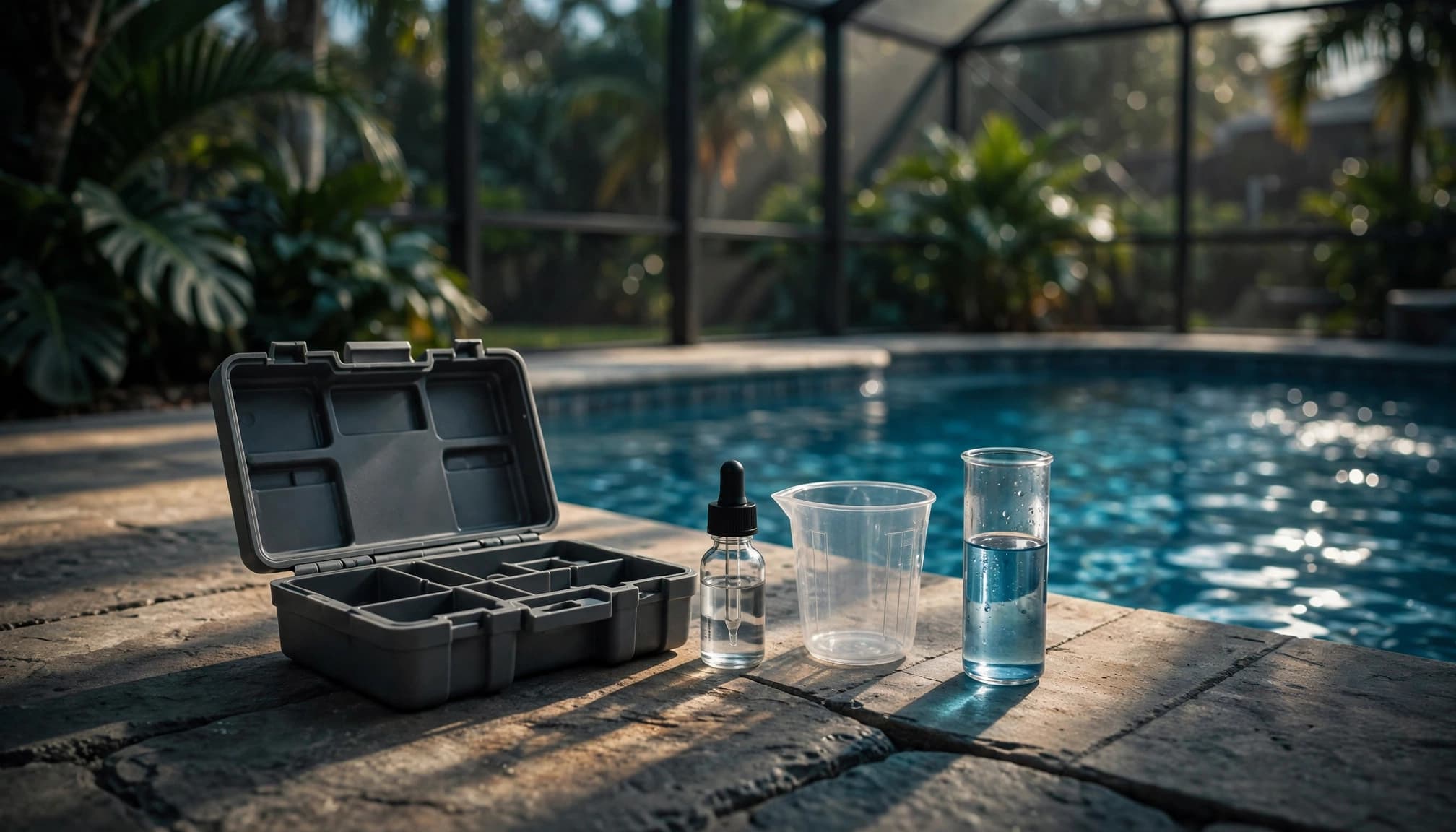
A drop-based kit is the best practical option for most homeowners. It is more precise than test strips and makes it easier to spot a gradual change in pool calcium hardness in Cape Coral.
Digital readers can offer quick results, although they need proper calibration and clean sensors. A pool professional can also test the water when results seem inconsistent or you are planning a major chemistry correction.
Collect a Clean, Representative Water Sample
Turn off automatic chemical feeders for the test, if your equipment instructions allow it. Then rinse the test vial with pool water two or three times.
Collect water from elbow depth, away from skimmers, returns, steps, and floating debris. Avoid taking a sample right after adding chemicals, after a heavy rain, or while someone is splashing nearby.
Test the sample promptly. Water left in a hot cup or bottle can warm up, collect debris, or give you a less useful result.
Wear nitrile gloves and safety glasses when handling reagents. Keep bottles closed between steps, and never mix testing chemicals with pool chemicals or household cleaners.
Run the Drop Test Carefully
Read your kit's instructions before starting because reagent counts and color changes vary by brand. Most calcium hardness kits follow a similar process:
- Fill the vial to the marked line with pool water.
- Add the buffer and indicator reagents in the required order.
- Swirl gently until the sample reaches the starting color.
- Add titrant drops one at a time, swirling after each drop, until the color changes completely.
Count every drop. Multiply that count by the kit's stated factor to find the ppm reading. For example, if the instructions say each drop equals 10 ppm, 28 drops equals 280 ppm.
Hold the bottle vertical so each drop is the same size. If the endpoint color seems muddy or shifts back, repeat the test with a fresh sample and a clean vial.
Test More Often When Conditions Change
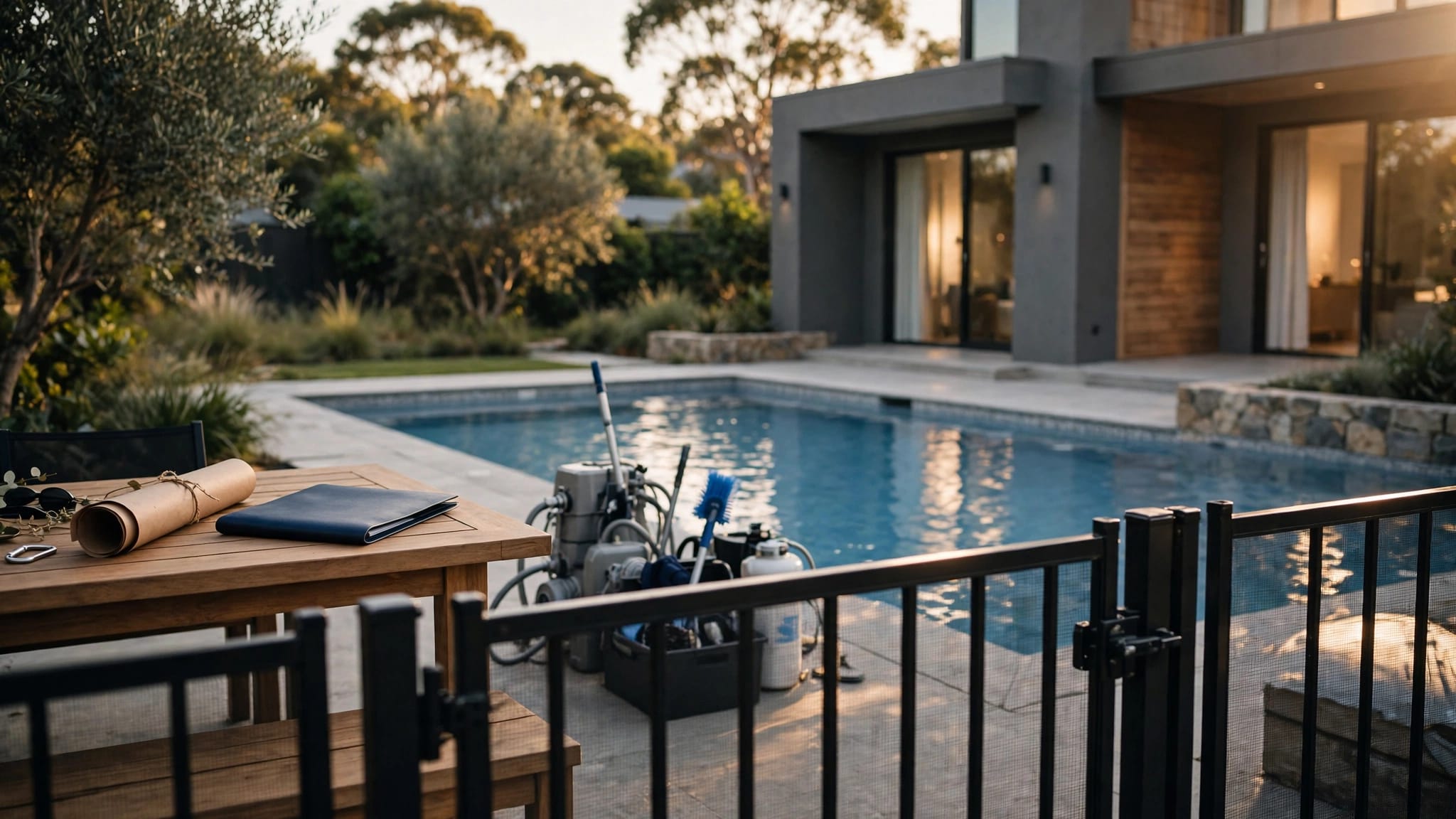
Weekly testing keeps a useful record of pool calcium hardness Cape Coral homeowners can compare over time. Check it more often after a large refill, equipment issue, unusual water loss, or a long spell of hot, dry weather.
Watch Evaporation, Refill Water, and Salt Systems
Evaporation removes water but leaves dissolved minerals behind. As the water level drops and you top it off, hardness can move in either direction depending on the balance between evaporation and the water used for refilling.
Test refill water separately before adding a large amount. That simple comparison can explain a reading that changed faster than expected.
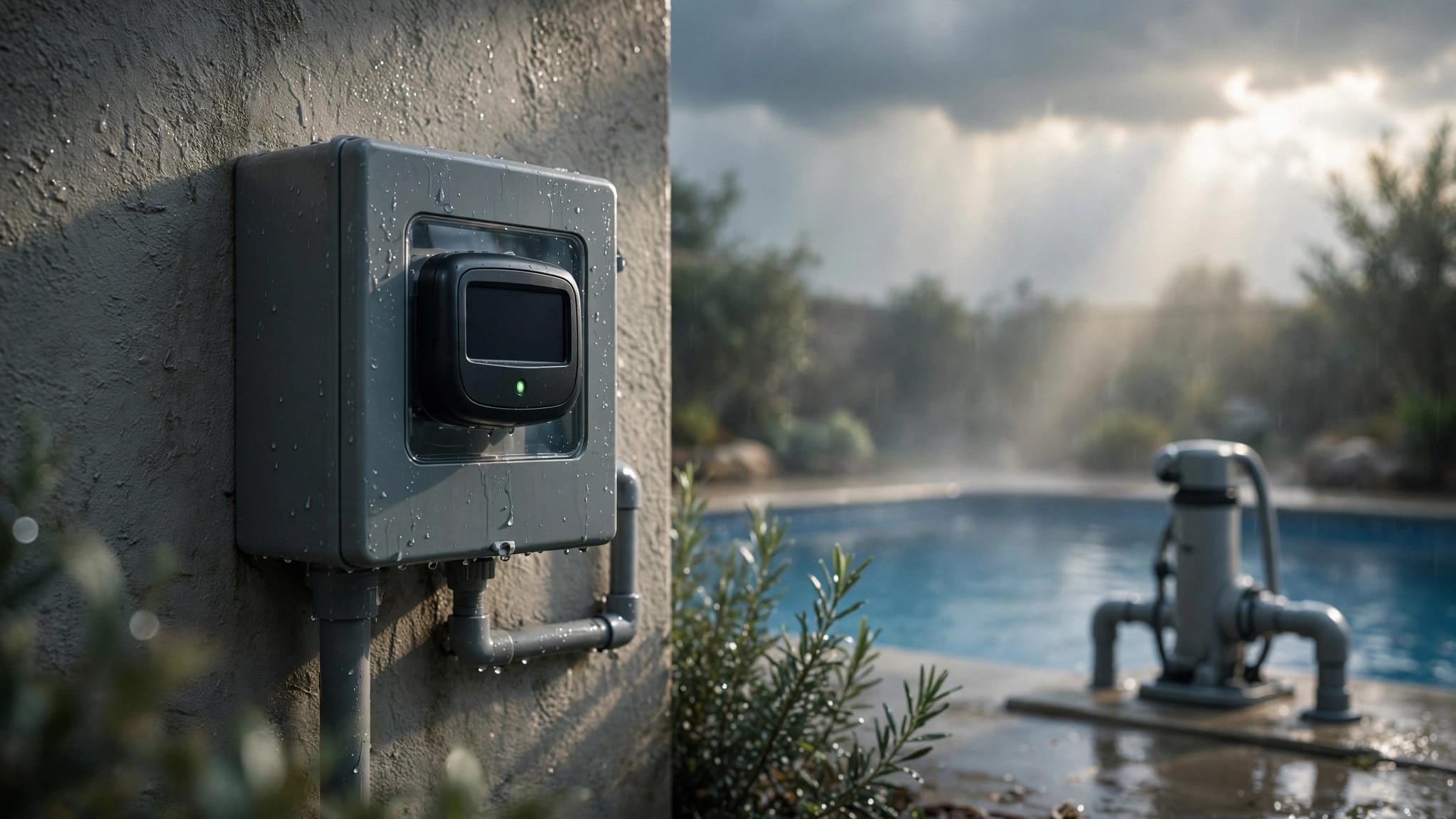
Saltwater pools still need calcium hardness testing. Salt cells can collect calcium scale, especially when water balance is off. Rinse loose buildup first, and follow the cell manufacturer's cleaning directions. Repeated acid cleaning can wear the cell coating, so don't use it unless the manual calls for it.
What to Do With High or Low Readings
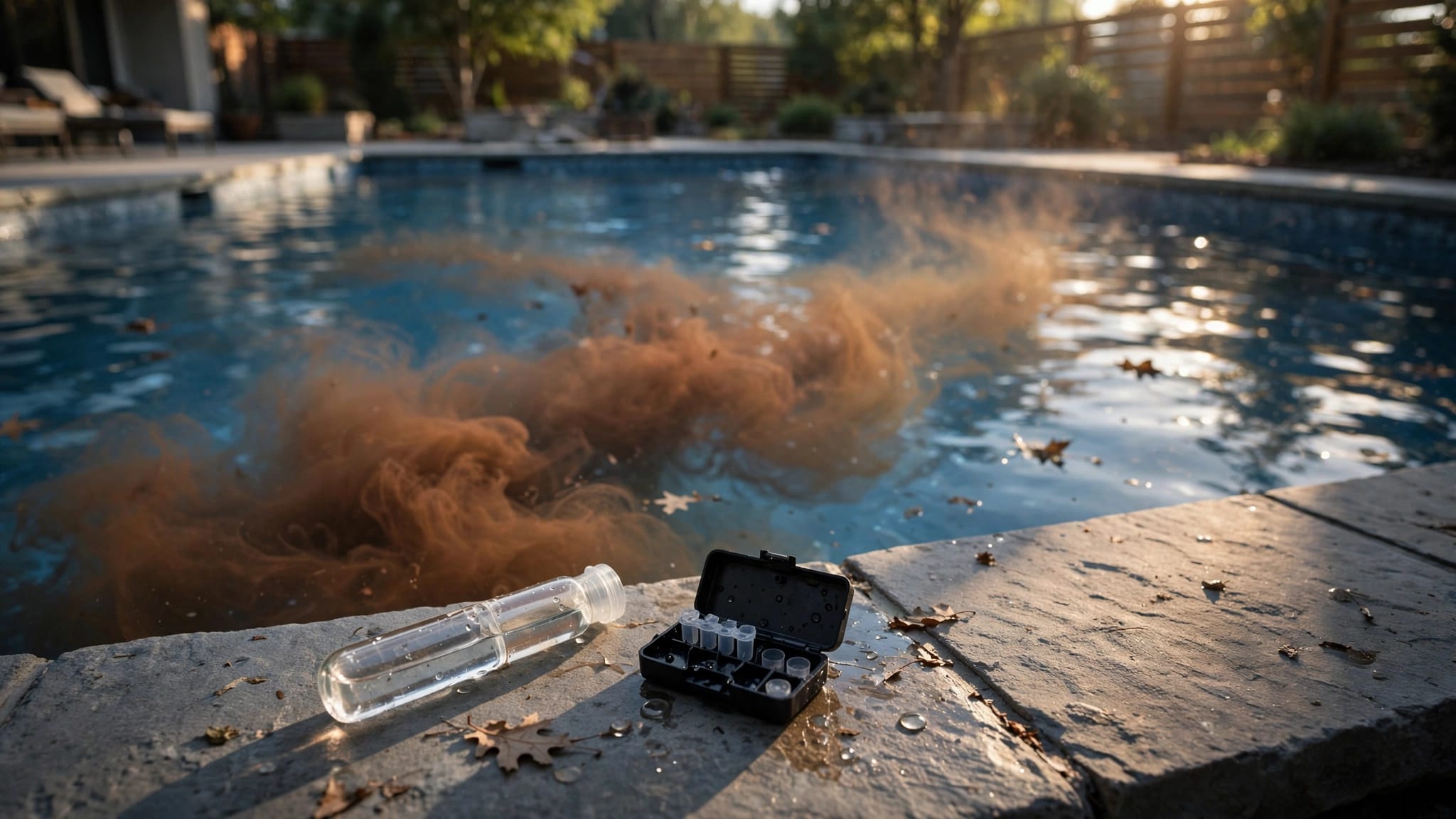
Don't chase a single number with a large chemical dose. Retest first, then review pH, total alkalinity, sanitizer level, and recent water additions.
When Calcium Hardness Is Too High
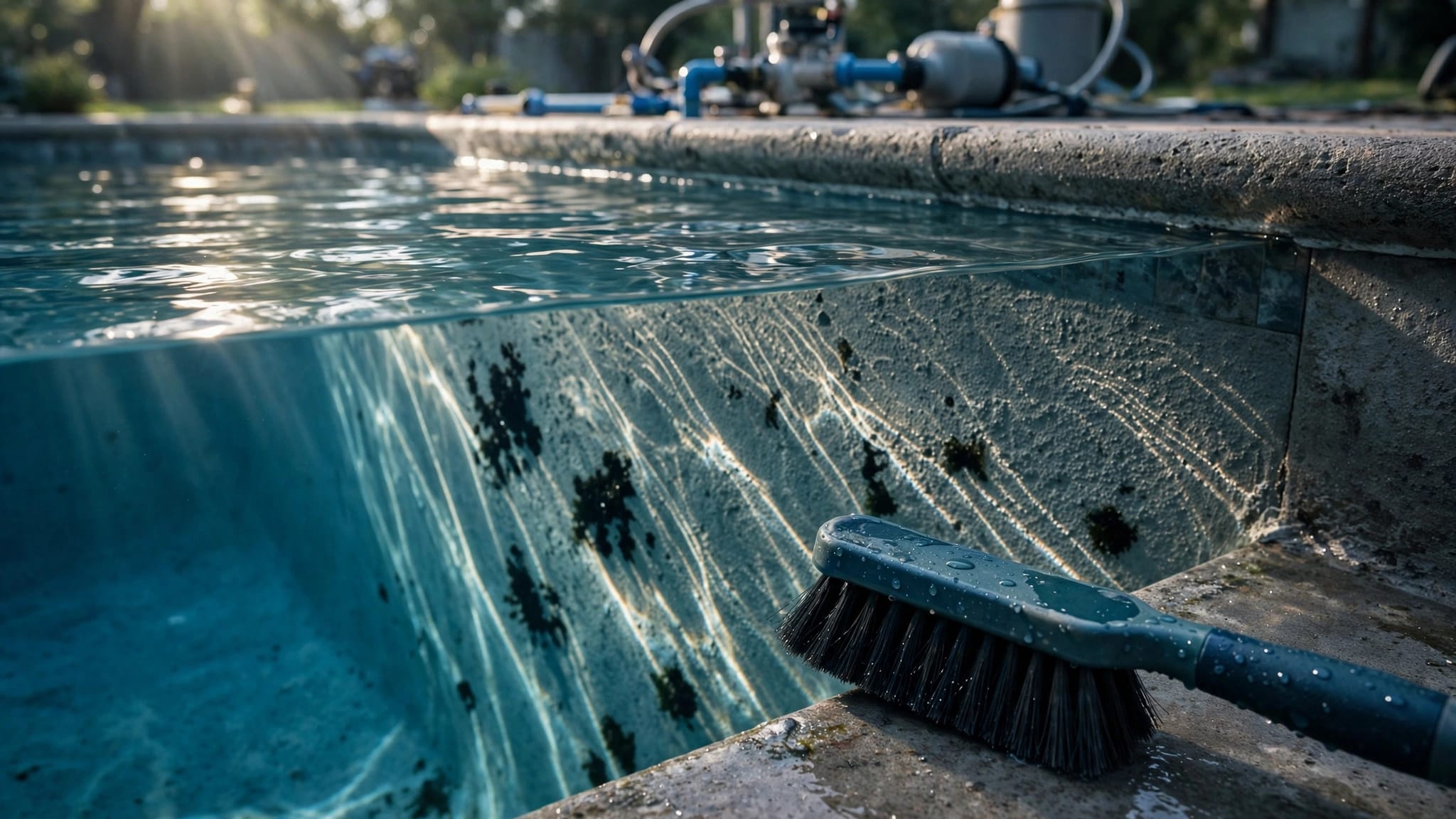
High readings often show up as white crust near the waterline, on tile, inside heaters, or across salt-cell plates. Keep pH and alkalinity in their recommended ranges because high pH makes calcium more likely to form scale.
Partial drain-and-refill work may lower calcium, but do not drain an inground pool without professional guidance. Florida groundwater conditions can create serious pressure beneath an empty pool shell. A professional can recommend a safe, measured water replacement plan.
When Calcium Hardness Is Too Low
Use a pool-grade calcium hardness increaser only after confirming the result. Add it slowly according to the product label, with the pump running, and brush the pool afterward if the instructions require it.
Never pour a large amount into one spot or mix it in a bucket with other chemicals. Retest after the water has circulated fully before adding more.
When Water Chemistry Reveals a Surface Problem
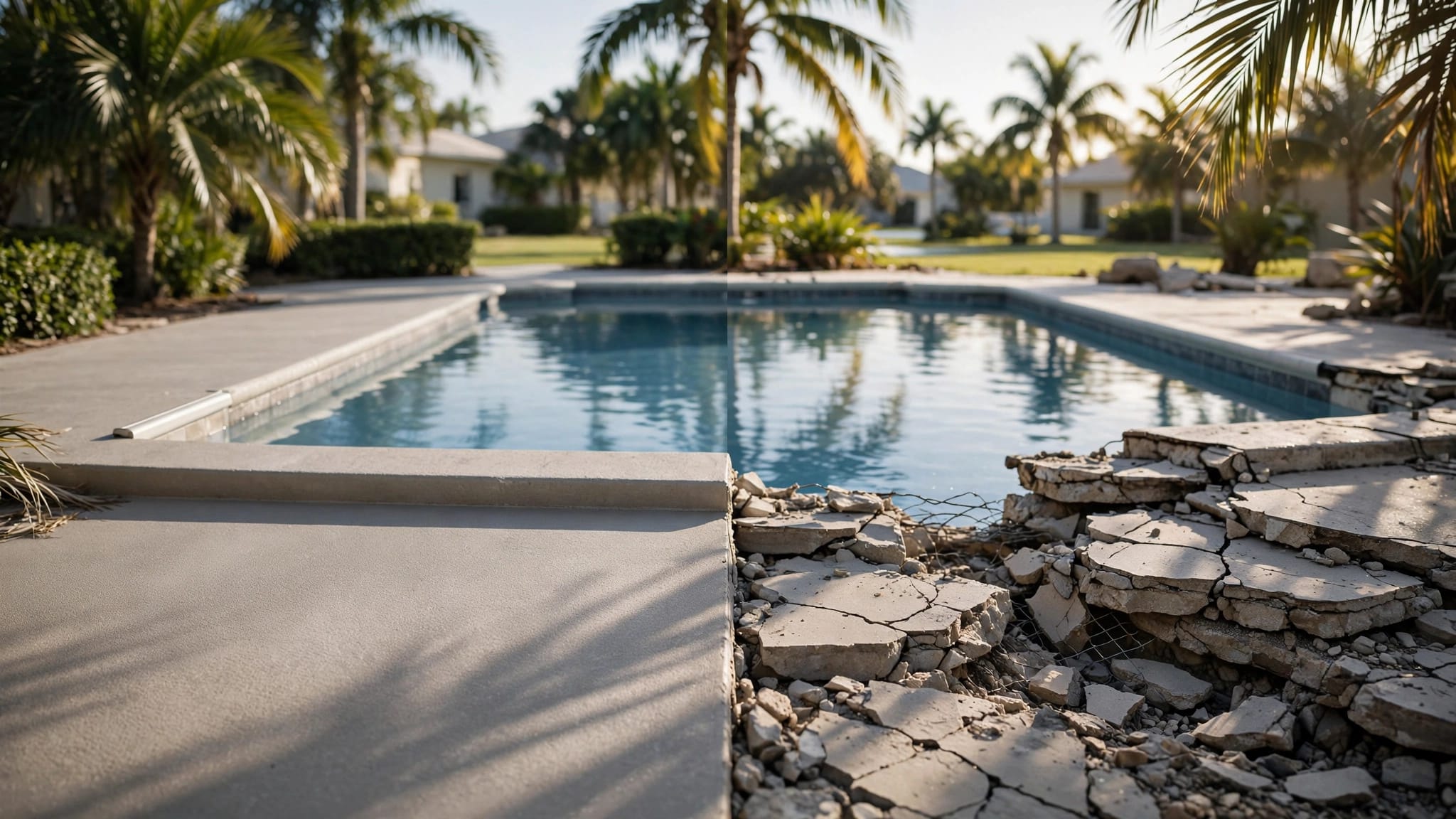
Balanced water protects a healthy finish, but it cannot rebuild worn plaster. If the surface feels rough, looks etched, has widespread pitting, or continues to stain, chemistry may not be the only concern.
An acid wash can remove some surface stains and mineral buildup, but it also removes a thin layer of finish. It will not repair cracks, missing plaster, or porous areas. Review Cape Coral pool renovations and resurfacing when the finish itself has started to fail.
For persistent scale, recurring cell buildup, or an aging interior, Get a Free Estimate for an on-site evaluation before making aggressive changes.
Keep Calcium Hardness in the Routine
A consistent sample, a clean drop kit, and a written test log make calcium control much easier. Check the water weekly, compare results after refills, and correct small changes before they turn into scale or surface wear.
Regular pool calcium hardness Cape Coral testing helps protect the parts of your pool that are hardest to replace, including its finish, heater, plumbing, and salt system.