Cape Coral backyards get a lot of sun, warm evenings, and outdoor living use. That makes the right Cape Coral pool features more than decoration, because they shape how the pool feels, how often you use it, and how much upkeep it needs.
A good water feature can soften a plain pool, add movement, and make a lanai feel more finished. The wrong one can raise splash, add cleaning work, and push water bills higher than expected.
If you're planning a new build or a pool update, start with the features that match your style and your daily routine. The best choice is the one that looks great and still fits life in Southwest Florida.
Water Features That Fit Cape Coral Backyards
Cape Coral homes usually work best with features that feel relaxed, bright, and built for outdoor living. A pool here has to look good in full sun, hold up to humidity, and stay easy to enjoy through long warm seasons.
That is why the best feature is rarely the most dramatic one. It is the one that fits the shape of your yard, the size of your lanai, and how much time you want to spend on upkeep.
For many homeowners, the first decision is whether the pool should feel modern, tropical, or resort-like. Modern pools usually lean clean and simple. Tropical pools use texture and natural stone. Resort-style designs mix comfort with a little motion, light, and sound.
If you're still planning your layout, it helps to look at our pool services early. Water features are easier to place when they are part of the original design, not added as an afterthought.
The best pool feature is the one you will enjoy often and clean without regret.
Waterfalls and Rock Features Bring a Tropical Feel
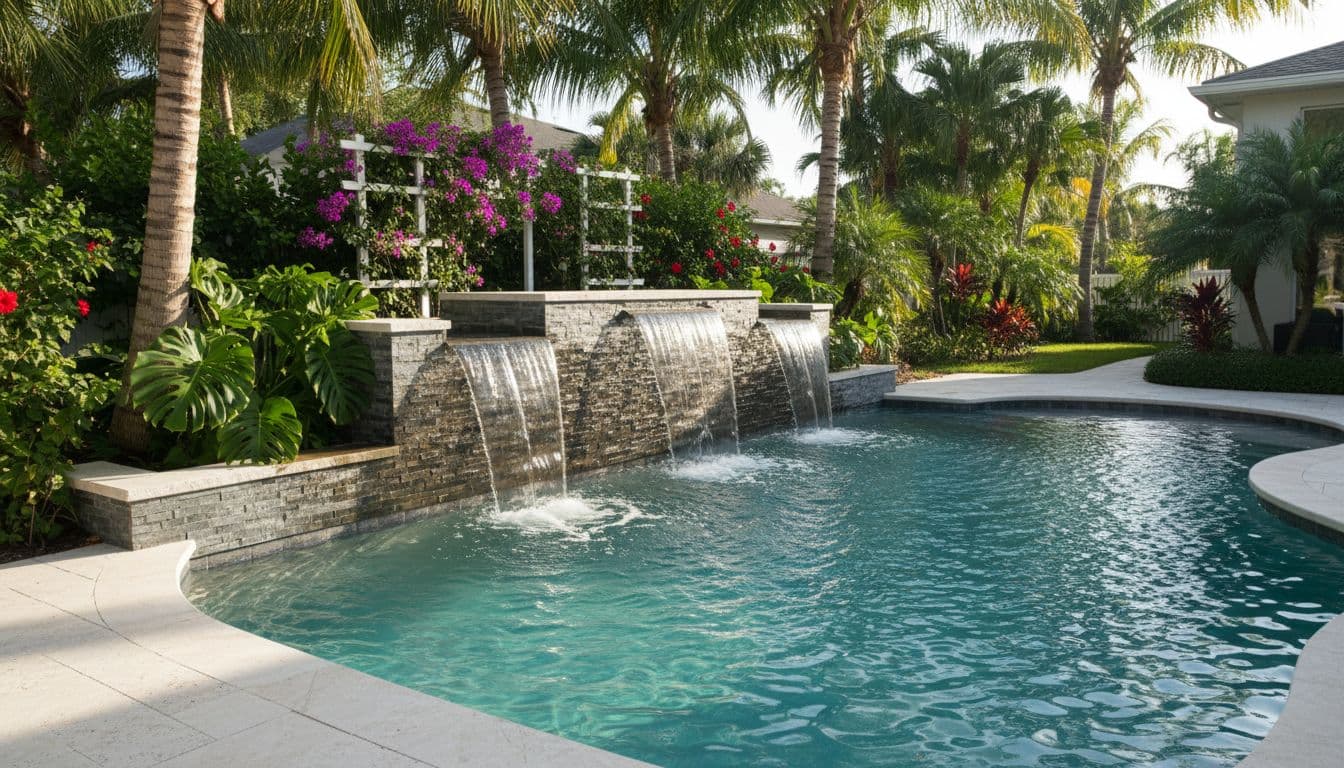
Rock waterfalls are a strong fit for Cape Coral homes that want a softer, more natural look. They add sound, movement, and shade to the waterline, which gives the pool a calm, layered feel.
They also work well with palm trees, shell stone decking, and other tropical touches common in Southwest Florida. A well-placed waterfall can make a smaller pool feel more private and more finished.
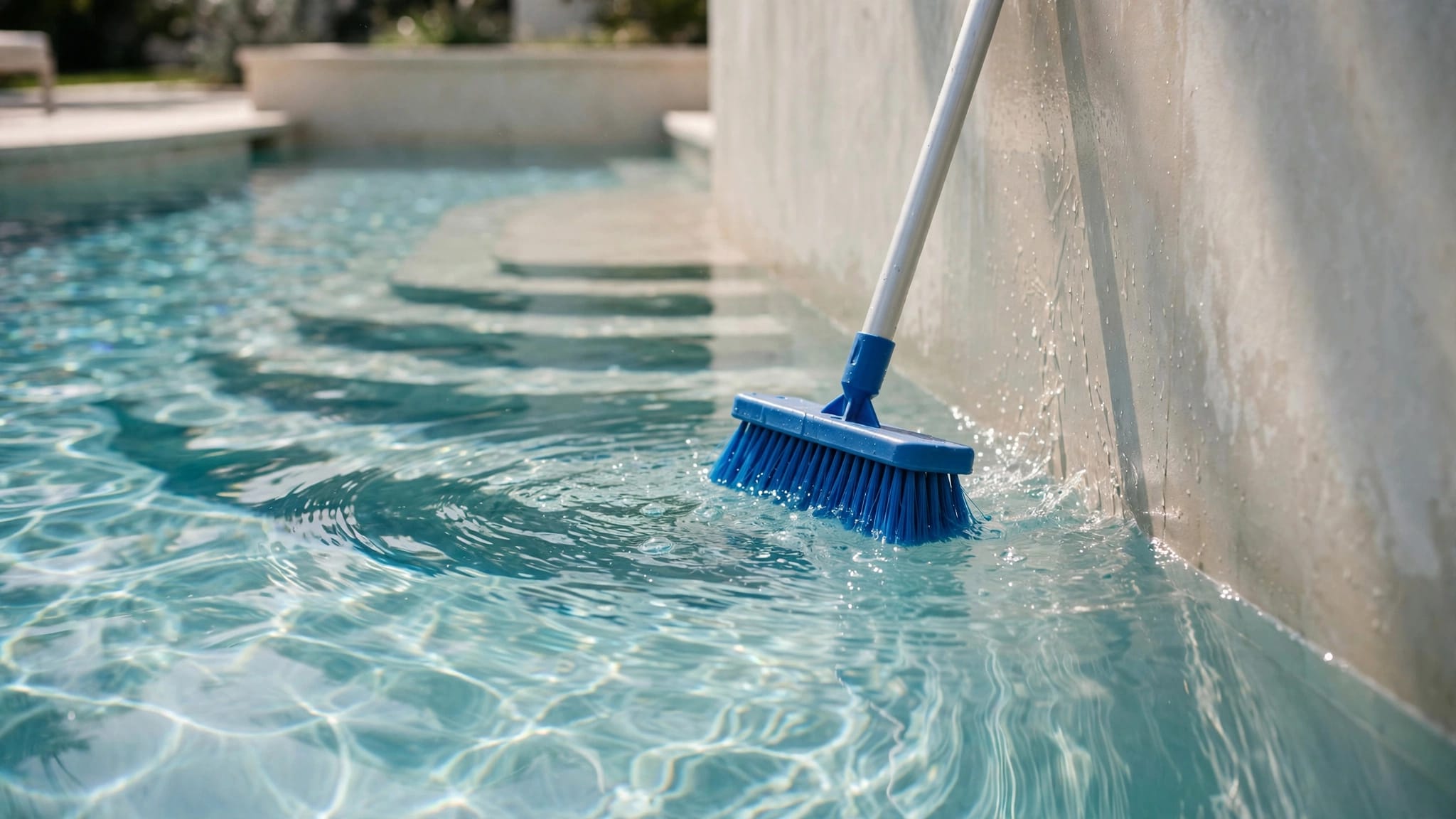
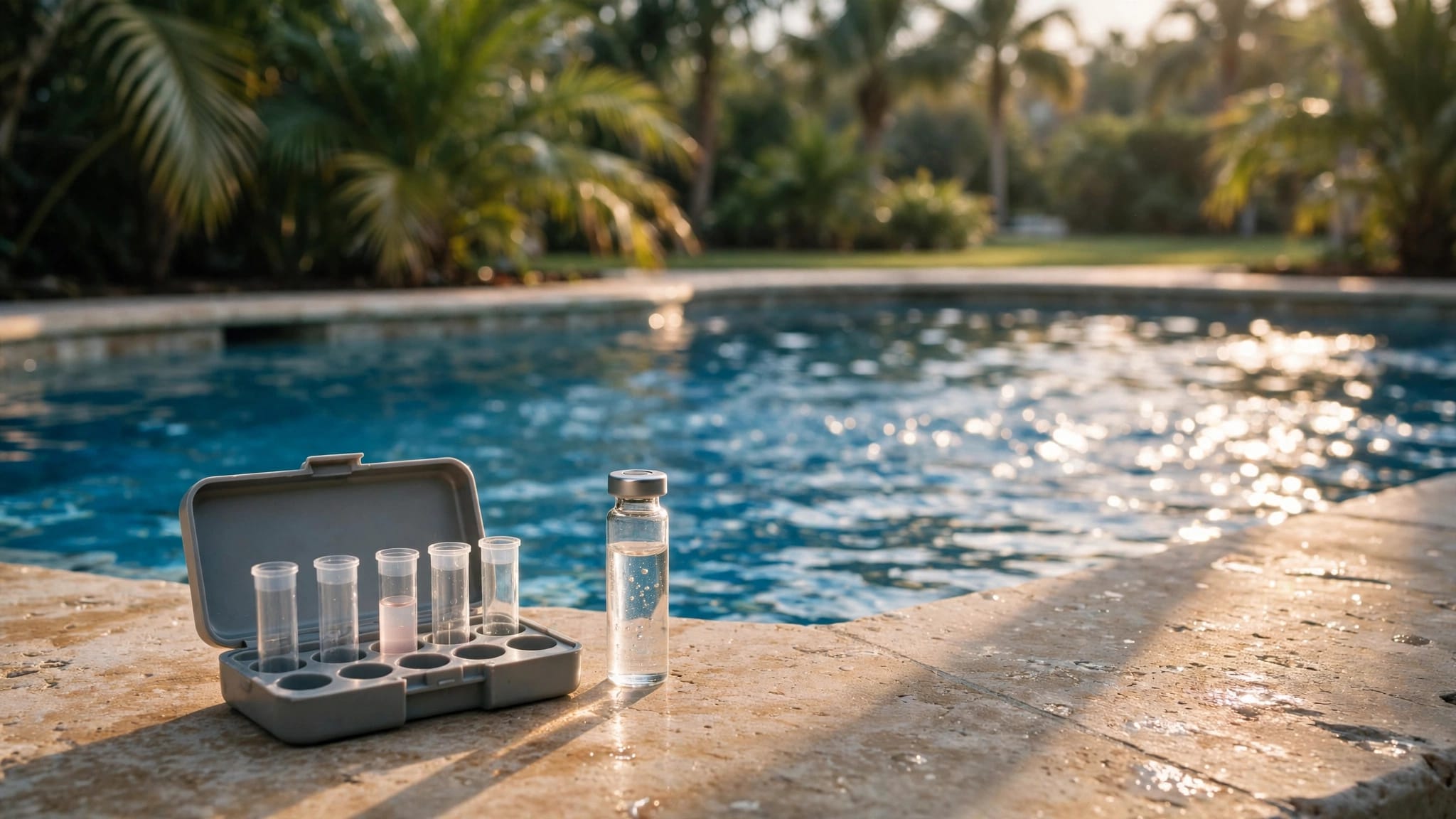
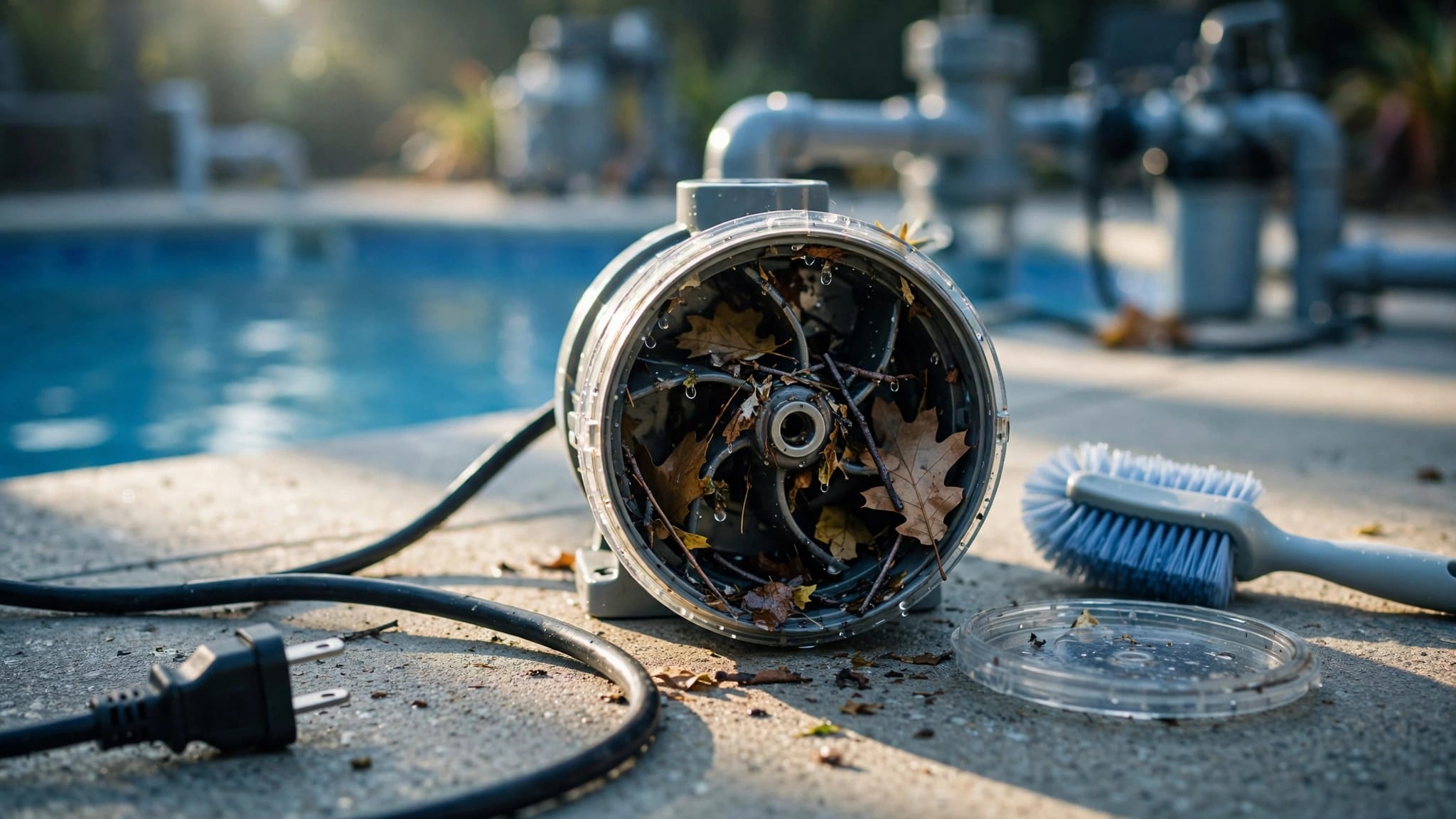
That said, waterfalls need honest care. Hard water can leave scale on stone and in spill channels, especially if water chemistry drifts. Leaves and sand can also settle in the rock work, so the feature should be easy to reach and brush.
Splash is another factor. A low waterfall usually loses less water to evaporation than a tall, forceful spill. That matters in Cape Coral, where strong sun and wind can pull water down fast. If you want the look without extra mess, keep the drop modest and the flow controlled.
Rock features pair best with tropical or transitional designs. They can still work in a modern pool, but the stone should stay clean and simple. Too much texture can make the pool feel crowded.
Sheer Descents and Deck Jets Work Well in Modern Pools
Clean-lined water features are a good match for newer Cape Coral homes. Sheer descents, narrow spillways, and deck jets add motion without overwhelming the space.
A sheer descent gives you a smooth sheet of water that falls from a raised wall or ledge. It looks sharp, sounds calm, and fits modern geometry well. A deck jet sends a curved stream into the pool and adds a little playfulness without taking over the design.
These features are often easier to keep looking neat than complex rock waterfalls. There are fewer hidden spots for debris, and the surfaces are usually simpler to wipe down. That matters when you live with dust, pollen, and calcium buildup.
They can still raise evaporation if the flow is strong or the wind catches the stream. A screened lanai helps some, but it does not remove the issue. If the feature sprays across the pool, expect more water loss and more refills.
Modern pools often look best with one strong statement instead of several small ones. A single sheer descent with LED lighting can do more for the space than a crowded mix of gadgets. That keeps the pool calm and easy to maintain.
Tanning Ledges and Bubblers Make the Pool More Family-Friendly
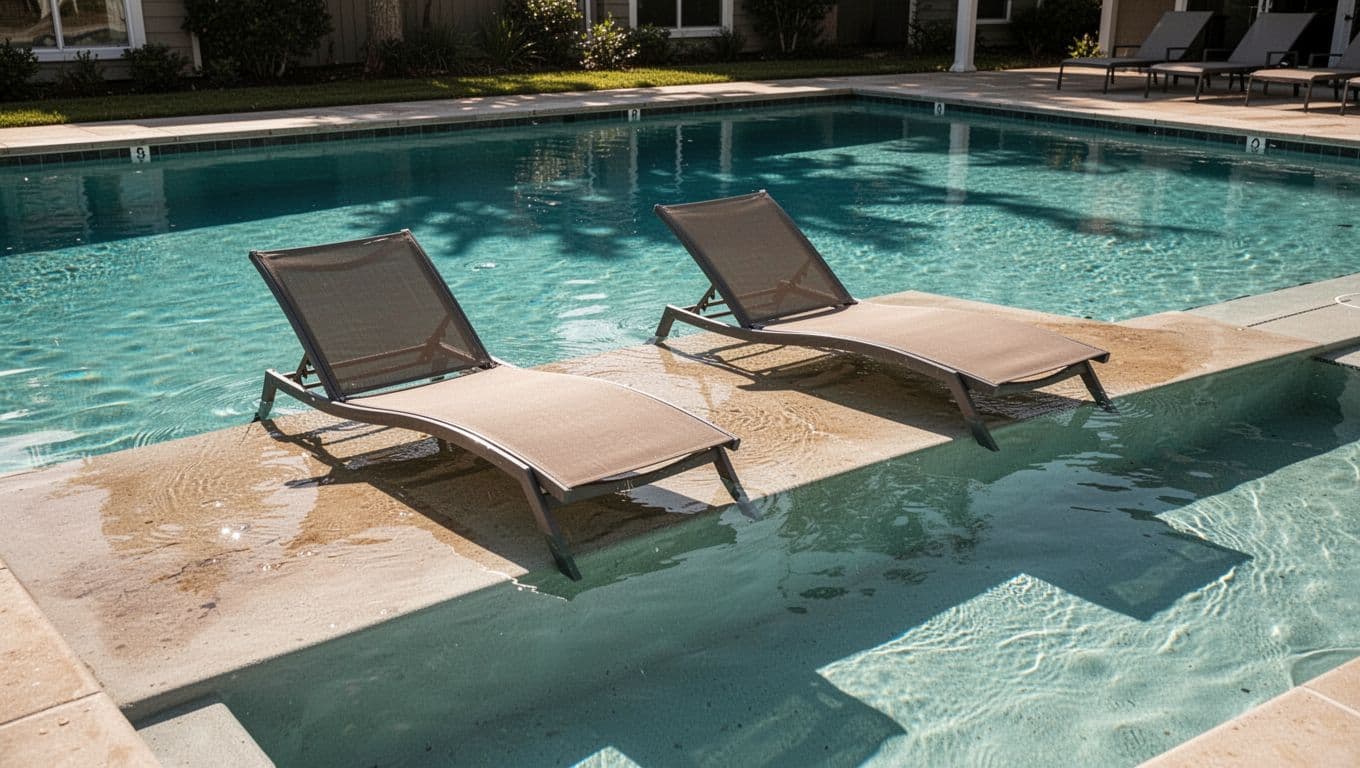
For many Cape Coral families, the most useful water feature is a tanning ledge with bubblers. It gives kids a shallow place to splash, and adults a spot to sit, cool off, or place lounge chairs in the water.
This feature works especially well in resort-style pools. It adds comfort without needing a large footprint, and it feels natural in both new builds and remodels. If you want a pool that feels like a staycation spot, a ledge is one of the smartest upgrades.
Bubblers are also practical. They create motion, but they do not create the same splash level as a waterfall or deck jet. That means less water loss, less overspray, and less chance of pushing water onto decking or screen panels.
Families often like the way a tanning ledge changes how the pool gets used. Younger kids have a spot that feels safer. Adults get a place to relax without sitting at full depth. In other words, the pool becomes more useful, not just more decorative.
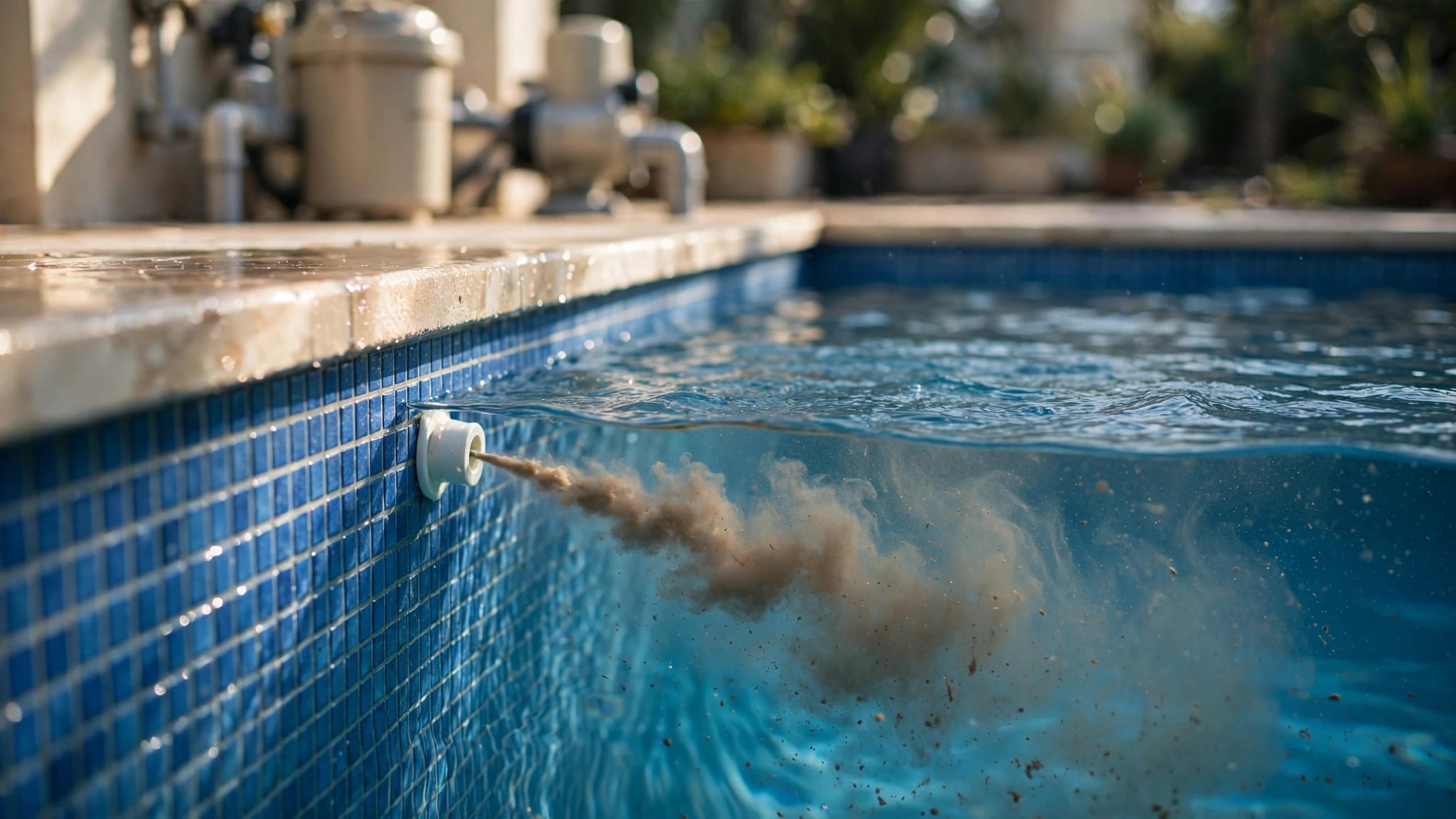
Still, a ledge needs good circulation and regular cleaning. Because it sits in shallow water, debris can settle there fast. Smooth finishes help, and so do simple shapes that let you brush every corner.
LED Lighting and Spillways Extend the Use of the Pool After Dark
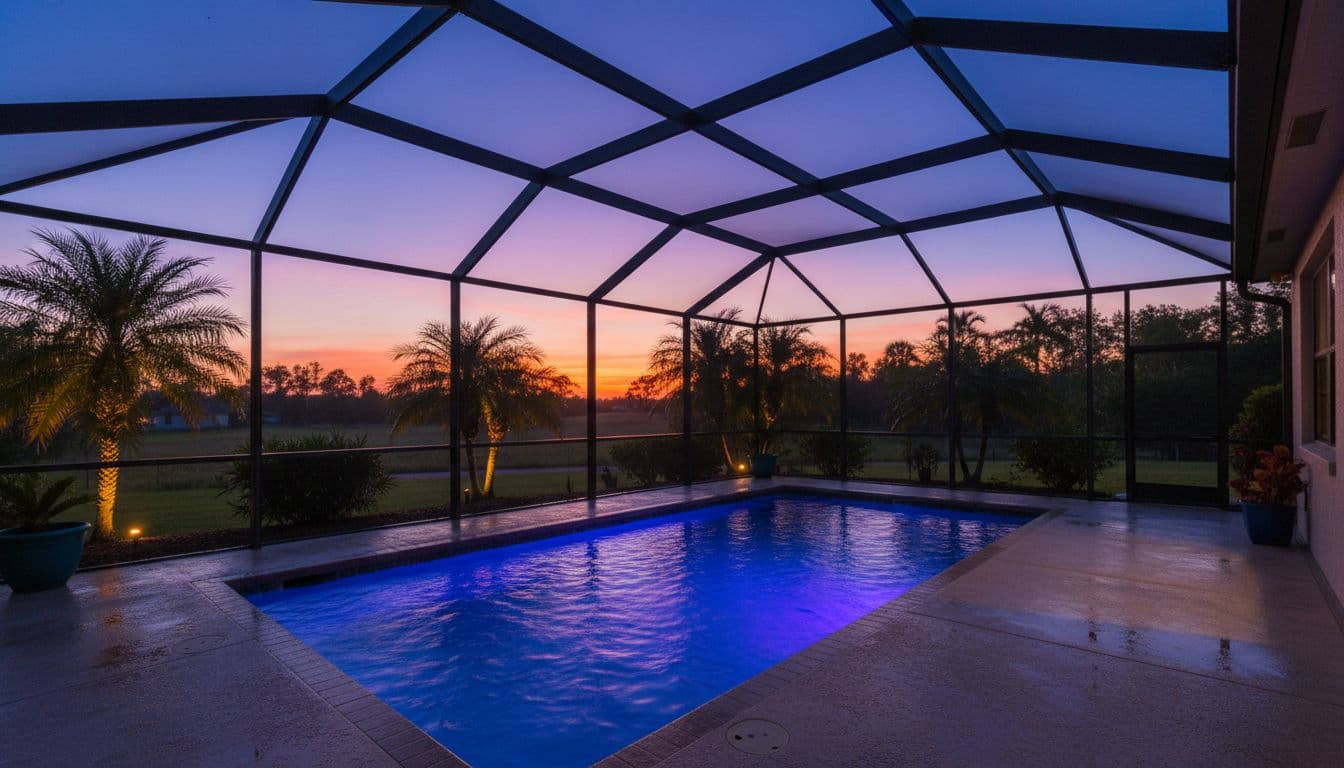
Night use matters in Southwest Florida. Evenings are when many homeowners finally get time to enjoy the backyard, so lighting should work with the water features you choose.
LED lighting can make a simple spillway or waterfall feel much more polished. It also improves safety, which matters around steps, ledges, and raised walls. A well-lit feature can turn a quiet pool into the center of the backyard after sunset.
This is where screened lanais make a difference. Inside an enclosure, lighting reads cleanly, and the pool area feels more private. However, bright lights also reveal dirt faster. If you have a feature that collects scale or algae film, evening light will show it.
That is why the best lighting plan starts with easy-to-clean materials. Smooth plaster, sealed stone, and simple spillways are easier to keep bright than rough surfaces with deep grooves. Hard water can dull the look of even a beautiful feature, so finish choice matters.
For a home that leans modern, pair white or cool-toned LEDs with a narrow spillway. For a tropical pool, warmer light can feel softer and more relaxed. Resort-style layouts often work well with several small light points instead of one harsh beam.
Comparing Popular Pool Features for Style and Upkeep
Some features look beautiful but ask more from your water treatment system. Others are simpler and easier to live with. This quick comparison helps narrow the field.
| Water Feature | Best Style Match | Maintenance Level | Effect on Evaporation | Operating Cost Impact |
|---|---|---|---|---|
| Rock waterfall | Tropical, natural, transitional | Higher | Moderate to high | Higher, because of pump demand and cleaning |
| Sheer descent | Modern, clean-lined, contemporary | Moderate | Low to moderate | Moderate |
| Deck jets | Modern, playful, family-friendly | Moderate | Moderate | Moderate |
| Tanning ledge with bubblers | Resort-style, family pools | Low to moderate | Low | Lower than larger spray features |
| Spillway wall | Modern, luxury, resort-style | Moderate | Low to moderate | Moderate |
The table shows a simple pattern. The more water a feature throws into the air, the more attention it usually needs. That does not make it a bad choice, but it does mean the feature should match your tolerance for cleaning and refilling.
If your pool has a screen enclosure, features that stay lower and tighter often make more sense. They keep debris under control and reduce the chance of splash reaching the screen or deck furniture.
Matching the Feature to a New Build or Renovation
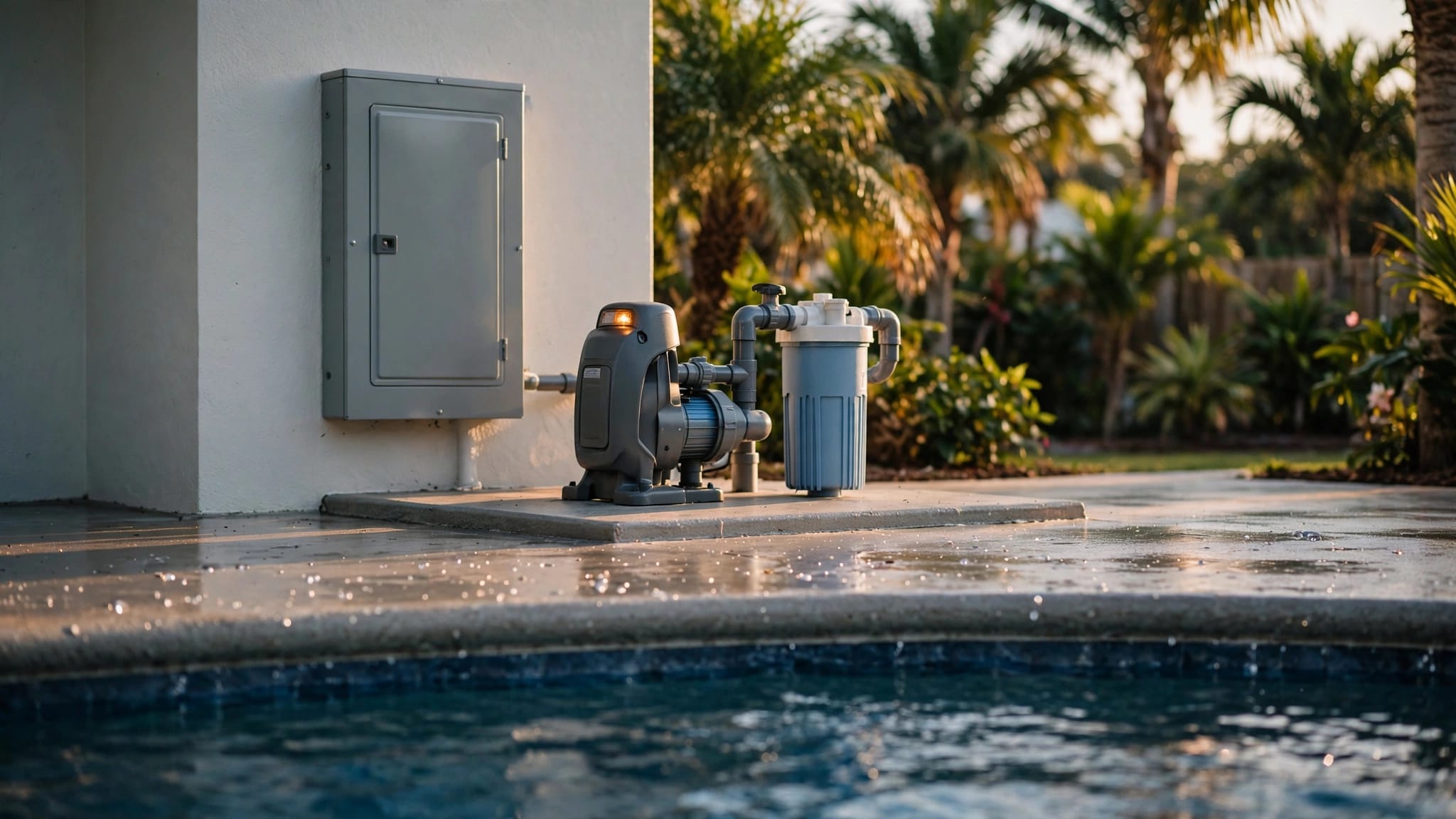
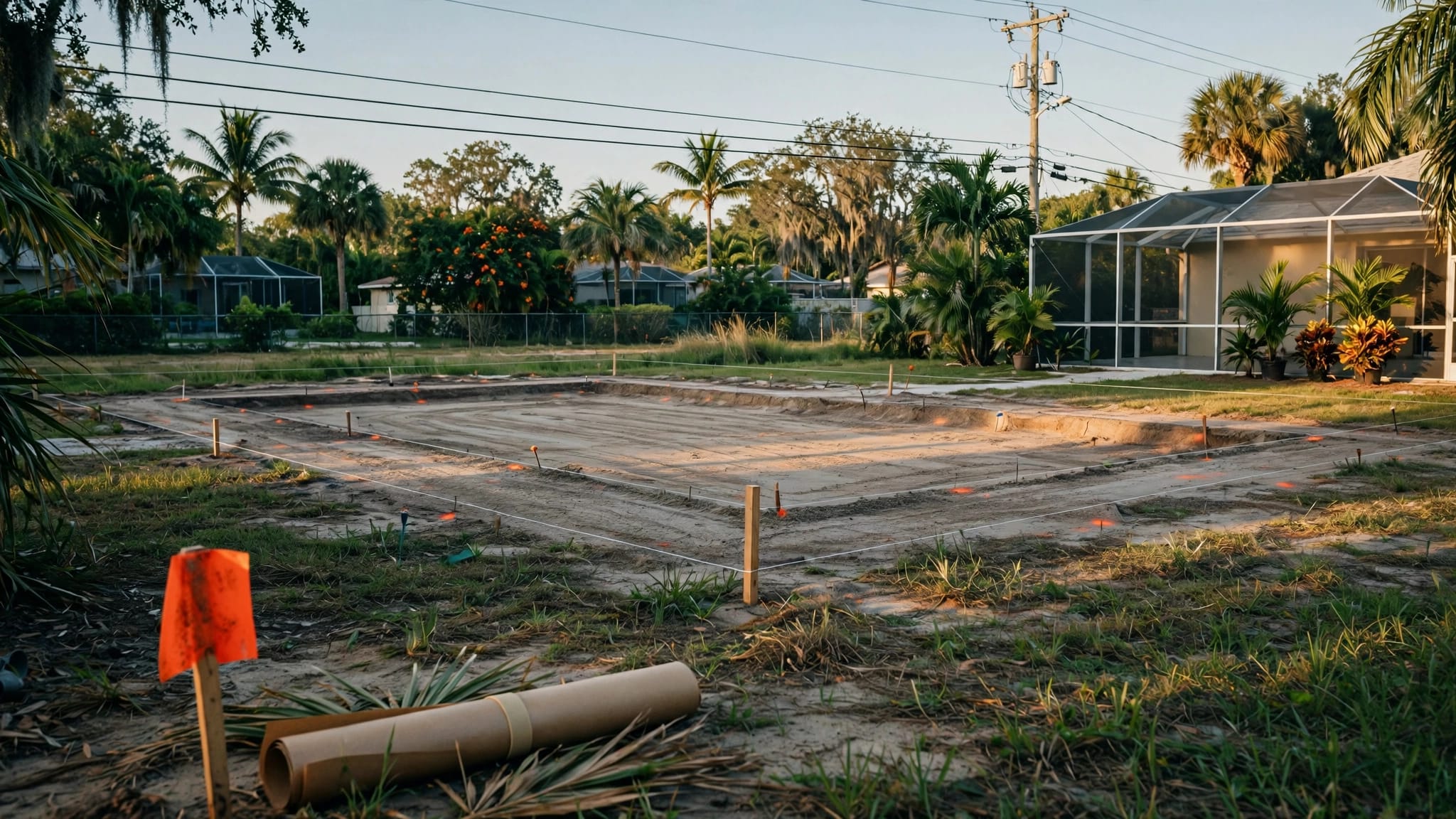
The best feature for a brand-new pool is not always the same one that works in a remodel. New construction gives you more freedom with plumbing, pump sizing, and wall placement. Renovation asks you to work with the shell and the existing layout.
If you're planning a refresh, think about how the current pool is used. Maybe the space needs a calm focal point instead of a loud waterfall. Maybe the family would use a tanning ledge more than a spa spillover. Maybe the biggest issue is maintenance, not appearance.
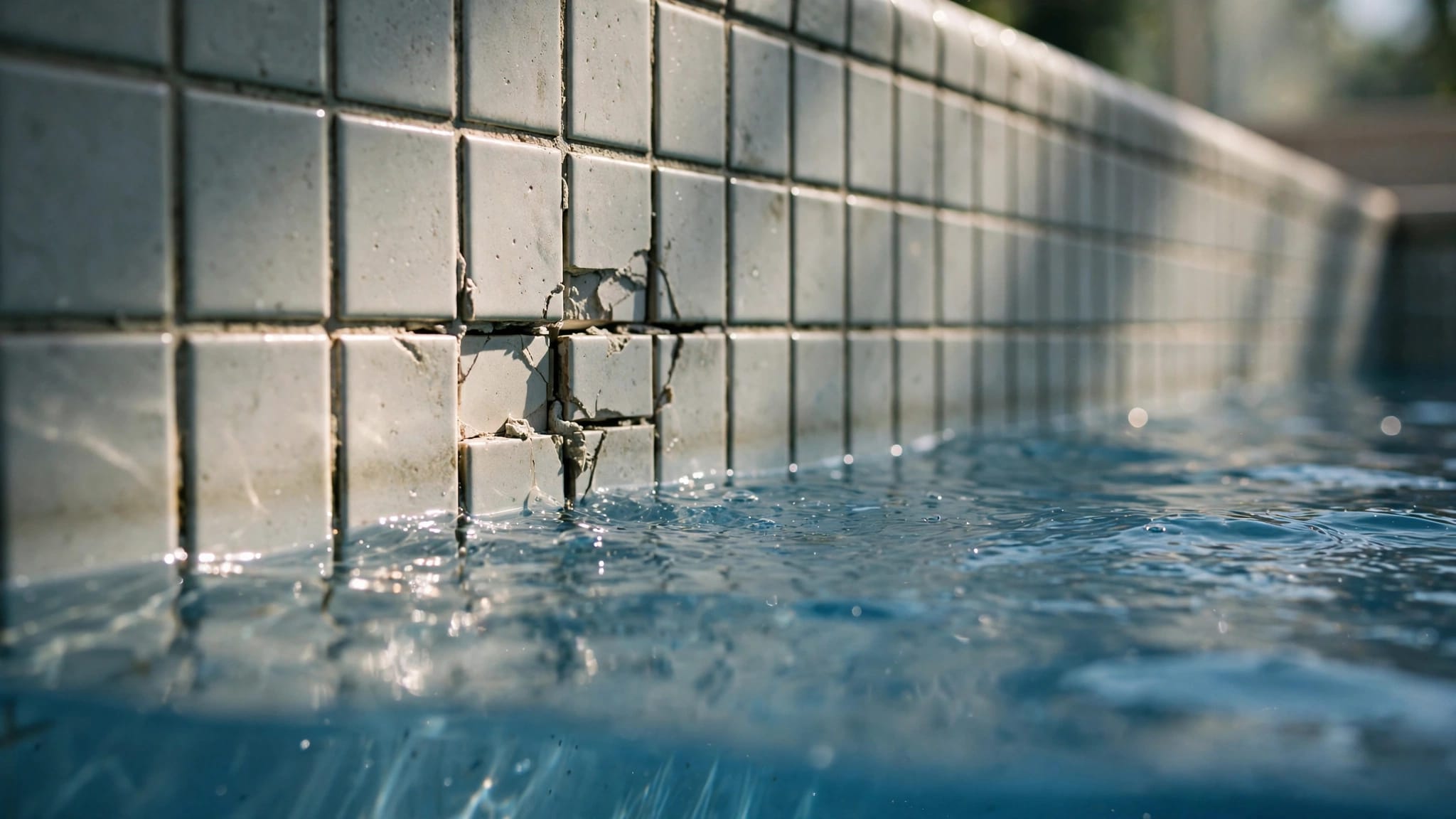
That is where design choices should be practical first. A feature should fit the pool size, the lanai, and the amount of sun exposure. It should also hold up to Florida weather, regular use, and the hard water that leaves marks on finishes over time.
If you're comparing a few options, start with the one that solves the most real problems. Then add style where it fits. For help planning a project around your yard and your budget, Get a Free Estimate.
Conclusion
Cape Coral homes look best with water features that fit the climate, the architecture, and the way people actually use their pools. A waterfall can bring a tropical feel, a sheer descent can sharpen a modern design, and a tanning ledge can turn a pool into a daily hangout.
The right choice should also be easy to live with. Less splash, simpler surfaces, and smart lighting usually mean better upkeep and lower operating costs.
When a feature feels beautiful in the morning, calm at night, and manageable all year, it is doing its job. That is the kind of Cape Coral pool feature worth building around.