Yes, sometimes you can swim during a pool cage rescreen, but only when the work setup allows it. The real questions are simple: where is the crew working, how much debris can reach the water, and does the deck stay safe for people, pets, and equipment?
During a Florida rescreen, the enclosure may open in sections, tools can sit on the deck, and screen dust or cut spline can fall near the pool. If the work zone feels crowded, waiting is the better move. A quick check with the contractor clears up most of the guesswork.
Key Takeaways
- Swimming during a rescreen can be fine on light work days if the deck stays clear.
- Wait when panels are open, ladders are in use, or tools and mesh are spread out.
- Kids and pets should stay away from the work zone until the crew leaves.
- Ask about debris, access, and cleanup before you get in the water.
The Short Answer Depends on the Work Zone
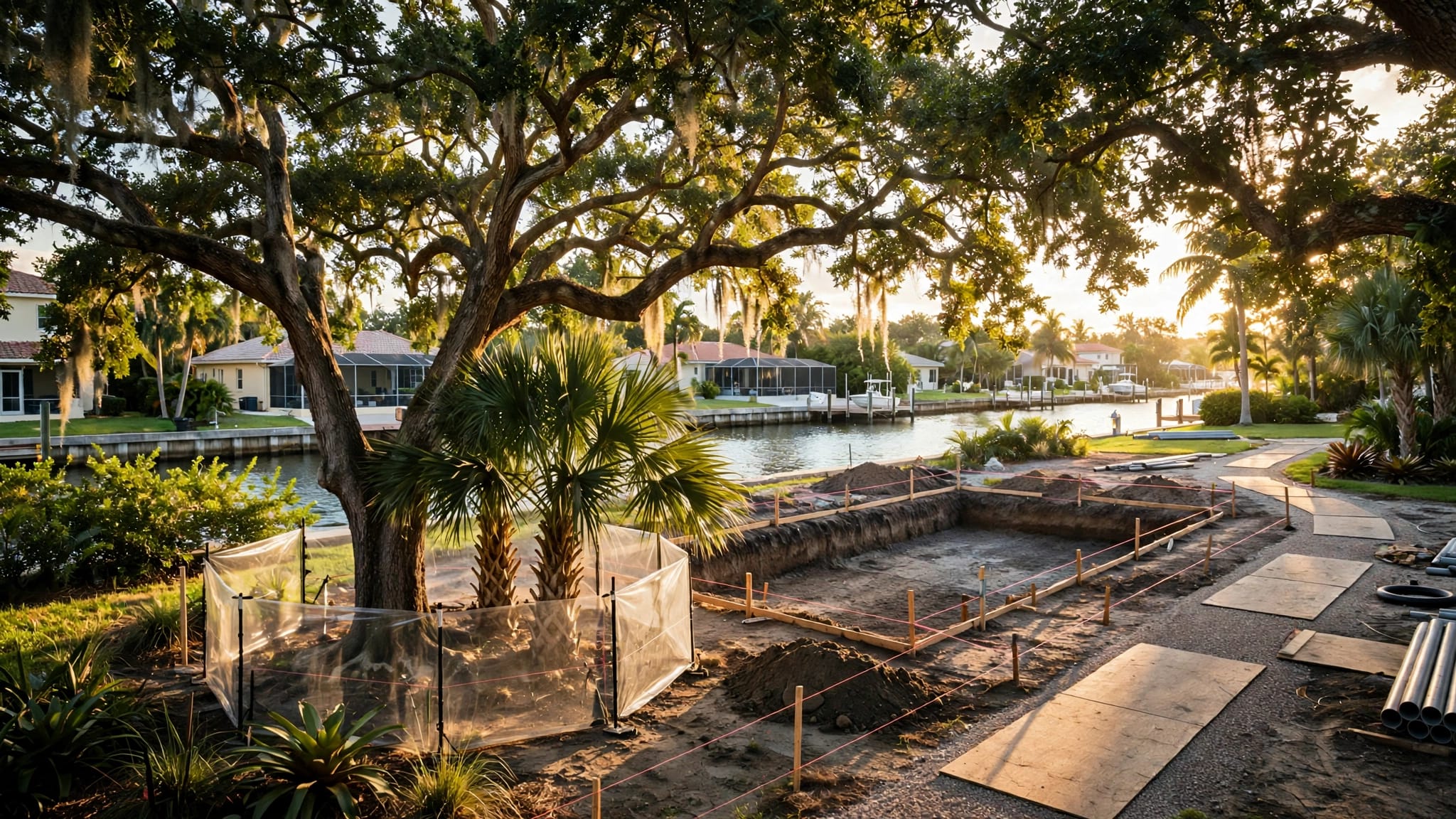
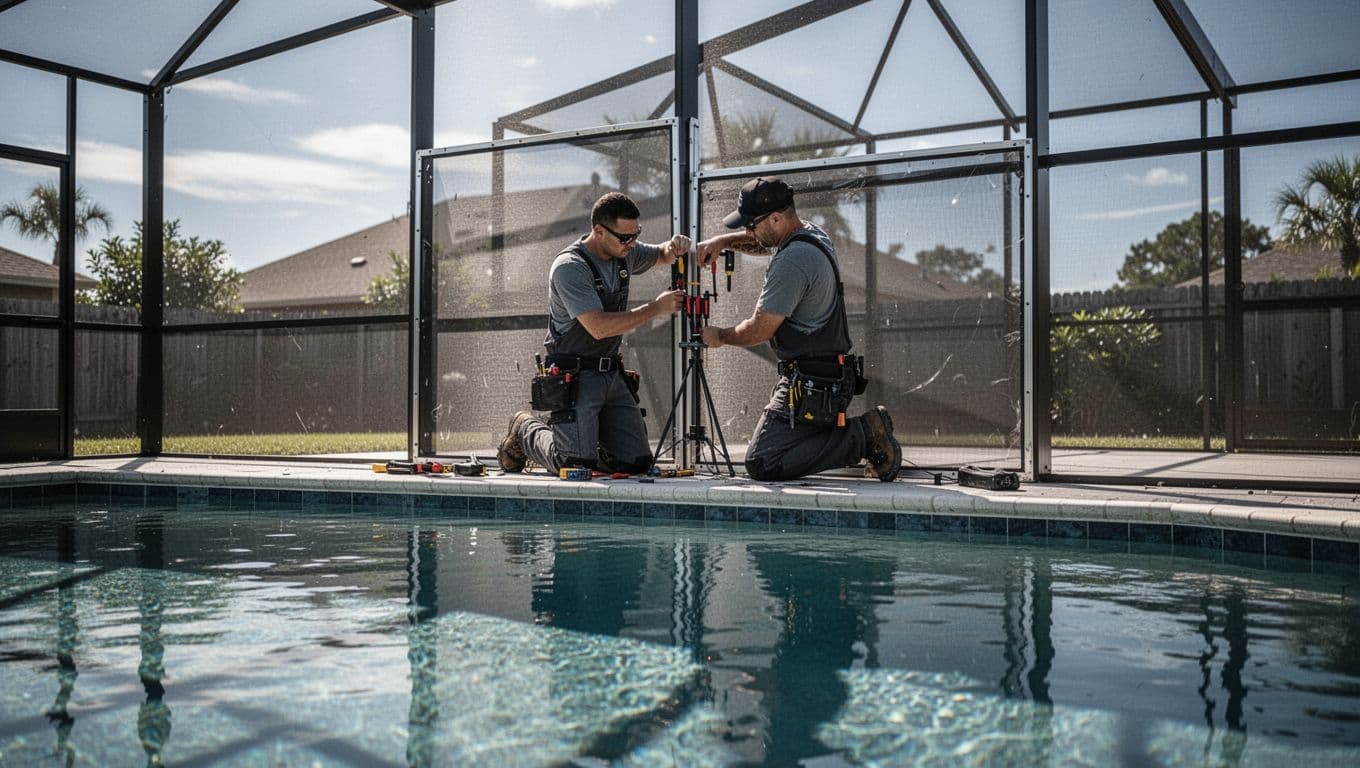
A rescreen usually means old mesh comes out and new mesh goes back in panel by panel. Because of that, the enclosure can change shape throughout the day, and the pool area may lose part of its normal barrier. Once panels come off, the cage also loses some of the protection that keeps out bugs, leaves, and loose debris.
If the contractor is working far from the water, the deck stays clear, and the pool is protected from falling material, a swim might be reasonable. If the crew is cutting screen overhead, setting ladders near the coping, or moving rolls of mesh across the deck, skip the swim. Wet feet, loose tools, and narrow walk paths do not mix well.
The answer can change hour by hour. Morning work may feel open and manageable, then afternoon progress can put the whole area off-limits. That is why the safest call is the one the crew gives after they look at the day's setup.
What Changes the Answer on Your Property?
A full screen enclosure and rescreen service can open several sections at once, while a smaller job may leave most of the cage untouched. The more panels that come out, the more likely it is that swimming should wait.
| Work setup | Swimming risk | Best move |
|---|---|---|
| One panel on a far side | Lower | Ask the contractor first |
| Several open panels | Higher | Wait until the section is closed |
| Ladders or tools on the deck | High | Stay out of the pool |
| Kids or pets near the work zone | High | Keep everyone inside |
If the mesh is brittle across several panels, the project is already bigger than a quick swap. Many homeowners first review common signs of pool cage damage before they decide whether a partial fix makes sense or the whole cage needs attention.
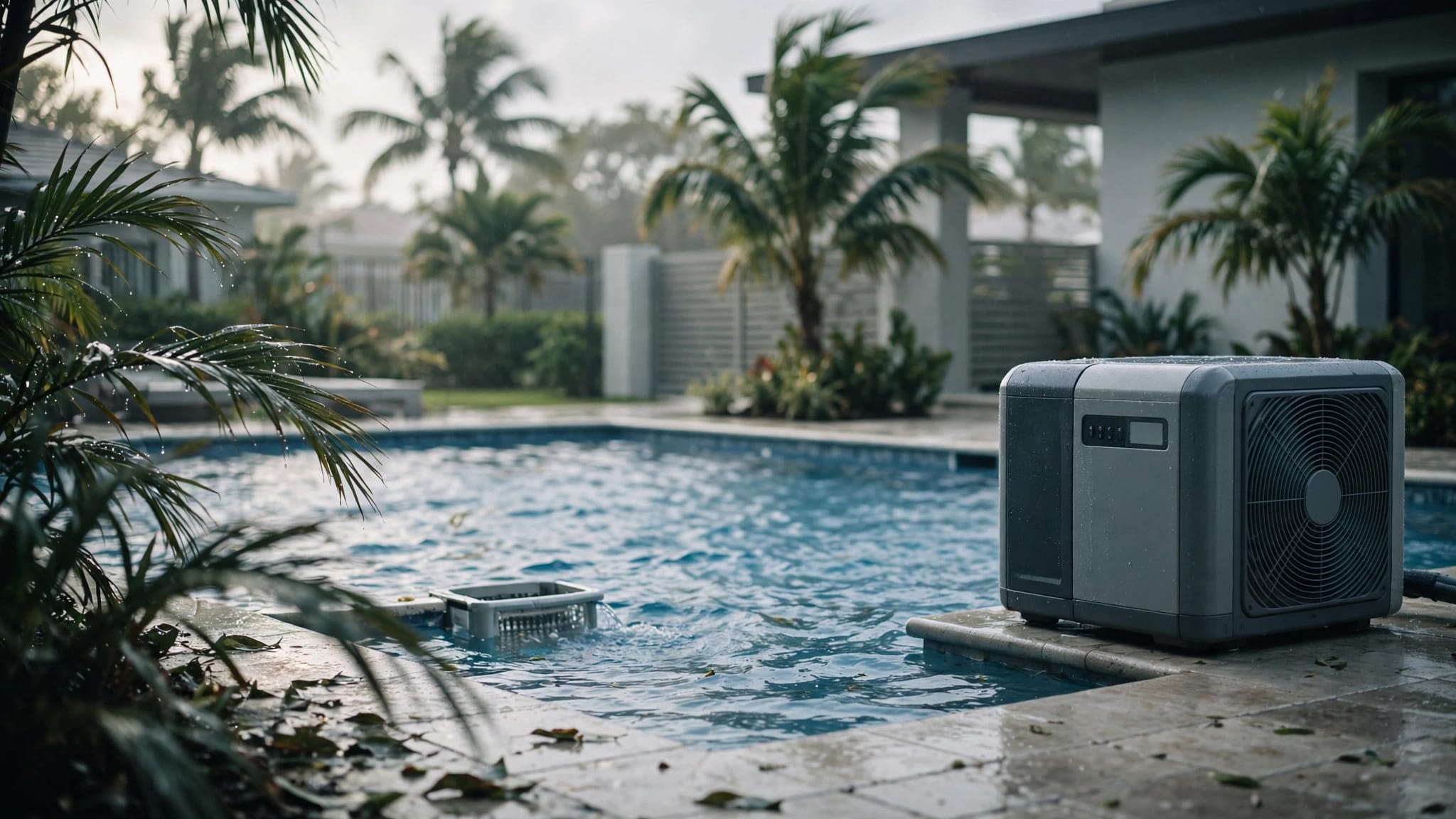
Cape Coral weather can also change the plan fast. Afternoon storms, wind, and wet deck surfaces make an open work zone harder to manage. When the crew is racing a rain cloud and hauling material around the pool, a swim can wait until the area is cleaned up and closed again.
What to Ask Before You Get in the Pool
If you're unsure, ask direct questions before anyone heads outside. A good contractor should tell you whether the pool deck is open, what debris to expect, and whether swimming is off-limits for the day.
Ask these questions:
- Which parts of the cage are open right now?
- Will anyone be working above the water line?
- Are ladders, cords, or tools staying on the deck?
- Do you want the pool area cleared for the rest of the day?
- Will kids, pets, and guests need to stay inside?
The answers should be clear and specific. If they are vague, treat that as a sign to wait.
If you want the timing checked before work starts, Get a Free Estimate and ask how the crew plans to stage the enclosure, protect the water, and handle cleanup.
How to Handle the Pool After the Crew Leaves
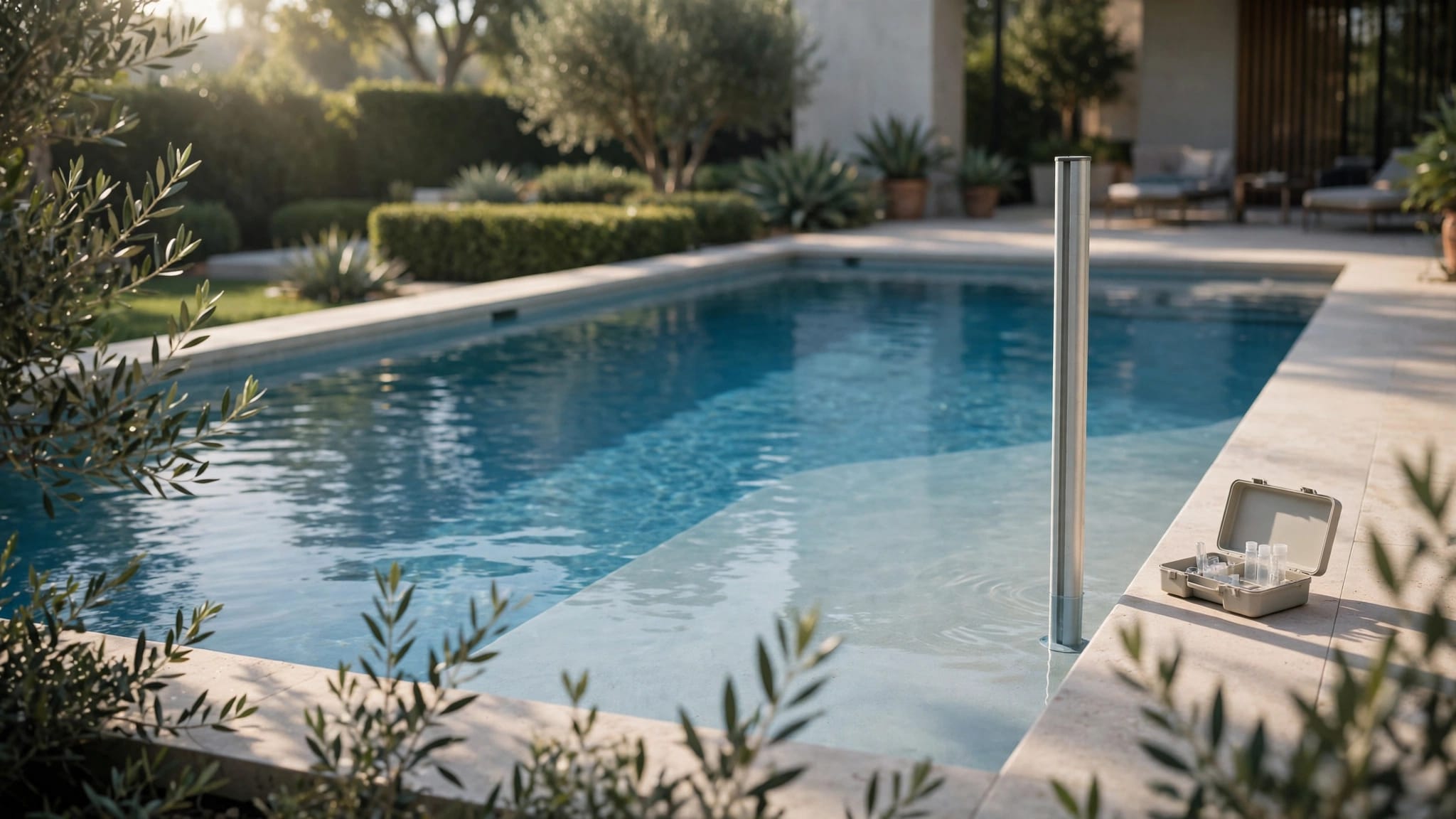
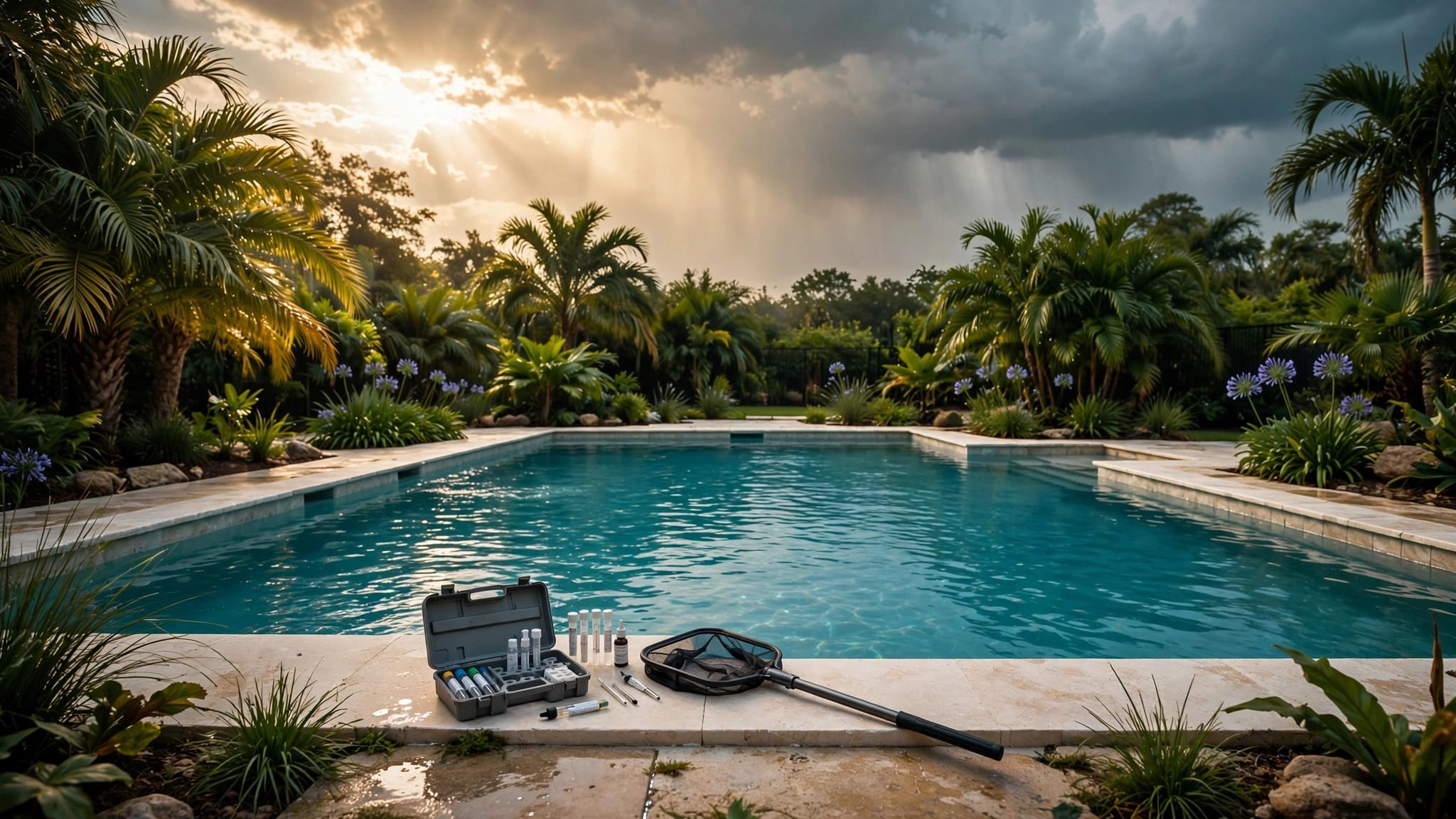
Once the last panel is in place, take a quick look at the water before you relax. Skim the surface, empty the skimmer basket, and check the waterline for small scraps of screen or spline. Those little pieces are easy to miss, especially after a busy day on the cage.
If dust settled in the pool, run the pump a little longer than usual. A quick vacuum pass can pick up fine debris, and a filter clean may be needed if the work created a lot of dust. After windy weather, it also helps to check the deck drain, the coping, and the area around the enclosure doors.
You should also look for loose screws, trimmed wire, or sharp offcuts on the patio. They do not belong in the water, and they definitely do not belong under bare feet. A two-minute walk around the deck saves a lot of hassle later.
Conclusion
A pool cage rescreen does not always mean the pool is off-limits, but the work zone decides the answer. If the deck is crowded, panels are open, or debris is falling, waiting is the safer call.
When the contractor keeps the area clear and gives the all-clear, swimming may be fine. If anything feels uncertain, let the crew finish, clean the pool, and enjoy the water with a fresh enclosure around it.