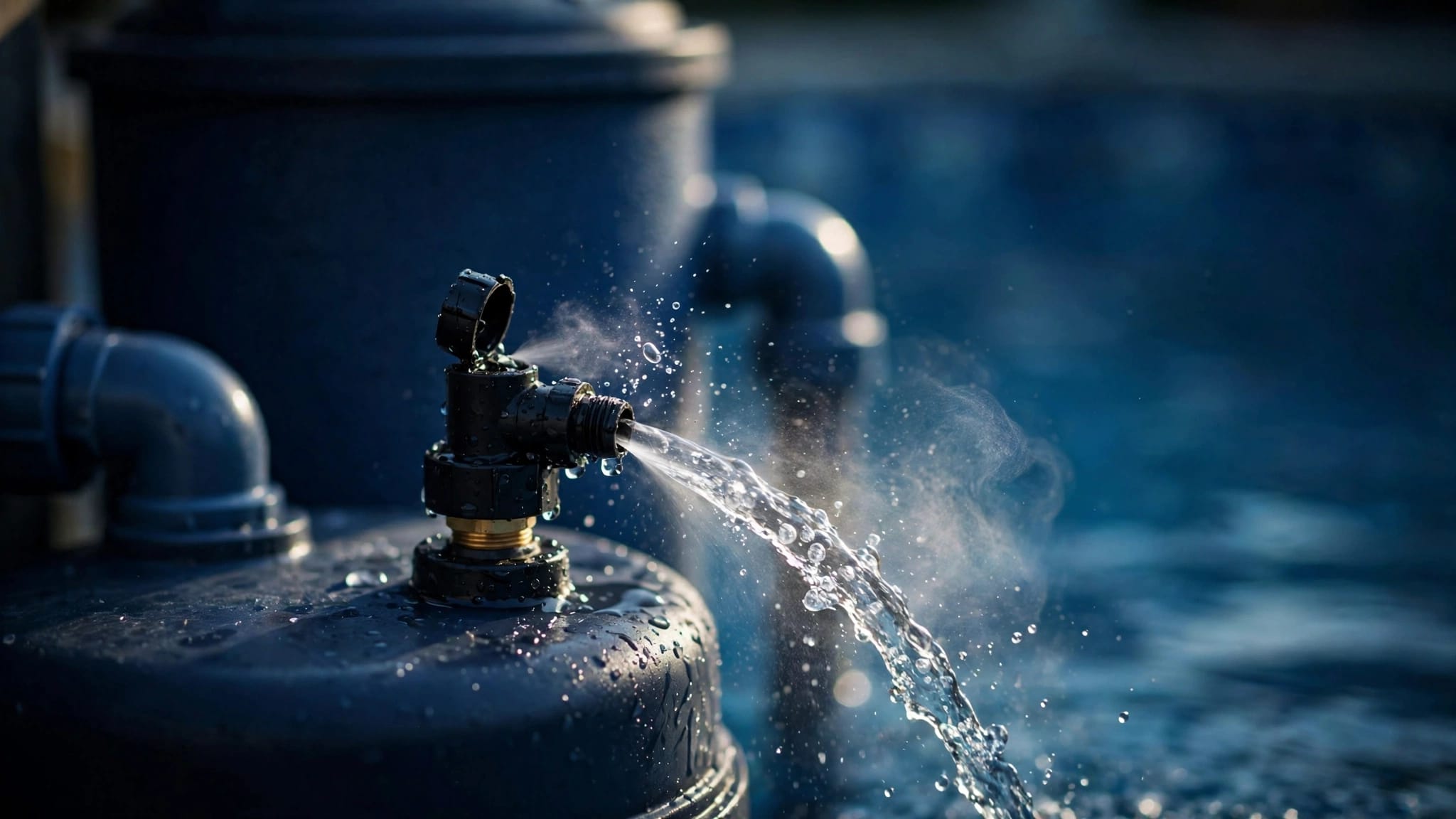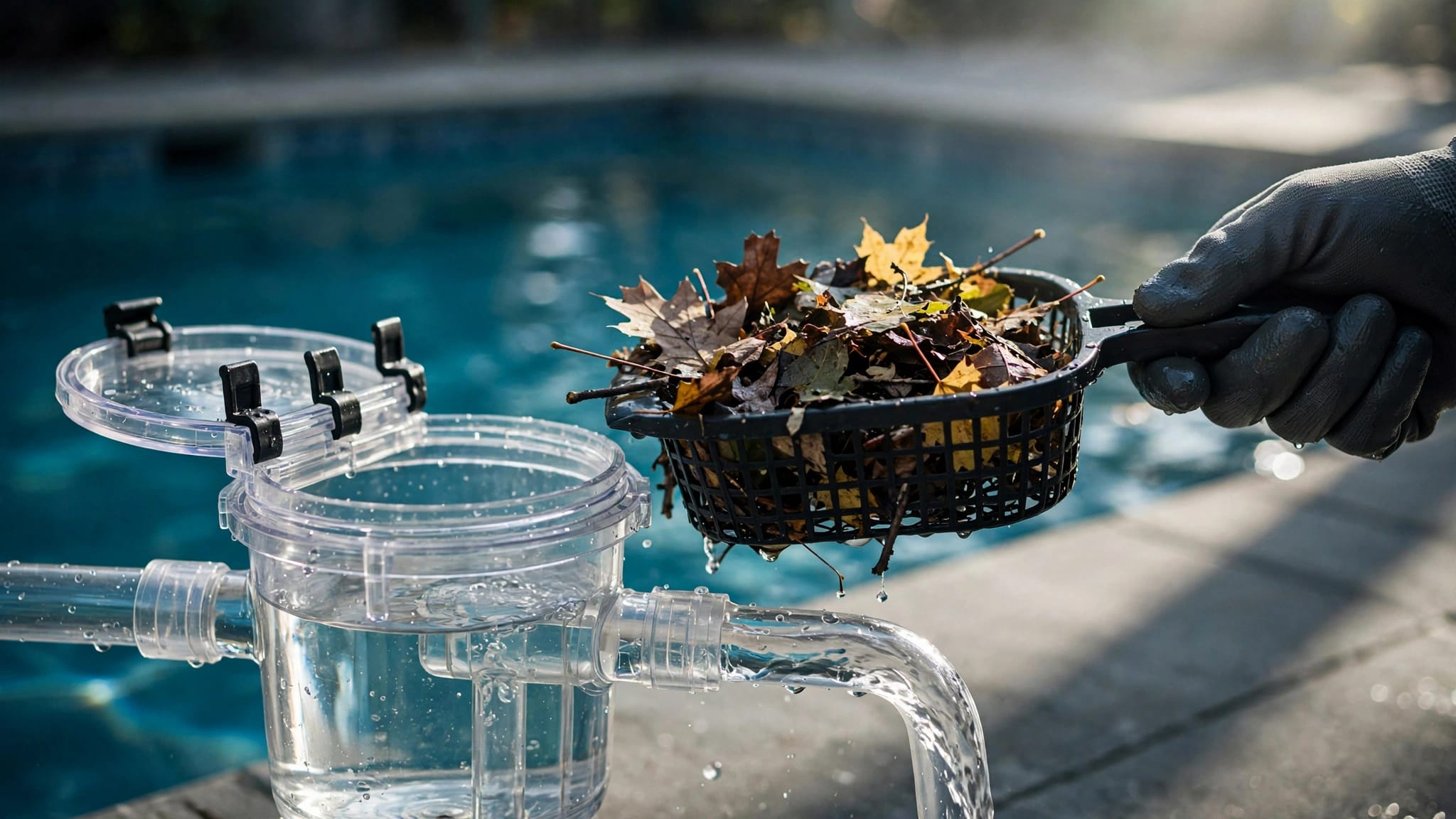
The right pump keeps your Cape Coral pool clear without wasting electricity or stressing the plumbing. Good pool pump sizing starts with water flow and resistance, not the horsepower number printed on the motor.
A pump that's too small may struggle with filtration, heating, or a spa spillover. An oversized pump can raise energy costs, create excessive pressure, and force more water through equipment than the system needs. The correct size comes from two calculations: required flow rate and total dynamic head.
Pool Pump Sizing: Start With Flow and Head
Pool pump capacity is measured in gallons per minute, or GPM. Total dynamic head, or TDH, measures the resistance the pump must overcome while moving that water through the circulation system.
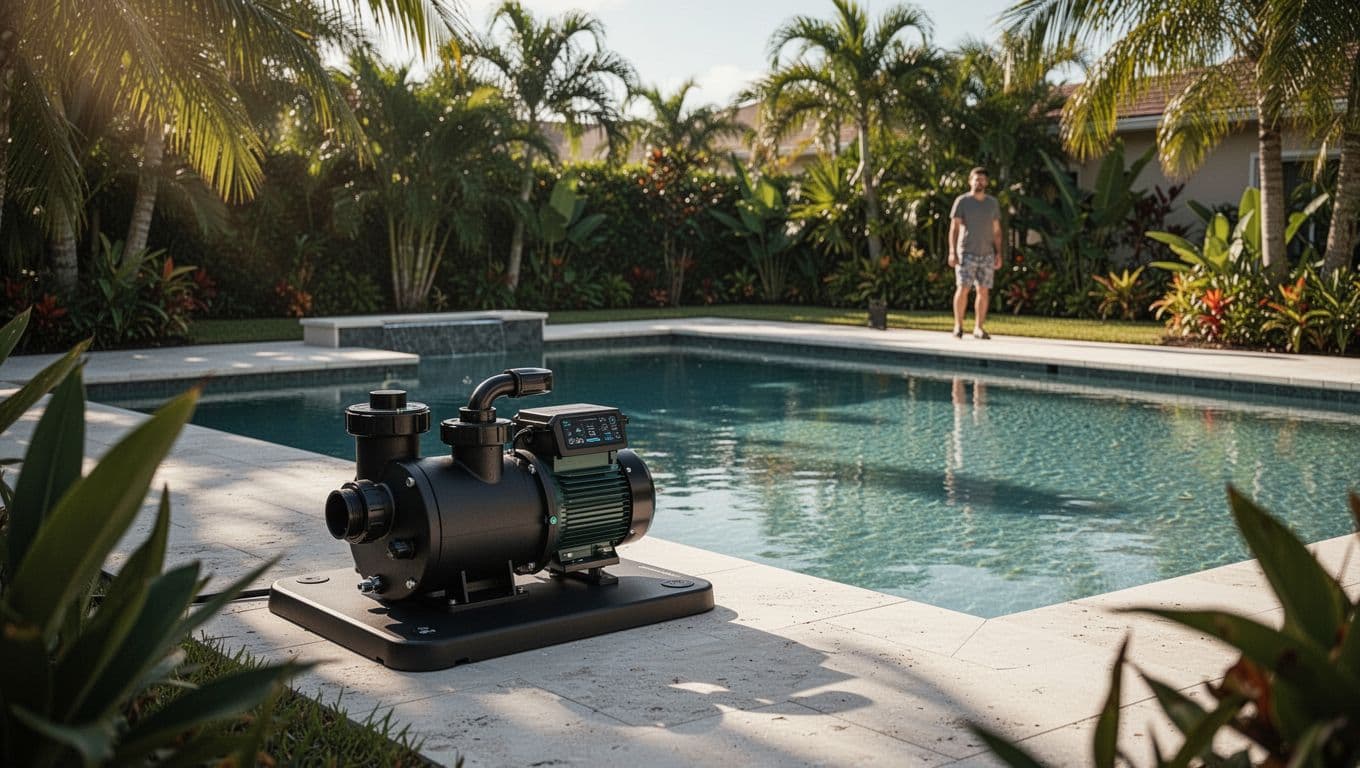
The pump must deliver the required GPM at the system's calculated TDH. A pump curve from the manufacturer shows whether a particular model can meet both requirements.
Horsepower alone doesn't provide that answer. Two pumps with the same horsepower can produce different flow rates because of differences in impeller design, motor efficiency, plumbing, and internal hydraulics. A 2-horsepower pump isn't automatically better for a residential pool than a 1.5-horsepower model.
A pump's advertised flow rate means little without the head pressure at which that flow occurs.
Required flow rate
The first number comes from the pool's water volume and the desired turnover time. One turnover means circulating a volume of water equal to the pool's total gallons. It doesn't mean every gallon gets filtered perfectly once, but it provides a useful design reference.
Use this formula:
Required flow rate (GPM) = Pool volume (gallons) / Turnover time (hours x 60 minutes)
A residential pool may use an initial design target of one turnover in 8 to 12 hours. The right target depends on the pool design, local requirements, filtration equipment, and how the system will operate.
Total dynamic head
TDH includes resistance throughout the circulation path. The calculation may include:
- Pipe length and diameter
- Elbows, tees, unions, and valves
- The filter's pressure loss
- A heater, salt chlorine generator, or heat pump
- Water features, suction cleaners, and spa plumbing
- Elevation changes where they affect the system
- The pump's location in relation to the pool
Smaller pipes and long plumbing runs create more friction. A screen enclosure doesn't change the pump's hydraulic needs, but its roof, posts, and equipment-pad location can affect where plumbing runs and how much pipe the builder installs.
For a new pool or major renovation, review the pipe sizes and equipment layout before construction begins. Planning pool plumbing upgrades during renovation can prevent a pump upgrade from being limited by undersized plumbing later.
Calculate the Pool's Required Flow Rate
Start with an accurate estimate of the pool's gallons. For a rectangular pool with a consistent depth, use:
Pool volume (gallons) = Length (feet) x Width (feet) x Average depth (feet) x 7.48
The average depth matters when the floor slopes. Add the shallow and deep measurements, then divide by two for a basic estimate. Freeform pools, tanning ledges, benches, and attached spas need a more detailed volume calculation.
Consider this labeled example:
- Assumption: 32-foot pool length
- Assumption: 16-foot pool width
- Assumption: 4.5-foot average depth
- Conversion: 7.48 gallons per cubic foot
- Calculation: 32 x 16 x 4.5 x 7.48 = 17,234 gallons, rounded
If the design target is one turnover in 10 hours:
17,234 gallons / (10 hours x 60 minutes) = 28.7 GPM
The circulation system would need about 29 GPM for that turnover target before accounting for other operating demands. At an 8-hour target, the calculation becomes 35.9 GPM. At 12 hours, it becomes 23.9 GPM.
Those numbers don't automatically identify the pump model. The pump must produce the selected flow at the system's TDH. The filter must also support the intended flow without exceeding its rated capacity.
Account for attached spas and water features
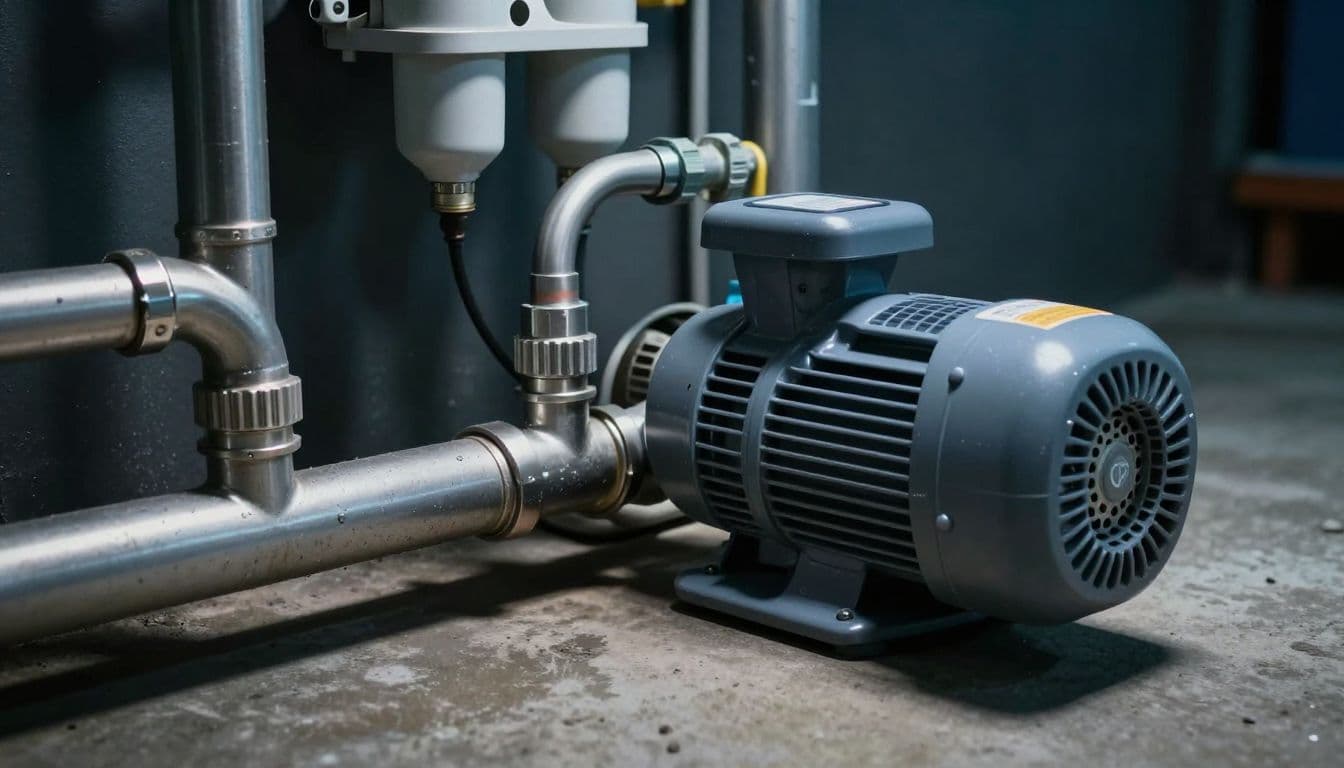
A pool with an attached spa may need more than one operating flow. Normal pool filtration could need roughly 30 GPM, while spa therapy jets, a spillover, or a raised wall may require a higher rate.
Waterfalls, deck jets, laminars, and bubblers also have their own flow requirements. A designer should calculate each feature according to its nozzle or manufacturer's specifications, then determine whether the system will run those features separately or at the same time.
A heater can add resistance and may require a minimum flow rate to operate. A salt chlorine generator also has a specified flow range. The system needs to satisfy the equipment with the highest active demand, not only the base pool turnover calculation.
When the pool includes several modes, a variable-speed pump can run at one speed for routine filtration and a higher speed for heating or water features. That approach may reduce energy use while giving each function the flow it needs.
Select the Pump Using the Manufacturer's Curve
Once you know the target GPM and estimated TDH, compare pump curves. The correct pump is the model whose curve shows the required flow at your system's resistance.
For example, assume the following labeled design conditions:
- Required flow: 35 GPM
- Estimated TDH: 50 feet
- Operating mode: pool filtration with heater available
The pump curve must show at least 35 GPM at 50 feet of head. A pump that produces 35 GPM at 20 feet may fall short in the actual installation. A model that produces 70 GPM at 50 feet may be larger than necessary unless another feature requires that capacity.
Manufacturers publish curves for individual pump models. A pool professional can compare that curve with the filter's flow rating, pipe diameter, heater requirements, and valve arrangement. This review is more reliable than matching a replacement pump to the old horsepower label.
Why horsepower can mislead homeowners
Horsepower describes motor power, not the final flow delivered to your pool. Total horsepower, service factor, impeller size, and motor speed all affect the number. Labels also differ between brands, so a direct horsepower comparison may produce the wrong result.
High flow can create problems when the plumbing and filter can't handle it. Excessive pressure can shorten equipment life, increase filter cleaning frequency, and waste power. A pump that runs at a lower speed for longer periods may filter effectively while using less electricity than a single-speed pump.
Variable-speed pumps for Florida pools
Variable-speed pumps let you set different speeds for different tasks. Lower speeds typically support routine circulation and filtration. Higher speeds can support priming, heating, spa operation, or water features when the system requires additional flow.
The pump still needs correct plumbing and programming. Running a variable-speed pump at its maximum setting doesn't fix an undersized pipe, clogged filter, or poorly designed feature line.
If an older pump is failing, compare repair and replacement costs before ordering a larger motor. This pool equipment repair versus replacement guide can help you consider motor condition, energy use, and the age of the complete system.
Cape Coral Factors That Affect Pump Selection
Cape Coral backyards often combine pools with screen enclosures, tanning ledges, attached spas, heaters, salt systems, and decorative water features. Each addition can change the required flow or TDH.
A screen enclosure can reduce large debris, but wind-driven leaves, rain, and landscaping still affect filter loading. A dirty filter increases resistance, so the pump may need to run longer as pressure rises. Cleaning the filter according to its condition helps the system stay close to its design performance.
The equipment pad also deserves attention. Keep the pump, filter, electrical components, and connections where service workers can reach them without moving landscaping or deck materials. The pad should remain protected from standing water, and plumbing should avoid unnecessary bends and long runs.
Pool renovations create another opportunity to correct sizing problems. Resurfacing alone may not change pump needs, but adding a spa, heater, automation, new returns, or a water feature can. In those cases, calculate the new hydraulic demand before choosing replacement equipment.
Electrical and permit requirements can also apply when a project changes pool equipment, plumbing, or wiring. Review the Cape Coral pool renovation permit requirements and have the project assessed before work starts.
Safety Checks Before Installation
Pool equipment combines water, electricity, pressure, and chemicals. Electrical work should be handled by a qualified professional who can verify bonding, grounding, circuit protection, disconnect access, and compatibility with the existing equipment.
Don't replace a pump by copying the old model's horsepower. Have the installer check the pump curve, pipe sizes, filter rating, heater flow requirements, valves, and suction conditions. A change in equipment may also require plumbing modifications or a control-system update.
Before the pump runs, the system should be filled and primed according to the manufacturer's instructions. Never operate a pump without adequate water flow. Keep the strainer lid properly secured, and shut off power before opening the pump, filter, or other equipment.
Watch for warning signs after installation, including air bubbles returning to the pool, a pump that loses prime, unusual noise, leaks, high filter pressure, or weak returns. These problems can point to an air leak, blockage, valve position, or sizing issue.
Conclusion
Accurate pool pump sizing depends on the required flow rate and total dynamic head. Calculate the pool's gallons, account for the desired turnover time and special features, then use the manufacturer's pump curve to match flow with system resistance.
Horsepower is only one detail. For a Cape Coral pool, the right choice must also fit the plumbing, filter, heater, salt system, spa, water features, and electrical setup. If you're planning a new pool or equipment upgrade, Get a Free Estimate for an on-site review before selecting the pump.