Yes, most pool remodels in Cape Coral need permits , but the exact answer depends on the scope of work. A simple cosmetic refresh may stay outside the permit process, while changes to the shell, plumbing, electrical system, or safety barriers usually bring permits into play.
That matters because a remodel can look small from the patio and still count as regulated work. If your project changes how the pool functions, drains, lights, or enclosure work, the city may want plans and inspections before anyone starts.
The safest way to read the rules is to match the permit question to the work you actually want done.
How Cape Coral usually treats pool remodels
Cape Coral does not look at every pool project the same way. A pool remodel that changes structure, equipment, or safety features usually gets more review than a surface-only update.
That review is there for a reason. Permits help the city confirm the work matches code, and inspections help catch problems before the deck gets closed up or the equipment gets buried behind fresh finishes.
If the job changes how the pool is built or used, assume the city may want a permit.
If your project includes deck updates, equipment swaps, or a major finish change, it helps to talk with a contractor who handles professional pool renovation services. A good contractor can help you separate cosmetic work from permit-triggering work before the project starts.
Projects that usually trigger permit review
The permit question gets much easier once you break the remodel into parts. If the work touches plumbing, electrical, structural, or safety items, the answer is often yes.
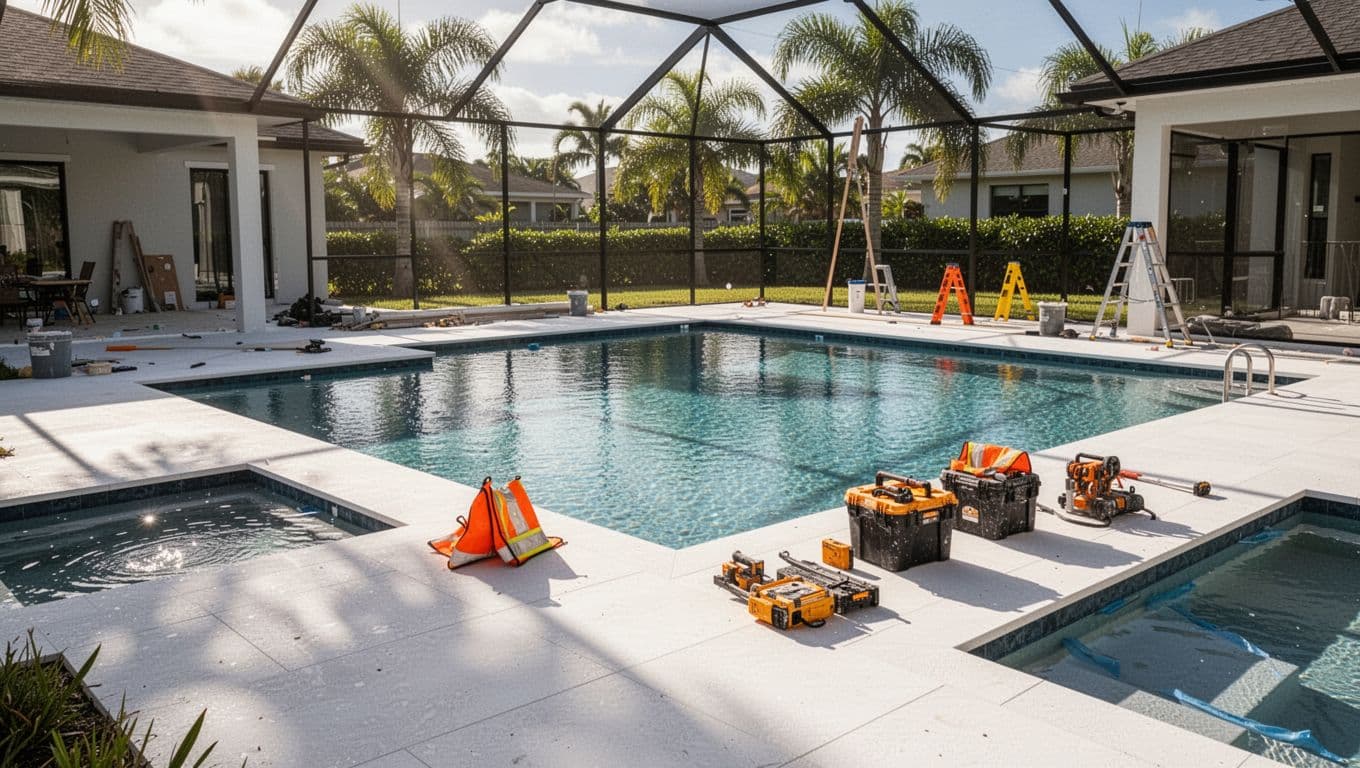
Here's a quick look at common remodel items and how they usually land.
| Remodel item | Permit likely? | Why it matters |
|---|---|---|
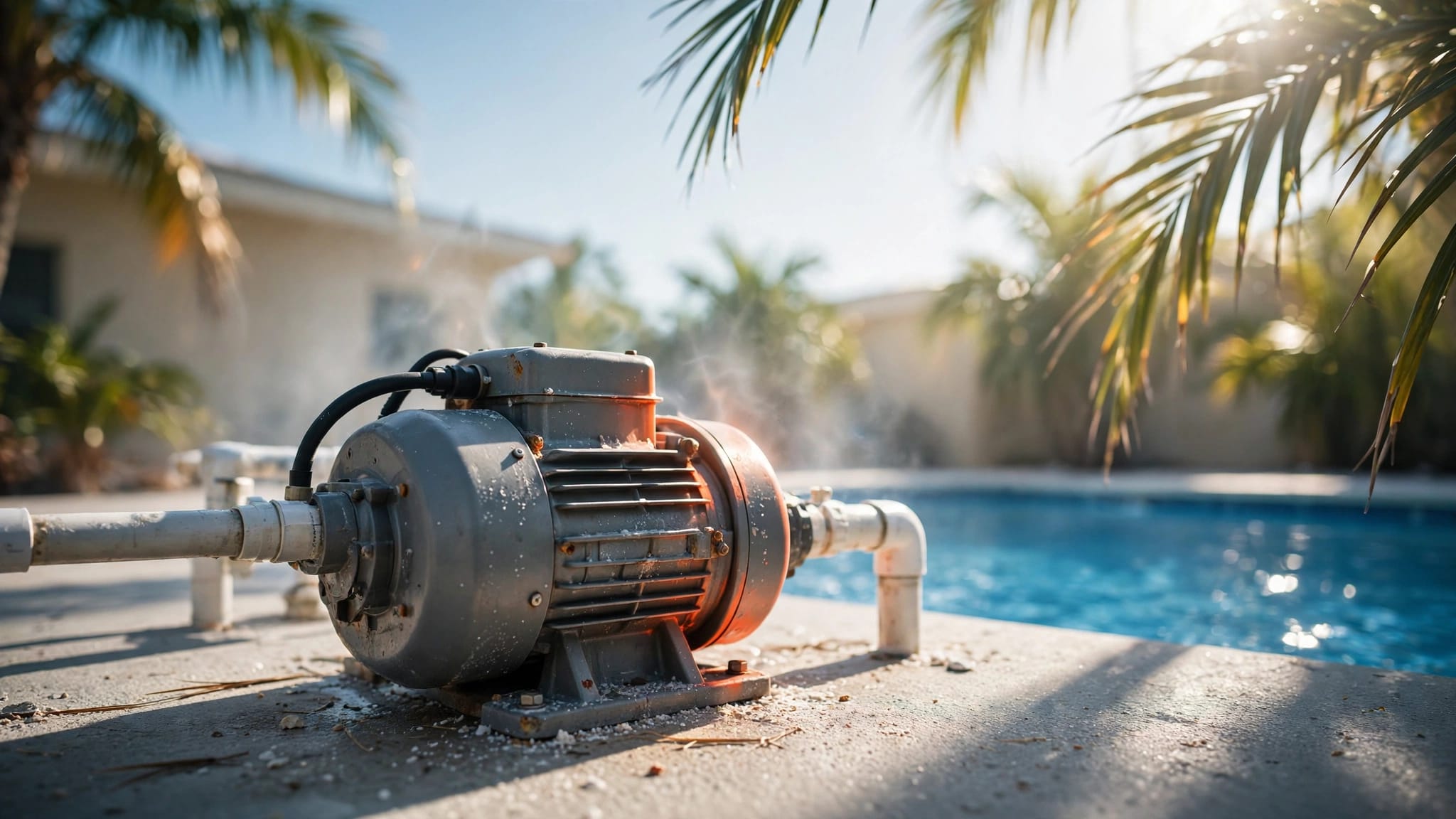
| New pump, heater, or pool light | Yes | Equipment work often involves electrical or mechanical changes. |
| New plumbing, drains, or water lines | Yes | Plumbing changes usually need review and inspection. |
| Moving steps, walls, or the shell | Yes | Structural work affects safety and code compliance. |
| Adding a spa, waterfall, or automation | Yes | These upgrades often involve both plumbing and electrical work. |
| New or changed safety barrier or screen enclosure | Often yes | Barrier work may need its own permit application. |
| Painting or small cosmetic tile replacement | Often no | Surface-only work may not need a permit if systems stay untouched. |
The main pattern is simple. If the work reaches beyond the surface, expect the city to ask questions. If it stays cosmetic, the process may be lighter.
Cosmetic updates are a different story
Many homeowners start with a refresh, then discover the project can stay small if they keep the scope tight. Repainting the pool, swapping a few tiles, or updating a finish without touching plumbing or wiring may not call for a permit.
That said, it's easy to cross the line by accident. A tile job can turn into plumbing work if drains move. A new light can turn into electrical work. A shell repair can turn into a structural review.
If you're trying to decide whether your project is a finish update or a full redesign, difference between pool remodeling and resurfacing is a helpful place to start. The distinction matters because a resurfacing job often stays simpler, while a remodel can bring in more trades and more approvals.
The same idea applies to enclosure work. A basic rescreen may be simple, but changes to the frame, barrier, or layout can trigger a separate look from the city. When in doubt, ask before the first panel comes down.
Why inspections matter
Permits are only part of the process. Inspections are what confirm the work was done correctly and safely.
A permit gives the city a chance to review the plan. An inspection checks the finished work. Both matter because pool projects mix water, electricity, and safety equipment, which is a bad place for guesswork.
A permit is the paperwork. The inspection is the checkpoint that helps keep a small mistake from becoming an expensive one.
Skipping permits can cause real problems later. The city can require corrections, and that can mean delays, added labor, or even opening finished work back up. It can also create headaches when you sell the home, because buyers often ask for proof that major work was approved.
There's another detail many homeowners miss. In Cape Coral, the pool permit and the safety barrier permit can be separate applications. So if your remodel includes a fence, screen enclosure, or other barrier work, don't assume the pool permit covers everything. Electrical and plumbing work may also need their own permits.
That is why a licensed local contractor matters. A good contractor knows which parts of the job need review, which ones need inspections, and which ones can move ahead without extra paperwork.
How to move forward without delays
A little planning at the start saves time later. Use the scope of work as your guide, then confirm the permit path before demolition begins.
- Write down every part of the project. Include surface changes, equipment, plumbing, electrical, and any enclosure work.
- Ask the City of Cape Coral permitting department, or a licensed local pool contractor, whether those items need permits.
- Separate the work into categories. Pool structure, electrical, plumbing, and barrier work may each follow different rules.
- Wait for approval before starting. Once the permit is issued, schedule inspections as the job moves along.
That approach is especially useful if you're still deciding between a simple refresh and a bigger remodel. Clear scope leads to clearer permit answers, and clearer permit answers lead to fewer delays.
If you want help sorting out your project before you commit, Get a Free Estimate and ask for an on-site look at the work. A quick walkthrough can show whether the job is mostly cosmetic or whether it will likely need city approval.
Conclusion
The short answer is yes, pool remodel permits are often part of the process in Cape Coral. The real answer depends on what changes you're making, because cosmetic updates and structural or system changes fall into very different categories.
If the remodel touches plumbing, electrical, safety barriers, or the pool shell, assume permits may be required. If the work is surface-only, confirm the details before you start so you don't get surprised later.
When the scope is clear, the permit question gets a lot easier. A quick check now can save time, money, and a lot of backtracking later.