A new pool should bring years of enjoyment, not a recorded claim against your property. Yet Florida pool contractor liens can affect homeowners when a builder, subcontractor, or supplier says it hasn't been paid.
Florida's construction lien rules are strict, and the risk doesn't end when you pay the contractor listed on your agreement. Careful contracts, payment records, lien releases, and prompt responses to notices can help protect your home during pool construction, renovation, resurfacing, or screen-enclosure work.
Understanding Florida pool contractor liens before work begins
A construction lien is a legal claim for unpaid labor, services, or materials used to improve real property. In a pool project, the claim may involve excavation, concrete, steel, plumbing, electrical work, tile, equipment, decking, or an enclosure.
If a lienor records a valid claim, the lien can burden the property title. It may complicate a sale, refinance, or future home-equity transaction. In some cases, the lienor can file a foreclosure action to seek payment from the property itself.
A Notice to Owner is often the first warning. It isn't a lien, and receiving one doesn't prove that money is owed. However, it tells you that a subcontractor or supplier may have lien rights and expects payment from the project.
A subcontractor or supplier that doesn't have a direct contract with you generally must serve a Notice to Owner within 45 days after first furnishing labor, services, or materials. The rules contain important service and timing requirements, so homeowners shouldn't assume that an incorrectly addressed notice is harmless.
The contractor working directly under your agreement may have lien rights without serving a Notice to Owner. Paying that contractor also may not eliminate every risk if other project participants remain unpaid.
Florida Statutes Chapter 713 generally gives a lienor 90 days after its final furnishing of labor, services, or materials to record a claim of lien. That deadline can depend on the facts, and a claim usually must be enforced within one year after recording unless a statutory notice shortens the period. Those deadlines matter because ignoring a recorded claim can make the dispute harder to resolve.
Put the right protections in your pool contract
A written contract gives you a paper trail before money changes hands. It should identify the contractor's complete legal business name, Florida license information, physical address, scope of work, total price, payment schedule, allowances, estimated completion date, and change-order process.
Ask who will perform major parts of the project. The agreement should address subcontractors and material suppliers, including how the contractor will provide updates about parties working on your property.
Your payment schedule should connect each draw to a clearly described stage of work. For example, a payment might become due after a specified inspection or installation milestone, rather than on a vague calendar date. Avoid paying large amounts ahead of completed work unless the contract clearly explains the reason and the protection you receive.
Change orders deserve the same care as the original agreement. Require written approval that identifies the added work, revised price, and effect on the schedule. A text message may help document a conversation, but a signed change order creates a stronger record.
Before signing, confirm that the company and the person qualifying the business hold the required Florida license. The Florida Department of Business and Professional Regulation provides a license search tool. Match the license information to the legal name on the contract, not only the company's marketing name.
Also request current certificates for general liability and workers' compensation coverage. Check the named insured, policy dates, and carrier information. A license or insurance policy doesn't guarantee that every subcontractor will be paid, but verifying both helps you choose a properly established contractor.
Homeowners in Cape Coral should also review local requirements before work starts. The Cape Coral pool permits guide explains permit issues that can affect pool projects. Permit compliance and lien protection are separate concerns, so keep both files organized.
Manage payments, joint checks, and lien releases
Payment records are among the most useful protections a homeowner can create. Keep the signed contract, approved plans, estimates, invoices, change orders, inspection records, delivery tickets, emails, texts, canceled checks, and bank confirmations in one project folder.
Before each progress payment, ask the contractor for an updated list of subcontractors and suppliers. If someone has sent you a Notice to Owner, ask how that party will receive payment and request supporting documentation.
A joint check may be appropriate when a known subcontractor or supplier has provided materials or labor and payment needs extra confirmation. The check can name both the contractor and the specific party owed. Coordinate the arrangement in writing, and keep proof that the payment was received and credited to your project.
A joint check isn't a substitute for a lien release. You still need releases that match the payment amount and period covered.
Florida lien releases are commonly handled in two stages:
- A conditional release can apply to a payment once the check clears or another stated condition occurs.
- An unconditional release confirms payment without that condition, so it should be signed only after the funds have cleared and the release accurately describes the payment.
Before final payment, collect final releases from the direct contractor and known subcontractors or suppliers. Don't rely only on the contractor's statement that everyone has been paid. Ask for releases from the parties identified in Notices to Owner, invoices, sworn statements, or project records.
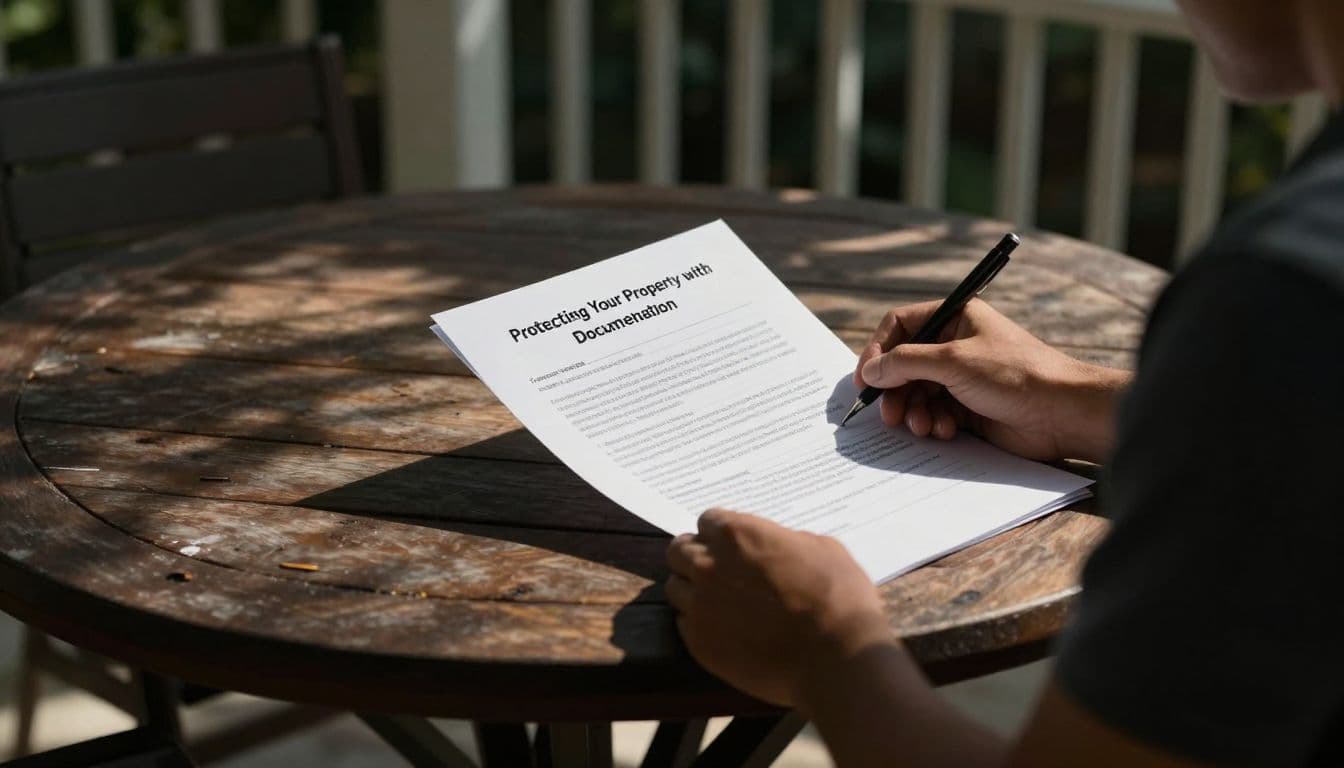
The release should identify the property, the project, the party giving the release, the payment covered, and whether the release is conditional or final. If the wording is broad or confusing, have a Florida construction-law attorney review it before you sign or pay.
Keep records after the pool is complete. Store releases, payment proof, permit closeout documents, and the final contract with your property records. A clean file can answer questions months later if a supplier's invoice or lien notice appears unexpectedly.
What to do after receiving a Notice to Owner
A Notice to Owner requires attention, but it doesn't mean you should panic or pay an unknown party immediately. Start by identifying the sender, the contractor named in the notice, the property address, the first furnishing date, and the type of labor or materials described.
Then compare the notice with your contract and project records. Confirm whether the sender actually worked on or supplied materials for your pool. Ask the contractor for a written explanation, current account information, and proof of payment or an agreed payment plan.
Don't make another payment based only on a verbal promise that the issue has been handled. Instead, document who will receive the money, how much applies to your project, and what release you will receive afterward.
If the sender records a claim of lien, check the public records for the county where the property sits. Cape Coral properties are generally in Lee County. Save a complete copy of the recorded claim, including its recording information, and preserve the envelope or delivery details for any related notice.
A Florida attorney can evaluate whether the claim meets statutory requirements, whether the amount is accurate, and whether a response or legal action is needed. Depending on the dispute, possible solutions may include direct payment, a negotiated release, a bond, a lien contest, or a court filing. The right choice depends on the documents and deadlines.
A Notice to Owner is an early warning, not proof that the contractor has breached your agreement. Treat it as a deadline for better records and clearer payment controls.
Common mistakes that increase lien risk
Several payment habits create avoidable problems during pool construction.
Paying the full contract price too early can leave you with little control over unpaid subcontractors or suppliers. Use progress payments tied to completed work and preserve enough funds for final documentation.
Assuming the general contractor handles everything can also create trouble. Ask who supplied major materials and who performed the work. A contractor's promise to pay others is helpful, but releases and payment evidence provide stronger protection.
Signing an unconditional release before funds clear is another common mistake. The release may say that payment has been received even when the check later fails or a transfer is reversed.
Ignoring small invoices can allow a minor dispute to grow into a recorded claim. Promptly compare the invoice with the scope of work, communicate in writing, and involve counsel if the parties disagree.
Finally, don't confuse a permit, inspection approval, or certificate of completion with proof that the project is financially settled. Those records show regulatory progress. They don't replace lien waivers, releases, and payment records.
Protecting your property while choosing a pool contractor
Florida pool contractor liens are easier to manage when documentation begins before excavation. Use a detailed written agreement, verify the contractor's license and insurance, ask about project participants, and connect every payment to completed work.
Keep Notices to Owner, request conditional releases during construction, use joint checks when appropriate, and collect final releases after the last payment clears. If a notice or lien arrives, preserve the documents and speak with a qualified Florida construction-law attorney before relying on a deadline assumption or signing a release.
This article provides general information, not legal advice. A Florida construction-law attorney can review your contract, payment history, lien notices, and property-specific circumstances.
If you're comparing pool construction or renovation options in Cape Coral, you can Get a Free Estimate for an onsite project discussion. Careful paperwork won't replace good workmanship, but it helps keep your new backyard project from creating an unexpected title problem.