Pool pump motor overheating can turn a normal afternoon into a serious equipment concern. In Cape Coral, high outdoor temperatures, strong sun, humidity, salt air, and heavy pool use can place extra stress on a pump system.
The safest approach is simple: shut off power before any inspection, limit yourself to visible checks, and call a qualified professional when the motor smells hot, makes unusual noises, trips repeatedly, or shows electrical damage. Start by understanding the common causes.
Why a Pool Pump Motor Overheats
A motor usually overheats because it is working under abnormal conditions or cannot shed heat properly. Several problems can create similar symptoms, so appearance alone cannot confirm the cause.
Water flow problems increase motor strain
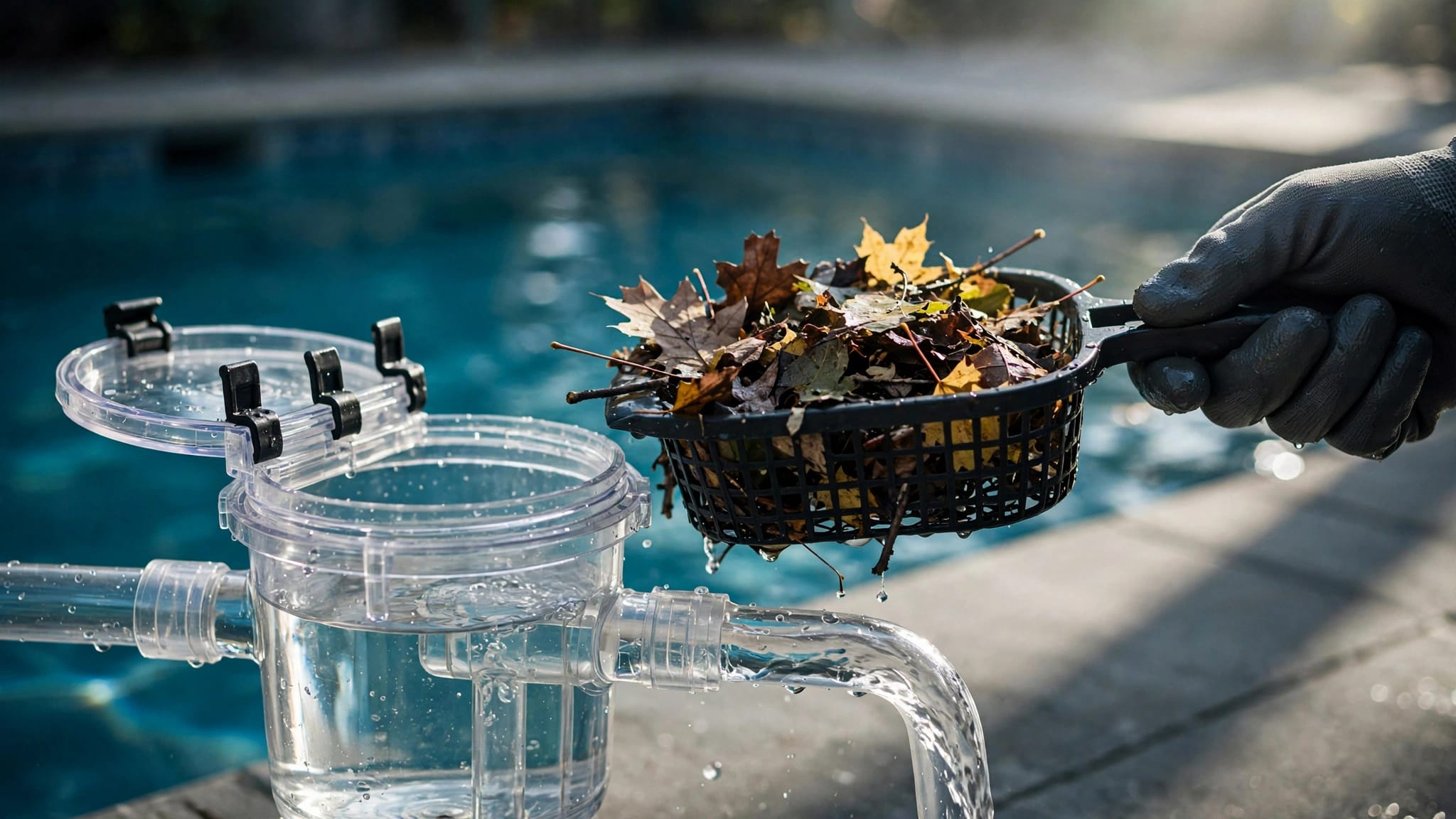
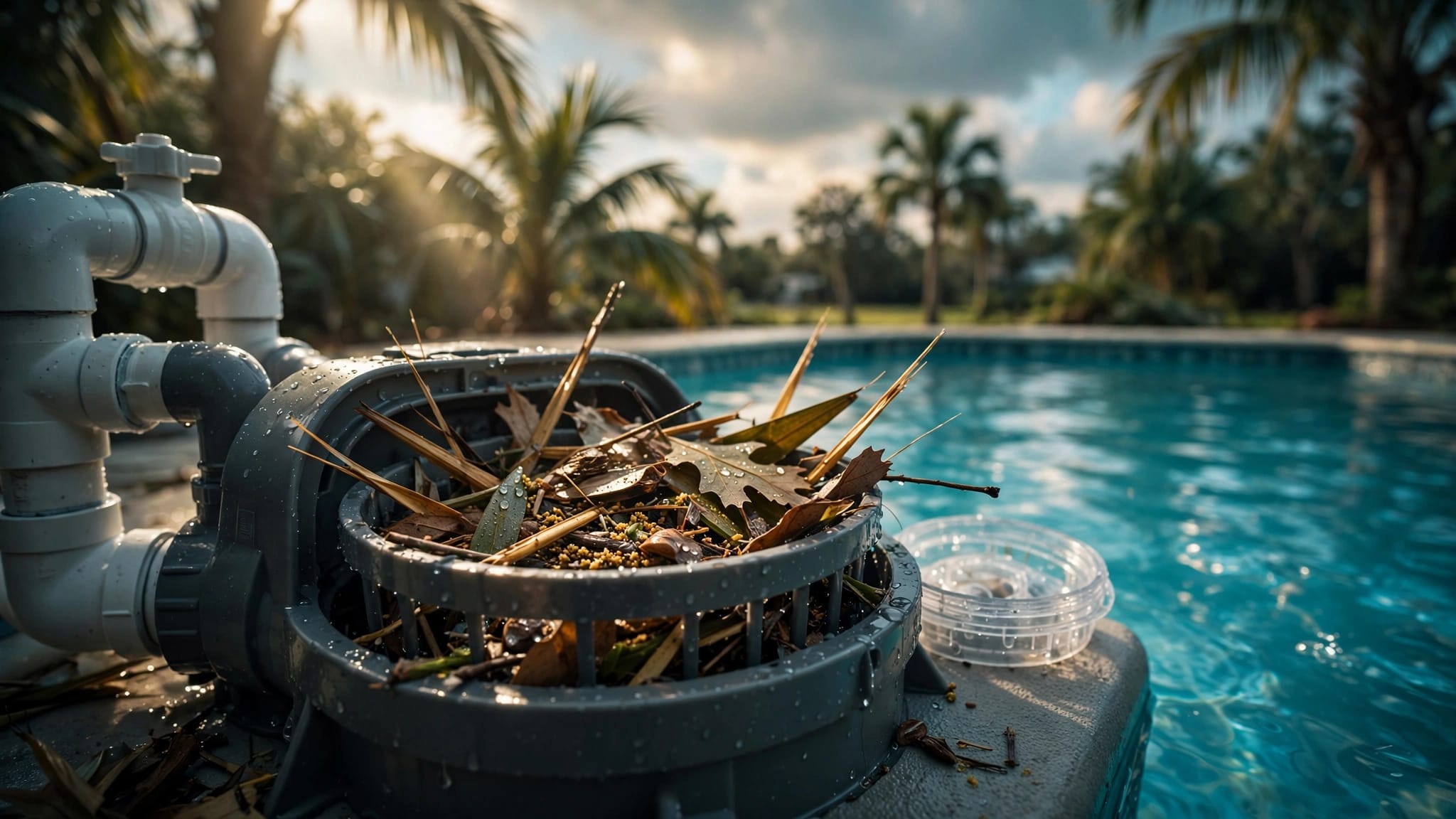
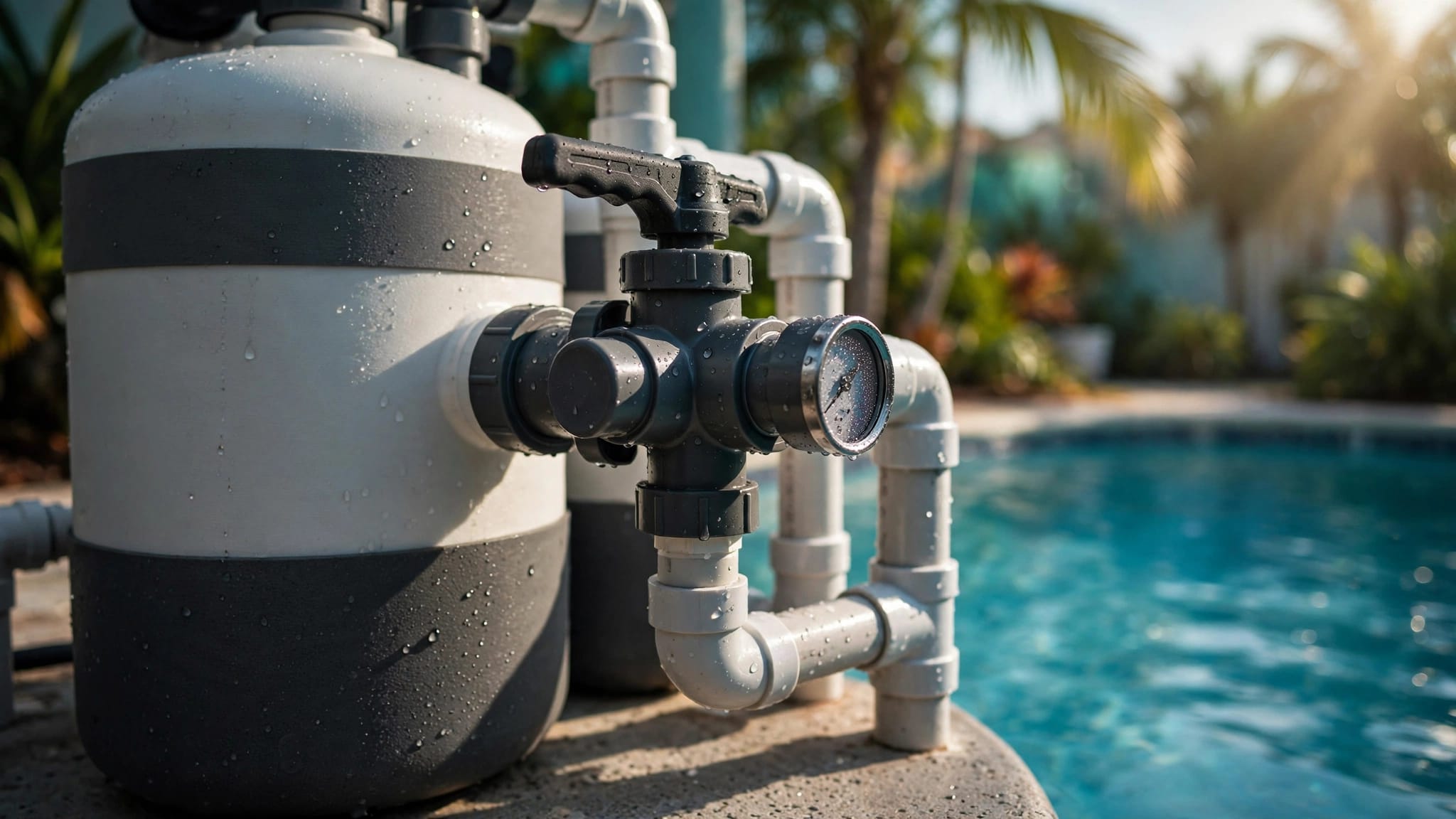
Restricted flow is one of the first areas a professional will review. A full skimmer basket, clogged pump basket, dirty filter, blocked suction line, or closed valve can reduce the water moving through the system.
Low pool water can also allow the skimmer to pull air instead of a steady supply of water. Air in the lines may cause poor circulation, loss of prime, or noisy operation. A failing check valve can create a similar pattern by allowing water to drain backward after the pump shuts off. The pump may then struggle to regain prime each time it starts.
These issues can make the pump sound different, run inconsistently, or overheat during repeated cycles. Homeowners should not assume that cleaning one basket has solved the problem if the motor continues to become excessively hot.
Heat, ventilation, and mechanical wear matter
A pump motor needs open airflow around its housing. Stored furniture, landscaping, panels, or other obstructions can trap heat near the equipment pad. Direct sun on a dark motor housing can add to the temperature, especially during a hot Cape Coral afternoon.
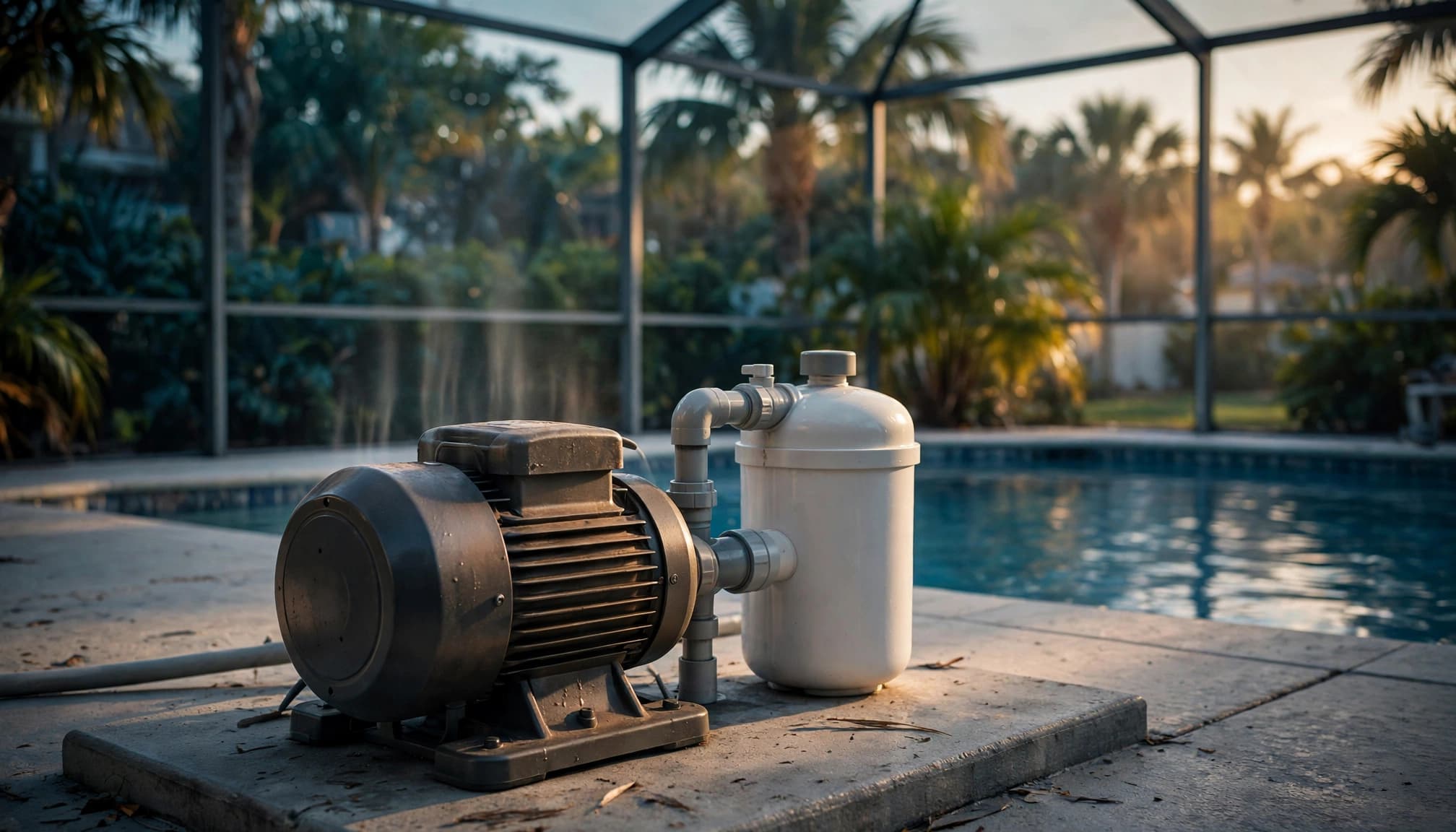
Worn bearings may also create friction inside the motor. A high-pitched whine, grinding sound, or rumble can point to mechanical wear that requires professional testing. Salt-air exposure can contribute to corrosion on exposed metal components and electrical hardware over time.
Electrical problems are another possibility. Incorrect voltage, damaged wiring, loose connections, a failing capacitor, or a problem with the motor itself can produce heat. Never open an electrical compartment to investigate these conditions.
Safe Checks Cape Coral Homeowners Can Make
A safe inspection starts at the disconnect or breaker. Turn off the pump's power before touching the equipment, and allow the motor to cool. If you cannot confirm that power is off, do not handle the system.
Check the water and visible flow conditions
With power off, look at the pool water level. Water should remain high enough for the skimmer to draw water without pulling air. If the level is low, correct that basic condition before operating the pump again.
You can also inspect the visible skimmer basket and pump basket if they are accessible and you can follow the equipment manufacturer's instructions. Remove leaves and obvious debris only after the system is off and the pump has cooled. Look for air bubbles, water leaks, cracked lids, or loose fittings around the plumbing.
A clean basket does not rule out a blocked filter, suction restriction, failing check valve, or internal pump problem. Stop the inspection if you see damaged components or feel unsure about the next step.
Know what you must not touch
Do not remove the motor cover, open the electrical compartment, test live wiring, or handle capacitors. Do not bypass a breaker, disconnect, thermal protector, or other safety device. Those parts protect people and equipment from shock, fire, and additional damage.
Never restart the pump repeatedly to see whether it will cool down. A motor that trips, hums without starting, or becomes hot again after a short run needs professional attention.
Warning Signs That Require Professional Help
Some symptoms should end a homeowner inspection immediately. Shut off power and arrange service when any of these conditions appear:
- A burning, melting, or sharp electrical smell comes from the motor or nearby equipment.
- The pump trips the breaker or shuts down repeatedly.
- You see scorched plastic, damaged insulation, corrosion, smoke, or melted connections.
- The motor makes grinding, squealing, rattling, or loud humming sounds.
- The pump loses prime repeatedly or fails to maintain steady circulation.
- The housing becomes too hot to approach safely.
- Water leaks near electrical components or enters the motor area.
A pump that keeps overheating has an unresolved problem, even if it starts working again after cooling down.
A qualified technician can separate water-flow problems from motor, bearing, capacitor, wiring, and control issues. That distinction matters because replacing a motor without correcting a blocked line or electrical fault may leave the same problem in place.
Cape Coral Heat, Salt Air, and Equipment Access
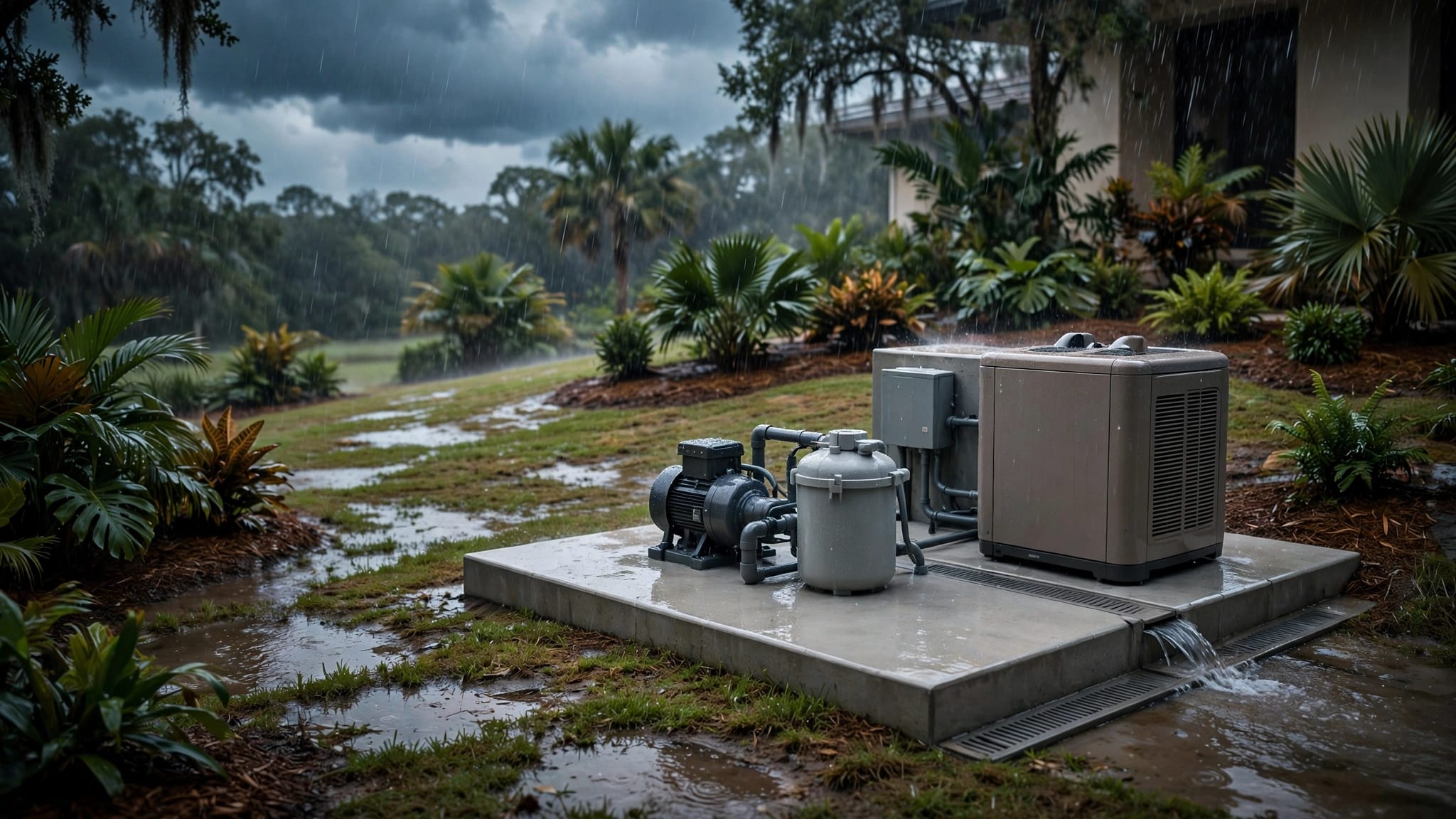
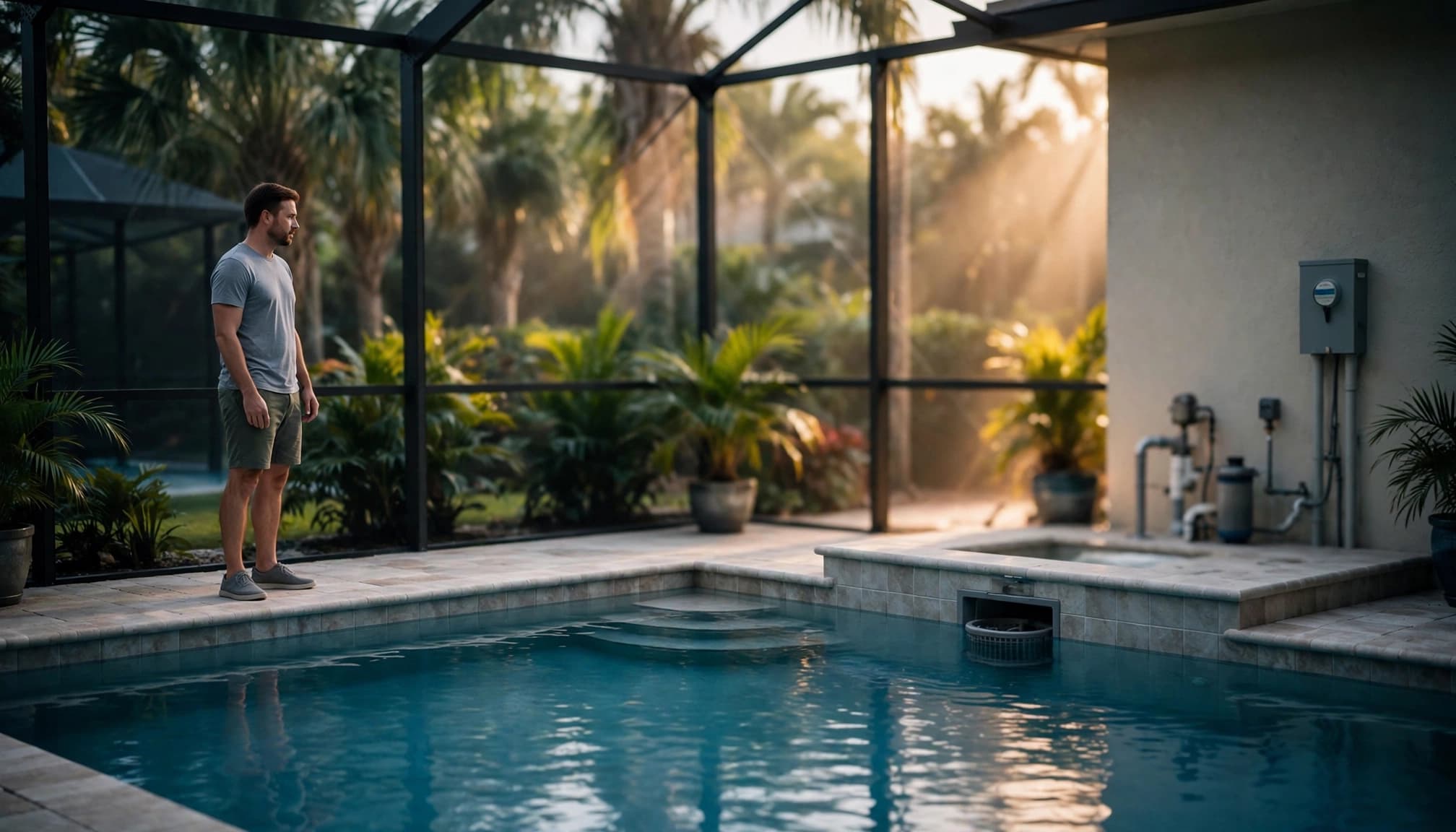
Cape Coral pool equipment often sits outdoors near a screened enclosure, patio, seawall, or canal-facing yard. That location exposes the system to sun, humidity, rain, airborne salt, leaves, and insects.
Keep the area around the motor clear so air can circulate. However, do not build an improvised cover around the pump that traps heat. Any permanent shade or enclosure should protect the equipment while preserving the airflow and access required by the manufacturer and local requirements.
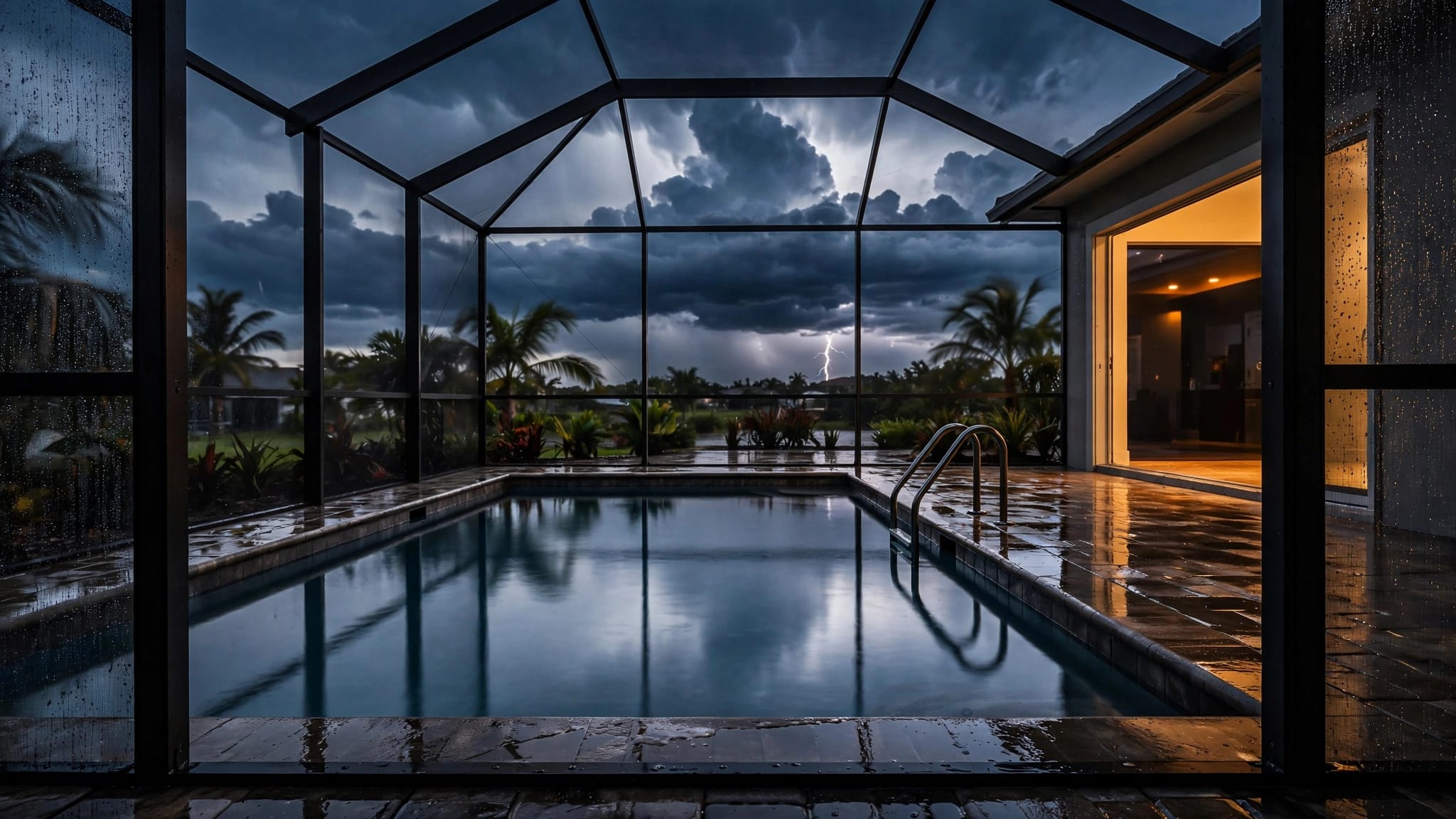
Screen enclosures can also affect service access. Posts, doors, and support lines may make it difficult to reach the filter, valves, or motor. Back Bay Pools' guidance on pool equipment placement in Cape Coral notes that lot layout, canal frontage, enclosure design, and current code or permit requirements can affect equipment location.
If a cage blocks the service route, avoid removing panels or forcing your way into a tight space around the equipment. A professional can assess whether the access problem requires a small adjustment, enclosure work, or a larger equipment relocation plan. Homeowners considering new screening can review Cape Coral pool screen enclosure installation before changing the equipment area.
Preventing Repeat Motor Overheating
Prevention starts with routine observation. Watch how the pump sounds, check whether water returns to the pool normally, and pay attention to changes after storms, landscaping work, or extended periods away from home.
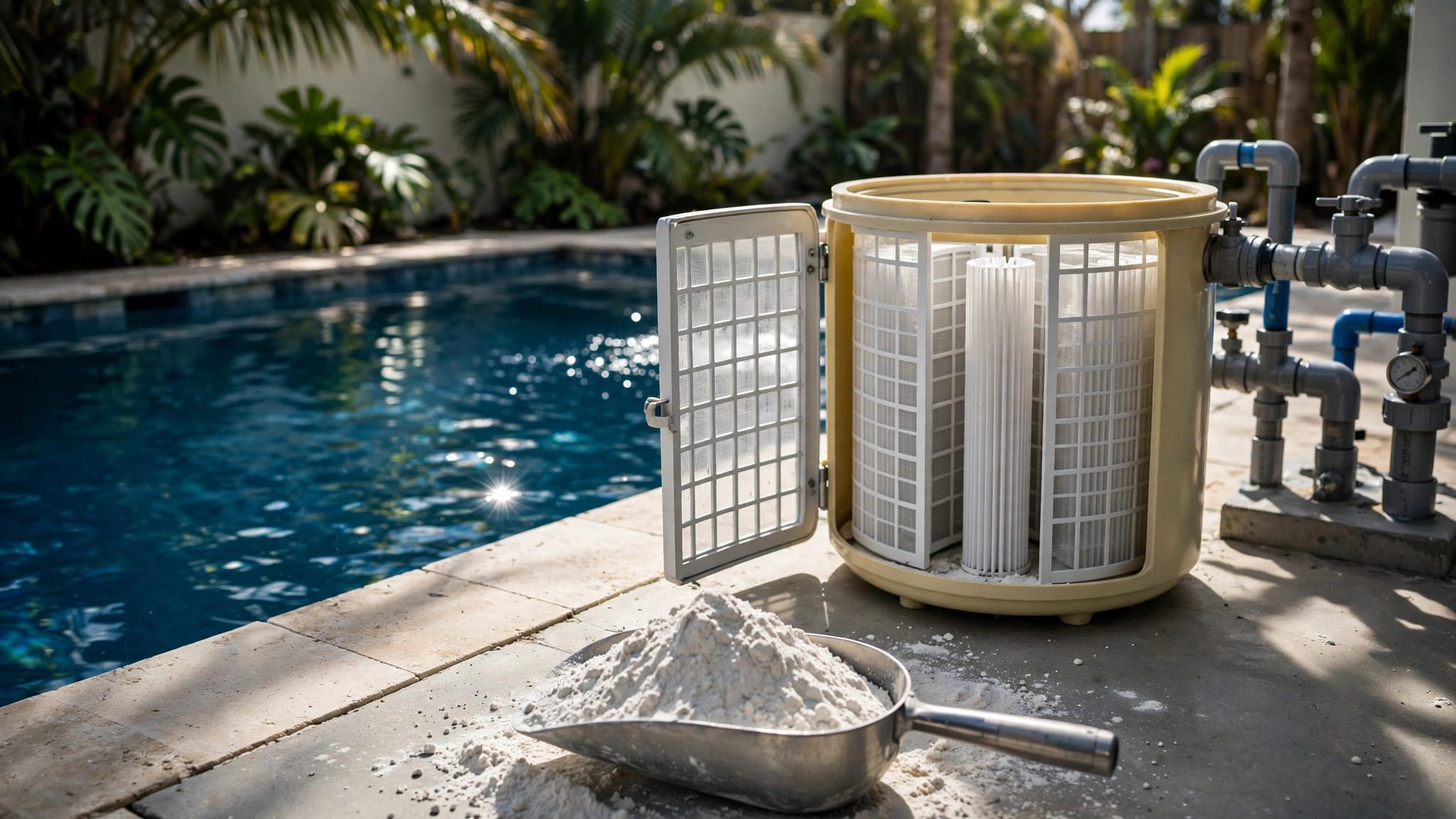
Keep visible baskets free of leaves and check the pool water level after heavy evaporation or a leak. Filters also need proper maintenance according to their type and the manufacturer's instructions. A dirty filter can restrict circulation, but cleaning the filter will not correct an electrical or mechanical fault.
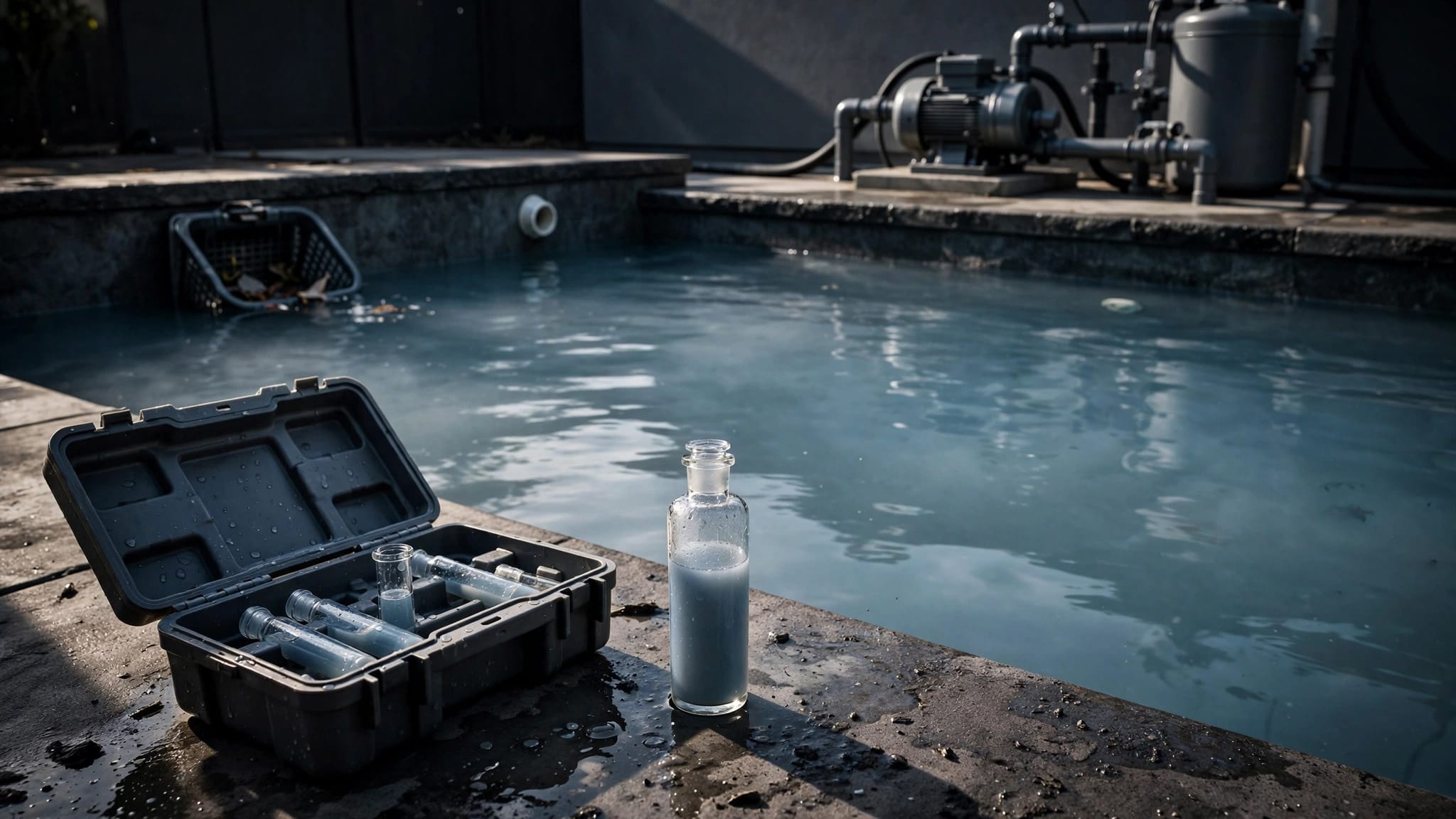
Saltwater pool owners should monitor water chemistry and chlorinator operation. Intense sun, warm water, summer rain, and frequent swimming can affect chlorine demand. A pool can look clear while sanitation falls out of range, so water testing remains part of responsible equipment care.
Keep leaves, storage items, and irrigation spray away from the motor. During a renovation, review the complete equipment layout rather than treating the pump as an isolated component. Back Bay Pools has more than 20 years of experience with Cape Coral pool renovations and resurfacing, which can be useful when aging equipment, access problems, decking, or enclosure changes overlap.
Questions to Ask During a Pump Inspection
A professional inspection should identify the source of the heat, not only confirm that the motor feels hot. Ask whether the technician checked the complete circulation path, including the skimmer, pump basket, filter, valves, plumbing, and return flow.
Also ask whether the symptoms point to a motor issue, bearing wear, a starting component, a control problem, or a restriction elsewhere in the system. Request a clear explanation of which parts need attention now and which conditions should be monitored.
If the pump has lost prime after every shutoff, mention that pattern. It may help the technician investigate a check valve, air leak, water-level issue, or another plumbing condition more efficiently.
When electrical faults are suspected, use a licensed or otherwise qualified professional who can test the system safely. Do not accept a recommendation to bypass a safety device or continue running equipment that shows signs of burning or damage.
Key Takeaways
- Turn off power before checking any pump, basket, filter, or plumbing area.
- Low water, clogged baskets, dirty filters, blocked lines, and check-valve problems can reduce water flow.
- Poor ventilation, direct heat, salt-air corrosion, and worn bearings can add stress.
- Electrical compartments, wiring, capacitors, and safety devices are not DIY inspection areas.
- Burning odors, smoke, repeated trips, unusual noises, and recurring overheating require professional service.
- Clear access around the equipment helps technicians inspect and maintain the system safely.
Pool Pump Motor Overheating FAQ
Can low pool water cause a pump motor to overheat?
Low water can allow the skimmer to draw air, which may reduce circulation and cause the pump to lose prime. Check the water level with the power off. If the pump continues to run poorly or overheat after the water level is corrected, stop using it and arrange a professional inspection.
Should I keep running the pump if the motor feels hot?
A warm motor does not identify the cause by itself, but excessive heat, a burning odor, loud noise, smoke, or repeated shutdowns means you should turn the system off. Repeatedly restarting it can worsen mechanical or electrical damage.
Can a clogged filter overheat the motor?
A clogged filter can restrict water flow and place more demand on the circulation system. Turn off power before checking the filter. Follow the filter manufacturer's instructions, and call a professional if pressure remains abnormal or the motor still overheats.
What does a bad check valve have to do with overheating?
A failing check valve may allow water to drain backward after shutdown. That can introduce air into the lines and leave the pump unable to maintain prime when it restarts. The resulting poor flow can contribute to overheating, but a technician should confirm the cause.
Does saltwater damage pool pump motors?
Salt-air exposure can contribute to corrosion around outdoor equipment, while a saltwater system adds its own water-chemistry considerations. Keep electrical components dry and protected. Have a professional inspect corrosion, damaged connections, or recurring heat before the problem spreads.
Conclusion
Pool pump motor overheating has several possible causes, including restricted flow, low water, blocked baskets, poor airflow, heat, salt-air exposure, worn bearings, and electrical faults. Safe homeowner checks can identify visible conditions, but they cannot replace electrical or mechanical testing.
Turn the power off, avoid opening electrical compartments, and treat repeated overheating as a service issue. For help with broader Cape Coral pool services, including equipment concerns connected to a renovation or enclosure project, Get a Free Estimate from Back Bay Pools. A timely inspection can protect the pump and keep your pool operating safely.