Pool equipment placement can make a backyard feel calm or crowded fast. In Cape Coral, the right spot has to work with setbacks, easements, drainage, noise, and the shape of your lot.
It also has to leave room for service, because a pump or heater tucked into a bad corner turns into a problem later. If you're planning a new pool or moving equipment during a remodel, the layout matters before the pad ever gets poured.
What usually decides the spot
The best location for pool equipment rarely comes down to one factor. It usually comes down to several at once.
Your property line is one of the first things to check. So is the utility easement. A survey shows where your yard ends, but the easement can reach farther than the fence line, and that can rule out an otherwise good spot.
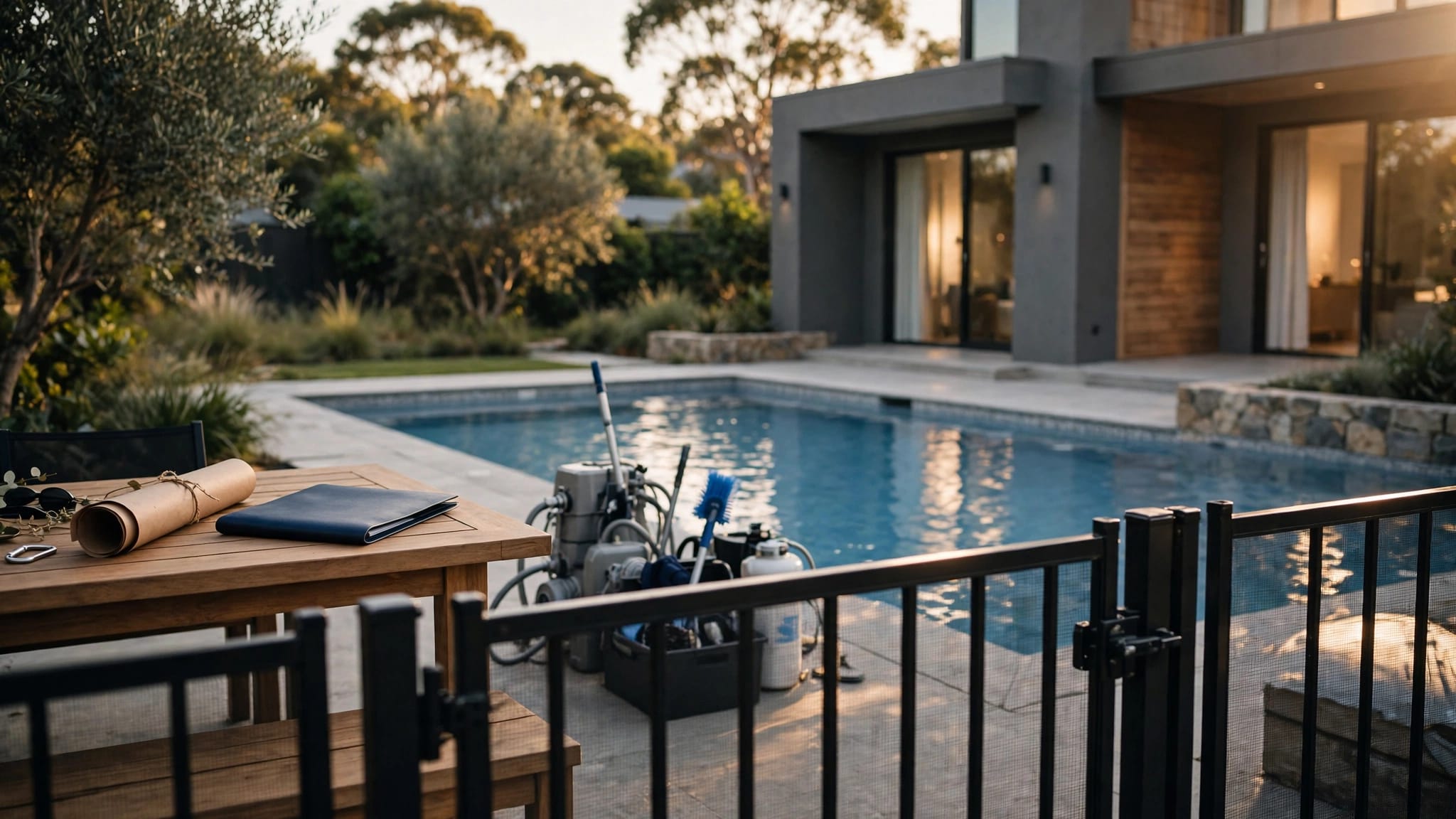
Then there's access. A service tech needs to reach the pump, filter, heater, valves, and electrical parts without climbing over planters or squeezing between walls. If the equipment sits too close to the house or screen enclosure, simple repairs become slow and expensive.
Lot shape matters too. A narrow side yard, a deep backyard, or a canal-front lot all change the answer. If you're still in the design stage, new pool construction services make it easier to build the equipment layout into the plan instead of working around it later.
A good starting point is not "Where can it fit?" It is "Where can it fit, stay quiet, stay dry, and still be easy to service?"
The locations that work best in many yards
In many Cape Coral backyards, the most practical spots are along a side yard, in a rear corner, or just outside the main patio zone. Each one has tradeoffs.
Here's a quick comparison of the most common choices:
| Location | Why it works | Watch for |
|---|---|---|
| Side yard | Short pipe runs and less visibility from the patio | Setbacks, utility easements, and service room |
| Rear corner | Hides equipment well and can reduce noise near the house | Drainage, neighbor views, and clearance for repairs |
| Near the enclosure | Keeps plumbing runs compact and can protect gear from open-yard debris | Gate access, screen design, and climb points |
A side yard often works best when the home leaves enough room between the wall and the property line. A rear corner can be a smart choice when the yard is wide enough to keep the equipment out of the main hangout area. Placement near a screen enclosure can also work, but only if the service path stays clear.
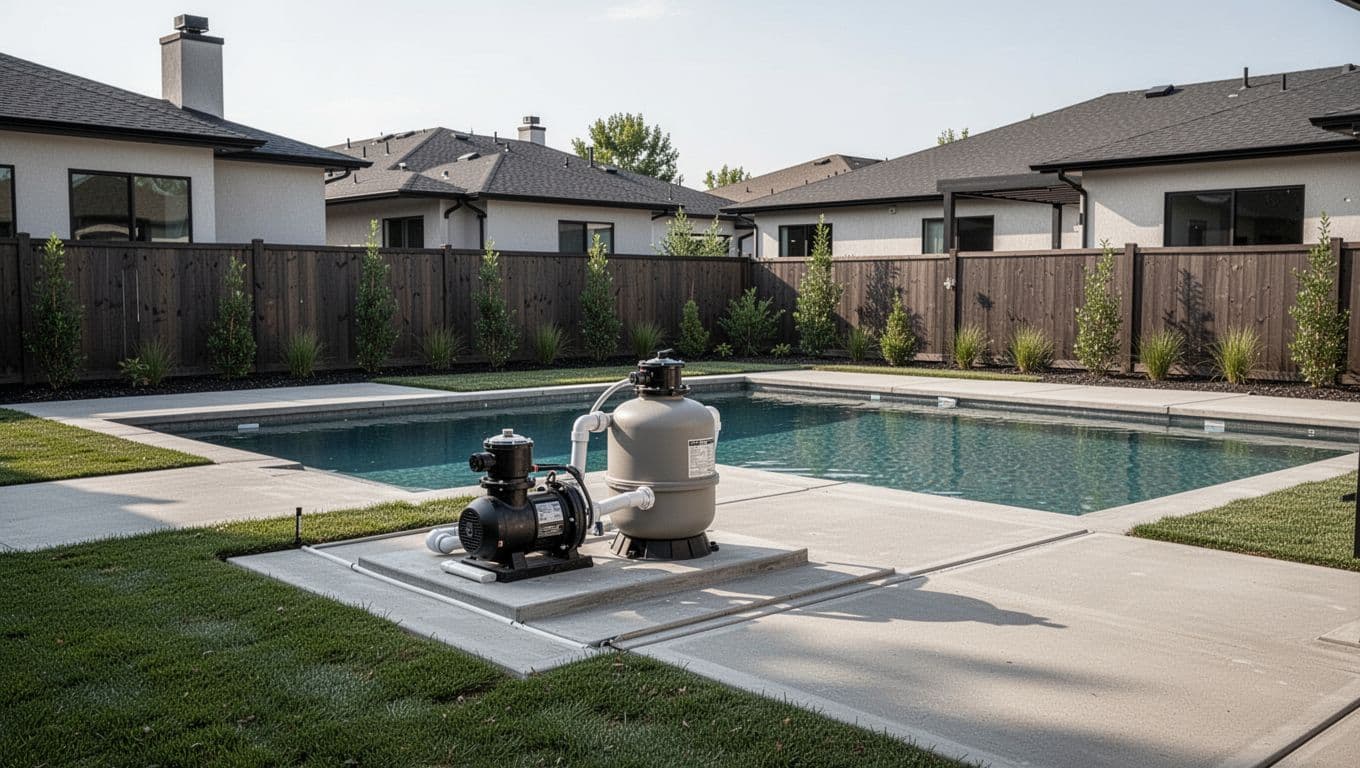
The best spot is usually the one that disappears into the yard without disappearing from maintenance.
Setbacks, easements, and fence lines
Cape Coral homeowners need to think about more than the open space they can see. The permit set, survey, and site plan matter just as much as the yard itself.
Setbacks can limit how close equipment can sit to a property line. Utility easements can be stricter still. Even if a spot looks open, it may sit inside an area reserved for drainage, power, or future utility work. That's why the survey and permit documents should be reviewed before anyone sets a pad.
The fence line matters too. Pool barriers need to stay functional, and equipment should not create a climb point beside the fence. A pump, filter, or step-up platform placed in the wrong place can make the barrier easier to breach.
A tidy-looking corner can become the wrong corner if it makes the fence easier to climb or harder to inspect.
If your pool barrier uses part of the house or the screen enclosure, the final layout can affect gates, doors, and alarms. HOA rules can also change the answer, especially in neighborhoods with tight exterior standards. That is why the final call should go through your contractor, your survey, and the current permit requirements from the City of Cape Coral.
Noise, service access, drainage, and storms
A pool pad can be legal and still be a poor choice for daily life. Noise is often the first complaint. A pump humming beside a bedroom window or a patio seat can get old quickly, especially when the pool runs for hours.
Distance helps, but distance alone is not enough. You still need a direct, workable plumbing route. Long or awkward runs can add cost and make future repairs harder. The goal is a balance between comfort and access.
Clearance also matters. Equipment needs room to breathe, and electricians need space around panels. Heaters need more breathing room than people expect, and access in front of electrical equipment should stay open. Your installer should follow the manufacturer specs and the current code, since those details can vary.
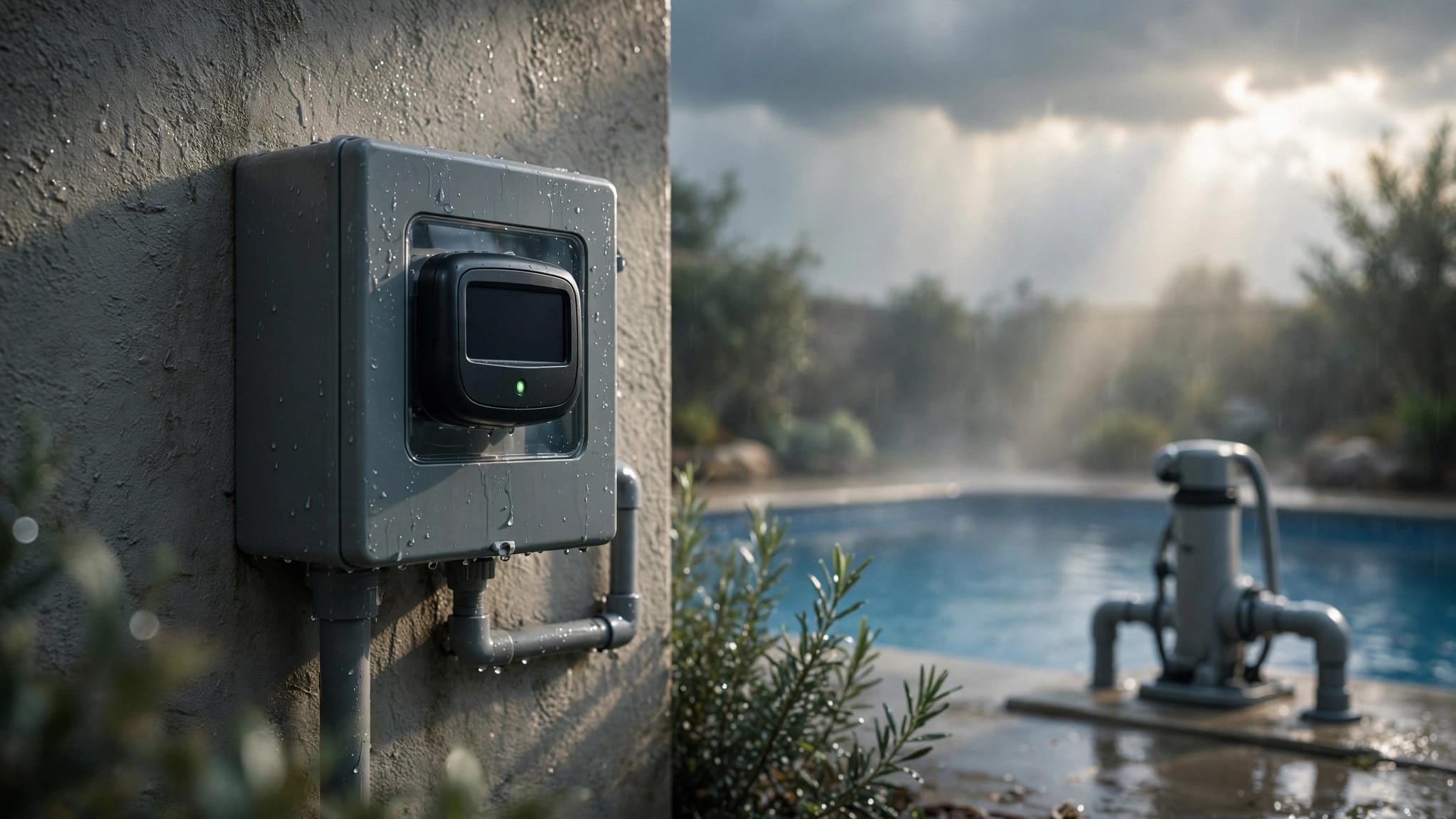
Drainage is easy to overlook. A low spot may look hidden and neat, but it can collect water after a heavy rain. Standing water around motors, pads, or electrical gear creates avoidable trouble. A raised concrete pad can help in the right spot, especially in yards that hold runoff.
Cape Coral storms add another layer. Open exposure can leave equipment hit by wind-blown debris, splash, or flood water. A sheltered location helps, but it still needs airflow and service room. The best layout keeps the gear out of the worst weather pockets without boxing it in.
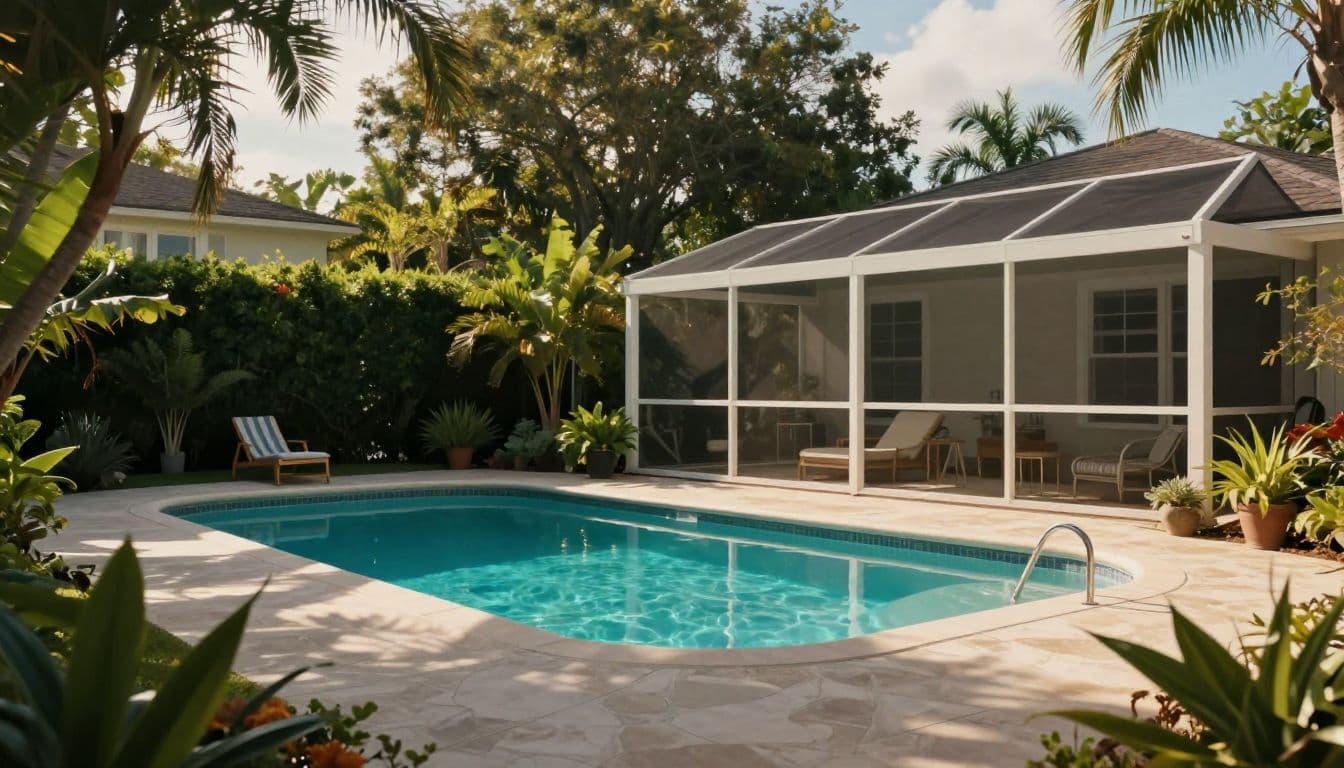
That balance matters even more when the equipment sits near the house or under part of a screen enclosure.
When canal lots or screen enclosures change the plan
Cape Coral lots are not all built the same. Canal-front homes, tight side yards, and screened pool areas can all change the answer.
A canal lot often has a more complex rear yard. The seawall, dock space, and waterfront access can limit where equipment belongs. In some cases, the rear yard that looks large from inside the house is tighter than it seems once you account for setbacks and drainage paths.
Screen enclosure design matters too. Posts, doors, and support lines can block a service route if the equipment sits in the wrong corner. If a tech has to remove panels or squeeze through a narrow opening every time the filter needs attention, the location is wrong.
Renovations can open up better options. If you're resurfacing, replacing a deck, or adding a screen enclosure, it may be the right time to move the pad. That can shorten pipe runs, reduce noise near the patio, or make the yard easier to use.
Exact requirements can vary by lot configuration, seawall or canal frontage, screen enclosure design, and current local code or permit requirements. That is why old layouts should never be copied without a fresh review. What worked on the last project may not fit the next one.
A simple checklist before you commit
Before you lock in the location, walk through the yard with the survey, the permit plan, and the contractor's layout sketch.
- Mark the property line and utility easements first.
- Check the fence, gate, and barrier path next.
- Confirm there's enough room for service and airflow.
- Look at drainage after rain, not only on a dry day.
- Stand in the patio and bedrooms, then listen for noise exposure.
- Review how the screen enclosure or future deck will affect access.
If you're still comparing options for a new build or equipment move, Get a Free Estimate and ask for an on-site layout review before work starts.
Conclusion
Pool equipment placement affects how your backyard looks, sounds, and works every day. A spot that feels hidden at first can become a service headache if it ignores setbacks, easements, drainage, or enclosure access.
The best choice in Cape Coral is usually the one that fits the lot, stays clear of barriers, and gives you room to maintain the system without hassle. When in doubt, confirm the final layout with your contractor, survey, permit documents, HOA, and the City of Cape Coral. That extra check protects the project before the first pipe goes in.