A saltwater pool can keep producing chlorine in the background, but a failing salt cell often gives warning signs before it stops working. Low chlorine, repeated system alerts, and visible scale may point to the cell, yet several other problems can cause the same symptoms.
Florida weather adds extra pressure through heat, intense sunlight, heavy rain, and frequent pool use. Before buying a replacement, check the water, salt level, cell, circulation, and control panel. These steps can help you avoid replacing a working component.
Key Takeaways
- Low chlorine doesn't automatically mean you need a new salt cell.
- Check water balance, salt concentration, calcium buildup, water flow, and system codes first.
- A cell that stays at zero output after basic troubleshooting may need testing or replacement.
- Florida heat, sunlight, rain, and debris can increase chlorine demand or dilute the water.
- Electrical faults, control-panel problems, and persistent production failures require a qualified pool professional.
Signs Your Salt Cell May Need Replacement
A salt cell produces chlorine by passing an electrical current through saltwater. When the cell becomes worn, damaged, or unable to generate enough chlorine, your water chemistry can change quickly.
Low free chlorine is the most common warning sign. You may test the water several times and find that chlorine remains below the level recommended for your pool, even after adjusting the generator's output and run time. If the pump runs normally and the water balance is close to target, the cell deserves closer attention.
Another clue is a persistent "check cell," "inspect cell," or similar warning. The exact message depends on the equipment, so check your owner's manual before treating the alert as a replacement diagnosis. Some alerts are caused by scale, low salt, poor flow, or a sensor problem.
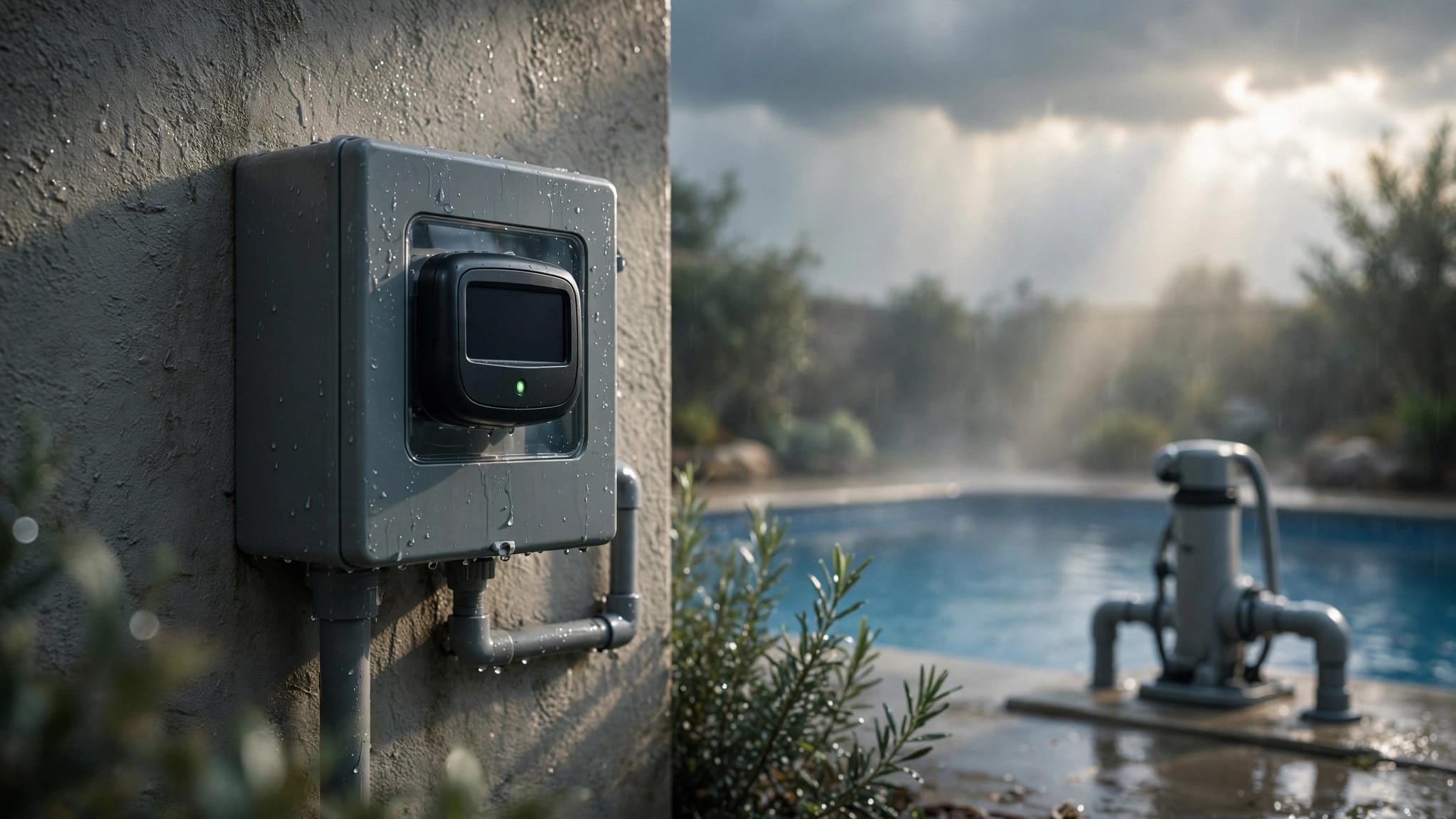
You may also notice that the control panel reports little or no chlorine production. A zero-output reading matters more when it continues after you confirm adequate salt and water flow. However, don't assume the display is accurate if the panel itself has a fault.
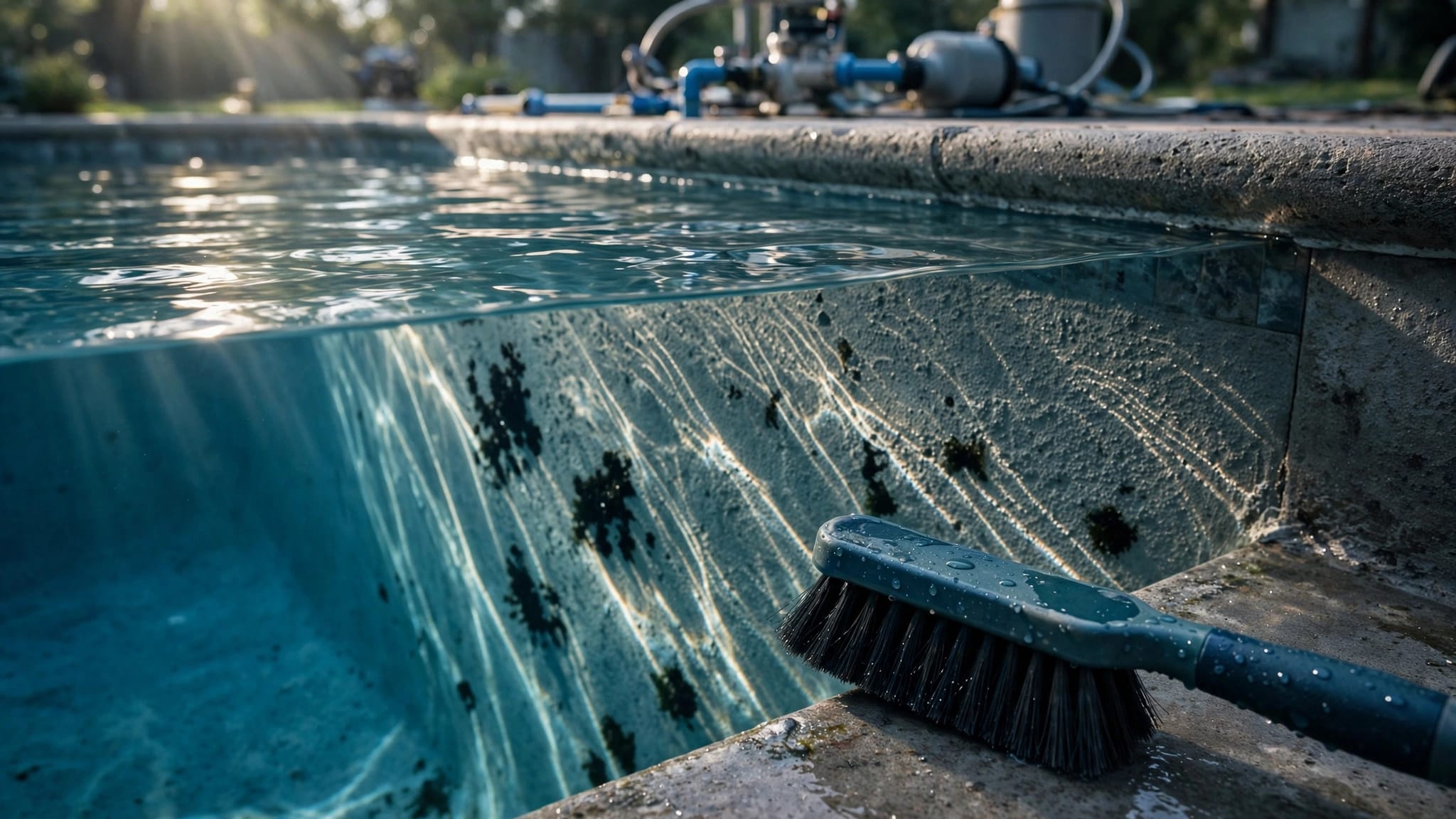
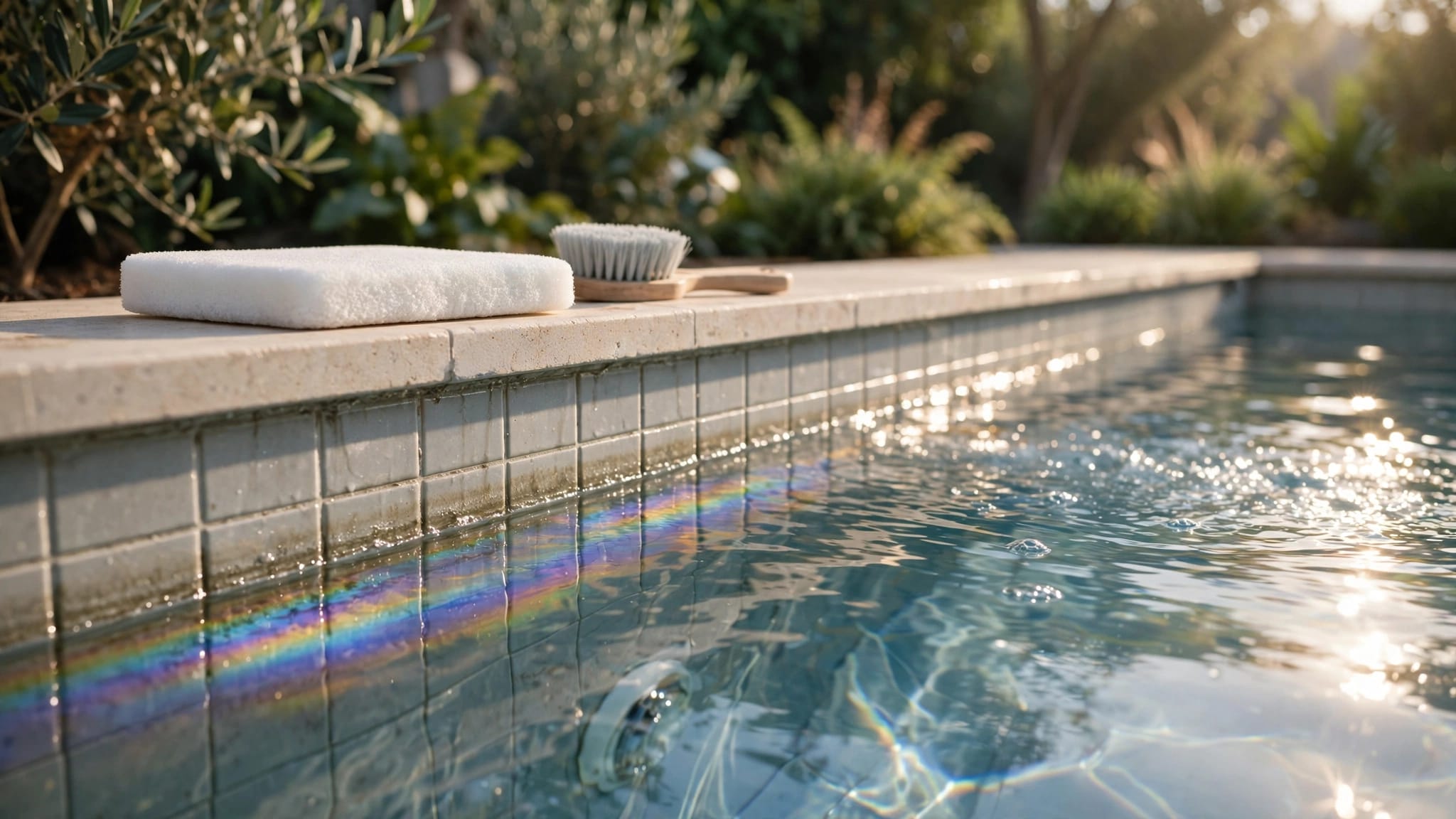
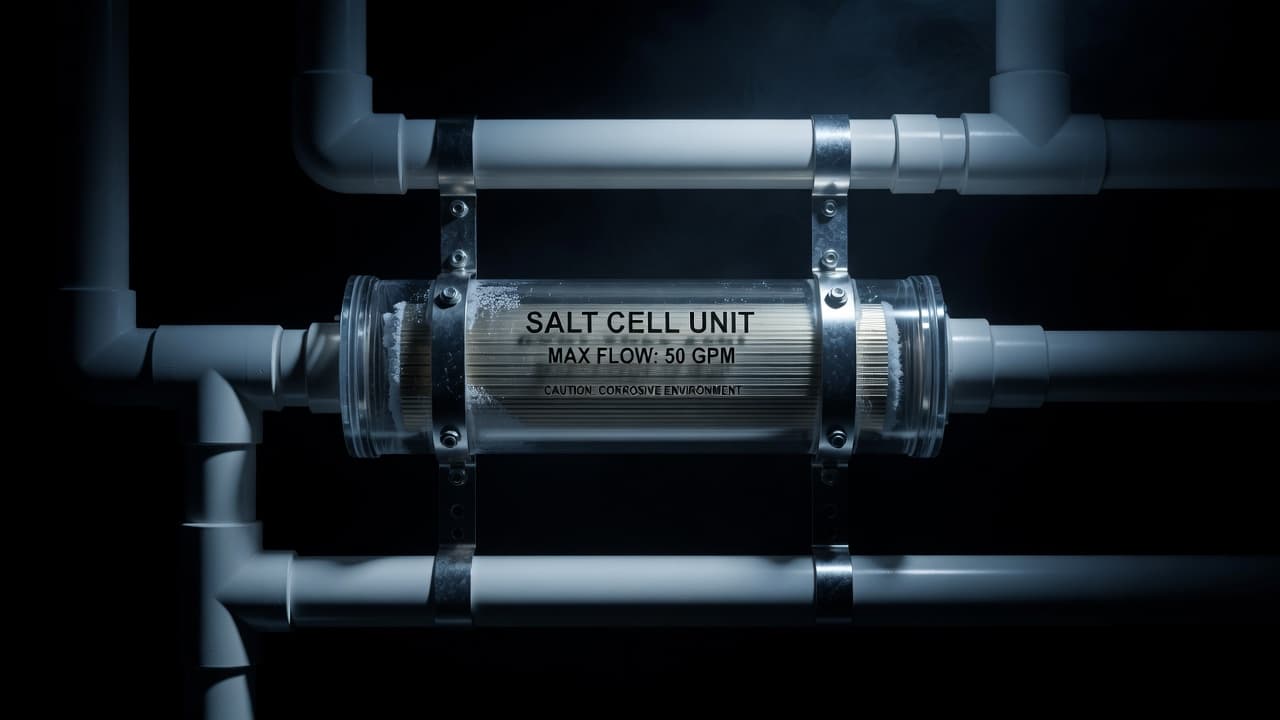
Visible damage is a stronger sign. Look for cracked housing, damaged connections, discoloration, or heavily coated plates. Calcium scale can cover the plates and prevent normal operation. A scaled cell may recover after proper cleaning, while physical damage usually calls for professional evaluation.
Some owners notice cloudy water, algae, or a strong chlorine smell. These conditions show that the pool's sanitation is off, but they don't identify the salt cell as the cause. Heavy swimmer load, poor circulation, high pH, low stabilizer, and stormwater dilution can create the same symptoms.
A low chlorine reading is a starting point for diagnosis, not proof that the salt cell has failed.
Check These Causes Before Ordering a New Cell
Salt cell replacement should come after a few basic checks. Low chlorine has several possible causes, and many are easier to correct than a failed cell.
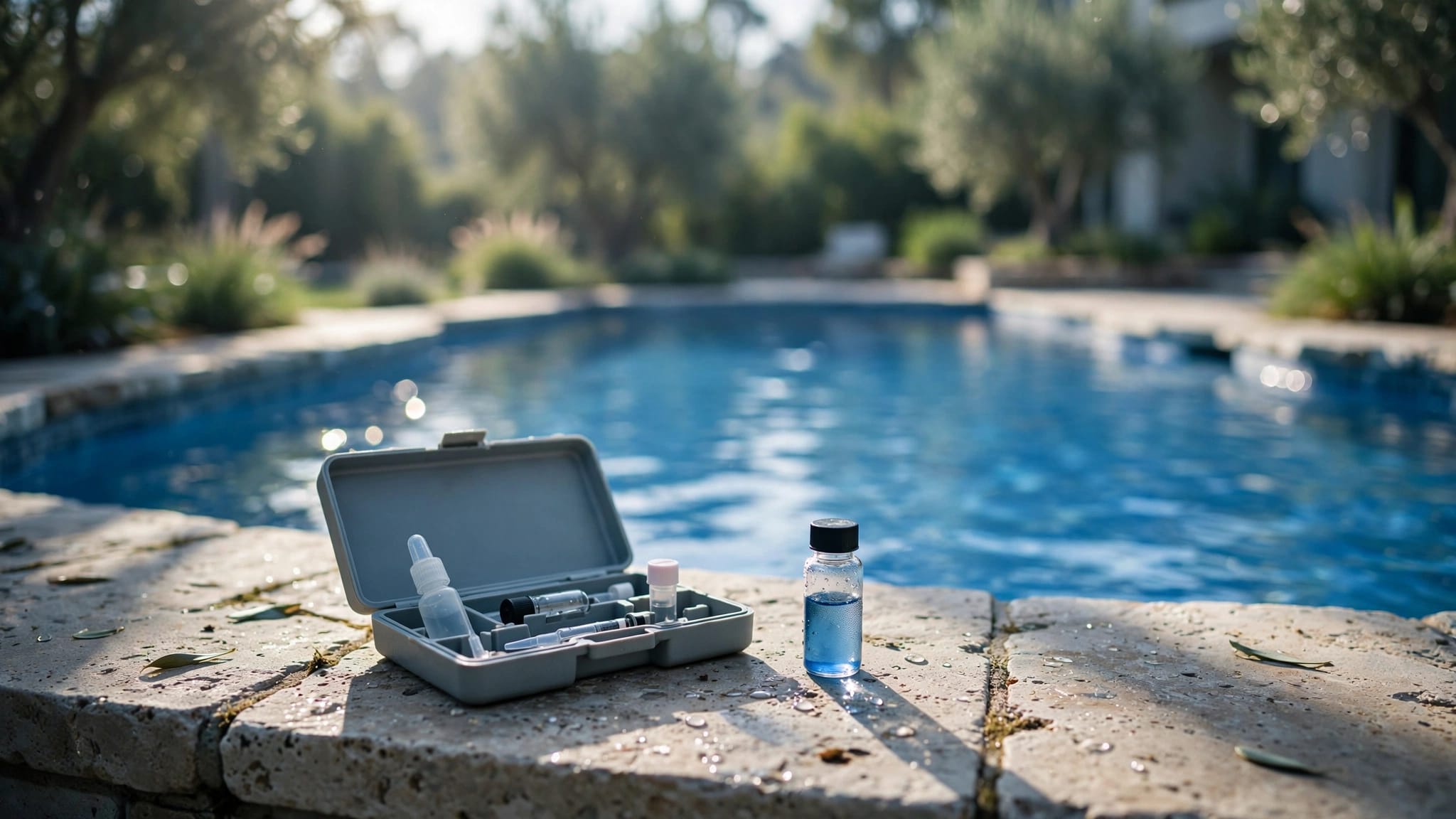
First, test the water with a reliable test kit or take a sample to a reputable pool supply professional. Check free chlorine, pH, total alkalinity, stabilizer, and salt. High pH can reduce chlorine's effectiveness, even when the generator is producing chlorine. Follow the ranges recommended for your equipment and pool type.
Next, verify the salt level. Salt systems need a particular concentration to operate correctly, and the target varies by equipment. Use the manufacturer's recommended range rather than adding salt based only on a panel reading. A low reading may result from rainwater, dilution, a partial drain, or a testing error.
If the salt level is low, add only the amount calculated for your pool size. Pouring in extra salt won't make the cell produce more chlorine. Excess salt can create another water-quality problem and may require dilution later.
Then inspect the cell for scale. Turn off power to the pool equipment before removing or inspecting any component. Calcium deposits often appear as a white, rough coating on the internal plates. Follow the manufacturer's cleaning instructions, including the correct cleaning solution and contact time. Never scrape the plates with a screwdriver or metal tool.
Water flow also affects production. Clean the pump basket and skimmer basket, check the filter pressure, and confirm that valves are positioned correctly. A dirty filter, low water level, blocked skimmer, trapped air, or a closed valve can reduce flow through the cell. Some systems shut down chlorine production when their flow switch doesn't detect enough water.
Finally, read the system's error code. A code may point to low salt, low flow, a temperature issue, a sensor fault, or a communication problem. Record the code and the conditions when it appears. That information helps a technician separate a cell issue from a control or circulation issue.
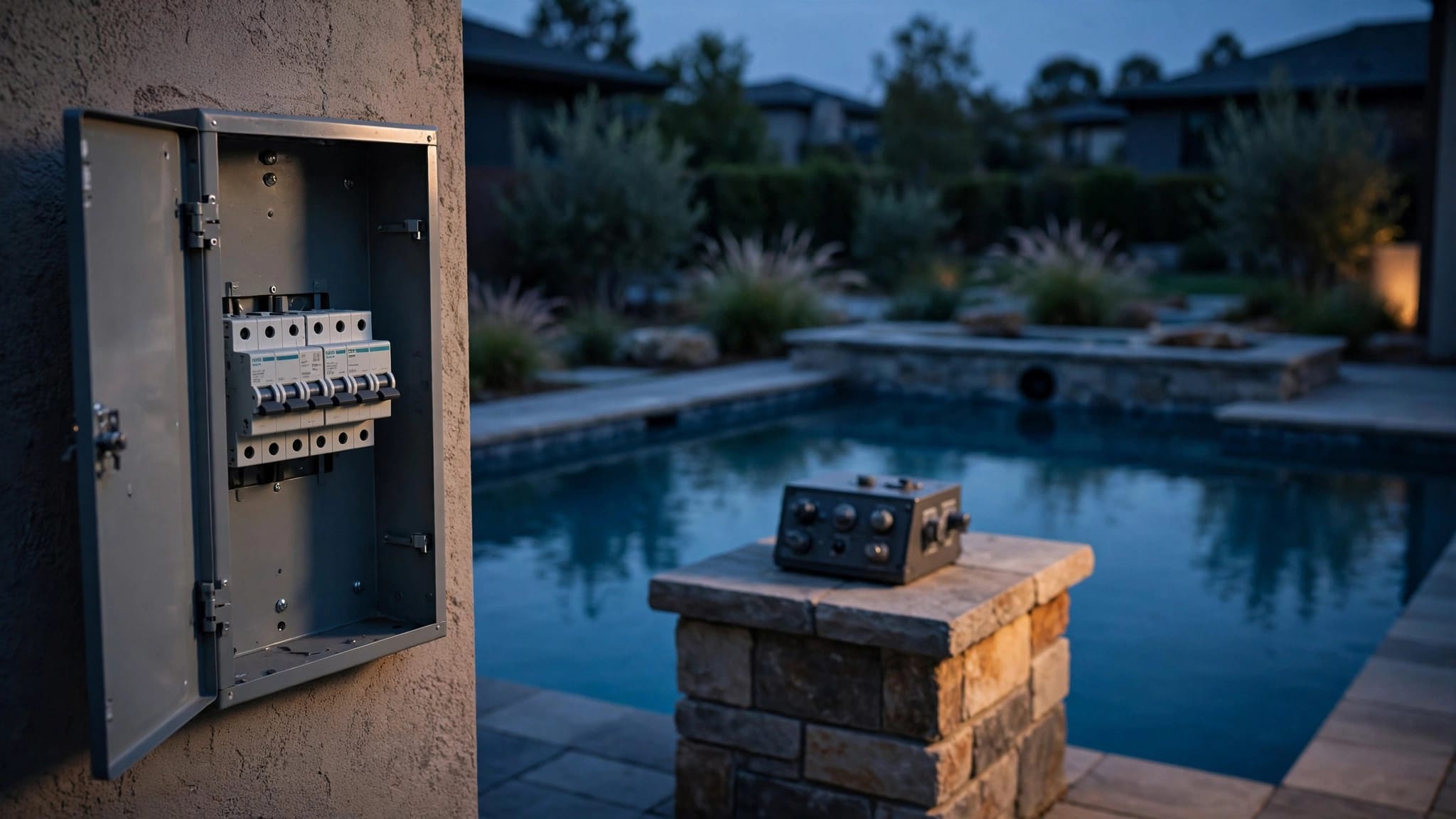
Avoid opening the control panel or testing live electrical parts yourself. Salt systems combine water, electricity, and specialized components, so electrical troubleshooting belongs with a qualified pool professional.
When Salt Cell Replacement Makes Sense
A replacement becomes more likely when the cell fails basic output checks after water chemistry, salt, cleaning, and circulation are correct. It also becomes a stronger possibility when the unit shows physical damage or the same production warning returns soon after cleaning.
Start by recording the information on the existing cell. Write down the manufacturer, model number, part number, and any ratings printed on the housing. Take clear photos of the cell, cable, connections, and control panel. This record helps a professional identify the correct replacement without relying on appearance alone.
Avoid choosing a cell based only on pipe size or a similar-looking online photo. Salt systems depend on the control unit, sensors, software, electrical connections, and cell design. Compatibility must be verified with the complete system , not guessed from one component.
A pool professional may test the cell's output, inspect the cable and connections, check the flow switch, and compare the panel's readings with actual water-test results. That visit can reveal a control-panel or wiring problem that a new cell wouldn't fix.
Cell service life varies with water chemistry, operating hours, cleaning practices, equipment settings, and the manufacturer's design. There isn't one fixed replacement date that applies to every Florida pool. A cell that receives heavy use in a high-demand pool may behave differently from one used less often.
The replacement cost also varies by system and installation needs. Ask for an itemized estimate that separates the cell, labor, diagnostic work, and any additional parts. If the existing generator has multiple faults or outdated controls, compare the cost of repair with a complete system upgrade.
Why Florida Pools Can Show Salt Cell Problems Faster
Florida pools face conditions that can push chlorine demand higher. Strong sunlight breaks down unstabilized chlorine, while high water temperatures can increase sanitation needs. A pool with frequent swimmers may use chlorine faster than the generator can replace it during a short pump schedule.
Summer rain creates another issue. Heavy rainfall can dilute salt and stabilizer, introduce debris, and lower the water level after overflow or drainage. After a major storm, test the water rather than assuming the previous settings still apply.
Screen enclosures reduce leaves and insects, but they don't block all sunlight or prevent windblown debris. In coastal areas, salt air and moisture can also make equipment-area care more important. Keep the area around the generator dry, ventilated, and free from clutter.
Run time and output settings may need seasonal adjustment, but raise them gradually while checking free chlorine. A higher setting won't solve a clogged cell, weak flow, inaccurate sensor, or electrical failure.
Florida owners should also watch for calcium buildup. Hard water and high pH can encourage scale on the cell plates. Keeping pH in the recommended range and maintaining balanced water reduces unnecessary deposits.
When low chlorine continues after these checks, contact a qualified technician. Back Bay Pools provides professional pool services for homeowners who need help with pool equipment, renovations, and related backyard projects. Electrical issues, control-panel faults, and repeated chlorine-production failures deserve an on-site diagnosis.
If your pool needs an equipment evaluation as part of a larger repair or renovation, you can Get a Free Estimate for an on-site consultation.
A Simple Troubleshooting Order for Pool Owners
Use the same order each time a salt system stops producing enough chlorine. Begin with a water test, then check salt concentration and correct any imbalance. After that, inspect the cell for scale and clean it only according to the manufacturer's instructions.
Next, confirm that the pump is running for the scheduled period. Check the baskets, filter pressure, water level, and valves. If the equipment displays a flow warning, resolve the circulation problem before blaming the cell.
Once the system runs normally, monitor free chlorine over the next few tests. Keep notes about water additions, rainfall, pump run time, output settings, and error messages. A pattern is often more useful than one isolated test.
Don't pour chlorine directly into the pool and assume the generator will catch up. If algae is present or chlorine is extremely low, the pool may need a separate sanitation treatment. Follow product directions and avoid swimming until the water meets safe testing conditions.
Call a professional when the cell remains at zero output, the warning returns, the panel behaves strangely, or a breaker trips. Stop using the equipment if you see melted plastic, damaged wiring, sparking, or water near electrical connections.
Conclusion
A salt cell can be the source of low chlorine, but water balance, low salt, scale, poor flow, and Florida weather can create similar symptoms. Test and correct those conditions before committing to a replacement.
When the system still fails after basic troubleshooting, a qualified professional can test the cell and control equipment together. That approach helps you replace the part that actually caused the problem and keeps your pool ready for the next hot Florida day.