Pool owners want clean water without spending every weekend brushing walls and vacuuming debris. In-floor pool cleaning systems can reduce that routine by using built-in pop-up heads to circulate water and move dirt toward the drains.
The system costs more than a standard suction-side or pressure-side cleaner, especially when added to an existing pool. Whether it makes sense depends on your pool design, debris levels, maintenance habits, and how long you plan to own the home.
Key Takeaways
- In-floor pool cleaning systems use pop-up water jets installed beneath the pool surface.
- They work best when planned during new pool construction or a major renovation.
- The upfront cost is higher, and the system still needs proper filtration, brushing, and water care.
- They can be worth the price for large, custom, heavily used, or difficult-to-clean pools.
- A traditional automatic cleaner may offer better value for smaller or simpler pools.
How In-Floor Pool Cleaning Systems Work
An in-floor system uses several pop-up cleaning heads placed across the pool floor and sometimes along the walls. These heads stay flush with the surface when inactive. During a cleaning cycle, selected heads rise and release water at different angles.
The system divides the pool into cleaning zones. Water pressure activates one group of heads, then shifts to another group. This movement pushes leaves, sand, and other debris toward the main drain or a collection point where the circulation system can remove it.
The cleaning heads also help circulate treated water throughout the pool. That circulation can reduce stagnant areas, especially around steps, benches, tanning ledges, and deep corners. However, the system doesn't replace the pump, filter, sanitizer, or normal water testing.
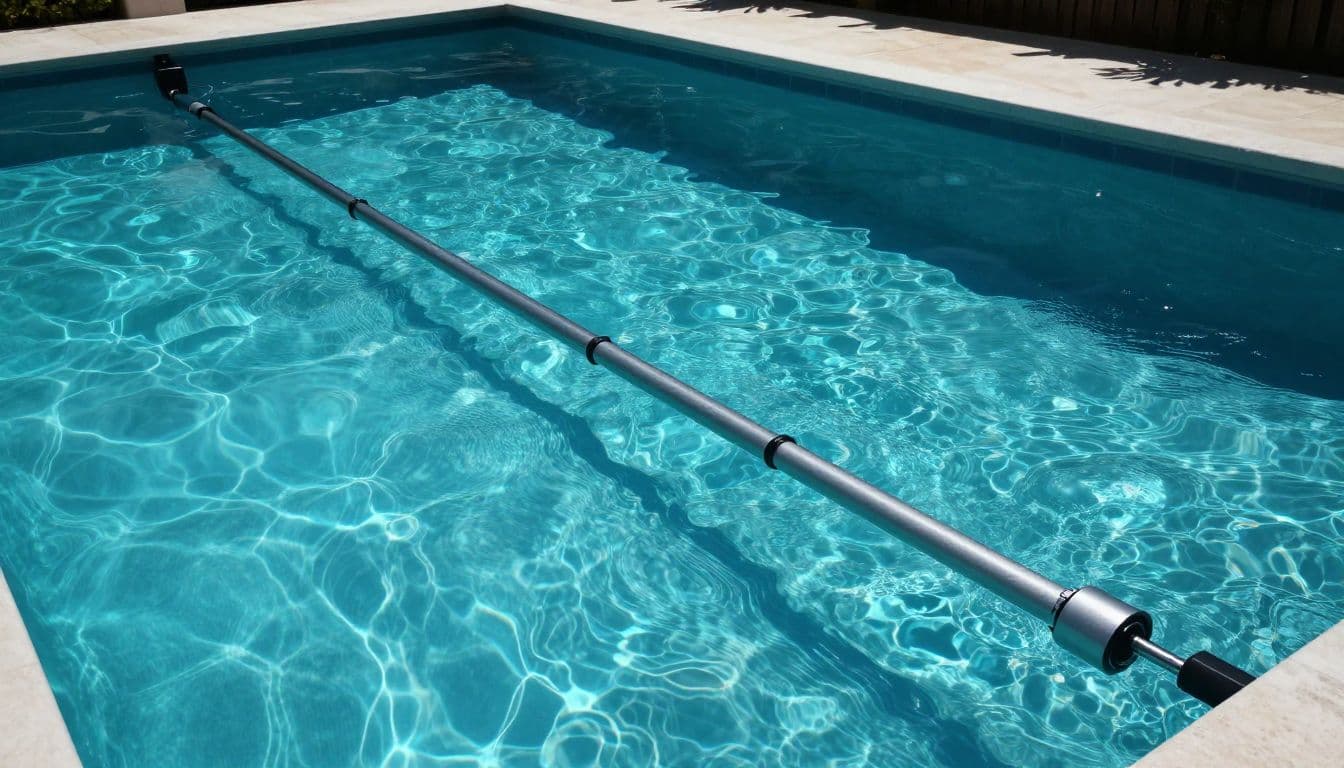
In-floor cleaning works best when the plumbing, drain placement, pump size, and floor layout are designed together. A pool builder must plan the system before the shell and interior finish are installed. That makes it much easier to include during new pool construction than during a basic equipment replacement.
Some systems include a dedicated cleaning pump. Others connect to the pool's circulation equipment. The right setup depends on the pool size, number of cleaning zones, finish, and hydraulic design.
What Does an In-Floor Pool Cleaning System Cost?
The cost varies widely because the system includes more than pop-up heads. It may require additional plumbing, valves, controls, pump capacity, drains, and installation labor.
For a new pool, an in-floor system often adds several thousand dollars to the project. A retrofit can cost more because the installer may need to cut through the existing deck or pool shell, modify plumbing, drain the pool, and repair the interior finish.
The total price can also increase when a pool has multiple levels, a large sun shelf, attached spa, unusual geometry, or heavy landscaping nearby. Ask for the in-floor equipment, plumbing, labor, controls, and future service requirements to appear separately on the estimate.
Here is how common cleaning approaches compare:
| Cleaning option | Upfront cost | Daily convenience | Retrofit difficulty |
|---|---|---|---|
| Manual vacuum and brushing | Low | Low | Easy |
| Suction-side cleaner | Low to moderate | Moderate | Usually easy |
| Pressure-side cleaner | Moderate | Moderate to high | Usually manageable |
| Robotic cleaner | Moderate to high | High | Easy |
| In-floor cleaning system | High | High | Difficult |
An in-floor system doesn't automatically lower your total pool ownership cost. It has moving parts, valves, and cleaning heads that may need service. If a pop-up head sticks or a valve fails, repairs can involve specialized parts and labor.
At the same time, the system has no floating power cord and no cleaner body to store, remove, or drag across the pool surface. That convenience has value, especially for homeowners who use the pool often or want a clean deck area around the pool.
The Main Benefits for Pool Owners
The strongest benefit is convenience. You don't need to place a robotic cleaner in the water before every use or keep a pressure-side cleaner and hose on the deck. Once programmed, the system works through its cleaning cycles while the pool equipment runs.
In-floor circulation can also help move debris from areas where portable cleaners struggle. Steps, shallow shelves, and tight corners may collect leaves and dirt. Properly placed cleaning heads can push that material toward the drains instead of leaving it for manual brushing.
A built-in system also preserves the pool's appearance. There are no hoses crossing the floor and no cleaner sitting in the pool during a backyard gathering. That matters when the pool is part of a carefully designed outdoor living space.
Other benefits include:
- No visible cleaner equipment during normal pool use
- Reduced hose wear compared with pressure-side systems
- Better circulation when the plumbing layout is well designed
- Less routine vacuuming for many owners
- A permanent installation that stays with the pool
The effect is most noticeable in a custom pool with multiple features. A large pool with a beach entry, raised spa, benches, and several steps creates more places for debris to settle. A well-designed in-floor system can address those areas better than a single mobile cleaner.
The system's performance depends more on hydraulic design and head placement than on the number of pop-up heads alone.
The Drawbacks You Should Consider
The biggest drawback is installation cost. A portable cleaner can be purchased after the pool is finished. In-floor cleaning systems require planning before construction and become part of the pool's plumbing infrastructure.
Repairs can also be less convenient. A robotic cleaner can usually be removed and serviced outside the pool. An in-floor system may require access to an underground valve, cleaning head, or dedicated equipment component. Some repairs are simple, while others require draining the pool or removing a portion of the finish.
The system also uses pump energy. Depending on its design, the cleaning cycle may require additional runtime or a separate pump. Your contractor should explain the expected operating schedule and equipment load before you approve the design.
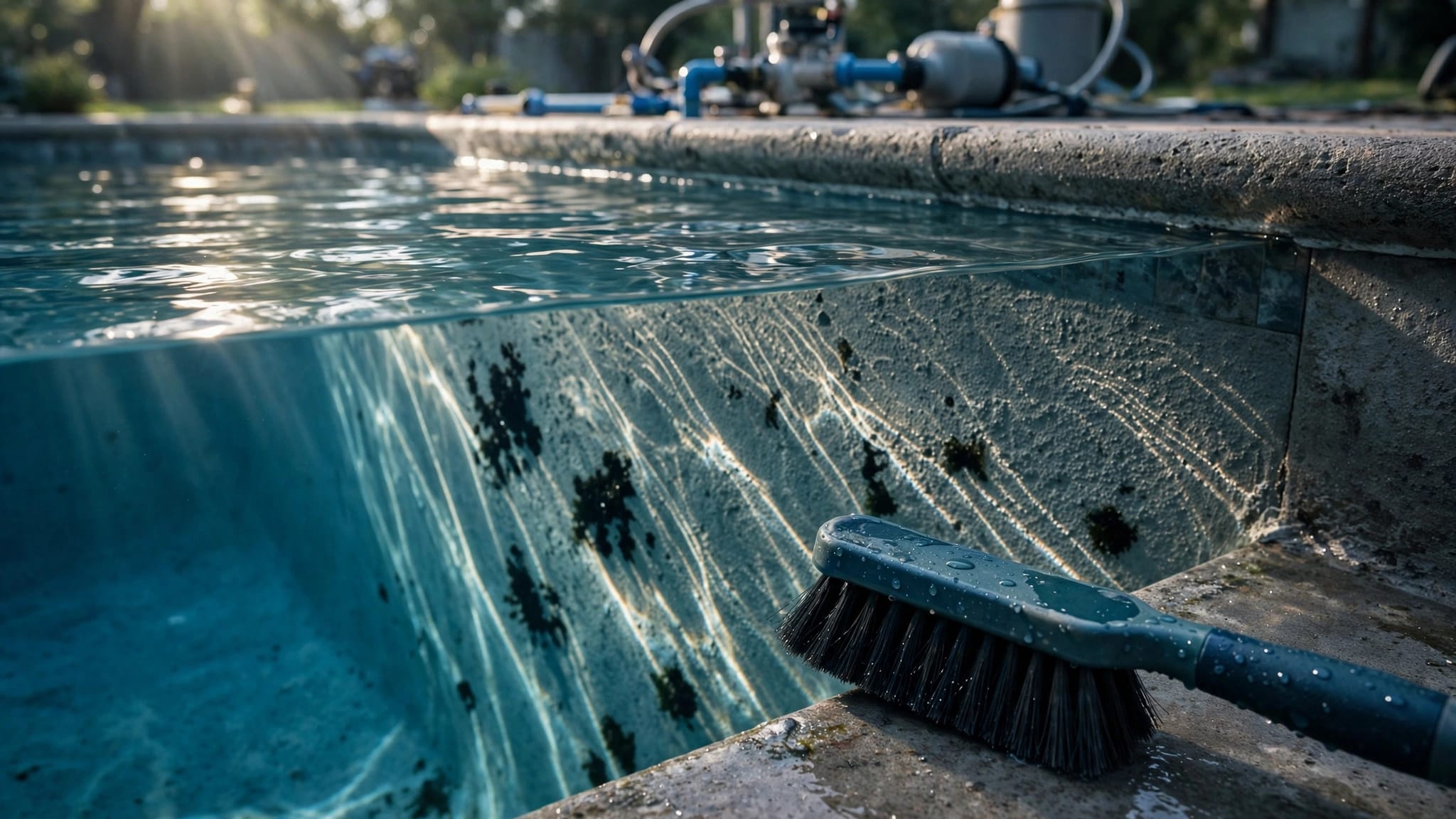
No automatic cleaner removes every maintenance task. Pool owners still need to test the water, empty baskets, clean the filter, inspect equipment, and brush areas that collect oils or fine particles. Algae can attach to surfaces even when debris moves efficiently toward the drain.
Other limitations include:
- Installation is difficult after the pool is complete.
- Poor head placement can leave dead spots.
- Specialized parts may cost more than common cleaner components.
- The system doesn't remove the need for water chemistry maintenance.
- Heavy storms may still require manual cleanup.
For a simple rectangular pool with low debris, the added system may provide more convenience than the pool needs. A quality robotic cleaner could handle the same routine for less money and with easier replacement.
When Are In-Floor Pool Cleaning Systems Worth It?
In-floor pool cleaning systems make the strongest financial case during new construction. Adding the plumbing while the pool is being built is usually less disruptive than retrofitting the system later. The installation can also be coordinated with the pool's drains, finish, pump, and automation controls.
They may also be a good fit for a large custom pool. More surface area means more debris and more cleaning time. If your design includes several steps, a sun shelf, an attached spa, or different floor depths, built-in circulation can provide practical value.
Florida homeowners may see additional value when pools sit near trees, landscaping, or open outdoor areas. Screen enclosures reduce leaves and insects, but they don't stop every piece of dirt, pollen, or sand from entering the pool. Rain and wind can also bring debris into the water.
An in-floor system often makes sense when:
- You plan to keep the pool for many years.
- The pool will receive frequent use.
- Your property produces a steady amount of debris.
- You want minimal equipment visible in the pool.
- The design contains areas that portable cleaners may miss.
- You are already building or renovating the pool.
The decision becomes less favorable for a small pool with a simple shape and limited debris. In that case, a robotic cleaner may deliver excellent cleaning with fewer installation risks.
Consider the cost over the pool's expected service life, not only the first quote. If the system saves several hours of cleaning each month for a decade, the convenience may justify the premium. If you rarely use the pool or don't mind routine maintenance, the same money may be better spent on the finish, deck, lighting, screen enclosure, or water features.
In-Floor Cleaning vs. Robotic Pool Cleaners
Robotic cleaners are the main alternative for homeowners who want strong automatic cleaning without changing the pool's plumbing. They run independently, collect debris in an onboard basket, and can often scrub the floor and walls.
Their main advantage is flexibility. You can use the robot when needed, remove it before swimming, and replace it without changing the pool shell. Newer models may include programmable schedules and sensors, although features differ by manufacturer.
An in-floor system offers a cleaner appearance and permanent operation. It doesn't occupy storage space, and you don't need to place a device in the water before starting a cycle. However, it costs more to install and can be harder to repair.
A practical comparison comes down to timing. If your pool already exists, a robotic cleaner is usually the simpler choice. If you're designing a new pool, compare the long-term convenience of an integrated system with the lower entry cost of a portable unit.
Ask your contractor these questions before choosing:
- How many cleaning zones will the pool need?
- Which areas will the heads cover?
- Does the system require a separate pump?
- What happens if a head or valve needs repair?
- How will the system affect pump runtime and energy use?
- Is the equipment covered by a manufacturer warranty?
- Can the system be added without changing the planned pool finish?
A clear answer should include a pool-specific layout, not a generic equipment recommendation.
How to Decide During a Pool Renovation
Renovation decisions require more care because the existing pool shell and plumbing limit what can be changed. A surface replacement alone usually doesn't create an easy path for adding new in-floor plumbing.
If you're already changing the pool shell, drains, deck, or major equipment, ask whether an in-floor system can fit within the renovation plan. Your contractor should inspect the existing structure and explain the access points, demolition, finish repairs, and schedule.
For many renovations, upgrading circulation equipment or adding a robotic cleaner provides a better return. Resurfacing, coping repairs, new tile, improved lighting, and a reliable screen enclosure may address more visible problems without extensive structural work.
A local pool contractor can also account for site conditions that affect cleaning, such as landscaping, screened patios, pool orientation, and the amount of windborne debris. Homeowners planning a new pool can Get a Free Estimate to discuss whether integrated cleaning fits the design and budget.
Conclusion
In-floor pool cleaning systems are worth the cost when convenience, clean lines, and consistent debris movement matter more than the lowest installation price. They fit large custom pools, busy households, and new construction especially well.
For an existing or simple pool, a robotic cleaner may offer similar cleaning with less disruption and lower upfront cost. The right choice depends on the pool's shape, debris load, renovation plans, and how much routine maintenance you want to handle.