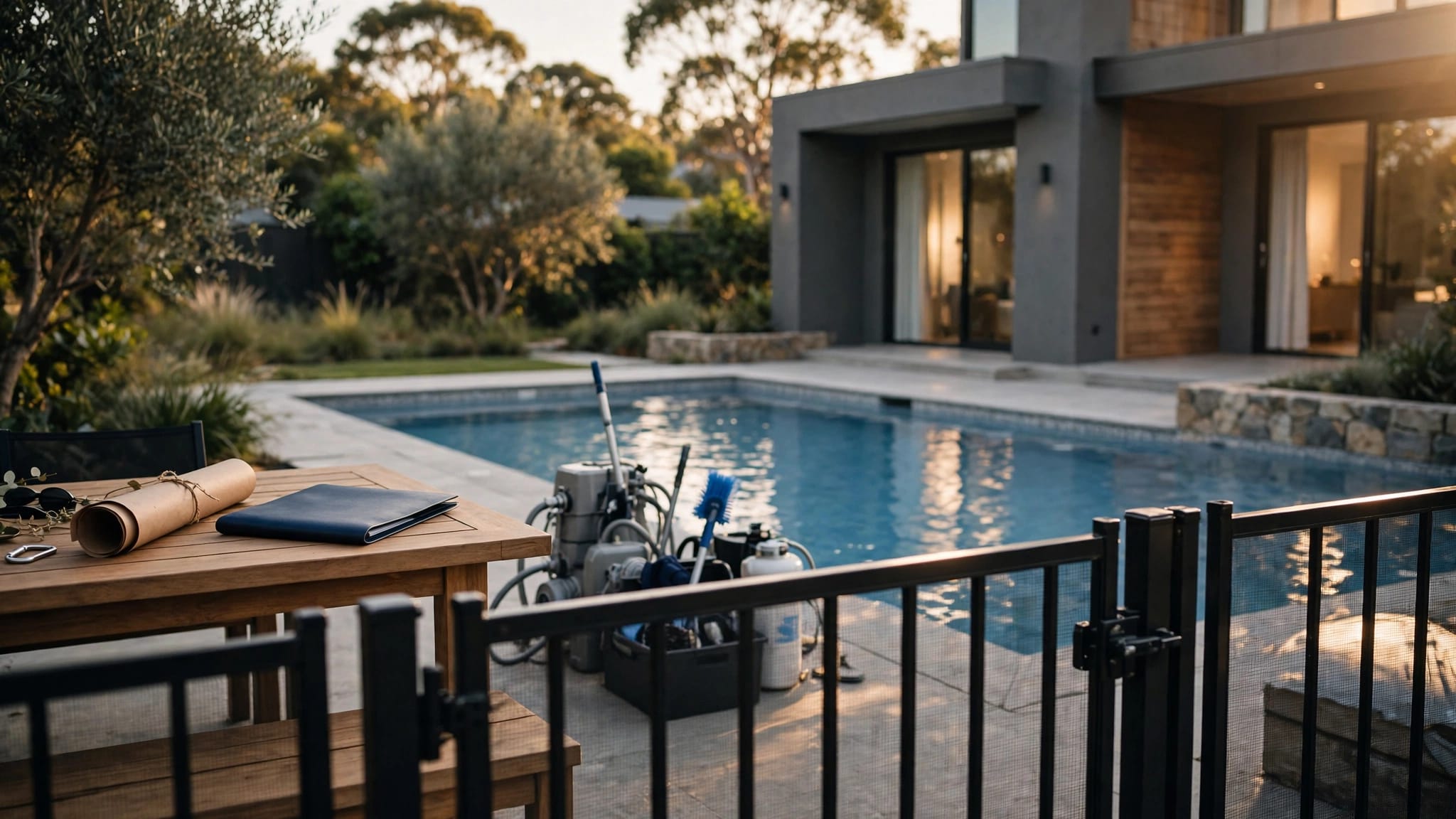
An old patio doesn't automatically rule out a new swimming pool. In most cases, however, an inground pool can't be installed directly on top of the existing concrete slab.
The patio usually needs to be removed wherever the pool will go. A contractor must then inspect the soil, plan drainage, locate utilities, and prepare a stable base for the pool structure. The right approach depends on the patio's condition, construction, location, and the type of pool you want.
Key Takeaways
- An inground pool usually requires patio demolition within the planned pool footprint.
- A sound patio may remain outside the excavation area and become part of the new deck.
- Above-ground pools can sometimes sit on existing concrete, but the slab must meet the manufacturer's requirements.
- Soil, drainage, utilities, permits, and nearby structures need inspection before construction.
- Patio removal adds labor and disposal costs, but preserving usable sections may reduce the scope of work.
Can an Inground Pool Go Over an Existing Patio?
Usually, no. An inground pool is supported by prepared soil, not by a typical residential patio slab. Most patios are designed for foot traffic, outdoor furniture, and normal surface loads. They aren't engineered to carry a pool shell, surrounding deck, filled water basin, and related equipment.
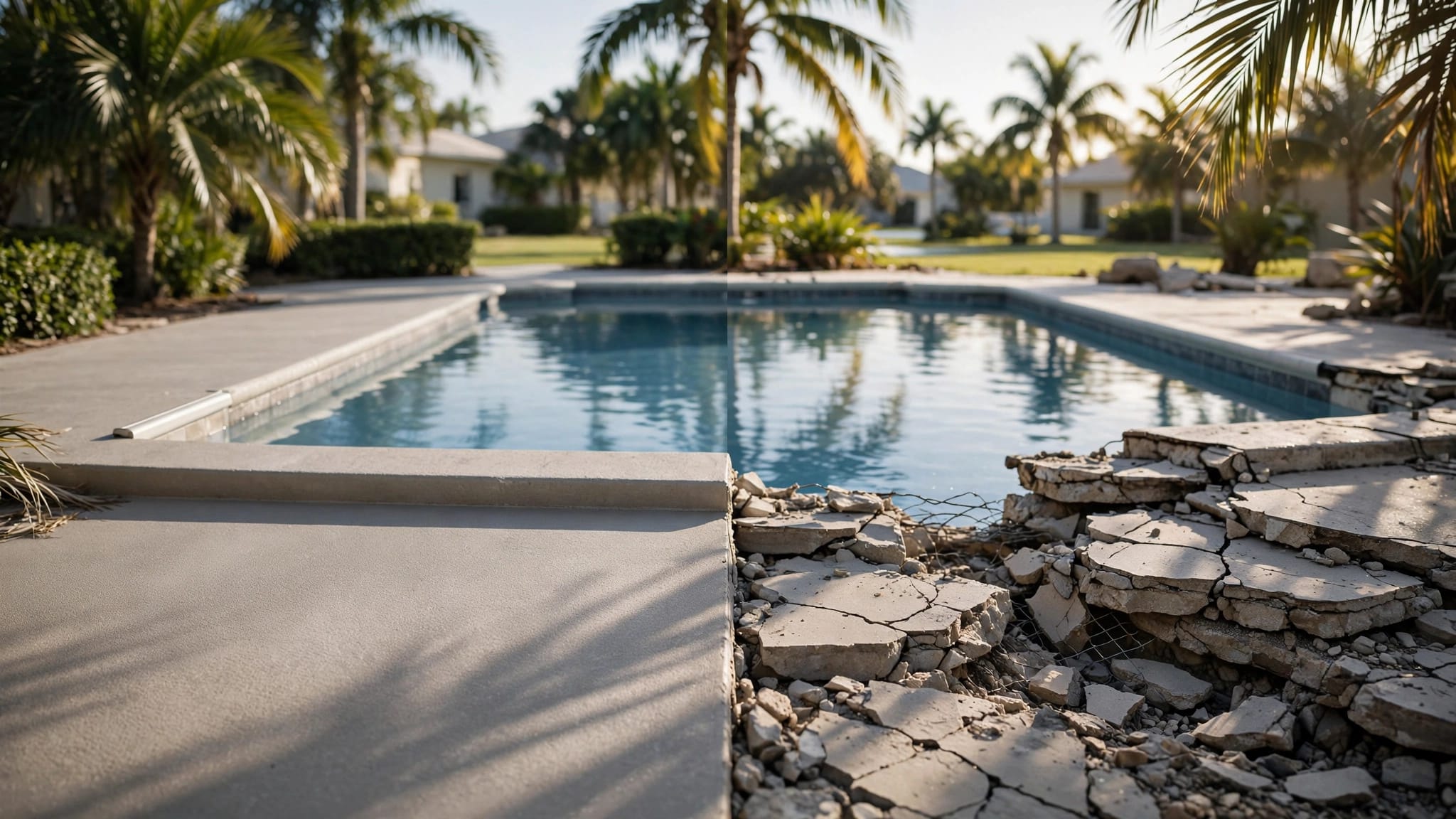
During construction, the crew typically saw-cuts the patio around the planned pool area. Excavators remove the concrete, base material, and any obstructing footings before digging to the required depth. Once the excavation is ready, the crew prepares the soil for the pool type selected.
A concrete pool needs a properly shaped excavation, steel reinforcement, plumbing, and a shotcrete or gunite shell. A fiberglass pool needs a carefully graded and compacted base. Both systems require accurate elevations so the pool, coping, deck, and drainage work together.
Leaving an old slab below an inground pool can create several problems. The slab may interfere with excavation, hide soft spots or voids, restrict drainage, and make it harder to compact the soil correctly. If the ground settles later, the pool deck or plumbing could shift. A concrete shell may also experience stress if the supporting conditions aren't consistent.
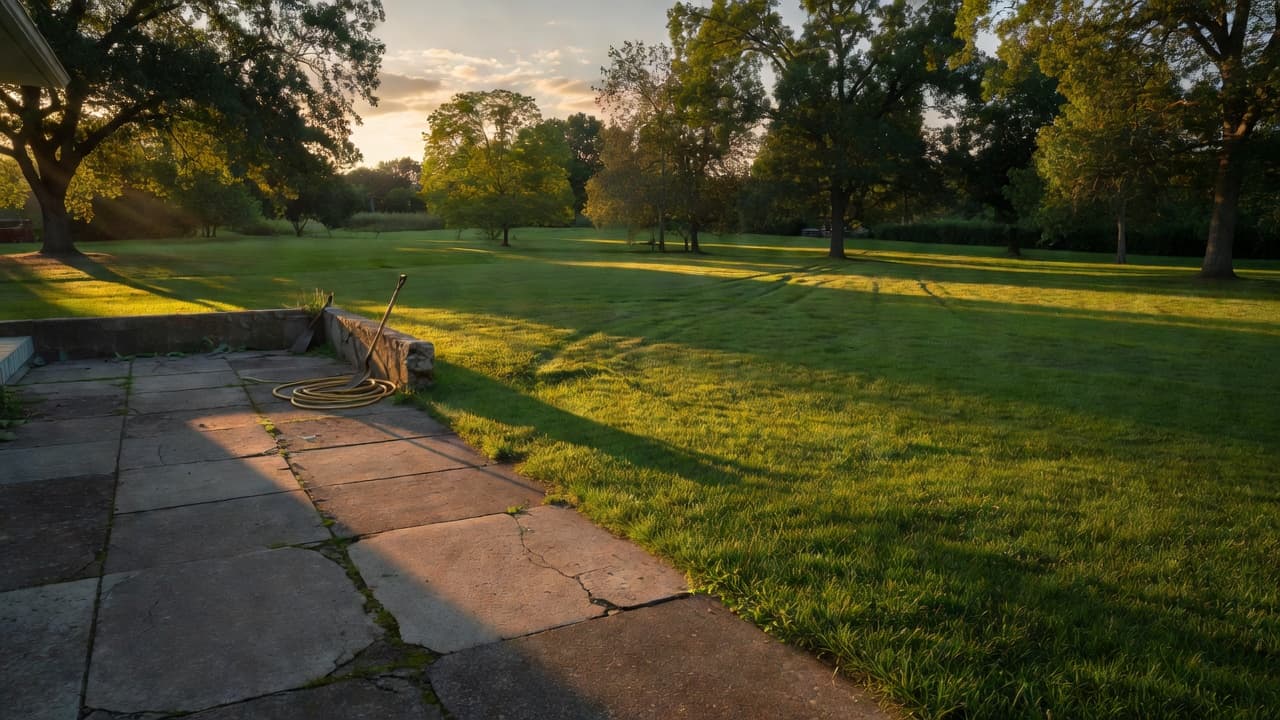
A contractor might preserve a section of patio outside the pool footprint. That decision is different from building the pool directly over the slab. The remaining concrete must stay stable while the crew excavates nearby, and the new design needs a proper joint between old and new surfaces.
When Can the Old Patio Stay?
An existing patio can often remain if it sits outside the pool excavation and doesn't interfere with the new deck, plumbing, drainage, or enclosure. For example, a rectangular patio beside the proposed pool might stay in place while the pool occupies the adjacent lawn.
The contractor should inspect the slab for cracks, settlement, poor drainage, and edge damage before incorporating it into the design. A patio that already slopes toward the house or holds standing water may create problems after construction. New deck surfaces can also make differences in height more noticeable.
Sometimes the old patio becomes part of the finished pool area. The crew may connect new concrete, pavers, or another deck material to the existing slab. That connection needs careful grading and a suitable transition. A surface that looks acceptable before construction may need replacement if excavation undermines its edge.
Covered patios and screen enclosures require extra review. Their posts may sit on individual footings, thickened slab areas, or separate foundations. The planned pool excavation must avoid damaging those supports. If the enclosure will be rebuilt, the new design may require different post locations and new footings.
What About an Above-Ground Pool?
An above-ground pool may be installed on an existing patio in some situations. The slab must be level, structurally sound, free of significant cracks, and large enough for the pool and its support system. The pool manufacturer may also require a particular base or prohibit installation on certain surfaces.
Water creates substantial weight, so a cracked or settling patio isn't a safe foundation. The slab also needs proper drainage around the pool. Water trapped against the concrete can worsen damage and create slippery conditions.
A contractor should inspect the patio and compare it with the pool manufacturer's installation requirements. Never assume that any flat concrete surface is suitable.
What Must Be Checked Before Pool Construction?
The patio is only one part of the site assessment. A pool contractor needs to understand what lies below and around the proposed pool before demolition begins.
The planning process commonly includes these steps:
- Measure the yard and locate property features. The contractor reviews the house, property lines, fences, trees, utilities, easements, septic systems, and existing structures. Required setbacks can affect the pool's size and placement.
- Locate underground services. Gas, electric, water, irrigation, sewer, and communication lines may cross the yard or run beneath the patio. Utility locating through 811 helps identify buried services before excavation.
- Review soil and groundwater conditions. The crew needs a stable excavation and a plan for water that enters the work area. Local soil conditions can affect excavation, dewatering, backfill, and equipment access.
- Inspect nearby structures. Excavation beside the house, retaining walls, enclosure footings, or another slab requires careful planning. The contractor may need a specific digging sequence or an engineer's input for unusual conditions.
- Prepare the permit plans. Pool permits typically involve site plans, structural details, electrical work, safety requirements, and inspections. Local requirements vary, so the contractor should confirm the process with the appropriate building department.
- Demolish and remove the patio where needed. The crew cuts the slab into manageable sections, removes concrete and base material, and disposes of the debris. They then prepare and compact the exposed soil.
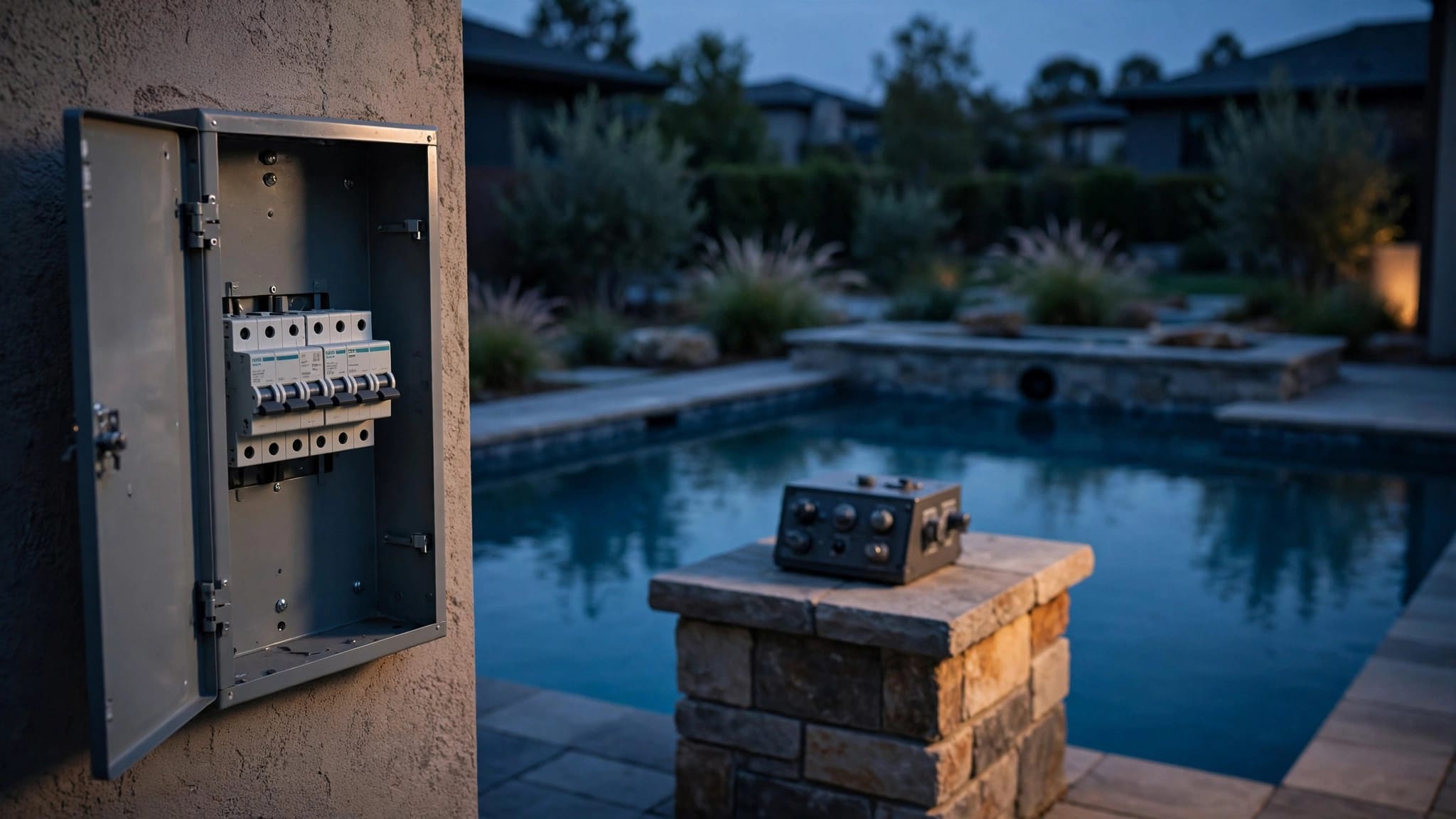
Drainage deserves close attention in Florida yards. The finished deck should direct water away from the home and prevent runoff from collecting around the pool. Pool equipment also needs a practical location with access for service, while electrical work must follow local requirements for bonding and safety.
If the patio contains old plumbing, a drain, lighting conduit, or an abandoned footing, the plans may need adjustment. Ask for these conditions to be reviewed before signing a construction agreement, not after excavation reveals them.
How Patio Removal Affects Cost and Pool Design
Removing an old patio adds demolition, hauling, disposal, labor, and soil-preparation work. The price depends on the slab's thickness, reinforcement, total area, access for equipment, distance to the disposal site, and whether footings or buried features are present.
A patio in a narrow side yard may cost more to remove than a larger slab with open equipment access. Workers may need smaller machinery or additional manual labor when gates, walls, landscaping, or the house limit access.
The design also affects the scope. A pool that replaces the entire patio requires more demolition than one placed in the lawn beside it. However, keeping the patio isn't always the least expensive choice if it needs major repairs or creates drainage and elevation problems.
Discuss these options during the design visit:
- Remove the entire patio and install one consistent pool deck.
- Remove only the portion inside the pool and preserve the surrounding slab.
- Keep the slab temporarily, then replace it if construction causes damage.
- Add a new deck material that creates a planned transition between old and new surfaces.
- Rebuild the patio and screen enclosure as part of a larger backyard project.
Your contractor should identify what the proposal includes. Ask whether it covers concrete demolition, debris removal, unsuitable soil, replacement fill, permits, deck work, drainage changes, and enclosure footings. A detailed scope makes it easier to compare estimates accurately.
If you already have a pool and the patio concern relates to a worn surface, a new pool may not be necessary. A pool remodeling vs resurfacing guide can help you compare a surface update with a larger redesign.
How to Choose a Contractor for the Project
Choose a pool contractor who evaluates the entire property, not only the patio. During the consultation, the contractor should discuss pool placement, access, excavation, soil, drainage, utilities, permits, deck materials, equipment, and the screen enclosure.
Ask for an on-site review rather than relying on measurements from photographs. The contractor should explain which patio sections can stay, where saw cuts will occur, and how the crew will protect the home and nearby surfaces.
You should also ask for examples of completed pool construction and patio replacement projects. Confirm who handles permitting, inspections, electrical coordination, debris removal, and warranty documentation. These details matter because several trades may work on the same backyard.
For homeowners in Cape Coral, a local contractor may also understand common property layouts, waterfront access, enclosure needs, and local permitting steps. Back Bay Pools offers new pool construction, renovation work, and resurfacing, with professional pool renovation services available when an existing pool is part of the project.
Before committing, request a written site assessment and a complete estimate. You can Get a Free Estimate to discuss whether the patio should be removed, preserved, or redesigned around the pool.
Conclusion
You can build a pool where an old patio sits, but an inground pool generally shouldn't be placed directly over the existing slab. The usual process involves removing the patio within the pool footprint, checking the soil and utilities, preparing the excavation, and rebuilding the surrounding deck.
A stable portion of patio may remain outside the pool area if it has sound construction and proper drainage. The safest decision comes from an on-site evaluation that accounts for the pool structure, deck, enclosure, equipment, and long-term ground conditions. A patio can be part of the finished backyard, but it must support the pool plan rather than limit it.