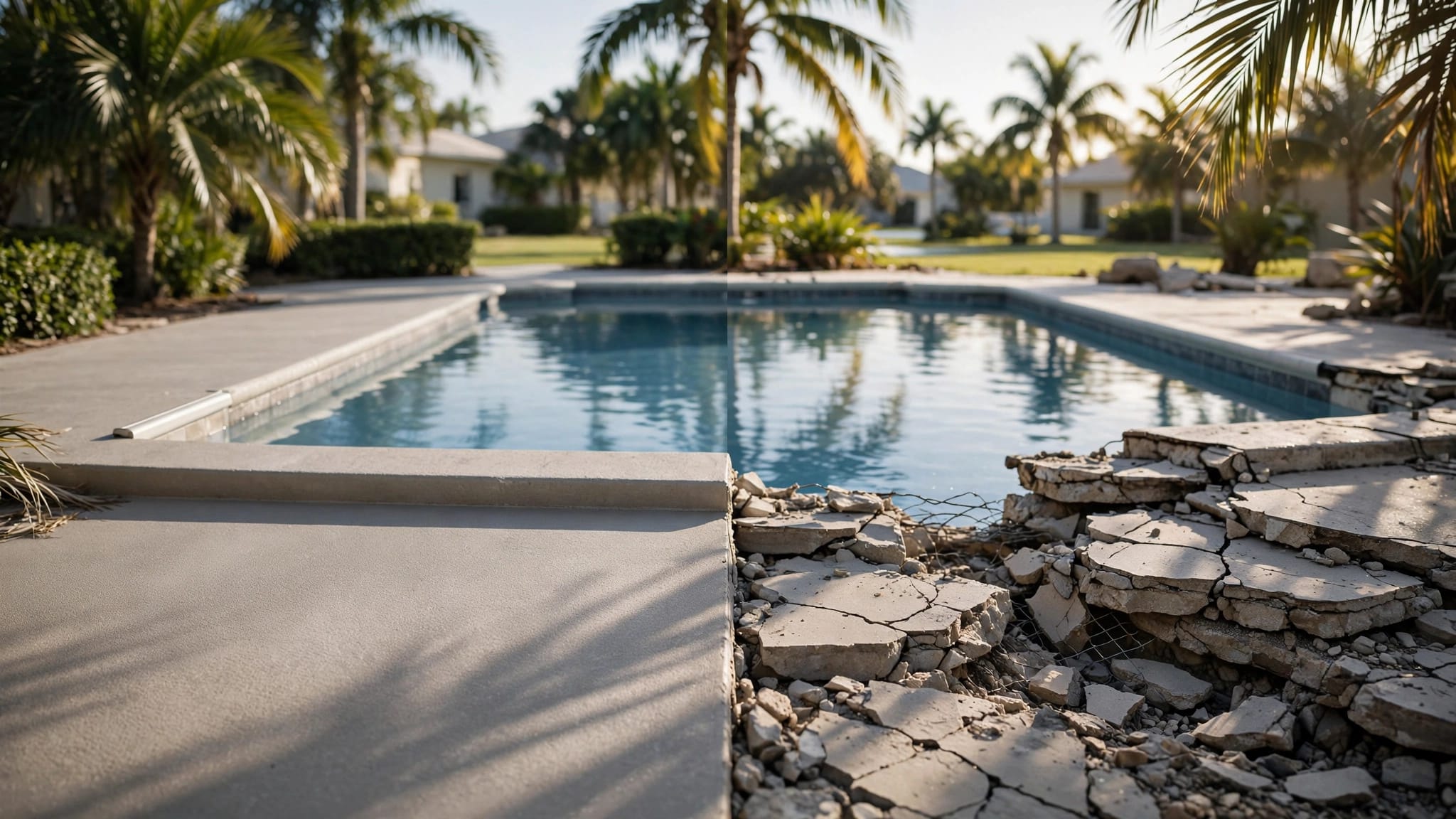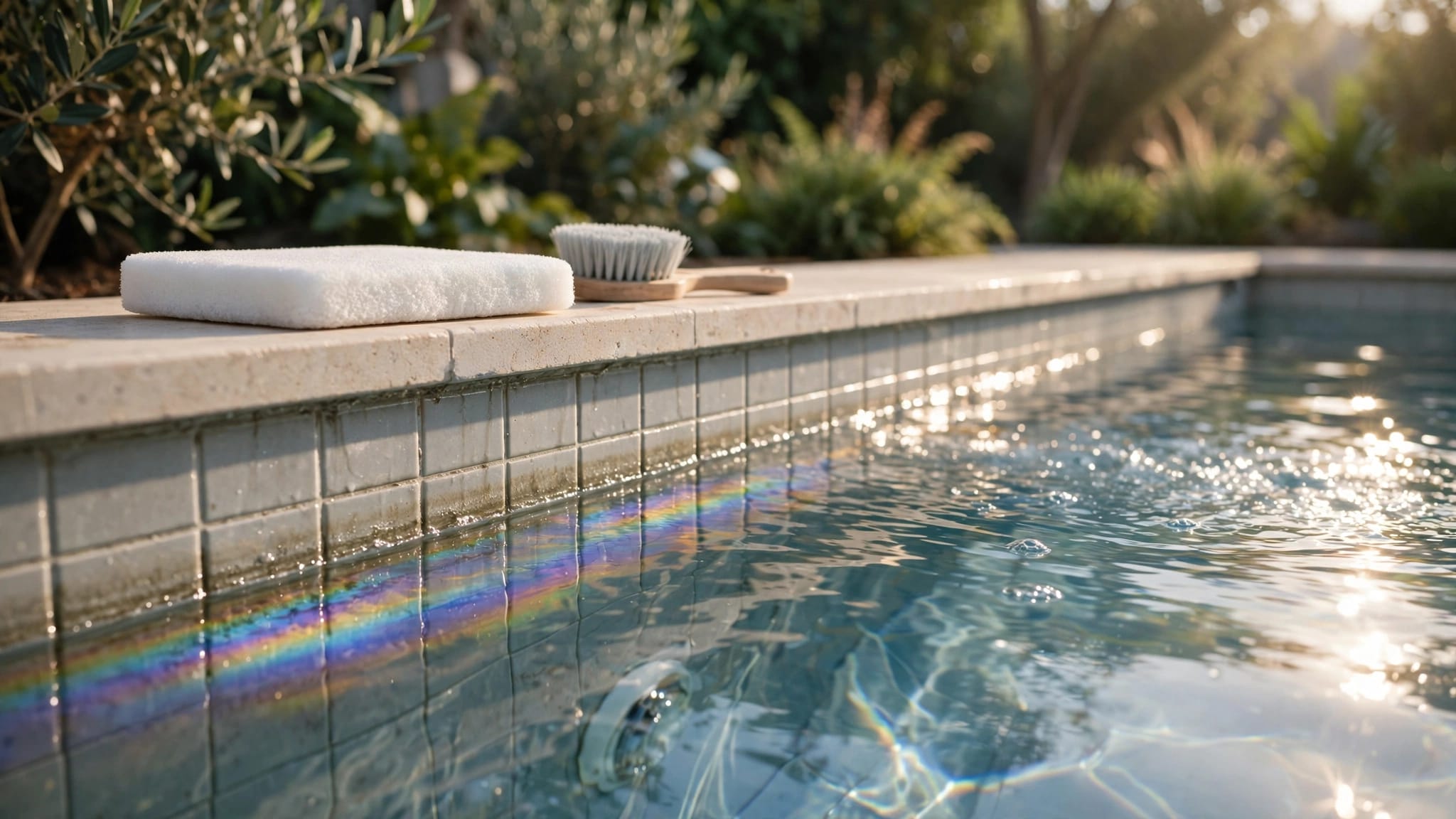
Your Cape Coral pool takes a beating from the sun and storms. Cracks appear, surfaces roughen, and that once-blue water turns cloudy. You face a choice: a quick fix or a full overhaul. This guide breaks down pool remodel vs resurface so you pick the right path for your backyard oasis.
What Is Pool Resurfacing?
Pool resurfacing refreshes the interior surface. Workers drain the pool, repair cracks, and apply a new finish like plaster, quartz, or pebble. The result? Smooth, watertight walls and floors that look new.
This process suits pools with worn but solid structures. In Cape Coral, constant sun fades colors fast. Resurfacing restores shine without major changes. It lasts 7 to 15 years, depending on material.
For example, pebble finishes hold up best against saltwater corrosion common here. They resist algae better than basic plaster. Most jobs wrap in one to two weeks.
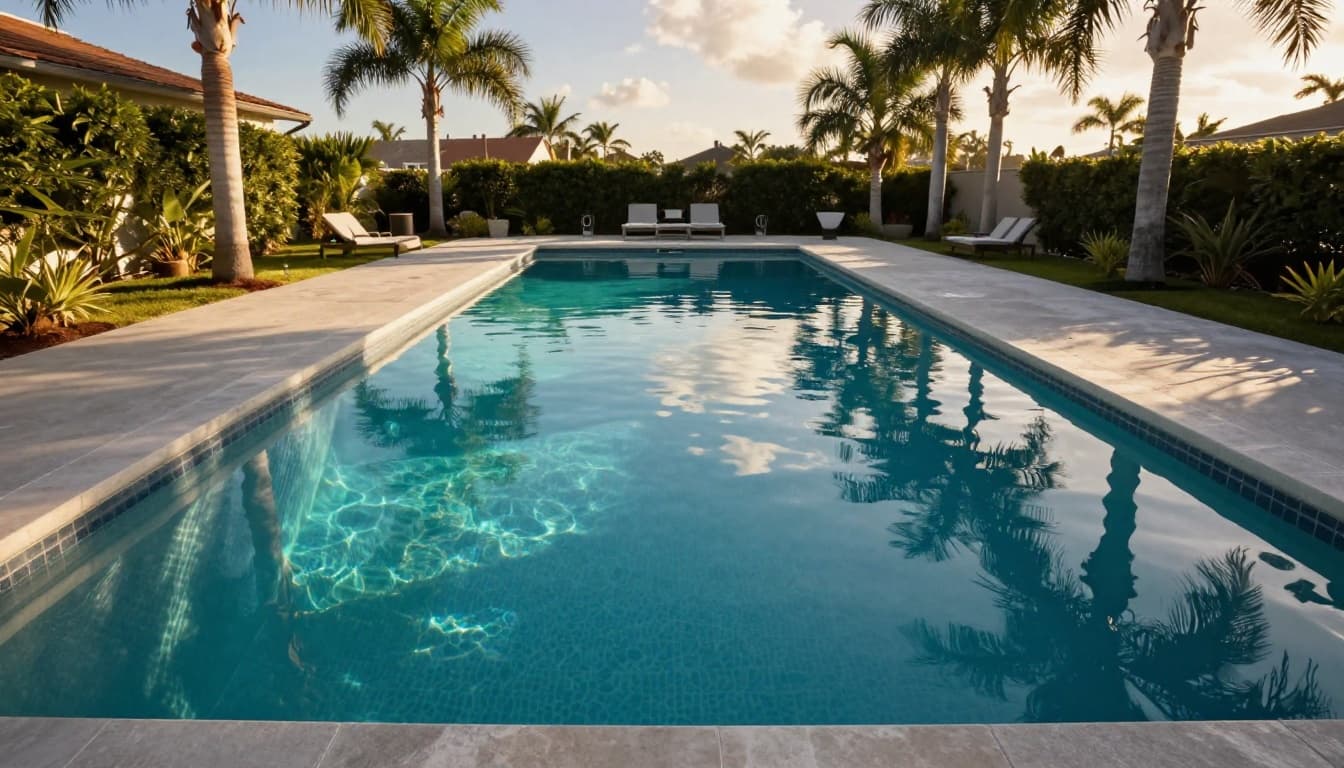
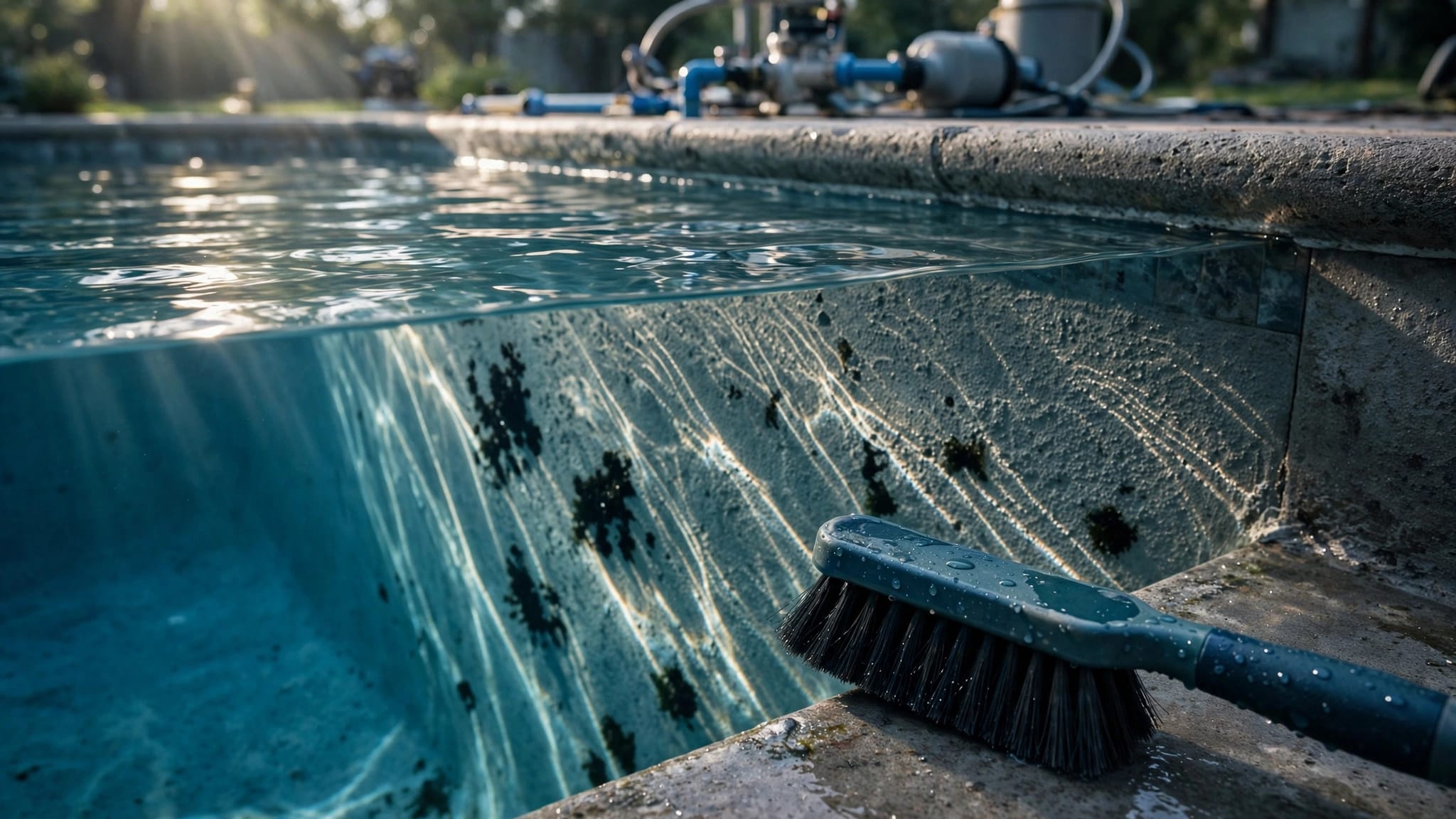
Check signs it's time to resurface your Cape Coral pool for early warnings like stains or leaks.
What Does a Pool Remodel Involve?
A pool remodel goes deeper. It reshapes the pool, adds features, and updates surroundings. Think new tile borders, waterfalls, or energy-efficient pumps.
Contractors might expand the shallow end or install LED lights. They often resurface too, but focus on functionality and style. This transforms an outdated pool into a modern retreat.
In Florida backyards, remodels include storm-resistant decks or heating systems for year-round use. Projects take longer, often four to eight weeks.
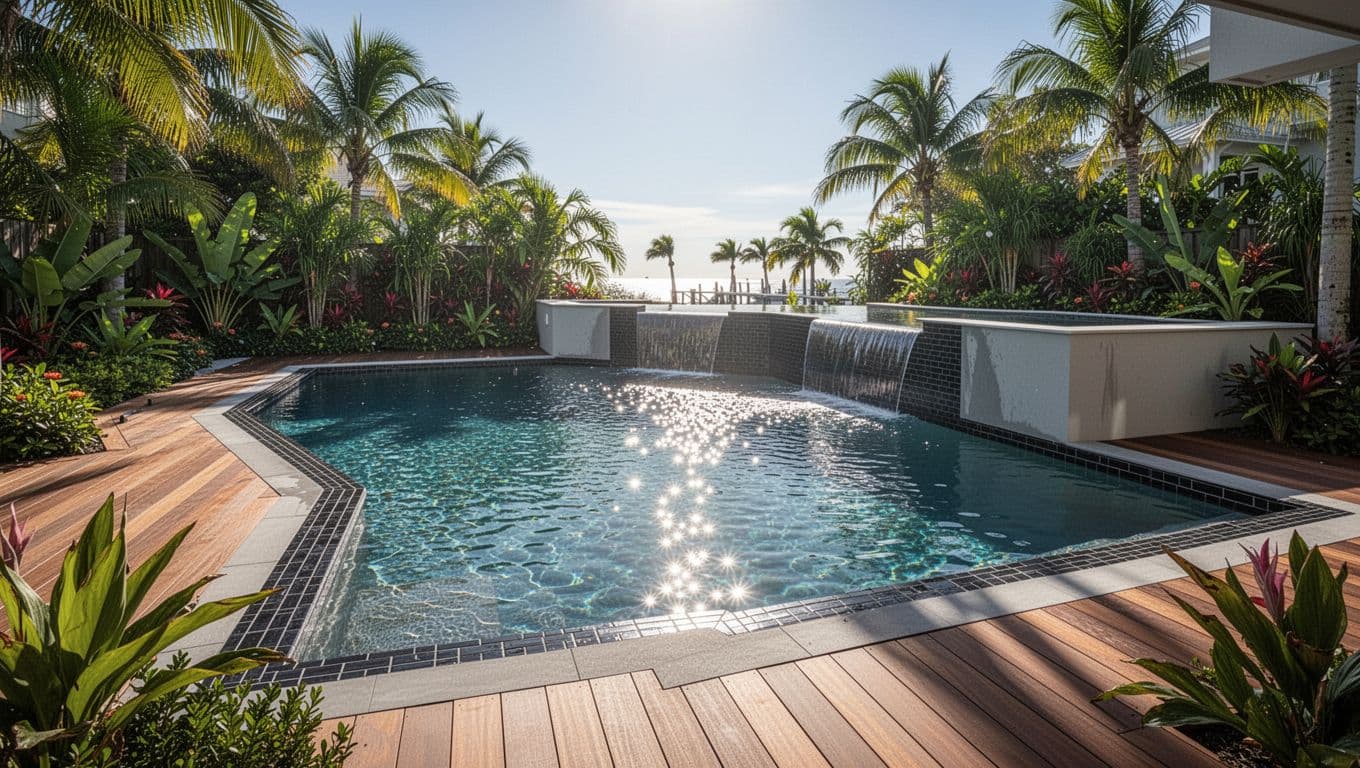
See pool renovations and resurfacing Cape Coral options that blend both approaches.
Key Differences: Pool Remodel vs Resurface
Resurfacing targets the surface only. It fixes cosmetics and minor wear. A remodel overhauls design and systems.
Resurfacing keeps the pool's shape. Remodeling changes it, like adding a spa or beach entry. The first saves time; the second boosts value.
Here's a quick comparison:
| Aspect | Resurfacing | Remodel |
|---|---|---|
| Scope | Surface finish only | Full redesign, features |
| Downtime | 1-2 weeks | 4-8 weeks |
| Best For | Surface cracks, stains | Structural issues, outdated |
| Cape Coral Fit | Quick sun/heat refresh | Storm upgrades, efficiency |
Resurfacing costs less upfront. Remodels pay off in enjoyment and home resale.
Cape Coral-Specific Factors
Local weather speeds up pool damage. Intense sun cracks plaster. Heavy rains erode edges. Storms bring debris that scratches floors.
Saltwater pools, popular here, corrode basic finishes fast. Heat demands durable materials like pebble or quartz.
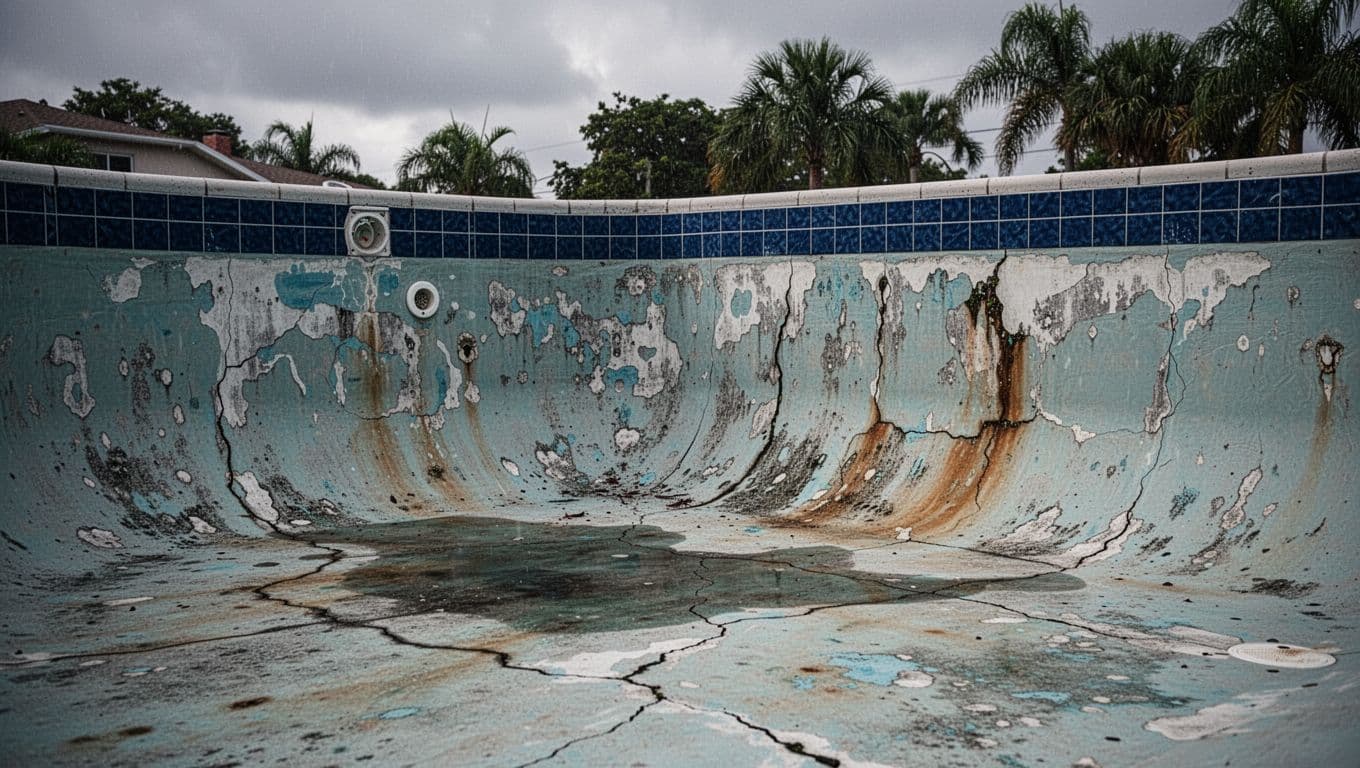
These conditions mean resurfacing every 7-10 years for plaster. Opt for remodels if leaks or old pumps plague you. Permits vary; check local rules early.
Cost Breakdown for Cape Coral Pools
Expect $6,000 to $15,000 for resurfacing a standard pool. Plaster runs $3-$10 per square foot. Pebble finishes hit $10-$25.
Remodels start at $10,000 and climb to $35,000 with add-ons like waterfalls. Factor in 20-50% more for repairs from storm wear.
Prices shift with pool size and contractor. Get multiple quotes. Financing helps spread costs.
When to Choose Resurfacing over Remodeling
Pick resurfacing if your pool is under 15 years old with good bones. Rough floors or fading? That's a resurfacing cue.
Go for remodel if structural cracks appear or features feel dated. Energy bills high? Upgrade pumps during remodel.
Assess age first. Then check budget and goals.
Decision Factors for Homeowners
Budget tops the list. Resurfacing fits tight wallets. Remodels suit bigger investments.
Consider pool age and condition. Young pools need surfaces only. Older ones demand full work.
Aesthetics matter too. Want a spa? Remodel. Just fresh color? Resurface.
Energy efficiency counts in hot Cape Coral. New systems cut costs long-term.
Finally, weigh disruption. Resurfacing means short downtime. Remodels pause summer swims.
Get a Free Estimate to match your needs.
Your pool deserves the right fix. Resurfacing revives quickly for minor issues. Remodeling redefines your space for lasting appeal. Match the choice to your pool's state and your vision. Enjoy those Cape Coral sunsets poolside sooner.