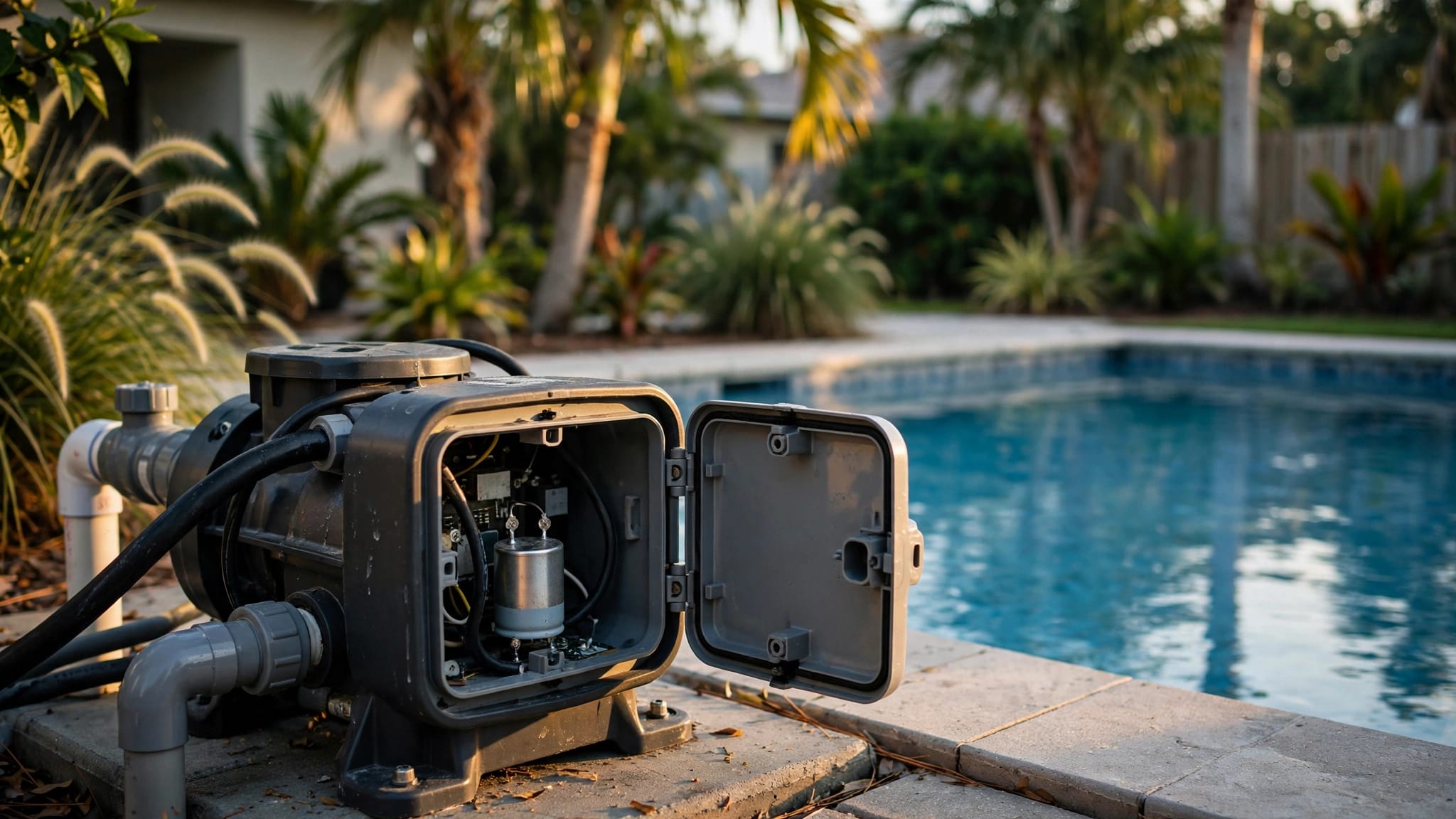
A pool warranty can protect your investment, but only if you understand what it covers before construction begins. Many homeowners focus on the pool's design and price, then discover that warranty limits matter when a finish cracks, equipment fails, or water enters the structure.
Pool builder warranties in Cape Coral vary by contractor, material, and manufacturer. Read the written terms alongside your construction contract, ask direct questions, and keep every document after the project is complete. Start with the coverage itself.
Key Takeaways
- Get separate warranty details for workmanship, the pool structure, finishes, and equipment.
- Confirm the coverage period, exclusions, claim process, and transfer rules in writing.
- Check whether maintenance, water chemistry, storm damage, or ground movement can affect coverage.
- Keep permits, invoices, inspection records, photos, and service reports in one file.
- Compare warranty terms when reviewing quotes, not only the total project price.
What a Cape Coral Pool Warranty Should Cover
A pool warranty usually contains several types of protection. One section may cover the builder's workmanship, while separate manufacturer warranties apply to pumps, heaters, automation systems, lights, and other equipment.
The first question is simple: What exactly is covered, and for how long? A contractor may offer a specific period for construction workmanship and a different period for structural components. The pool finish may have its own terms from the plaster, pebble, tile, or aggregate manufacturer.
Ask the builder to identify these categories in the contract:
- Workmanship , including construction errors, plumbing installation, and finish application
- Structural components , such as the shell or other covered concrete work
- Pool interior finish , including plaster, quartz, pebble, or tile
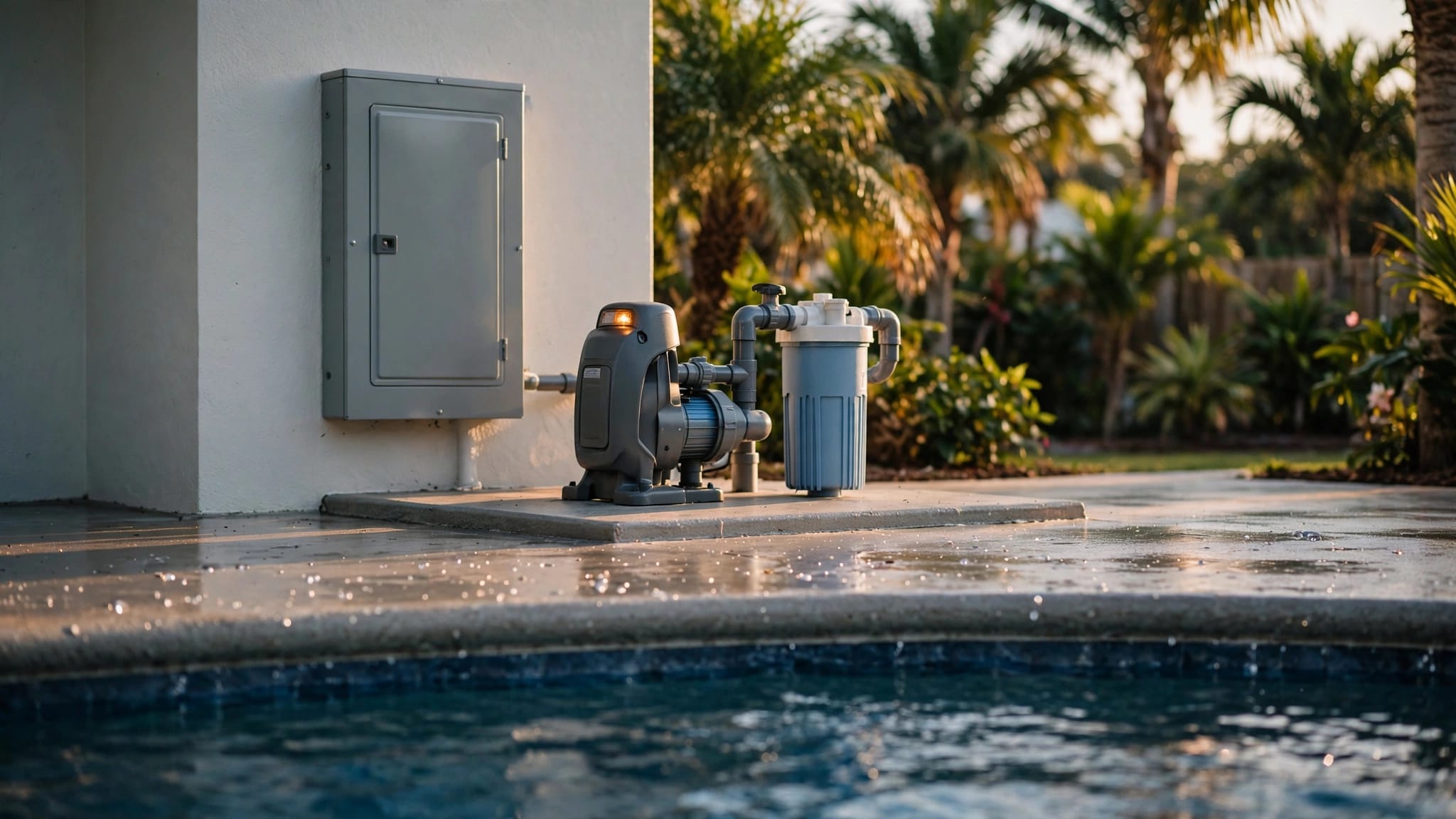
- Equipment , including pumps, filters, heaters, salt systems, and automation controls
- Decking and coping , if the builder provides a warranty for those materials
- Screen enclosure work , including frame installation, fasteners, and rescreening materials
A warranty that says "lifetime structural warranty" may sound broad, but the definition of "structural" controls the result. It may apply to a specific defect in the pool shell, while excluding surface cracks, plumbing leaks, deck movement, or damage caused by soil conditions.
Request the complete warranty document before signing. A sales proposal or verbal promise isn't enough. The final agreement should state who handles the claim, whether the builder or manufacturer pays labor, and what remedy is available. Repair, replacement, credit, and refund are different outcomes.
A warranty is only as useful as its definitions, exclusions, and claim instructions.
Separate Builder Coverage From Manufacturer Coverage
Equipment warranties often come from the manufacturer rather than the pool contractor. The builder may install the pump or heater, but the manufacturer may control replacement parts and product claims.
Ask whether the builder will handle the first service call or require you to contact each manufacturer. Also confirm whether labor is included. A replacement part might be covered while the cost to diagnose, remove, or reinstall it isn't.
Some products require registration within a set period. Keep model numbers, serial numbers, registration confirmations, and receipts together. These records can save time when you need service.
Read the Warranty Exclusions Before You Sign
The exclusions often matter more than the headline coverage period. Builders commonly limit or exclude damage linked to poor maintenance, improper water chemistry, unauthorized repairs, extreme weather, landscaping work, or changes made by another contractor.
Cape Coral's climate makes maintenance language especially important. Heat, heavy rain, storms, and long periods of strong sun can affect water balance and outdoor materials. A warranty may require you to maintain proper chemical levels and follow the equipment manufacturer's instructions.
Look for terms involving:
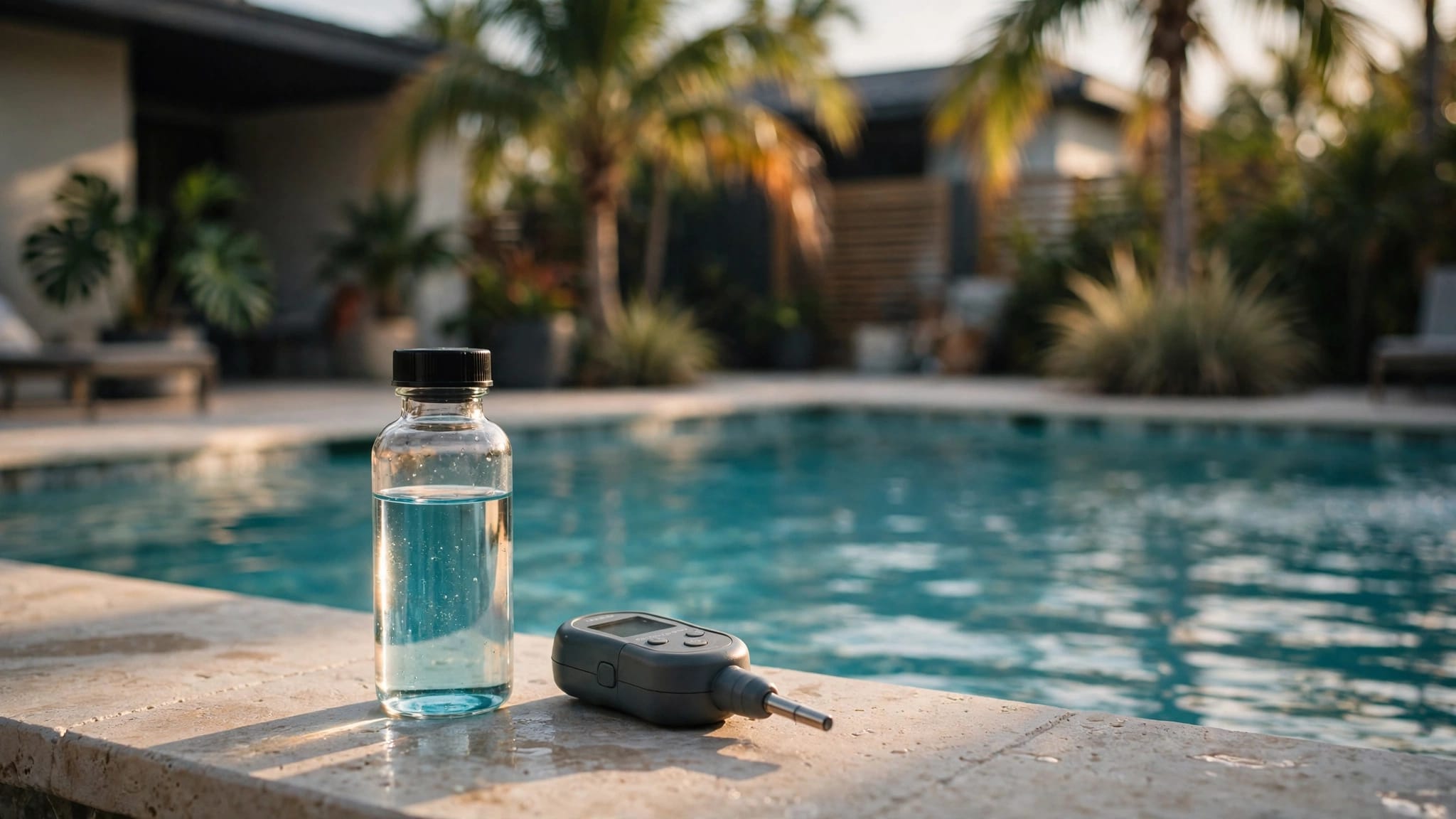
- Water chemistry, including pH, sanitizer, calcium hardness, and salt levels
- Failure to run pumps or maintain water circulation
- Damage from hurricanes, flooding, lightning, or power surges
- Cracks or movement connected to soil, drainage, or nearby excavation
- Damage caused by tree roots, irrigation changes, or new landscaping
- Repairs performed without the builder's written approval
- Normal wear, staining, fading, hairline finish cracks, or cosmetic changes
- Damage that occurs after the pool has been drained
- Unpaid balances or missed maintenance obligations
Florida weather can produce conditions outside a builder's control. A warranty might exclude storm damage, but that doesn't automatically answer every question about a defect discovered after a storm. Ask how the contract distinguishes weather damage from a construction defect.
Maintenance requirements should be practical and clear. If the warranty requires water testing, ask whether store test results, digital records, or professional service reports are acceptable. If you use a pool service company, keep copies of invoices and service notes.
Ask About Soil, Drainage, and Water Conditions
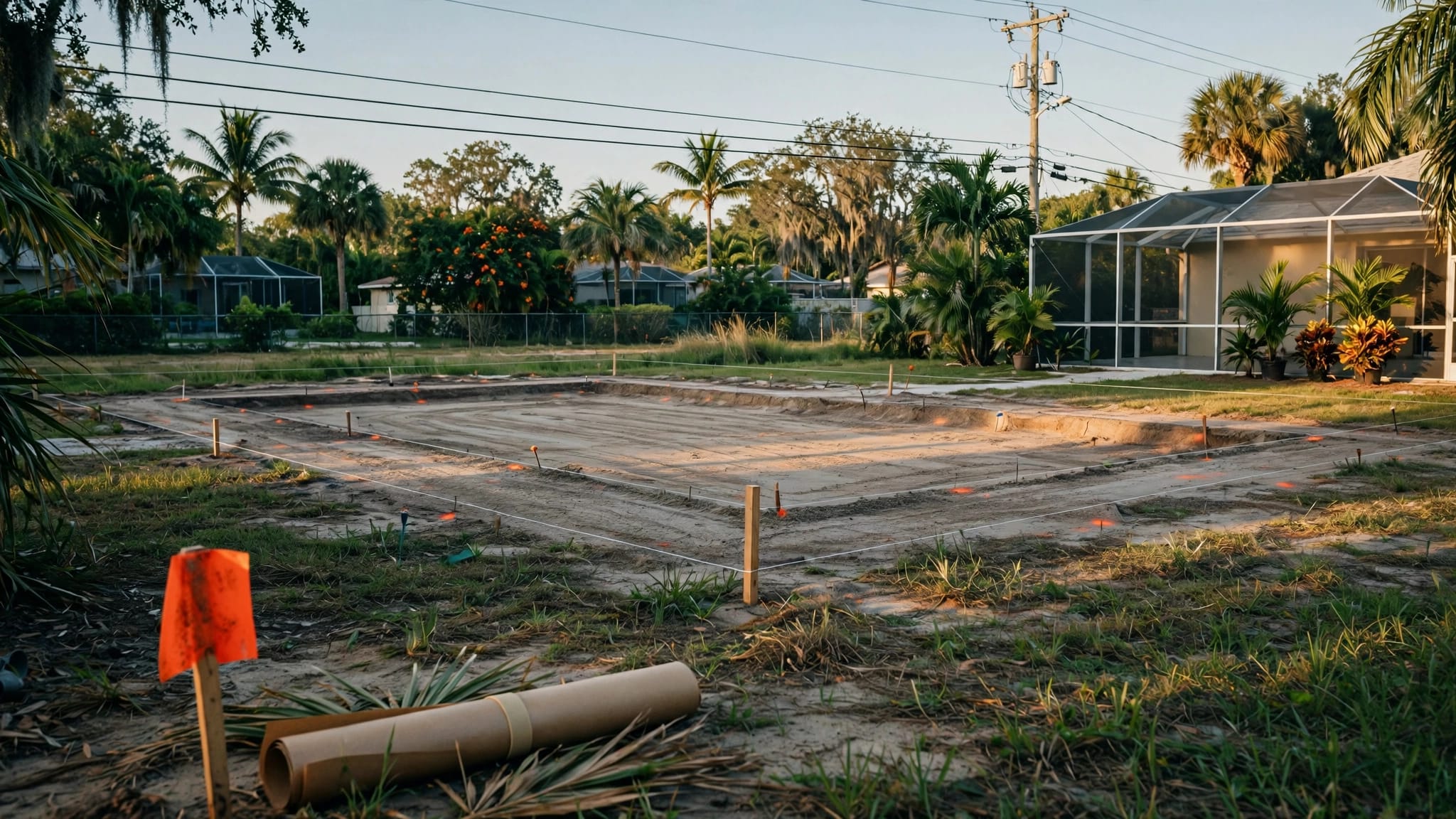
A pool warranty may address structural issues differently when groundwater, drainage, or soil movement is involved. Before construction, ask whether the builder evaluates the site and how the contract handles unexpected excavation or water conditions.
The contract should explain who pays for approved changes caused by unsuitable soil, buried debris, groundwater, access problems, or drainage work. These costs may fall outside the warranty because they relate to site conditions rather than a construction error.
You can also ask whether the builder provides written recommendations for deck drainage, downspouts, landscaping, and irrigation. Water that collects near the pool can create problems for the surrounding deck and soil. Clear installation records help separate a warranty issue from a later property change.
Check the Warranty Period and Start Date
The warranty period may begin on different dates. Some warranties start at substantial completion, some at the first fill, and manufacturer warranties may begin when the product is purchased or registered.
That date affects how much coverage remains when a problem appears. Ask the builder to state the start date in the contract and identify any separate dates for equipment or finishes.
A simple comparison can help when you review proposals:
| Coverage area | Questions to ask |
|---|---|
| Workmanship | What installation defects are covered, and for how long? |
| Pool structure | Does coverage include the shell, plumbing, or only defined structural defects? |
| Interior finish | Are cracking, discoloration, scaling, and delamination covered or excluded? |
| Equipment | Who handles service, and does coverage include labor? |
| Deck and enclosure | Are materials and installation covered separately? |
| Claim process | What notice, photos, inspections, and deadlines apply? |
The takeaway is clear: a longer period doesn't always mean better protection. A shorter warranty with precise coverage and a fair claim process may offer more practical value than a broad-sounding promise with many exclusions.
Also ask whether the warranty transfers if you sell the home. Some coverage ends at the original owner's sale, while other warranties transfer only after written notice or a fee. Get the transfer procedure before closing a future sale, not after a buyer asks for it.
Compare Warranty Terms When Choosing a Builder
Price comparisons are useful, but they don't show the full risk of each proposal. Two builders may quote similar totals while offering different treatment for finish defects, equipment labor, drainage changes, and service calls.
Before choosing a contractor, ask for answers in writing:
- Who provides each warranty?
- What is the coverage period for each major component?
- When does each period begin?
- What defects are excluded?
- Who pays for labor, removal, testing, and replacement?
- How quickly must you report a problem?
- Can another contractor perform repairs without ending coverage?
- What happens if the builder closes or changes ownership?
- Does the warranty transfer to a future homeowner?
- Which maintenance records must you keep?
Review the builder's license and insurance information through official Florida resources, and check the company's written contract carefully. Customer reviews can reveal how a contractor responds after installation, but they don't replace a clear warranty document.
For local homeowners comparing new construction with renovation or resurfacing, the warranty should match the scope of work. A resurfacing project may carry finish-specific terms, while plumbing changes or new equipment may have separate coverage. A screen enclosure or rescreening project also needs its own written details for framing, fasteners, mesh, and installation labor.
If you're comparing project options, Get a Free Estimate to discuss the work, expected materials, and warranty documentation before making a decision.
Document the Project From Start to Finish
Good records make a warranty claim easier to evaluate. Create a digital and paper folder before construction begins. Store the signed contract, change orders, permit information, invoices, product manuals, warranty registrations, and inspection records.
Take dated photos during major stages, including plumbing placement, reinforcement, shell work, tile, finish installation, decking, and enclosure construction. You don't need to photograph every visit. Clear records of concealed work can help if a leak or structural concern appears later.
After completion, photograph equipment labels and record the date the pool reached substantial completion. Save water test results and maintenance invoices. When you notice a problem, take close-up and wide-angle photos, write down when it started, and note recent weather or service work.
Contact the builder promptly through the method listed in the warranty. Describe the issue without guessing at its cause. Include the project address, completion date, affected component, photos, and requested inspection.
Don't authorize major repairs before the builder has a chance to inspect unless an urgent safety or property-damage issue requires immediate action. If emergency work is necessary, document the condition first and keep all invoices and reports.
Clear records protect both sides by showing what was installed, maintained, reported, and repaired.
What to Do When a Claim Is Denied
A denial should identify the warranty term supporting the decision. Ask for the explanation in writing, including the specific exclusion, inspection findings, and documents used to reach the decision.
Read the contract's dispute process before escalating. It may require written notice, an inspection, mediation, arbitration, or another step. Follow the stated deadlines and keep communication professional.
If the issue involves a substantial defect, repeated water loss, structural movement, or a dispute over contract obligations, consider speaking with a Florida construction attorney. The Florida Department of Business and Professional Regulation may also provide licensing and complaint information, although it doesn't replace legal advice or decide every private contract dispute.
A second opinion from a qualified pool professional can help identify whether the problem involves installation, equipment failure, water chemistry, drainage, or normal material behavior. Ask for a written report and avoid making claims that the evidence doesn't support.
Conclusion
A pool warranty deserves the same attention as the design, materials, and final price. Review coverage by component, confirm the start date, study exclusions, and ask who pays for labor when a manufacturer part fails.
In Cape Coral, keep careful records of maintenance, storms, water chemistry, and property changes. When the terms are clear before construction starts, a warranty becomes a useful protection instead of a promise you have to interpret during a stressful repair.