A new pool can transform your backyard, but excavation and deck work can also disrupt the irrigation system that keeps it green. In Cape Coral, sandy soil, established tropical landscaping, and frequent watering make that disruption easy to notice.
Pool construction affects irrigation before, during, and after the work. Proper planning protects buried lines and plant roots, while a post-construction inspection restores coverage around the new pool area. The right approach keeps your yard healthy without spraying water onto the deck, screen enclosure, or pool.
Key Takeaways
- Pool plans should account for irrigation pipes, valves, wiring, pumps, and established plants before excavation begins.
- Sandy Cape Coral soil can shift after trenching and backfilling, which may create leaks, low spots, or uneven sprinkler coverage.
- New decks, screen enclosures, and equipment areas often require irrigation heads and zones to move.
- After construction, every zone should run through a complete inspection before the regular watering schedule resumes.
- Pool renovations and rescreening can also affect irrigation when crews alter decks, drainage, or enclosure footings.
Why a New Pool Can Disrupt Cape Coral Irrigation
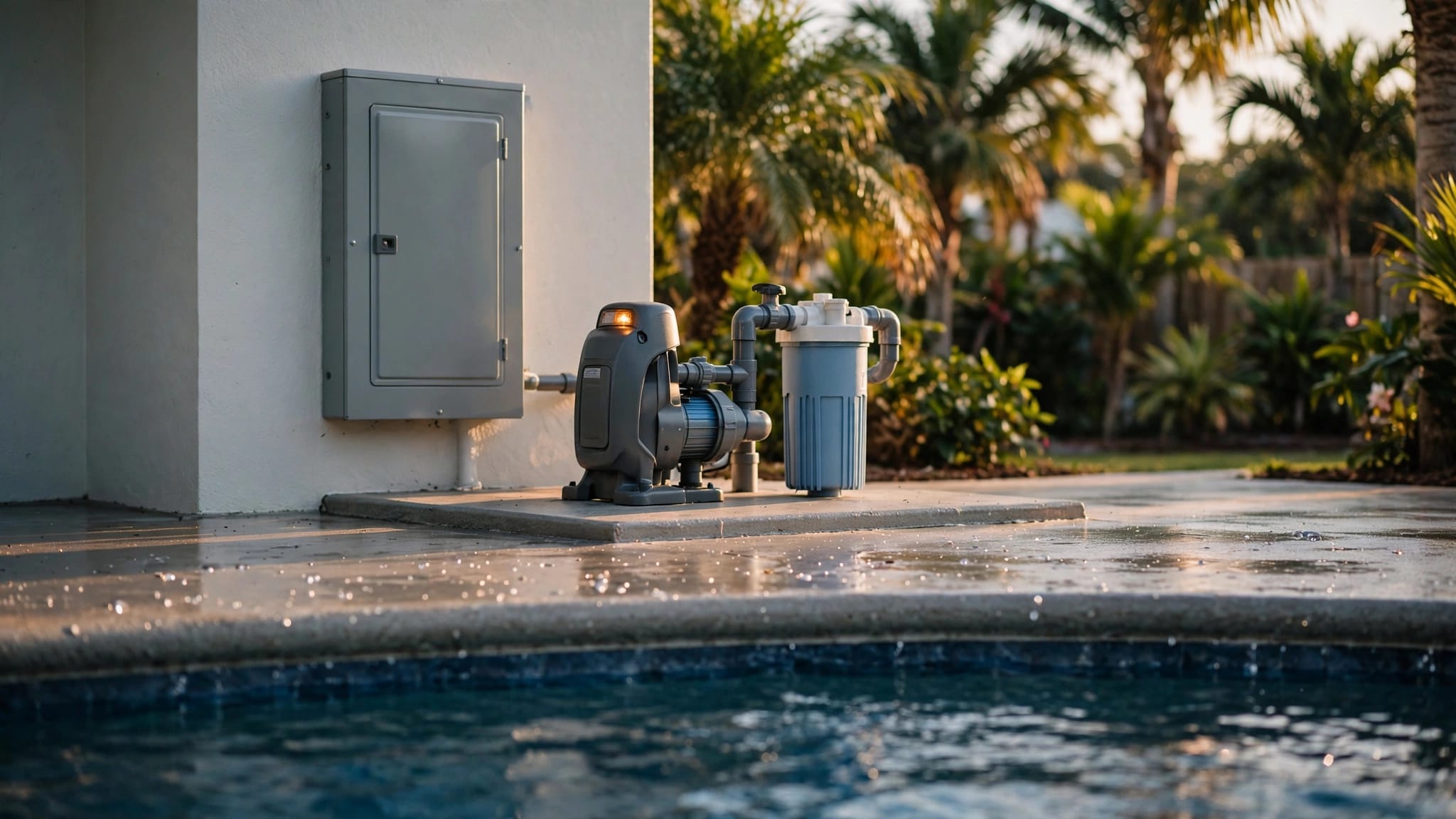
An irrigation system may look simple from above, but much of it sits underground. Lateral lines carry water to sprinkler heads, larger mainlines feed zones, and low-voltage wires connect valves to the controller. A pump or well system may also supply the irrigation water. Pool excavation, equipment installation, and deck construction can cross any of these paths.
Cape Coral properties often have sandy soil that allows crews to excavate quickly. That same soil can shift when workers remove and replace large amounts of material. A pipe that survives excavation may still develop stress or a loose connection when the surrounding soil settles.
The access route creates another risk. Heavy equipment may travel across side yards or areas that contain sprinkler lines. Even without direct digging, vehicle weight can crack shallow pipes, flatten heads, or disturb valve boxes. Construction materials can also cover heads and make them difficult to locate.
New hardscape changes water movement as well. A concrete deck, paver area, or equipment pad takes away soil where irrigation once applied water. A sprinkler that worked well before construction may now spray across the deck or hit the screen enclosure. Water can collect beside the pool instead of reaching nearby plants.
Irrigation damage doesn't always appear as a dramatic broken pipe. A buried line, clogged head, or shifted sprinkler can create dry plants weeks after construction ends.
The pool shell itself usually doesn't connect to the irrigation system. The impact comes from the shared backyard space. That is why the irrigation plan belongs in the early pool layout, not as a repair item after the crews leave.
What to Plan Before Pool Construction Starts
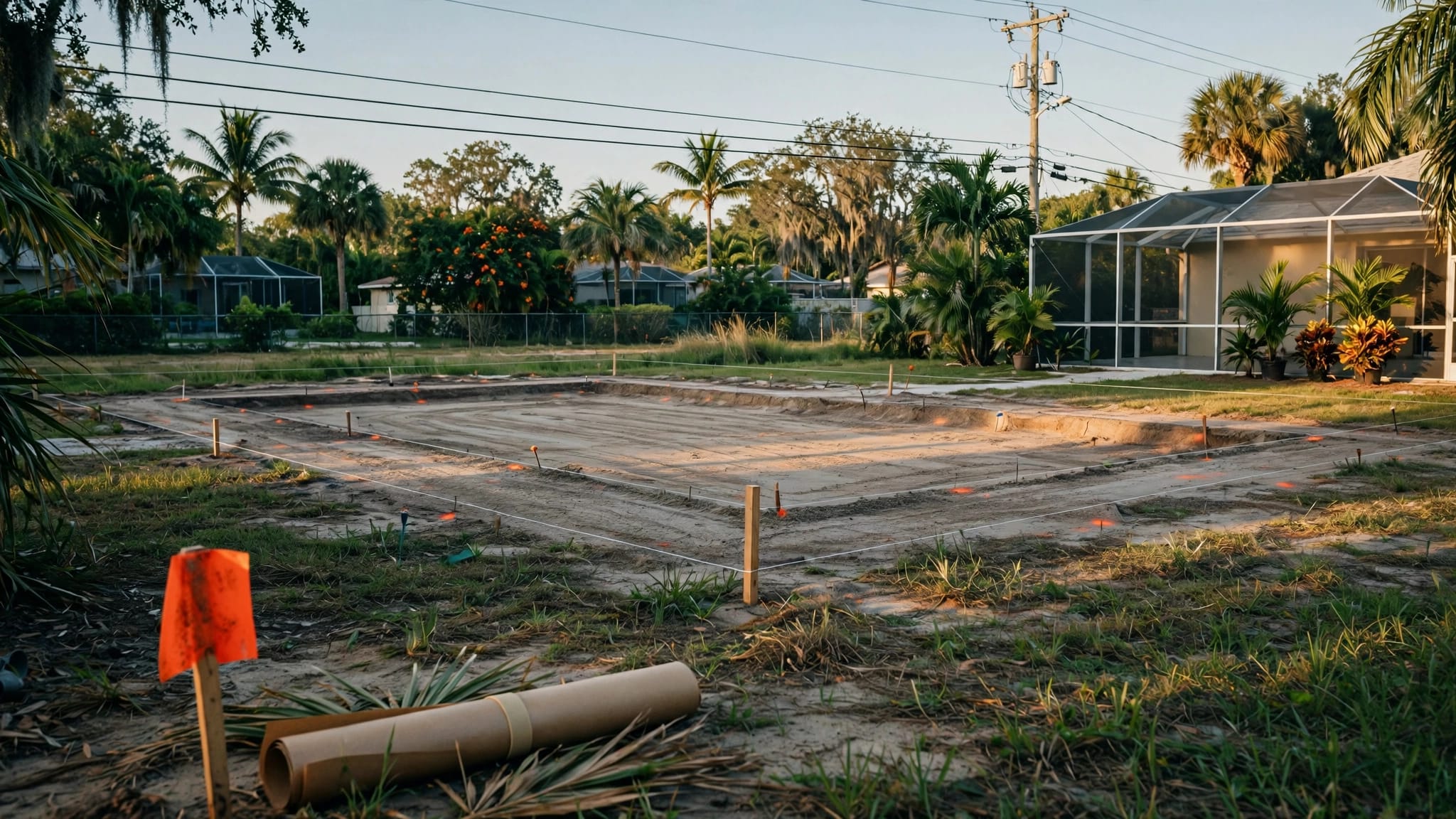
The first step is locating the existing irrigation system. Before excavation, the contractor and irrigation professional should identify the controller, pump, valves, valve boxes, mainlines, lateral lines, and sprinkler heads. A system map or clear photos can help when parts become hidden beneath new soil or concrete.
Run every irrigation zone before work begins. Look for weak spray, leaks, clogged nozzles, tilted heads, and areas that already receive too much water. Repairing existing problems before construction creates a clear baseline. Otherwise, an old leak may be blamed on the pool project.
The pool design should show more than the shell. It should also account for the deck, screen enclosure posts, equipment pad, drainage features, planting beds, access route, and future maintenance space. Irrigation lines should stay outside concrete whenever possible. If a line must cross under a deck or walkway, install a suitable sleeve or plan a serviceable route before the concrete goes in.
Plant preservation also deserves early attention. Mature palms, hedges, crotons, bougainvillea, and other tropical plants may have roots near the excavation zone. Some can be protected or moved, while others may need removal. Irrigation changes should match the final planting plan, not the old yard layout.
Before the first machine arrives, confirm these details:
- Which irrigation zones will be shut off during excavation?
- Where will workers drive and place soil or materials?
- Which sprinkler heads will move because of the deck or pool shell?
- Will the irrigation pump, controller, or electrical supply need protection?
- Where will replacement lines and valves remain accessible?
The timing matters because pool work can take the system offline for a period. Tropical landscaping may show stress quickly during hot weather, especially in sandy soil. A temporary watering plan can protect plants without sending water through damaged lines.
Homeowners planning pool construction in Cape Coral should also review the irrigation layout during the onsite estimate. Get a Free Estimate to discuss the pool footprint, deck design, and likely irrigation adjustments before construction begins.
How Sandy Soil and Tropical Landscaping Change the Work
Cape Coral's sandy soil drains quickly. That helps prevent standing water in many areas, but it also means plants may need regular irrigation during hot, dry periods. When pool excavation removes soil near a planting bed, the changed grade can alter how water reaches the roots.
Backfill can settle beside the pool deck or along trenches where irrigation lines were moved. A low area may collect runoff, while a raised section may drain too quickly. Neither condition is solved by adding more runtime. The system may need a new head, a different nozzle, or a grade correction.
Established landscaping adds another layer. A large palm or hedge may depend on a nearby bubbler or drip line rather than a spray head. Construction can sever those lines or compact the soil around them. Plants may continue to look healthy for a short time because of stored moisture, then decline after the root zone dries.
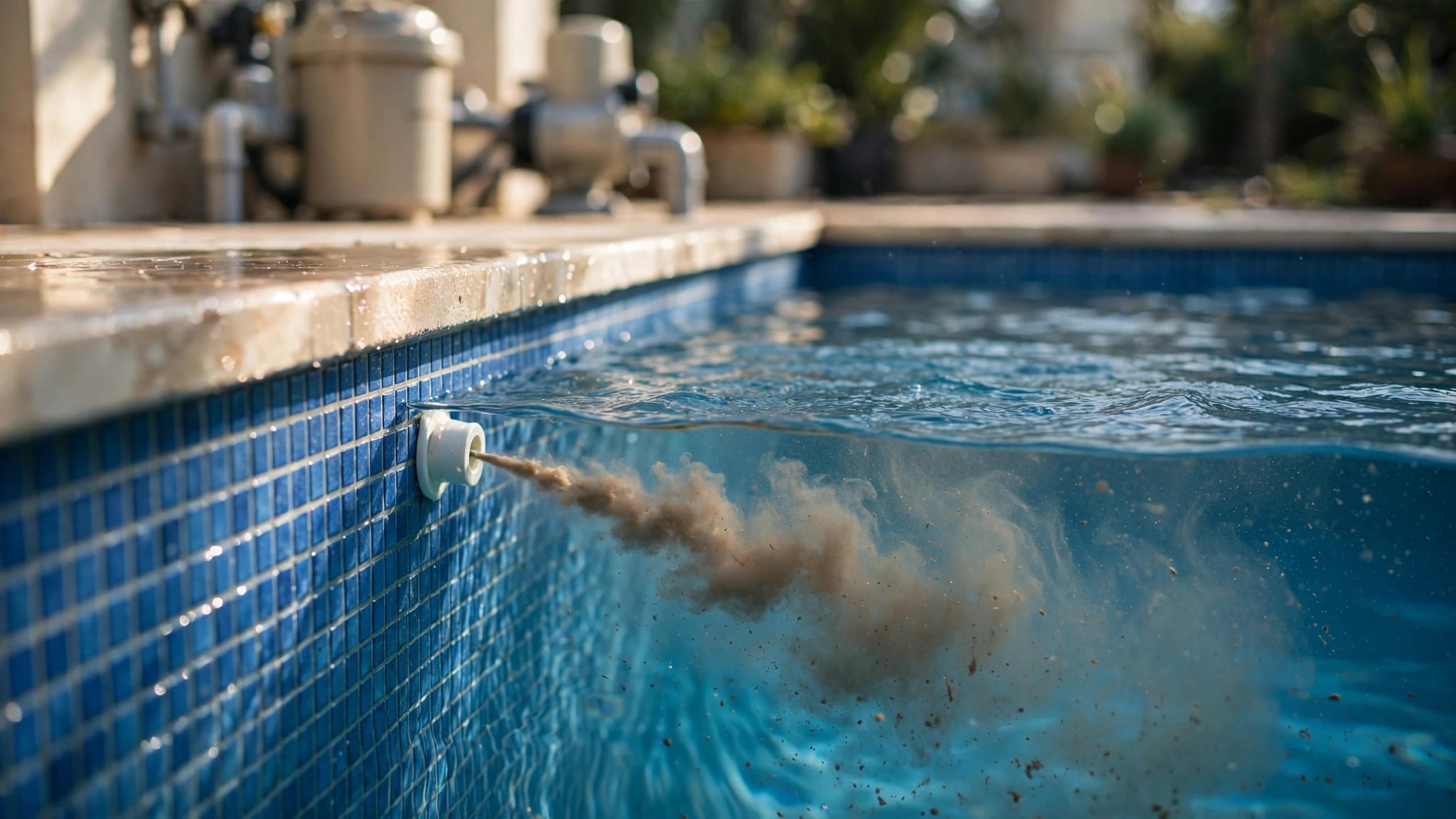
Construction debris can also clog nozzles. Fine sand, concrete dust, and soil may enter open pipes while lines are disconnected. Once the system runs again, that material can reduce spray patterns or block small emitters.
Irrigation adjustments should follow the finished yard. A pool deck usually reduces the amount of irrigated turf, while new planting beds may need different equipment. Drip irrigation or bubblers can fit narrow beds better than overhead spray. Heads near the screen enclosure may need repositioning to reduce overspray and mineral deposits on the frame.
Saltwater pool systems require extra care around nearby plants and metal surfaces. Pool water should stay within the pool and drainage design, rather than flowing into planting beds. Irrigation should also avoid repeatedly wetting the enclosure or deck, where mineral residue can accumulate.
What to Inspect and Repair After Construction
The post-construction inspection should happen after soil, deck, equipment, and landscaping work is complete. This is different from the pre-construction plan. Before construction, the goal is to locate and protect the system. After construction, the goal is to test performance and correct changes caused by the finished design.
Start at the controller and run each zone manually. Check whether the pump starts correctly, valves open, and the controller communicates with every zone. Then walk the entire property while each zone operates. Look for broken heads, buried heads, bubbling soil, exposed pipe, leaking valve boxes, and dry areas.
Sprinkler coverage often changes even when no pipe is broken. A new screen post, pool wall, hedge, or raised planting bed can block water. Heads may also sit too low after grading or point in the wrong direction after workers replace soil.
A complete inspection should include:
- Water pressure and flow at each zone
- Leaks around valves, fittings, and repaired pipe
- Sprinkler head height after final grading
- Nozzle spray patterns and blocked emitters
- Controller schedules and seasonal settings
- Irrigation wiring near the pool equipment area
- Overspray onto the deck, enclosure, home, or pool
Repairing a damaged line may involve exposing the pipe, replacing a fitting, and compacting the surrounding soil in stages. A quick patch at the surface may fail when the sandy soil settles again. Likewise, replacing a sprinkler head without correcting its location can leave the same dry spot.
Check drainage at the same time. Pool decks and new grades should move water away from the home and toward the planned drainage area. Irrigation runoff shouldn't wash soil toward the pool or create standing water beside the deck. If the final grade has changed, the irrigation layout and watering schedule may both need adjustment.
Don't restore the old schedule automatically. A yard with less turf and more hardscape may require less water, while newly planted areas may need closer attention during establishment. The finished landscape should guide the schedule.
Renovations, Resurfacing, and Screen Enclosures
Pool renovation work can affect irrigation even when the pool shell stays in place. Replacing a deck, adding a sun shelf, changing drainage, or expanding the pool area may require line relocation. Demolition can also damage nearby heads and valve boxes.
Resurfacing alone usually focuses on the pool interior, so it may not disturb underground irrigation. However, crews still need access around the pool, and related deck or coping work can change the risk. Protect heads before work starts, then test the system after cleanup.
Screen enclosure projects deserve a separate inspection. Rescreening an existing enclosure often involves little or no excavation, but new enclosure posts, footings, or a larger footprint can intersect irrigation lines. Heads near the enclosure may need to move outside the new perimeter. Sprinklers should not spray directly against screen panels or aluminum framing.
A coordinated project prevents repeated repairs. If the pool, deck, enclosure, and landscaping are handled at different times, each crew should receive the latest site plan before starting. That simple step reduces the chance that one installation covers a line another contractor needs to reach.
Conclusion
Pool construction in Cape Coral changes more than the pool area. Excavation, new hardscape, altered grades, screen enclosure work, and landscaping can all affect irrigation performance. Sandy soil and frequent watering make careful planning especially important.
Map and test the existing system before construction. Afterward, run every zone, inspect coverage, repair damage, and adjust the schedule to match the finished yard. When irrigation is treated as part of the pool plan, your tropical landscaping can keep receiving the water it needs without wasting it on the new deck or enclosure.