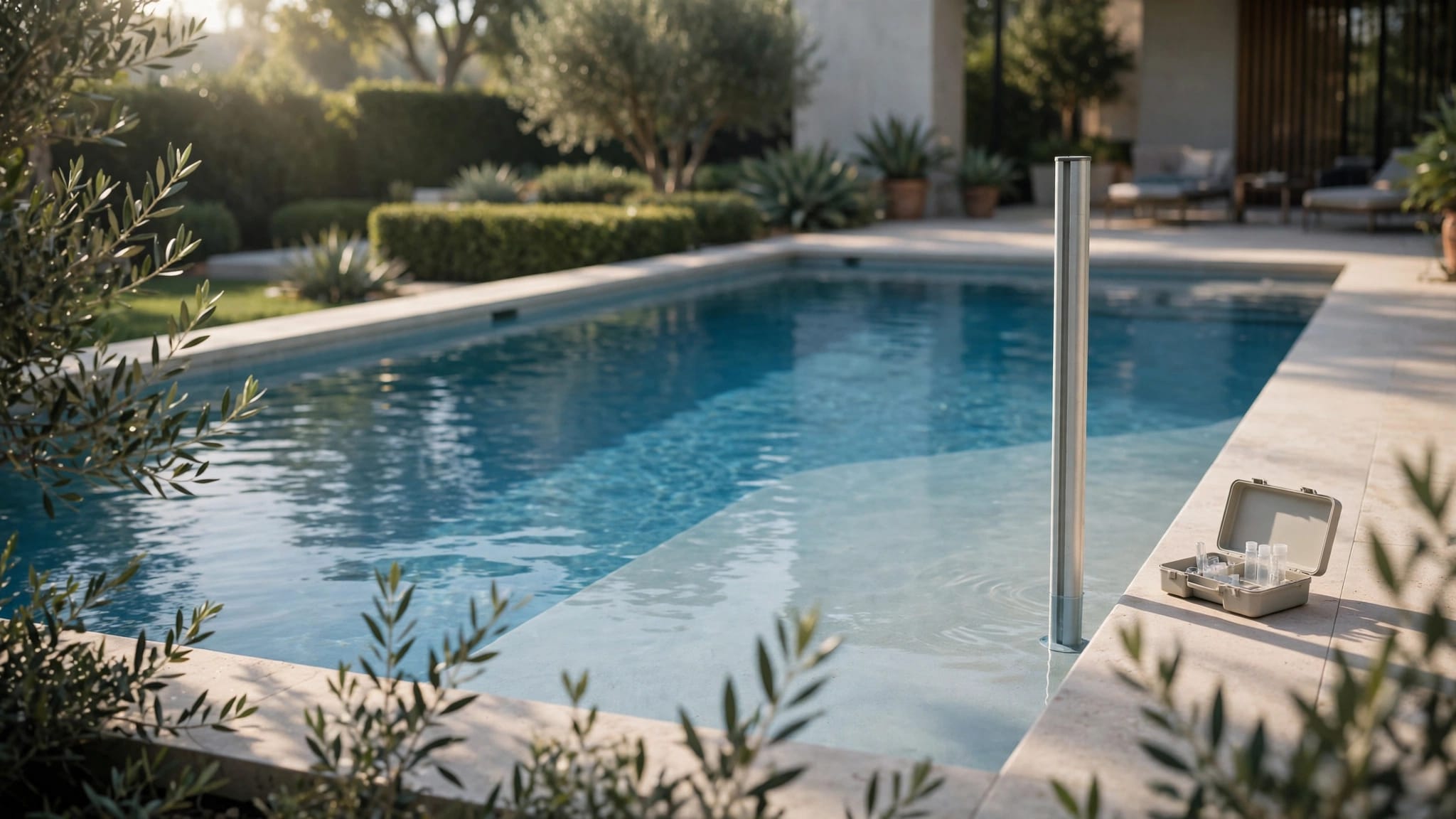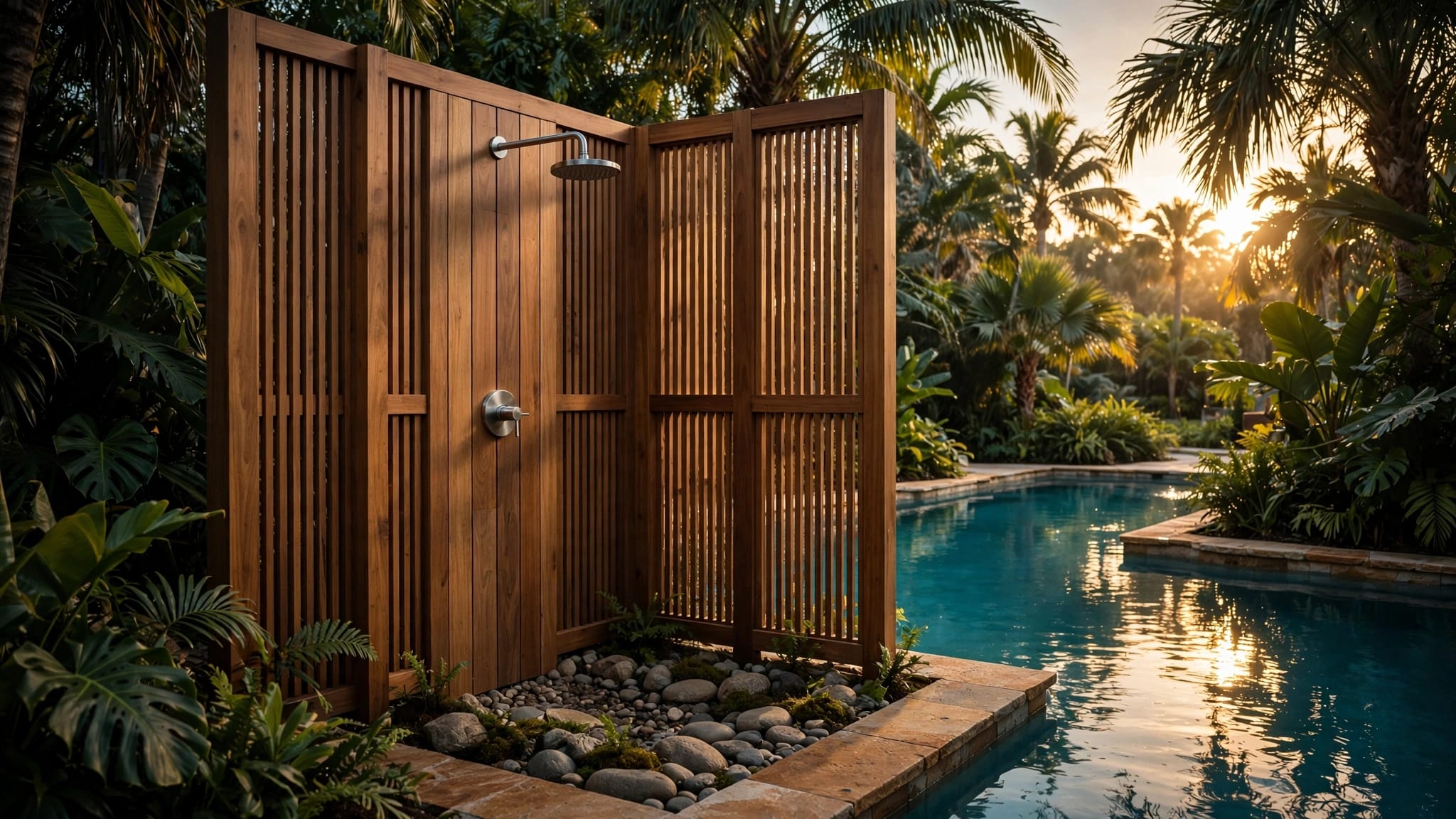
A small backyard can still hold a pool that feels comfortable, polished, and easy to live with. The tricky part is choosing the right size and style before the first shovel hits the ground.
A spool and a cocktail pool both fit tight spaces, but they create a different experience. One leans toward warm water, quick heating, and spa-like use. The other gives you a compact pool that feels better for lounging and entertaining.
The wrong choice can leave you with a pool that feels crowded or hard to maintain. The sections below make the differences clear so you can match the pool to your yard and the way you plan to use it.
Key Takeaways
- A spool is usually smaller and more spa-like, which makes it a strong fit for soaking and year-round use.
- A cocktail pool is usually a little larger, with more room for lounging and entertaining.
- Heating and energy use matter more in small pools than many homeowners expect.
- The best choice depends on whether you want relaxation, light exercise, social space, or all three.
- Smart layout choices can make a small backyard feel open even with a pool in it.
What a Spool Brings to a Small Backyard
A spool is a compact pool with spa traits. It is often heated, usually has built-in seating or jets, and is sized for comfort more than swimming laps. In a small backyard, that makes it attractive because it gives you water without taking over the whole lot.
Many spools fall somewhere around 8 to 12 feet wide and 12 to 20 feet long, although custom layouts can be smaller or larger. Rectangular shapes are common because they use space efficiently, and they also make the patio easier to furnish.
The biggest benefit is how fast a spool heats up. Less water means less time waiting and less energy spent getting it comfortable. That makes it a strong choice for cool evenings, shoulder seasons, or homeowners who want to use the pool all year.
A spool also works well if you want a quiet place to sit, soak, and unwind. Add jets, a bench, or a raised spa wall, and the pool starts to feel like a private retreat.
The downside is space. A spool gives you very little room for actual swimming, and it can feel too tight for active play or larger gatherings. If you want a pool for movement, a spool only works well when you add features like swim jets and keep expectations realistic.
What a Cocktail Pool Adds
A cocktail pool is still compact, but the goal shifts a little. It is designed more for lounging, conversation, and cooling off with a few guests than for spa-style soaking. Some builders use the term for a small social pool, while others use it for a shallow plunge-style layout. The labels overlap, so the actual design matters more than the name.
Cocktail pools usually give you more open water than a spool, which changes the feel right away. There is more room to stand, float, and move around without bumping into seating right away. That makes the pool feel friendlier for entertaining, even when the backyard is small.
Typical sizes are often larger than a spool, sometimes around 12 to 20 feet wide and 18 to 30 feet long, depending on the shape and features. Because of that extra size, a cocktail pool usually needs more water, more finish material, and more energy to heat.
The advantage is flexibility. A cocktail pool can look and feel like a real pool, just on a smaller scale. It fits homeowners who want a place to cool off, host friends, and enjoy the backyard without committing to a full-size pool.
The tradeoff is footprint. That little bit of extra size can shrink deck space fast. In a narrow yard, a cocktail pool can crowd furniture, walkways, or a screen enclosure if the plan is not carefully measured.
Spool vs Cocktail Pool at a Glance
The labels sound similar, but the day-to-day experience is different.
| Feature | Spool | Cocktail Pool |
|---|---|---|
| Main feel | Spa-like and intimate | Social and relaxed |
| Typical size | Smaller footprint, often 8 to 12 feet wide | Larger compact footprint, often 12 to 20 feet wide |
| Best use | Soaking, heating, quiet use | Lounging, entertaining, cooling off |
| Heating | Heats faster and uses less energy | Takes more time and energy than a spool |
| Exercise | Good for water walking or resistance with jets | Better for light movement, not lap swimming |
| Yard impact | Leaves more room for patio and landscaping | Needs more space around it |
The label matters less than the layout, depth, seating, and equipment. Those details decide whether the pool feels cozy or cramped.
A spool is the better fit when warmth, privacy, and efficiency matter most. A cocktail pool makes more sense when you want guests to have room to relax without the space feeling packed. Both can work well in a small backyard, but they solve different problems.
Costs, Heating, and Maintenance
Budget depends on more than pool size. Excavation, shell material, plumbing, electrical work, tile, finish, decking, access to the yard, and equipment all affect the final number. Tight access can increase labor because crews may need smaller equipment or more time on site. Add features like lighting, a heater, automation, or a screen enclosure, and the cost rises.
If you already have a pool and want to change the feel of the space, differences between pool resurfacing and remodeling can help separate a surface refresh from a bigger redesign. For a broader update, pool renovations and resurfacing can cover new finishes, equipment changes, and deck improvements.
Heating is where the gap between the two options shows up fast. A spool warms up quickly because it holds less water, so it usually costs less to bring to a comfortable temperature. A cocktail pool still heats faster than a full-size pool, but the larger volume means more energy use over time.
A cover helps either choice. It slows heat loss, cuts evaporation, and keeps the water cleaner between uses. In a warm climate, that can matter even more than the heater itself.
Maintenance is a little easier and a little more sensitive in compact pools. Less water means lower chemical use, but the water can shift faster when debris, rain, or frequent swimming changes the balance. A variable-speed pump, good filtration, and regular skimming help keep things stable. If you want less cleanup, a screened enclosure can make a small pool area much easier to live with.
Space-Saving Design Ideas for a Small Backyard
Small backyards work best when every feature has a job. A clean layout can make a compact pool feel intentional instead of crowded.
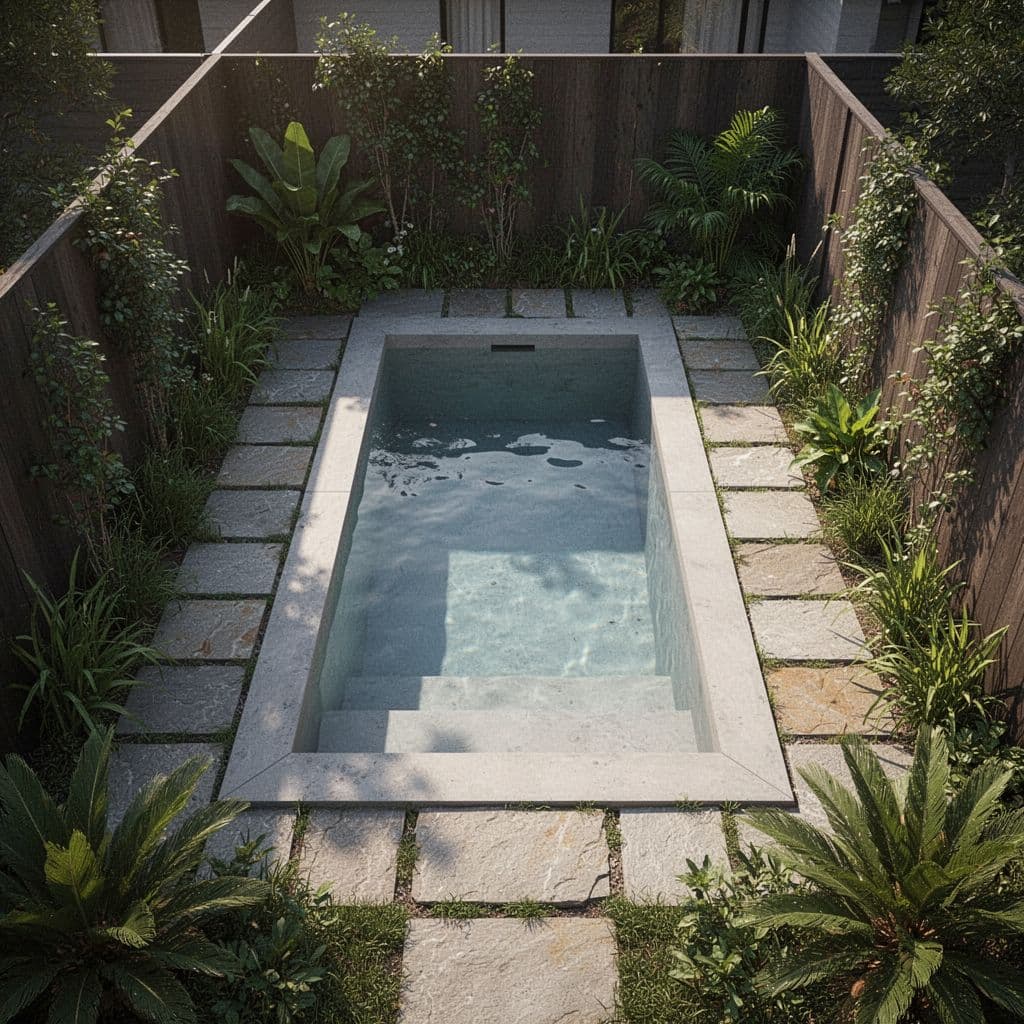
Straight lines usually work better than curves in a tight yard. Rectangular pools waste less space, and they make it easier to place chairs, planters, and walkways without awkward gaps.
Built-in seating also saves room. A bench or sun shelf can replace bulky furniture and keep the patio open. If you want a cleaner look, use one or two finish materials instead of three or four. Too many changes in color or texture can make a small yard feel chopped up.
Placement matters too. Tucking the pool along one side of the yard can leave a larger open area for dining or walking. In some yards, a raised wall can hide equipment and add a seat at the same time.
A screen enclosure can also help the space feel finished. It keeps out leaves, bugs, and a lot of the daily mess that makes small pools harder to maintain. For homeowners planning a new build or a full refresh, Get a Free Estimate can help turn rough measurements into a workable layout.
Which Pool Fits Relaxing, Exercise, or Entertaining?
Your daily use should drive the choice.
If you want a warm place to sit after work, a spool usually wins. It heats fast, feels private, and works well for quiet nights or cooler months. If year-round use matters, that smaller water volume can make a real difference.
If you want a pool that feels social, a cocktail pool is the better match. It gives you more room to stand, float, and talk without the water feeling cramped. That extra space matters when guests come over and you want the backyard to feel open.
Exercise changes the answer a little. Neither option replaces a lap pool, but a spool with swim jets can support water walking and low-impact resistance work. A cocktail pool gives you more room to move, which can help with stretching or light movement, but it is still a compact pool.
For homeowners who want a balance of comfort and flexibility, the right answer depends on where the priority sits. Relaxation and heating point toward a spool. Entertaining and lounging point toward a cocktail pool. If you are choosing for a small backyard, think about the use that happens most often, not the one that sounds best on paper.
Conclusion
A small backyard does not force you into a one-size-fits-all pool. It just makes the choice between a spool and a cocktail pool more important.
If you want fast heating, lower water volume, and a spa-like feel, a spool is hard to beat. If you want more room to lounge and entertain, a cocktail pool gives you that extra breathing space without taking over the yard. The right pool is the one that fits how you live, not just how it looks on day one.