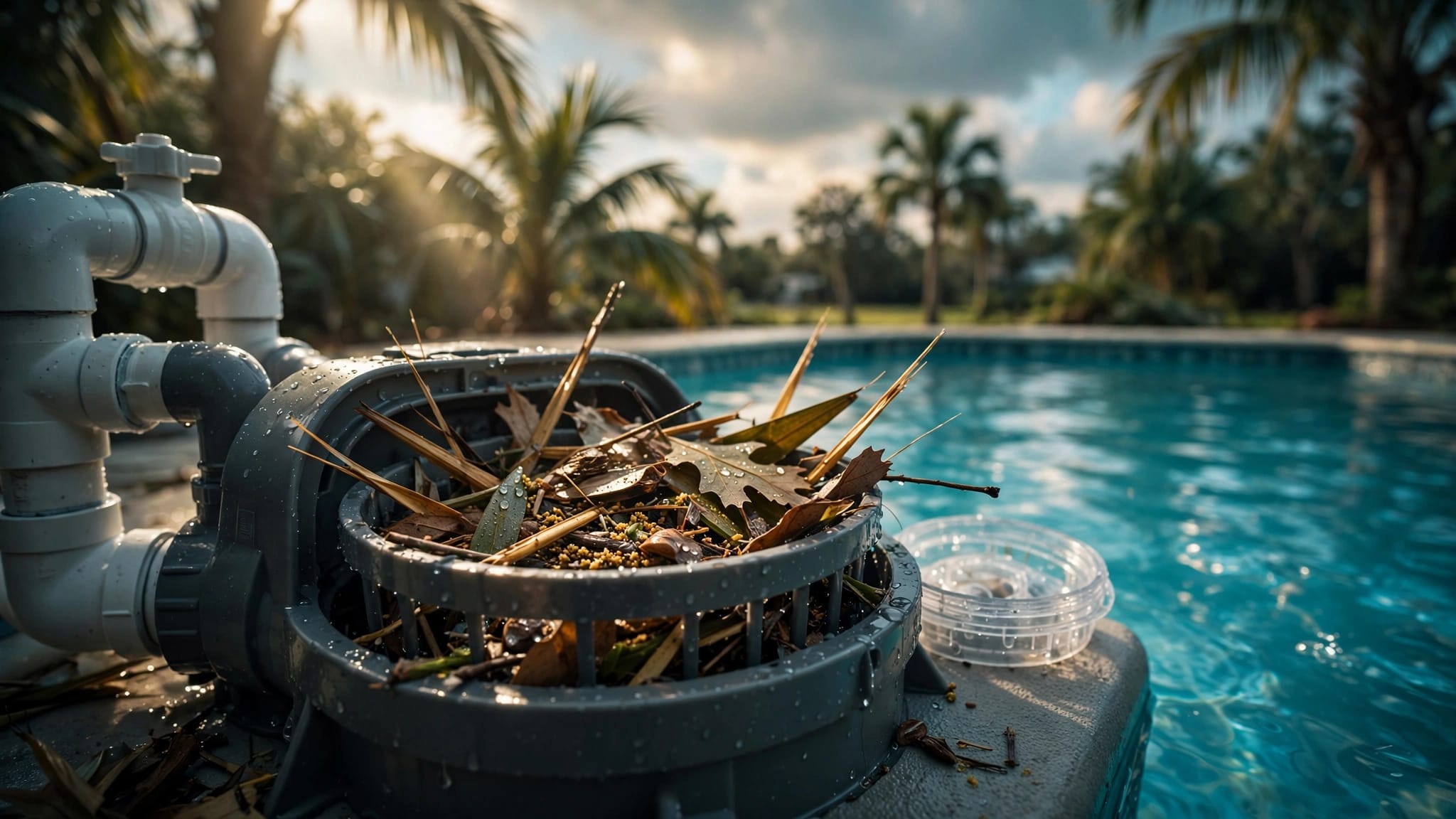
If you own a pool in Cape Coral, a pool autofill is often a smart add-on, but it isn't a must-have for every home. The real question is how steady your water level stays, how often you are around, and how much hassle you want to remove from routine care. Snowbirds, vacation-home owners, busy families, and people who travel often usually get the most value from one.
Cape Coral heat, sun, and wind can move the water line faster than many homeowners expect. If you want a pool that stays at the right level without constant hose duty, a pool autofill in Cape Coral is worth a close look.
What a pool autofill does and why water level matters
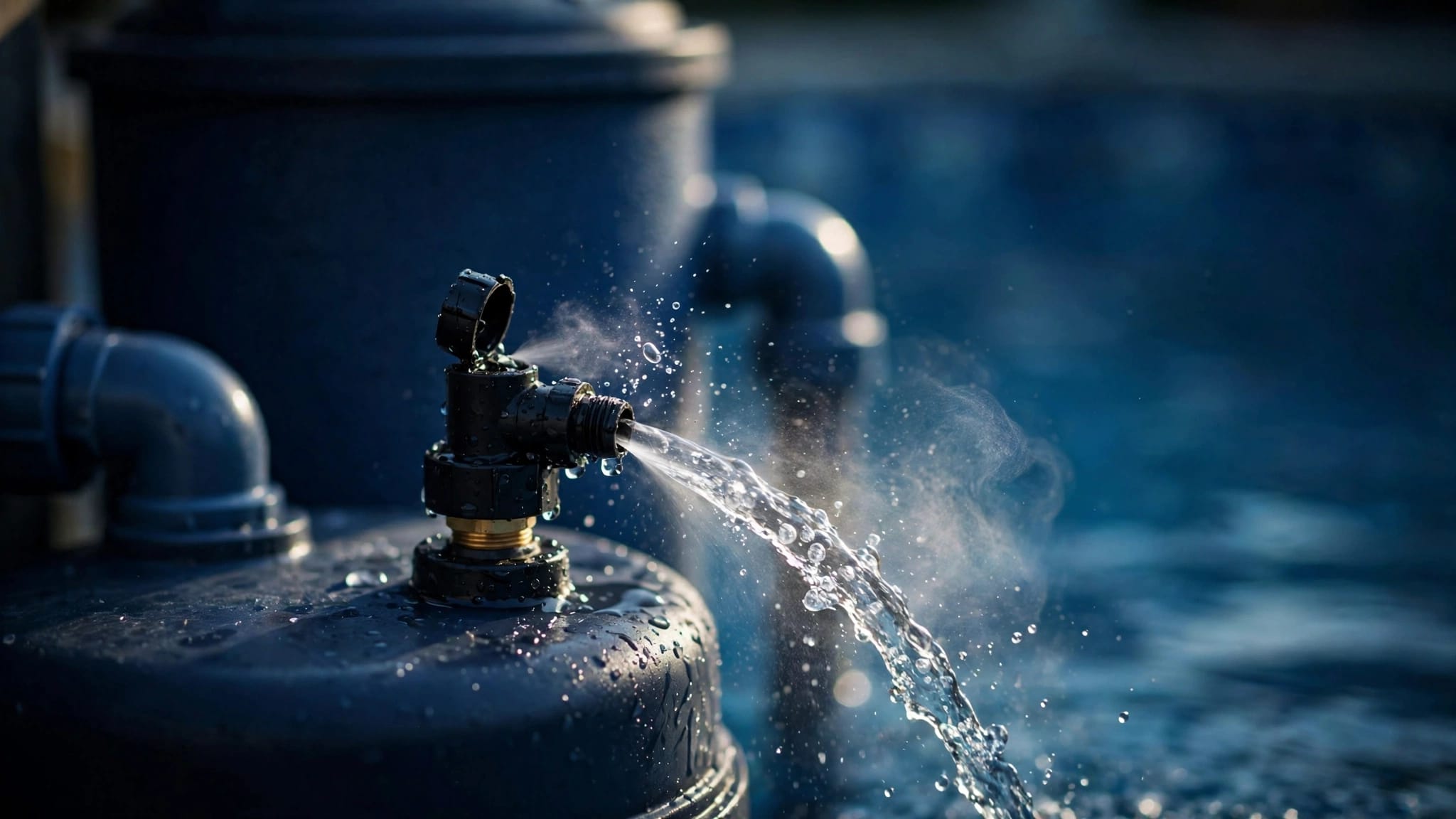
A pool autofill keeps an eye on the water line and adds water when the level drops. When it works right, you barely notice it. The pool simply stays close to the level it needs for good circulation.
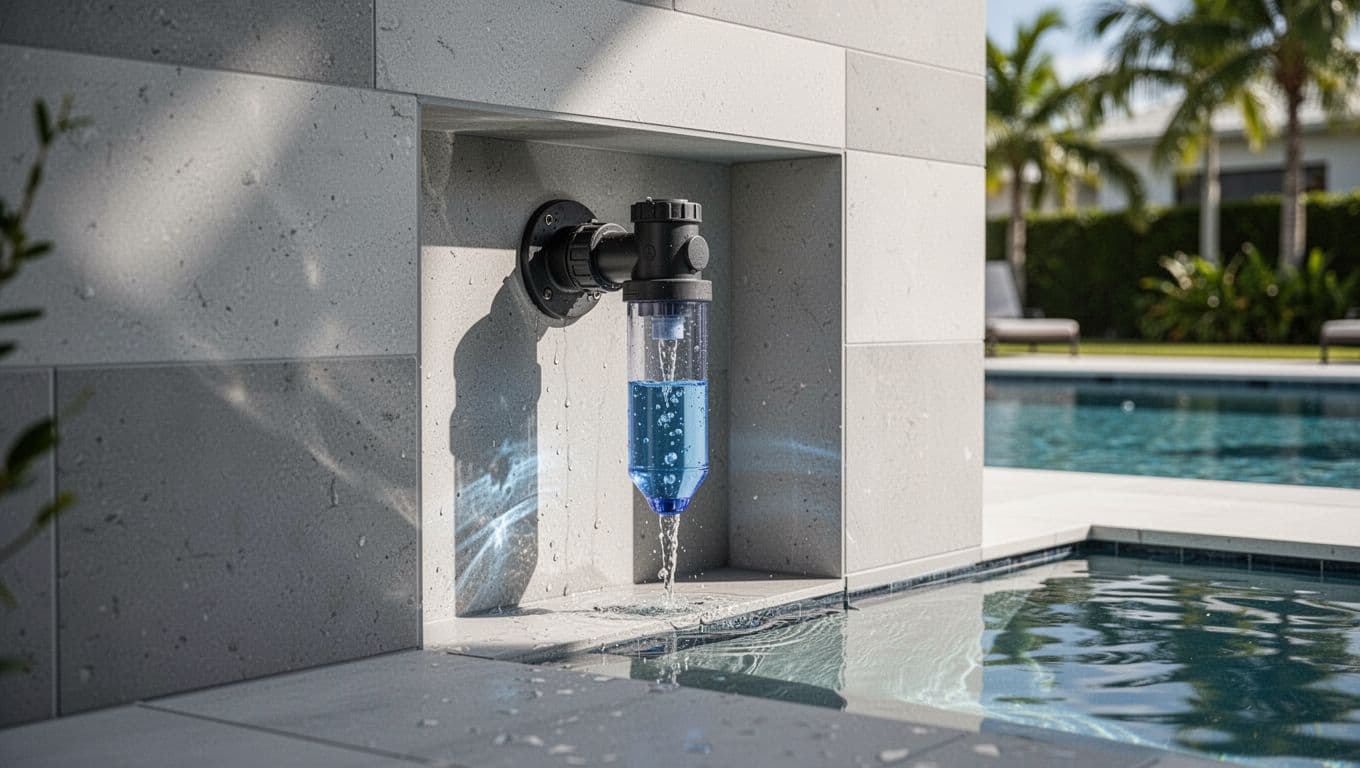
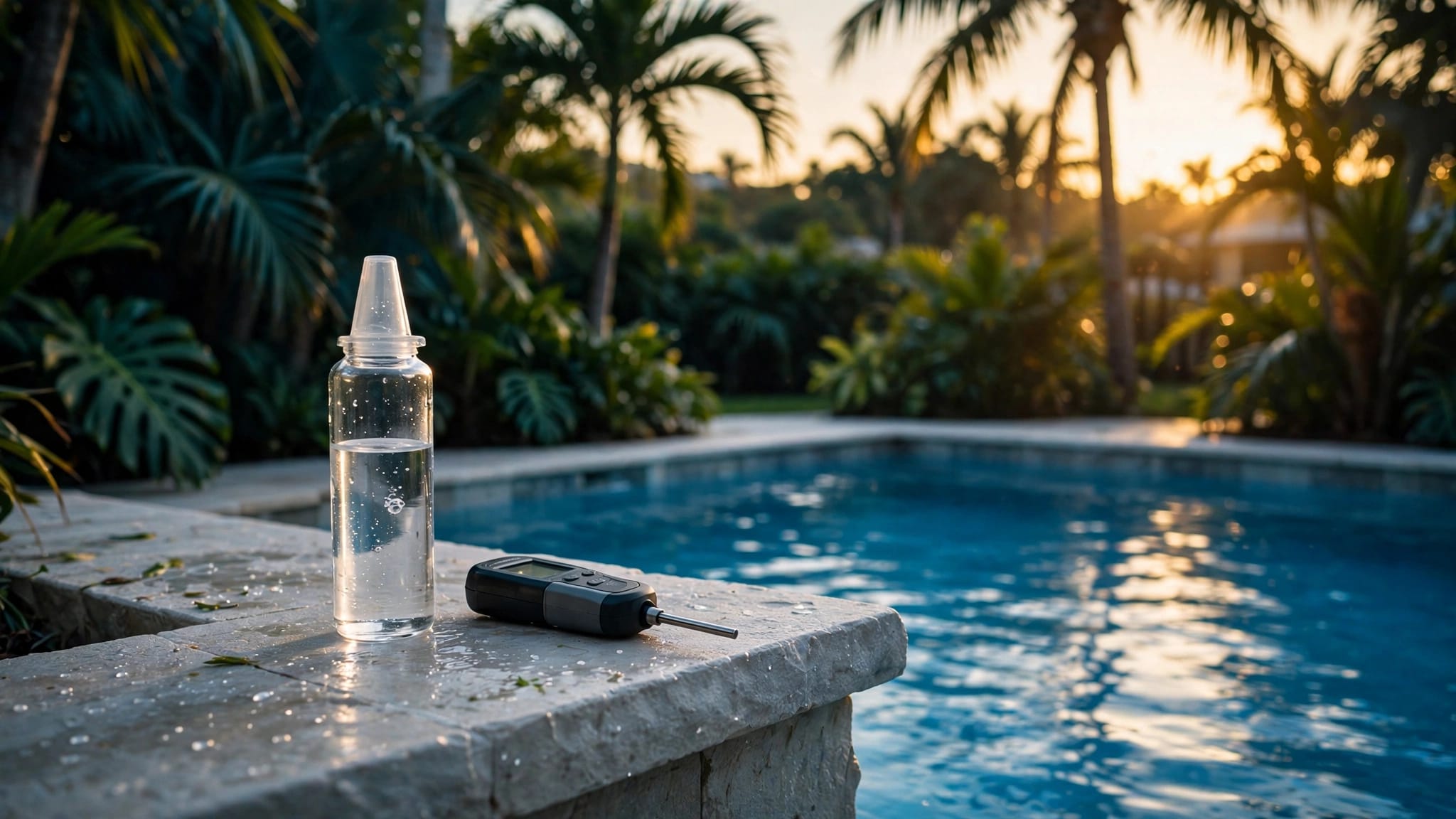
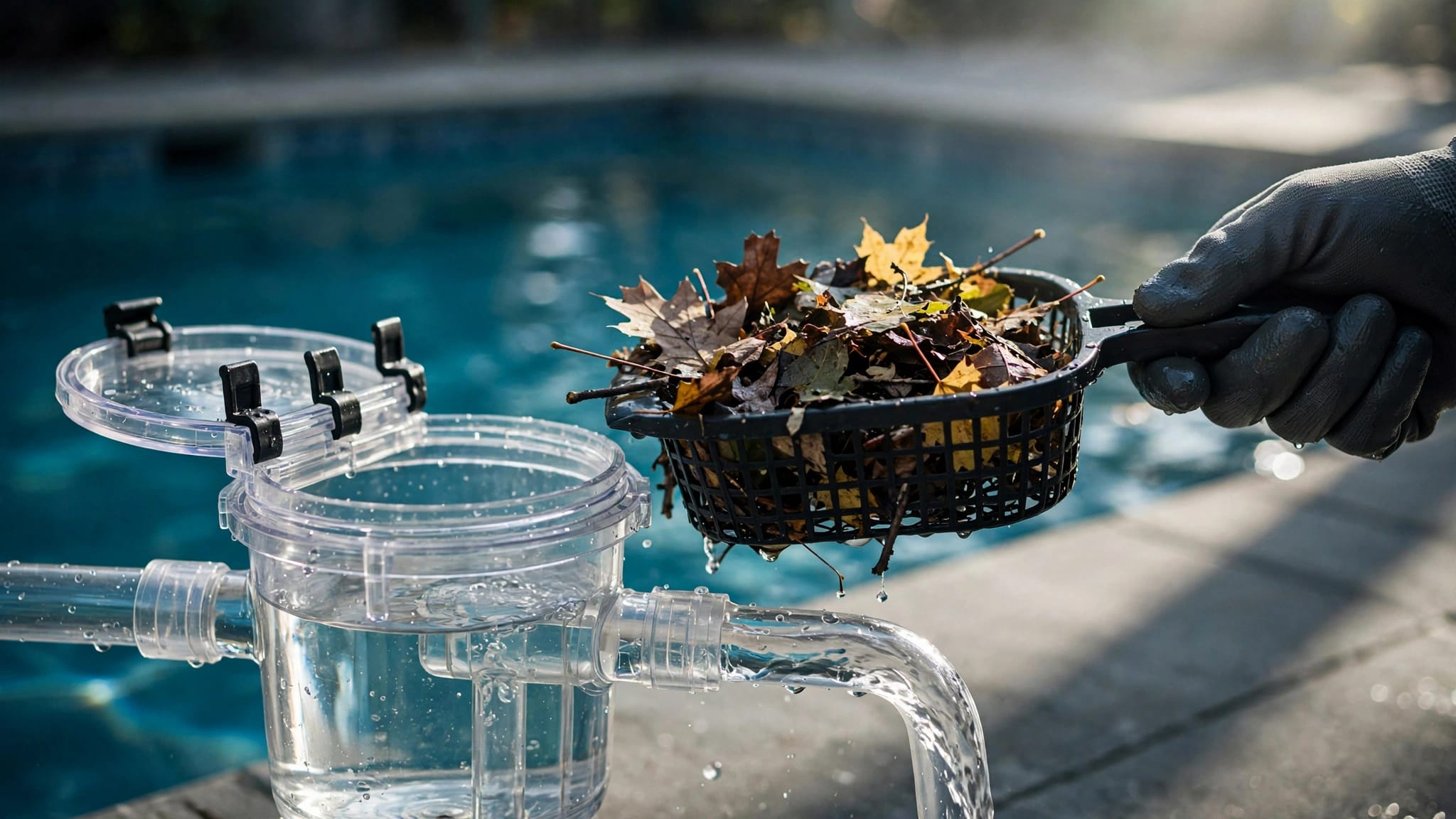
Most pools work best when water sits around the middle of the skimmer opening or just above the center of the tile line. That gives the skimmer enough water to pull in leaves and floating debris. It also keeps the pump from pulling air when the water drops.
If the level gets too low, the skimmer starts to struggle. Air can get into the system, and the pump may lose prime. If the level gets too high, surface cleanup gets weaker because the skimmer has less pull.
An autofill is a small piece of equipment, but it protects a basic part of pool care. Stable water level helps the whole system run the way it should.
Why Cape Coral pools lose water so quickly
Cape Coral weather is hard on pool water levels. Strong sun, warm air, and steady wind all push evaporation. Some weeks, the drop seems small. Other times, it adds up faster than you expect.
Daily use also matters. Kids splash more than adults. Guests lean on the pool edge. Pets jump in and out. Even a calm backyard can lose water after a few active afternoons.
Rain can make the level bounce the other way, which is part of the frustration. One week you may be topping off the pool. The next, the water looks fine after a storm. That back-and-forth makes manual filling easy to forget.
The main issue is not the water you can see. It is the water you lose before the pool starts to complain. A low level can weaken skimmer action, reduce circulation, and put extra strain on the pump. If the pool sits a little too low for too long, the problem grows.
A pool autofill helps smooth out those daily changes. It won't stop evaporation, but it keeps the water near target so small losses don't turn into a chore.
When a pool autofill earns its keep
If you are comparing options during a build or remodel, it helps to think about how the pool gets used week to week. The right answer depends on your routine, not just on the equipment.
Homes that usually get the most from one
| Home type | Autofill fit | Why it helps |
|---|---|---|
| Snowbird home | Strong fit | The pool may sit unattended for weeks or months. |
| Vacation home | Strong fit | Guests use the pool, but no one checks the water every day. |
| Busy family home | Good fit | Less time spent dragging out a hose. |
| Homeowner who checks often | Optional | Manual topping off may already be enough. |
Snowbirds usually see the clearest benefit. You leave, the weather keeps working on the water, and the pool still needs a steady level when you return. A vacation home works the same way, only the empty stretches may be even more frequent.
Busy families like the convenience for a different reason. If you are already keeping up with errands, kids, and yard work, one less task matters. The autofill handles the small drops that pile up over time.
If you're planning a new build or remodel, pool service offerings can help you decide whether to add an autofill while the plumbing is still open. That is often the easiest time to include it.
For a pool that stays in use every day and gets checked often, the value is less obvious. Some owners are happy topping it off by hand. If that sounds like your routine, you may not need the extra device.
If your project includes a larger update, pool resurfacing and renovation experts can also help you think through small upgrades like autofill, tile, and deck work at the same time.
What an autofill won't fix
A pool autofill helps with water level. It does not fix a leak, balance chemicals, or replace normal upkeep. If the pool keeps dropping more than it should, the problem may be in plumbing, fittings, or the shell itself.
If your water level keeps falling fast, an autofill may be hiding a leak instead of solving one.
That is why a quick look at the water line still matters. If you see wet spots near the deck, air bubbles in the returns, or a pump that keeps losing prime, the pool needs attention.
An autofill can also save a little water in the right situation. It keeps you from overfilling by hand and from guessing with the hose. That matters most when people top off a pool too often or leave the water running longer than needed.
Still, the savings only show up when the system is replacing sloppy manual filling. If your pool already holds level well, the water savings may be small. In that case, convenience is the main reason to add one.
If you're planning a new build or a remodel and want to compare the cost of adding one, Get a Free Estimate and talk through the details before the work begins.
A simple way to decide
The best way to judge a pool autofill is to ask one basic question: how much time do you spend managing the water line now? If the answer is often, the case for one gets stronger.
A Cape Coral pool that sits empty for stretches, gets heavy family use, or needs frequent hand filling is a good candidate. A pool that stays stable and gets checked every day may not need the add-on. The choice is less about luxury and more about routine.
For many homeowners, the autofill is a small upgrade that removes a nagging task. It keeps the skimmer happier, helps the pump run more comfortably, and saves you from guessing at the hose.
Conclusion
A pool autofill in Cape Coral makes the most sense when water levels drift often, the pool sits unattended, or you want less day-to-day maintenance. In a sunny, windy place, steady water level is more than a comfort issue. It helps the whole system work better.
If you travel often, own a second home, or want a little less pool babysitting, an autofill is a practical choice. If you already keep a close eye on the water and don't mind manual top-offs, you may be fine without one.