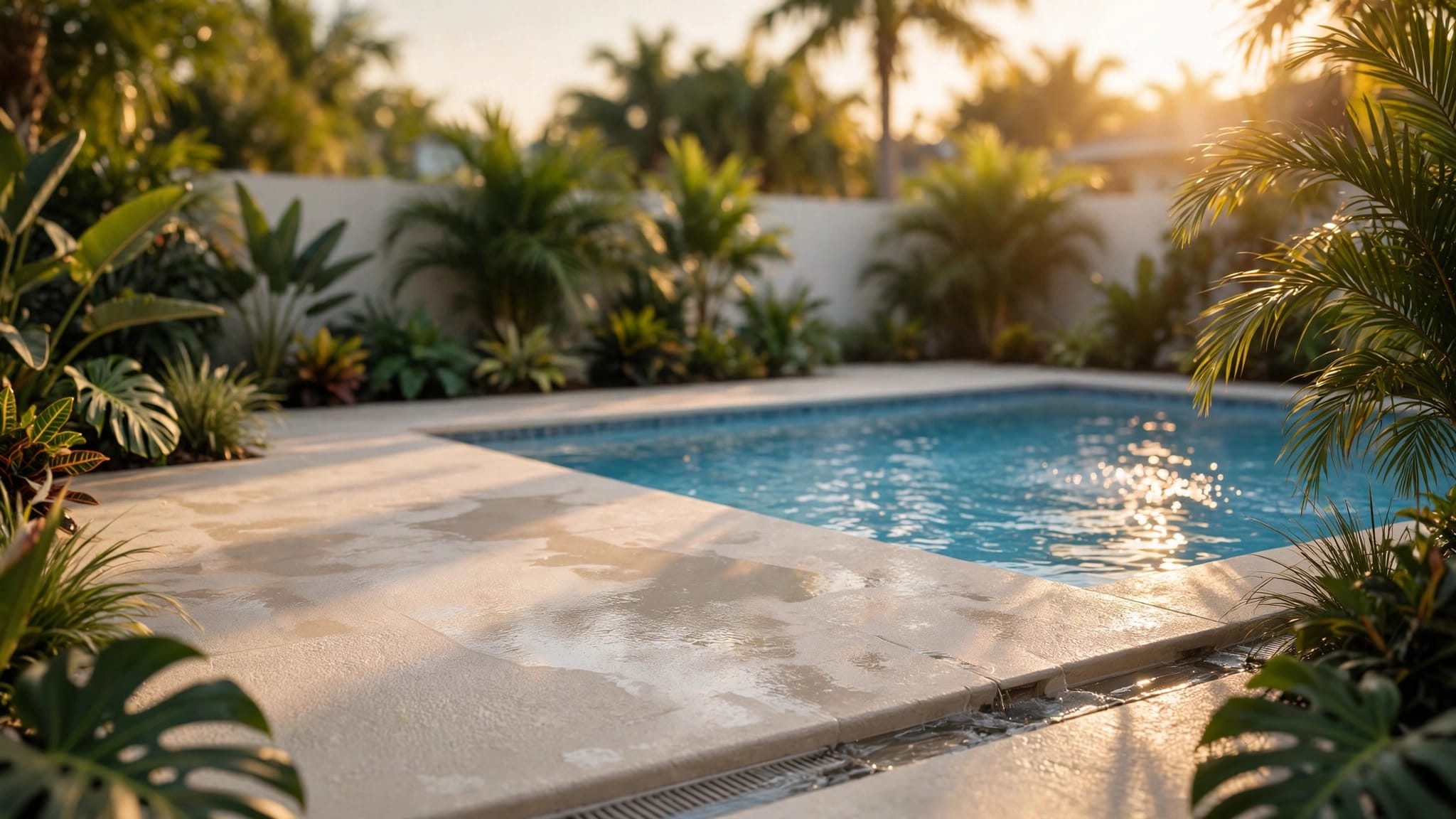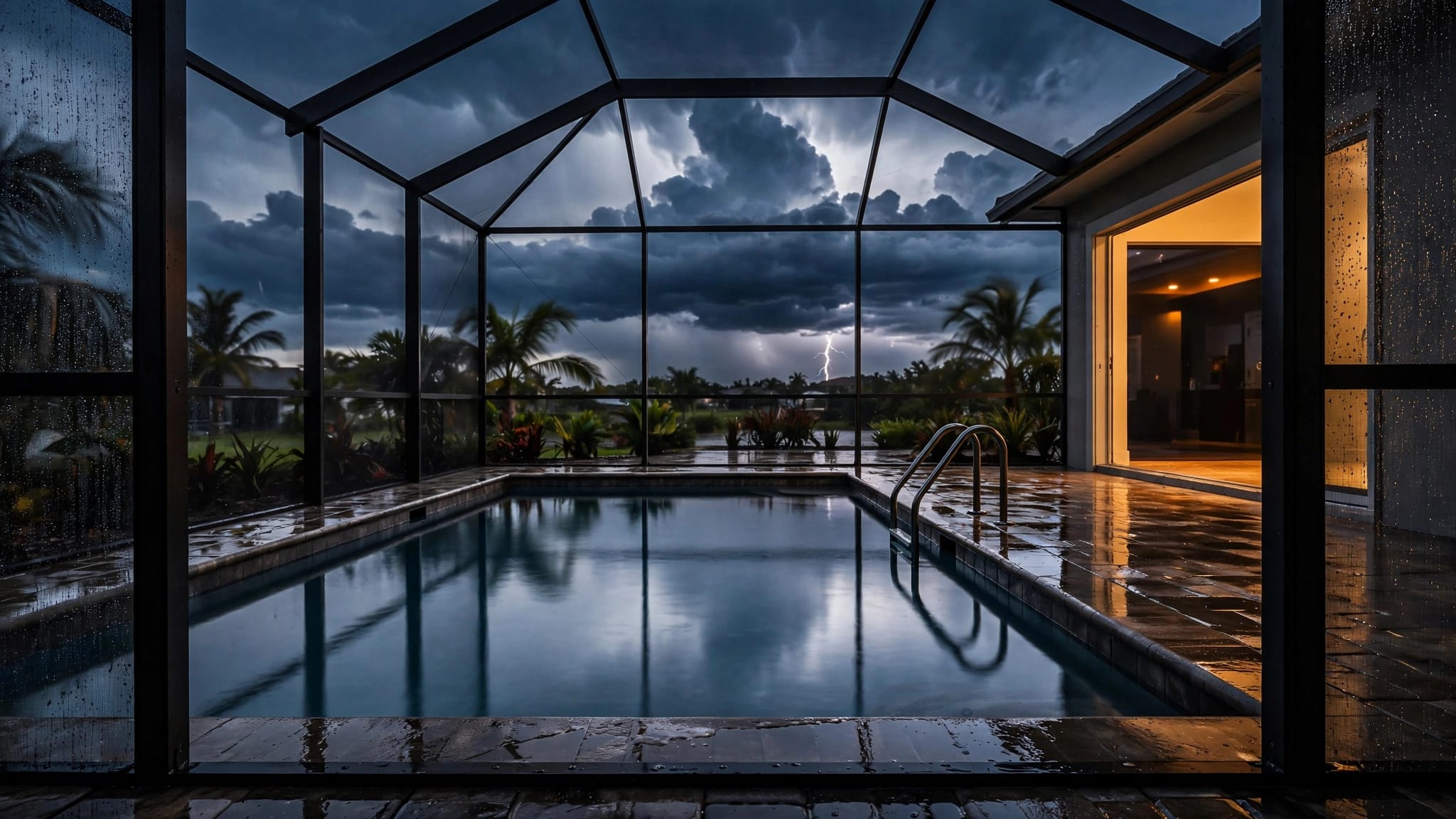
For many Cape Coral homeowners, a pool chiller is worth it only when the water gets too warm to enjoy. If your pool feels refreshing in the morning but flat and hot by midday, you already know the problem.
The answer depends on more than temperature alone. Sun exposure, pool depth, surface color, and how often you swim during the day all change the math. That's why some pools need cooling help, while others do fine without it.
Why Cape Coral pools heat up so fast
Cape Coral gets a lot of strong sun, and that matters more than most people expect. Pool water absorbs heat all day, then holds it well into the evening if nights stay warm. That means a pool can feel fine at sunrise and much warmer by lunch.
Shallow water heats faster than deep water. A tanning ledge, a spa spillover, or a small pool with lots of sun exposure can push the temperature up even faster. Dark finishes can make the problem worse because they hold heat longer.
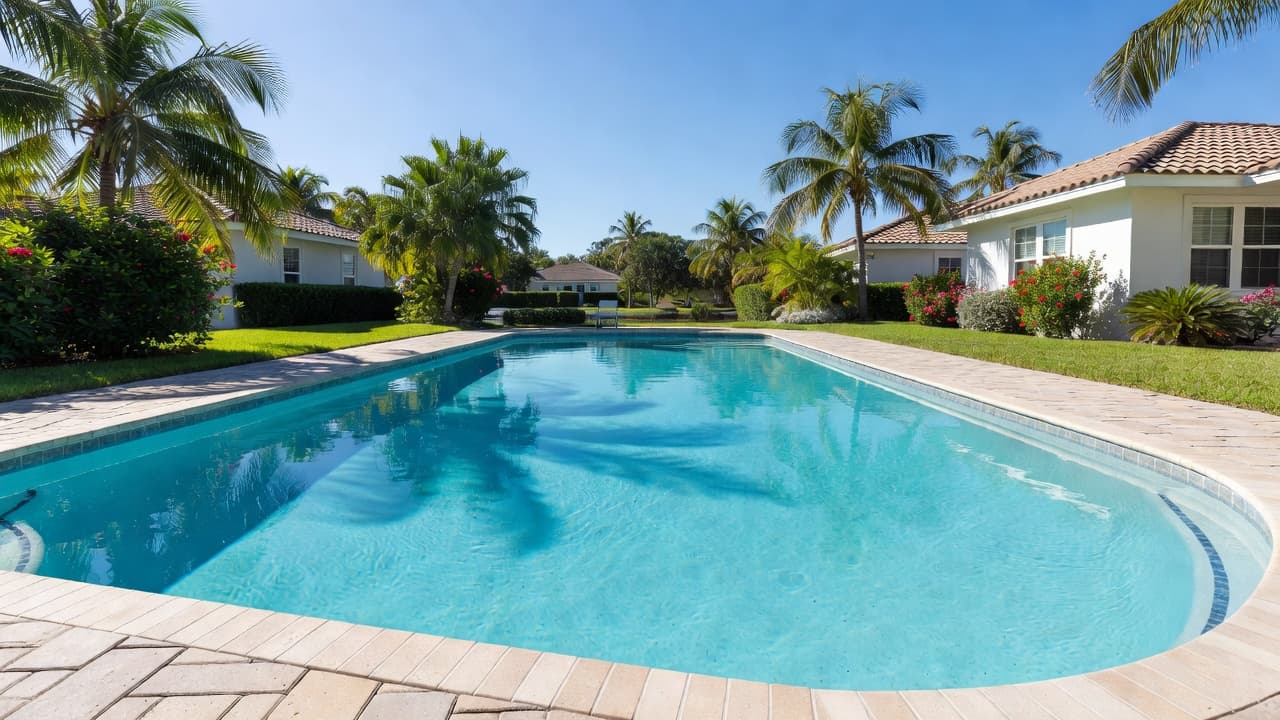
A screen enclosure helps with leaves and bugs, but it does not stop solar heat from building up. In some yards, the enclosure even cuts airflow enough to keep the water warm longer. That is one reason Cape Coral pools can feel more like bathwater than a break from the heat.
What a pool chiller changes
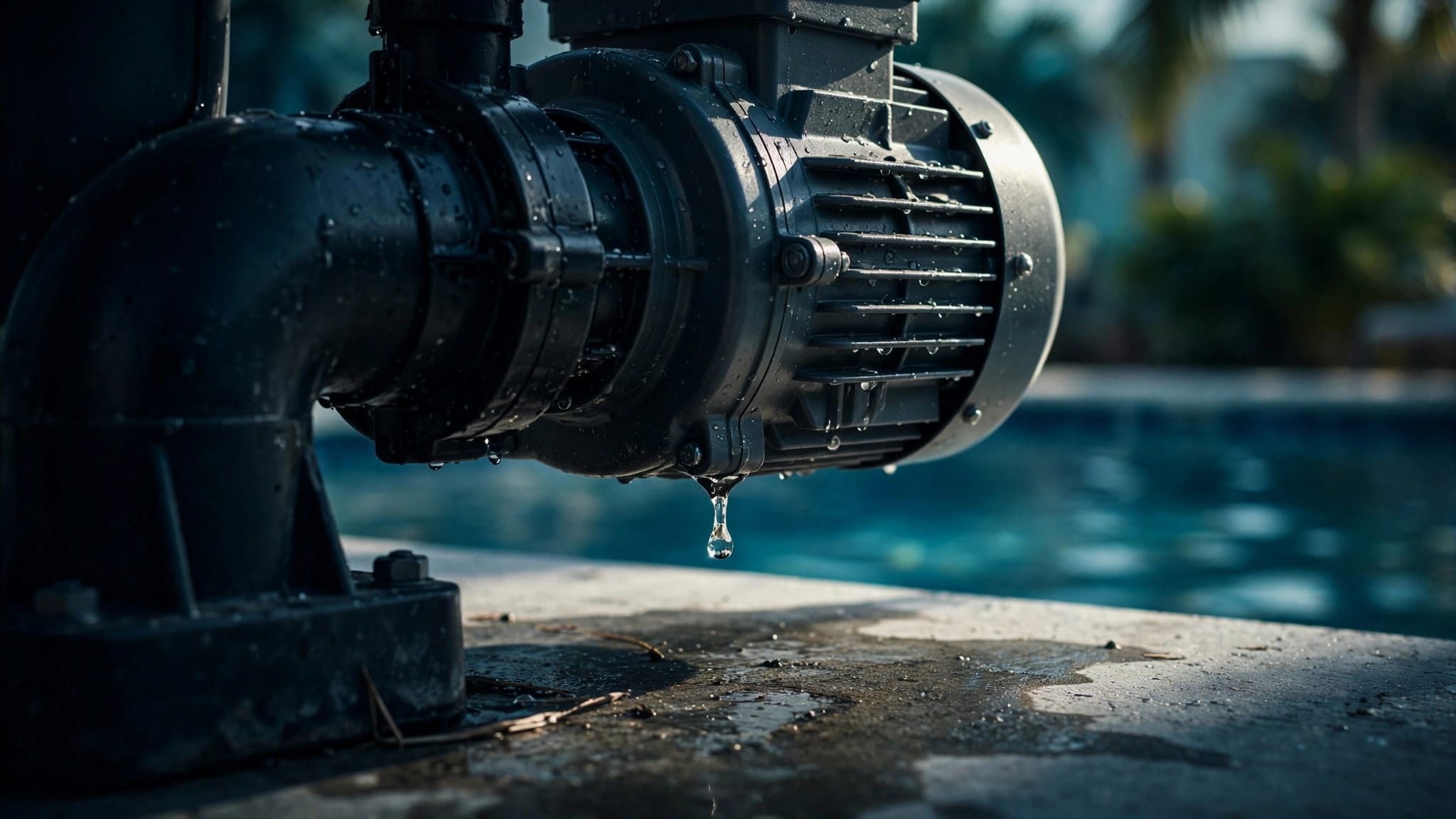
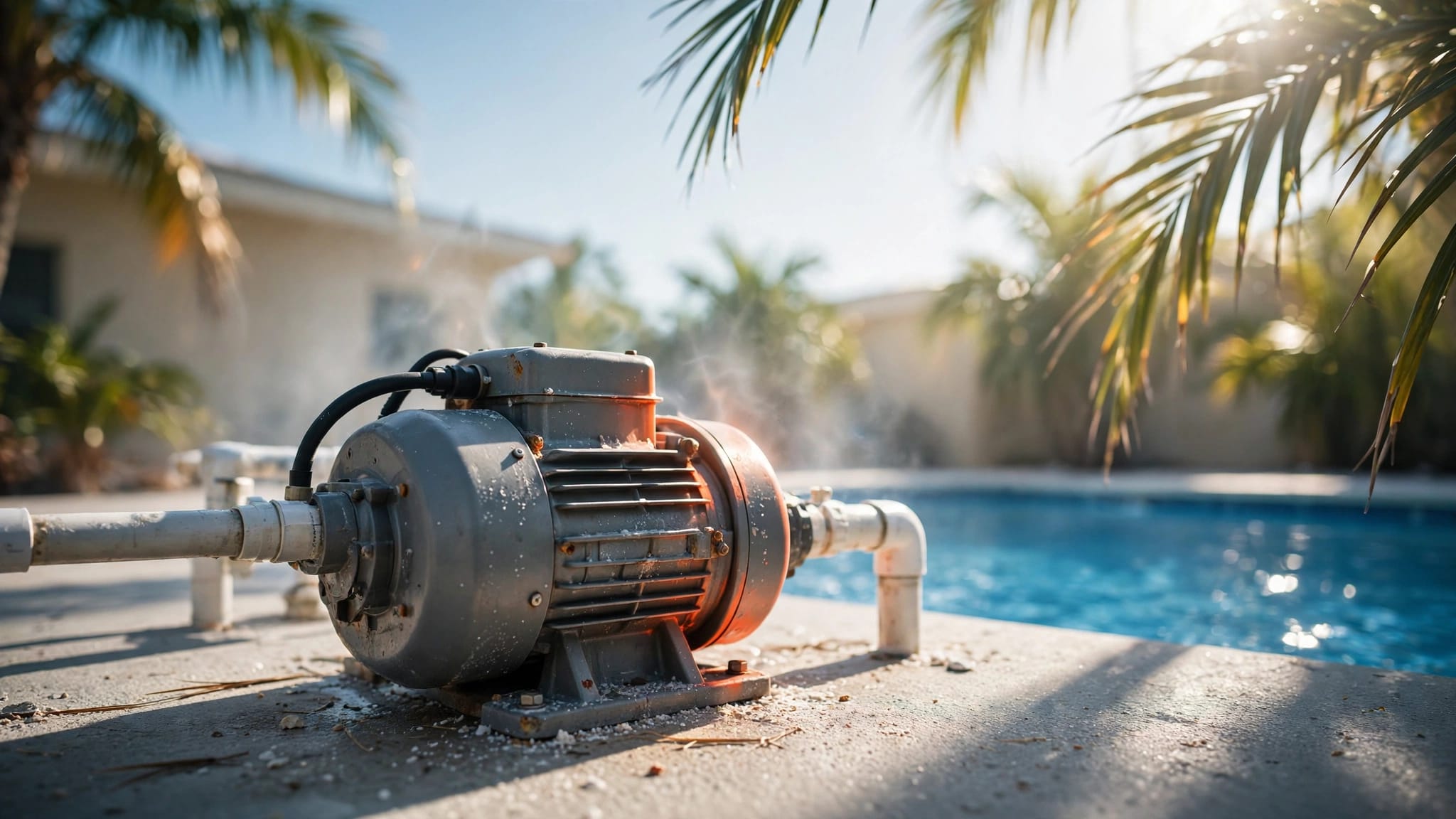
A pool chiller pulls heat out of the water and sends cooler water back into the pool. It does not turn a pool icy, and that is not the goal. It lowers the water enough to make swimming feel comfortable again.
That small change can matter a lot. In Florida, 84 degrees and 90 degrees do not feel close at all once the sun has been beating down for hours. A few degrees can be the difference between a pool that gets used and one that gets avoided.
Pool chillers are most useful when the pool is already in good shape and the only real complaint is heat. They also pair well with heating systems in pools that need both hot-season cooling and cooler-weather warmth. If you are building a new pool, custom in-ground pool builders can help you think through depth, finish color, and sun exposure before the shell is set.
A cooler pool is most valuable when the water is warm exactly when you want to swim.
Here are the main benefits homeowners usually notice:
- Afternoon comfort improves because the water stops feeling stagnant and heavy.
- The pool gets used more often since family and guests stay in longer.
- Daytime gatherings feel better when the pool no longer feels overheated.
- A mixed-use pool becomes easier to manage if you want both cooling and heating support.
When a pool chiller is worth the price tag
The best way to judge a chiller is to look at how your pool is used. A pool that only gets used after sunset may not need one. A pool that becomes too warm by noon often does.
| Situation | Chiller fit | Why |
|---|---|---|
| Full sun most of the day | Strong fit | The water absorbs heat fast and stays warm late into the day. |
| Dark plaster or pebble finish | Strong fit | Dark surfaces hold heat longer and can make the pool feel hotter. |
| Shallow pool or tanning ledge | Good fit | Less water means the temperature rises faster. |
| Frequent daytime swimming | Good fit | Cooling helps when the pool is used at the hottest time. |
| Mostly evening use and plenty of shade | Lower priority | The pool has time to cool before people get in. |
If two or three of those situations sound familiar, a chiller starts to look more practical than optional. That is usually the point where homeowners stop asking, "Do I want one?" and start asking, "How much better would the pool feel with one?"
The tradeoffs you need to think about
A chiller is useful, but it is still equipment with a cost. The upfront price is the first thing most homeowners notice. Installation can also vary, depending on plumbing, electrical work, and the size of the pool.
Energy use is the next issue. A chiller uses power when it runs, so monthly bills can rise during long hot stretches. The hotter the weather and the longer the run time, the more that cost matters.
Other tradeoffs include maintenance and space. Every added piece of equipment needs room, airflow, and occasional service. Larger pools also need larger systems, which can push the price higher.
- Upfront cost can be hard to justify if you swim only a few times a month.
- Electric use rises during the hottest part of the year.
- Sizing matters because an undersized chiller may not cool enough.
- Noise and space can matter if your equipment pad is near a patio or window.
The best way to keep the decision realistic is to tie it to actual use. If the pool already gets heavy use and heat keeps getting in the way, the cost makes more sense. If the pool is mostly an evening hangout, the value drops fast.
Pool design choices that can reduce heat first
A chiller is not the only way to deal with hot water. Some design choices can reduce heat before you buy another piece of equipment. That matters most if you are planning a build or a remodel.
Finish color is a big one. Lighter surfaces usually hold less heat than darker ones. Pool depth matters too, because shallow water warms faster. Location matters as well, since a pool with full afternoon sun will always run hotter than one with more shade.
Screen enclosures help with comfort in other ways. They cut down on bugs, leaves, and some glare. Still, they should be seen as a comfort feature, not a cooling fix.
If you are renovating, it helps to look at the whole pool instead of one piece at a time. Sometimes a resurfacing choice, a new shade plan, or a smarter layout can reduce heat enough that a chiller becomes less necessary. Other times the pool setup is already locked in, and cooling equipment is the cleanest fix.
A good rule is simple. If the pool is already being used all day, sitting in strong sun, and showing heat buildup even after sunset, a chiller has a stronger case. If the heat problem is mild, design changes may give you enough relief without adding equipment.
Conclusion
In Cape Coral, a pool chiller is worth it when hot water keeps you out of the pool. That usually happens with full sun, shallow water, dark finishes, or heavy daytime use.
If your pool is mostly for evening swims, or if shade already keeps it comfortable, the return is smaller. The decision comes down to how often heat gets in the way of the way you actually use the pool.
If you're weighing a chiller for a new build or a remodel, Get a Free Estimate and compare the options against your pool's layout, finish, and daily use. In a place like Cape Coral, the right setup should feel cool enough to invite you in.